Choose your delivery location
Enter a 6-digit Indian PIN code to see delivery options for that area.
Currently delivering to Bengaluru 560105
Ready stock & made to order
Bulk pens
factori.com supplies bulk pens from ₹29/piece across 662 partner factories — ready stock and custom programmes with GST invoices.
Prices verified October 2026 · shown excluding GST
₹29Entry price
Same dayDispatch on working days
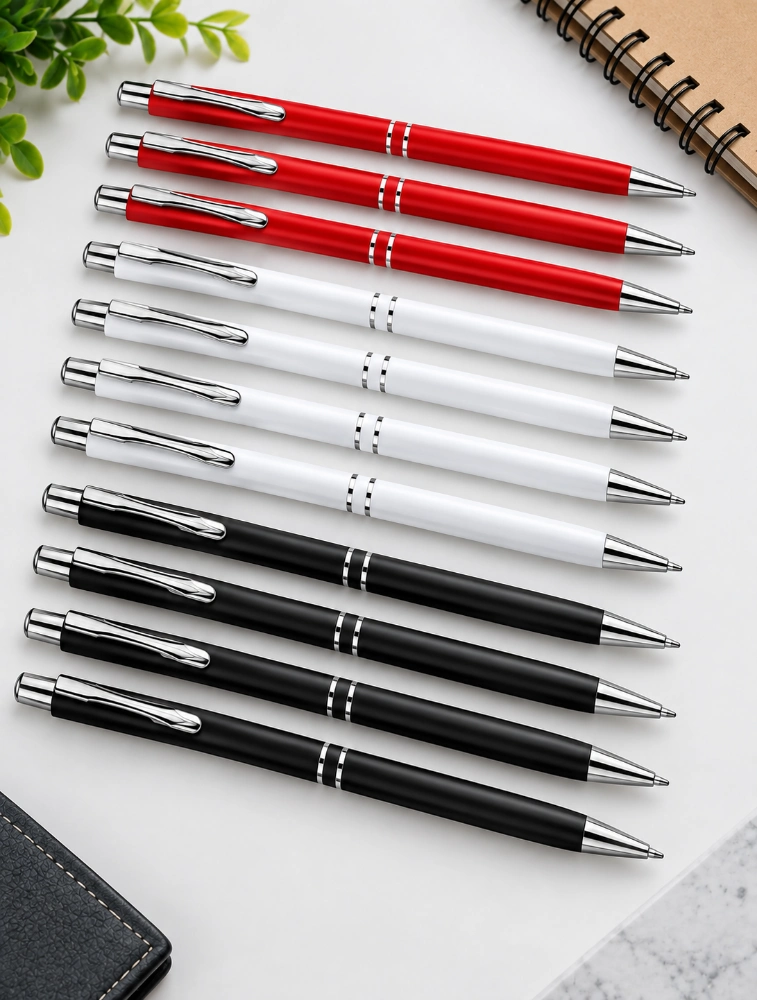
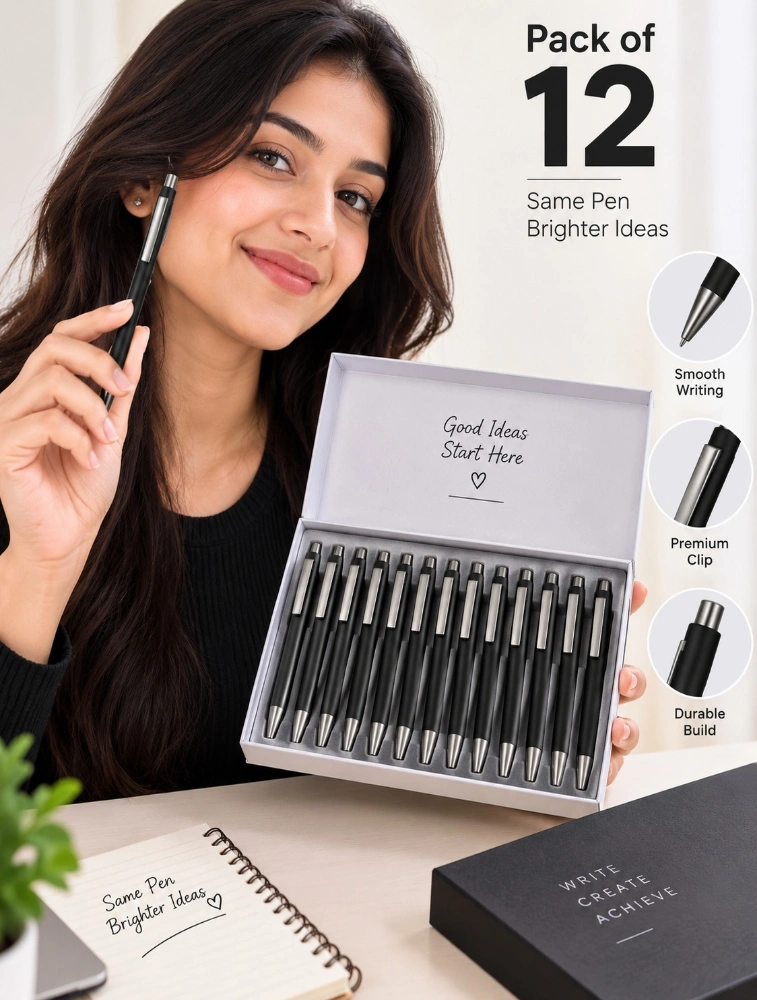
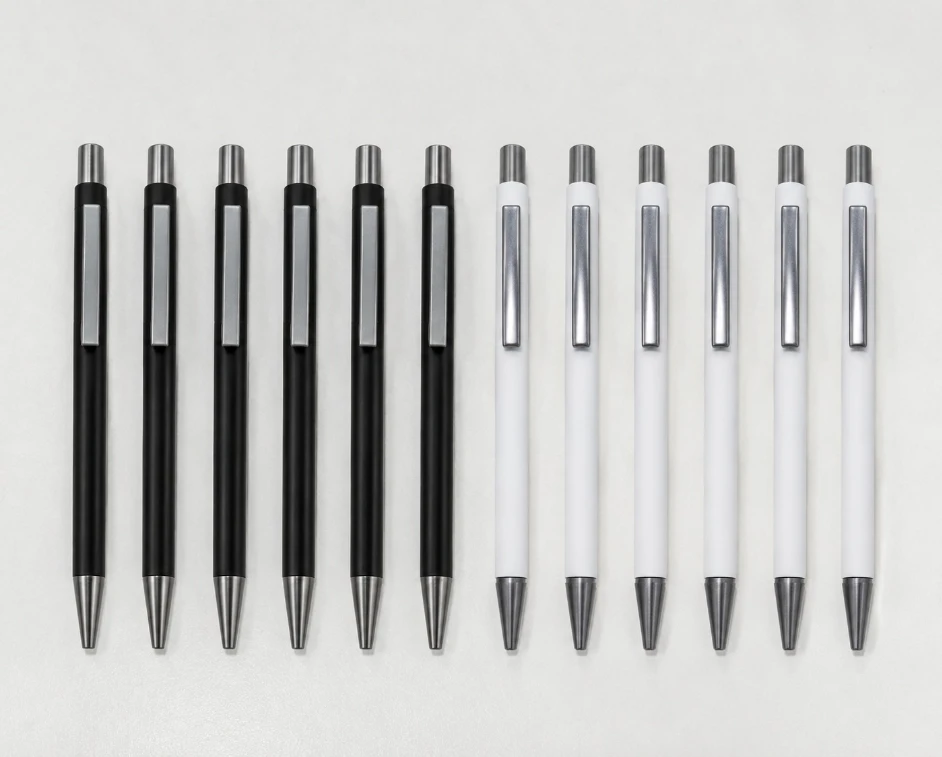
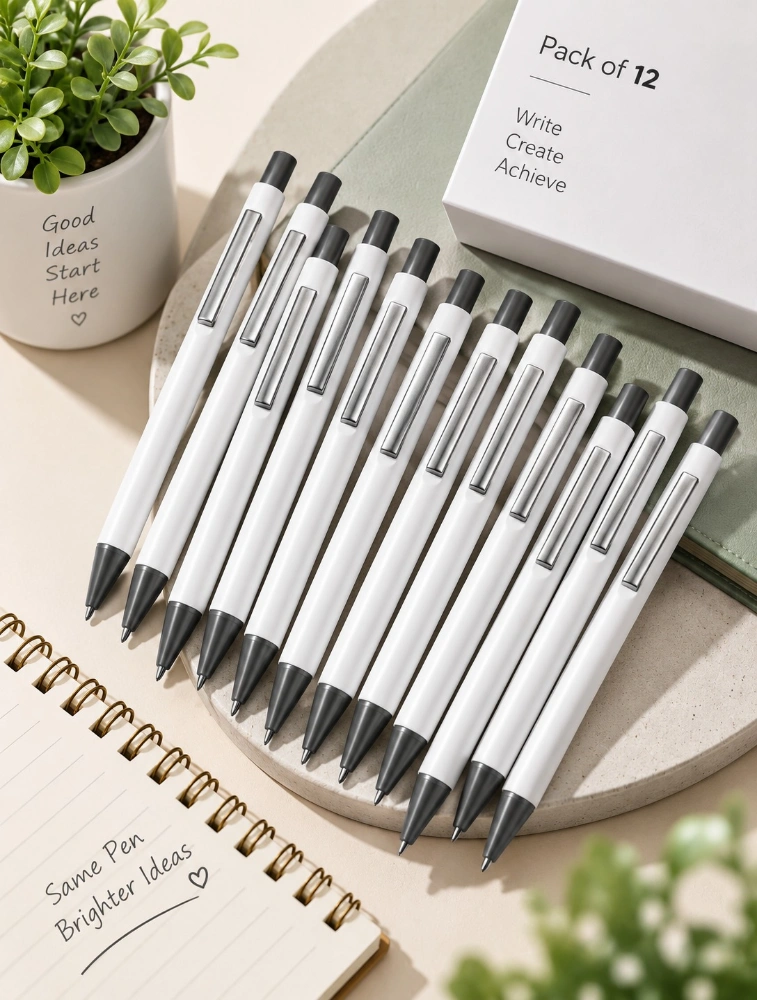
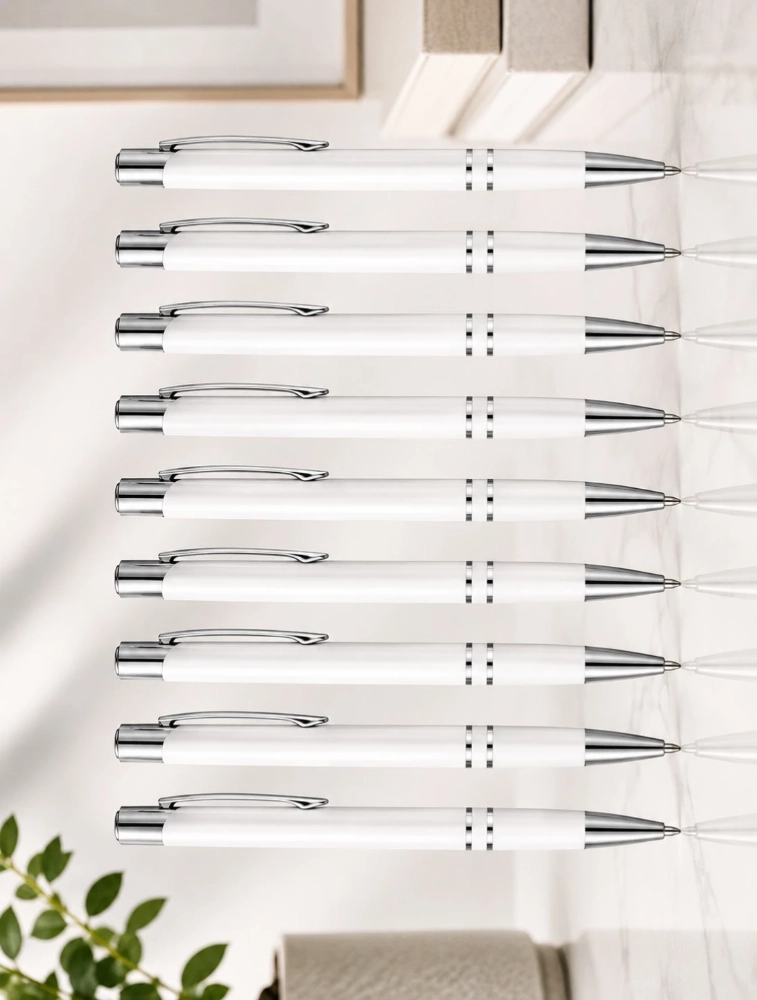
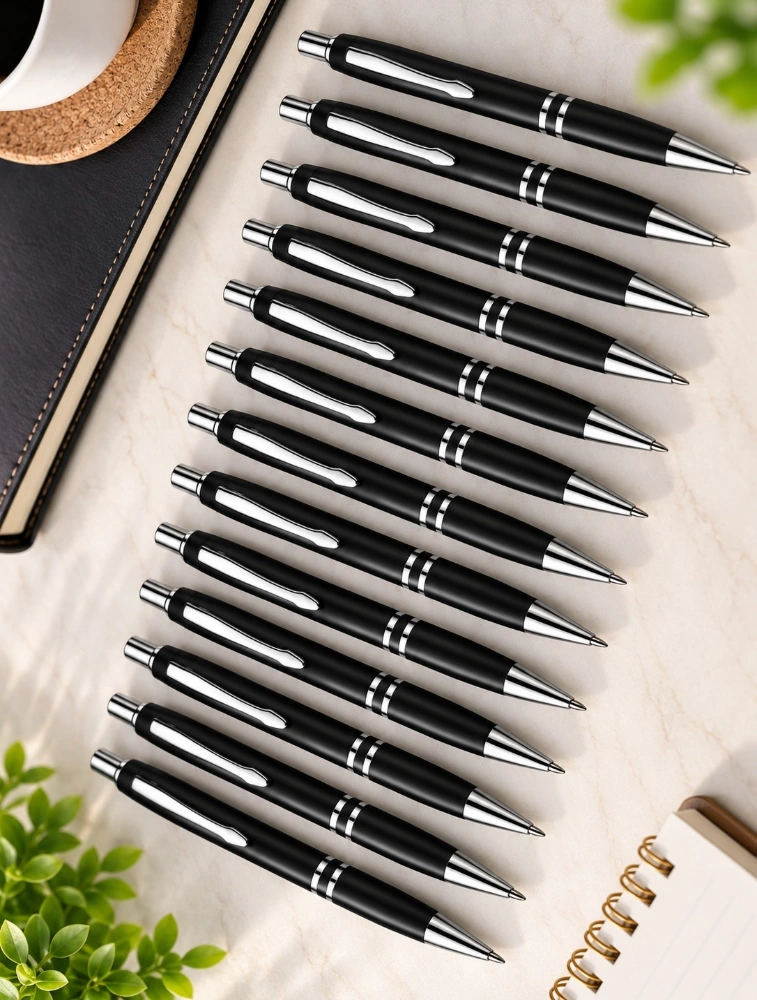
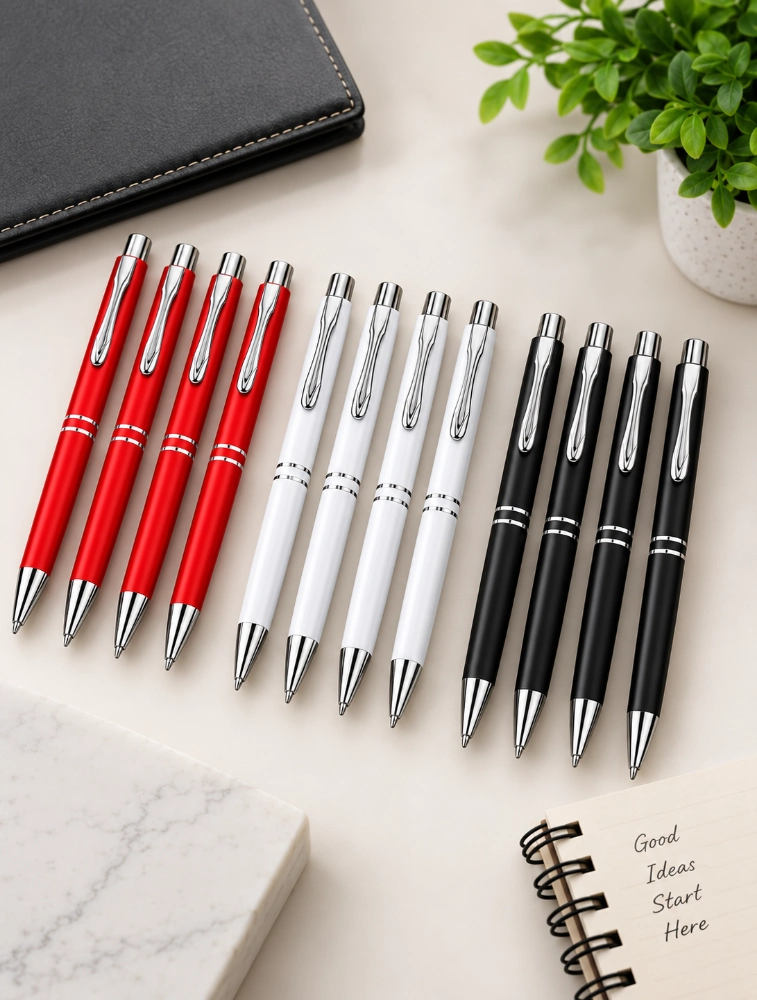
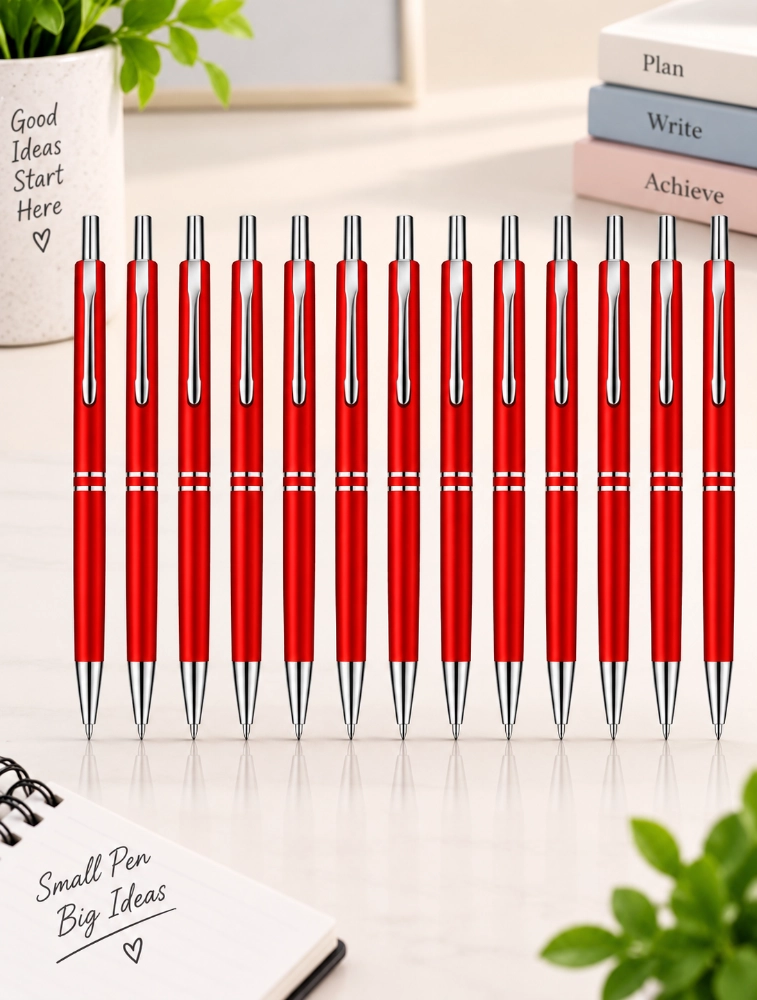
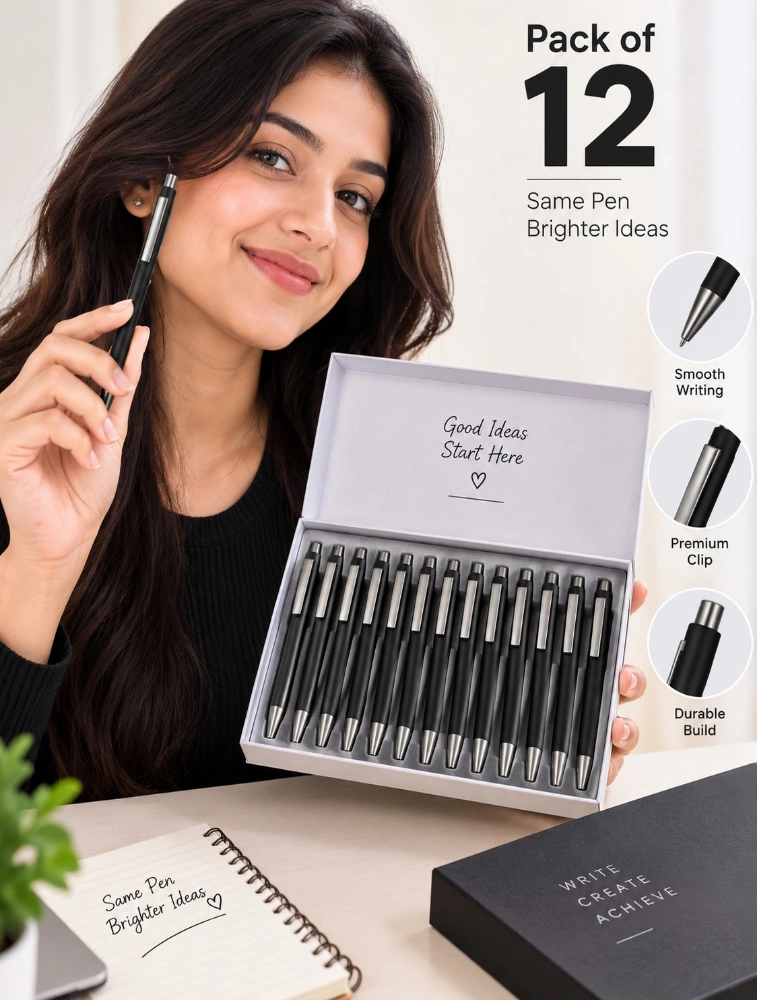
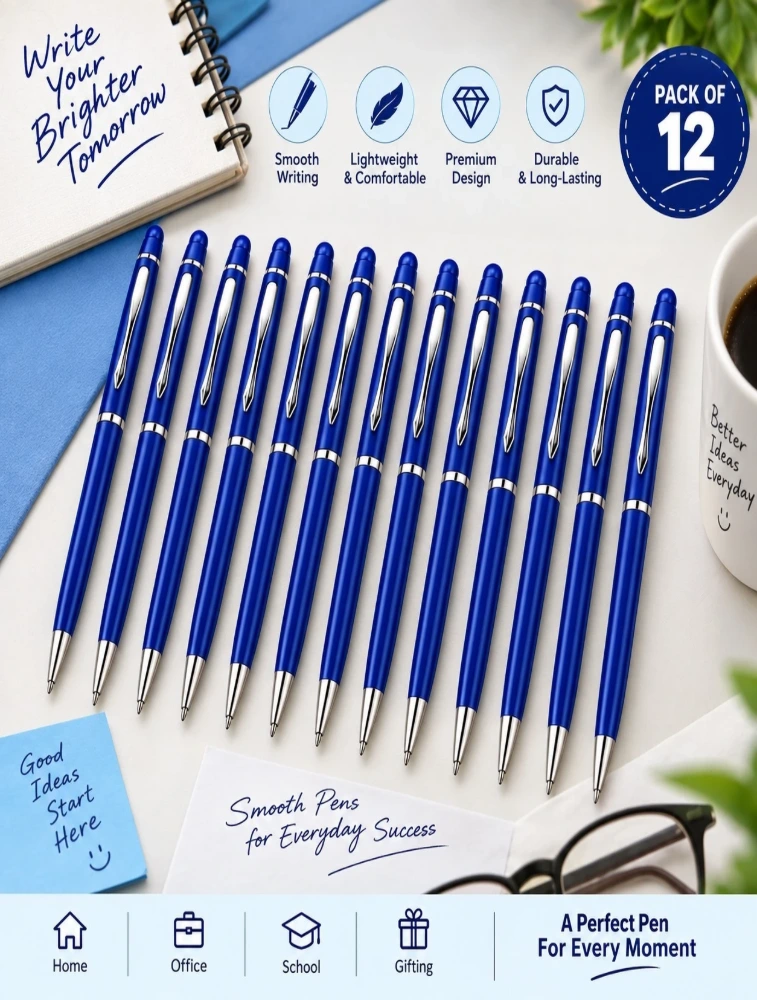
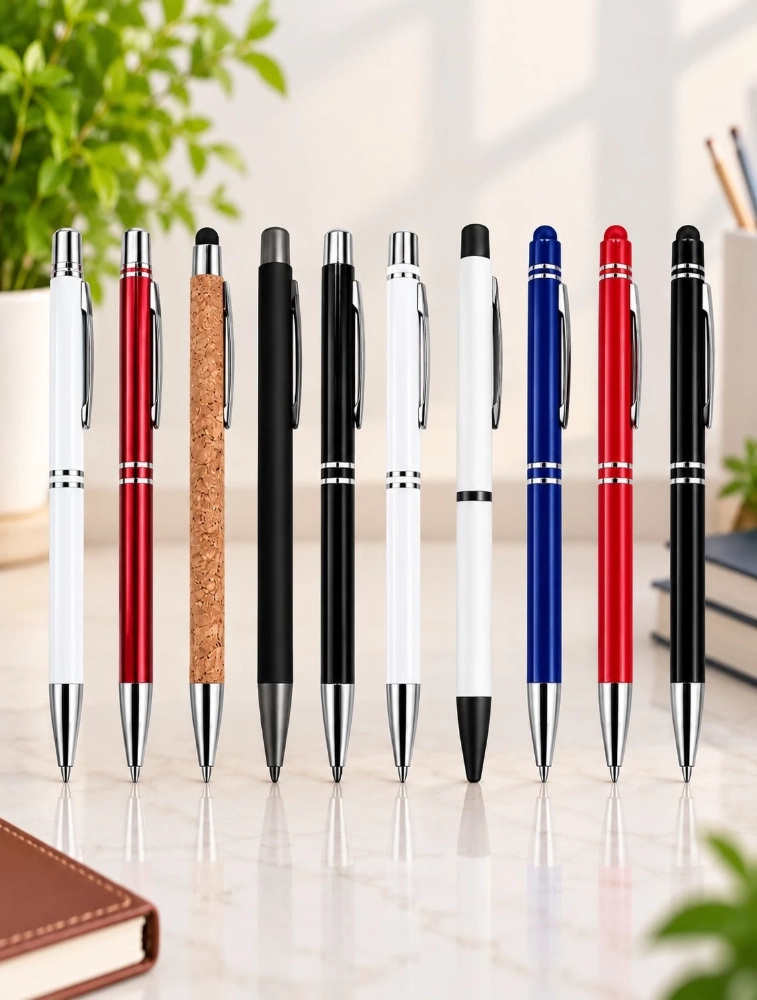
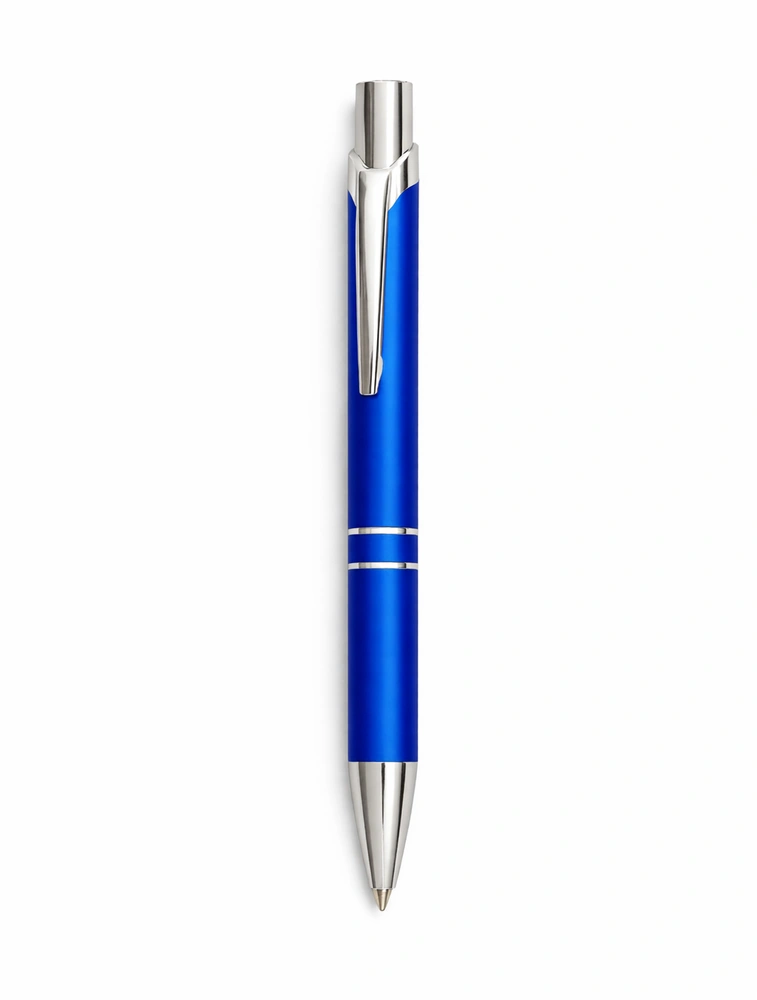
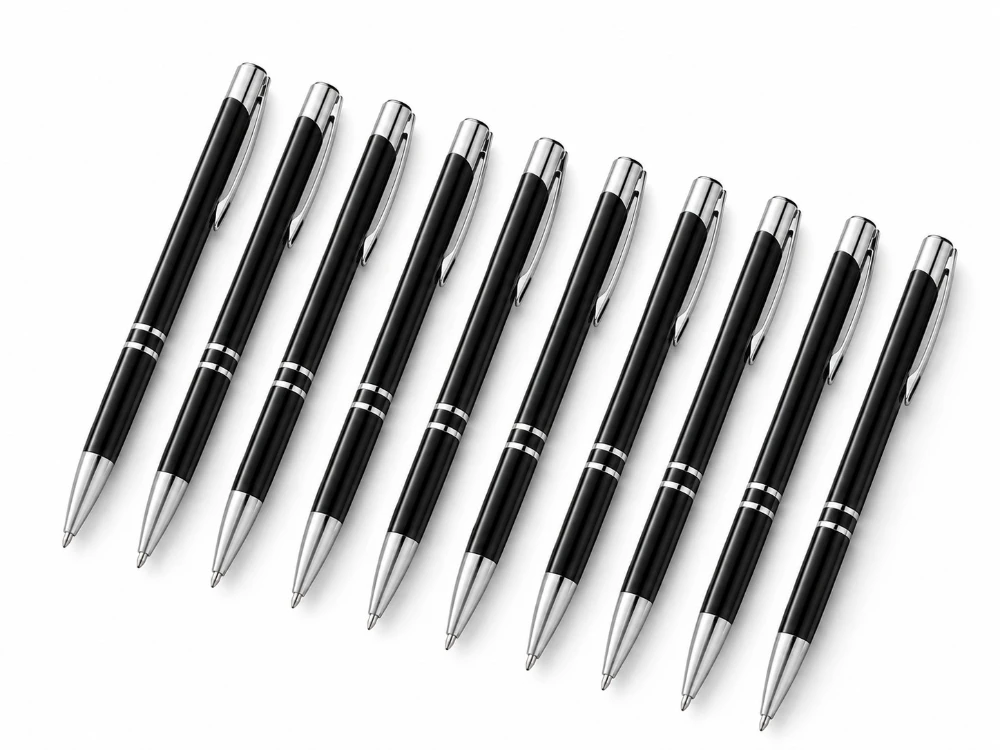
Multicolour Premium Slim Metal and matte Ball Pen with Silver Clip Pack of 10
4.4142 ratings
₹306.00/ piece
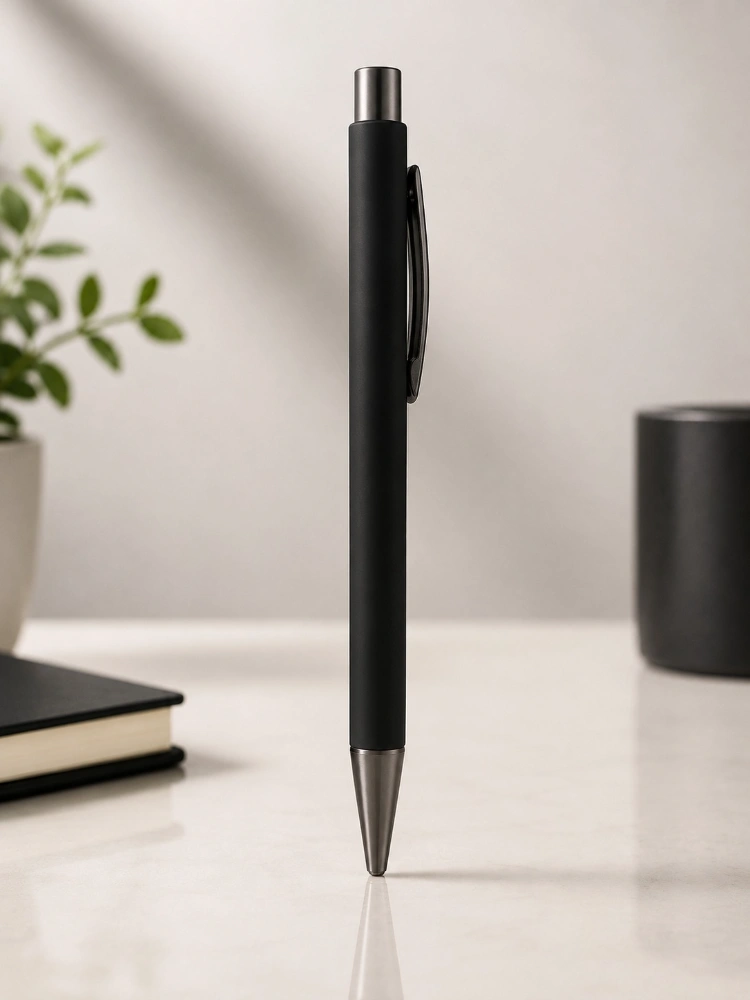
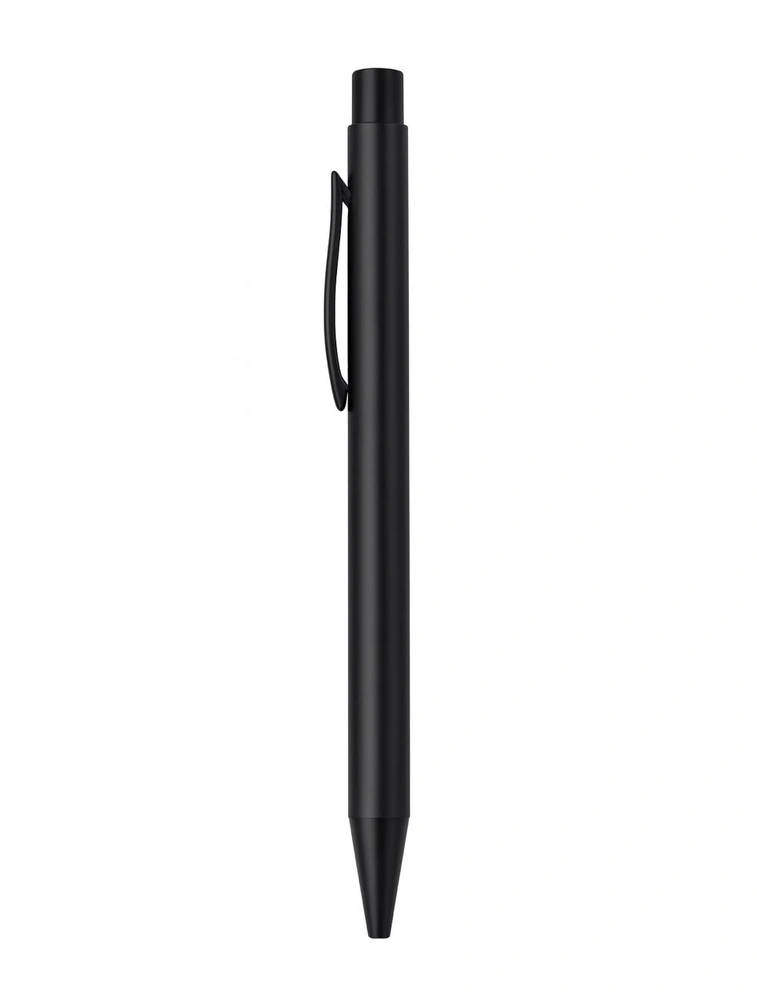
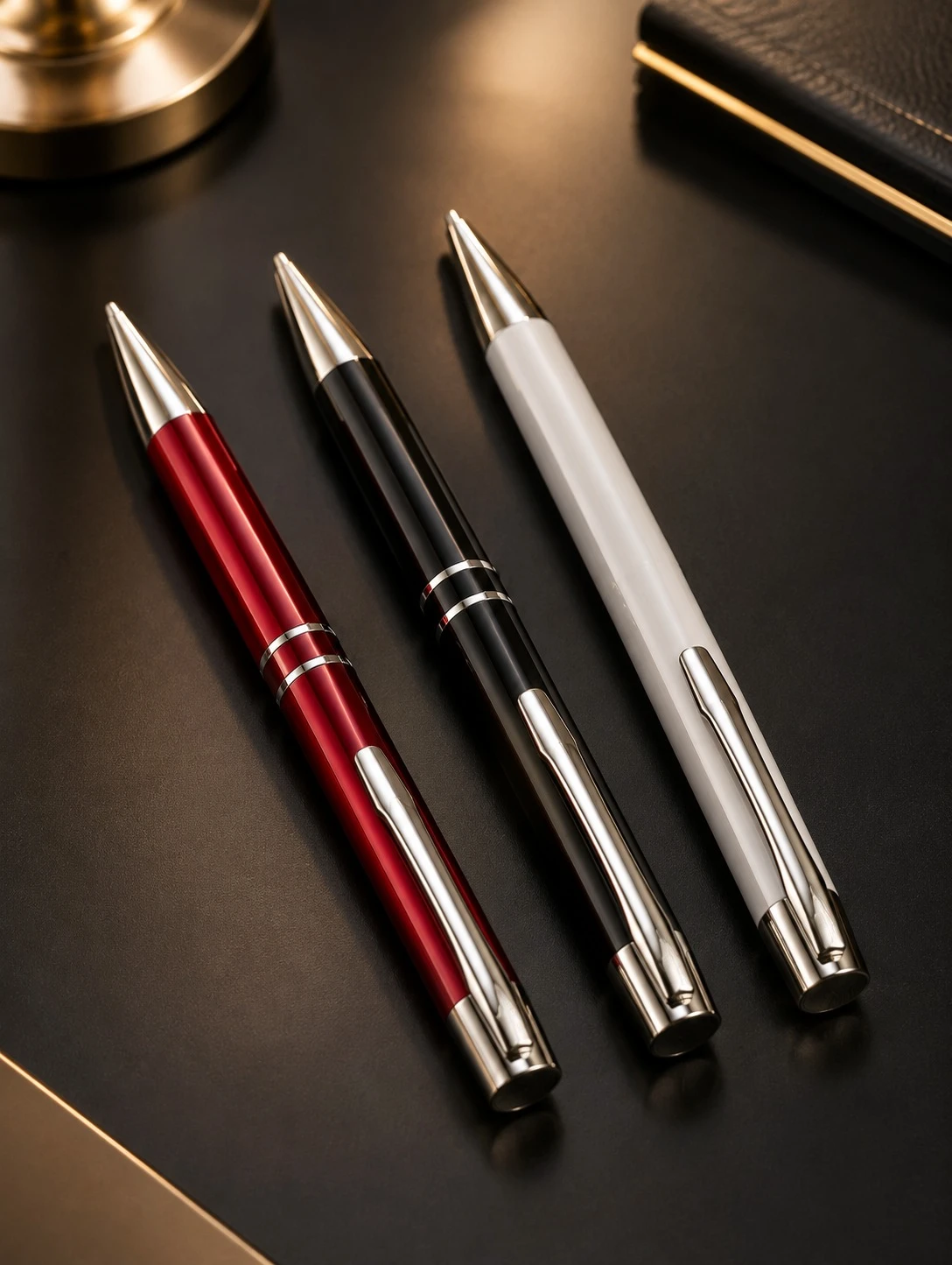
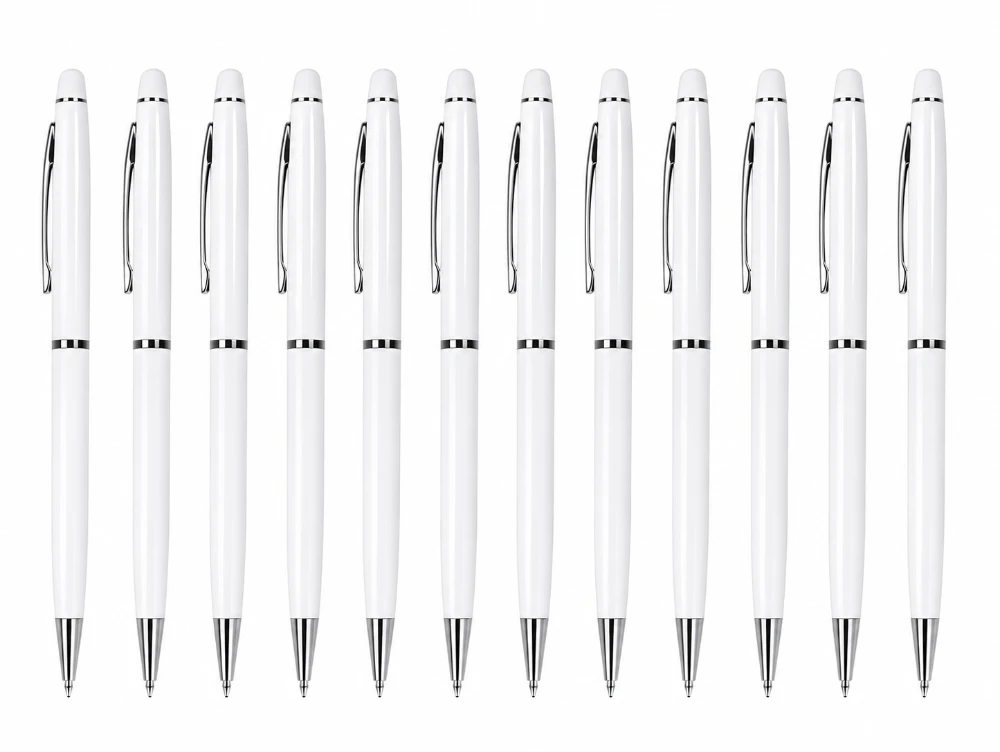
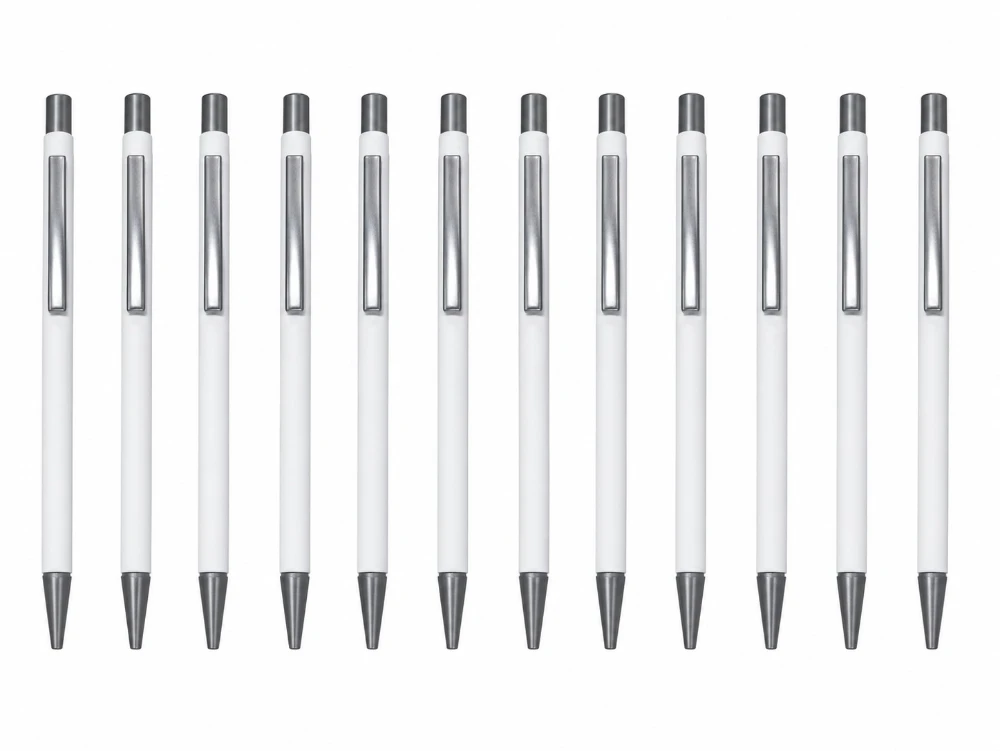
Black Red and White Premium Glossy Steel Ball Pen with Silver Clip Pack of 3
4.4144 ratings
₹71.00/ piece
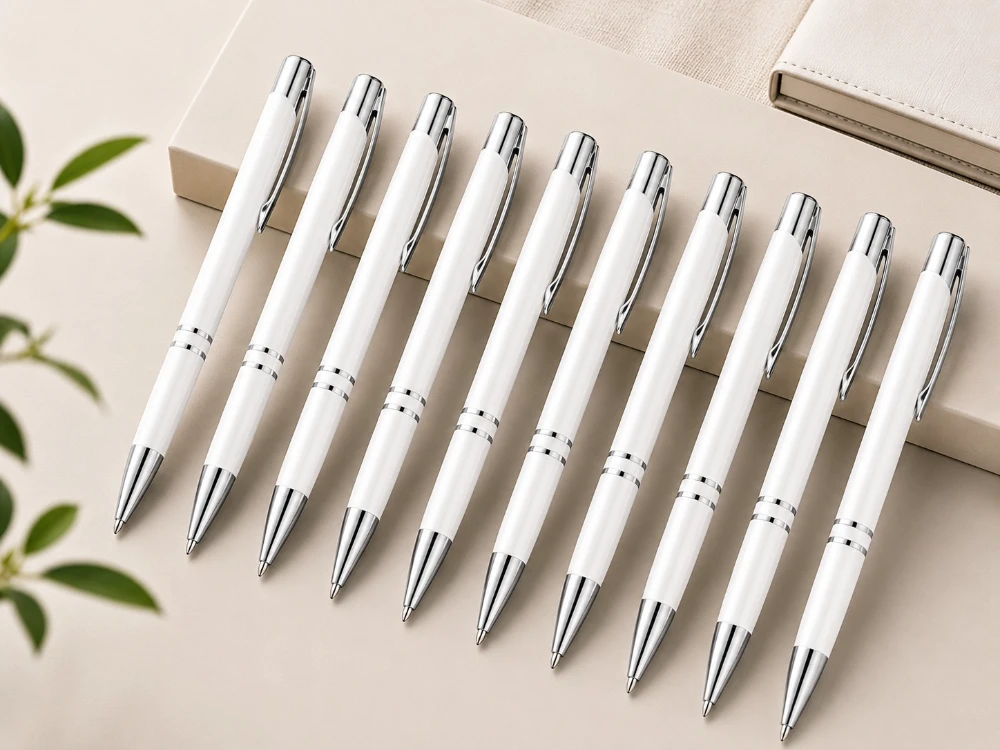
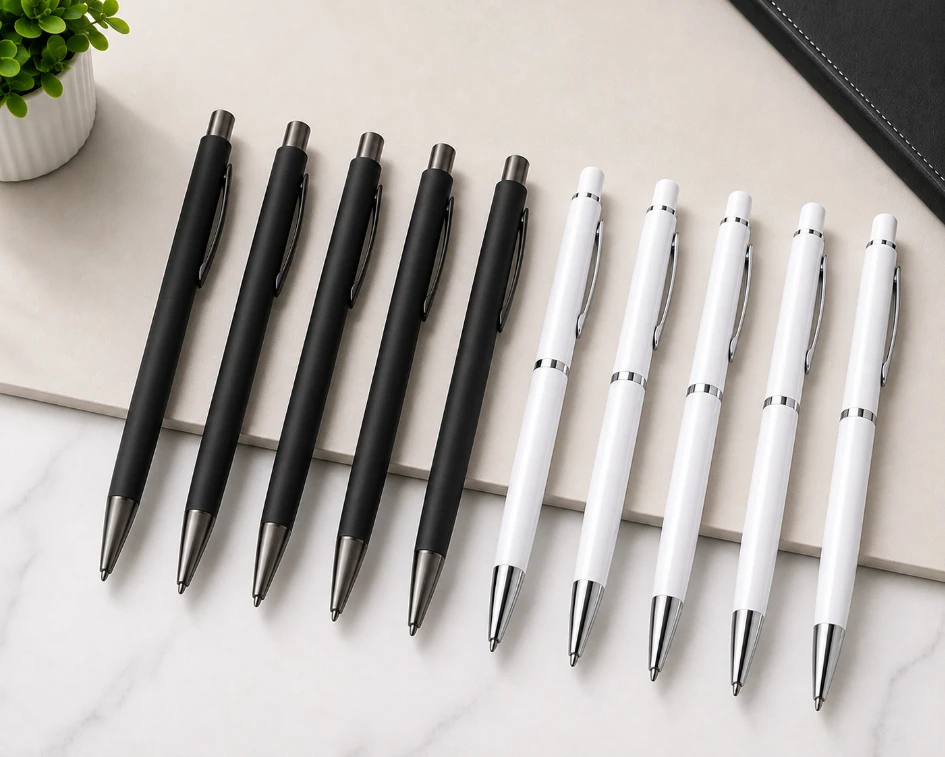
White and Black Premium Slim Metal and matte Ball Pen with Silver Clip Pack of 10
4.4144 ratings
₹314.00/ piece
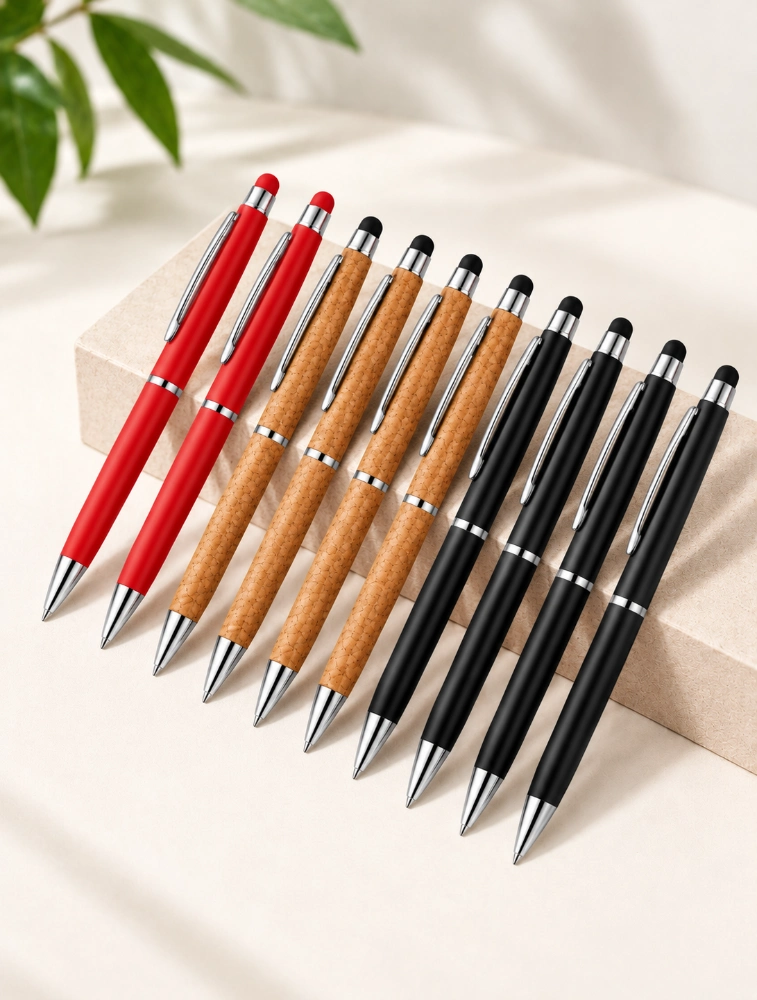
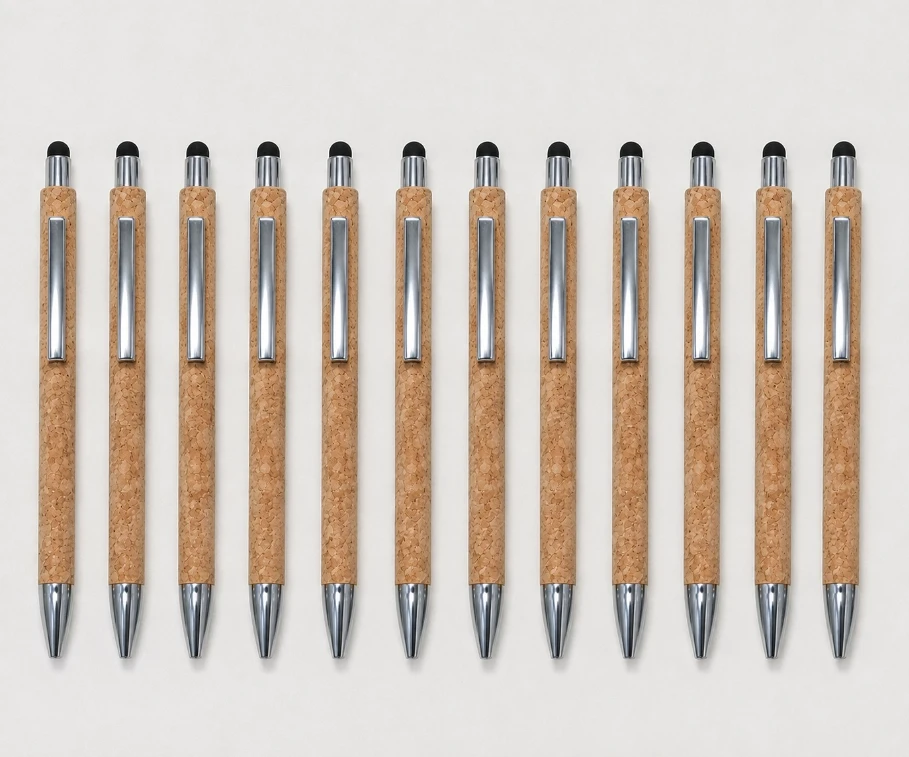
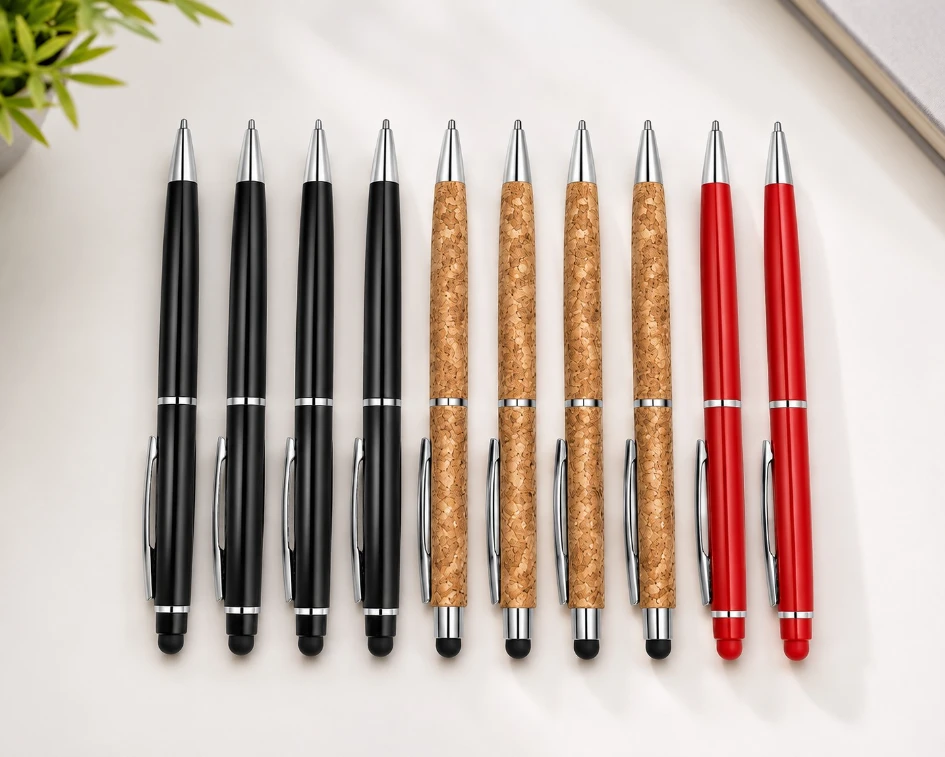
Multicolour Premium Slim Metal and Cork Ball Pen with Silver Clip Pack of 10
4.4132 ratings
₹364.00/ piece
Bulk pens for every use case
Brand-ready pens for corporate, retail, uniforms and large custom programmes — sourced across partner factories with published prices.
Corporate & events
Brand-ready pens for offsites, launches and conferences.
Get quote →
Uniforms & programmes
Consistent supply for schools, factories and frontline teams.
Corporate uniforms →
Own brand / resale
Unbranded or private-label stock for retail brands.
Launch your store →
Large custom runs
Contract manufacturing for high-volume programmes.
Contract manufacturing →Bulk pens — frequently asked questions
Why is the Rs 30 price on this page the one you are least likely to pay?
Because Rs 30 is the ten-thousand-piece rate. The Black Metal Matte Finish Ball Pen lists at Rs 30 a piece, but the published ladder charges Rs 32 for 100 to 999 pieces, Rs 31 for 1,000 to 9,999, and Rs 30 only above 10,000. Most first orders land on the top rung.
Every headline price on this page is a floor price, and the floor is the deepest tier of a three-step quantity ladder. That is not a hidden charge, because the full ladder is printed on each product page. It is a reading problem, and it is the single most common cause of a budget that looks right on the category page and wrong on the proforma invoice.
The ladders we checked, in full
Five of the ten listings on this page were opened and read in July 2026. Every one of them uses the same three-step structure and the same 100-unit minimum:
- Black Metal Matte Finish Ball Pen — Rs 32 for 100 to 999, Rs 31 for 1,000 to 9,999, Rs 30 above 10,000. Headline Rs 30.
- White Twist Ball Pen With Metal Tip — Rs 50, Rs 49, Rs 48. Headline Rs 48.
- Blue Matte Finish Click Ball Pen — Rs 53, Rs 52, Rs 50. Headline Rs 50.
- Black Metal Ball Pen with Silver Clip — Rs 62, Rs 61, Rs 59. Headline Rs 59.
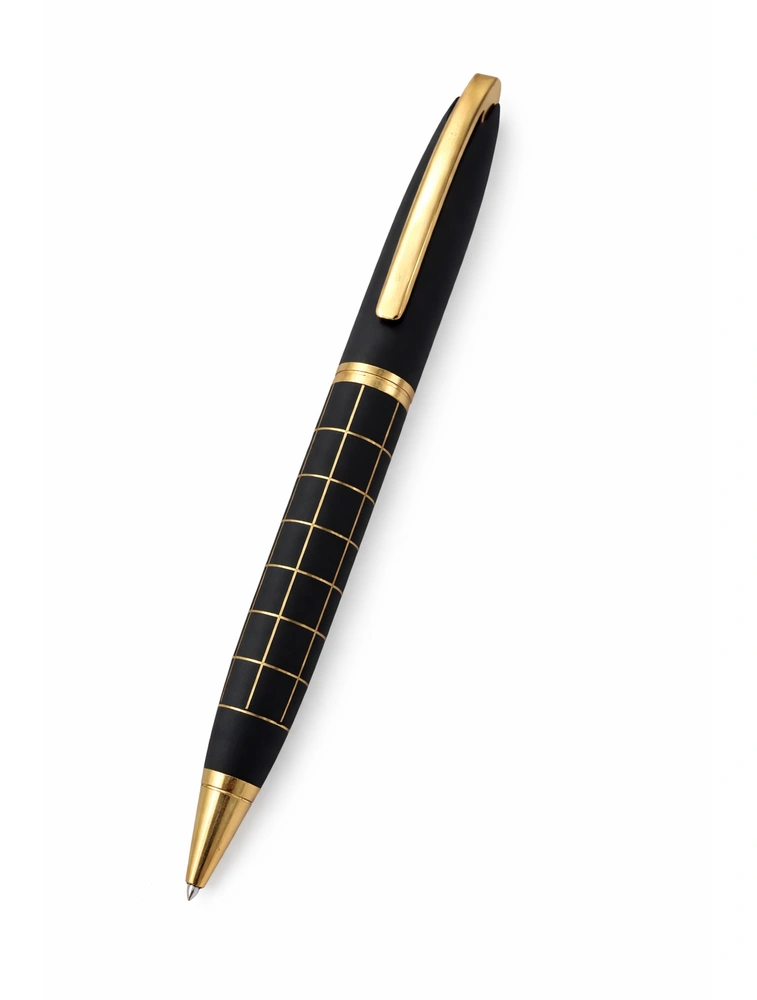
- Black Premium Grid Metal Ball Pen — Rs 107, Rs 105, Rs 102. Headline Rs 102.
What the gap actually costs
The premium at the entry tier over the headline runs from 4.17 per cent on the White Twist to 6.67 per cent on the Black Metal Matte. On a 500-piece corporate gifting order of the Rs 30 pen, the difference between the price you read and the price you pay is a thousand rupees. On a 500-piece order of the Rs 102 pen it is two and a half thousand rupees. Neither figure will break a budget, but both will break a budget that was approved to the rupee.
The honest way to describe this category is therefore a range with two ends and two labels. The published headline range across all ten listings is Rs 30 to Rs 102 a piece. The published range at the 100 to 999 tier, which is where a first order almost always sits, is Rs 32 to Rs 107 a piece. Quote the second one internally and the first one will never embarrass you.
Where the ladder breaks in your favour
The step from tier two to tier three is small in percentage terms but it arrives at a quantity most institutional buyers can actually reach. A state department kitting out 12,000 staff, a university handing a pen to every fresher, a bank branded-gifting across a region: all of these cross 10,000 pieces without straining. If your annual consumption crosses 10,000 but your individual releases do not, ask for the annual volume to be priced as one contract with staggered despatch rather than as a series of unrelated small orders. That is a commercial conversation, not a systems limitation, and it is the conversation that moves you two rungs down the ladder in one step.
Three questions that settle the price before you raise a requisition
First, ask for the tier that applies to your exact quantity in writing, not the headline. Second, ask whether branding is inside the tier price or added to it, because a laser or print charge is a separate line on most quotations and it is per piece. Third, ask what the price does if you split the order across two colours or two models, because a ladder that is generous at 10,000 pieces of one item is much less generous at 5,000 pieces each of two items.
One more thing worth knowing: this page carries a Prices last updated July 2026 line. Very few B2B catalogues date their prices at all. Use it. If you are building a tender estimate in a later quarter, that date tells you exactly how stale your figure is, and it gives you a fair reason to ask for a refreshed quotation instead of arguing about a number you found on the internet.
ProcurementQueries Targetedbulk pen price india, wholesale pen price per piece, pen price list for bulk order
How far should a bulk ball pen write before the ink runs out?
IS 3707:1984 sets the number. A refill charged with 0.3 g of ink must write “1 000 m minimum for refill having ball diameter above 0.80 mm and 1 200 m minimum for refill having ball diameter up to 0.80 mm”. No listing on this page states a write-out length, so ask.
Write-out length is the only performance number that matters to a buyer handing pens to people who will actually use them, and it is the number almost nobody asks for. A pen that dies in week three at a service counter costs more in irritation and replacement handling than the difference between a Rs 30 pen and a Rs 59 pen ever did.
What the Indian standard actually says
IS 3707:1984, Specification for Refill, Ball Point Pen (Second Revision), covers “the requirements for ball point pen refills made entirely from metal or metal and plastic materials”. It excludes jotter and special refills using a ceramic or ruby ball. Within that scope it ties three variables together: the mass of ink, the diameter of the ball, and the distance written. Charge the refill with 0.3 g of ink and IS 3707's minimum distance is 1,000 metres if the ball is larger than 0.80 mm and 1,200 metres if the ball is 0.80 mm or smaller.
That relationship is worth pausing on, because it is counter-intuitive on first reading. The finer ball is required to go further on the same ink. A narrower ball lays down a thinner line, so the same 0.3 g of ink covers more distance. This is why write-out length and line width cannot be specified independently of each other, and why a purchase order that names one without the other has only half-specified the pen.
The gap on this page
Ten pens are listed here and not one of them publishes a write-out length. The specification rows describe the body finish, the clip metal, the mid-ring and the tip material. Two of the five product pages we opened name a “Standard ballpoint refill” and one adds “Ink Flow: Smooth and consistent”, which is a description rather than a measurement. So if you are choosing between a Rs 30 pen and a Rs 59 pen on this page, nobody has told you how far it writes, and the price difference is telling you about the barrel, not the ink.
This is a fixable gap and the fix is a sentence in your purchase order rather than a change to the catalogue. Ask for the refill's ink charge in grams, the ball diameter in millimetres, and the write-out length in metres, with the test basis named. If the answer comes back referencing IS 3707:1984 you have something you can hold a supplier to. If it comes back as “long lasting” you have nothing.
Turning metres into a decision
Metres are abstract, so convert them. Ordinary handwriting consumes very roughly two to three metres of line per A4 page of continuous text, which means a refill meeting the 1,000 metre minimum has a few hundred pages of writing in it. For a pen that sits on a reception desk and signs three delivery notes a day, that is years. For a pen issued to a field surveyor filling forms all day, it is months. Match the requirement to the duty cycle rather than buying the same specification for everybody, and never assume that the most expensive pen in a catalogue has the longest-lasting refill, because on this page the price ladder is built from finishes and not from ink.
What to write into the order
Three lines are enough. Refill to IS 3707:1984 with ink charge and ball diameter stated. Write-out length not less than the standard's minimum for the specified ball diameter. Refill interchangeable with the pen body supplied, so that a replacement bought locally in two years still fits. Those three lines cost nothing and they move the risk of a short-lived pen from your department to the party that chose the refill.
Ink & RefillQueries Targetedball pen write out length, how long does a ball pen last, IS 3707 refill requirement
What ball diameter should you specify, and what does it change?
IS 3707:1984 allows 0.50 mm to 1.20 mm and leaves the choice to the contract: the diameter is “as agreed between purchaser and supplier”. Nothing on this page names one. A finer ball lays a thinner line; the same standard requires it to write further on the same ink charge.
Tip size is the specification that decides what your pen feels like to write with, and it is completely absent from every listing in this category. That absence is not unusual in Indian B2B pen catalogues, but it is worth correcting on your side of the transaction, because the buyer who does not specify a ball diameter is accepting whatever the factory had in stock that week.
The range the standard permits
IS 3707:1984 sets the ball diameter at anywhere from 0.50 mm to 1.20 mm and then explicitly makes it a matter of agreement between the two parties. That is a very wide window. A 0.50 mm ball and a 1.20 mm ball produce pens that feel like different instruments: one lays a precise hairline that suits form-filling and carbon copies badly, the other lays a broad wet line that suits signatures and glides on cheap paper. Both conform to the standard. Both could be shipped against an order that said only “ball point pen”.
How to choose
- Forms, registers and multi-part stationery. A finer ball, toward the lower half of the range. Thin lines stay legible in small boxes and the pen deposits less ink to smudge.
- Signatures, approvals and anything that must be visible at arm's length. A coarser ball. The line is heavier and reads as more deliberate on a document.
- Rough or recycled paper. A coarser ball, because a fine tip catches on an uneven surface and skips.
- Long writing sessions. A finer ball, partly for comfort and partly because IS 3707 requires the finer ball to deliver 1,200 metres rather than 1,000 metres from the same 0.3 g of ink.
Why the standard ties diameter to distance
The two requirements in IS 3707 are not independent clauses that happen to sit near each other. A ball point works by rolling ink out of the reservoir onto the paper, and the width of the deposited line is governed by the ball. A wider ball moves more ink per centimetre travelled, so a fixed 0.3 g charge runs out sooner. The standard captures that physics by demanding more distance from the finer ball. For a buyer this means the two numbers must be specified together or not at all: asking for IS 3707's 1,200 metres without naming a diameter, or naming a diameter without a distance, leaves the supplier free to satisfy the letter of your order and miss its intent.
What is actually on this page
Every one of the ten listings describes the outside of the pen and nothing about the writing end beyond its material. The Black Metal Matte Finish Ball Pen names a “Gloss Black Metal” tip. The White Twist Ball Pen names a “polished metal cone tip”. Neither is a diameter. Two listings name a “Standard ballpoint refill”, which is a category rather than a dimension. So the answer to “what tip size do these pens have” is that it has not been published, and any buyer who needs to know should treat that as a question for the sample stage rather than an assumption.
The one-line fix
Add a single clause to the purchase order: ball diameter to be stated on the proforma invoice and confirmed on the approved sample, per IS 3707:1984 clause on ball diameter as agreed between purchaser and supplier. That converts an unstated variable into a contractual one. It also gives you a clean basis for rejecting a repeat order that arrives writing differently from the first one, which is the failure mode that actually causes complaints in multi-year stationery contracts.
SpecificationQueries Targetedball pen tip size, 0.7 mm vs 1.0 mm pen, ball point pen ball diameter standard
Why does no pen on this page state its ink colour, and how do you fix that?
Because every specification row on all ten listings describes the outside of the pen, not the ink inside it. Body finish, clip metal and mid-ring are named; ink colour, ink type and tip size are not. Put the ink colour in your purchase order in words, then confirm it on the sample.
This sounds like a small thing until it collides with a rule. Plenty of Indian institutional buyers operate under an internal instruction about which ink colour may be used on which document: blue for original signatures so a photocopy can be told from an original, black for scanning and archival, and a prohibition on both in certain registers. A department that receives 5,000 pens in the wrong ink has not received a slightly imperfect delivery. It has received 5,000 pens it cannot issue.
What the listings do and do not say
The specification tables on this page are cosmetic tables. On the Black Metal Matte Finish Ball Pen they name the body as matte-finished metal, the tip as gloss black metal, the clip as gloss black coated metal and the full body colour as matte black. On the Black Premium Grid Metal Ball Pen they name high-quality metal, a laser-etched gold grid, a gold-coated clip and a polished gold centre ring. Both tables are accurate and both describe an object you look at rather than an object you write with. The word ink appears once across the five product pages we opened, as “Ink Flow: Smooth and consistent” on the Black Metal Ball Pen with Silver Clip, and once more as “Refill Type: Standard ballpoint refill” on two listings.
Do not infer ink colour from body colour
The most dangerous assumption in this category is that a black pen writes black and a blue pen writes blue. There is no such convention in manufacturing. Barrel colour is a finishing decision and ink colour is a refill decision, and the two are made by different people at different points in the process. A matte black corporate gift pen with a blue refill is entirely ordinary. If your requirement is black ink, the words “black ink” must appear in the order.
How to specify it so it cannot go wrong
- Name the ink colour explicitly in the purchase order, in the same line as the quantity, not in a covering email.
- Ask for it to be repeated on the proforma invoice. If it is not on the document you pay against, it is not in the contract.
- Confirm it on the physical sample before the run starts, by writing with the sample rather than by looking at it.
- State what happens on a mismatch. A one-line remedy clause is worth more than three paragraphs of specification.
- If you need two colours, order them as two lines with separate quantities, and check the quantity ladder for each, because splitting one order across two variants can move both of them up a tier.
The related question nobody asks
Ink type matters as much as ink colour for some users and is equally unpublished here. Oil-based ball point ink, hybrid ink and gel ink behave differently on smudging, drying time and how they feel under the hand. They are also covered by different standards: ISO 12757-1:2017 “establishes minimum quality requirements for ball point pens (refillable or non-refillable) and refills for general use”, while gel ink pens have their own document, ISO 27668-1:2017, which “establishes minimum quality requirements for gel ink ball pens (refillable and non-refillable) and refills for general use”. Every product on this page is described as a ball pen. If you specifically want gel, say so, because it is a different product family with a different standard behind it and it is not what is listed here.
None of this requires a catalogue change to work around. It requires four words in a purchase order. But a buyer who does not add those four words is, on the published evidence of this page, ordering an unspecified ink in an attractive metal barrel.
Ink & RefillQueries Targetedblue or black ink pens bulk, corporate pen ink colour, bulk pens custom ink colour
Which pens are fit for signing contracts, registers and permanent records?
The ones built to ISO 12757-2. That standard “establishes minimum quality requirements for ball point pens (refillable or non-refillable) and refills for documentary use”, a tier above the general-use requirements of ISO 12757-1. No pen on this page is offered as documentary grade, so specify it.
There is a real and internationally recognised distinction between a pen you write a shopping list with and a pen you sign a land record with, and it has a standard number. Most buyers have never heard of it, which is why registers in offices all over the country are signed with whatever pen was on the desk.
The two-part structure of ISO 12757
ISO 12757-1:2017, Ball point pens and refills — Part 1: General use, is the base document. Its scope states that it “establishes minimum quality requirements for ball point pens (refillable or non-refillable) and refills for general use” and then points onward: “Additional requirements for ball point pens for documentary use are given in ISO 12757‑2.” That second part, ISO 12757-2, is titled Documentary use (DOC) and carries the same opening formula for the documentary tier. It was first published in May 1998, and ISO's own record shows it was systematically reviewed and confirmed as current on 30 March 2026, so it is a live standard and not a historical curiosity.
We are deliberately not reproducing the numeric requirements inside either part. They sit behind a paid standard and we have not purchased and verified them, so any figure we quoted would be hearsay. What is publicly verifiable and useful to you is the structure: documentary use is a defined, higher tier, and a supplier either builds to it or does not.
What documentary grade is trying to protect
In broad terms the documentary tier exists because a signature has to survive things a shopping list does not: time in a file, light, humidity, contact with water, and in the worst case a deliberate attempt to remove it. General-use ink is not designed against those conditions. If your organisation keeps records that must be readable and unaltered in ten or twenty years, that is the difference you are buying.
Who should care
- Government departments and public sector undertakings maintaining statutory registers, muster rolls, land and revenue records.
- Banks, insurers and NBFCs where a wet signature on a physical instrument still carries weight.
- Hospitals and educational institutions keeping admission, dispensing or examination records with a retention period measured in years.
- Legal and notarial practices, and anyone executing agreements on paper.
How to buy it
Ask for the pen and the refill to conform to ISO 12757-2, ask for the supplier's basis for saying so, and ask for it on the invoice. A supplier who builds documentary-grade product will answer in one line. A supplier who does not will answer with adjectives. That difference is the whole test, and it takes one email.
On this page specifically: all ten listings are metal-bodied ball pens positioned for corporate gifting, and none of them is described as documentary grade. That does not mean none of them could be supplied that way, because the refill is the part that decides it and the refill is not published. It means the question has to be asked rather than assumed. If a documentary-grade requirement is genuinely part of your specification, raise it before the sample stage and not after the delivery, because changing a refill after production is a rework, not an adjustment.
One caution. Whether a particular record in your organisation must be made in a particular ink, and what your obligations are for retaining it, is a matter of the rules that govern your sector and of your own legal counsel. Nothing here is legal advice; treat this answer as a product specification note and take the record-keeping question to the person who is qualified to answer it.
Ink & RefillQueries Targeteddocumentary use pen, ISO 12757-2, pens for legal documents and registers
Are these pens refillable, and will a standard refill fit?
Two of the five product pages we opened name a “Standard ballpoint refill” and the other three name no refill at all. IS 3707:1984 requires refills to be interchangeable with pens made to IS 3705:1980, but that interchangeability only holds if both the pen and the refill were built to those standards.
Refillability is where the economics of a metal pen either work or collapse. A Rs 59 metal pen that can be refilled for a few rupees is a five-year asset. The same pen with a proprietary refill nobody stocks is a Rs 59 disposable with a heavier feel. The catalogue does not currently tell you which one you are buying, so this is a question to settle at the sample stage.
What the Indian standards say about fit
IS 3705:1980, Specification for Ball Point Pens (First Revision), “covers the requirements for single refill ball point pens, including desk type ball point pens”. Two of its clauses are about fit rather than performance: one on thread formation and interchangeability, and one on interchangeability of parts. IS 3707:1984 then approaches the same joint from the refill side and requires refills to be interchangeable with pens made to IS 3705. It also requires the refill to be straight and concentric with the ball, with the collar or crimping at a specified distance, and the ball free to rotate without being loose.
Read together, the two standards describe a system in which any conforming refill fits any conforming pen. That is the whole point of a national standard for a consumable. But it is conditional on both halves conforming, and neither half is claimed to conform anywhere on this page.
Why “standard ballpoint refill” is not yet an answer
The phrase appears on the Blue Matte Finish Click Ball Pen and the White Twist Ball Pen With Metal Tip. It is a reasonable description and it is not a specification. It does not name a length, a diameter, a tip type or a standard number, and in practice several different refill formats circulate under that same informal label. Before you rely on it, ask for the refill's dimensions or its standard reference, and ideally ask for one loose refill to be sent with the sample pen so your own team can prove the swap.
The three-question test
- Can it be opened at all? Some sealed promotional pens cannot. Ask directly and ask for the sample to be demonstrated open.
- What refill goes in? A dimension or a standard reference, not an adjective.
- Can we buy that refill without coming back to you? This is the question that decides whether refillability is a real saving or a lock-in. A refill you can only obtain from the original supplier is a supply dependency dressed up as a feature.
What refillability is worth in money
Take the Black Metal Ball Pen with Silver Clip at Rs 62 for a 100 to 999 order. If it accepts a commonly available refill, a department can keep 300 of those pens in service for years and spend on refills instead of pens. If it does not, the same department replaces the whole pen every time the ink finishes, and the metal barrel it paid a premium for goes into a bin. The premium over a plastic pen is only justified by the second life. That is why this question is worth more of your attention than the finish, the clip or the colour, all of which are documented on this page while the refill mostly is not.
Marking, which helps later
Both standards ask for identification. IS 3705 requires that “the pen shall be marked with the manufacturer's name or initials or registered trade-mark on its barrel and cap”, and IS 3707 requires that “the refills shall be marked with the manufacturer's name or registered trade-mark, batch number and year of manufacture”. A batch number on a refill is what lets you trace a bad lot two years later instead of arguing about it. Ask for it.
Ink & RefillQueries Targetedrefillable metal pen bulk, standard ballpoint refill compatibility, IS 3705 IS 3707 interchangeability
Laser engraving or printing: which branding method suits a metal pen?
Laser engraving cuts through the coating and exposes the metal underneath, so it cannot rub off, but it cannot hold your brand colour either. Pad and UV printing hold colour and sit on the surface. Every barrel on this page is coated metal, which makes that trade-off a real decision rather than a preference.
A branded pen is a piece of your identity that lives in someone else's pocket for a year or more. The branding method decides what it looks like at the end of that year, and the two mainstream methods fail in opposite directions.
Laser engraving
A laser removes or discolours the surface layer. On the anodised and coated aluminium barrels that dominate this page, the mark that appears is the tone of the substrate beneath the finish, which usually reads as a light silver or grey on a dark barrel and as a darker burnished tone on a light one. Its advantages are permanence and consistency: the mark is physically part of the barrel, it survives handling, and it does not need a colour match. Its limitation is absolute. You get one tone, and it is whatever the metal gives you. A logo whose recognition depends on a specific colour loses that colour entirely.
Pad printing and UV printing
Both lay ink onto the outside of the barrel. Pad printing transfers ink from an etched plate via a silicone pad and handles the curve of a pen well. UV printing cures ink under ultraviolet light and can hold finer detail and multiple colours in one pass. Both can reproduce a brand colour to a reference. Both are surface layers on a hard, smooth, often matte-coated barrel, and a surface layer is what eventually wears at the point where a pen rubs against a pocket seam or a bag lining.
Choosing between them
- Single-colour wordmark, long-life gift, senior recipients. Engrave. It looks considered and it will still be there in three years.
- Multi-colour logo where the colour is the brand. Print, and accept that you are buying a shorter visual life.
- Fine detail, small type, a tagline under a mark. UV printing usually holds detail better than engraving on a curved barrel.
- Mixed fleet across an event. Pick one method for the whole run. Two methods in one distribution look like two different orders.
What to send and what to ask for
Send vector artwork rather than an image file, because a logo enlarged from a website graphic will show its edges at engraving resolution. Name the exact placement, because a barrel has a limited flat-reading zone and a logo placed across the clip or over a mid-ring will be broken by the hardware. On the Black Premium Grid Metal Ball Pen, for example, the barrel already carries a laser-etched gold grid and a polished gold centre ring, which physically constrains where a second mark can go. Ask for a mock-up on the actual product before the run: this page's own FAQ block already offers a free mock-up for approval, so use it, and approve it in writing.
The commercial detail people forget
Branding is normally priced per piece and separately from the pen. When you compare a Rs 32 pen against a Rs 53 pen at the 100 to 999 tier, you are comparing unbranded barrels. Ask for the branding charge as its own line, ask whether it changes with quantity the way the pen price does, and ask whether a second colour or a second position costs again. A quotation that folds branding invisibly into the unit price is harder to compare across suppliers and harder to defend in an audit.
Finally, agree the tolerance. Print and engraving both have a positional tolerance, and on a cylindrical object it is larger than people expect. Deciding in advance what counts as acceptable variation across a 5,000-piece run prevents the argument that otherwise happens at delivery, when the only reference anyone has is a single approved sample that happened to be perfect.
SpecificationQueries Targetedcustom logo pens bulk, laser engraved corporate pens, pad printing vs engraving on pens
Are these pens suitable to hand out to schoolchildren?
There is a standard for exactly that risk. ISO 11540:2021 “specifies requirements to reduce the risk of asphyxiation from caps for writing and marking instruments” likely to be used by children up to fourteen. No listing on this page states whether it is capped, so ask before you buy for a school.
Schools, colleges, coaching institutions and any organisation running a programme for children buy pens in quantity, and the specification question they should ask first is not about price or finish. It is about the cap.
What ISO 11540:2021 covers
The full title is Writing and marking instruments — Specification for caps to reduce the risk of asphyxiation, third edition, August 2021. Its published abstract states that it “specifies requirements to reduce the risk of asphyxiation from caps for writing and marking instruments” and that “it relates to such instruments which in normal or foreseeable circumstances are likely to be used by children up to the age of 14 years”. The scope is explicit about two exclusions: it does not apply to writing and marking instruments “which are designed or only intended for use by adults”, and it does not apply to “transit caps for refills”.
Those exclusions are the part a buyer has to think about, because they turn a product question into a distribution question. A pen designed and intended for adults sits outside the standard's scope as written. The moment that same pen is handed to a twelve-year-old in a classroom, the foreseeable-use test is the one that matters, and it is your distribution decision that put it there.
What this page does and does not tell you
All ten listings here are metal-bodied pens positioned for corporate gifting, priced from Rs 30 to Rs 102 at the headline tier. Their specification rows describe body finish, clip, mid-ring and tip. None of them states whether the pen has a cap, and none of them makes any reference to ISO 11540 or to children. We are not going to fill that silence with a reassurance, because we have not verified it and a safety reassurance that is not traceable to a named standard is worthless to you and dangerous to us. What we can tell you is precisely which question to put to the supplier.
The four questions for any pen going to a school
- Is the pen capped, and if so, is the cap built to ISO 11540:2021? Ask for the answer in writing, with the standard number in it.
- If it is capless, is the mechanism click or twist? A capless pen removes the cap question but introduces small internal parts if the barrel can be opened.
- What documentation supports the answer? A test report or a supplier declaration referencing the standard, not a marketing line.
- Who is the intended user in the product's own definition? If the product is defined as adult-use, the standard's own exclusion applies and you should be making a conscious decision, not an assumption.
The honest position on this catalogue
If your requirement is pens for children, this specific set of ten metal corporate-gift pens is not the obvious shelf to be shopping from, and the more useful route is a contract-manufacture conversation where the child-use requirement is written into the specification from the beginning. That is a route factori.com can take, and it starts with the requirement rather than with a catalogue picture. Choosing a product first and then trying to retrofit a safety requirement onto it is how institutional buyers end up with a delivery they cannot issue.
A note on scope. Which product safety rules apply to a particular supply in your jurisdiction, and what duties fall on you as the institution distributing the item, are legal questions. Nothing in this answer is legal advice and nothing in it should be read as a statement that ISO 11540 is or is not legally required anywhere. Take that question to your own counsel, and treat this answer as a guide to what to ask a supplier.
Labelling & TariffQueries Targetedpens for schools bulk, ISO 11540 pen cap safety, safe pens for children bulk supply
Which tariff line does a pen consignment fall under?
Chapter 96, heading 9608 of the Indian customs tariff covers “BALL POINT PENS; FELT TIPPED AND OTHER POROUS-TIPPED PENS AND MARKERS; FOUNTAIN PENS” and their parts. Under it, 96081090 is other ball point pens and 96086090 is other ball point refills. Which line your consignment takes is your customs broker's call.
Pens sit in a heading that is unusually granular, and the granularity exists because the same word covers a fifteen-rupee school pen and a lacquered instrument in a presentation case. Getting the line right matters for duty, for documentation and for the accuracy of your own import or export records.
The structure of heading 9608
The heading text in full reads: “BALL POINT PENS; FELT TIPPED AND OTHER POROUS-TIPPED PENS AND MARKERS; FOUNTAIN PENS; STYLOGRAPH PENS AND OTHER PENS; DUPLICATING STYLOS; PROPELLING OR SLIDING PENCILS; PEN HOLDERS, PENCIL HOLDERS AND SIMILAR HOLDERS; PARTS (INCLUDING CAPS AND CLIPS) OF THE FOREGOING ARTICLES, OTHER THAN THOSE OF HEADING 9609”. Beneath it the eight-digit lines that matter most to a pen buyer are:
- 96081010 — ball point pens with liquid ink, that is rolling ball pens.
- 96081090 — other ball point pens.
- 96083910 — high value writing instruments, defined in the tariff by a c.i.f. value threshold of one hundred US dollars and above per unit.
- 96083920 and 96083991 — pens with a body or cap of precious metal.
- 96086010 and 96086090 — ball point refills, with liquid ink and other respectively.
- 96089191 and 96089199 — pen parts of metal and other pen parts.
The unit of quantity for almost every one of these lines is “u”, that is per piece, rather than by weight. Only the holders and the residual parts lines are stated in kilograms. That detail is easy to miss and it changes how a packing list should be built.
Three things that catch people out
First, refills are not pens. If you import replacement refills alongside finished pens, they are a separate line, and a consignment that declares everything as pens has a discrepancy waiting in it. Second, the high- value line at 96083910 is defined by value per unit and not by how the product is described in a catalogue, so a genuinely expensive presentation instrument does not stay in the ordinary line just because your invoice calls it a ball point pen. Third, nothing in the chapter notes to Chapter 96 mentions pens, refills or writing instruments at all, so the classification argument is fought entirely on the heading and subheading text.
What we will not do
We will not tell you which line your consignment goes under and we will not quote you a duty or a tax rate. Classification depends on the actual goods, their value, their construction and the ruling practice that applies to your import, and it is decided by you and your customs broker on the documents in front of you. What we can do is give you a product description accurate enough that the person making that decision has something real to work with: body material, mechanism, whether a refill is included, whether the item is presented in a gift box, and the per-piece invoice value.
None of this is tax, customs or legal advice. Rates change, notifications change, and classification is fact- specific. Confirm your position with your customs broker or a qualified adviser before you file anything.
Labelling & TariffQueries TargetedHSN code for ball point pen, pen customs tariff heading 9608, HSN code pen refill
Is the minimum order one piece or one hundred?
Both numbers are published on this site and they mean different things. The stats band says ready stock from one piece; every product page we opened states a minimum order quantity of 100 units. Treat 100 as the working minimum for a branded or specified run, and confirm ready-stock availability in writing.
This is a published contradiction and it is better to name it than to let a buyer discover it at the checkout stage. We have looked at both sources and they are saying two different true things badly.
What each number is actually describing
The one-piece figure belongs to ready stock. It describes goods already sitting in the fulfilment centre in a finished, unbranded state, where the practical constraint is picking and packing rather than production. Buying a single pen to look at it is a legitimate transaction and the site is right that it is possible.
The hundred-unit figure belongs to production. It is the number printed on the product pages themselves, and it is consistent: all five listings we opened in July 2026 state a minimum order quantity of 100 units, and each one's quantity ladder starts at the 100 to 999 band. That consistency tells you the hundred is the real operating floor for anything that has to be made, branded, colour-matched or specified. It is not an arbitrary threshold. Below roughly that quantity the setup work for a branding run costs more than the pens do.
How to read it as a buyer
- Evaluating the product. Ask for a sample. This page's own FAQ block confirms samples are available before a bulk order, and one or two pieces is the right quantity for a decision, not a hundred.
- Small unbranded top-up from stock. Ask what is physically in ready stock in the model and colour you want, and get the answer as a number with a date on it.
- Anything branded, colour-specified or made to your requirement. Plan on 100 pieces per model as the floor, and read the ladder from there.
- Multiple models. Assume the hundred applies per model rather than across the order, and confirm it, because this is where a plan for 150 pens split three ways quietly becomes a plan for 300.
Why this matters more than it looks
A minimum order quantity is not a price. It is the smallest commitment that makes the transaction work for both sides, and a buyer who plans against the wrong number plans the wrong budget. A department that reads “from 1 piece”, gets approval for 60 branded pens and then discovers a hundred-piece floor has to go back for a fresh approval, which in a public procurement setting can cost weeks. The same department that had planned for 100 in the first place would simply have ordered.
The one question that resolves it
Put the requirement in a single sentence and ask for the minimum against it: we need N pieces of this model, in this colour, with our logo, delivered by this date, what is the minimum and what is the price at our quantity. That sentence forces the answer to name which of the two regimes you are in. It also produces a written figure you can attach to a requisition, which a category page cannot give you. For our part, the discrepancy between the band and the product pages is on the list of site issues we are correcting, and the product pages are the source we would rely on today. Where two published numbers disagree, the more specific one, sitting on the page for the item you are actually buying, is the one to trust.
ProcurementQueries Targetedpen MOQ bulk order, minimum order quantity pens india, bulk pens minimum 100 pieces
Why does this page start at Rs 30 when your budget is eight rupees a pen?
Because all ten listings here are metal-bodied corporate gift pens, and metal has a floor that a moulded plastic barrel does not. If your event needs five thousand giveaway pens at single-digit rupees, this catalogue is the wrong shelf, and contract manufacture is the right route. Ask for the manufacturing quote.
Search demand for bulk pens in India is dominated by the promotional end of the market: conference giveaways, election material, bank branch counters, hotel rooms, school kits. That demand sits at a price point well below anything on this page, and it would be dishonest to pretend otherwise while ranking for the query.
What is actually in this category today
Ten listings. Every one is a ball pen. Every one has a metal barrel. Every one is positioned for corporate gifting, from the Black Metal Matte Finish Ball Pen at Rs 30 to the Black Premium Grid Metal Ball Pen at Rs 102, with the entry tier running Rs 32 to Rs 107. There is no plastic promotional pen, no gel pen, no roller ball, no fountain pen, no marker or highlighter, no recycled or bamboo or paper-barrel pen, and no stylus pen. It is one product type, presented ten ways.
That makes this a genuinely good shelf for one job and a poor shelf for another. If you need three hundred pens that a client will keep, the metal barrel is the entire point and Rs 62 is a reasonable price for something with your name on it that survives a year in a jacket pocket. If you need five thousand pens to put on chairs at a conference, you are buying a different object and you should be quoted for a different object.
Where the price floor comes from
A pen's cost is barrel, mechanism, refill and finishing. On a moulded plastic pen the barrel is close to free at volume and the refill is the largest single item. On an anodised or coated aluminium pen the barrel involves machining, finishing and a coating process, and each of those is a real operation with a real cost that does not disappear at ten thousand pieces. That is why the ladder on this page moves by one or two rupees between tiers rather than by half the price. The variable cost is a small fraction of a total that is mostly fixed process cost.
The route that actually serves a low unit price
factori.com is a manufacturing platform rather than only a catalogue, and the ready-stock listings are the shallow end of it. For a genuinely price-led requirement the productive conversation is a contract- manufacture brief:
- State the target landed price per piece and let the specification be built to it, rather than picking a product and negotiating downward.
- State the true quantity and the release schedule. A single 50,000-piece brief prices very differently from ten separate 5,000-piece orders.
- State what is non-negotiable. Usually it is the branding, sometimes the ink colour, occasionally the write-out length. Everything else is available as a lever.
- State the date. Air freight and a compressed production window will cost more than the barrel material ever will.
A note on comparing the two routes fairly
Buyers frequently compare a catalogue price against a manufacturing quote and conclude that the catalogue is expensive. They are not comparable. The catalogue price buys a finished item you can have in days with no minimum beyond a hundred pieces and no design work. The manufacturing quote buys a lower unit price in exchange for volume, lead time and your own involvement in specification. Both are legitimate purchases. The mistake is bringing a promotional-pen budget to a corporate-gift shelf, or a corporate-gift expectation to a promotional-pen quote, and then being disappointed by whichever one you chose.
ProcurementQueries Targetedcheap promotional pens bulk india, plastic pens wholesale, low cost giveaway pens bulk
The colour option says Blue on a white pen. Which colour will actually arrive?
The one named in the product title, not the one in the variant box. On four of the five product pages we checked, the variant field reads Blue regardless of the pen, and on three of those it is mislabelled “Available Size”. Confirm the colour in your purchase order and on the approved sample.
This is a defect in our own listing data and we would rather tell you about it than have you discover it. A buyer comparing options on this page can reasonably assume the variant selector describes what is available. On this category it currently does not.
Exactly what is wrong
The White Twist Ball Pen With Metal Tip shows a variant field labelled “Available Size” whose only value is Blue. The pen is white. The Black Premium Grid Metal Ball Pen shows the same field with the same value. The pen is black and gold. The Black Metal Ball Pen with Silver Clip shows a field labelled “Available Colours in Ready Stock” whose only value is Blue. The pen is matte black. Two different field labels, one repeated value, and in at least three cases a value that contradicts the product's own title, images and specification table.
The consequence is worse for machines than for people. A person looking at the photograph of a white pen and reading the word Blue underneath it will assume a mistake. A price-comparison crawler, a procurement system ingesting a product feed, or an AI assistant summarising the catalogue has no photograph to fall back on, and will report that this white pen is available in blue. That is a data quality problem with real downstream reach, and it is on our engineering list.
What to trust in the meantime
- The product title. It has been correct on every listing we checked.
- The specification table. It names the body finish, the clip and the ring, and it has matched the title throughout.
- The product photography. Consistent with both.
- Not the variant selector, until we have corrected it.
The colours that are genuinely on the shelf
Read from the ten titles rather than the variant fields, this category currently offers matte black, gloss black with silver, black with gold detailing, matte blue, executive blue with a chrome clip, gloss white, silver, and a silver and gold metallic combination. That is a reasonable corporate palette. What it is not is a colour-matching service: none of these is offered against a brand colour reference, and nothing on the page suggests a custom barrel colour is available from stock.
If you need a specific brand colour
Say so at the beginning and treat it as a manufacturing requirement rather than a catalogue selection. Two practical warnings. First, an anodised finish and a painted finish reach a colour differently and will not match each other, so specify the process as well as the colour. Second, ask what tolerance is being offered against your reference and what happens if the run misses it, because a barrel colour that is nearly right across five thousand pieces is a problem you can only solve before production, not after.
How to write it into the order
One line: model name and code, barrel colour in words, confirmed against the approved physical sample, sample retained by both parties. The retained sample is the part that matters. When a variant field on a website says one thing and a title says another, the only reference that settles a dispute is an object both sides have held.
SpecificationQueries Targetedpen colour options bulk, corporate pens available colours, custom colour metal pens
How do bulk pens arrive, and can you box them as gifts?
Packing is specified per product, not per category. One listing packs each pen in a transparent OPP bag “against moisture, dust, and other environmental factors”; another uses individual poly packing with fifty pens to an inner bundle. Neither is a gift box. If you need presentation packaging, ask for it by name.
Packing is the part of a pen order that decides how the delivery behaves once it reaches you, and it is described inconsistently across this category. Reading the five product pages we opened, no two describe packing the same way, and none of them describes an outer carton quantity at all.
What is published today
The Black Metal Matte Finish Ball Pen states that each pen is packed in a transparent OPP bag, described as providing protection against moisture, dust and other environmental factors. The Black Premium Grid Metal Ball Pen states individual poly packing per pen with fifty pens to an inner bundle using the standard packing method. The remaining listings describe packing more briefly or not at all. So the honest summary is: individually bagged, bundled in intermediate quantities, shipped in cartons whose count is not published.
Individual bagging is the right default for a coated metal barrel. A matte anodised finish scuffs against another matte anodised finish, and a five-thousand-piece consignment shipped loose would arrive with a visible proportion of marked barrels. If you are quoting a pen from anywhere and the packing is not described, that is a question worth asking before the price one.
What to ask for on a bulk delivery
- Pieces per inner bundle and bundles per carton, so your stores team can receive against a count instead of opening everything.
- Carton dimensions and gross weight, which you need for freight, for a lift, and for anyone planning storage.
- Carton marking: model, colour, quantity, batch and your own order reference on the outside. This is what makes a partial issue possible without a full unpack.
- Whether the branding is inside or outside the individual bag, which sounds trivial until someone has to check a logo on five thousand sealed pens.
Presentation packaging is a separate decision
A pen in a poly bag is a stock item. A pen in a box is a gift, and the box is frequently a larger part of the perceived value than the pen. If the pens are going to clients, board members, delegates or award recipients, decide the packaging at the same time as the pen and not afterwards, because a box ordered late will hold up an order that is otherwise ready. Things worth settling early: whether the box carries your branding or is plain, whether there is an insert or a card, whether the pen is presented alone or paired, and whether the boxed unit needs its own outer packing for despatch. Every one of those has a cost and a lead time, and none of them is priced on this page.
Pre-packed and labelled goods
If the pens are to be sold onward rather than given away, the packaging stops being a presentation question and becomes a labelling one. Retail and wholesale buyers in India work under rules on what must be declared on a pre-packed commodity, and those declarations have to be designed into the pack before it is printed rather than stickered on afterwards. Tell the supplier at the briefing stage that the goods are for onward sale, because it changes what has to appear on the pack.
What exactly must be declared on your packs, in what form, is governed by the rules applying to your goods and your channel, and it is not something we can determine for you. This is not legal advice. Confirm the labelling requirement with your own compliance adviser before artwork is approved.
One practical suggestion
Ask for the packing specification to be written into the proforma invoice in the same detail as the product specification. It costs nothing at the quotation stage and it is the only version of the packing arrangement that both sides have agreed to. A delivery that arrives correctly made and badly packed is still a delivery you have to argue about.
SpecificationQueries Targetedbulk pen packaging, corporate gift pen box, pen packing per carton wholesale
What should you check when a pen delivery lands on your dock?
Use the clause list in IS 3705:1980 as your checklist. It covers barrel length and writing tip projection, thread formation and interchangeability, barrel and cap alignment, the actuating mechanism, the pocket clip, and refill conformity. Sample by an agreed plan rather than opening the whole consignment.
Most incoming inspection of stationery amounts to opening one carton, taking out one pen, writing a squiggle and signing the receipt. That catches a catastrophic failure and nothing else. A structured check takes twenty minutes on a five-thousand-piece delivery and it is the difference between finding a problem while the invoice is unpaid and finding it when a thousand pens have already been issued.
The checklist the Indian standard gives you free
IS 3705:1980 covers “the requirements for single refill ball point pens, including desk type ball point pens”, and its requirement clauses read almost exactly like an inspection sheet:
- Barrel length and writing tip projection. Measure them. A short-projecting tip writes badly and a variation across a run means an uncontrolled process.
- Thread formation and interchangeability. Unscrew and rescrew. Threads that cross or bind will fail the first time a user changes a refill.
- Alignment of barrel, cap and mechanism. Look down the length of the pen. Misalignment is visible and it is the defect recipients notice.
- Assembly and function of the actuating mechanism. Click or twist it repeatedly, not once. Mechanism failure is the most common warranty complaint on a metal pen.
- Pocket clip design and function. Clip it to card stock and to a jacket seam. A clip that is decorative rather than functional is a pen that gets lost.
- Refill conformity and load testing. The standard treats the refill as part of the pen, not an accessory.
- Interchangeability of parts. Take three pens, swap components, reassemble. If they do not interchange, you have received a batch built with uncontrolled tolerances.
Add the two things the standard cannot check for you
Write with it. A continuous spiral on ordinary paper for thirty seconds will show skipping, blobbing and starting failures faster than any dimensional check. And check the branding, because the logo is the reason you paid the premium: position, orientation, legibility and consistency against the approved sample.
Sampling rather than opening everything
Nobody inspects a full consignment of pens, so the plan has to be agreed in advance. The international framework for this is ISO 2859-1, Sampling procedures for inspection by attributes — Part 1: Sampling schemes indexed by acceptance quality limit (AQL) for lot-by-lot inspection. The 1999 edition was withdrawn on 22 January 2026 and superseded by ISO 2859-1:2026, so if you are writing a sampling plan into a contract today, name the current edition rather than the one your old template quotes. We have not reproduced the tables here because we have not purchased and read the current edition, and a sampling plan copied from memory is worse than no plan.
Getting it into the contract
Three clauses do the work. Name the inspection basis, which for an Indian pen order can simply be the requirement clauses of IS 3705:1980 plus the refill requirements of IS 3707:1984. Name the sampling standard and the acceptance quality limit you have agreed. Name the remedy, meaning what happens to a lot that fails: replacement, rework, credit, or rejection, and who pays the freight. Buyers who write the first two and forget the third discover that a failed inspection with no agreed consequence is just the beginning of a negotiation.
Finally, record what you found. Batch numbers are marked on refills under IS 3707 clause 7.1, and a receiving record that captures the batch is what lets you trace a systematic fault back to a production lot instead of describing it as bad luck. None of this is legal or contractual advice: an inspection and rejection clause creates enforceable obligations on both sides, so have your own counsel settle the wording before it goes into a purchase order.
Labelling & TariffQueries Targetedpen quality inspection checklist, AQL sampling pens, incoming inspection ball point pen
What should each kind of buyer specify before ordering pens in bulk?
Governments buy on a written specification and an inspection clause. Institutions buy on unit cost and repeatability. Corporates buy on how the logo looks in twelve months. Brands buy on the barrel. Retailers buy on the pack. Wholesalers buy on the ladder. Six different orders, one catalogue.
The same ten listings serve six kinds of buyer badly if they are all sold the same way. What follows is the shortest useful version of what each one should insist on before a purchase order leaves the building.
Governments and public sector undertakings
You buy against a document and you defend the purchase later, so the specification is the deliverable. Name the standards: IS 3705:1980 for the pen, IS 3707:1984 for the refill, with ball diameter and write-out length stated. Name the ink colour, because your own record-keeping rules probably already require one. Name the sampling standard and the acceptance quality limit. Name the remedy for a failed lot. Ask for the marking required by both standards, which gives you traceability at no cost. A tender written this way is also easier to evaluate, because every bidder is answering the same question.
Institutions: schools, colleges, hospitals
You buy the same thing repeatedly and the enemy is variation between orders, not the price of any single order. Fix the specification once, keep an approved sample, and reorder against it. If any part of the supply reaches children, read the cap question in this page's schools answer before you order rather than after. If you keep registers with a retention period, decide whether documentary-grade ink belongs in your specification.
Corporates
You are buying an object that carries your name into someone else's pocket, so the branding decision outranks the pen decision. Choose engraving or printing deliberately against the life you expect. Approve a physical mock-up rather than a rendering. Then check the two things that spoil corporate gifts more often than quality does: whether the pen can be refilled, and whether the packaging matches the occasion. A Rs 102 pen in a poly bag reads as cheaper than a Rs 59 pen in a box.
Brands and private labels
The pen goes out under your name, so the barrel and its marking are yours to answer for. Specify the finish process as well as the colour, agree a colour tolerance in writing, and settle who owns the artwork and the tooling. Ask whether the pen carries any manufacturer marking of its own, because IS 3705 asks for the maker's name or trade mark on the barrel and cap, and that needs to be reconciled with your labelling intentions before production rather than after.
Retailers
Your unit of sale is the pack, not the pen. Decide early whether you need individual retail packaging, a blister, a card or a boxed set, because that decision drives artwork, lead time and the declarations that have to appear on a pre-packed item. Ask for the carton quantity and dimensions for your own shelf and backroom planning. And check the assortment: this category is ten variations of one product type, which is a narrow range to build a shelf on.
Wholesalers and distributors
You buy on the ladder and you sell on availability. The three published tiers on each product page are the whole commercial conversation, and the useful move is to consolidate annual volume into one contract with staggered despatch rather than placing repeated small orders that each sit on the top rung. Confirm the packing and the carton count, because your handling cost lives there, and confirm the refill situation, because a range of refillable pens generates a second revenue line and a range of sealed ones does not.
What all six should do the same way
Specify in writing before the pens are made: model and colour in words, ink colour, ball diameter and write-out length against the standard, refill type and whether it is replaceable, branding method and placement, packing down to the carton, the sampling plan, and the remedy if a lot fails. Then approve a physical sample and keep it. Every dispute in this category comes back to one of those lines being absent, and every one of them costs nothing to include.
ProcurementQueries Targetedbulk pens for government tender, corporate gifting pens for companies, pens for schools institutions wholesale
From ₹29excl. GST
View cart & checkout ›