Choose your delivery location
Enter a 6-digit Indian PIN code to see delivery options for that area.
Currently delivering to Bengaluru 560105
The factory to the world.
Ready-to-ship products from 1 piece, same-day dispatch. Contract manufacturing from 300 pieces under your brand. One platform, one invoice, one point of accountability.
Shop by category
All 95 categories →Apparel
Plain and custom apparel for retail brands, events and corporate programmes — t-shirts, hoodies, shirts, ethnic and western wear, jackets and more. Choose ready stock when you need speed, or made-to-order when you need your brand on every piece.
 IN STOCK
T Shirts
from₹53
IN STOCK
T Shirts
from₹53
 IN STOCK
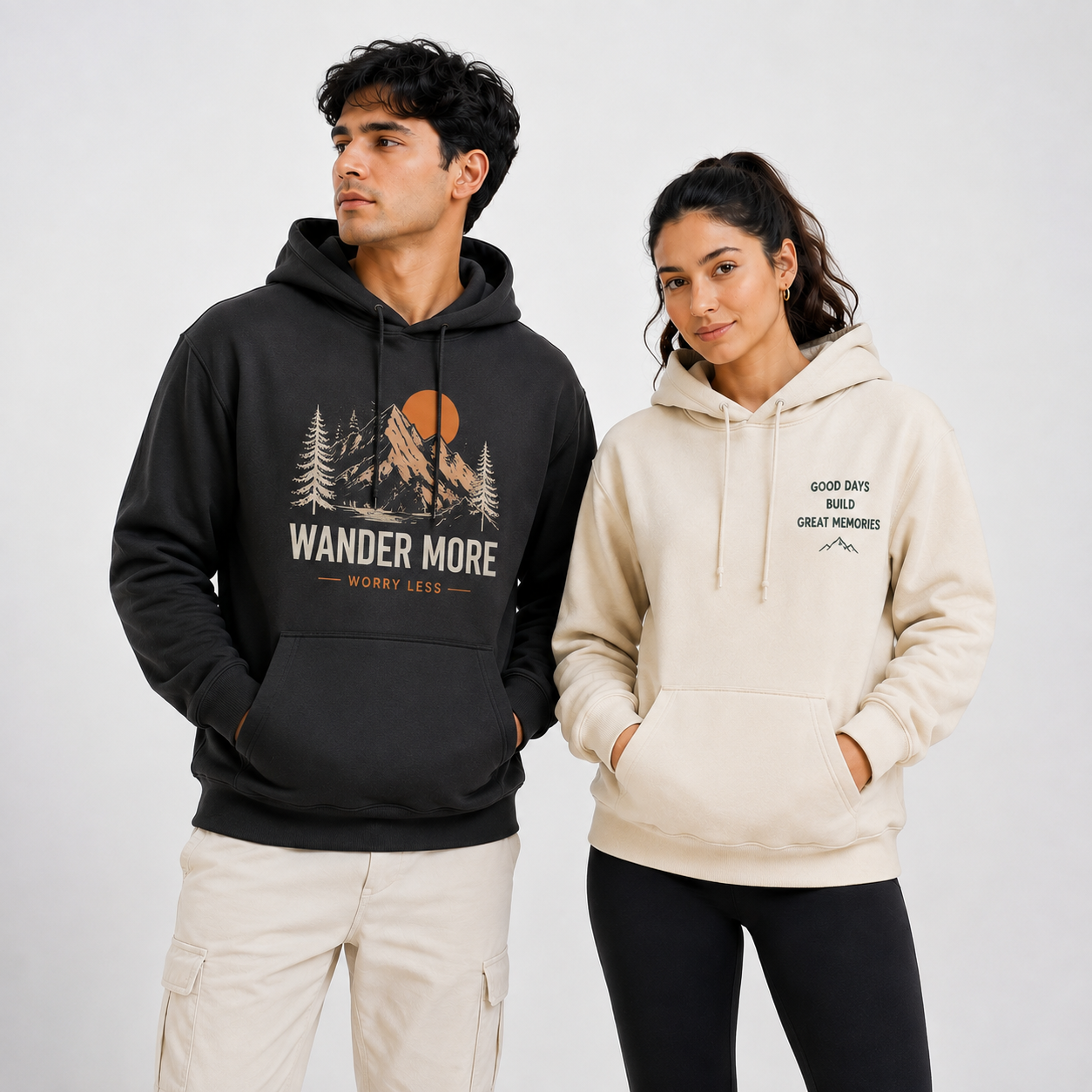
Hoodies
from₹282
IN STOCK
Hoodies
from₹282
 IN STOCK
Shirts
from₹262
IN STOCK
Shirts
from₹262
 IN STOCK
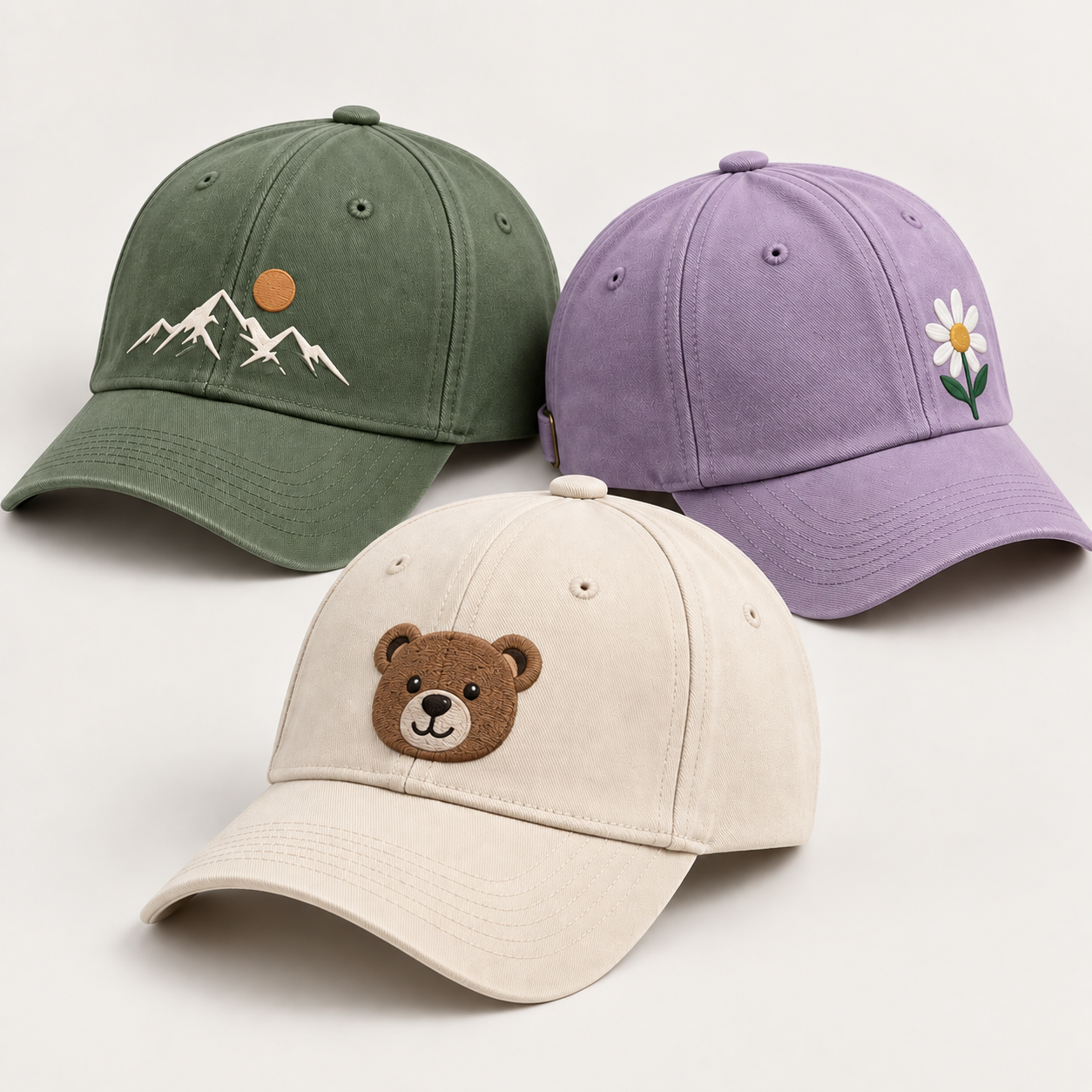
Caps
from₹42
IN STOCK
Caps
from₹42
 IN STOCK
Sweatshirt
from₹330
IN STOCK
Sweatshirt
from₹330
 IN STOCK
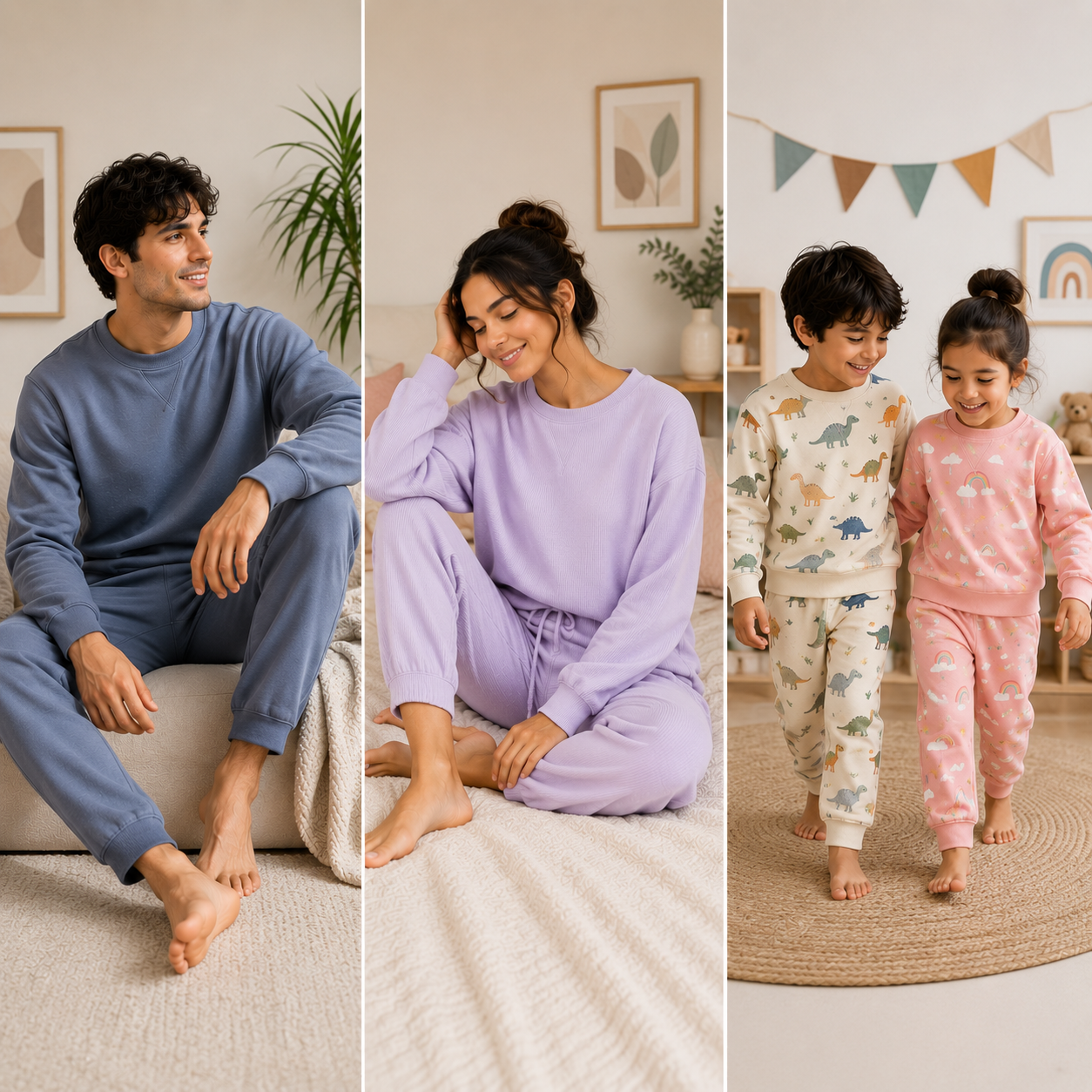
Sleep & Lounge Wear
from₹102
IN STOCK
Sleep & Lounge Wear
from₹102
 IN STOCK
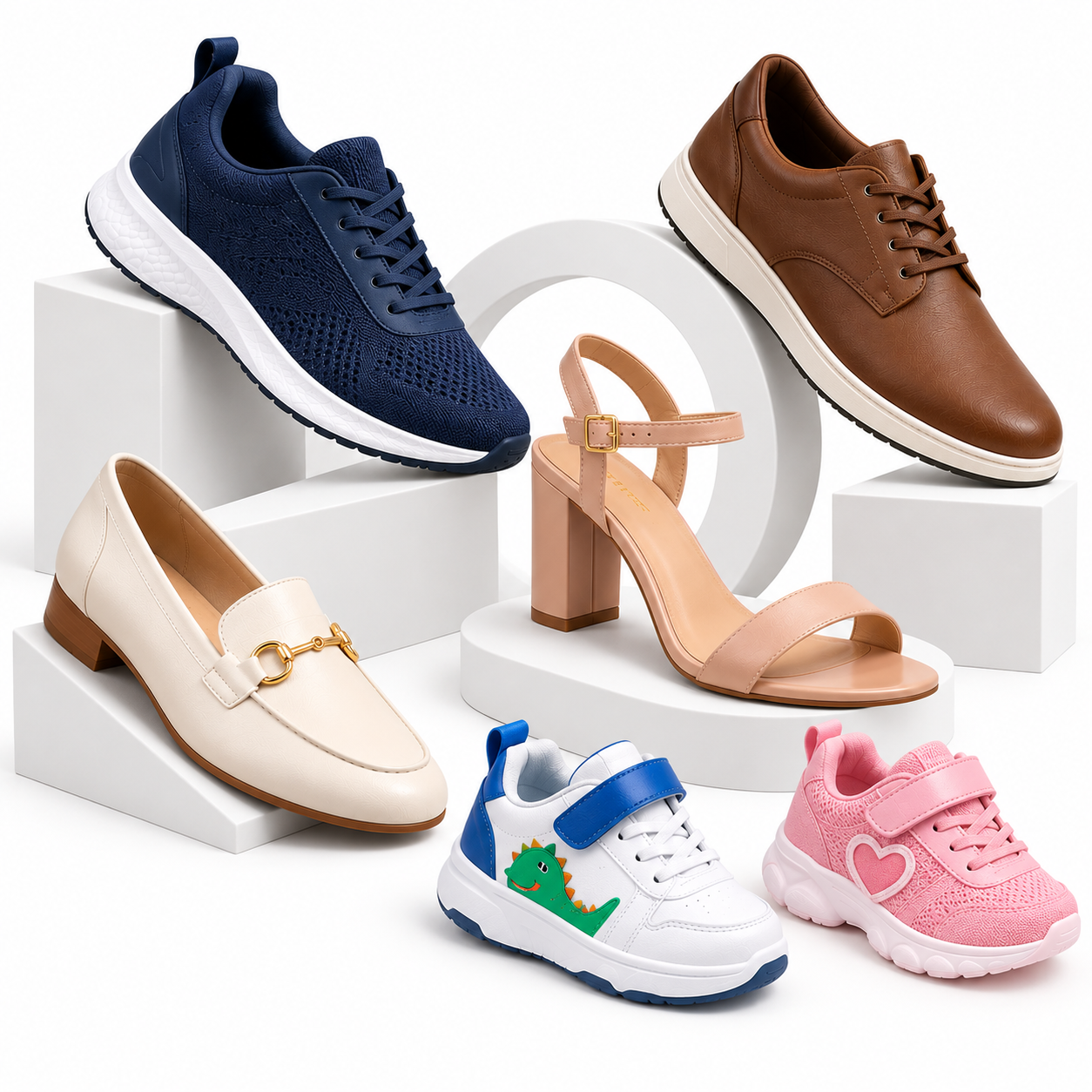
Footwear
from₹359
IN STOCK
Footwear
from₹359
 IN STOCK
Jackets
from₹345
IN STOCK
Jackets
from₹345
 IN STOCK
Trousers
from₹392
IN STOCK
Trousers
from₹392
 IN STOCK
Jeans and Jeggings
from₹627
IN STOCK
Jeans and Jeggings
from₹627
 IN STOCK
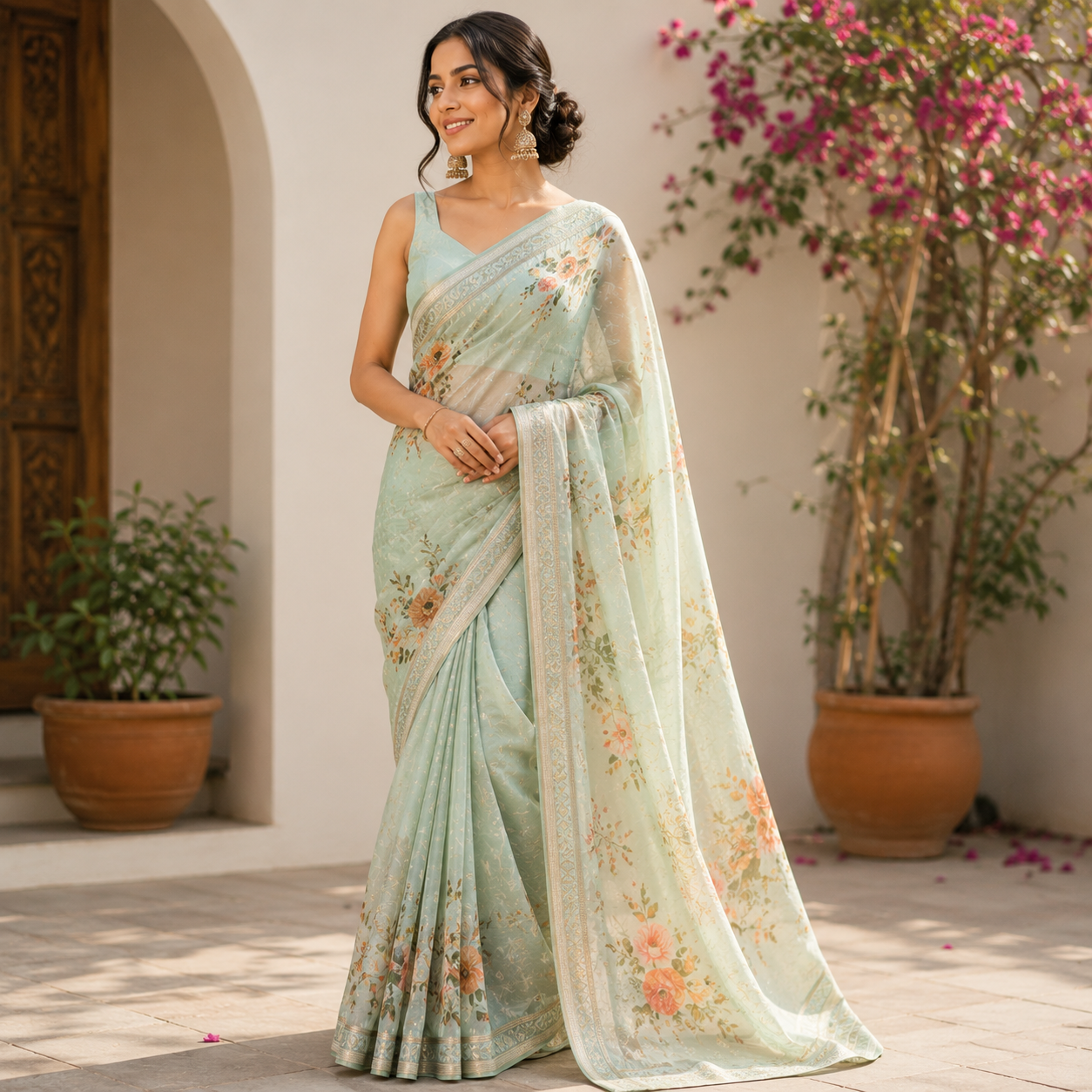
Sarees
from₹151
IN STOCK
Sarees
from₹151
 IN STOCK
Scarves, Stoles & Wraps
from₹113
IN STOCK
Scarves, Stoles & Wraps
from₹113
 IN STOCK
Raincoats
from₹76
IN STOCK
Raincoats
from₹76
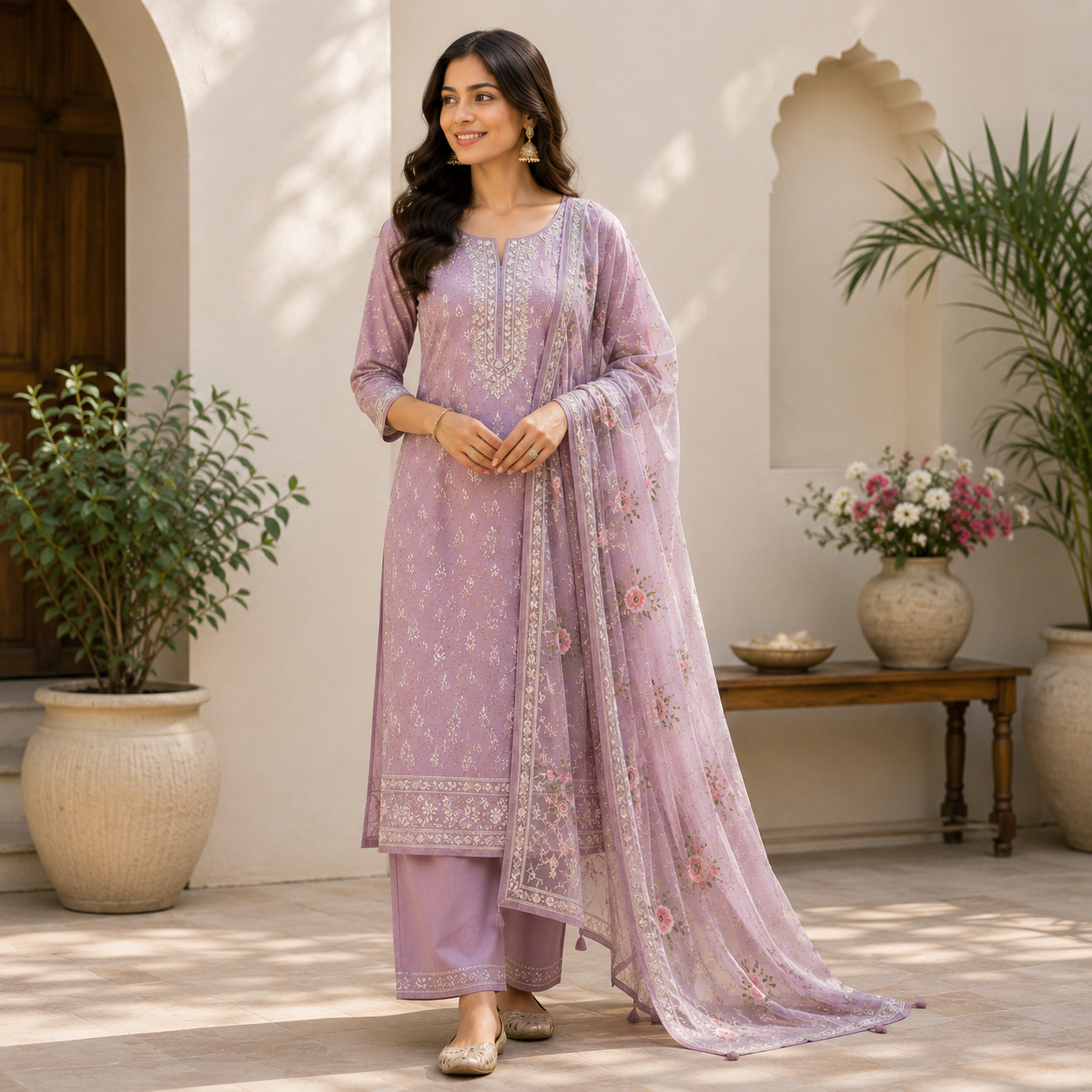 IN STOCK
Women Ethnic Wear
from₹236
IN STOCK
Women Ethnic Wear
from₹236
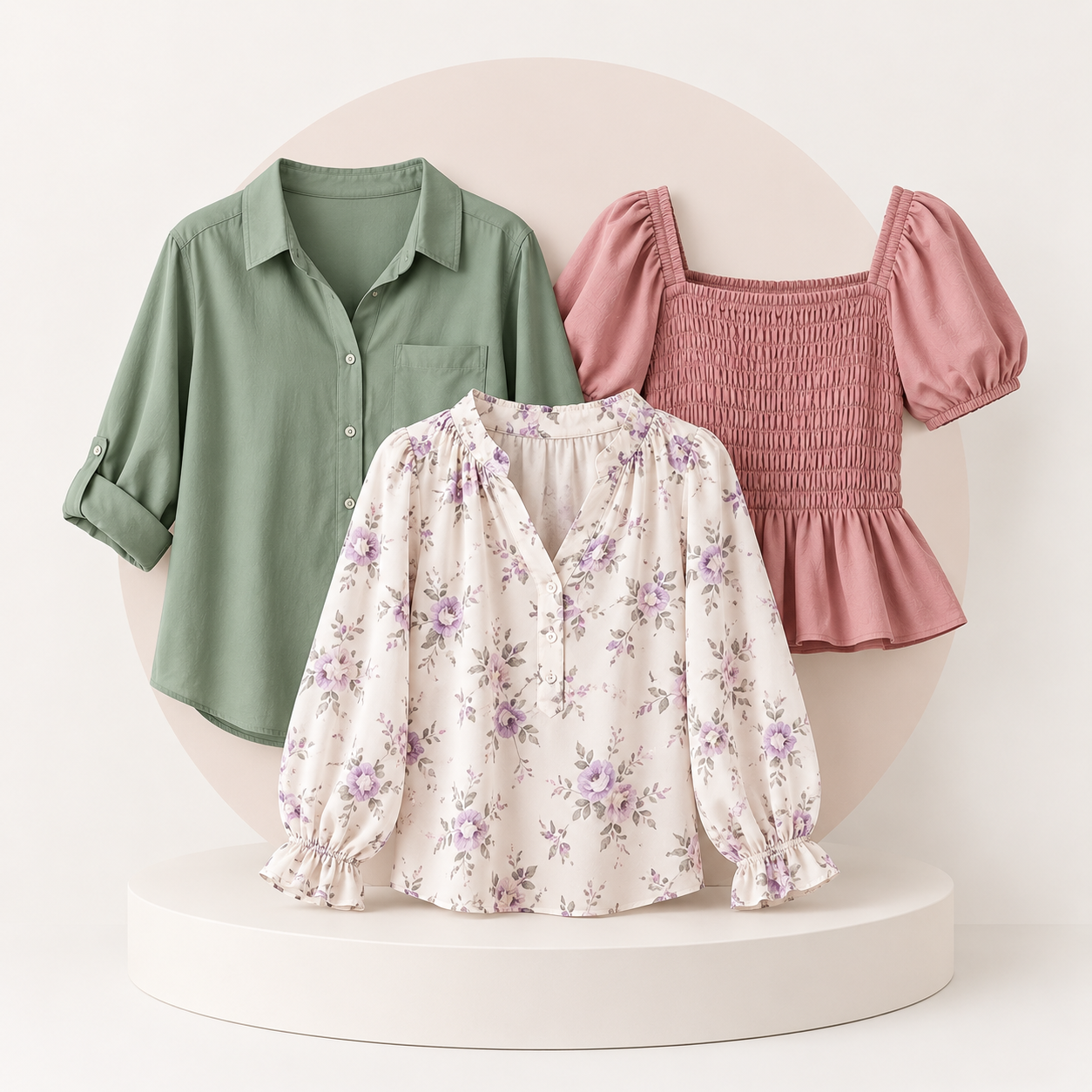 IN STOCK
Women Western Tops
from₹228
IN STOCK
Women Western Tops
from₹228
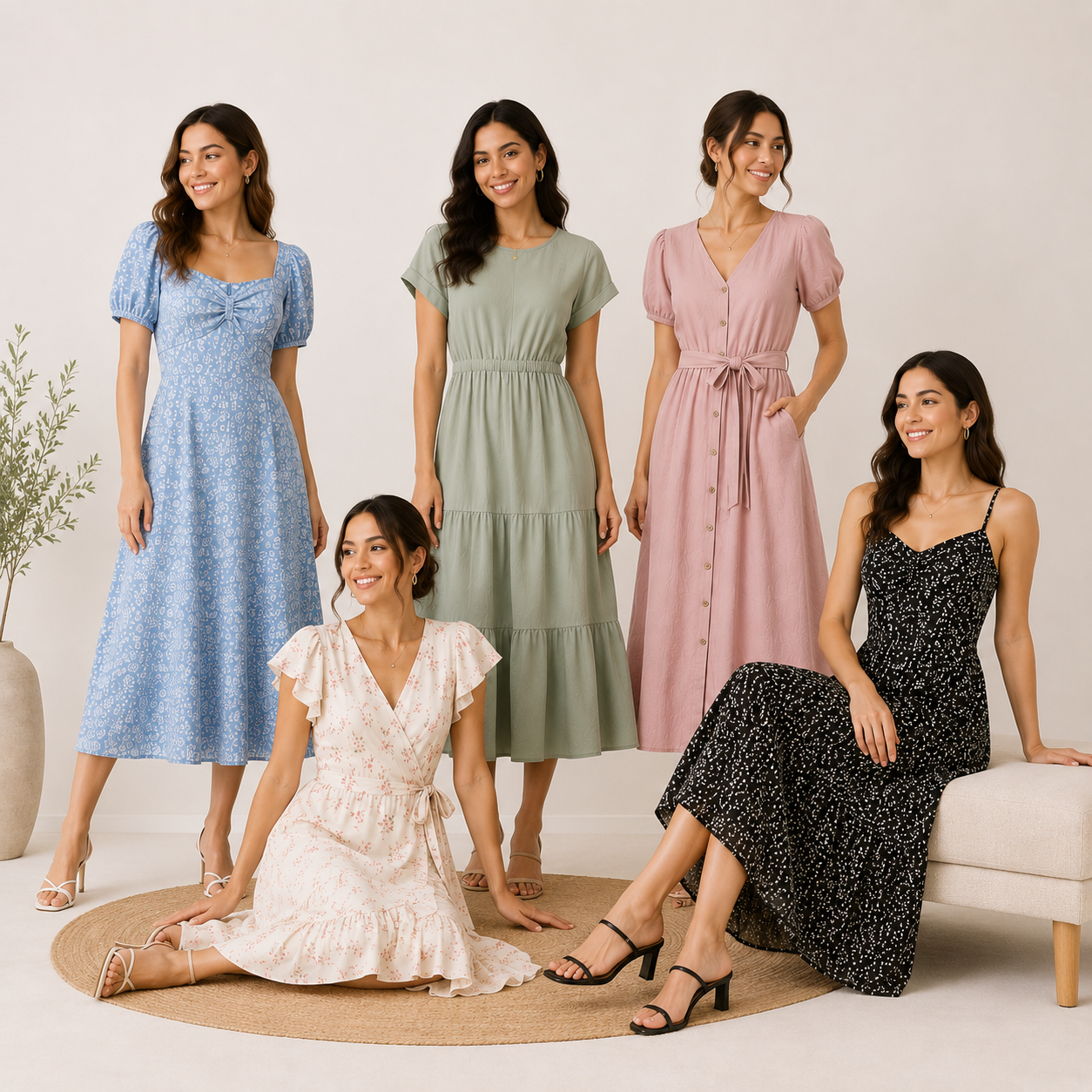 IN STOCK
Western Dresses
from₹863
IN STOCK
Western Dresses
from₹863
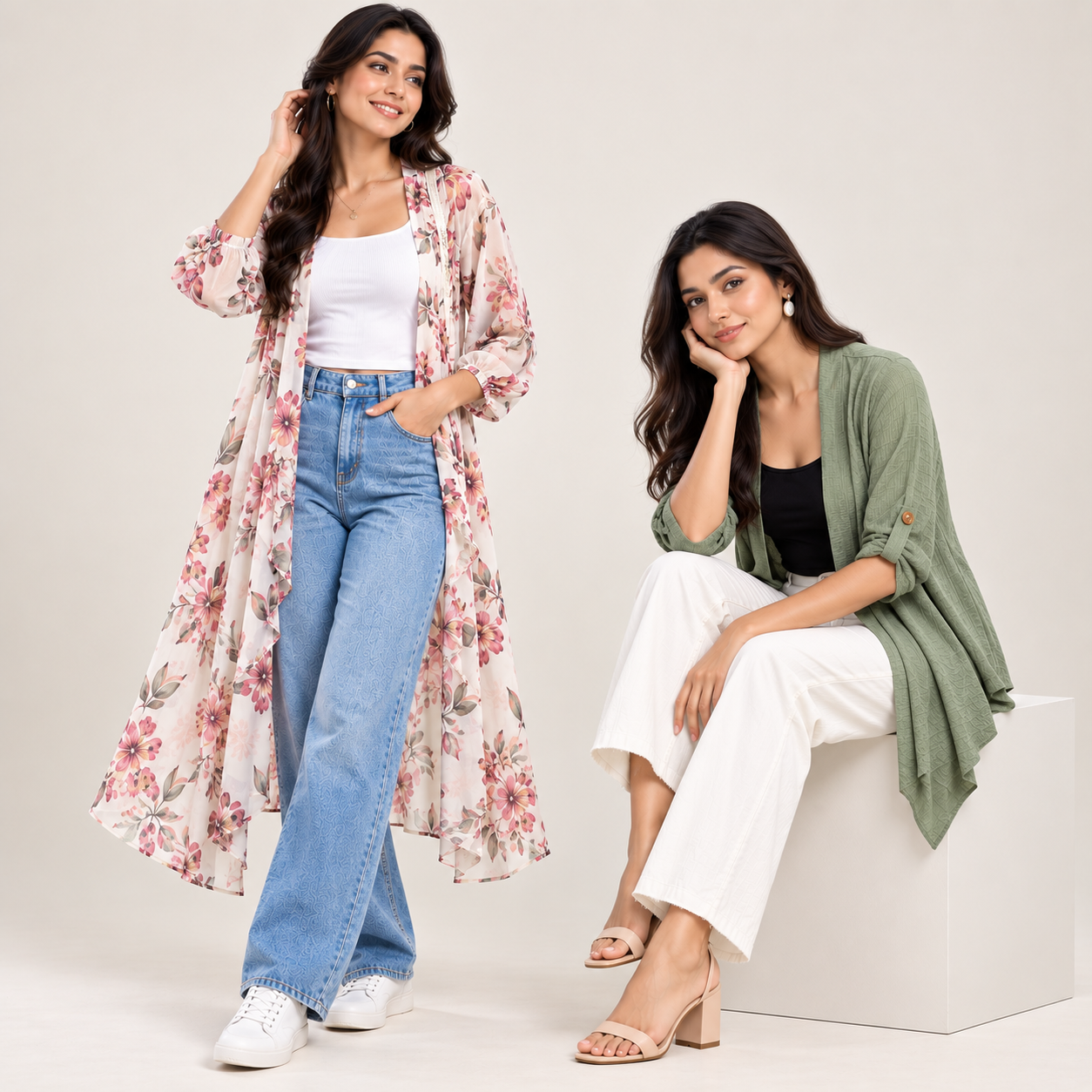 IN STOCK
Western Shrug
from₹578
IN STOCK
Western Shrug
from₹578
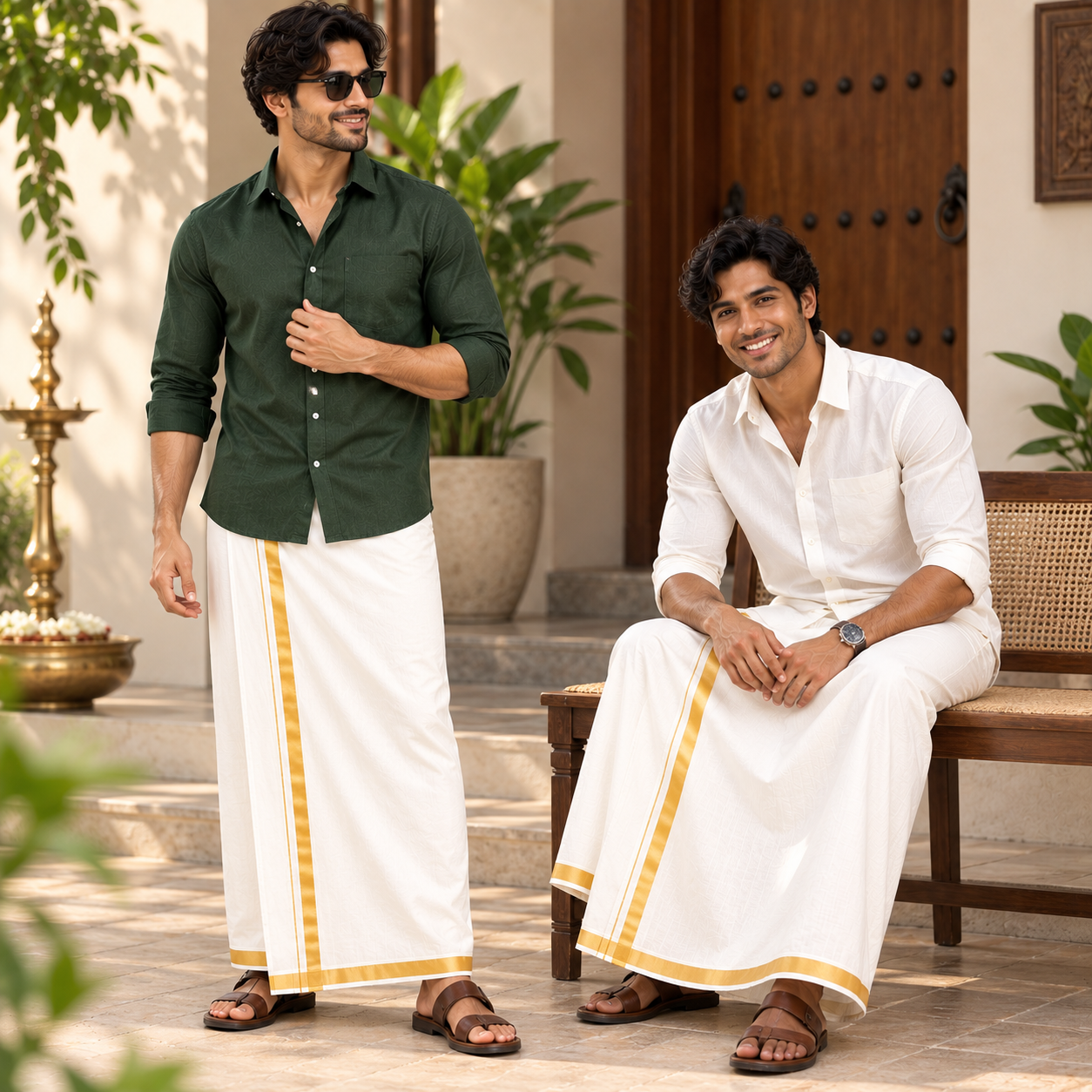 IN STOCK
Men's Shirts & Dhoti Set
from₹909
IN STOCK
Men's Shirts & Dhoti Set
from₹909
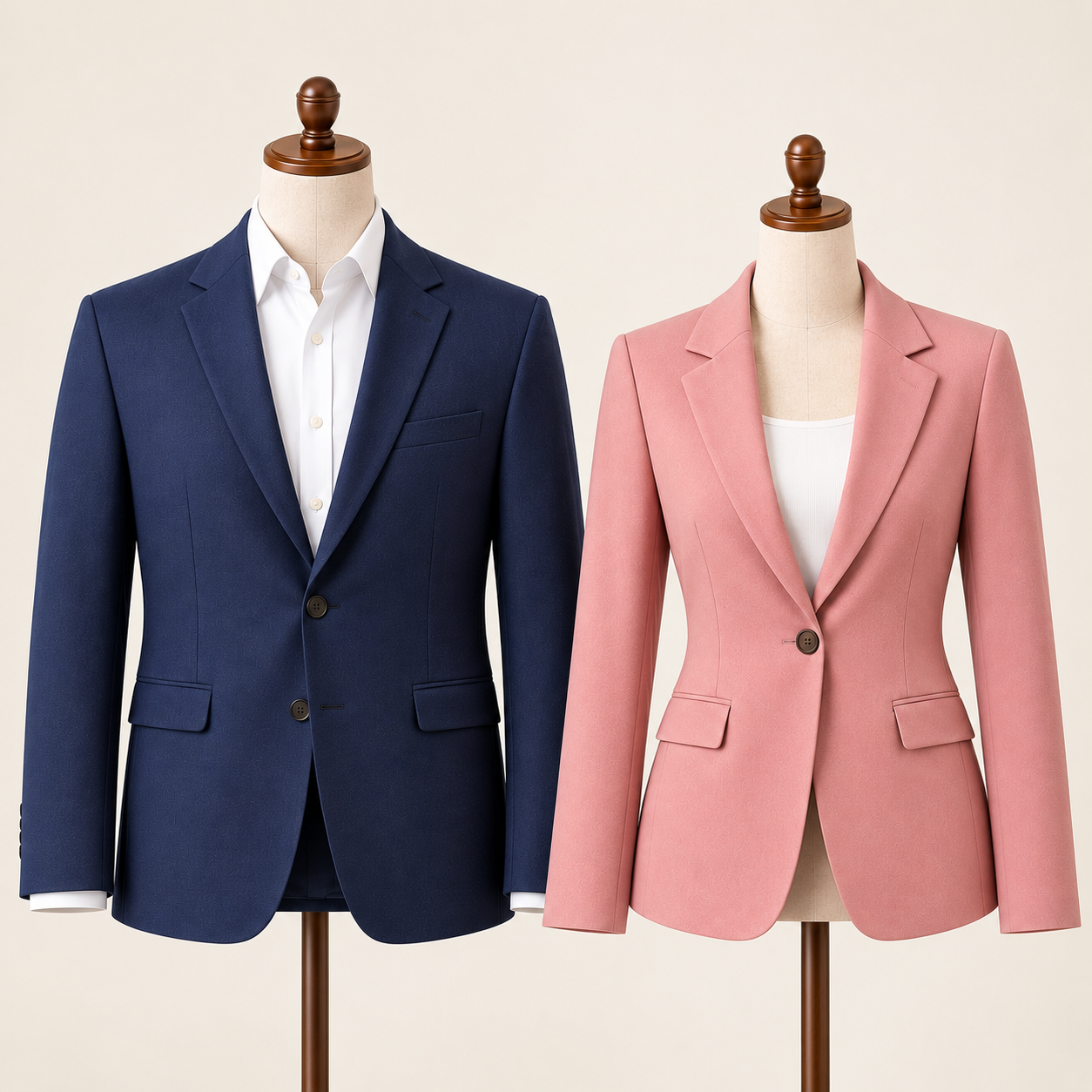 IN STOCK
Blazers & Waistcoats
from₹1,411
IN STOCK
Blazers & Waistcoats
from₹1,411
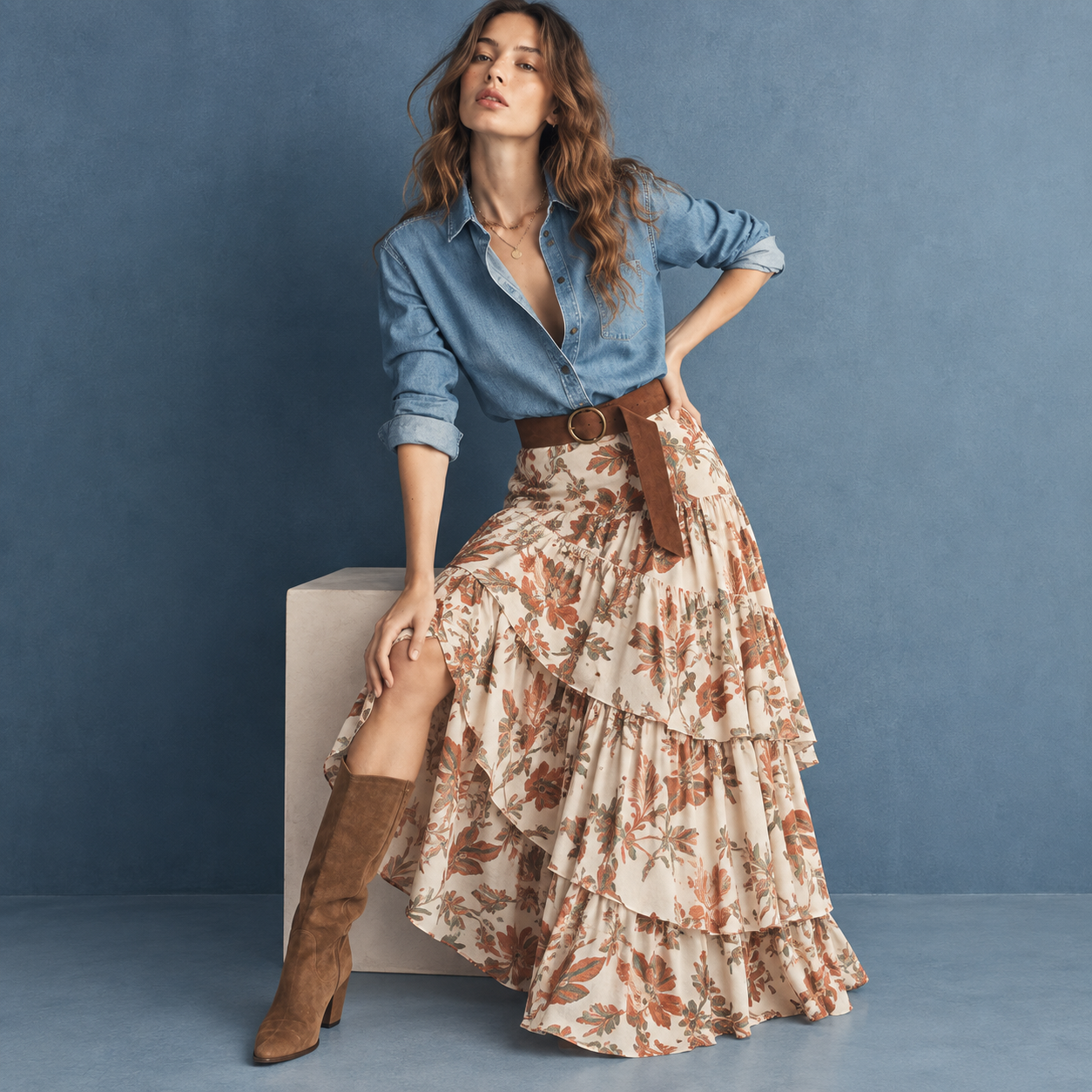 IN STOCK
Women's Skirts
from₹627
IN STOCK
Women's Skirts
from₹627
 IN STOCK
Women's Shorts
from₹470
IN STOCK
Women's Shorts
from₹470
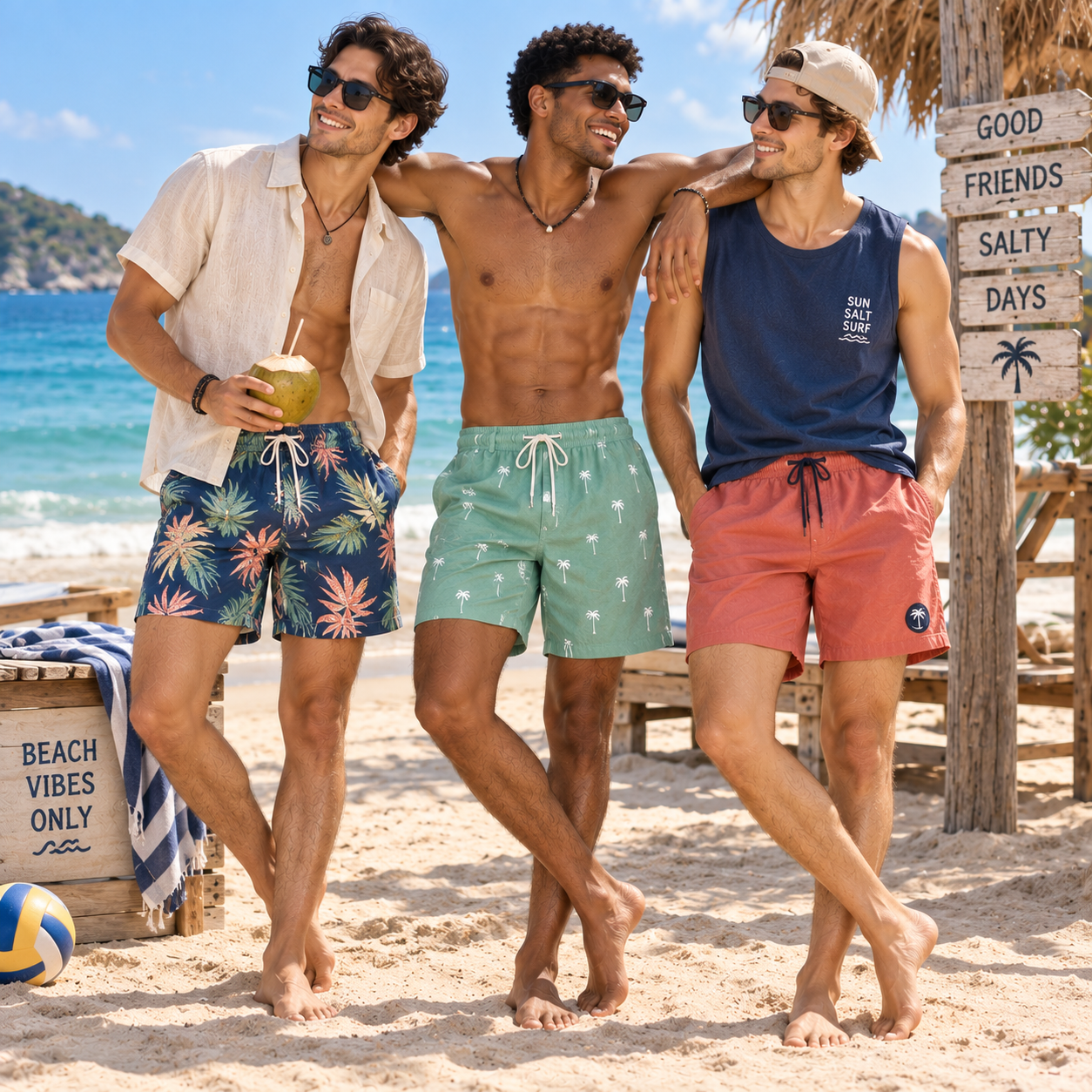 IN STOCK
Men's Shorts
from₹330
IN STOCK
Men's Shorts
from₹330
 IN STOCK
Joggers
from₹612
IN STOCK
Joggers
from₹612
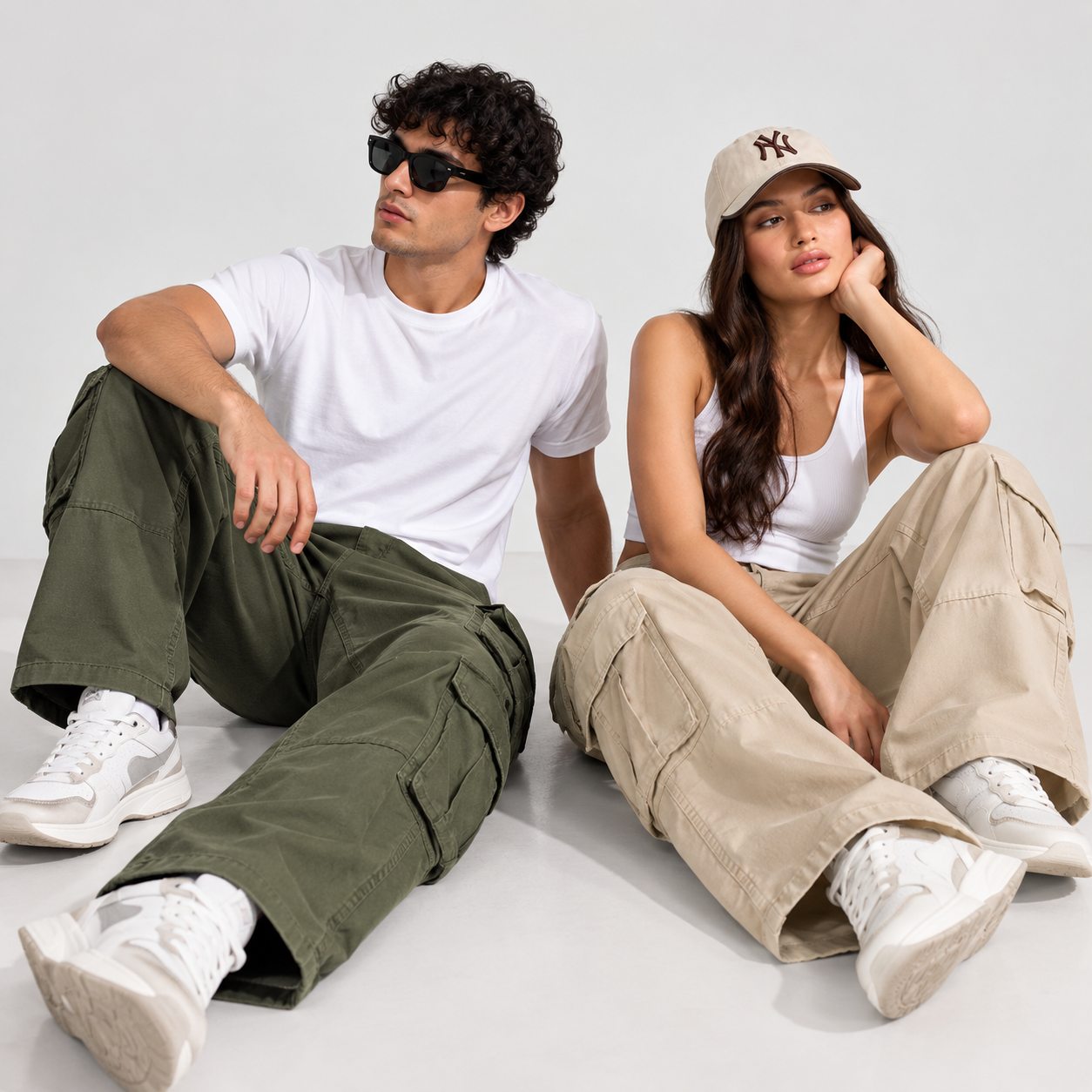 IN STOCK
Cargo Pants
from₹627
IN STOCK
Cargo Pants
from₹627
Uniforms & Workwear
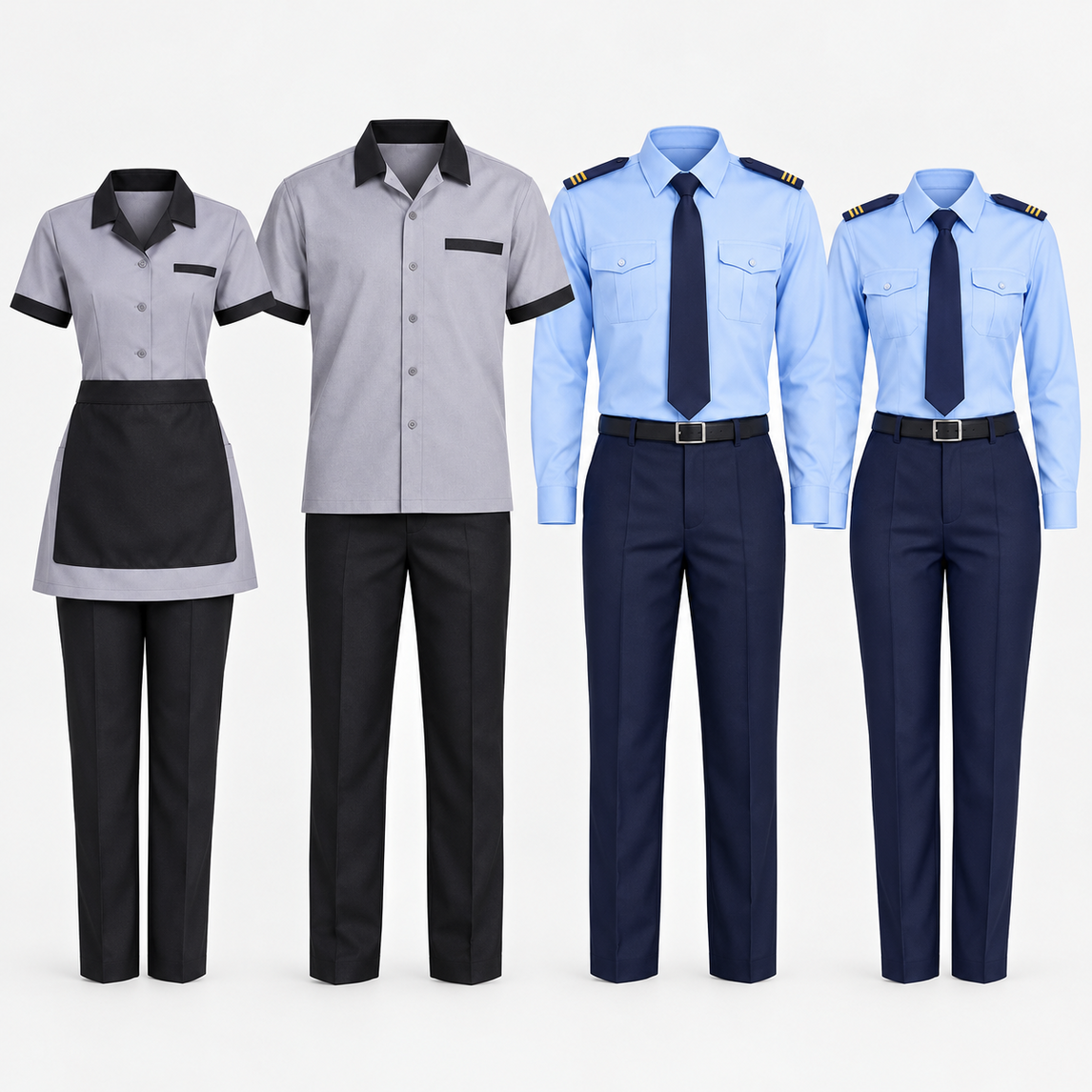
Programme uniforms for schools, hospitals, hotels, corporates, security and housekeeping — consistent fabric, sizing and branding across repeats. Built for multi-location rollouts with published starting prices on each category page.




Bags & Travel
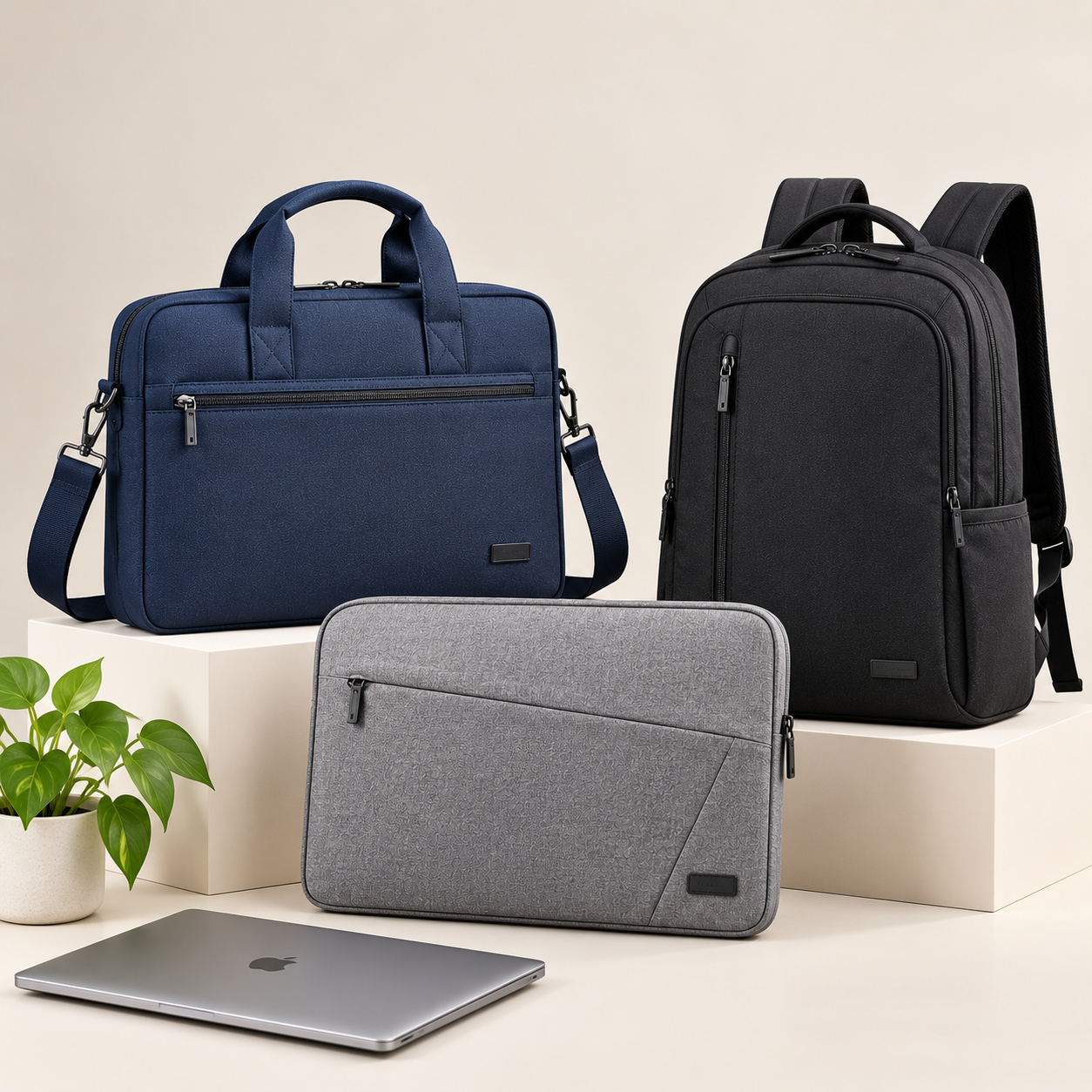
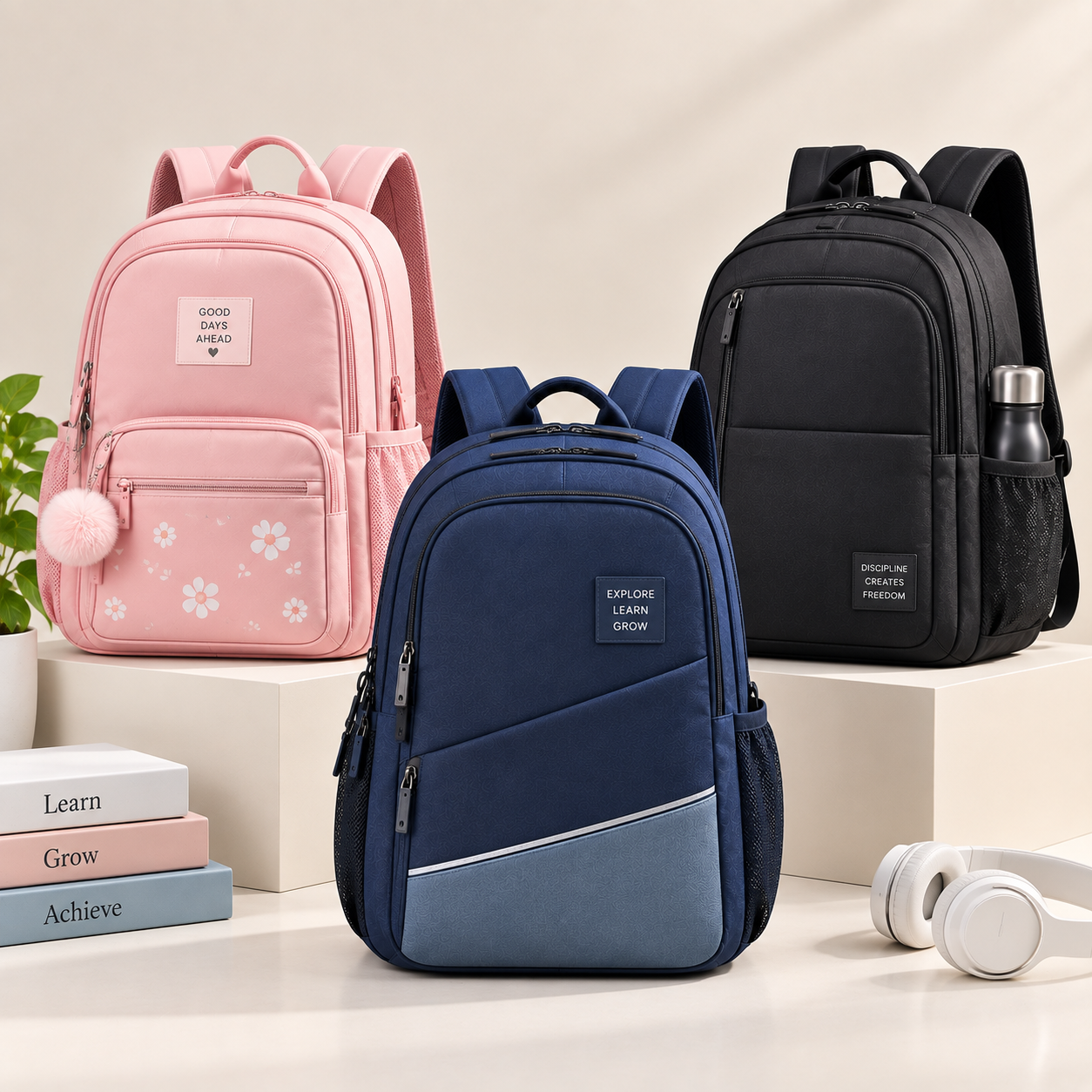
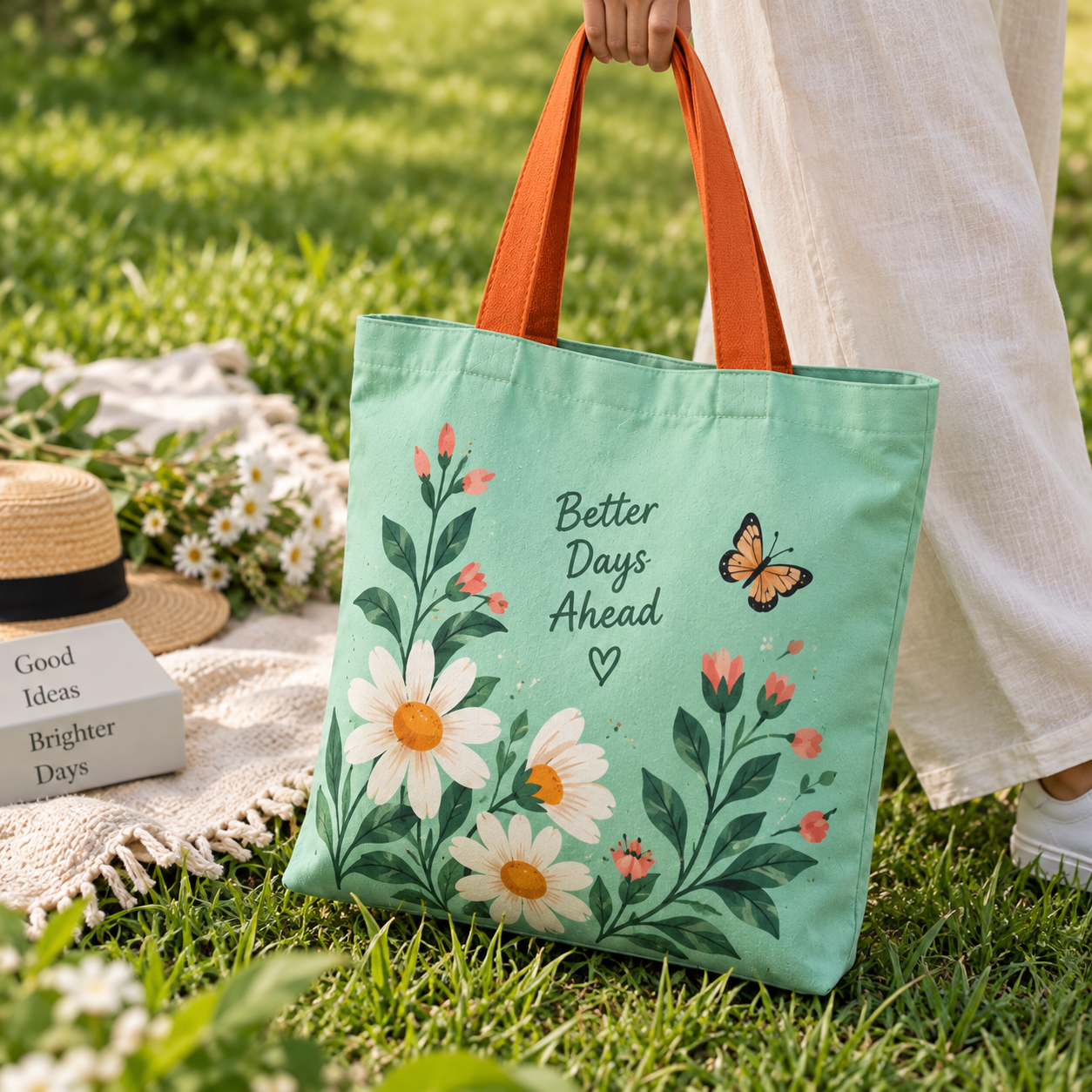
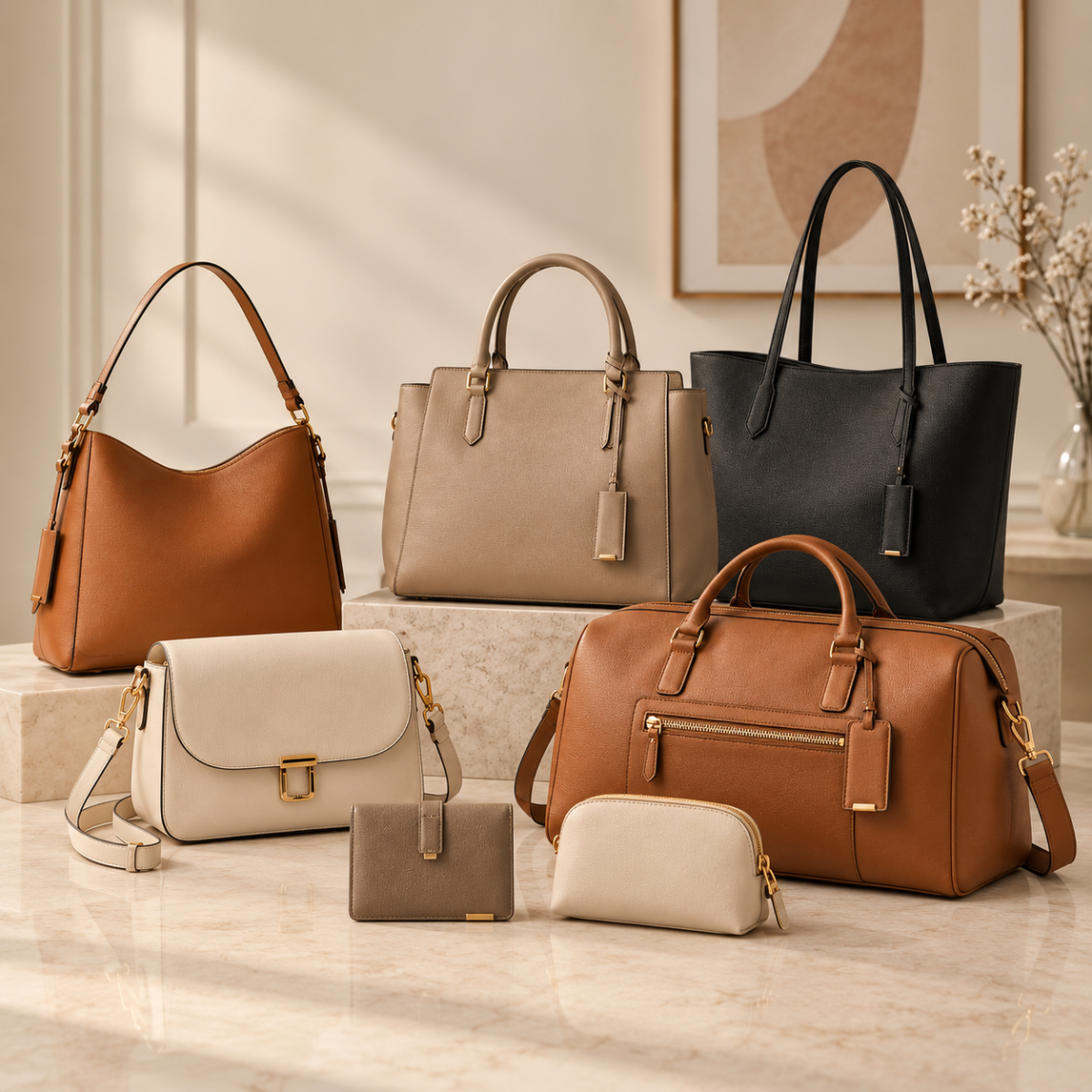
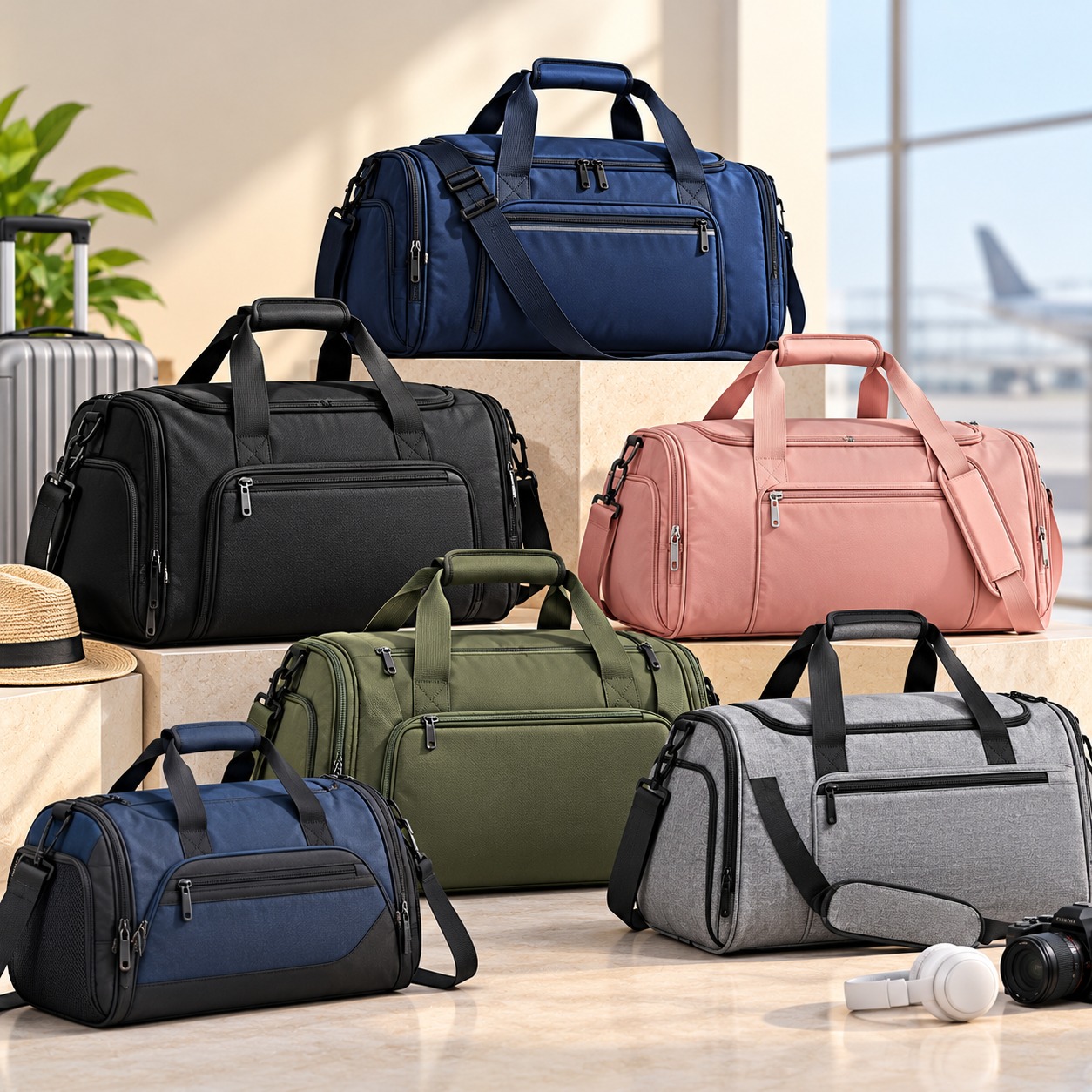
Laptop bags, school and college bags, tote bags, handbags and wallets for corporate gifting, education programmes and retail. Customise with embroidery, screen print or DTF when you need the brand on the bag.
Home & Textiles
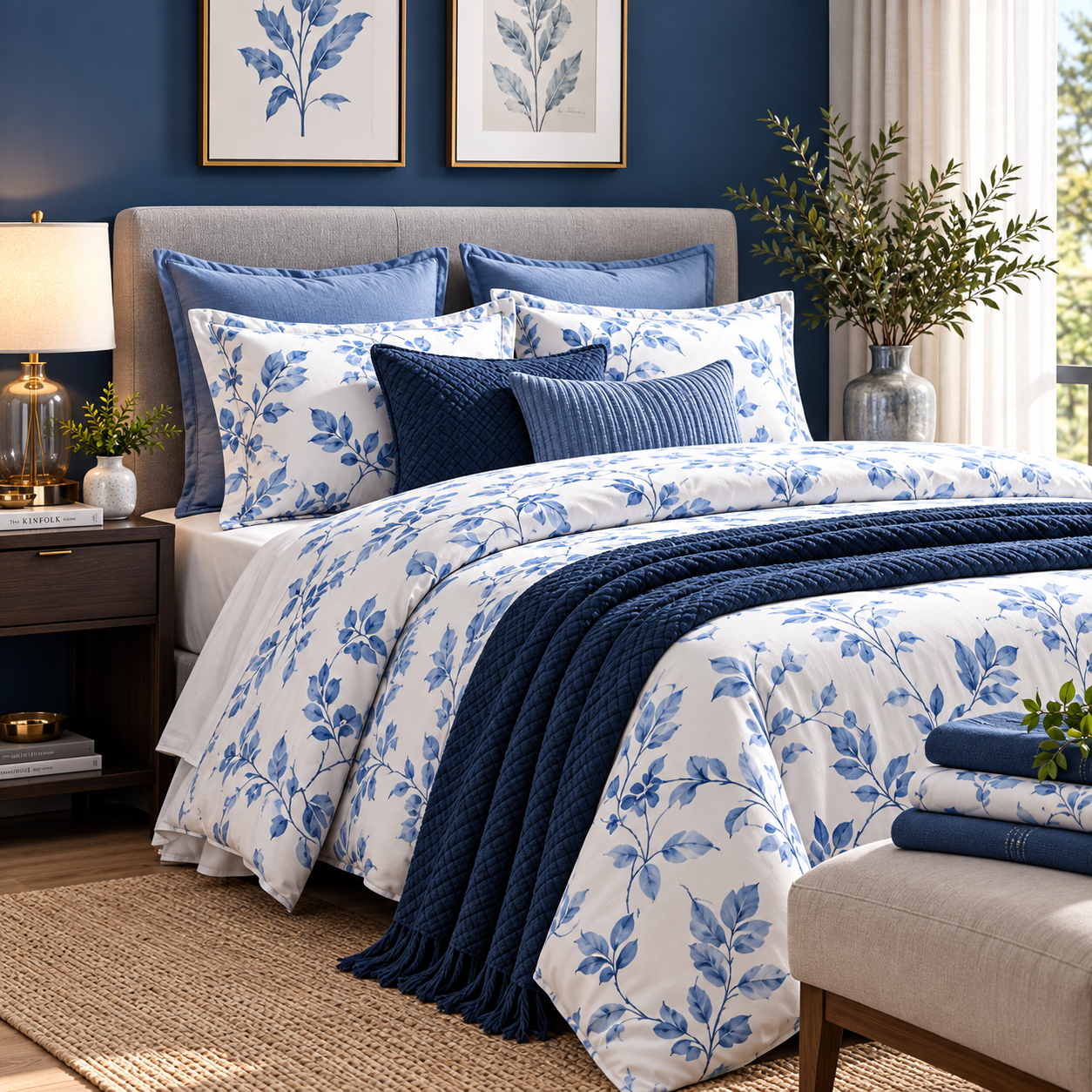
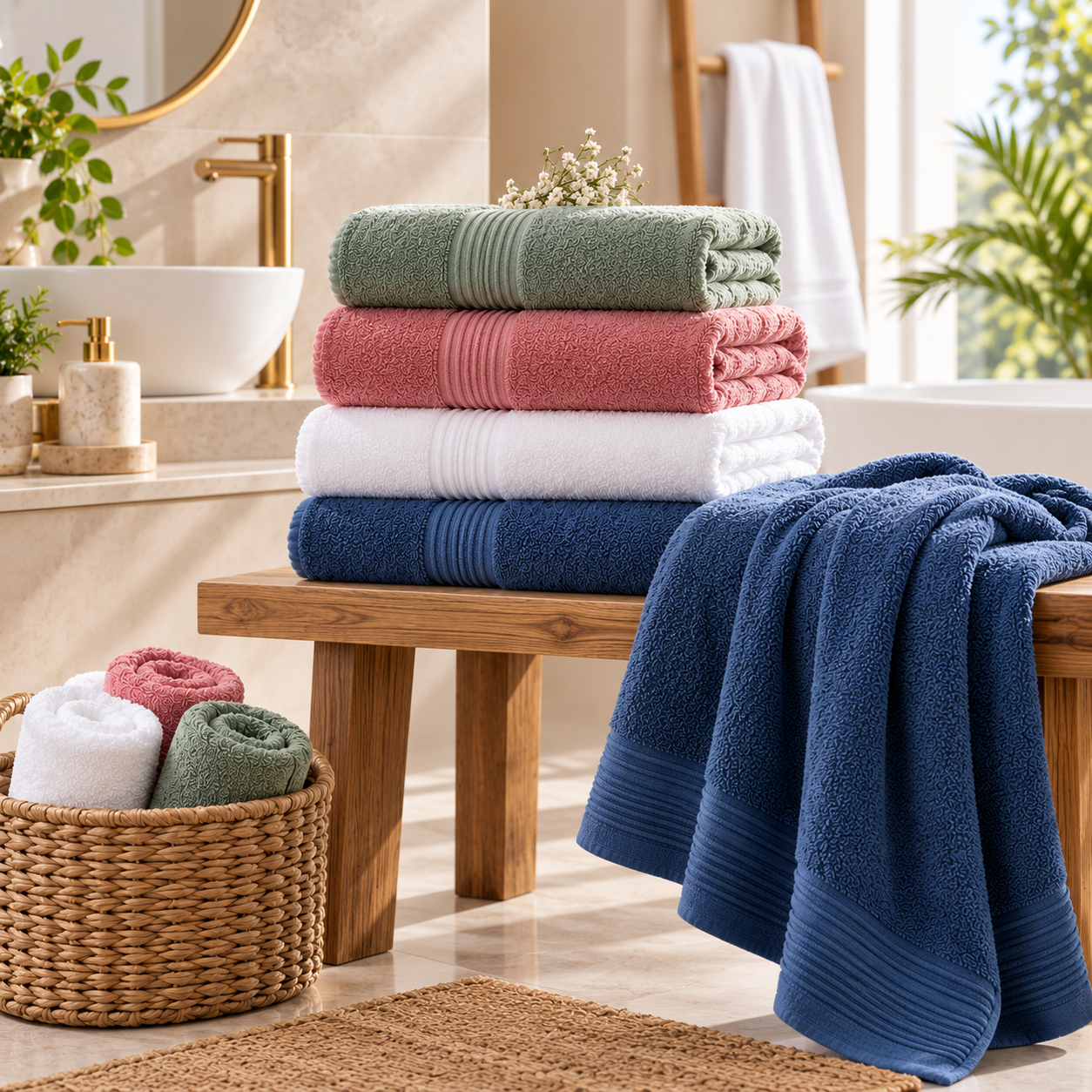
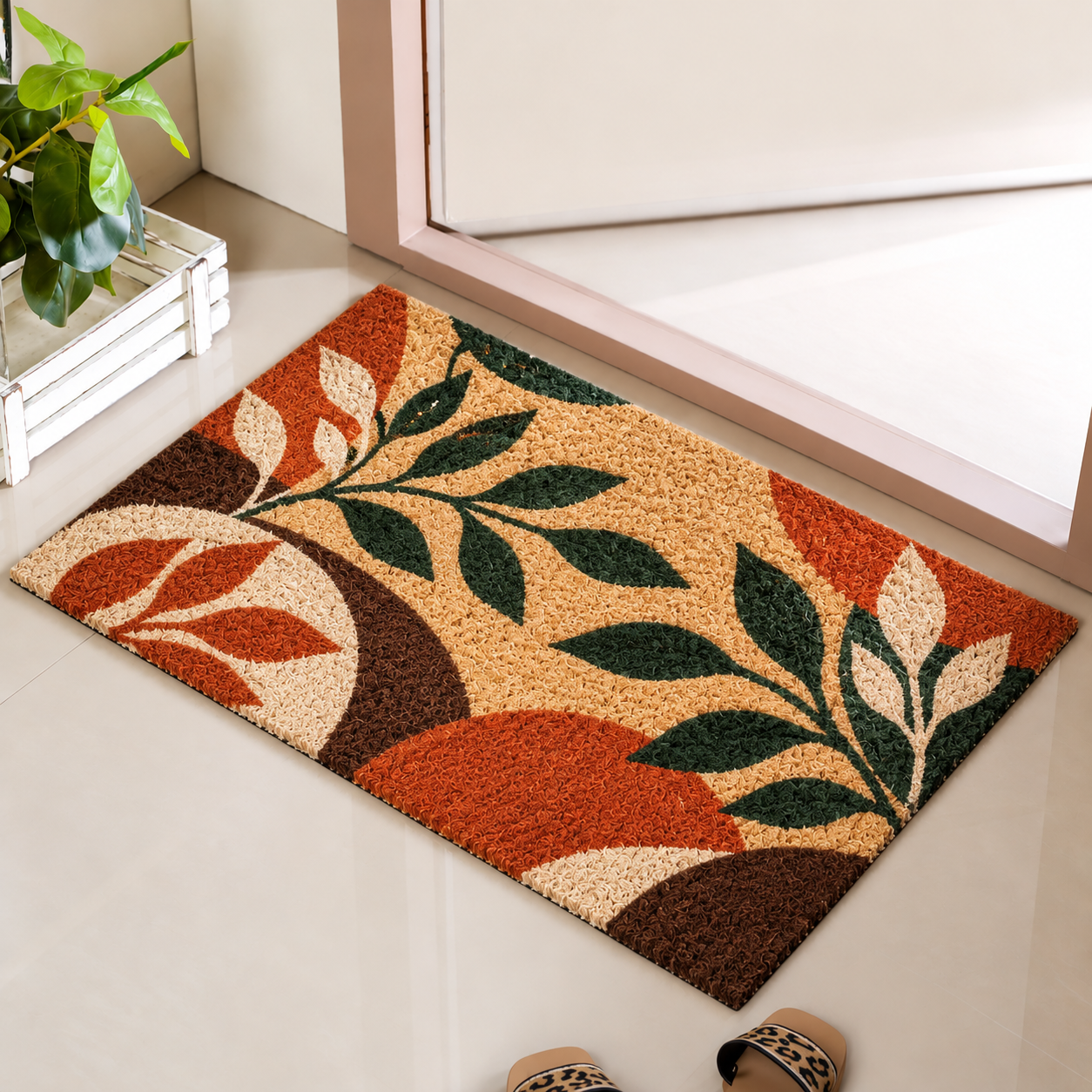
Bedding, linen, towels, clocks, bath mats and home-facing textiles for hospitality, retail and institutional buyers. Source finishes and pack formats that match your channel — not a one-size catalogue dump.



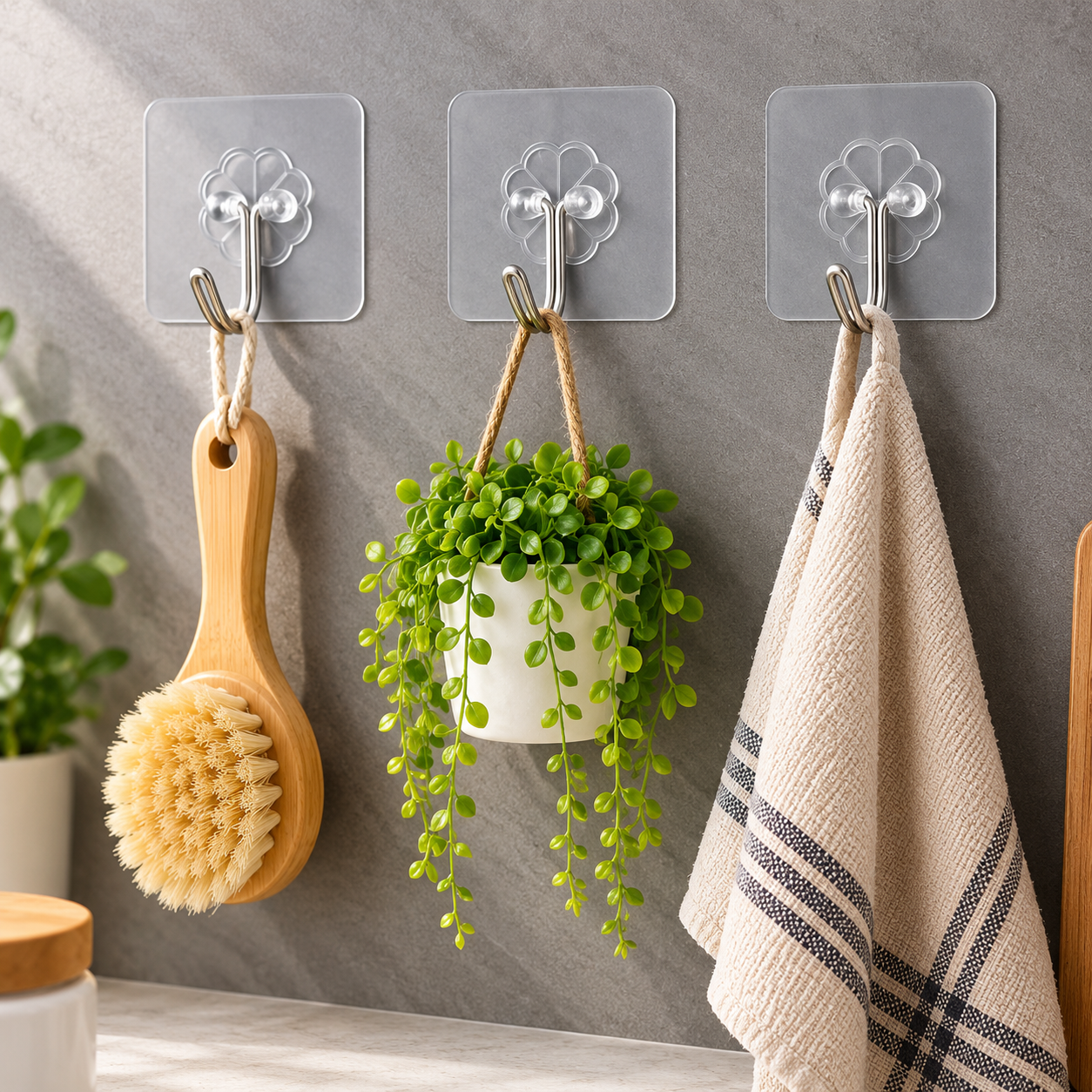
Kitchen & Dining
Cookware, lunch boxes, flasks, casseroles and kitchen essentials for retail, hospitality and institutional programmes — published MOQs and starting prices on every category.
 IN STOCK
Lunch Box
from₹173
IN STOCK
Lunch Box
from₹173
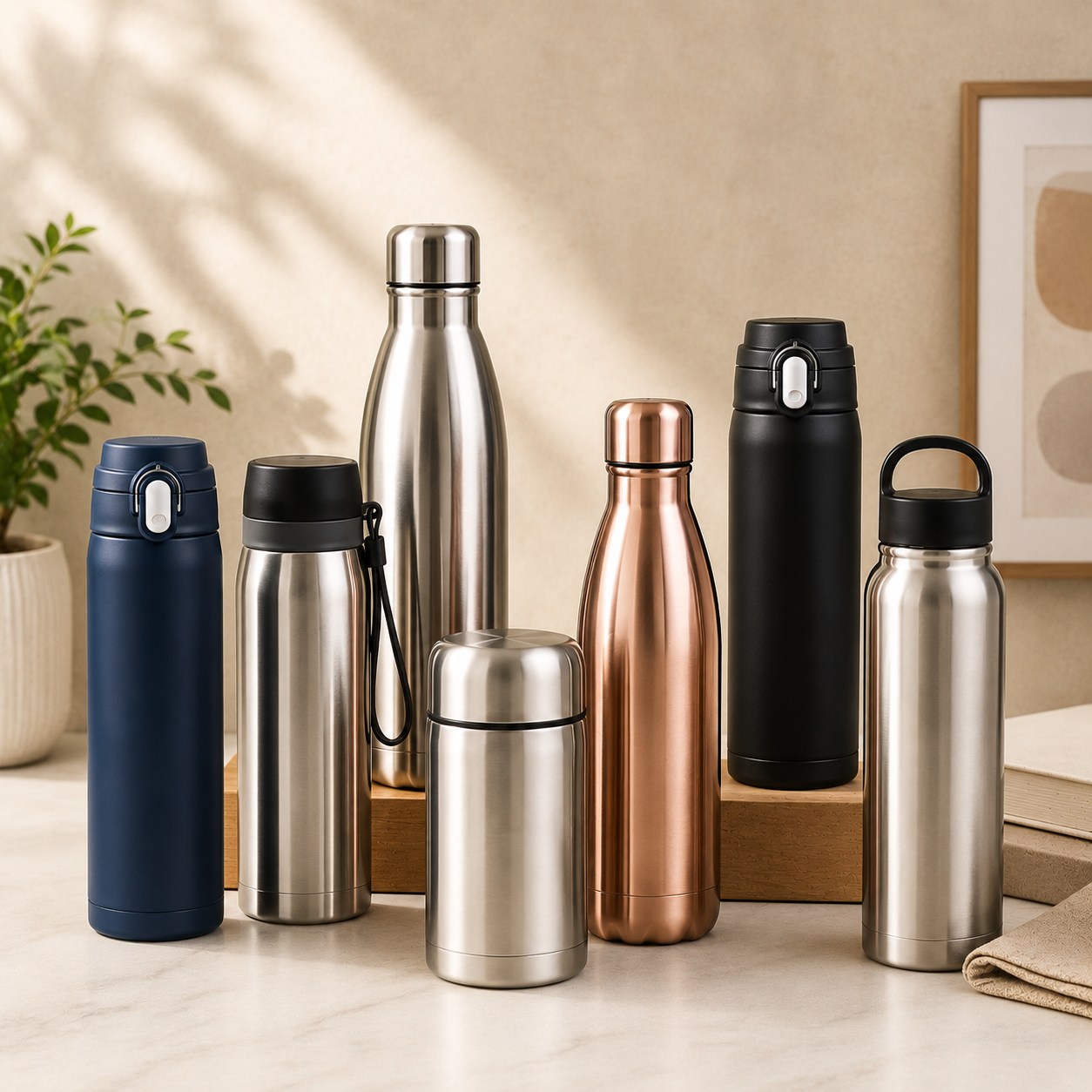 IN STOCK
Flasks
from₹267
IN STOCK
Flasks
from₹267
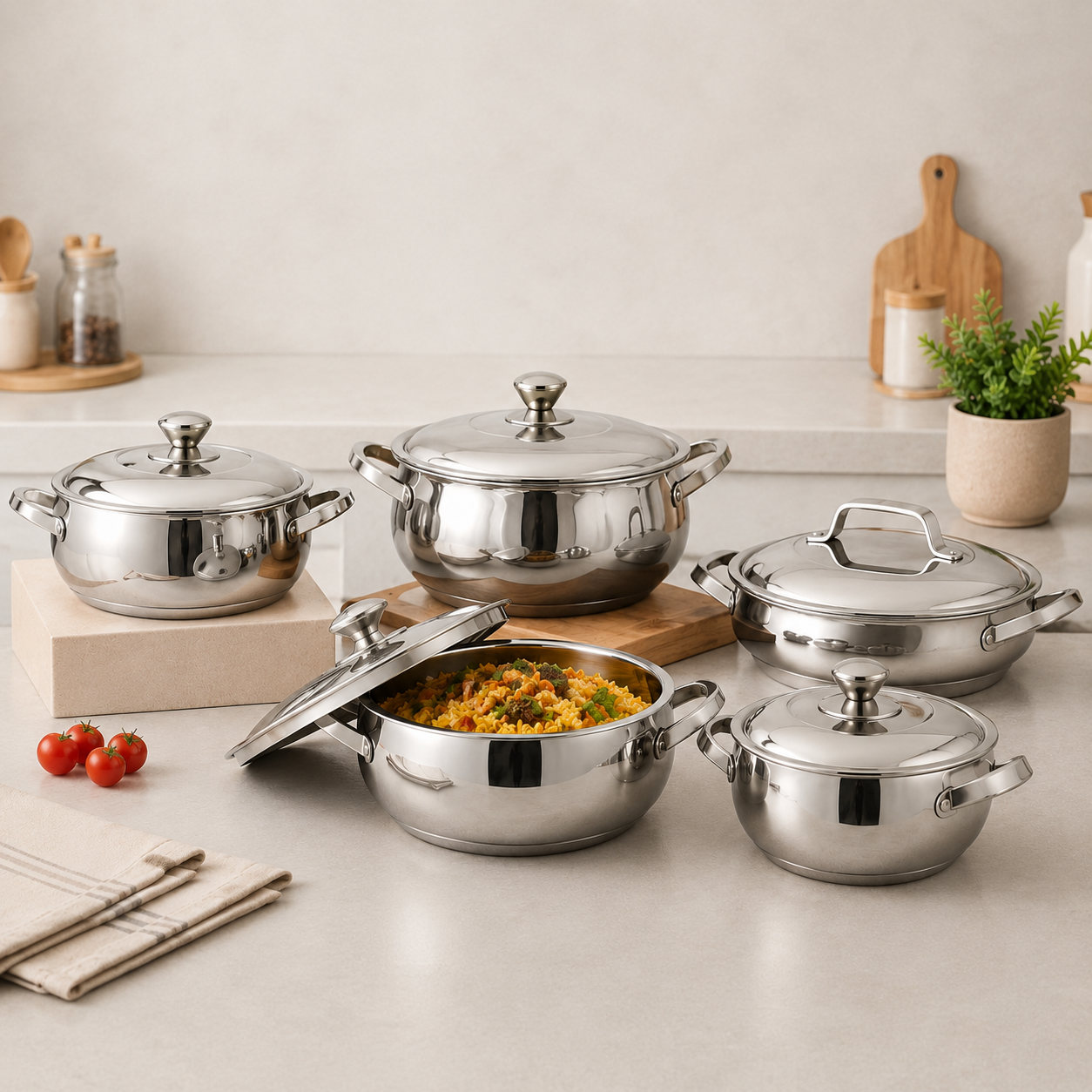 IN STOCK
Casserole
from₹624
IN STOCK
Casserole
from₹624
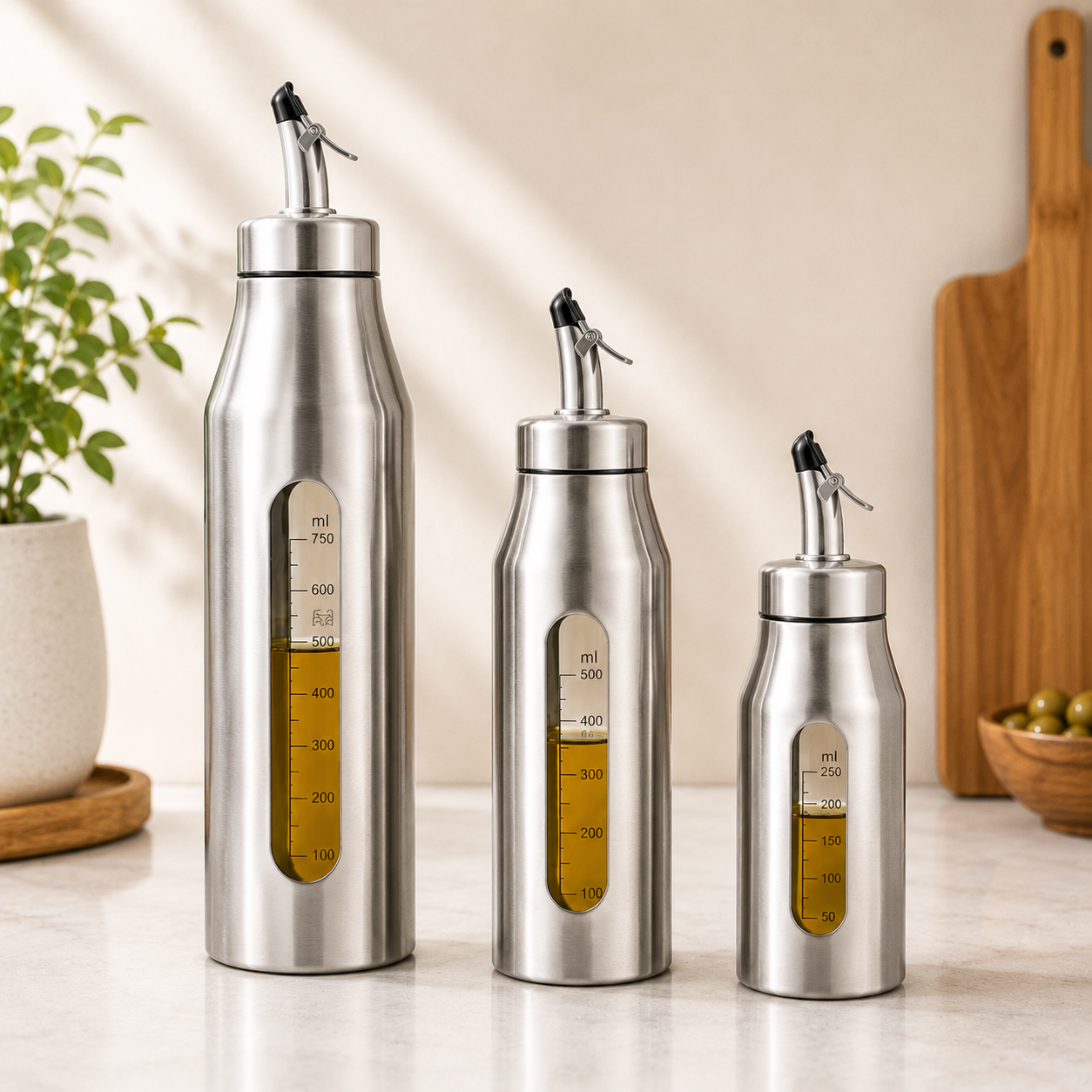 IN STOCK
Oil Dispenser
from₹510
IN STOCK
Oil Dispenser
from₹510
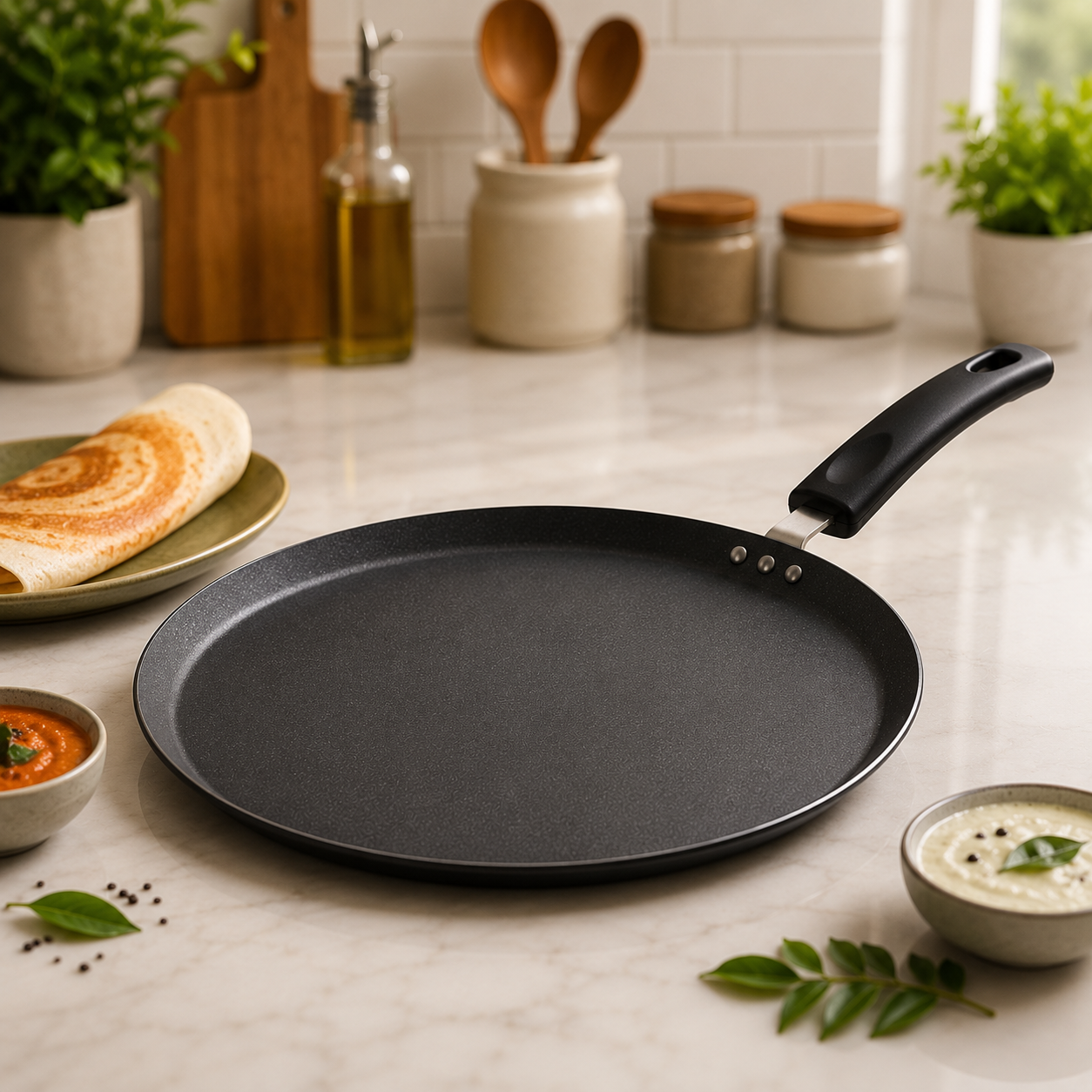 IN STOCK
Dosa Tawa
from₹478
IN STOCK
Dosa Tawa
from₹478
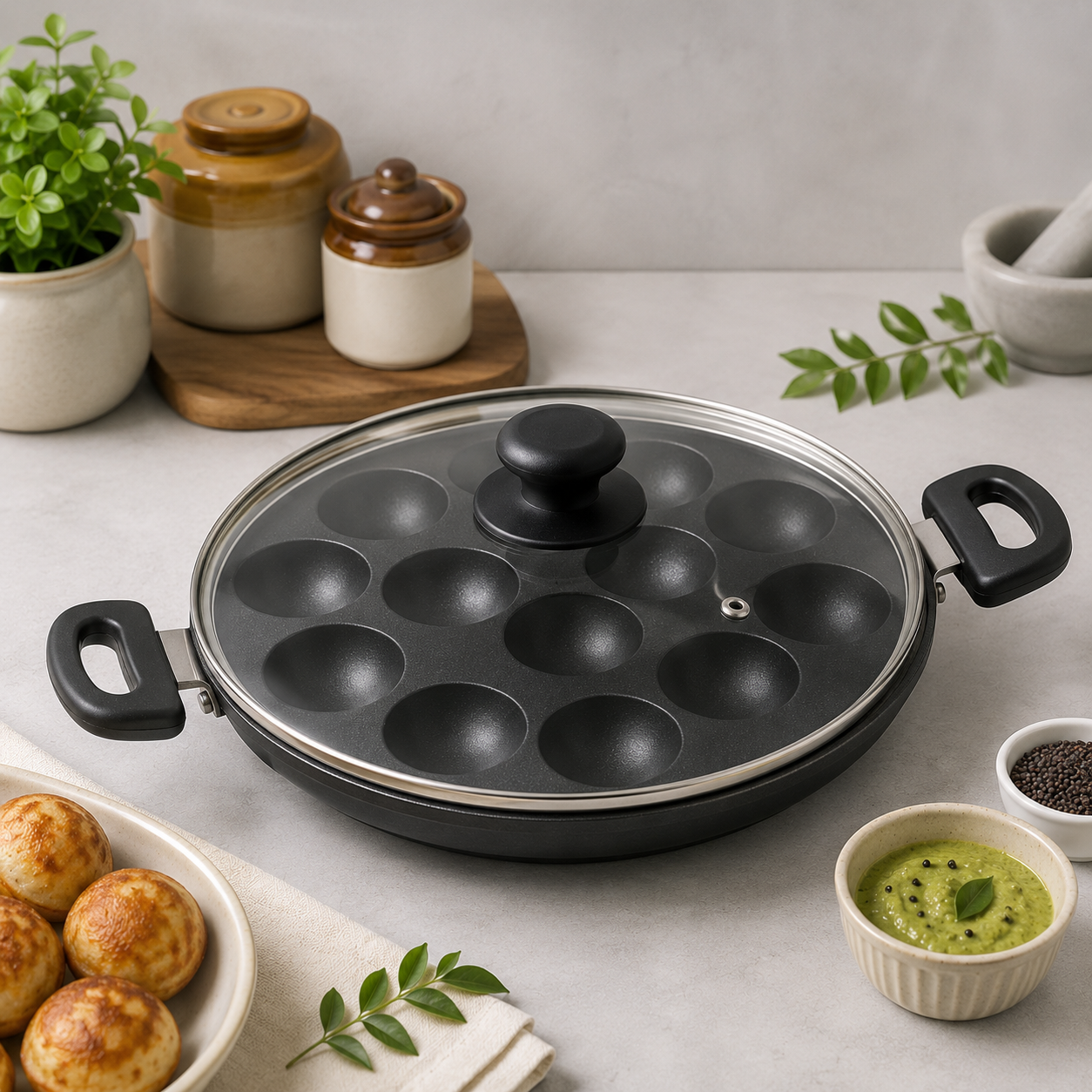 IN STOCK
Appe/ Paddu Non Stick Pan
from₹804
IN STOCK
Appe/ Paddu Non Stick Pan
from₹804
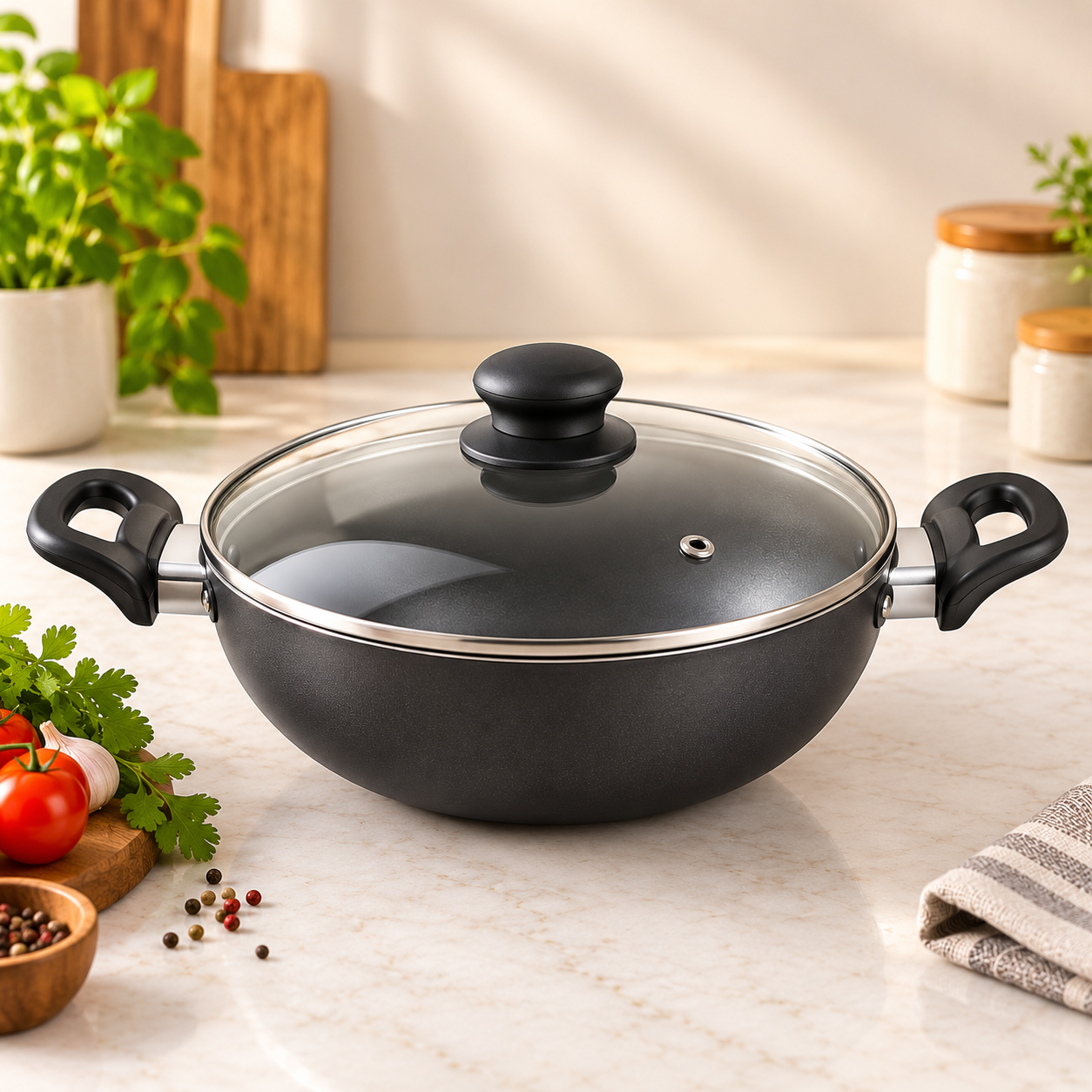 IN STOCK
Kadai
from₹236
IN STOCK
Kadai
from₹236
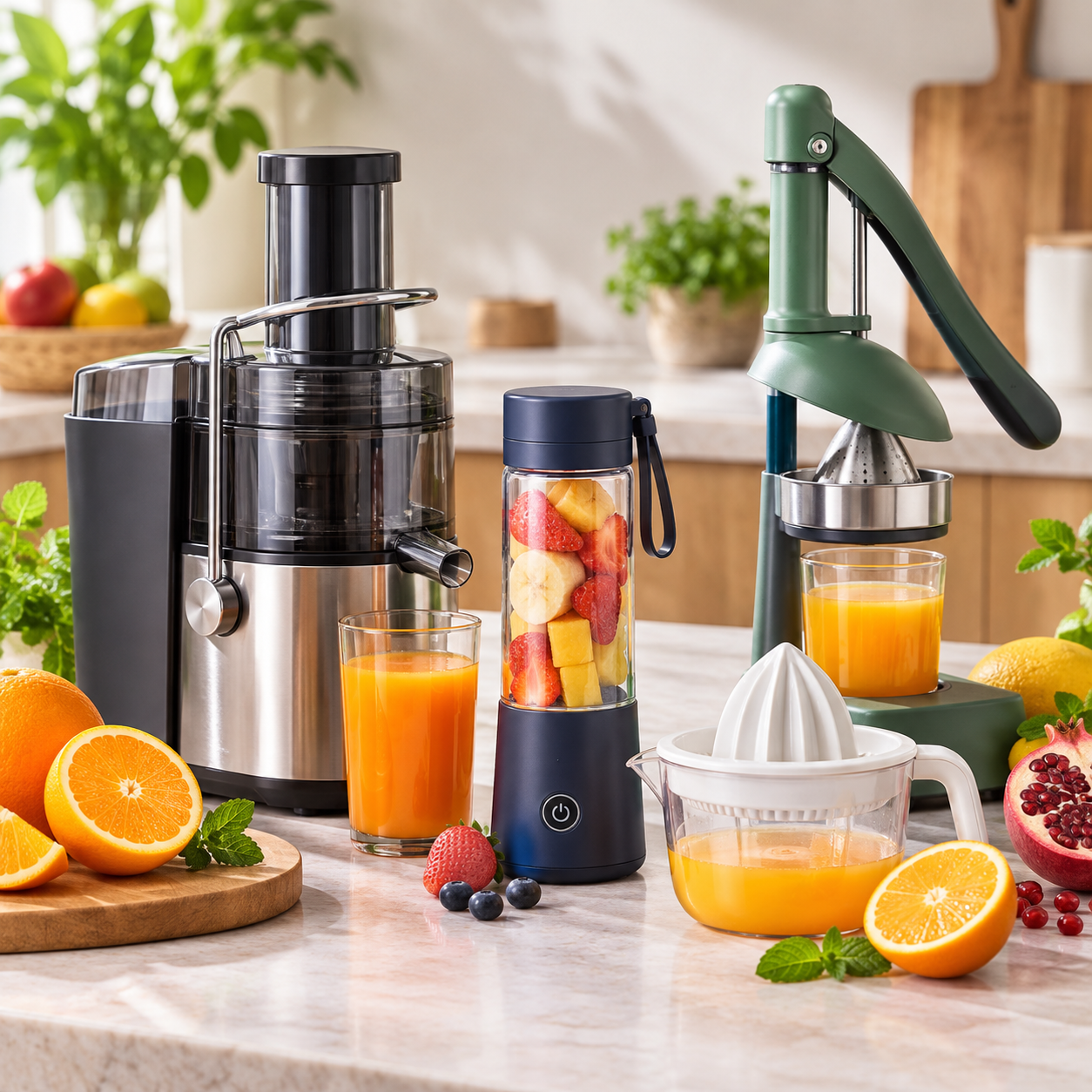 MADE TO ORDER
Juicers
from₹322
MADE TO ORDER
Juicers
from₹322
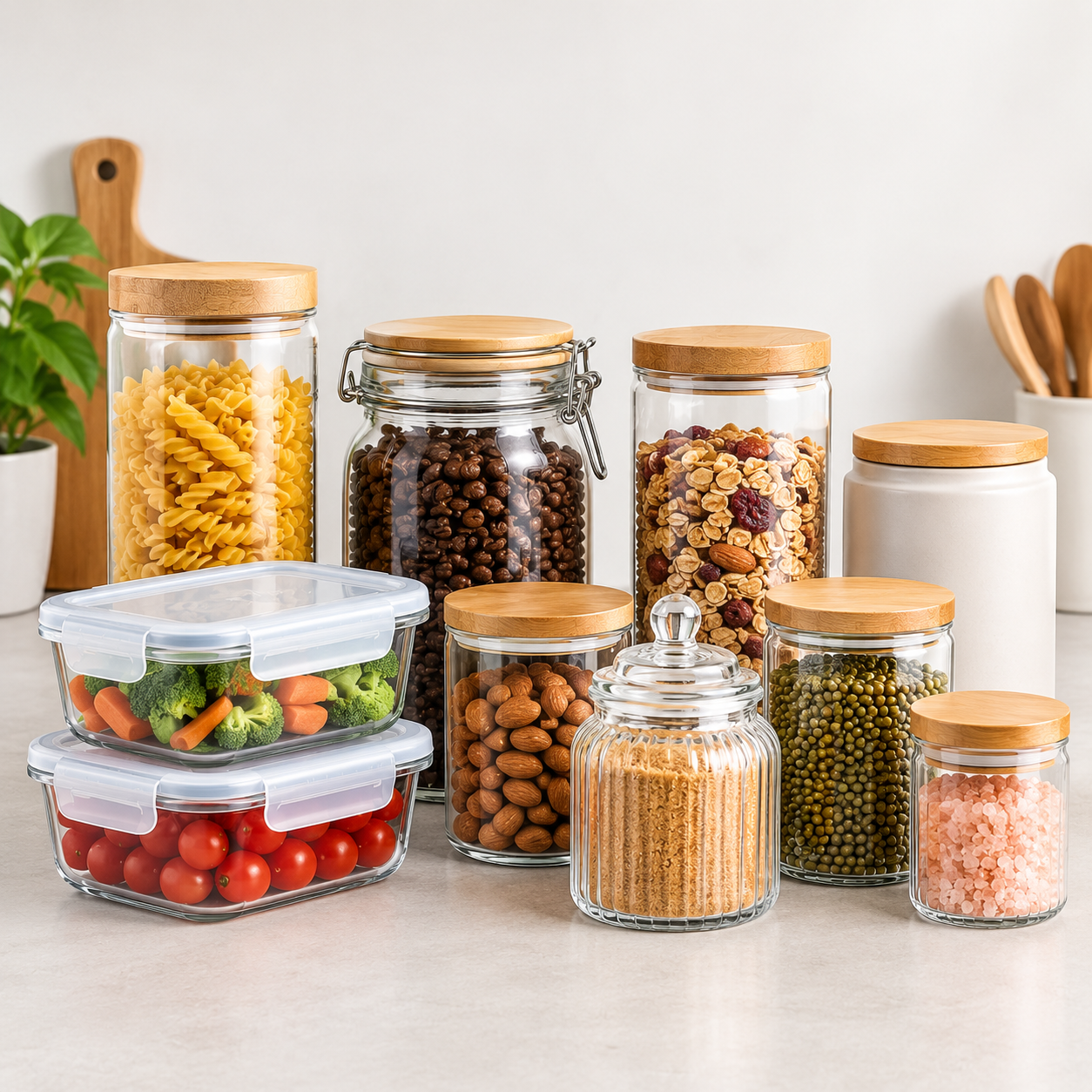 MADE TO ORDER
Jars and Containers
from₹123
MADE TO ORDER
Jars and Containers
from₹123
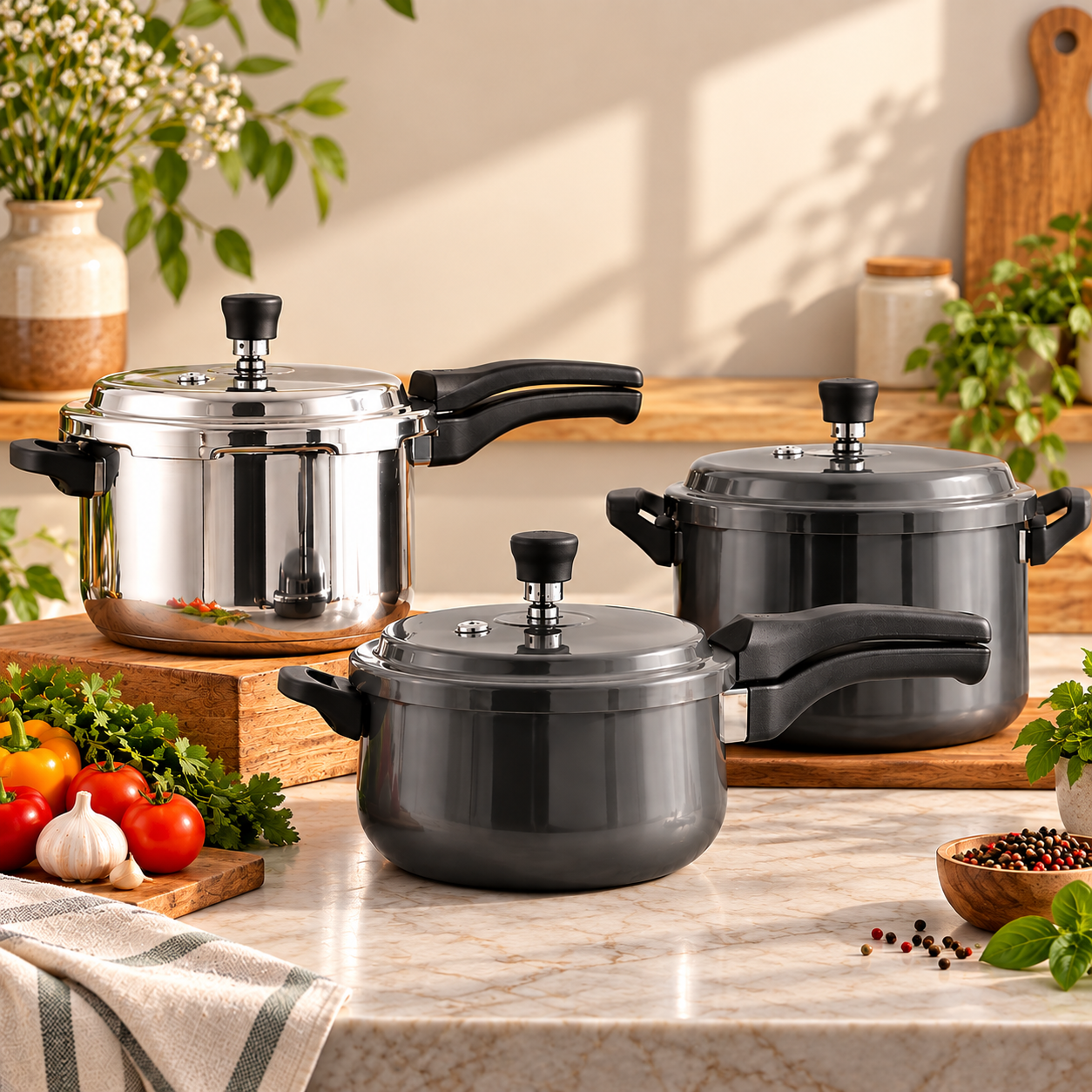 IN STOCK
Cooker
from₹1,628
IN STOCK
Cooker
from₹1,628
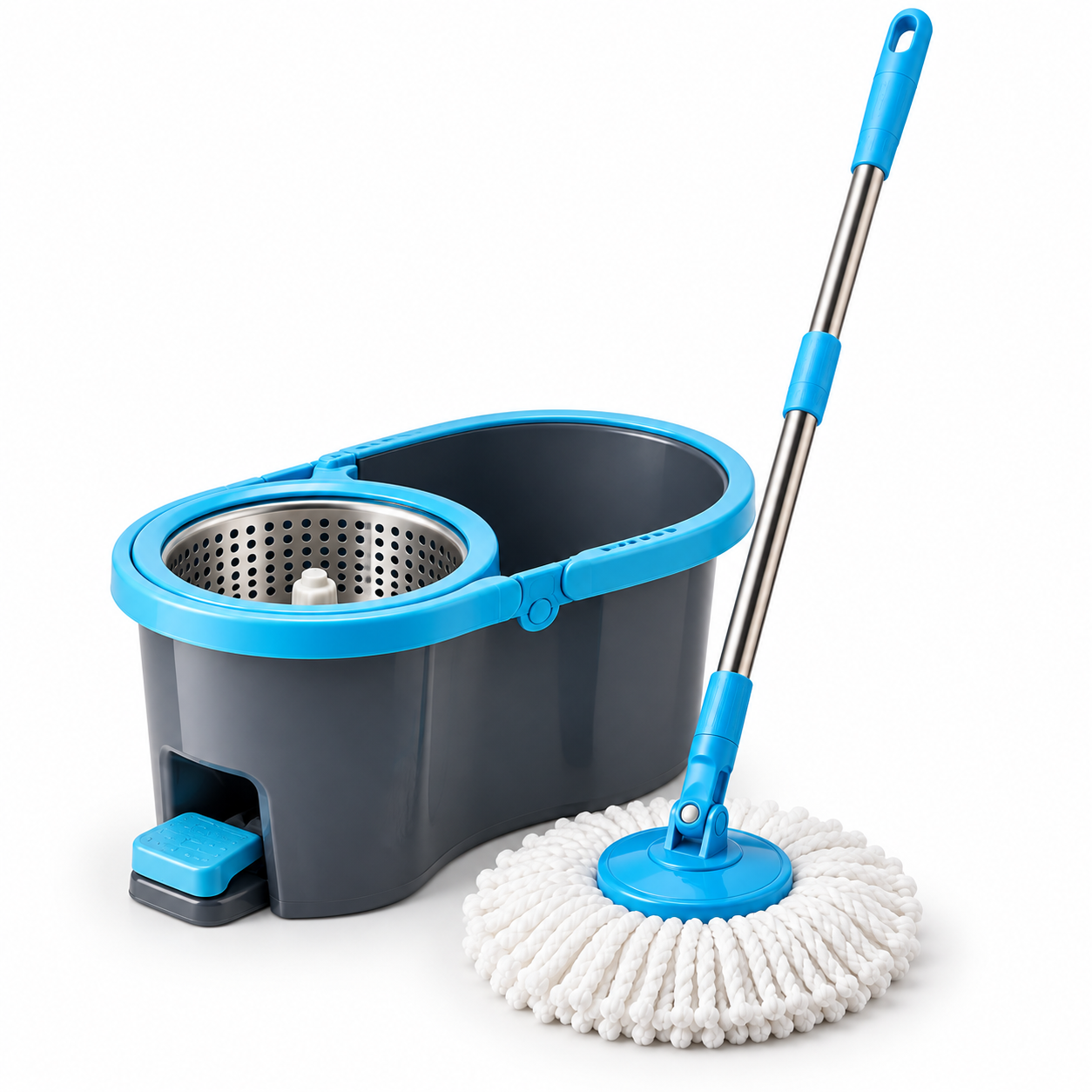 IN STOCK
Mop
from₹173
IN STOCK
Mop
from₹173
 IN STOCK
Cleaning Brush
from₹102
IN STOCK
Cleaning Brush
from₹102
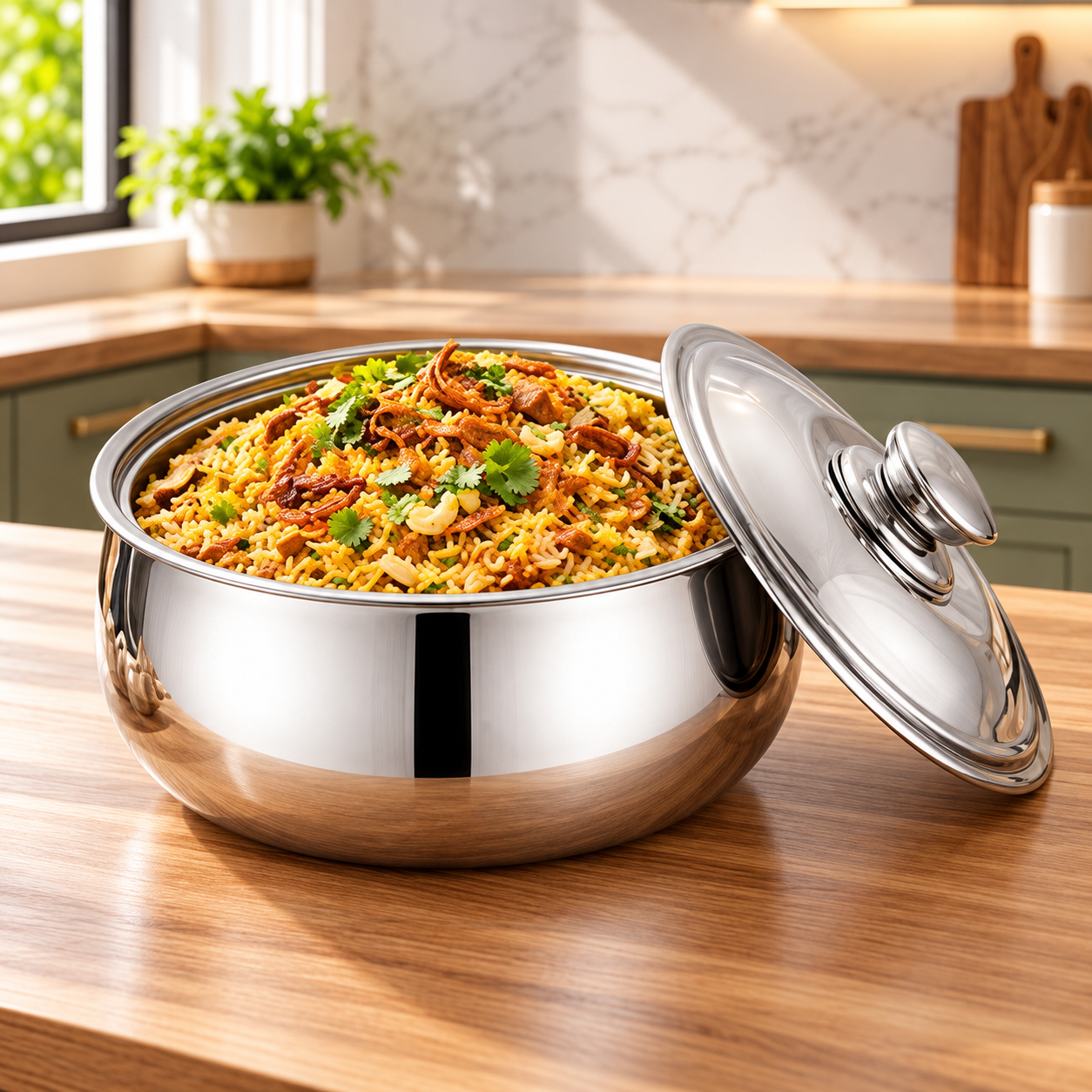 IN STOCK
Cooking Pot
from₹941
IN STOCK
Cooking Pot
from₹941
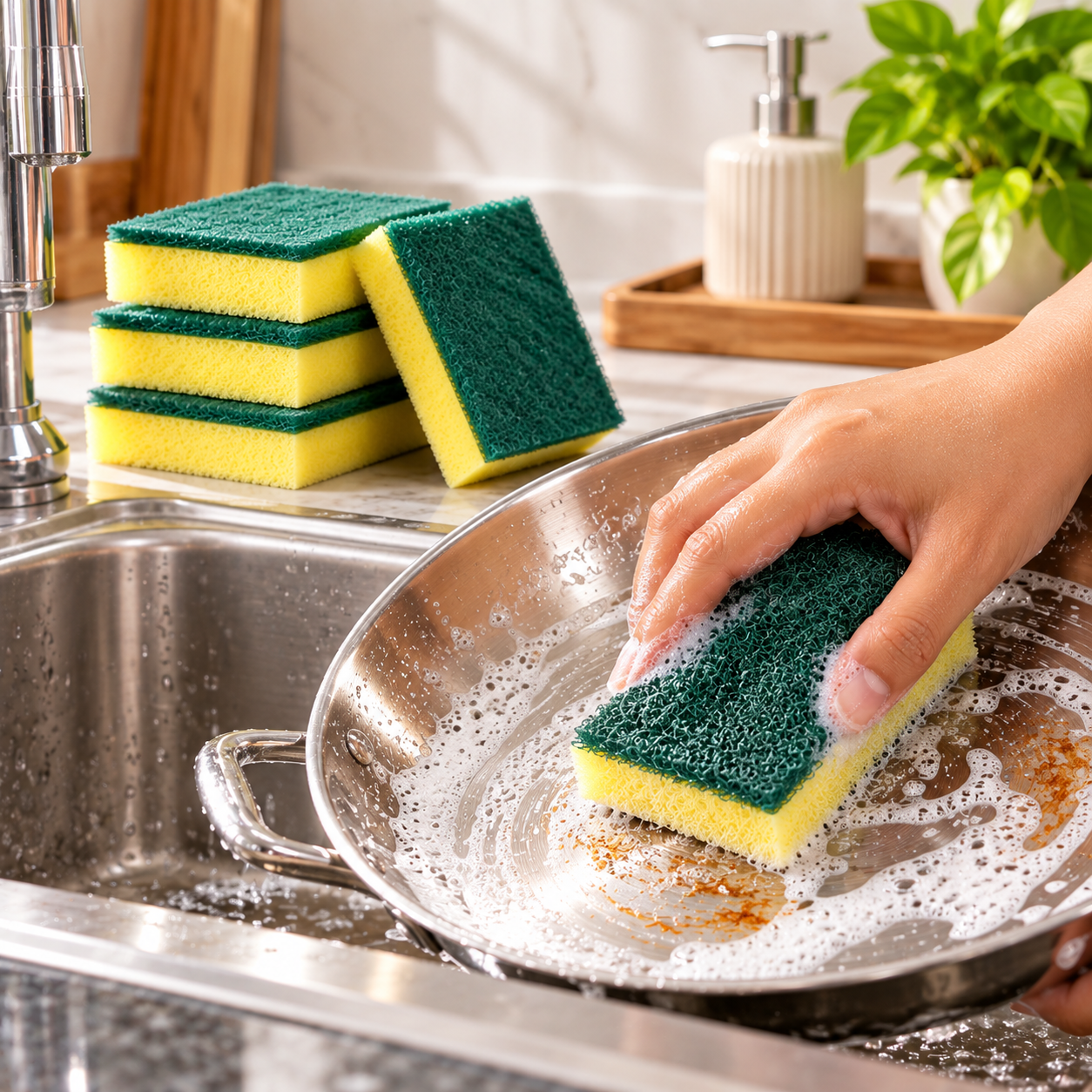 IN STOCK
Scrubber
from₹77
IN STOCK
Scrubber
from₹77
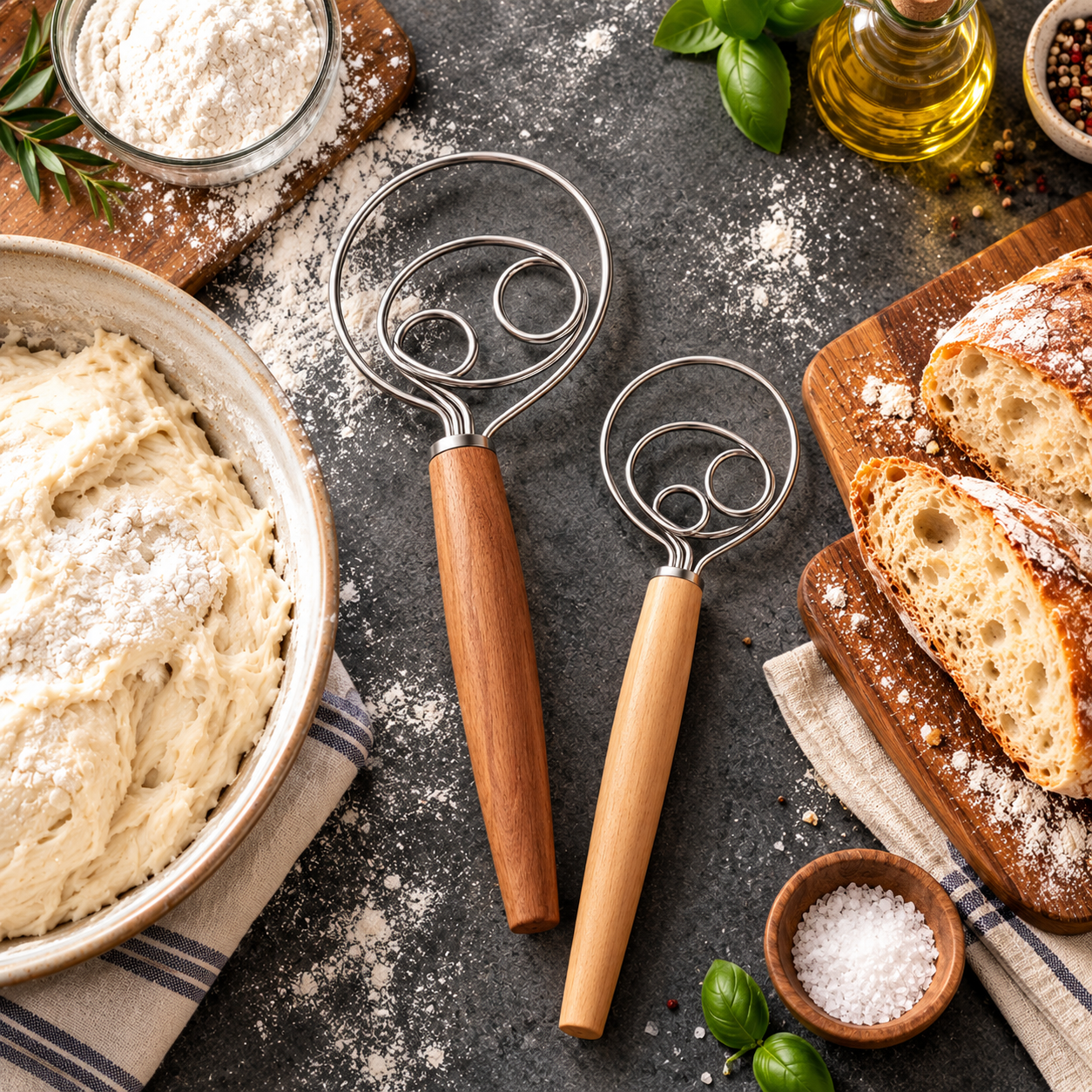 IN STOCK
Whisks
from₹118
IN STOCK
Whisks
from₹118
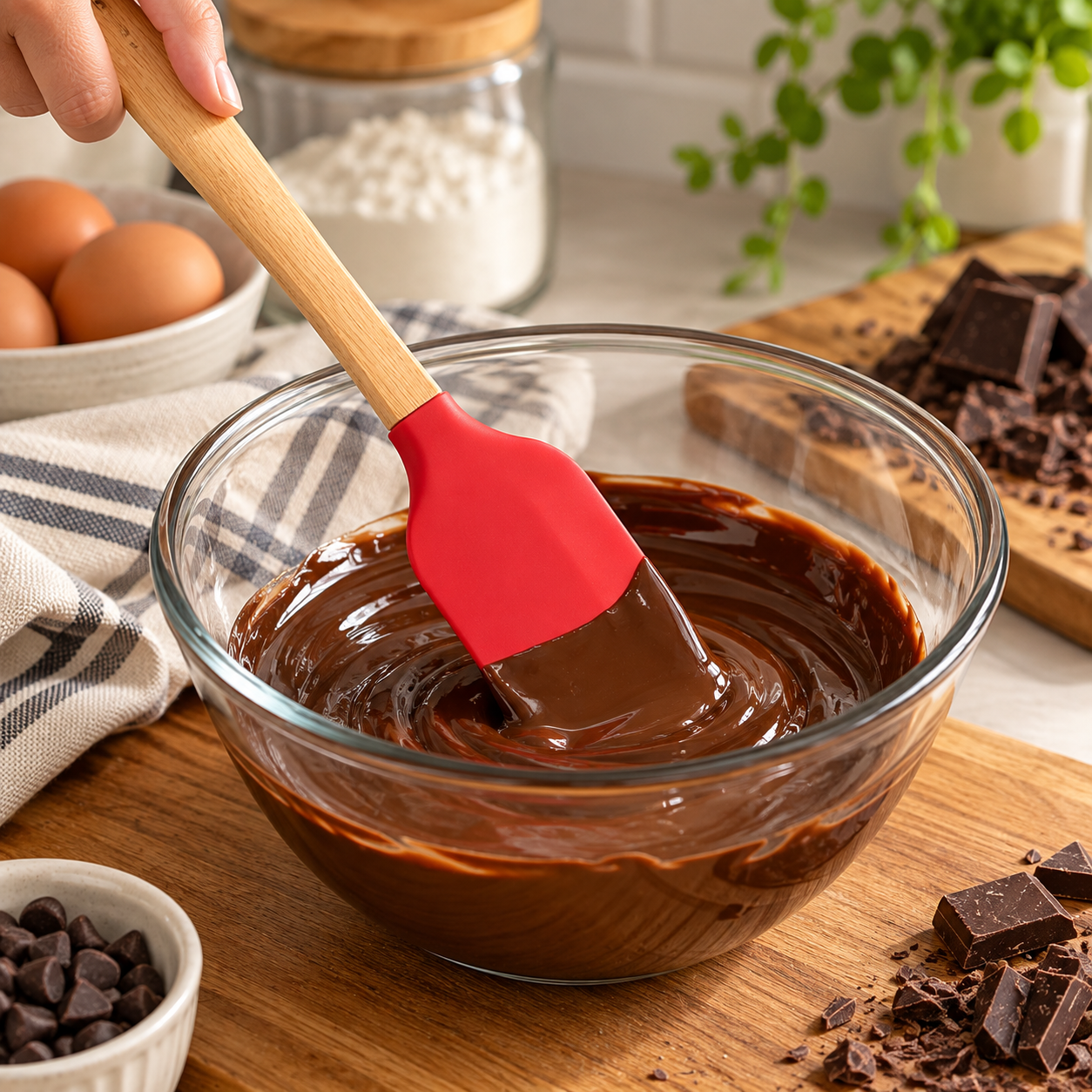 IN STOCK
Spatula
from₹102
IN STOCK
Spatula
from₹102
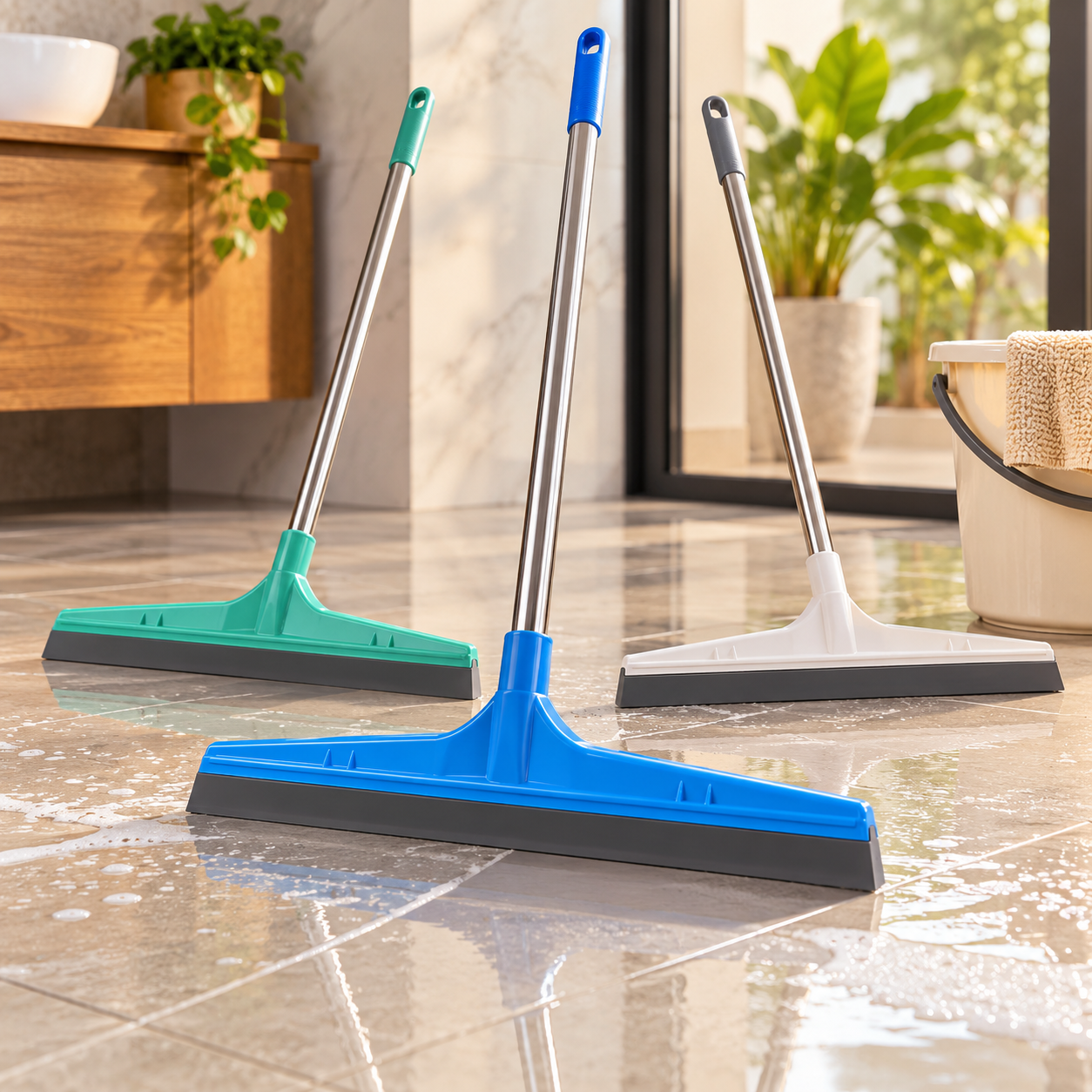 IN STOCK
Wiper
from₹424
IN STOCK
Wiper
from₹424
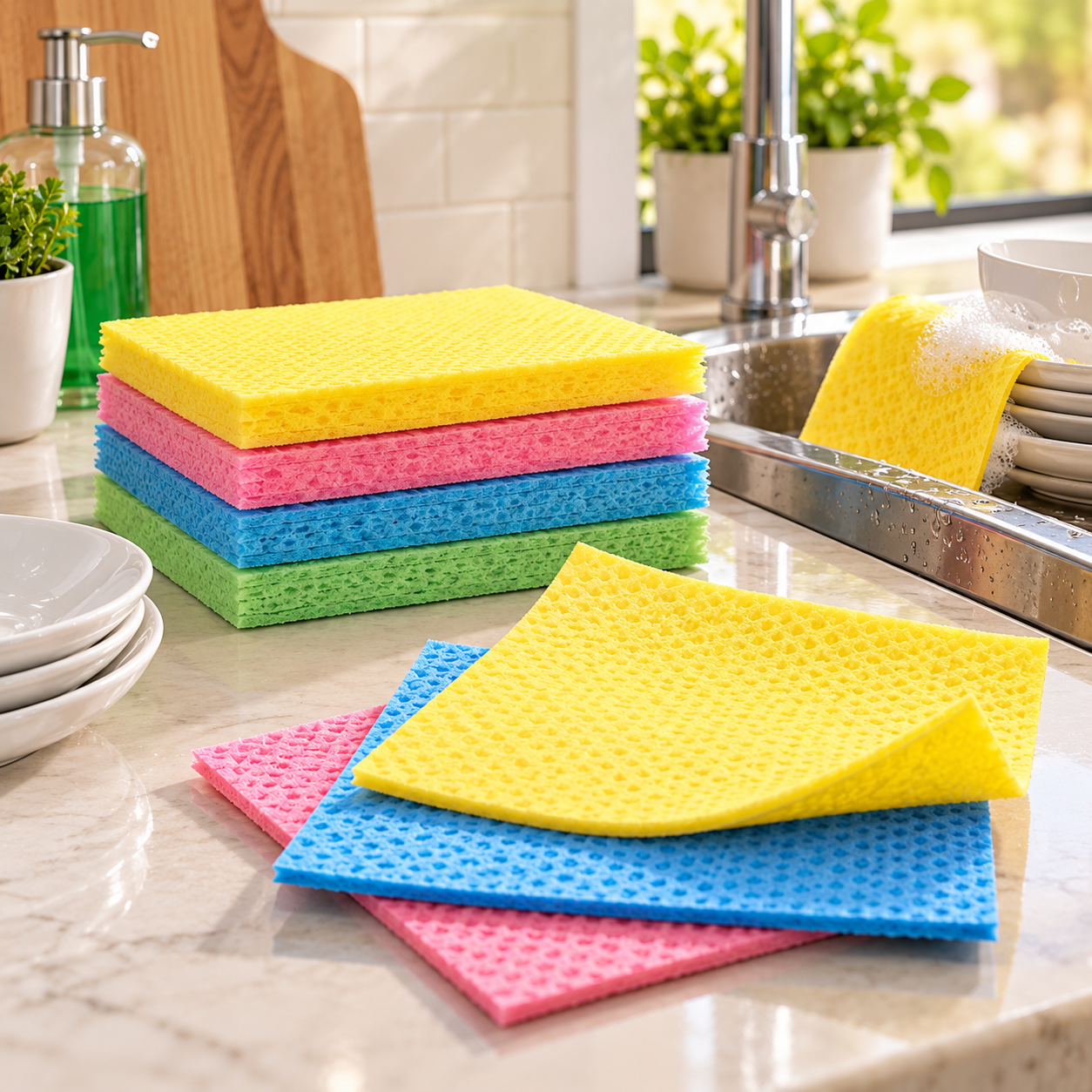 IN STOCK
Sponge Wipes
from₹125
IN STOCK
Sponge Wipes
from₹125
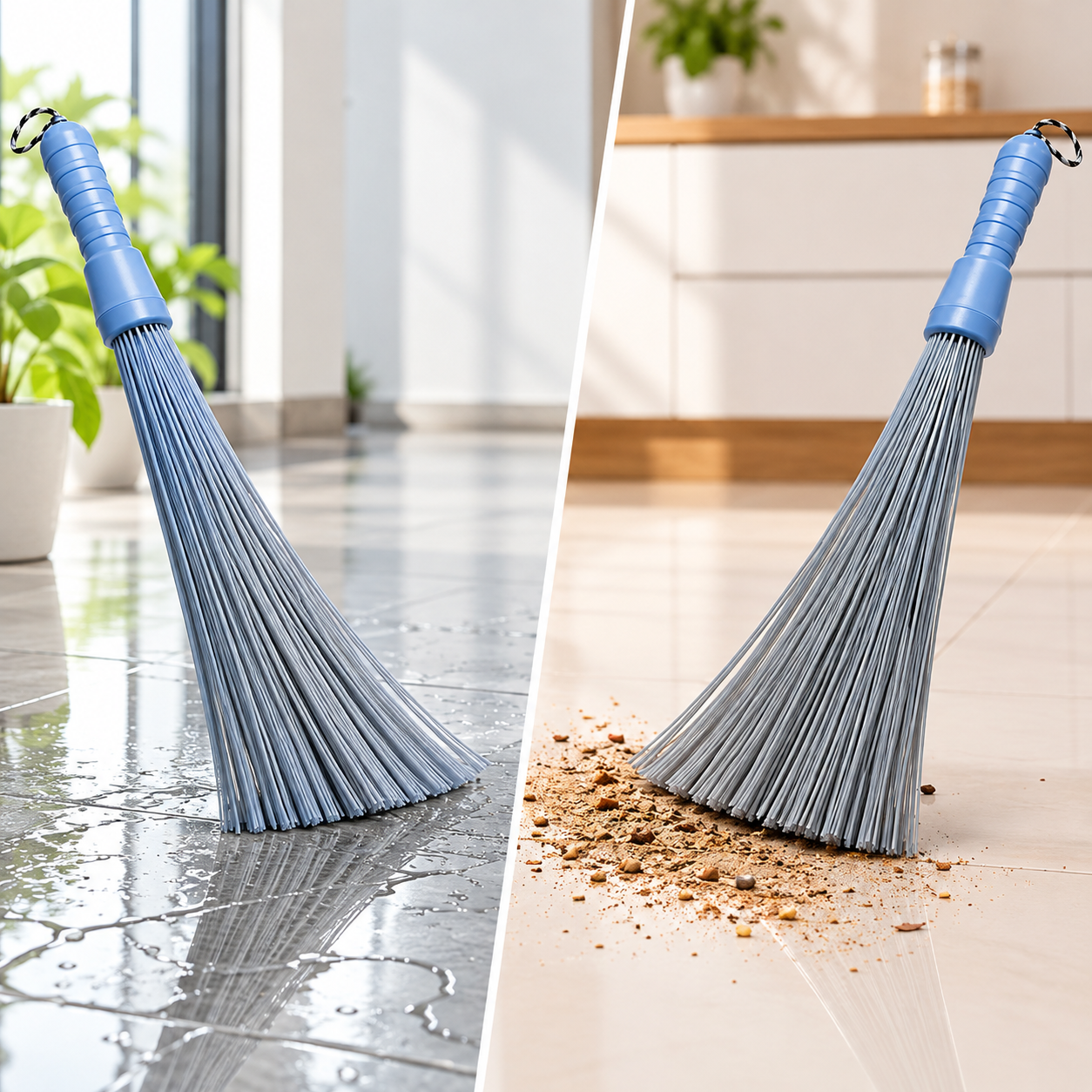 IN STOCK
Plastic Broom
from₹185
IN STOCK
Plastic Broom
from₹185
 IN STOCK
Microfiber Gloves
from₹149
IN STOCK
Microfiber Gloves
from₹149
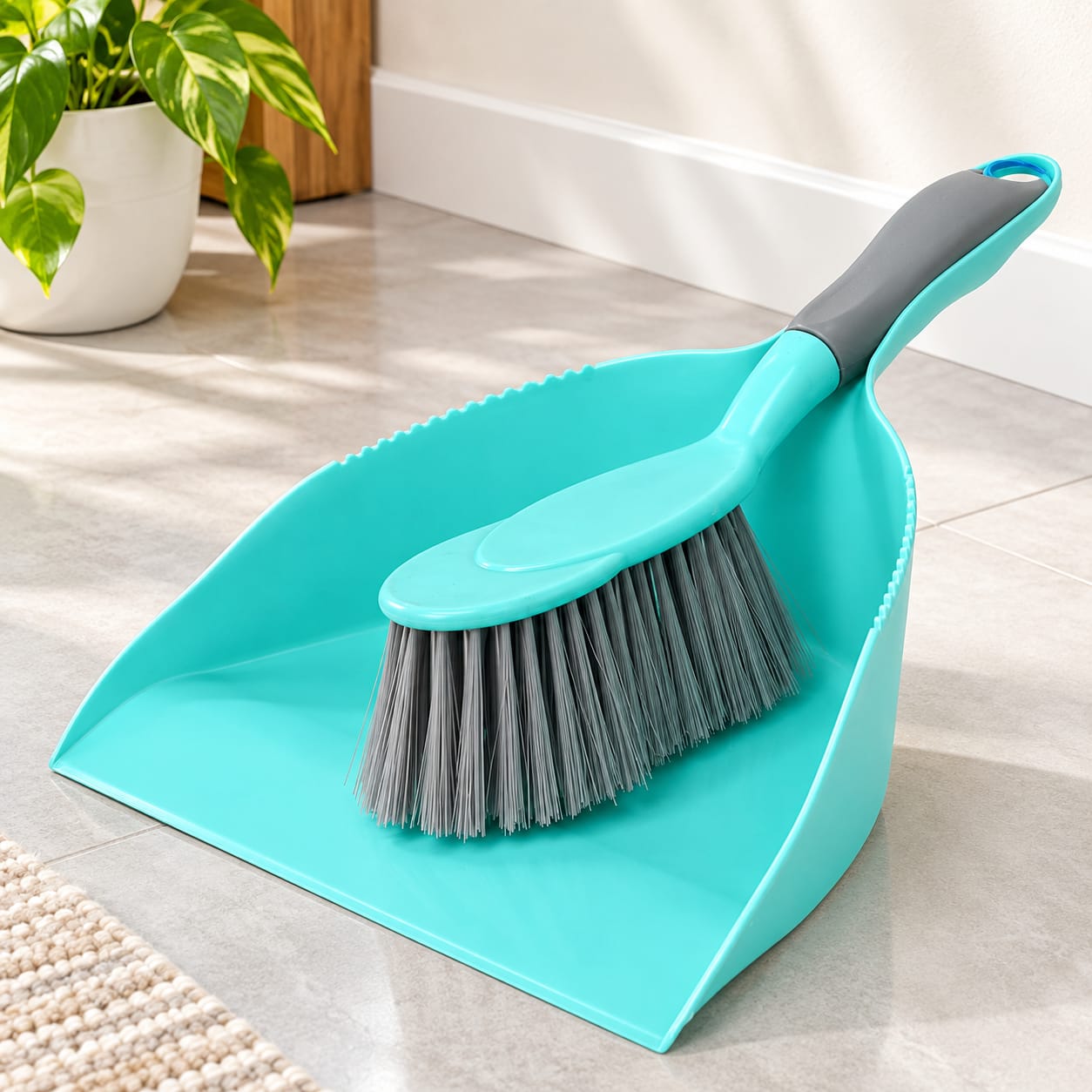 IN STOCK
Dust Pan With Brush
from₹290
IN STOCK
Dust Pan With Brush
from₹290
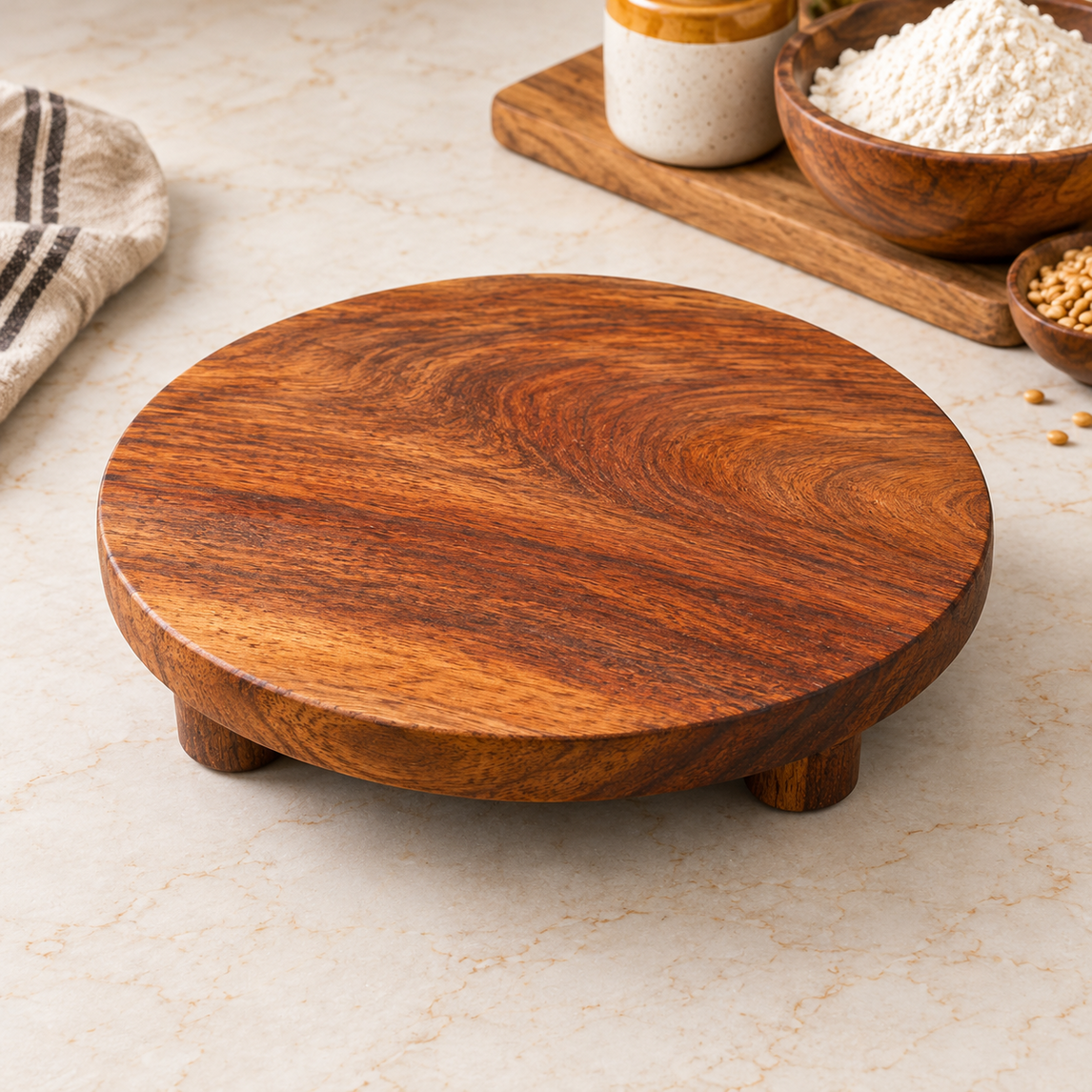 IN STOCK
Rolling Board
from₹219
IN STOCK
Rolling Board
from₹219
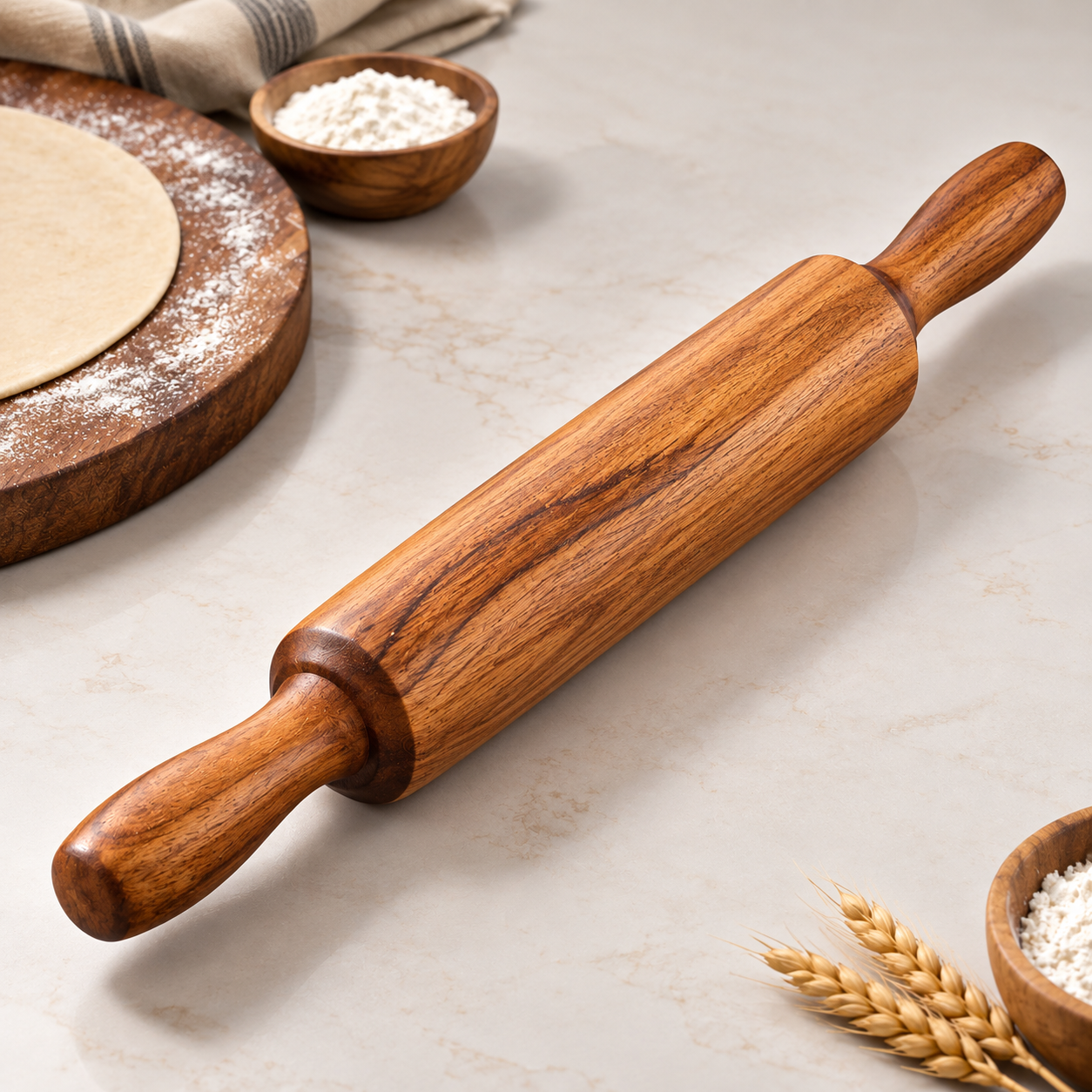 MADE TO ORDER
Rolling Pin
from₹36
MADE TO ORDER
Rolling Pin
from₹36
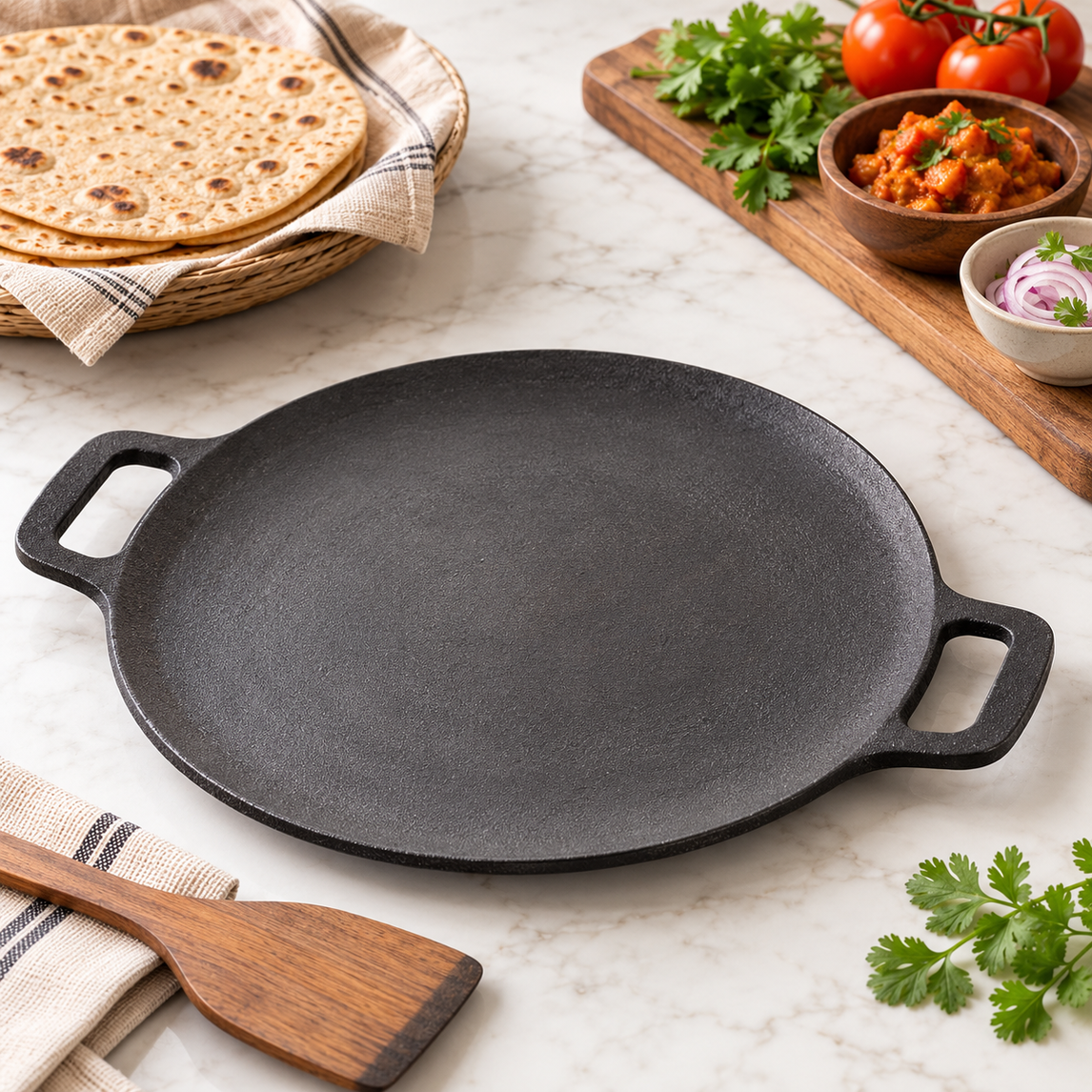 MADE TO ORDER
Tawa
from₹94
MADE TO ORDER
Tawa
from₹94
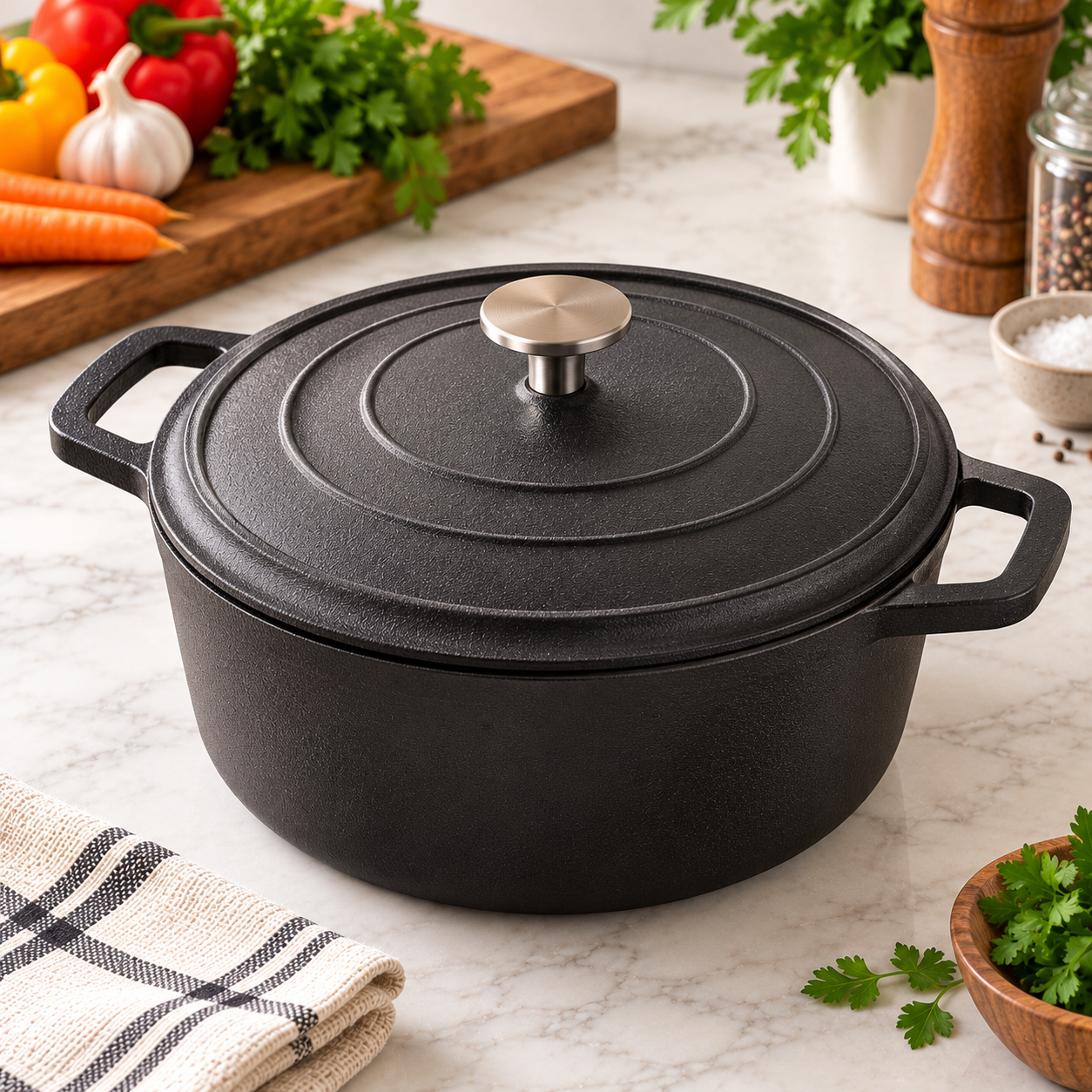 IN STOCK
Dutch Oven
from₹2,744
IN STOCK
Dutch Oven
from₹2,744
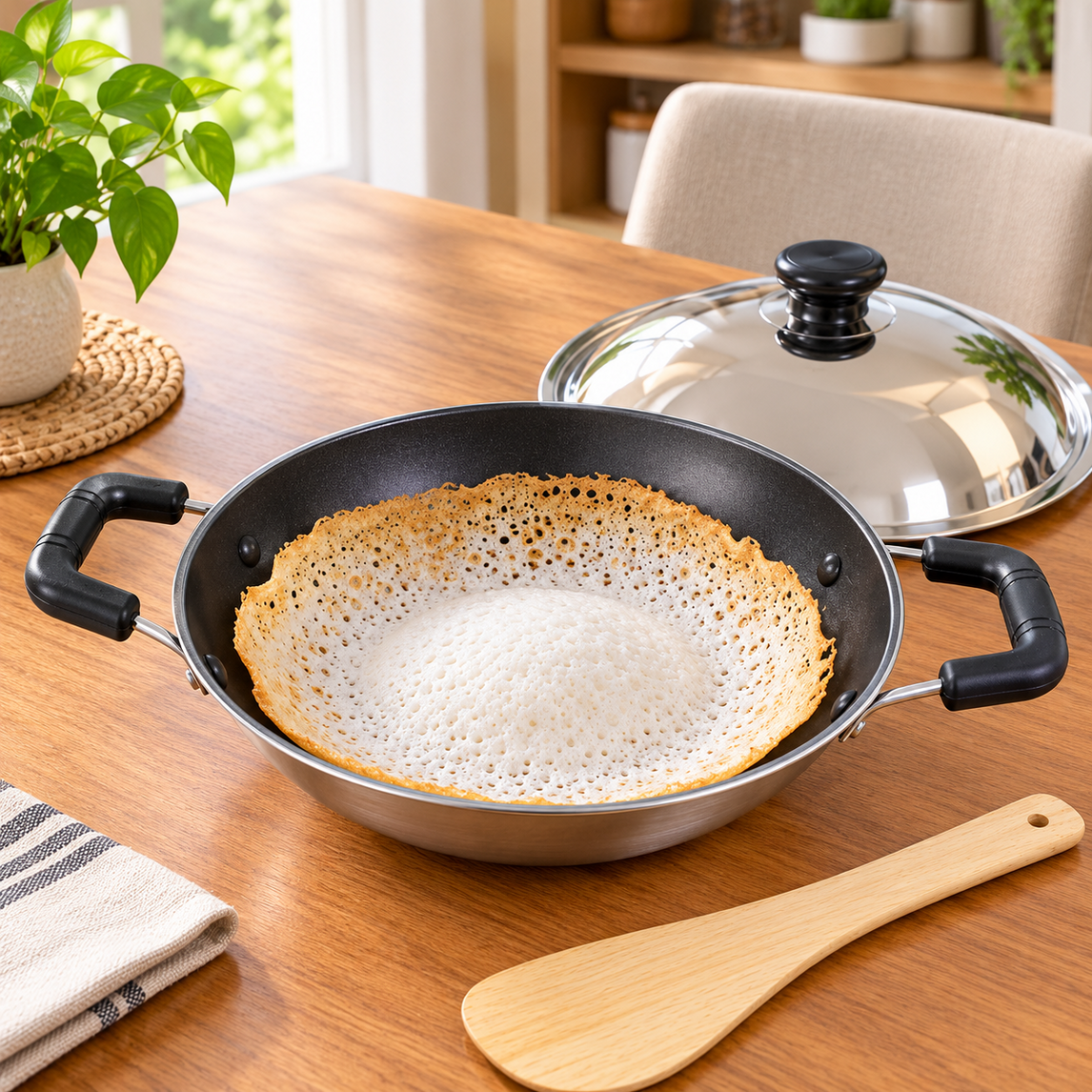 IN STOCK
Appam Pan
from₹2,744
IN STOCK
Appam Pan
from₹2,744
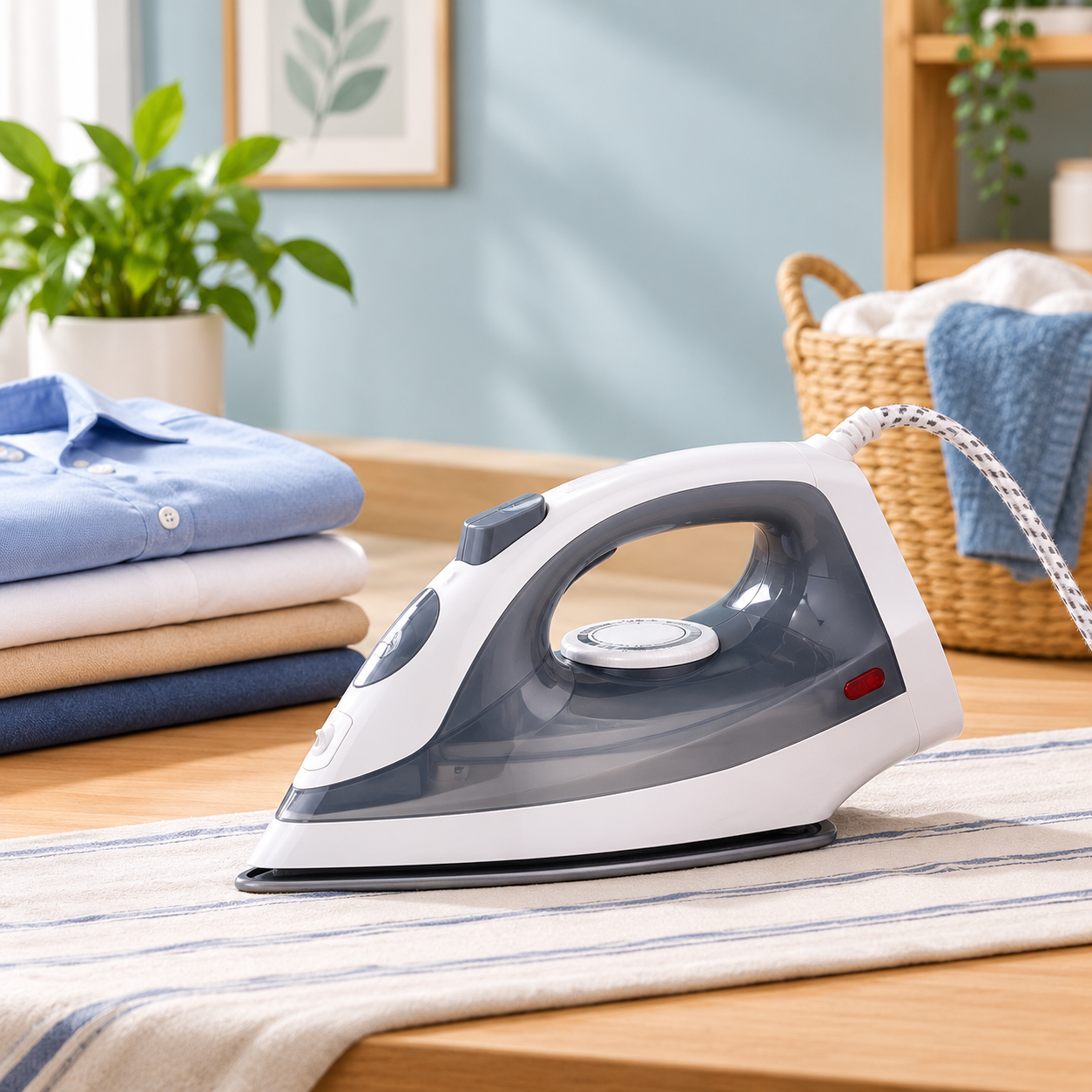
Home Appliances
Table fans, iron boxes and everyday home appliances for retail and bulk programmes — ready stock when available, or made-to-order for larger runs.


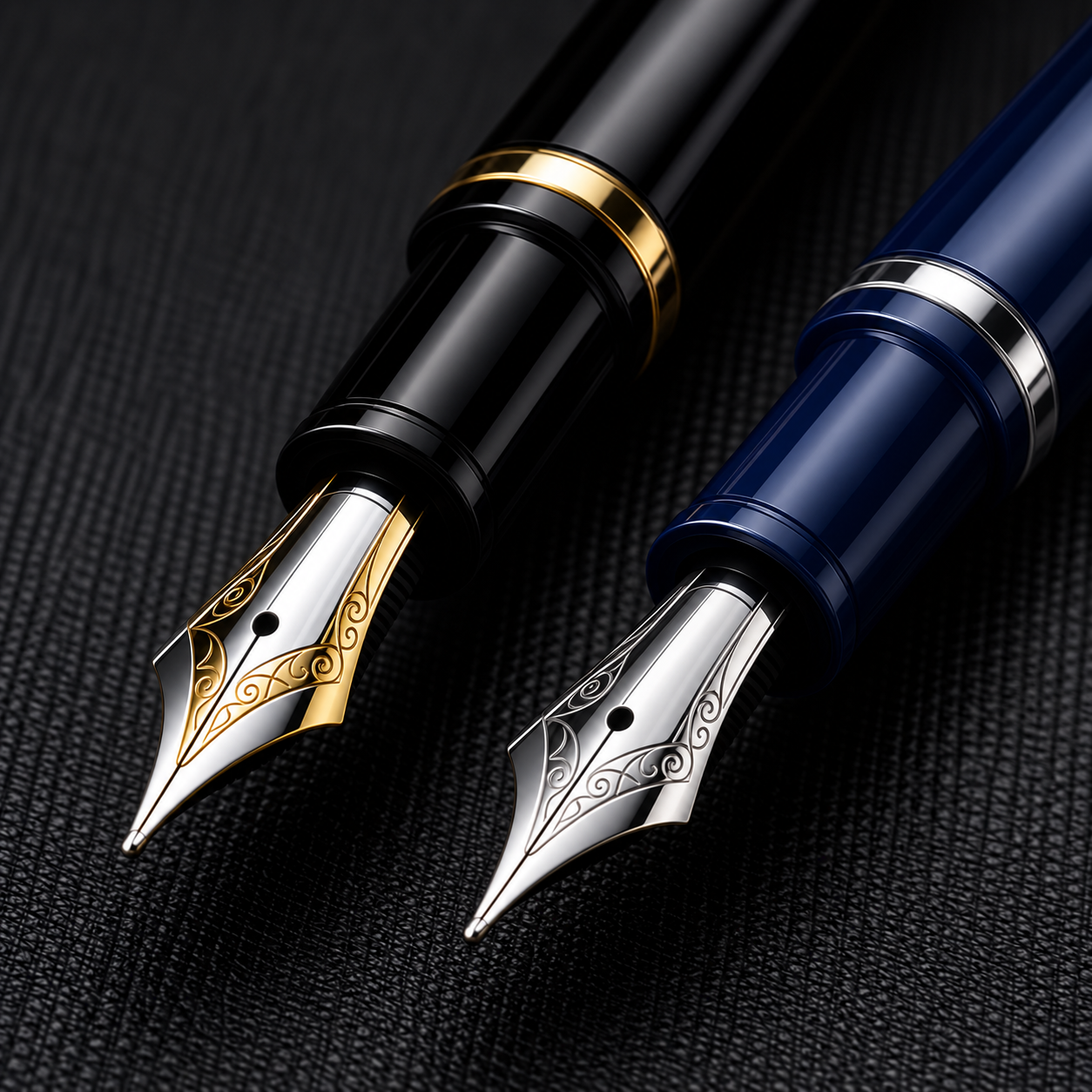
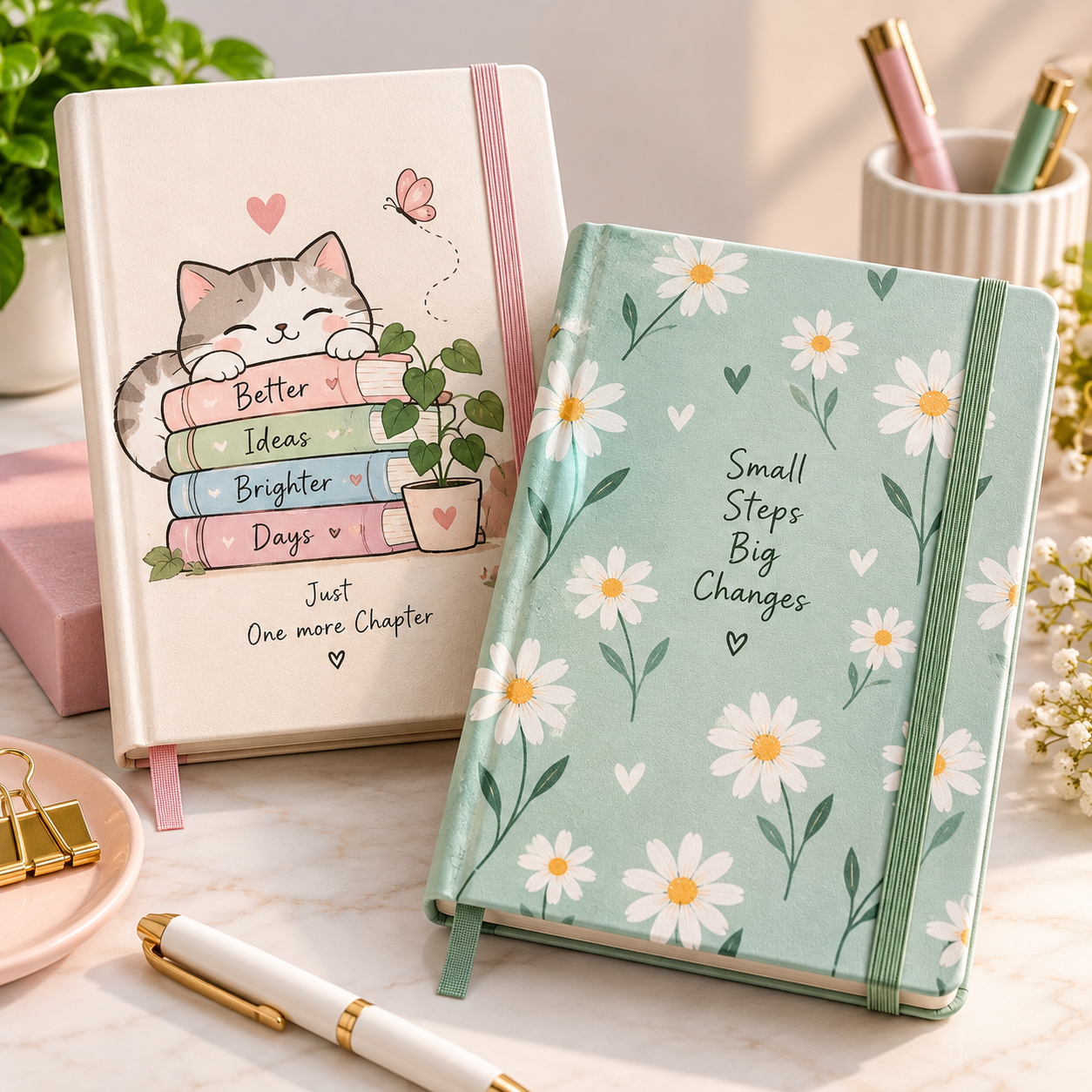
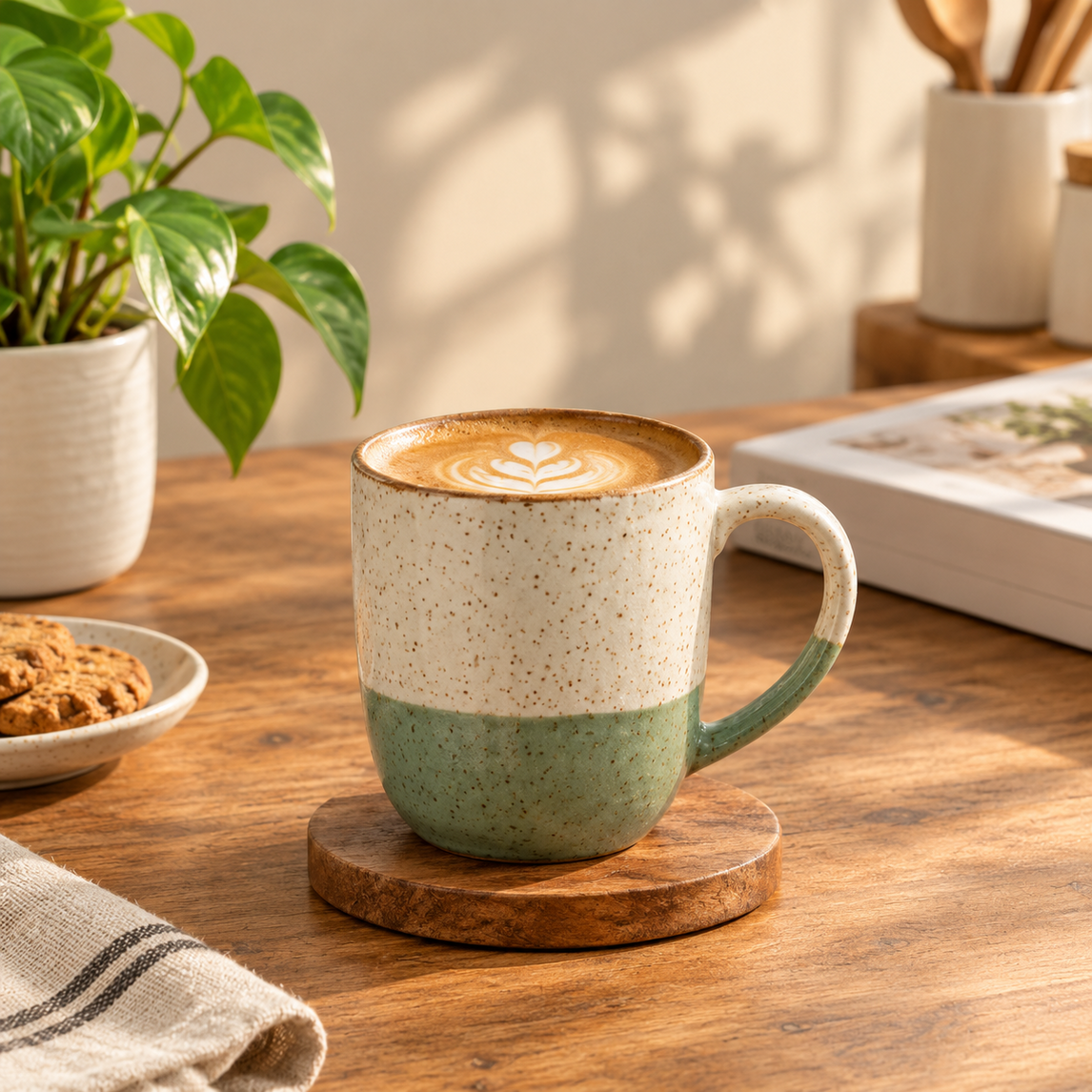
Corporate Gifting
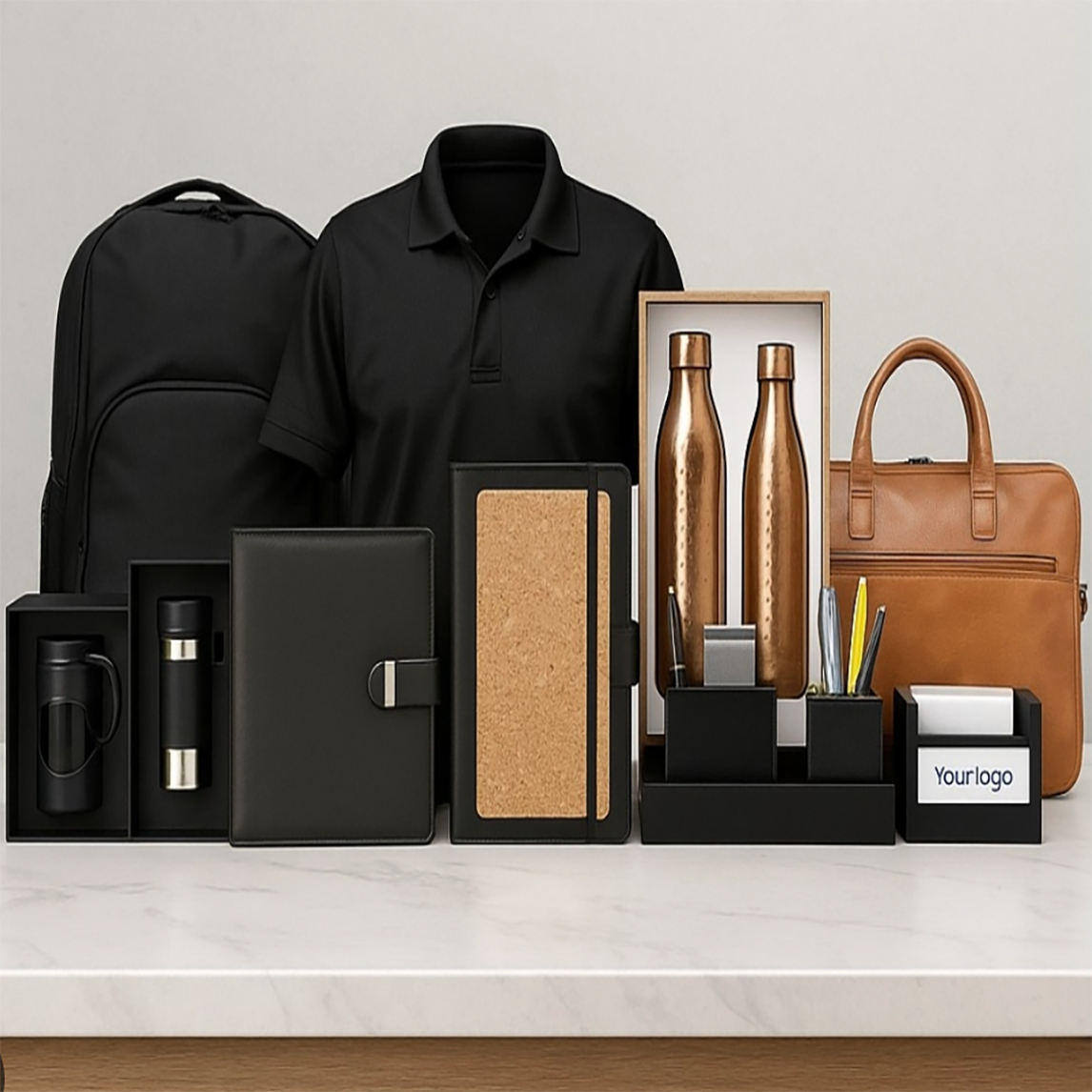
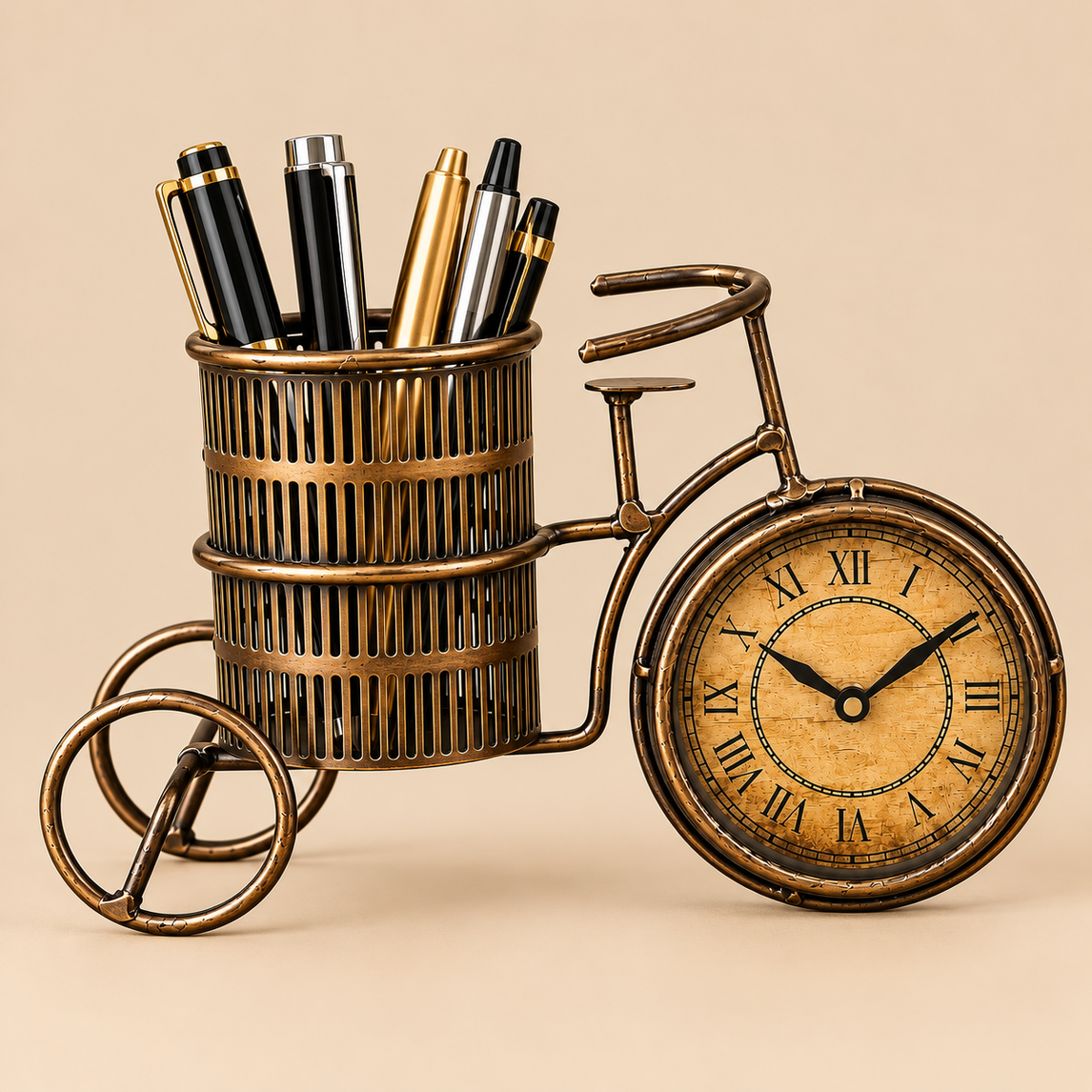
Pens, diaries, mugs, water bottles, umbrellas, mobiles accessories and curated gifting sets for employee kits, conferences and client programmes. Most lines support branding and volume pricing from published MOQs.



Everything Else
Additional categories manufactured through the same partner-factory network — from stationery and packaging to industrial and outdoor lines. If you do not see your SKU here, ask for a custom quote; many programmes start from a brief rather than a tile.
 IN STOCK
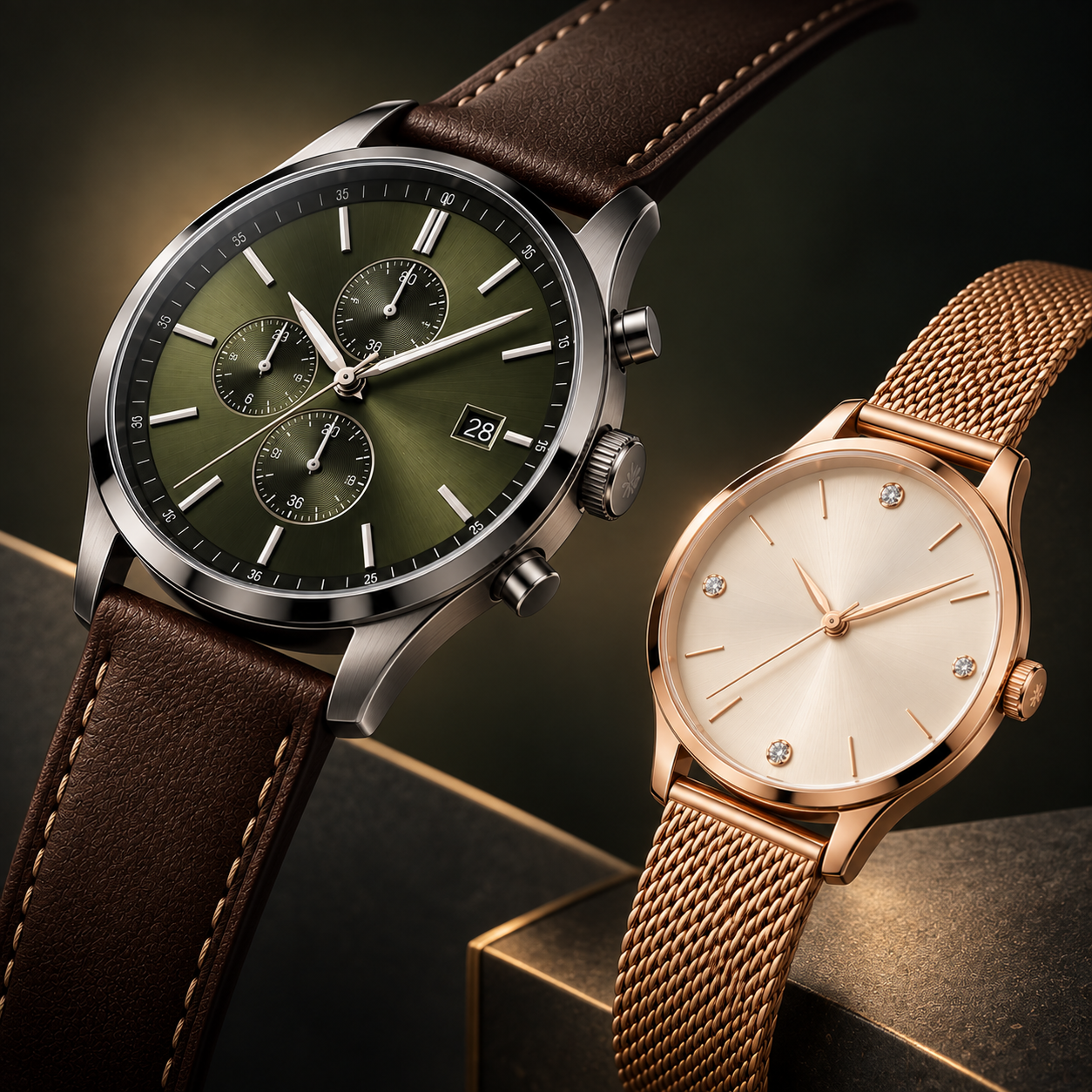
Watches
from₹354
IN STOCK
Watches
from₹354
 IN STOCK
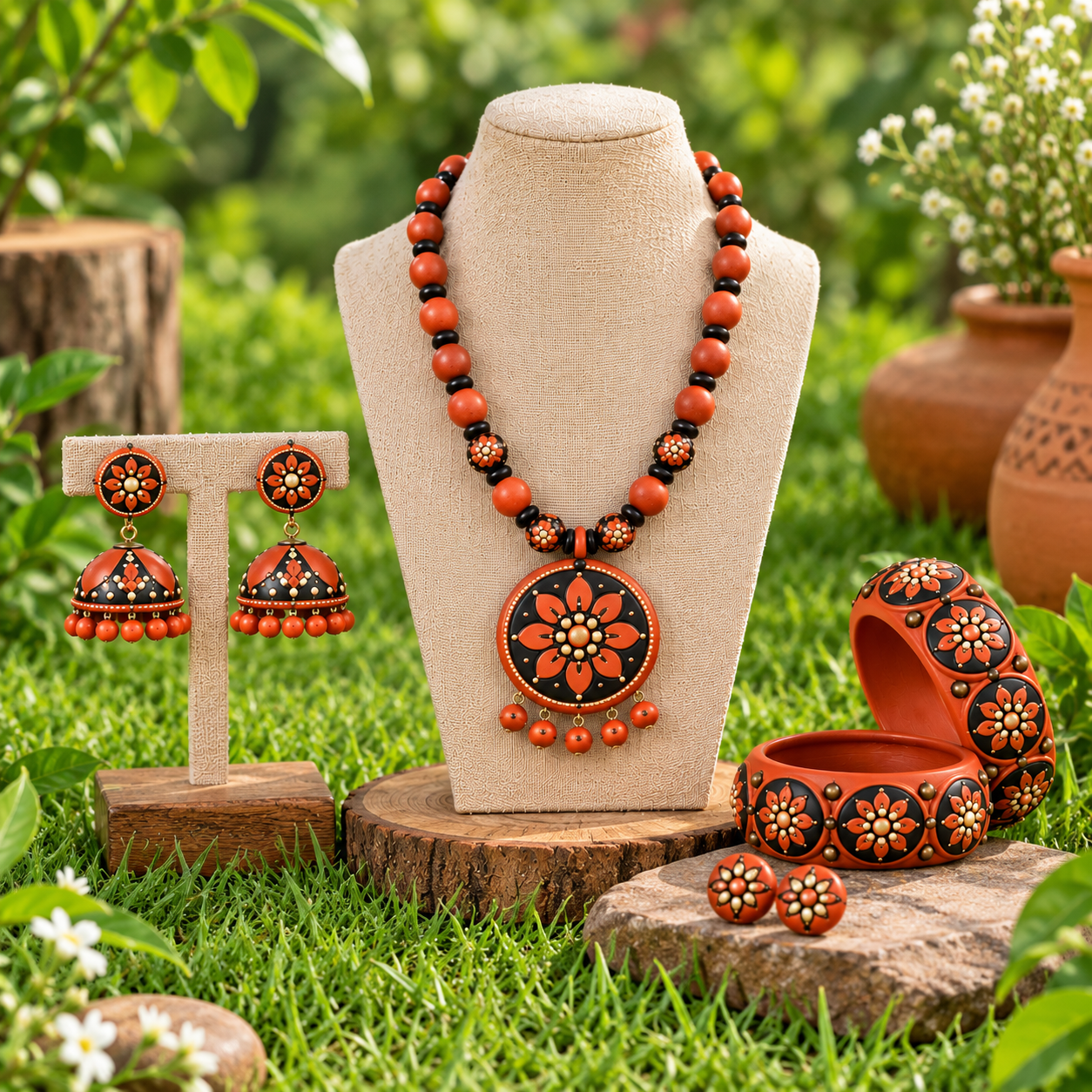
Terracotta Jewellery
from₹627
IN STOCK
Terracotta Jewellery
from₹627
 IN STOCK
Calculator
from₹238
IN STOCK
Calculator
from₹238
 IN STOCK
Headphones
from₹6,044
IN STOCK
Headphones
from₹6,044
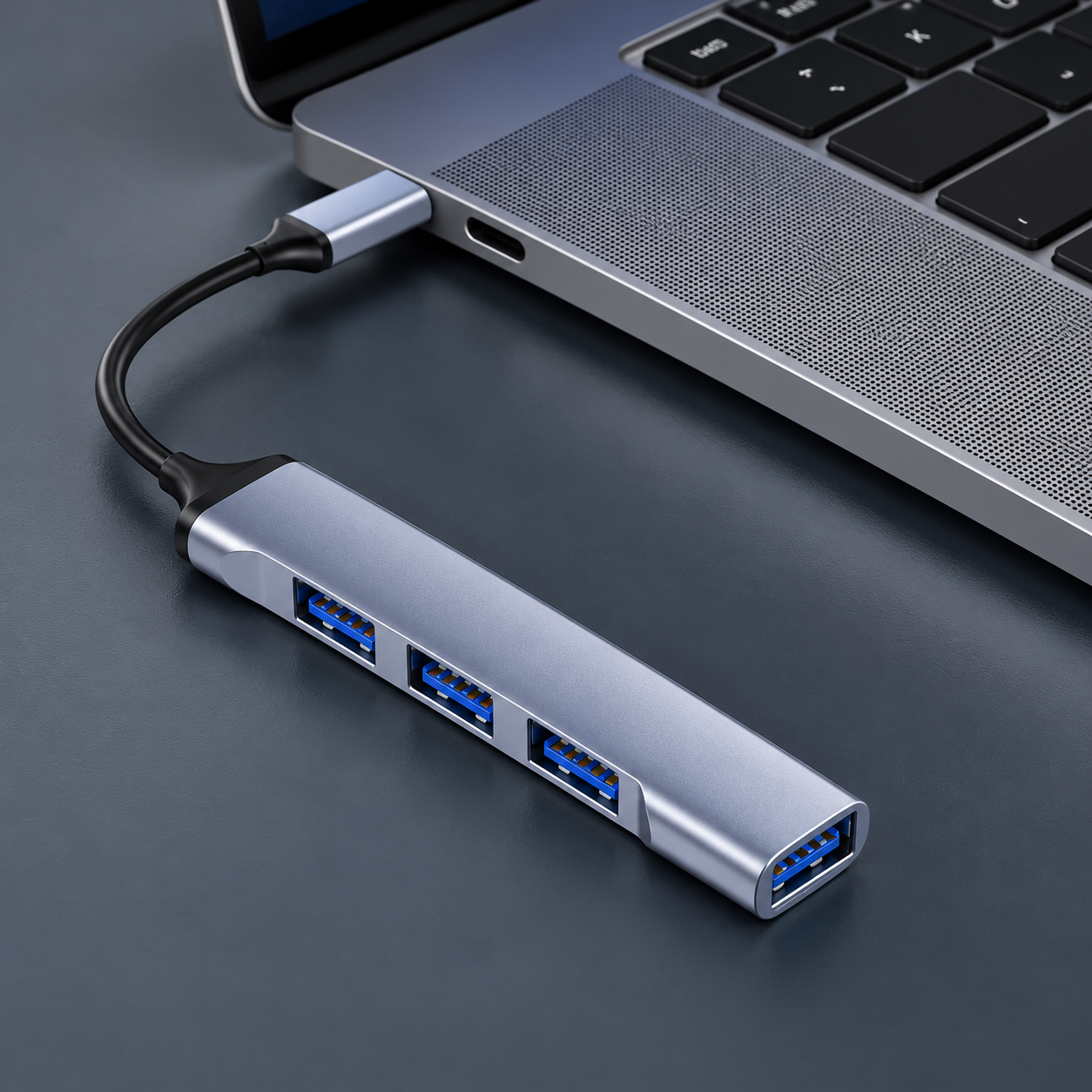 IN STOCK
USB Hubs & Adapters
from₹4,977
IN STOCK
USB Hubs & Adapters
from₹4,977
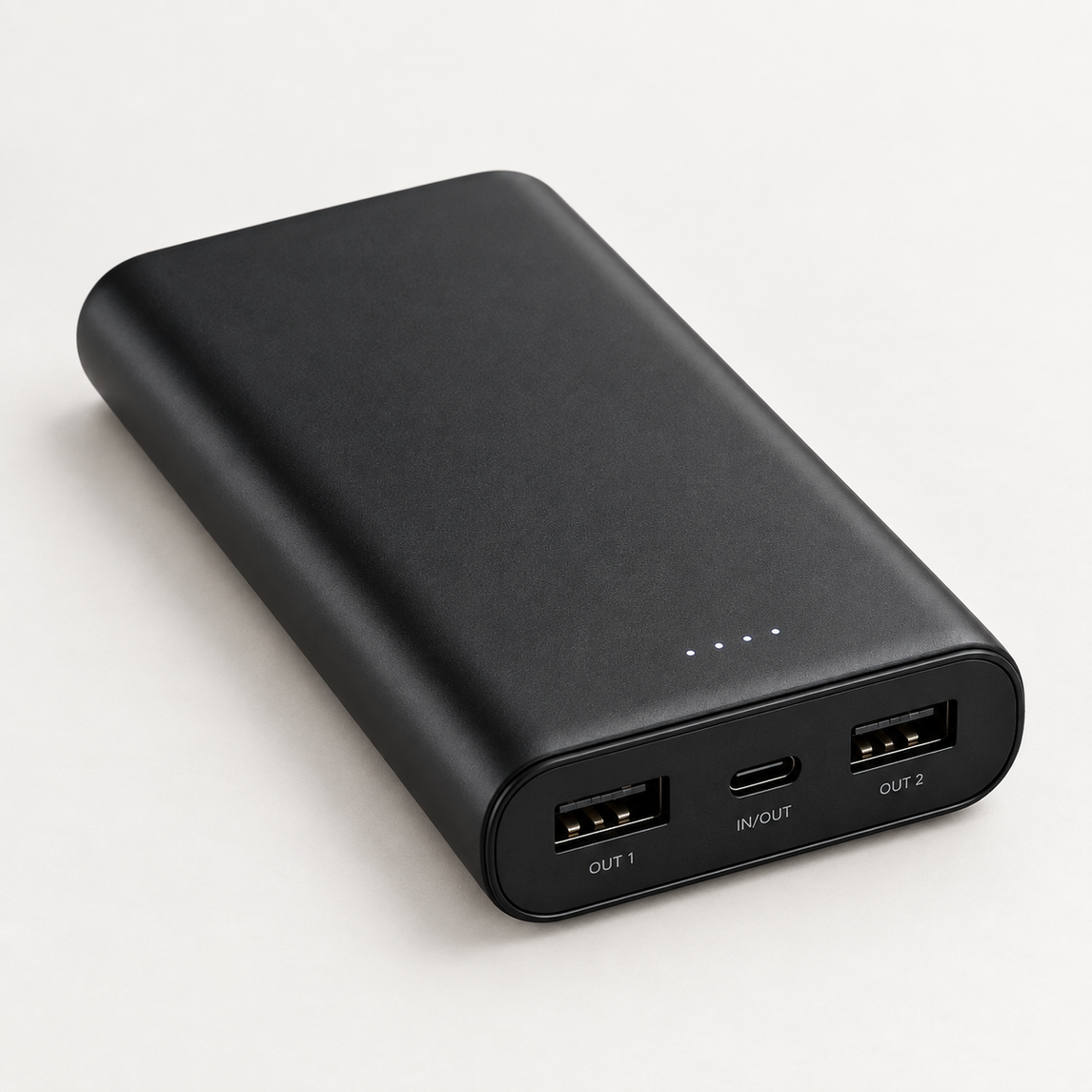 IN STOCK
Power Bank
from₹9,776
IN STOCK
Power Bank
from₹9,776
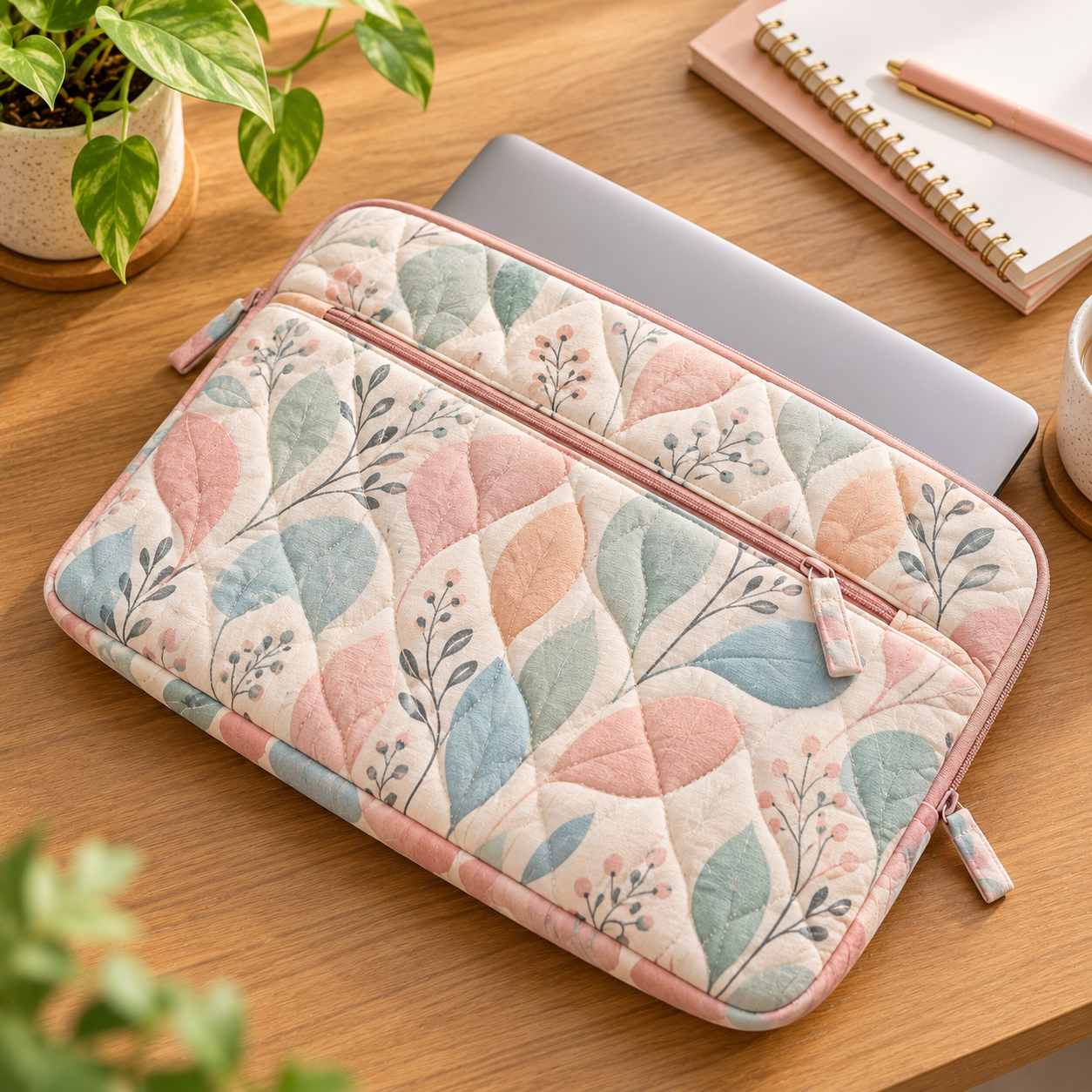 IN STOCK
Laptop sleeve
from₹808
IN STOCK
Laptop sleeve
from₹808
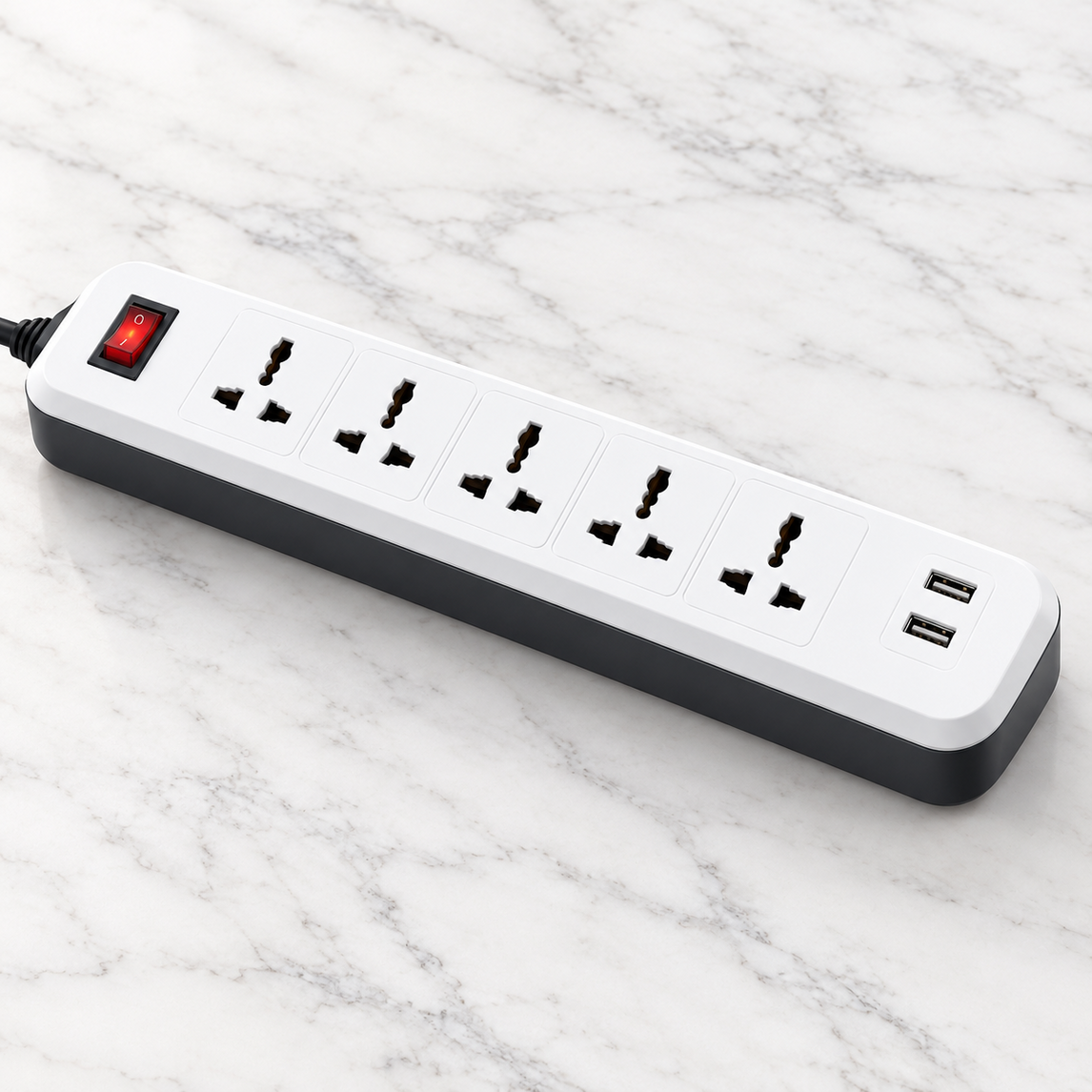 IN STOCK
Extension Board
from₹1,458
IN STOCK
Extension Board
from₹1,458
 IN STOCK
Piggy Bank
from₹102
IN STOCK
Piggy Bank
from₹102
 MADE TO ORDER
Spirometer
MADE TO ORDER
Spirometer
 MADE TO ORDER
Toilet Brush
MADE TO ORDER
Toilet Brush
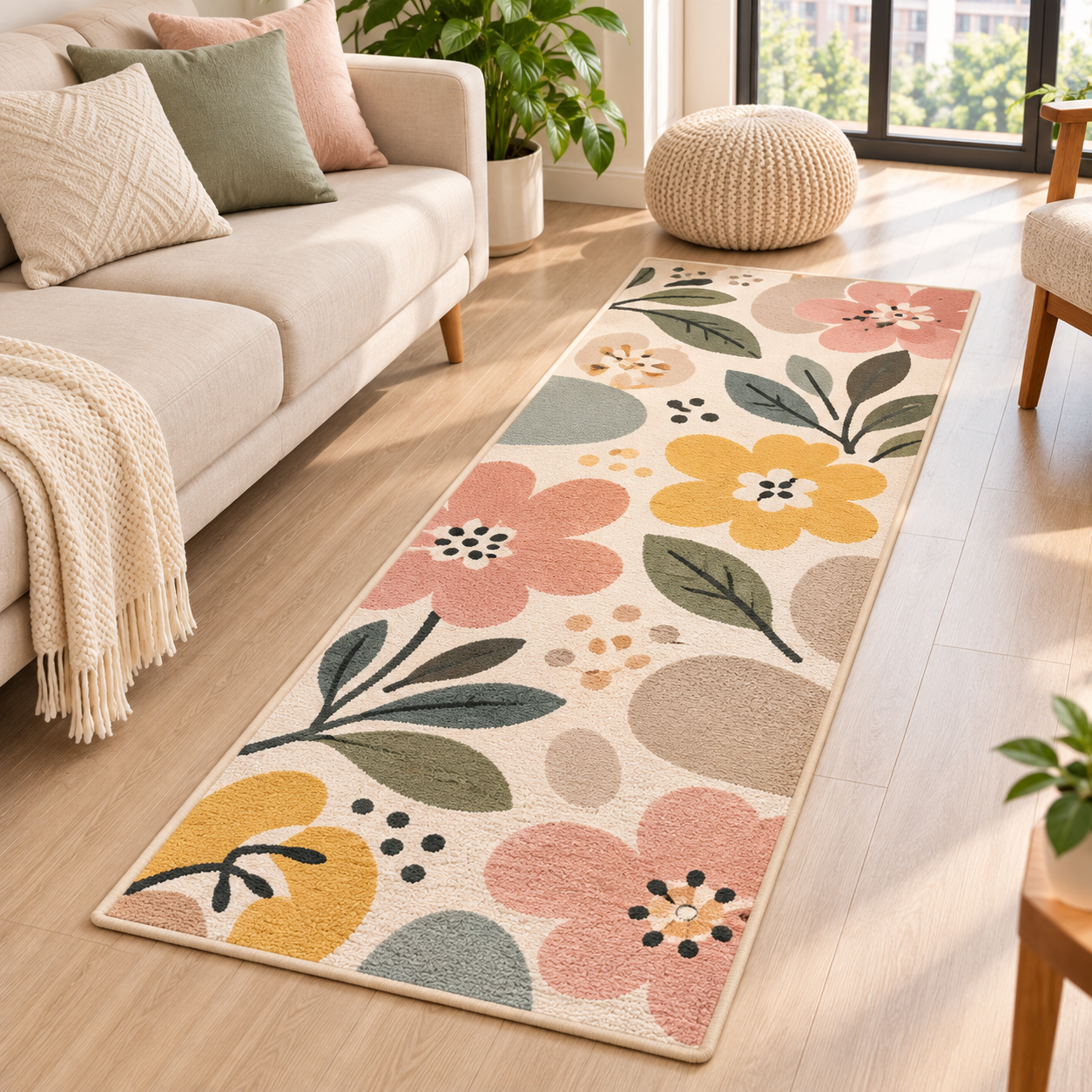 IN STOCK
Runner Mat
from₹494
IN STOCK
Runner Mat
from₹494
 IN STOCK
Idols
from₹651
IN STOCK
Idols
from₹651
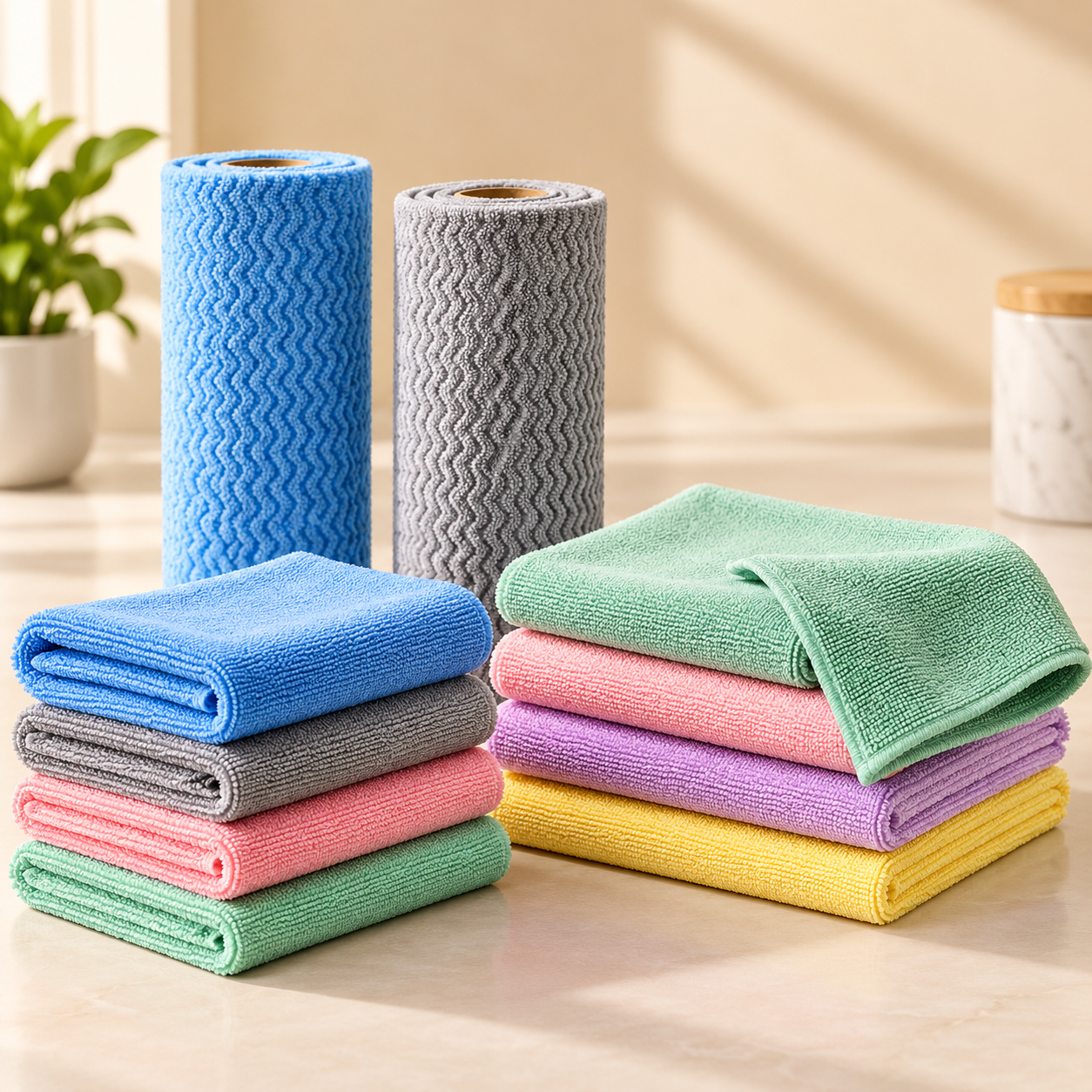 IN STOCK
Microfiber Cleaning Cloths
from₹191
IN STOCK
Microfiber Cleaning Cloths
from₹191
 IN STOCK
Clothes Drying Ropes
from₹196
IN STOCK
Clothes Drying Ropes
from₹196
Made to order from 300 pieces. Your brand, your spec.
We supply the raw materials and distribute production across partner factories by capacity and capability, so one order of 300 and one order of 300,000 get the same quality, the same timeline discipline and the same single invoice from factori.com.
Trusted by governments, institutions & global brandsOrganisations buy from factori.com
All clients →
















Three offerings. One integrated platform.All built on the same manufacturing and fulfilment backbone
We procure in bulk from partner factories and hold stock in centralised warehouses, supplied to businesses, brands, institutions and entrepreneurs in India and abroad.
- Faster availability and fulfilment
- Standardised specifications, consistent quality
- Reliable supply without manufacturing risk
End-to-end manufacturing from small runs to large programmes. Raw materials supplied by factori.com; production distributed across partner factories by capacity and capability.
- From 300 pieces
- Private label and custom specification
- Centralised quality control and single invoice
Entrepreneurs launch a branded store with our catalogue behind it — no inventory, no capital, fulfilment by factori.com on every order.
- Domain, website and payment gateway in 30 minutes
- Ready-to-sell catalogue
- Orders fulfilled and shipped by us
Our credentialsRegistered, verified, accountable
Our valuesWhat every order is held to
Media centreLatest from factori.com
View all posts →


Frequently asked questionsStraight answers
What is factori.com?
factori.com is a B2B contract manufacturing platform headquartered in Bengaluru, India that manufactures apparel, uniforms, bags and corporate merchandise in bulk for businesses worldwide. We connect buyers to a network of 600+ audited partner factories, publish product specifications and indicative prices upfront, and manage the order end to end — from quotation through production to quality-checked delivery.
Most businesses that buy apparel in volume face the same two problems: they cannot find a factory that will take their order at a workable quantity, and they cannot see what anything should actually cost until they have spent weeks negotiating. factori.com was built to remove both. Product categories, specifications and indicative pricing are published openly on the site before you speak to anyone, and the minimum order quantity starts at 100 pieces per style per colour rather than the 1,000–5,000 pieces a single factory typically demands.
There are three ways businesses buy from us:
What products does factori.com manufacture?
factori.com manufactures across 36+ product categories spanning apparel, uniforms, bags and corporate merchandise. The largest volumes are t-shirts, hoodies, sweatshirts, shirts and uniforms, but the same platform handles jackets, trousers, innerwear, footwear, bags, towels, bedding and hard-goods merchandise such as bottles, pens, diaries and mugs.
Apparel: t-shirts (round neck, polo, V-neck), hoodies, sweatshirts, shirts, jackets, trousers, jeans and jeggings, innerwear, sleepwear and loungewear, raincoats, women's ethnic wear, western tops, dresses, shrugs, sarees, and men's shirt & dhoti sets.
Uniforms: school and college uniforms, corporate and industrial uniforms, security and housekeeping uniforms, healthcare and hospital uniforms, and hotel and hospitality uniforms — including matched sets, seasonal variants and multi-site size-graded rollouts.
What is the minimum order quantity (MOQ) at factori.com?
The minimum order quantity for contract manufacturing at factori.com is 100 pieces per style, per colour. Sizes are pooled inside that 100 — a single order of 100 navy round-neck t-shirts can be split across S, M, L, XL and XXL in whatever ratio suits you, at no extra cost and with no per-size minimum.
The 100-piece floor exists for a physical reason rather than a commercial one. Fabric is dyed in lots and cut using a marker laid across many layers at once; below roughly 100 pieces the setup cost per garment — dyeing, marker making, screen preparation, embroidery digitising — rises faster than the manufacturing saving, and the price stops being attractive to you. Most single factories set their floor at 1,000 pieces or higher for exactly the same reason. We can work at 100 because we aggregate demand across many buyers and book unutilised capacity rather than buying a dedicated production line.
Three practical points that change what the MOQ means in practice:
How does factori.com offer lower prices, and how is a quote calculated?
factori.com is structurally cheaper than a traditional manufacturer or trading house for three reasons: we buy raw materials in consolidated bulk across all orders, typically 15–25% below what a single buyer pays; we book unutilised capacity in partner factories, so your cost is based on CMT (cut, make, trim) rather than a factory's full-margin rate; and our proprietary factory-management software removes the coordination overhead that agents and middlemen normally charge for. Those savings are passed to the buyer rather than retained as margin.
Each of the three matters differently depending on what you order:
Consolidated raw-material procurement. Fabric, trims, thread and packaging are bought at aggregate volume across every order on the platform. A buyer ordering 500 t-shirts gets fabric at a rate normally available only to someone buying tens of thousands.
Who actually manufactures the products — does factori.com own the factories?
factori.com does not own the production floor. We operate a network of 600+ independently owned partner factories across India, each assessed before onboarding and monitored on performance afterwards. factori.com owns everything around the production: the contract, the material supply, the production plan, the quality control and the delivery. Your commercial relationship, purchase order and accountability sit entirely with factori.com — you never contract with, chase or pay a factory.
Why a network beats a single factory. One factory has one capability set. A unit that excels at knitted t-shirts is usually not the right place for structured corporate uniforms, laptop bags or embroidered jackets, and a buyer tied to a single supplier either accepts a compromised product or starts a new sourcing exercise for every new category. A network lets us allocate each order to a factory that is genuinely good at that product, absorb volume spikes that would overwhelm one unit, and keep your delivery date safe if any single facility hits a problem.
How factories are evaluated. Partner factories go through a structured six-point assessment before they receive any order — covering manufacturing capability for the relevant product, available capacity, statutory and labour compliance, quality systems, commercial terms, and consistency of past output. Performance is tracked order by order after onboarding, and allocation follows the record.
Can factori.com manufacture under my own brand or private label?
Yes. Every contract manufacturing order at factori.com is produced under your own brand. Garments carry your neck label, care label, size label, hang tag and packaging artwork. There is no factori.com branding anywhere on the product, the tags or the packing — the goods arrive ready to sell, issue or gift as your own.
What is branded to you: woven or printed neck labels (or a printed neck label where a tagless finish is wanted), care and content labels to your wording and statutory market requirements, size labels, hang tags and swing tickets, polybag stickers and barcode labels, and printed or plain outer packaging including retail-ready and e-commerce-ready formats.
What we need from you to start: artwork in vector format (AI, EPS or PDF) for anything printed or embroidered, Pantone references for colour matching, your label wording and dimensions, a size chart or measurement spec, and your packing and labelling requirement. If you are selling into a specific market, tell us at enquiry stage — care-label content and fibre-composition wording are regulated differently across markets and are far cheaper to get right before production than after.
What customisation and branding methods are available?
factori.com offers screen printing, sublimation printing, DTF (direct-to-film) printing, embroidery and engraving. The right method depends on your fabric, artwork, order volume and durability requirement — and our team recommends the method during quotation rather than leaving a technical decision to the buyer.
Screen printing is the workhorse for volume. A separate screen is made for each colour in the design, so it suits bold, flat, limited-colour artwork — logos, slogans, event branding — on cotton and cotton-blend garments. Setup cost is fixed per colour, which means the per-piece cost drops sharply with quantity: it is almost always the cheapest option above a few hundred pieces, and rarely the cheapest below a hundred.
Sublimation printing bonds dye into polyester fibre, so the print has no surface feel at all and cannot crack or peel. It handles full-colour, photographic and edge-to-edge all-over designs that screen printing cannot. The constraint is fabric: sublimation works on polyester and high-polyester blends, and will not hold on cotton. It is the standard choice for sports jerseys, athleisure and all-over patterned garments.
How long does an order take to manufacture and deliver?
Standard contract manufacturing lead time is 15 days from the purchase order when the fabric colour is already in stock, 20–30 days when the colour has to be dyed or sourced, and 25–30 days where complex branding such as multi-colour printing or heavy embroidery is involved. Ready-stock items dispatch in 7–10 days. Export transit is additional to all of these and is quoted separately.
What drives the difference. Fabric availability is almost always the deciding factor. A standard colour held in stock skips the dyeing cycle entirely; a custom Pantone match adds a dye lot, a shade approval and a drying and finishing cycle. Branding is the second factor — a single-colour chest print adds little, while a six-colour front, an all-over sublimated panel or a high-stitch-count embroidery adds days of screen preparation, digitising and machine time. Quantity matters least of the three at typical order sizes, because production is allocated across the network rather than queued at one unit.
When the clock actually starts. The lead time runs from the point at which three things are settled: the purchase order is issued, the pre-production sample is approved, and the final artwork is signed off. This is worth planning around, because it is the most common cause of a missed date. An order placed on the 1st with artwork approved on the 12th delivers as if it were placed on the 12th. If you have a hard deadline — an event, a store opening, a school session, a conference — tell us the in-hand date at enquiry stage rather than the order date, and we will work backwards and tell you honestly whether it is achievable before you commit.
How do I place a bulk order with factori.com — what is the step-by-step process?
Placing an order takes six steps: share your requirement, receive an itemised quote, approve a sample, issue the purchase order, track production, and take quality-checked delivery. A dedicated single point of contact runs the order end to end, so you deal with one person rather than a chain of sourcing agents, factories and freight forwarders.
1. Share your requirement. Tell us the product, quantity, colours, size ratio, fabric and GSM if you know it, branding method and placement, packaging requirement, delivery destination and your in-hand date. If you have a tech pack or a reference sample, send it. If you do not, a photograph and a rough description are enough to start. Enquire through the website, call +91 874 707 4444, or contact your assigned sales lead.
2. Receive the quotation. You get an itemised quote: per-piece price at your quantity, fabric specification, branding cost by method and placement, labels and packaging, taxes, freight where applicable, lead time and payment terms. Ask for pricing at more than one volume tier if you are still sizing the order — the per-piece difference between 100, 1,000 and 10,000 pieces is material.
Can I get samples before placing a bulk order?
Yes. factori.com provides samples before bulk production, and the sample charge is credited back against your bulk order. The sample is not a formality — it becomes the reference standard for the entire order, because bulk production is quality-checked against your approved sample rather than against a generic written specification.
There are two kinds of sample, and they answer different questions:
A reference or stock sample is an existing product in a comparable fabric and construction. It is the fastest way to judge fabric hand-feel, weight, fit and build quality before you invest in a full specification. It will not carry your colour, labels or branding.
How does factori.com guarantee product quality?
Quality is controlled at four points: a factory assessment before any partner receives an order, an approved pre-production sample that fixes the standard, in-line checks during production, and a final inspection at our Bengaluru fulfilment centre before dispatch. Partner factories are paid only after that final quality check clears. That payment rule is the mechanism that makes the other three work.
1. Before production — factory assessment. Partner factories pass a structured six-point evaluation covering capability for the specific product type, capacity, statutory and labour compliance, quality systems, commercials and consistency of past output. Orders are then allocated to a factory genuinely equipped for that product rather than to whoever is free.
2. At the start — the approved sample. Your signed-off pre-production sample is the standard. This matters more than any written specification, because it is physical and unambiguous: shade, hand-feel, fit, stitching and branding placement are compared against an object rather than argued about against a document.
What are factori.com's payment terms?
For a first order, factori.com works on advance payment against a proforma invoice. For large-volume and enterprise procurement, credit terms of 30, 60 or 90 days can be discussed and agreed in the contract. Repeat clients with an established order history are offered flexible, negotiated terms. Terms are always stated on the quotation and fixed in the purchase order — never left to be settled later.
Why the first order is on advance. Contract manufacturing is not a stock sale. Once you approve a purchase order, fabric is dyed to your colour, screens are burned to your artwork, labels are woven with your brand name and factory capacity is blocked for your delivery window. All of that is committed specifically to your order and has no resale value to anyone else. The advance covers commitments made on your behalf, and it is the reason we can quote CMT-based pricing rather than the higher rates that carry financing risk in them.
How terms open up. Enterprise and MNC procurement teams generally cannot transact on advance because their own payables policy does not permit it — those cases are handled through a negotiated contract with defined credit terms, and are agreed before the order rather than raised as an exception mid-order. Repeat buyers with a clean order history move to flexible terms as a matter of course. For very large orders, staged payment against production milestones can be structured.
Which countries does factori.com deliver to, and do you handle export documentation?
factori.com has delivered to 130+ countries and handles the complete export process in-house — commercial invoice, packing list, certificate of origin, customs clearance and freight booking. You receive a delivered shipment with paperwork in order, rather than a factory-gate handover that leaves you to find a freight forwarder and a customs broker.
Freight. Both sea and air freight are available and are quoted with the order. Sea freight is the economical choice for volume where the timeline allows; air freight is used for urgent replenishment, samples, launch quantities and event deadlines. Because we consolidate at our own Bengaluru fulfilment centre, multiple styles and multiple production batches ship as one consignment with one set of documents rather than as several separate arrivals.
Documentation we prepare. Commercial invoice, packing list with carton-level detail, certificate of origin, shipping bill and customs filing, and any additional certificate your destination market or your own compliance team requires — provided the requirement is stated at enquiry stage, since some certificates must be arranged during production rather than after it.
Which types of businesses does factori.com work with?
factori.com supplies any business that buys apparel or merchandise in volume. The core segments are corporates and enterprises, schools and educational institutions, hospitals and healthcare groups, hotels and hospitality chains, retail and fashion brands, e-commerce and D2C brands, industrial and manufacturing companies, security and facility-management firms, and promotional-merchandise and event agencies.
Corporates and enterprises — employee uniforms and dress-code apparel, onboarding and welcome kits, branded t-shirts and polos for offsites and campaigns, and corporate gifting for festivals, milestones and client programmes.
Schools, colleges and universities — full uniform sets, sports and house kits, bags, and annual-session repeat supply with consistent shade and specification year on year.
Contract manufacturing, ready stock or buying from a trader — which is right for me?
Choose contract manufacturing when you need your own design, fabric, colour and branding, can order from 100 pieces per style per colour, and have 15–30 days. Choose ready stock when you need standard products fast — 7–10 days — and can work with available specifications and colours. factori.com offers both, so the decision is about your timeline and control, not about finding a different supplier.
Contract manufacturing gives you control over every variable: fabric type and GSM, exact Pantone colour, fit and measurements, construction, branding method and placement, labels, and packaging. It produces a product that is genuinely yours and repeatable — the approved specification is on record, so the second order matches the first. The trade-offs are time (15 days with stock colour, 20–30 days with sourced or dyed colour, 25–30 days with complex branding) and the 100-piece-per-colour minimum.
Ready stock gives you speed. Standard products dispatch in 7–10 days, in smaller quantities, with branding applied to available garments. It is the right answer for an event three weeks away, an urgent replenishment, or a first small trial before committing to a full production run. The trade-off is that you take the fabric, fit and colour range that exists rather than the one you specify.