Choose your delivery location
Enter a 6-digit Indian PIN code to see delivery options for that area.
Currently delivering to Bengaluru 560105
Ready stock & made to order
Bulk hotel and hospitality uniforms
factori.com supplies bulk hotel and hospitality uniforms from ₹116/piece across 662 partner factories — ready stock and custom programmes with GST invoices.
Prices verified October 2026 · shown excluding GST
₹116Entry price
Same dayDispatch on working days







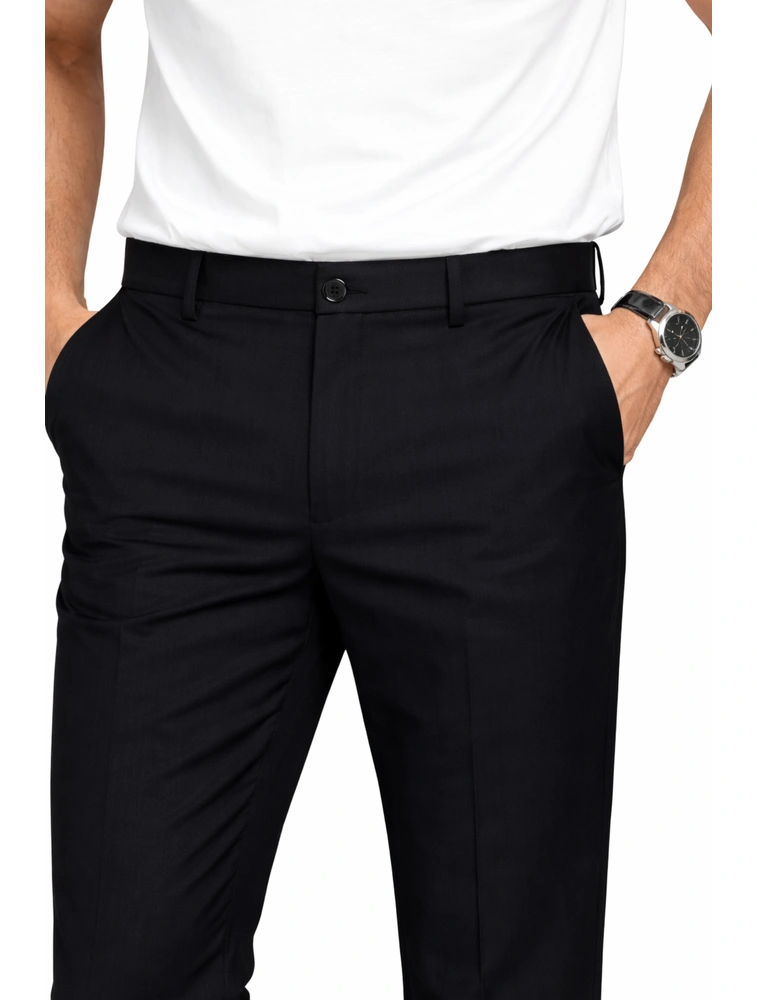
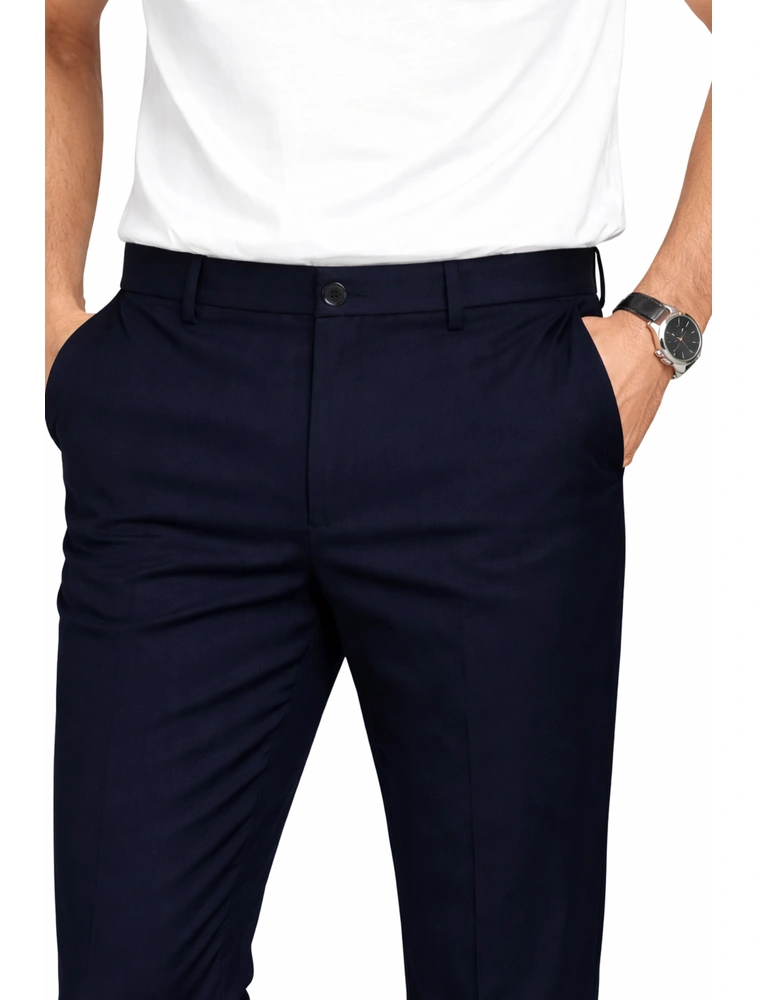
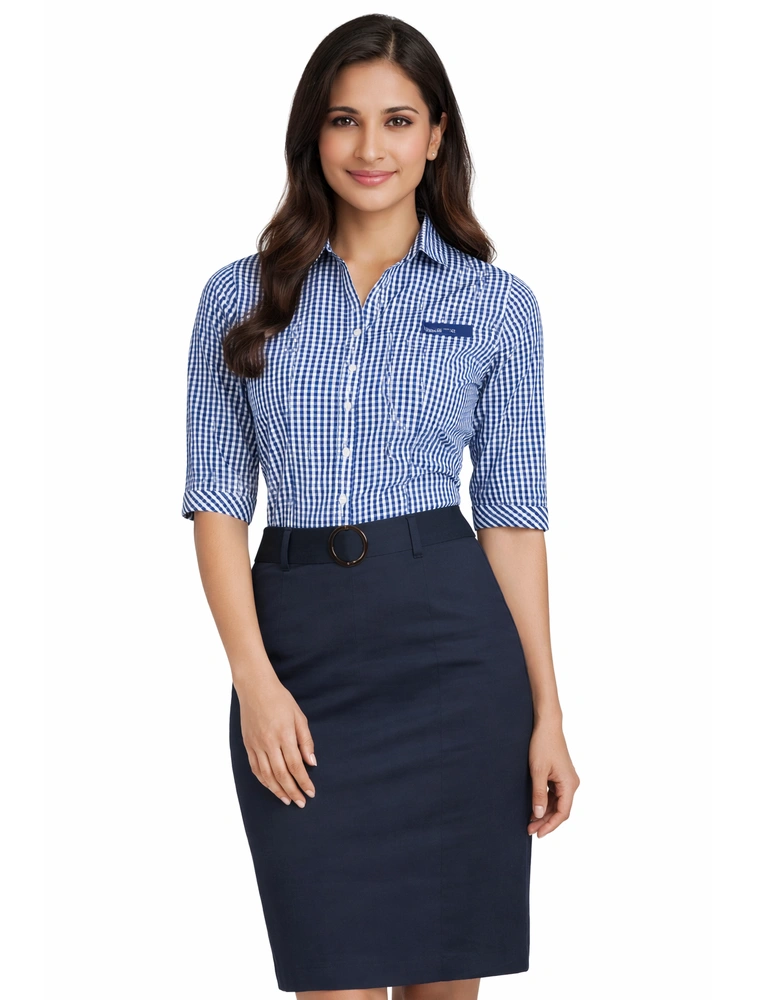
Women Signature Blue Striped Cotton Poplin Shirt and Navy PV Matty Skirt Desk Attire
4.4377 ratings
₹706.00/ piece

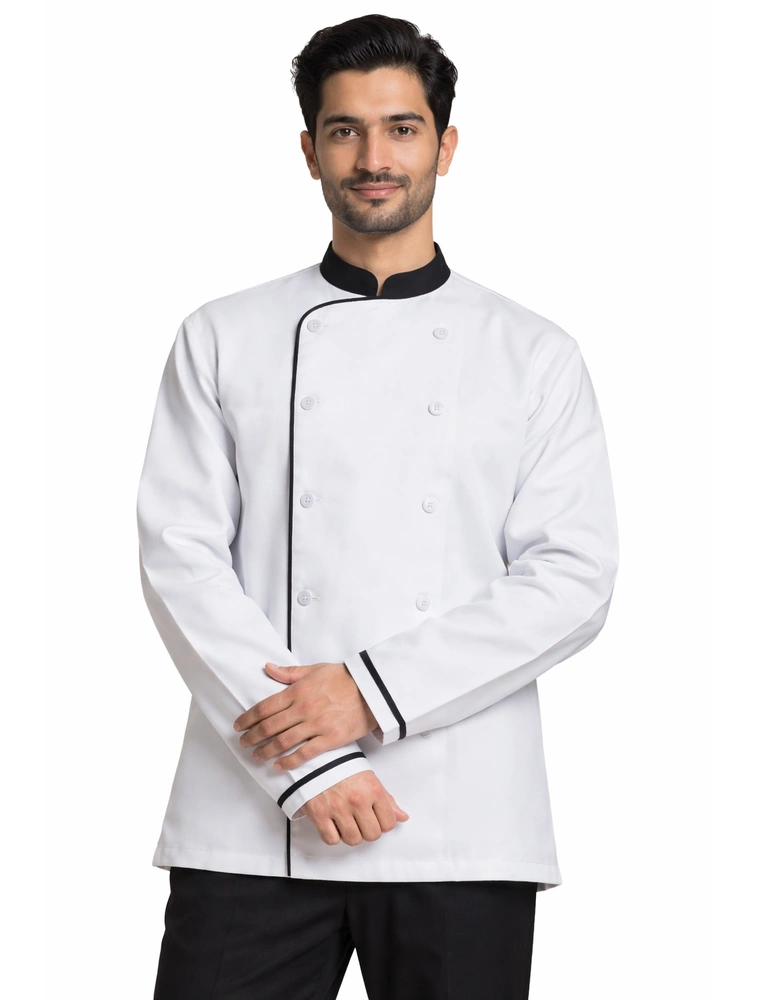


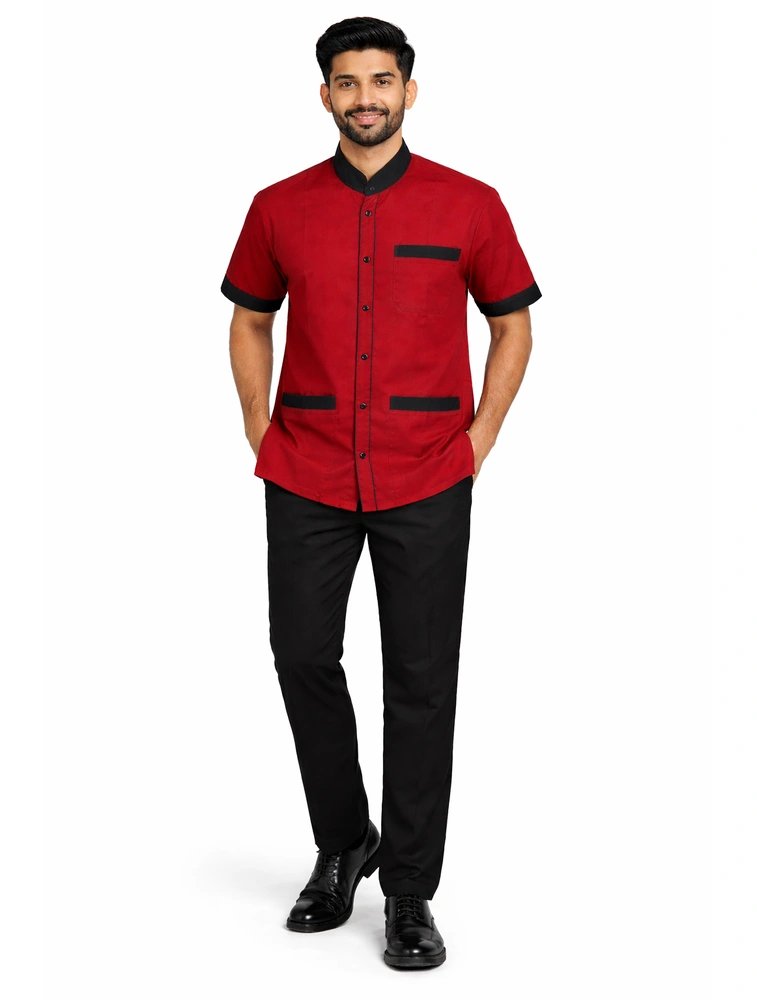
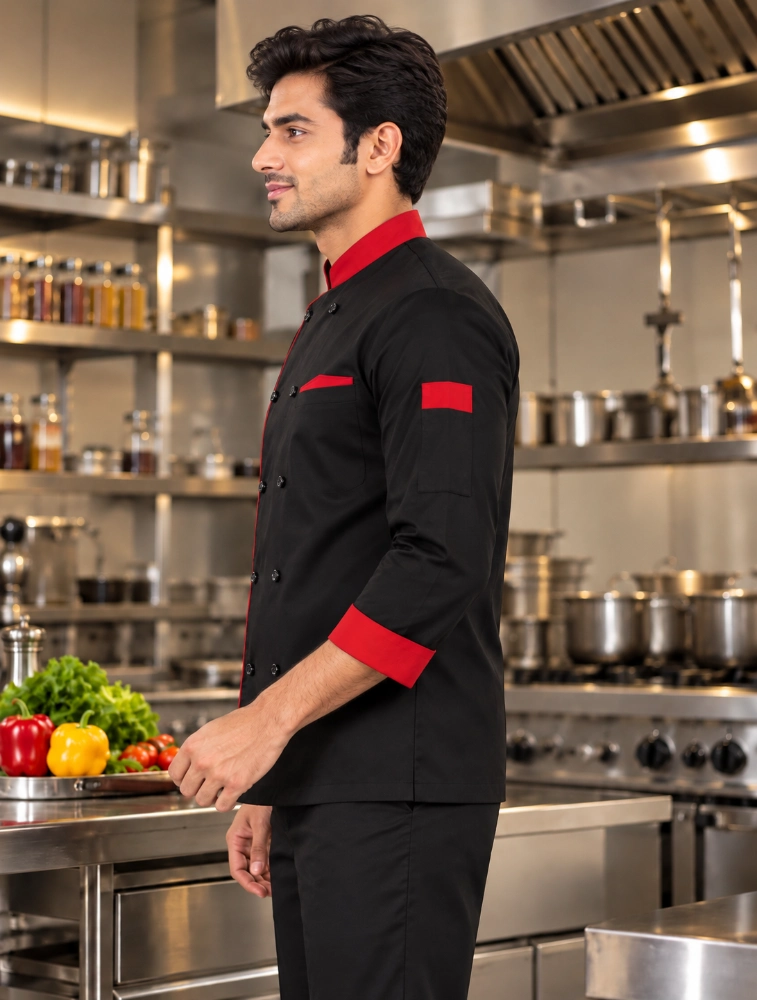
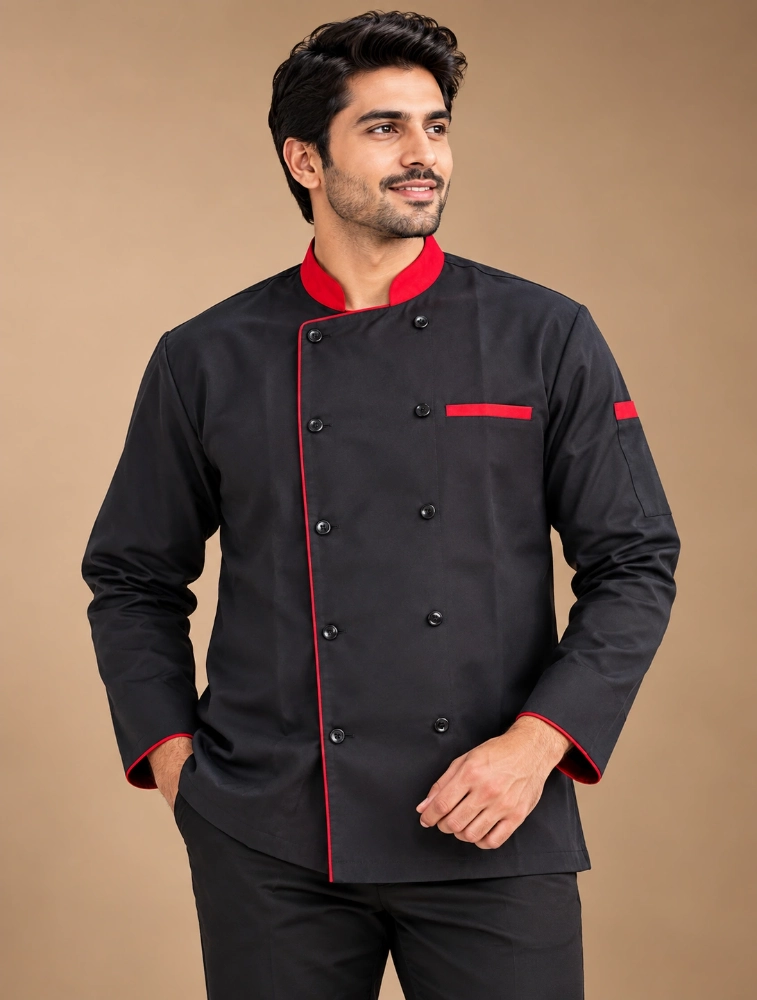
Maroon PV Matty House Keeping Shirt with Black Collar & Pipping and Black PV Matty Pant Set
4.4377 ratings
₹1,019.00/ piece

Navy PV Matty House Keeping Shirt with Black Collar & Pipping and Black PV Matty Pant Set
4.4360 ratings
₹1,019.00/ piece

Grey PV Matty House Keeping Shirt with Black Collar & Pipping and Black PV Matty Pant Set
4.4360 ratings
₹1,019.00/ piece

Beige PV Matty House Keeping Shirt with Brown Collar & Pipping and Brown PV Matty Pant Set
4.4360 ratings
₹1,019.00/ piece

Bottle Green PV Matty House Keeping Shirt with Black Collar & Pipping and Black PV Matty Pant Set (Copy)
4.4360 ratings
₹1,019.00/ piece

Page 1 of 2
Bulk hotel and hospitality uniforms for every use case
Brand-ready hotel and hospitality uniforms for corporate, retail, uniforms and large custom programmes — sourced across partner factories with published prices.
Corporate & events
Brand-ready hotel and hospitality uniforms for offsites, launches and conferences.
Get quote →
Uniforms & programmes
Consistent supply for schools, factories and frontline teams.
Corporate uniforms →
Own brand / resale
Unbranded or private-label stock for retail brands.
Launch your store →
Large custom runs
Contract manufacturing for high-volume programmes.
Contract manufacturing →Bulk hotel and hospitality uniforms — frequently asked questions
Can factori dress a complete hotel department today, or only part of one?
Only part of one, and we would rather you heard that from us than discovered it after a tender. The published hospitality range on this page is twelve listings: two chef caps, six aprons, one waist coat and two formal trousers. A kitchen brigade needs a coat, trousers, an apron, a cap and a neckerchief — we publish two of those five. Front of house needs a shirt, trousers, a waist coat and a tie — we publish two of those four.
We are writing this answer plainly because hospitality procurement is unusually unforgiving of a half answer. A hotel does not buy a garment, it dresses a department, and a department that is dressed in three of five items looks worse than a department dressed consistently in something cheaper. If your specification is a complete kitchen brigade or a complete front-office look, the honest position on 30 July 2026 is that this page cannot close it from published stock alone.
Here is exactly what is published, so you can measure it against your own requisition:
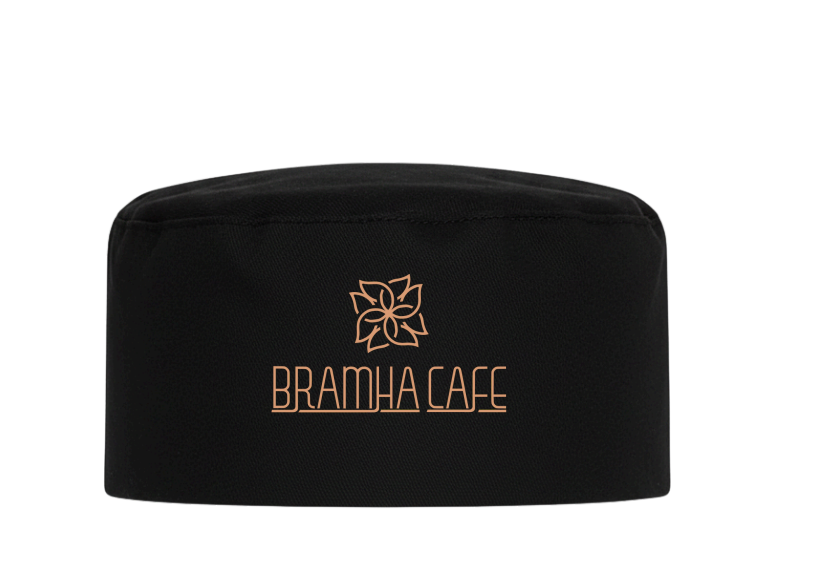
- Headwear — two chef caps, both listed as free size, one in cotton and one in a poly-viscose matty. Headwear is the one line we can supply completely.
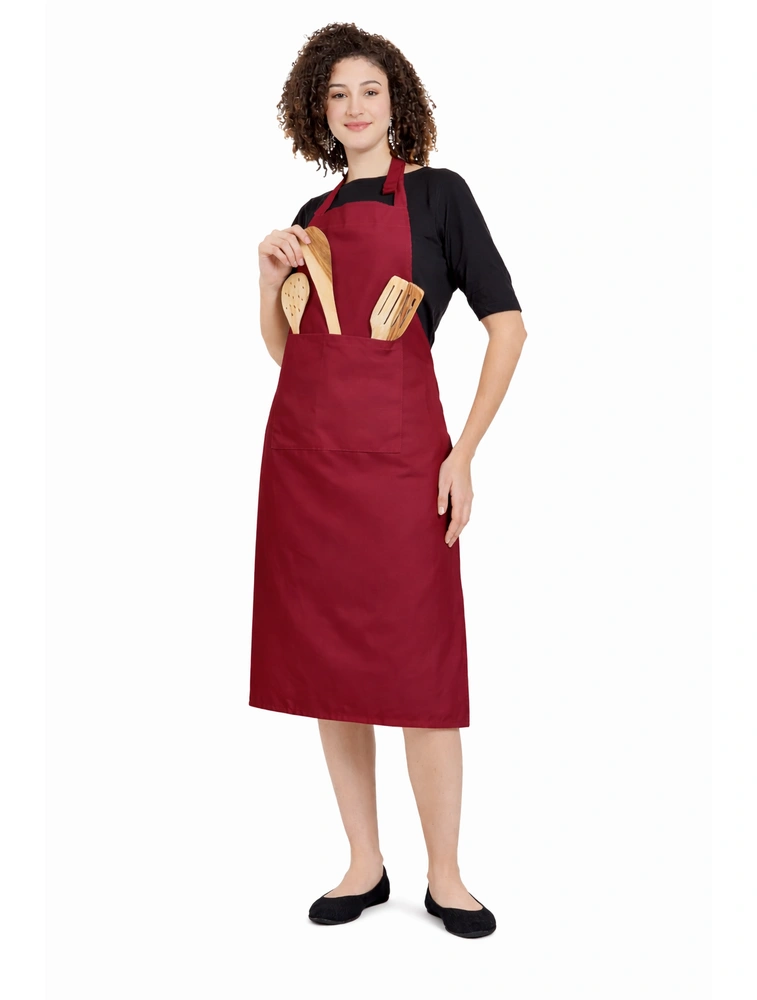
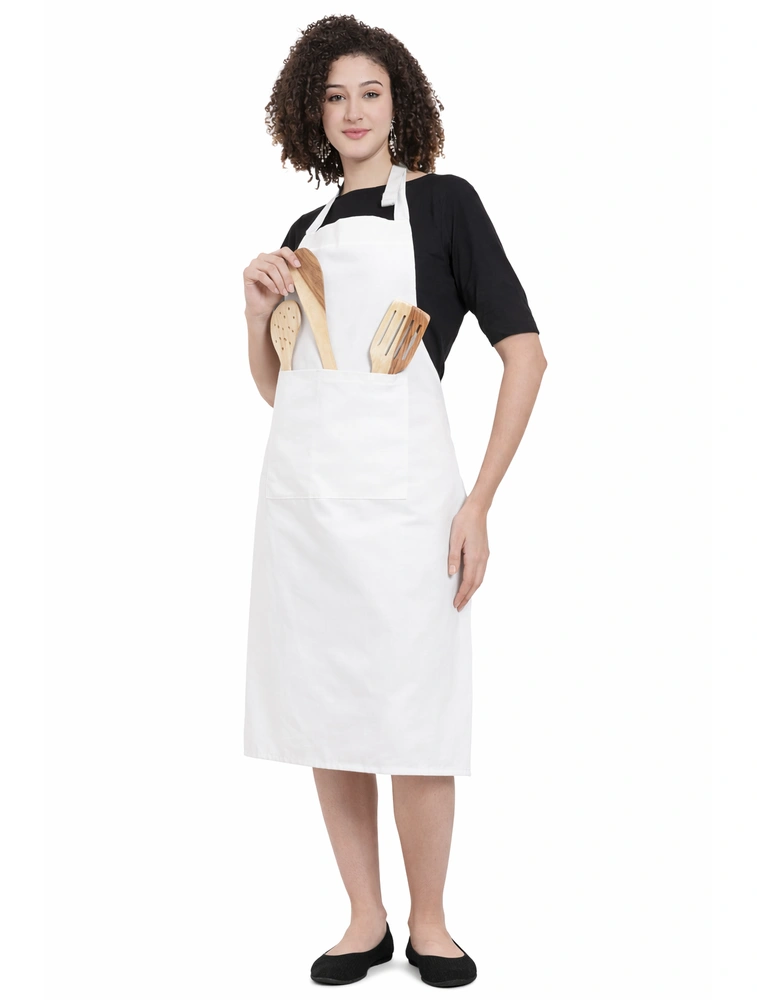
- Aprons — six, across poly-viscose matty, terry cotton and polyester, in black, white, maroon, grey and beige. This is the deepest line on the page.
- Waist coat — one, in black poly-viscose matty, in sizes up to 40.
- Trousers — two formal trousers, black and navy, in waist sizes 34 to 42.
And here is what is not published, item by item, because the gaps are more useful to you than the inventory: no chef coat or chef jacket of any kind; no shirt of any kind, in any colour, for any department; no housekeeping dress, tunic or overall; no front-office blazer or suit; no tie, scarf, cravat or neckerchief; no checked or houndstooth kitchen trouser; no bar or sommelier apron distinct from the general apron; no spa or wellness wear; no banquet or doorman uniform; and no footwear. There is also no ladies' pattern anywhere on the page, which we treat separately in the sizing answer below.
What that means in practice depends on which department you are dressing. If you are buying aprons and caps — for a catering contractor, a canteen operator, a bakery chain, a cloud-kitchen group or a QSR franchisee — this page is a straightforward fit and the published tiers apply immediately. If you are buying a full kitchen brigade or a full front-office look, treat the published range as a partial supply and raise the missing garments with us as a made-to-specification enquiry rather than assuming a catalogue line exists.
There is one more consequence worth spelling out, because it catches buyers who are otherwise careful. A partial supply is not just an incomplete order — it is a matching problem. If you source the waist coat here and the shirt elsewhere, you now have two suppliers, two fabric lots, two dye batches and two care regimes in one look, and the shirt and the waist coat will age at different rates. That is survivable if the two garments are visually independent. It is not survivable when one sits directly on the other, which is exactly the front-of-house case. So if you have to split, split along a seam that does not show: buy the aprons and caps from one source and the tailored garments from another, rather than buying half of the tailored set from each.
We can manufacture garments that are not on this page. What we will not do is let a category page imply a depth it does not have, because in hospitality that produces a split order, two fabric lots and a department that does not match itself. If you tell us the full requisition up front — department by department, headcount by size, and the date the property opens — we can tell you honestly which lines come from published stock and which have to be made, before you commit to a single purchase order.
ProcurementQueries Targetedcomplete hotel uniform set supplier india, chef coat and chef trousers bulk, front office uniform full set
Do staff uniforms affect a hotel's star classification under the Ministry of Tourism scheme?
Yes. In the Ministry of Tourism HRACC classification checklist, "Staff uniforms for front of the house" is marked N — Necessary — for all five star categories, with the comment "Uniforms to be clean and in good condition". The checklist legend states: "D Desirable / N Necessary / There is no relaxation in the 'Necessary' criteria except as specified in the comment column."
This matters because it changes what a uniform purchase actually is. A necessary criterion with no relaxation is not a presentation preference; it is a line an inspection team looks at. But read the comment column carefully, because it is where the useful detail sits. The criterion the checklist states is condition — clean and in good condition — not a fabric, not a blend ratio, not a brand and not a certificate. Nothing in the checklist row obliges you to buy from any particular supplier, and factori does not classify, certify or inspect hotels; we manufacture garments, and the classification decision belongs entirely to the committee.
Because the standard being applied is condition rather than specification, the procurement consequence is the opposite of what most buyers assume. The risk is not that your uniform is insufficiently premium. The risk is that it looks tired by month eight. A garment that greys, pills, loses its shape at the seat and knee or fades unevenly at the shoulder will fail a condition test long before it fails a durability test, which is why the fastness and laundering answers further down this page carry more weight for a classified property than the fabric name does.
Three adjacent rows in the same checklist are worth knowing about because they shape how the uniform is handled once you own it:
- "Staff Locker Room" is marked D for one and two star and N for three, four and five star.
- "Staff Rest Rooms" follows the same D/D/N/N/N pattern, with the comment "Separate for male and Female employees with bunkbeds, well lighted and ventilated".
- "Dry-cleaning /laundry" is marked D for one through four star and N for five star, with the comment "In house for 5 Star Deluxe hotels. For 5 Star category and below may be outsourced".
- "Linen Room" is marked N across all five categories.
Read together, those rows tell you that at three star and above the property is expected to have somewhere for staff to change and store clothing, and that at five star deluxe the laundering is expected to happen in house. That has a direct bearing on the garment you specify. A uniform that will be processed through an in-house commercial laundry every day is a different purchase from one an employee takes home, and the questions you should be asking a manufacturer differ accordingly — which is exactly what the industrial laundering answer below is for.
There is a further reason the condition criterion should shape your purchase rather than your polishing rota. Condition is assessed on the garments actually in service on the day, not on the ones in the store. A property with two sets per employee will always have a proportion of its uniforms in the laundry, which means the sets on the floor are the ones that have been worn longest since pressing — and the more thinly you stock, the worse the average garment on display looks. Set count, laundering turnaround and appearance are the same variable seen from three directions, and a classification criterion phrased as "clean and in good condition" is really a question about all three.
One caution, offered as information rather than advice: classification criteria are revised, and the checklist we have read is a published copy rather than a live register. Before you build a tender around a classification requirement, have your own team or your consultant confirm the current criteria and the current comment column directly with the Ministry of Tourism or the regional HRACC, because we are a garment manufacturer and this is not legal or regulatory advice.
Standards & RegulationQueries Targetedhracc checklist staff uniforms necessary, ministry of tourism hotel star classification uniform requirement
What exactly is PV Matty fabric, and what blend ratio should we insist on in the specification?
PV Matty is a two-part description: PV means polyester-viscose, a blended yarn, and matty is the weave — a
basket-style construction where two or more yarns move together in each direction, giving a slightly textured,
dimensionally stable surface. The blend ratio is the part that decides how the garment behaves, and it is the
part our own listings on this page do not currently publish.
We are stating that gap openly because a fabric name without a ratio is not a specification. "PV Matty" covers everything from a 65:35 polyester-rich cloth to a 45:55 viscose-rich one, and those two fabrics do not behave alike. On 30 July 2026 the hospitality listings on this page name the fabric three different ways — "PV Matty fabric", "High-quality PV Matty fabric" and, on one apron, simply "PV fabric" — and none of the three states a ratio. If you are writing a tender, do not accept any of those three phrases from us or from anyone else.
Here is what the ratio actually controls, so you can decide which way to push it:
- The polyester share carries dimensional stability, crease recovery, abrasion resistance and colour retention. A polyester-rich matty holds its press through a long shift and survives repeated laundering with less shrinkage and less seat-and-knee distortion. It is the reason poly-viscose became the default for formal trousers and waist coats rather than pure cotton.
- The viscose share carries hand, drape, dye uptake and moisture absorption. Viscose is a regenerated cellulose fibre, so it takes and holds depth of shade in a way polyester does not, and it makes a formal garment feel less plastic against the skin. It is also the half of the blend that responds to cellulose-specific chemistry, which is why the chlorine bleach answer below matters more than buyers expect.
The practical consequence for a hospitality specification is that the two halves pull in opposite directions and you have to choose deliberately. A front-office waist coat and trouser worn eight hours a day in an air-conditioned lobby, pressed daily, is a case for the polyester share to lead. A garment worn in a warmer back-of-house environment, where comfort and shade depth matter more than a knife-edge press, is a case for more viscose. Ask for both figures — ratio and weave — in writing, on the purchase order, not in an email thread.
Two further specification lines belong next to the ratio and are also absent from every listing on this page as at 30 July 2026. The first is fabric weight in GSM: not one of the twelve hospitality listings publishes a GSM figure, which means the same fabric name could arrive as a light summer cloth or a substantial winter one. The second is the finish, because a matty weave can be delivered with or without a mechanical or chemical finish that changes how it takes a press and how it feels.
What you should do with all of this is straightforward. Put the ratio, the GSM, the weave and the finish on the purchase order as four separate stated values, and ask for a pre-production sample cut from the actual production lot rather than a swatch from a bolt you will never receive. We would rather be held to four numbers we have agreed with you than to a fabric name that means several different things. If you ask us for the ratio on any listing on this page and we cannot confirm it from the mill documentation, we will tell you that instead of guessing, and no figure will be presented to you as our factory data unless we can stand behind it.
SpecificationQueries Targetedpv matty fabric meaning blend ratio, polyester viscose matty uniform fabric specification
Can hotel uniforms be chlorine bleached, and which half of a poly-viscose blend is at risk?
The test that answers this is ISO 105-N01:1993, "Textiles — Tests for colour fastness — Part N01: Colour
fastness to bleaching: Hypochlorite", Edition 2, October 1993. Its abstract states the method "is
mainly applicable to natural and regenrated cellulose materials" and that "A specimen of the textile
is agitated in a solution of sodium or lithium hypochlorite." Viscose is a regenerated cellulose fibre — so
in a poly-viscose uniform, the bleach question lands on the viscose half.
That single fact resolves a dispute we see constantly between a hotel's housekeeping department and its uniform buyer. Housekeeping runs a bleach protocol because bleach is what removes organic staining from linen, and it is entirely reasonable for a laundry to want one chemistry across everything it processes. The uniform buyer then finds that the black waist coats have gone patchy and brownish at the collar and cuff after a few months and assumes a fabric defect. It usually is not. It is a cellulose fibre in a blend meeting a hypochlorite solution designed for cotton bed linen, in a garment nobody told the laundry to exclude.
The mechanism is worth understanding because it explains the pattern of the damage. Hypochlorite attacks the cellulose chain and the dyes fixed to it. In a blended matty, the polyester yarn holds its shade while the viscose yarn beside it loses depth, so the fabric does not simply fade — it goes uneven and takes on a cast, because you are now looking at two fibres in the same cloth at two different shade levels. Dark navy and black show it worst. It is also progressive and irreversible, which is why the garment often passes a first inspection and fails at month six.
So the questions to put in your tender are these:
- Ask for the hypochlorite result explicitly, tested to ISO 105-N01, rather than accepting a general "colour fast" claim. A general claim usually refers to washing or light, not to bleaching, and those are different tests with different outcomes.
- Ask for it on the actual production shade, not on a standard shade. Fastness is a property of the dye on that fibre at that depth, so a mid-blue result tells you very little about a black.
- Then decide the laundry protocol before you buy, not after. If your property's laundry cannot practically exclude uniforms from a bleach cycle, that is a reason to specify differently, and it is far cheaper to know that at tender stage.
There is a related and much simpler alternative, which is to take bleach off the table for uniforms and handle staining with a non-chlorine oxygen-based route instead, on the understanding that the two do not do the same job on the same stains. We are not in a position to prescribe your laundry chemistry — that is a decision for your laundry manager and your chemical supplier, and this answer is technical information about a textile test method rather than operational or legal advice.
What we will commit to is this: if you tell us at enquiry stage that a garment is going into a bleach-exposed environment, we will treat hypochlorite fastness as a stated specification line and we will not publish or promise a fastness rating we have not had tested on your shade. A number invented to win a tender costs you the whole order at month six.
Fastness & LaunderingQueries Targetediso 105-n01 hypochlorite colour fastness, chlorine bleach uniform poly viscose viscose damage
Why does a dark waist coat mark a white shirt, and which test measures it?
The test is ISO 105-X12:2016, "Textiles — Tests for colour fastness — Part X12: Colour fastness to
rubbing". It specifies a standardised rubbing procedure — also called crocking — that measures how readily
colour transfers from a fabric onto another material, under both dry and wet rubbing, with the transferred stain
rated on the standardised grey scale for staining.
This is the single most commonly skipped test in Indian uniform procurement and the one that produces the most complaints in a hospitality setting, because hospitality puts dark and light garments in permanent contact. A black waist coat sits on a white shirt for a whole shift. A navy trouser sits against a light banquet chair. A dark apron is tied and untied by hands that then touch a plate rim. In each case the failure is not the dark garment falling apart; it is the dark garment depositing colour on something the guest sees.
Two results matter and they are not interchangeable:
- Dry rubbing tells you what happens through ordinary contact and friction — sleeve against shirt, seat against upholstery, strap against a collar.
- Wet rubbing is almost always the worse of the two, and it is the one that matters most in hospitality, because hospitality is a wet environment. Hands are washed, aprons are damp, service staff perspire, and a garment that is fine dry can transfer noticeably once moisture is present.
Ask for both figures. If a supplier gives you one number without saying whether it is dry or wet, the number is not usable. Ask also for the result on the production shade rather than a standard shade, for the same reason as with bleaching: fastness is a property of a specific dye at a specific depth on a specific fibre, and a deep black behaves differently from a mid grey struck from the same recipe.
Two adjacent details make this test more predictive than buyers expect. The first is weave. A matty is a textured basket-style construction with more surface relief than a plain weave, and surface relief means more raised points making contact under friction. That does not by itself make a matty worse, but it does mean a rubbing result taken on a smooth fabric is not transferable to a textured one. The second is the dyeing route. Colour applied so it sits nearer the fibre surface will crock more readily than colour that has penetrated, which is why a very deep shade at a very low price is a combination worth asking questions about.
There is a practical test you can run yourself before you commit to a full order, and we would encourage it. Take the pre-production sample, dampen a plain white cotton cloth, and rub the darkest panel firmly for a few seconds — the seat of the trouser, the front of the waist coat, the apron bib. Then look at the white cloth. This is not a substitute for a laboratory result under ISO 105-X12 and it produces no rating you could put in a contract, but it will tell you in thirty seconds whether the garment is likely to embarrass you in front of a guest.
Where this leaves us as your manufacturer: rubbing fastness is a stated specification line we are willing to be held to, on your shade, from a laboratory report rather than an assurance. We will not publish a grey-scale rating we have not had tested. If your requirement involves a dark garment worn over or against a light one — which describes most front-of-house hospitality uniforms — raise it at enquiry stage so it goes into the specification rather than into a complaint. This is technical information on a published test method and not legal or contractual advice; how you use it in your tender is a decision for your own team.
Fastness & LaunderingQueries Targetediso 105-x12 colour fastness to rubbing crocking, dark uniform dye transfer white shirt
What should we ask a manufacturer before putting uniforms through a commercial laundry every day?
Ask whether the garment has been evaluated to ISO 15797:2017, "Textiles — Industrial washing and finishing
procedures for testing of workwear". Its scope states it "specifies test procedures and equipment
which can be used in the evaluation of workwear (including, where appropriate, for some PPE garments) intended
to be industrially laundered." It offers eight washing procedures and two drying procedures.
This standard exists because industrial laundering and domestic laundering are not the same process at different scales — they are different processes. A commercial tunnel washer, a high-extraction spin and a heated finishing route apply mechanical and thermal stress that a home machine never approaches, and a garment can survive fifty domestic washes and be unusable after twenty industrial cycles. If your property launders in house — which the Ministry of Tourism checklist treats as a necessary criterion at five star deluxe — then a domestic care label tells you almost nothing about the garment's service life.
What ISO 15797 assesses is precisely the list of things that make a uniform look tired, which is the same list a classification inspection is looking at when it asks whether uniforms are clean and in good condition:
- Dimensional stability— whether the garment shrinks or grows, and whether it does so unevenly, which is what turns a fitted trouser into a poorly fitted one.
- Colour— shade change through repeated processing, which in a blend can go uneven rather than simply lighter.
- Creasing— whether the garment comes out of the process wanting to hold a press or wanting to hold a wrinkle.
- Seam puckering— the ripple along a seam that appears after repeated cycles when the thread and the fabric shrink at different rates. It is the defect buyers notice last and dislike most, because it cannot be pressed out.
- Pilling— the small surface balls that make a dark garment look grey and worn.
- Visual aspects— overall appearance after processing.
A deliberate note on what we are not telling you. We have read the scope of ISO 15797:2017 and can state the number of procedures it offers, but we have not sourced the temperature and cycle parameters of each individual procedure, so we are not going to quote them. If a supplier tells you a garment is "tested to ISO 15797" without naming which of the eight washing procedures and which of the two drying procedures were used, that statement is incomplete — the procedure identifier is the substance of the claim, and a result under a gentle procedure says nothing about performance under an aggressive one.
So the questions, in the order to ask them: which washing procedure, which drying procedure, how many cycles, and what were the results on each of the six attributes above. Then ask the same four questions of your own laundry, and check whether the two answers describe the same process. That comparison is the whole point of the exercise, and it is where most uniform programmes discover a mismatch they could have found before purchase.
Two operational points worth settling at the same time. First, sewing thread and fabric should be specified to shrink compatibly, because seam puckering is usually a mismatch rather than a fault in either component alone. Second, decide who launders. The FSSAI requirement discussed further down this page obliges the food business to provide clean protective clothing and to ensure handlers wear clean clothing every day, but it does not itself say who does the washing — so if you intend to make that the employee's responsibility, that is a contractual and operational decision for your own management and legal team to take, and nothing here is advice on how to structure it. Our commitment is narrow and we will keep to it: we will not describe any garment as industrial-laundry rated unless we can hand you the procedure identifiers and the results. If you tell us at enquiry stage that a garment is going into a commercial laundry, we will treat that as a specification input rather than a detail.
Fastness & LaunderingQueries Targetediso 15797 industrial washing finishing workwear testing, commercial laundry uniform specification
hotel
The trousers and the waist coat in the same set have different care instructions. Which one do we follow?
Follow the more conservative of the two, and then get the conflict resolved before you place a repeat order. As
at 30 July 2026 our own black poly-viscose matty trousers state "Machine wash cold, do not bleach, tumble
dry low, iron on medium heat", while the black poly-viscose matty waist coat intended to be worn with them
states "Dry clean recommended … If machine washing, use a gentle cycle with cold water and avoid bleach.
Iron on low heat". Same fabric family, two different irons.
We are publishing that contradiction rather than quietly correcting it, because the honest answer is more useful to you than a tidy one, and because the reasoning behind it is something every hospitality buyer needs to be able to do for themselves.
Start with why a conflict like this can be legitimate rather than an error. Care instructions describe the whole garment, not just the face fabric. A waist coat is a constructed garment: it carries interlining across the front panels, a different back fabric, and often a lining, and any of those components can be the limiting factor. If the interlining is fused, an iron hotter than the fusible adhesive tolerates will cause it to bubble or delaminate, and the front panel will never lie flat again. A trouser has far less of this construction, so it can carry a higher iron temperature on the same face cloth. In other words, the two labels can both be correct, and the difference is the interlining rather than the fabric.
What is not legitimate is leaving the buyer to guess which explanation applies. So here is what we suggest you do, in order:
- Adopt the lower temperature across the set. If one garment in a matched set says iron on low, brief your laundry to iron the whole set on low. A trouser pressed at low heat is slightly less crisp; a waist coat pressed at medium heat can be permanently ruined. The asymmetry of the downside decides it.
- Treat "dry clean recommended" as a recommendation, not a prohibition, when the same label goes on to give a machine-wash route. Those two sentences together mean dry cleaning gives the best appearance result and machine washing is acceptable within stated limits.
- Ask for a single written care protocol for the set, not per garment, and ask for the reason for any difference. If the reason is an interlining, that is a real answer. If nobody can give you a reason, the labels are inconsistent and should be corrected.
- Brief the laundry once, in writing, and put it where the laundry works. Most care failures in hotels are not specification failures; they are a correct instruction that never reached the person operating the press.
There is a wider lesson here that applies well beyond our own listings. In hospitality you are almost never buying one garment — you are buying a set that must be processed together, on the same cycle, by the same team, on the same day. A uniform programme where each component has its own care regime will collapse into whatever regime is most convenient, and that will usually be the most aggressive one. Specify the set as a unit, with one wash temperature, one drying route and one iron temperature, and make the manufacturer confirm every component can live with it.
On our side, we are treating the mismatch above as a documentation defect to be resolved with the mill and the production unit, and we have listed it as a sign-off item in the pack that accompanies this page. Until it is resolved, iron the set on low. If you have already bought the set and pressed the waist coat at medium heat, tell us what you are seeing rather than replacing it silently — we would rather know.
SpecificationQueries Targetedmatched uniform set conflicting care instructions, dry clean vs machine wash same fabric waistcoat
trousers
What dimensions should a hospitality apron specification state, and why is free size not enough?
An apron has no meaningful size chart, so its dimensions are its specification. A usable apron line states five
figures: bib width, overall length from neck to hem, waist tie length, neck strap type and adjustment range, and
pocket configuration with pocket dimensions. As at 30 July 2026 none of the six aprons on this page publishes
any of those five — three are listed as free size and the rest state no size at all.
We are flagging that as a gap in our own published data because "free size" on an apron is not a size claim; it is the absence of one. A bib apron cut 60 cm wide and 85 cm long and a bib apron cut 70 cm wide and 100 cm long are both free size, and they are completely different garments for a working kitchen. One covers a chef's torso to below the knee; the other stops mid-thigh and exposes the front of the trouser to everything the shift produces. Take the five figures one at a time, because each one maps to a decision:
- Bib width decides whether the chest is covered on a broad build or whether the apron reads as a narrow panel with shirt visible either side. Too wide and it gapes at the underarm.
- Overall length decides coverage of the trouser front, which is the part of the uniform that shows wear first and is most expensive to replace. It also decides whether the hem catches on equipment or a service trolley.
- Waist tie length is the figure most often wrong, and it is the one that determines whether the apron fits your actual team. Ties must go round the waist and knot comfortably at the front or back on your largest wearer. A short tie makes the garment unusable on a proportion of staff even though the apron itself is fine.
- Neck strap type and adjustment— fixed loop, adjustable slider, buckle or cross-back — decides comfort over an eight-hour shift and how the garment sits on different heights. A fixed loop that suits a 5 ft 4 in wearer rides badly on a 6 ft one.
- Pockets— number, position and internal dimensions. A front patch pocket that will not hold a service pad, a thermometer or a pen is decoration.
Beyond the five, three construction points belong on the same purchase order because they decide whether the apron survives its first month. First, tie attachment: the seam where the tie meets the body is the single highest-stress point on an apron and the usual failure location, so ask how it is reinforced — bar tack, box stitch or turned-and-double-stitched. Second, hem and edge finish, because an apron is laundered more often than any other garment in the property. Third, fabric weight in GSM, which none of the twelve hospitality listings on this page states, and which decides whether the apron hangs properly or billows.
One thing we will not do is tell you an apron protects the wearer. No apron on this page is offered as protection against heat, flame, hot liquids, scalding or slipping, and nothing in this answer should be read as a protective claim; an apron here is a garment that keeps a uniform clean and presents a consistent look. If your requirement is genuinely protective, that is a different category of product tested against a named protective standard, and you should specify it as such rather than treating a service apron as one. This is product information, not safety advice. Practically, ask us for the five figures on any apron you are considering. If a figure is not in the mill or production documentation we will measure the actual garment and give you the measured value with a stated tolerance, rather than publishing a number we cannot support. And ask for a physical sample before a bulk order — on an apron, thirty seconds with a tape measure tells you more than any description.
SpecificationQueries Targetedchef apron dimensions specification length width tie length, bib apron vs waist apron measurements
bulk
What does FSSAI Schedule 4 actually require of protective clothing for kitchen and food-service staff?
The operative clause is Part II, 10.2.1 of Schedule 4 of the FSS (Licensing and Registration of Food Businesses)
Regulations 2011, which states verbatim: "The food business shall provide to all food handlers adequate and
suitable clean protective clothing, head covering, face musk, gloves and footwear and the food business shall
ensure that the food handlers at work wear only clean protective clothes, head covering and footwear every
day." The spelling of "musk" is the source document's own.
Two obligations sit inside that sentence and they are worth separating, because most uniform programmes satisfy the first and quietly fail the second. The first is a supply obligation: the business must provide the clothing. The second is an assurance obligation: the business must ensure staff wear clean clothing every day. The second is the harder one, and it is a stock and laundering question rather than a purchasing question. A property that issues two sets per employee and launders weekly cannot meet a daily-clean standard, no matter how good the garment is.
That has a direct consequence for how many sets you buy. The arithmetic depends on your laundry turnaround: one set in wear, one in the laundry, and one in reserve is the conventional three-set position for a daily-clean requirement, and properties with slower turnaround or six-day rosters often go higher. Buying two sets and hoping is the most common cause of a soiled uniform on the floor.
Other clauses in the same Schedule fill in the surrounding picture:
- Part I, which covers petty food business operators, states: "The workers working in processing and preparation shall use clean aprons, hand gloves, and head wears."
- Part II, 4.6.1 requires personnel facilities including "those for proper washing and drying of hands before touching food materials including wash basins and a supply of hot and /or cold water as appropriate; separate lavatories, of appropriate hygienic design, for males and females separately; and changing facilities for personnel".
- Part IV, 3.4, in the meat-processing part, requires that "Suitable and sufficient facilities shall be provided for persons working in the slaughter house for changing their clothes and cleaning their footwear".
One absence is as important as any of the clauses above, and we want to state it precisely because it is frequently misrepresented: the Schedule as we have read it does not expressly allocate responsibility for laundering the protective clothing. It requires the business to provide clean protective clothing and to ensure clean clothing is worn daily. It does not say the employer must operate the laundry. Whether you launder in house, outsource, or make it the employee's responsibility with a documented issue-and-return system is therefore a decision for your own management, and one where the daily-clean assurance obligation still rests on the business however you arrange it. Take your own regulatory and legal advice on the arrangement; we manufacture garments and are not qualified to advise on compliance.
What this means for the specification is narrow but real. The clause language is about clothing being clean, suitable and adequate — not about certification. No factori garment carries a food-safety certification and we make no hygiene or food-safety certification claim for any product on this page. What we can do is manufacture to a stated fabric, weight, construction and colour, in enough sets for a daily-clean rotation, in a fabric and colour that shows soiling honestly rather than hiding it, and durable enough to survive the laundering frequency that a daily-clean standard implies. That last point is where the industrial laundering answer above connects to this one: a daily-clean obligation is a laundering-frequency specification in disguise.
Finally, verify the current text yourself. Schedules are amended, we have read a published copy rather than a live gazette, and nothing in this answer is legal advice on your obligations as a food business operator.
Standards & RegulationQueries Targetedfssai schedule 4 protective clothing clause 10.2.1, food handler clean protective clothing footwear gloves
requirement
Is there a ladies' pattern for hospitality uniforms, and what should we specify if our team is mostly women?
No — and this is the most significant gap on the page. As at 30 July 2026 the only sized garments in the hospitality range are men's patterns: formal trousers in waist sizes 34, 36, 38, 40 and 42, and a waist coat up to size 40. There is no ladies' trouser, no skirt, no tunic, no kurta and no ladies' pattern of any garment. Indian hotel housekeeping and front-office teams are substantially female.
We are leading with that because the usual workaround is worse than the gap. Issuing a men's pattern to a woman is not a size adjustment; it is a different block. The garment is cut for a different shoulder-to-hip relationship, a different waist-to-hip drop and a different rise, and the result is a garment that is loose where it should be fitted and tight where it should have room. It looks wrong from across a lobby, which is exactly where a hotel uniform is judged, and it is uncomfortable across a shift, which affects how staff wear it — sleeves pushed up, waistbands rolled, shirts untucked. A property with a genuinely mixed team cannot reach a consistent look through men's patterns alone. If you are writing a specification for a mixed or predominantly female team, these are the lines to include:
- A ladies' block, stated as such, not a men's pattern in smaller sizes. Ask the manufacturer to confirm the garment is cut on a women's block and ask to see the pattern's size chart with body measurements, not just labels.
- A full size range with body measurements attached— bust, waist and hip in centimetres against each label — because label sizes are not standardised between manufacturers and a size 14 from one supplier will not match a size 14 from another.
- The garment types your departments actually need, which for Indian hospitality usually means a ladies' trouser, a tunic or kurta option for housekeeping, and a skirt option for front office where the property's look calls for one. Decide the modesty and coverage requirements deliberately, including sleeve length and neckline, rather than inheriting them.
- A stated approach to maternity and to interim sizing, because a uniform programme that has no answer here ends up with staff in mismatched clothing for months.
- A fit trial on real staff before the bulk order — not on a model, and not on the buyer. Six to ten wearers across the size range will tell you more than any chart.
Two items in the same specification are worth settling at the same time, because they affect both genders and both are currently unstated on this page. The first is the waist coat size ceiling: our waist coat runs to 40 while the trousers run to 42, so a size 42 wearer cannot currently be given a matching set from published stock — a real limitation, not a theoretical one. The second is the size chart itself, which should give body measurements and a stated tolerance, so that a garment can be accepted or rejected against a number rather than an opinion.
Where that leaves us. We can manufacture ladies' patterns; they are simply not published on this page today, which means you should treat a mixed-team requirement as a made-to-specification enquiry rather than a catalogue order. Tell us the headcount by department and by size band, tell us the garment types, and tell us whether a fit trial is possible, and we will tell you honestly what has to be developed rather than pulled from a published line. We would rather quote a longer lead time on a garment that fits than a short one on a garment your team will not wear properly.
SpecificationQueries Targetedladies hotel uniform sizing housekeeping women tunic kurta skirt bulk, womens chef trousers india
Why does the white apron cost more than the identical black one?
On this page the white poly-viscose matty apron is published at Rs 204 and the black and maroon aprons in the
same fabric at Rs 157 — a 29.9 per cent difference on the headline price, and Rs 215 against Rs 165 at the real
minimum order quantity. The listings do not currently state a reason for it, so here is the honest explanation
of what drives a white premium in hospitality garments generally.
Before the explanation, the caveat we owe you: we are describing the reasons a white garment in this category typically carries a premium. We are not publishing our cost structure, and if you want the specific reason this particular pair of listings differs, ask us and we will check it against the production documentation rather than reason backwards from the price. It is on our own sign-off list as an item to confirm or correct. The general drivers are four, and they compound:
- The finishing route is different. A white textile is not simply an undyed one. Reaching and holding a commercially acceptable white involves a bleaching and optical-brightening route that a coloured garment skips entirely, and that route has to be controlled tightly because the eye detects a yellow or grey cast in white far more readily than a slight shade variation in black.
- Shade-matching tolerance is tighter. Two panels of a black garment cut from different rolls will pass. Two panels of a white garment from different rolls, one very slightly warmer than the other, will be visible on a finished apron. That narrows what is usable from a production lot.
- Handling through production is more expensive in effort. White fabric shows every mark it picks up between the mill and the finished garment, so cutting, sewing, pressing and packing all have to be cleaner. Nothing exotic — just less tolerance for the ordinary.
- The blend interacts with the whitening. In a poly-viscose, the polyester and the viscose respond differently to brightening chemistry and can hold their whiteness differently over time, which is a real technical constraint rather than a pricing story.
Now the part that matters more than the purchase price, because in hospitality white is a service-life decision rather than a procurement one. A white apron shows soiling immediately and completely. That is often precisely why a kitchen specifies it — visible soiling is information, and a chef's white apron is a legible signal about the state of the station. But it also means a white garment is laundered more often, is far more likely to meet a bleach cycle, and is retired earlier because greying and yellowing are visible long before the fabric is worn out. Against the Ministry of Tourism condition criterion — uniforms clean and in good condition — a greyed white fails visibly where a slightly faded black does not.
So the calculation to run is not Rs 204 against Rs 157. It is the cost of dressing a station in white for a year against the cost of dressing it in a colour for a year, including replacement frequency and including the laundering load. In some kitchens white wins on presentation and is worth the shorter cycle. In a high-turnover back-of-house or a heavy-staining operation, a dark apron is the more defensible purchase and the premium buys you nothing. If your property uses white for the visible brigade and a dark colour for prep and dish, you are already doing this correctly.
Two practical asks if you do specify white. First, ask for the hypochlorite fastness position under ISO 105-N01 as discussed above, because white is the garment most likely to meet bleach and the viscose half of the blend is where the consequences land. Second, agree a written retirement standard with your housekeeping or executive chef — a defined point at which a greyed apron leaves service — because without one, white garments stay in use past the point where they help you, and the premium you paid works against you.
ProcurementQueries Targetedwhite chef apron price higher than black, white uniform cost premium bleach replacement cycle
The beige apron is marketed on absorbency. What does that actually mean for a working kitchen?
Absorbency means the fabric takes up liquid into the fibre rather than letting it sit on the surface or pass
through. In a terry cotton apron that comes from two things: cotton is a cellulose fibre that absorbs readily,
and terry is a looped pile construction with a large internal surface area. It is a useful property for a
kitchen. It is not, and we want to be unambiguous about this, a protective property.
We are putting the limitation first because the marketing line on this listing invites a misreading, and the misreading is dangerous.
No factori apron, on this page or anywhere else, is offered as protection against heat, flame, hot liquids, scalding, steam or slipping. We make no protective claim for it, it is not tested against any protective standard, it is not personal protective equipment, and it must not be specified as any of those things. An absorbent fabric in contact with a hot liquid can hold that liquid against the body, so absorbency in a garment worn near heat is a property to manage, not a safeguard to rely on. If your risk assessment identifies a genuine burn or scald hazard, that requires a product tested against a named protective standard, sourced and specified as protective equipment, and factori's service aprons are not it. With that established, here is what absorbency genuinely does for you:
- It stops surface run-off. A splash on a non-absorbent apron runs down the front and reaches the trouser or the floor. On an absorbent apron it stays where it landed. That is a presentation and housekeeping benefit and it protects the garment underneath, which is the expensive one.
- It handles wet hands. Kitchen and service staff dry their hands on the nearest available surface constantly, whatever the protocol says. An absorbent apron front absorbs that without becoming visibly wet-patched the way a synthetic does.
- It reads better through a shift. A poly apron shows a wet mark as a dark glossy patch that stays visible; terry cotton disperses and dries more evenly.
And the trade-offs, which are real and which you should weigh before specifying it across a property. An absorbent apron gets heavier when wet and stays damp longer, which is uncomfortable in a hot kitchen. It holds whatever it absorbed, so it needs laundering more often than a synthetic doing the same job — and the daily-clean obligation discussed above then bites harder. A looped pile can catch on hooks, handles and equipment edges. And terry cotton in a light shade like beige will show staining permanently where a dark synthetic would shed it.
The sensible deployment, if you have a mixed operation, is to match the fabric to the station rather than buy one apron for everyone. Terry cotton where liquid handling and hand-drying dominate — bar, prep, beverage, dish. A poly-viscose matty where a crisp appearance in front of guests matters more than absorption. That is a two-line specification instead of one, and it costs you nothing but a decision.
Two things to ask us for on this listing specifically. The GSM, because with a terry construction the weight is the difference between a substantial absorbent apron and a thin one that absorbs very little, and no listing on this page currently states GSM. And the dimensions, per the apron specification answer above, since absorbency across a panel that does not cover the area you need is not worth much. If we cannot confirm either figure from the production documentation, we will measure the actual garment and give you the measured value with a tolerance rather than publish an estimate.
Nothing in this answer is safety advice or a risk assessment for your kitchen. It is a description of a fabric property and its limits, and the protective question is one for your own safety team and a supplier of tested protective equipment.
Standards & RegulationQueries Targetedterry cotton apron absorbency kitchen, absorbent apron not heat protection
Which HSN heading covers chef aprons, waist coats and hospitality trousers, and what must the invoice show?
Two headings cover this page. In the Indian customs tariff, 6203 reads "MEN'S OR BOYS' SUITS,
ENSEMBLES, JACKETS, BLAZERS, TROUSERS, BIB AND BRACE OVERALLS, BREECHES AND SHORTS (OTHER THAN SWIMWEAR)" —
that is where men's formal trousers and a waist coat sit. 6211 reads "TRACK SUITS, SKI SUITS AND
SWIMWEAR; OTHER GARMENTS", and an apron falls in its "other garments" branch.
The eight-digit line under 6211 depends on fibre and on gender, not on the word "apron". The tariff sub-headings in that branch include 62113200 for other garments, men's or boys', of cotton; 62113300 for other garments, men's or boys', of man-made fibres; and 62113900 for other garments, men's or boys', of other textile materials, with a parallel women's or girls' series. Note what that means for a mixed order from this page: a terry cotton apron and a poly-viscose matty apron are the same garment type on different eight-digit lines, because the fibre differs. If you are consolidating a hospitality order across fabrics, expect more than one classification on the same invoice, and do not let a supplier flatten them to one line for convenience.
The tariff schedule does not name aprons expressly, which is normal — classification works from the heading and sub-heading text and the interpretative rules, not from a product-name index. That is precisely why classification should be confirmed rather than copied. Take your own tax advice on the correct heading, sub-heading and rate for your particular order and your particular use, because classification and rate are your compliance position, not ours, and nothing here is tax or legal advice.
On the invoice itself, these are the fields to check before you pass it for payment, and the ones we see cause the most rework in institutional and government procurement:
- Supplier and recipient GSTIN, both present and both correct. A wrong recipient GSTIN is the most common reason a credit cannot be taken.
- Invoice number and date, in a consecutive series.
- HSN code per line item at the digit level your turnover requires — and per line item, not one code applied to a mixed order.
- Description, quantity and unit, matched to what you actually received.
- Taxable value per line, with any discount shown as a deduction rather than netted off silently.
- Rate and amount of CGST and SGST, or IGST, according to place of supply.
- Place of supply with the State name, which for a hotel group operating properties across States is the field that most often goes wrong — goods delivered to a property in one State and billed to a head office in another need this settled before despatch, not after.
- Whether tax is payable on reverse charge.
- Signature or digital signature of the supplier or an authorised representative.
Two practical points for hospitality buyers specifically. If you are a government tourism body, a municipal corporation or a public-sector hotel, add your own purchase-order number and any budget or sanction reference as a required field on the invoice at the time you place the order — retrofitting it is a reissue. And if the order will be delivered to multiple properties, decide before despatch whether it is one invoice with multiple ship-to addresses or separate invoices per property, because that decision drives place of supply and it is far harder to unwind later.
What we will do at our end: state the HSN per line item, keep fibre-based classifications separate rather than merged, and correct an invoice promptly if your finance team finds a field wrong. What we will not do is tell you the rate applicable to your purchase, because that is a determination for your own tax advisers.
Standards & RegulationQueries Targetedhsn code chef apron 6211 waistcoat trousers 6203, hotel uniform gst invoice fields b2b
What does it actually cost to dress one hospitality employee, and how do the quantity tiers work?
Published prices on this page run from Rs 116 for a cotton chef cap to Rs 476 for formal trousers on the
headline price, and from Rs 122 to Rs 501 at the real minimum order quantity. The important structural point is
that the headline figure is the largest -quantity price, not the entry price — so a buyer ordering at the actual
minimum pays between 5.08 and 5.39 per cent more than the number displayed.
We verified that across six products on 30 July 2026 and the pattern is consistent. The black cotton chef cap publishes 122 / 120 / 116 against a headline of Rs 116, a premium of 5.17 per cent at the smallest tier. The black poly-viscose matty apron runs 165 / 162 / 157 against Rs 157, a premium of 5.10 per cent. The white apron in the same fabric runs 215 / 211 / 204, 5.39 per cent. The beige terry cotton apron runs 248 / 243 / 236, 5.08 per cent. The waist coat runs 330 / 324 / 314, 5.10 per cent. The formal trousers run 501 / 491 / 476, 5.25 per cent. A tight band, and one you can plan against.
Two conclusions follow. First, when you build a budget from a category page, add roughly five per cent unless you are ordering at the top tier — and if you have already built a budget from the displayed numbers, it is short. Second, the gap between the smallest and largest tier on this page is only about five per cent, which is a genuinely useful piece of intelligence: it means consolidating a hospitality order to chase a tier break is worth far less than most buyers assume. Five per cent on a uniform order is real money but it is not worth accepting a wrong size mix, a rushed fit trial or a fabric you are unsure of in order to reach the next tier.
The more useful way to think about this page is per employee rather than per garment, because that is how a hospitality budget is actually built. From published stock, at real minimum order quantity, a kitchen employee given a cap and an apron sits in the region of Rs 287 — and that is genuinely all this page can dress them in, because there is no chef coat and no chef trouser here. A front-of-house employee given a waist coat and formal trousers sits in the region of Rs 831, and is still missing a shirt and a tie, which this page does not publish. Those two figures are the honest per-head numbers, and they are honest partly because of what they exclude.
Three further budget lines belong in any hospitality uniform calculation and none of them appear on a category page:
- Sets per employee. A daily-clean requirement is a three-set position for most properties, sometimes more. Multiply the per-head garment figure accordingly — this is usually the largest single factor and the one most often left out.
- Branding. Embroidery or printing of a property logo is a separate line, priced on stitch count or print area and placement, and quoted per garment rather than bundled into the shelf price.
- Replacement cycle. A white garment retires earlier than a dark one; an apron retires earlier than a trouser. Budget the annual replacement rate per line, not a single blended figure.
We are not publishing what anything costs us to make, and we are not going to, because that is commercially confidential and it would not help you anyway. What we will do is quote against your actual requisition — garment, fabric, weight, size mix, quantity, branding and delivery locations — at the tier your quantity genuinely reaches, and tell you plainly which lines are published stock and which need to be made. The inverted tier presentation on the live page is a display issue we have flagged internally for correction; until it is fixed, read the three published figures as smallest to largest quantity, left to right, and budget from the left-hand one.
ProcurementQueries Targetedhotel uniform price per employee bulk quantity tiers, chef uniform cost per person india wholesale
Who buys hospitality uniforms from factori, and why is one property six different specifications?
The buyers divide into hotels and resorts, restaurant and QSR chains, catering and facility-management
contractors, institutional and industrial canteens, government tourism and hospitality bodies, and wholesalers
and distributors who supply those buyers. What unites them is a problem the phrase "hotel uniform"
hides: a single property is not one uniform requirement, it is six departmental specifications that must look
like one family.
That is the part worth understanding before you brief any manufacturer, including us. Walk a property department by department and the requirements diverge sharply while the visual identity has to hold together.
- Kitchen. Coat, trousers, apron, cap, neckerchief. Laundered hardest, worn in the hottest environment, retired soonest. Needs the highest set count and the most robust construction. The colour convention is largely fixed by professional expectation rather than by the property's brand.
- Food and beverage service. Shirt, trousers, waist coat or apron, tie. Guest-facing at close range, so rubbing fastness and press retention matter more here than anywhere else in the property, and dark-over-light contact is constant.
- Housekeeping. Tunic, kurta, dress or overall plus trousers. Highest movement, most bending and reaching, so ease of movement and seam strength dominate. Predominantly female in most Indian properties, which is a pattern requirement, not a size requirement.
- Front office and concierge. The most formal specification in the building, closest to corporate tailoring, judged from across a lobby. Fit tolerance is tightest and the set count is lowest.
- Banquet and events. Peaks and troughs rather than a steady roster, often with casual or contract staff, so sizing must be forgiving and the stock has to absorb surges.
- Spa, wellness and recreation. A distinct look with its own comfort and coverage requirements, usually the smallest volume in the property and the one most often forgotten until the opening.
The consequence is that a hospitality uniform brief is a matrix — department by garment by size by gender by set count — and the manufacturers who disappoint you are usually the ones who quoted against a garment list rather than against the matrix. It is also why we would rather over-ask at enquiry stage. Give us the department headcounts, the gender split, the size bands, the laundering arrangement, the branding requirement, the delivery locations and the date the property opens, and we can tell you what is genuinely available from published lines and what has to be developed.
The segments then differ in how they buy rather than in what they need. A hotel group buys on brand consistency across properties and needs the same shade delivered in year three as in year one, so shade continuity and reorder discipline matter more than unit price. A QSR or restaurant chain buys on speed and repeatability at franchise level. A catering or facility-management contractor buys against a client contract with a fixed term, so the specification has to survive the contract period exactly, and mobilisation lead time is often the binding constraint. An institutional canteen buys against the FSSAI protective-clothing position discussed above. A government tourism body buys against a tender document with its own specification and invoice requirements. A wholesaler or distributor buys to stock for the buyers above and needs depth in the fastest-moving lines rather than range. Where we are honest about our fit today: this page's published range is deepest in aprons and headwear, and it does not yet publish a chef coat, any shirt, any housekeeping garment or any ladies' pattern. So if you are a catering contractor, canteen operator, bakery or QSR group buying aprons and caps in volume, this is a direct fit. If you are dressing a whole property across all six departments, treat this page as a partial supply and talk to us about the rest rather than assuming it exists. We would rather have that conversation before your tender closes.
ProcurementQueries Targetedhotel uniform supplier bulk india departments, restaurant chain catering contractor uniform procurement
b2b
From ₹116excl. GST
View cart & checkout ›