Choose your delivery location
Enter a 6-digit Indian PIN code to see delivery options for that area.
Currently delivering to Bengaluru 560105
Ready stock & made to order
Bulk blazers & waistcoats
factori.com supplies bulk blazers & waistcoats from ₹1411/piece across 662 partner factories — ready stock and custom programmes with GST invoices.
Prices verified October 2026 · shown excluding GST
₹1,411Entry price
Same dayDispatch on working days
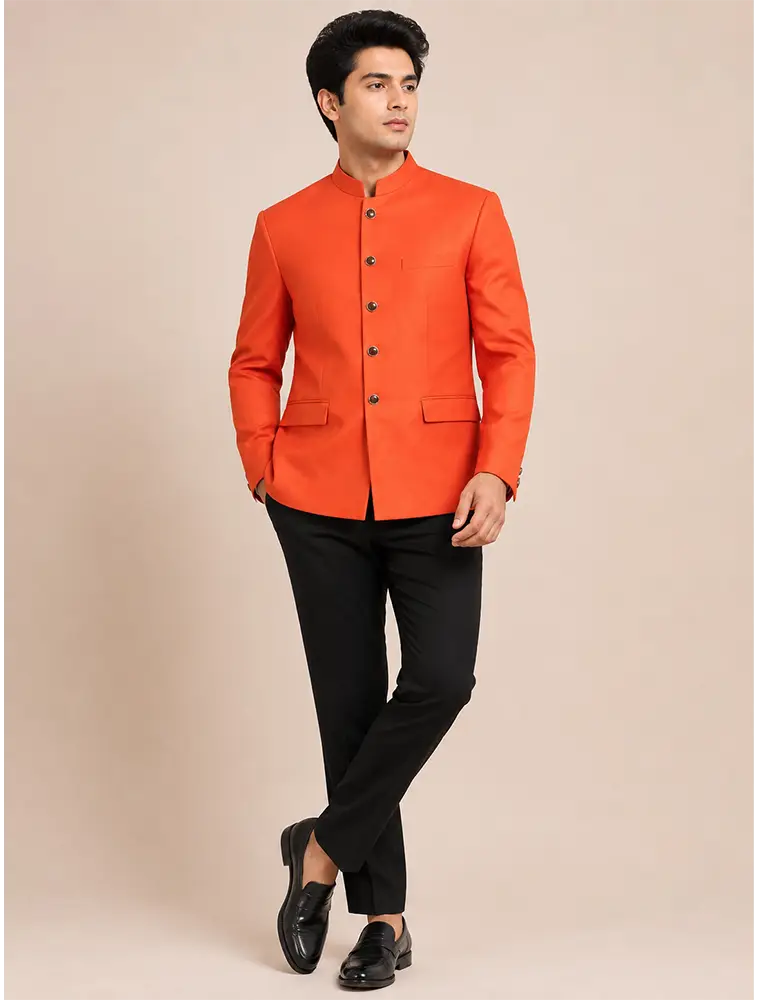
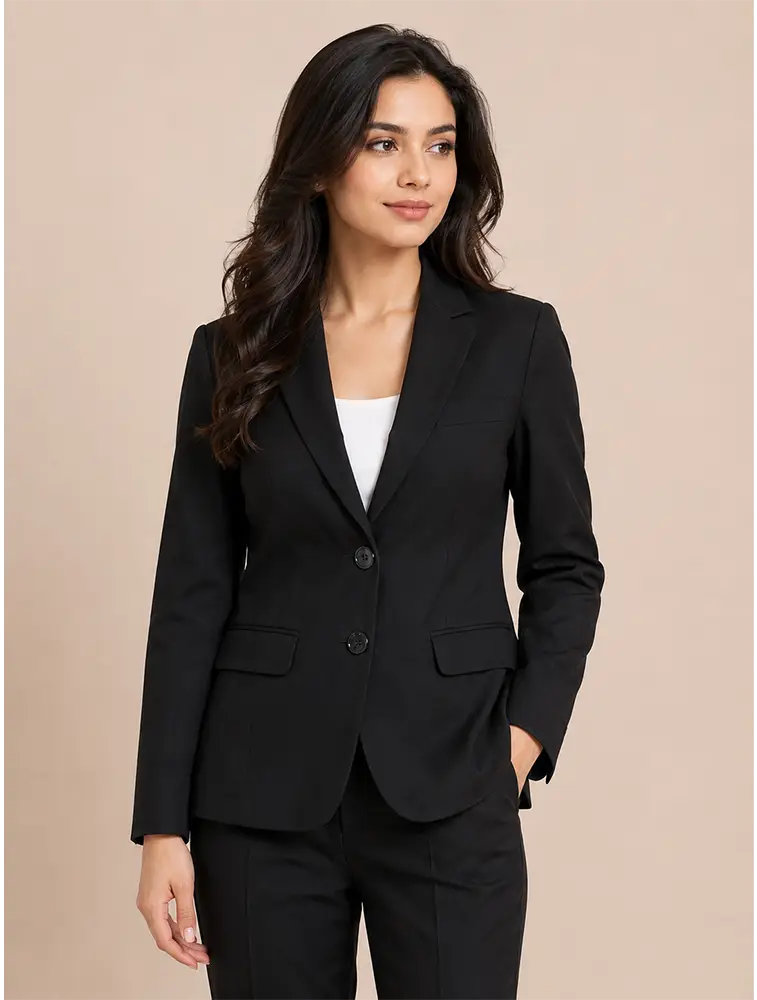
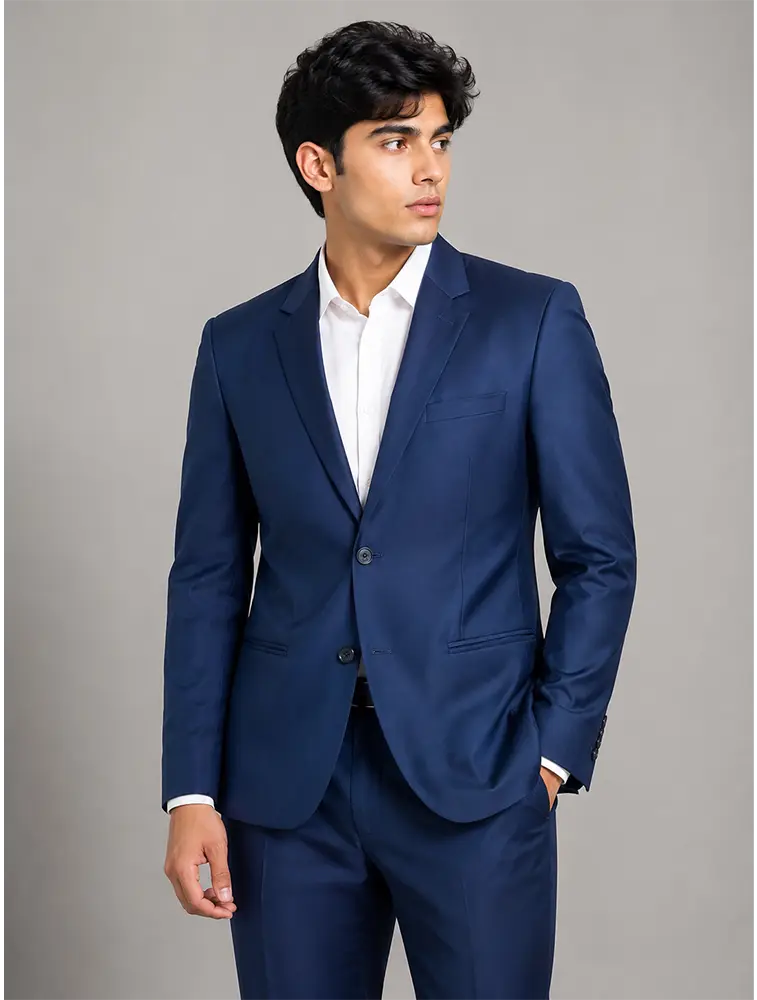
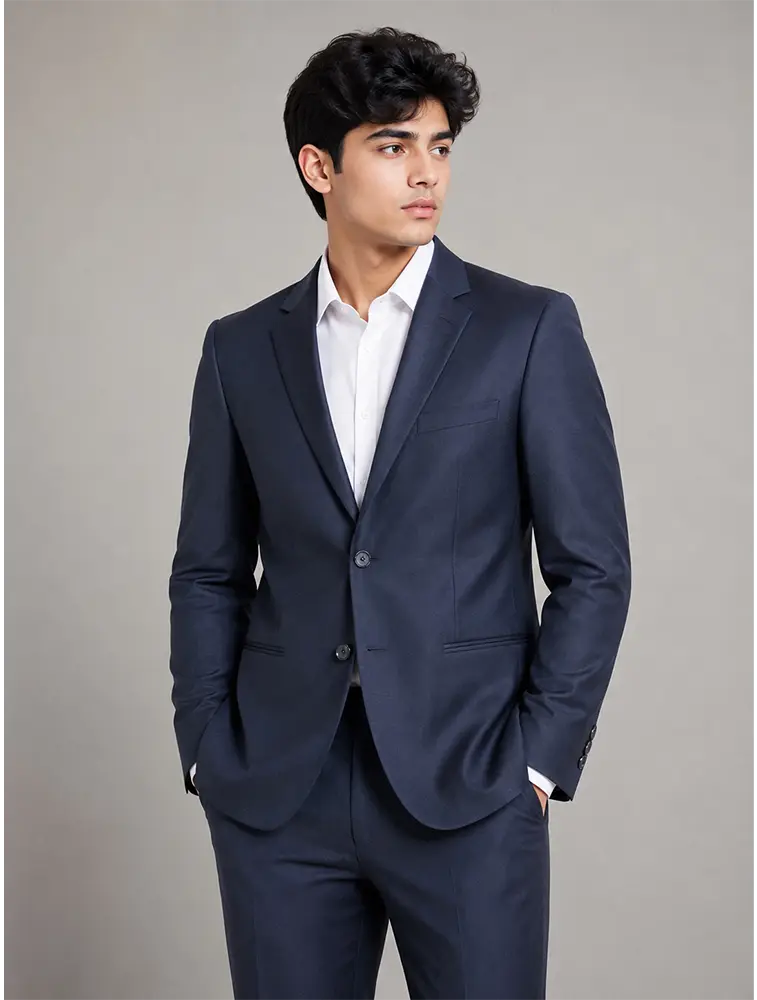
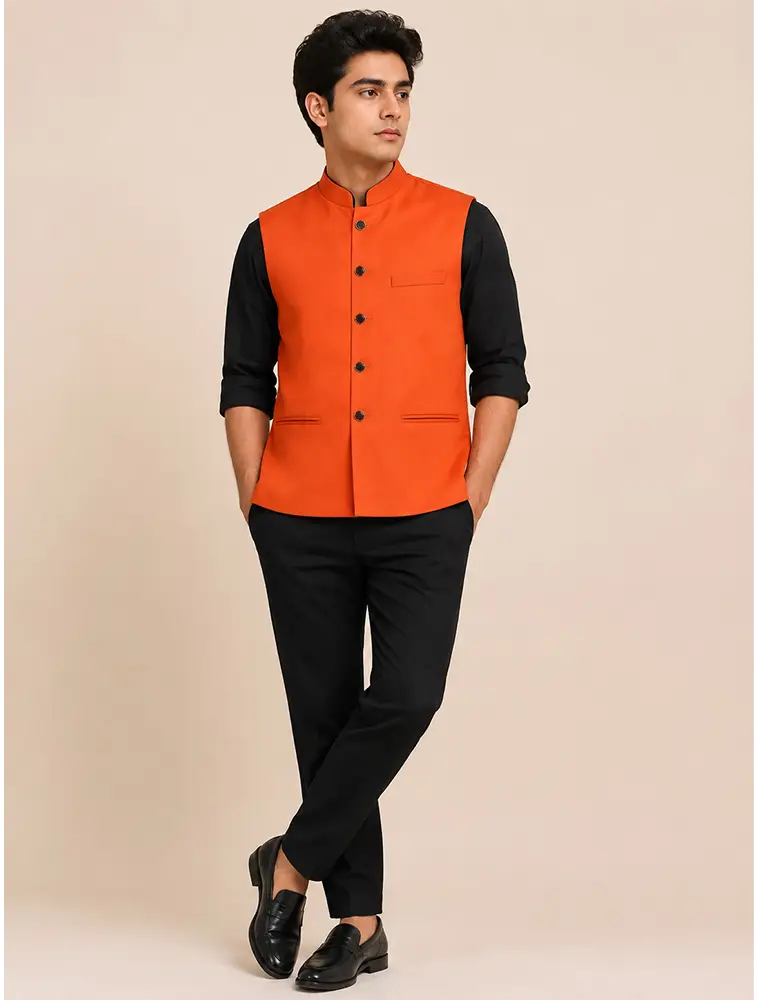
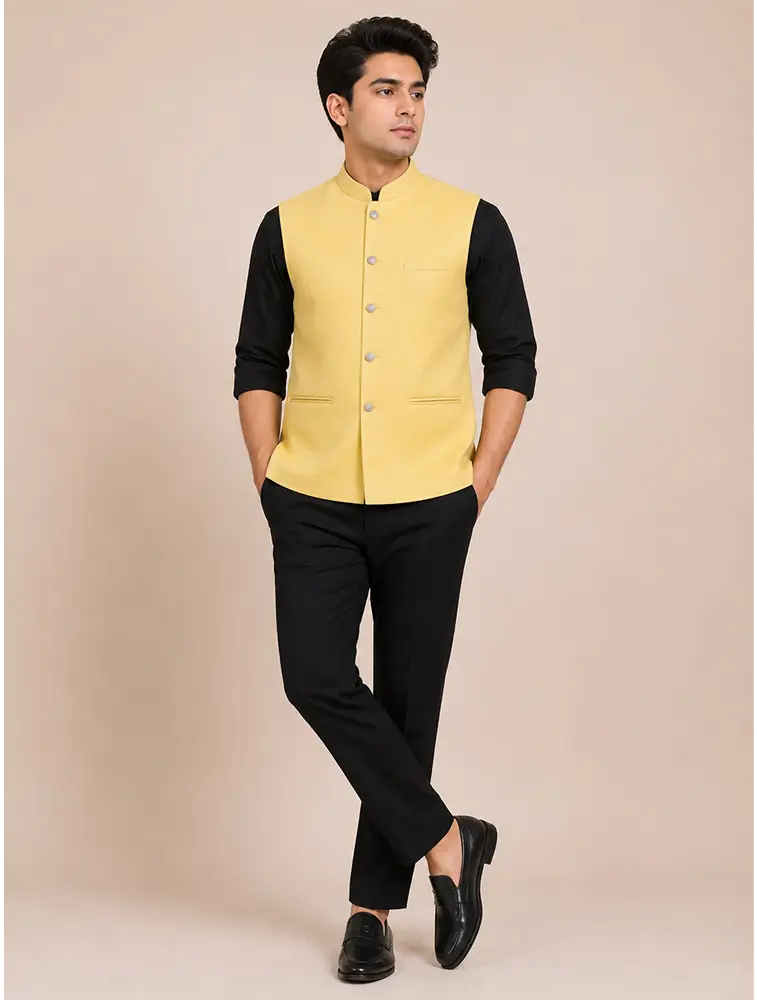
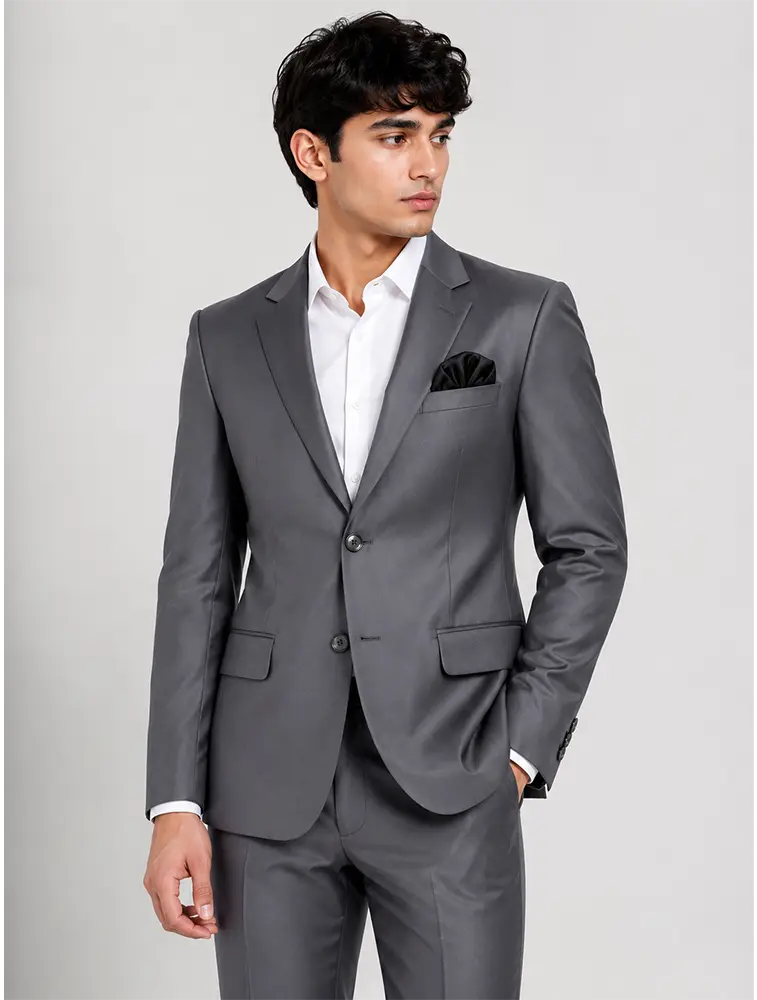
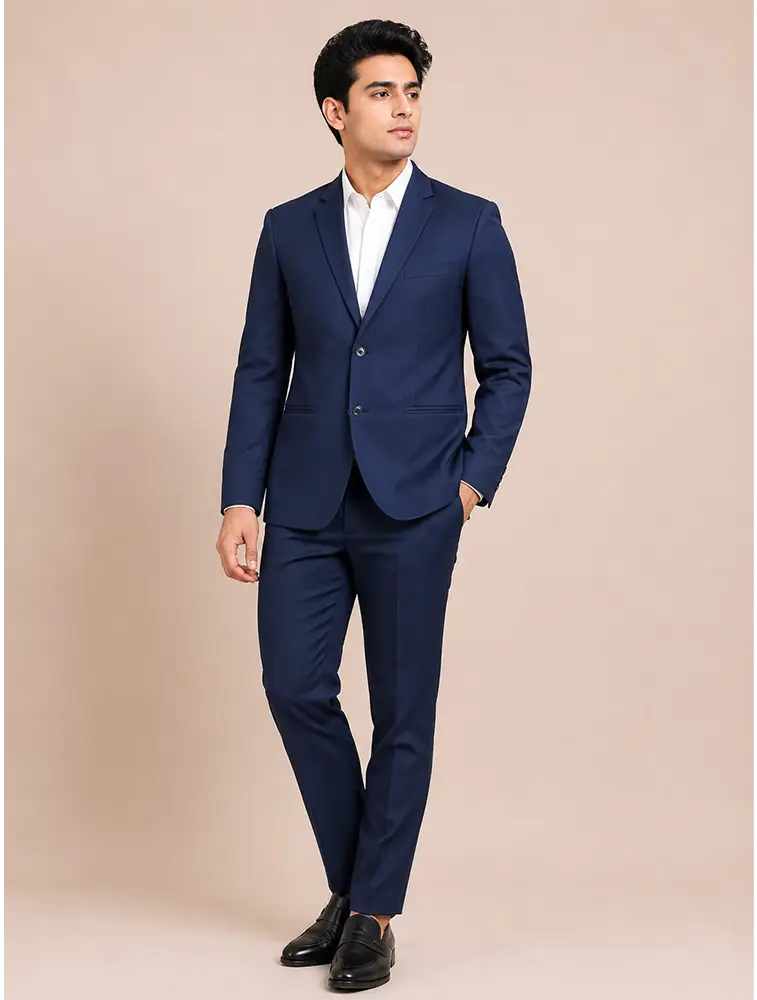
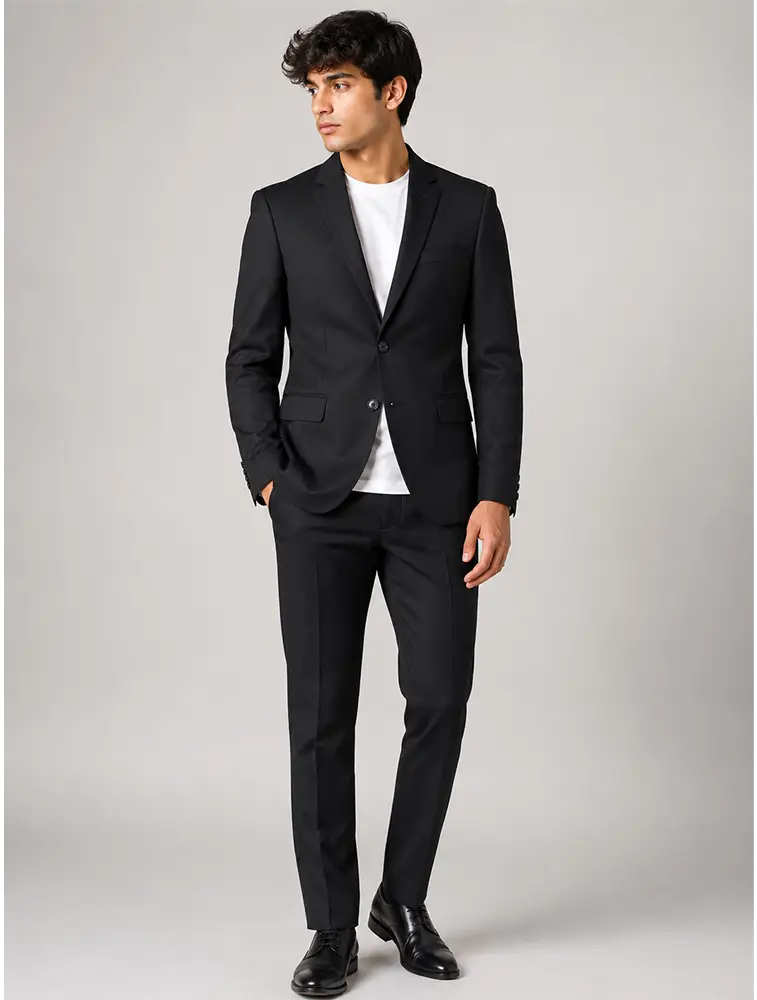
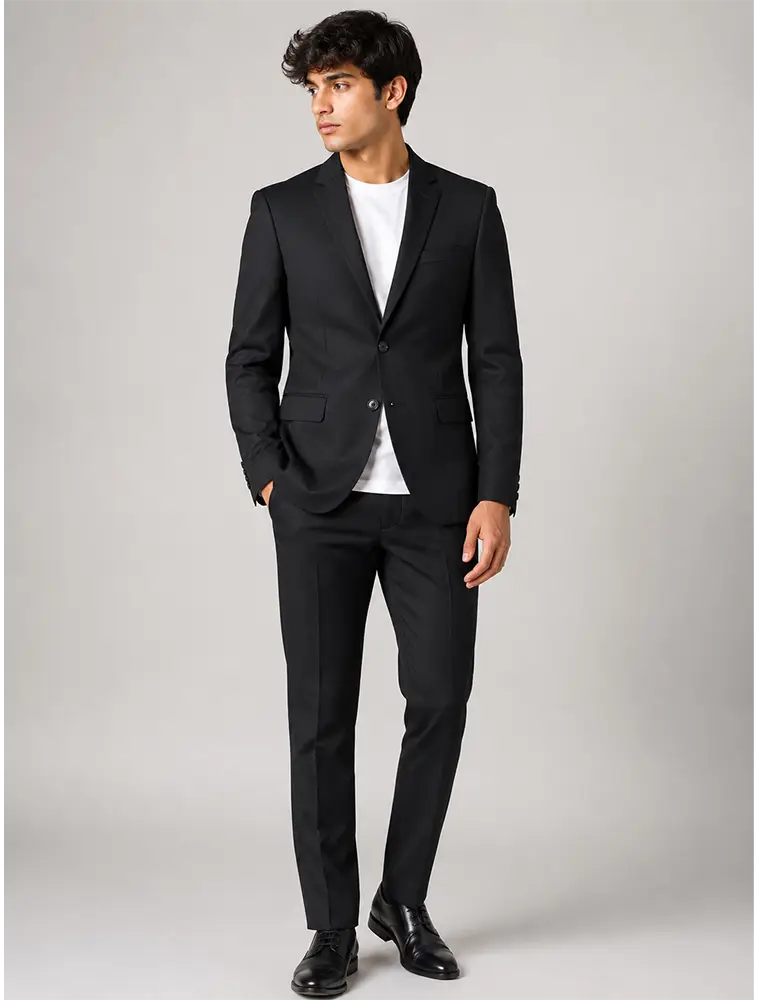
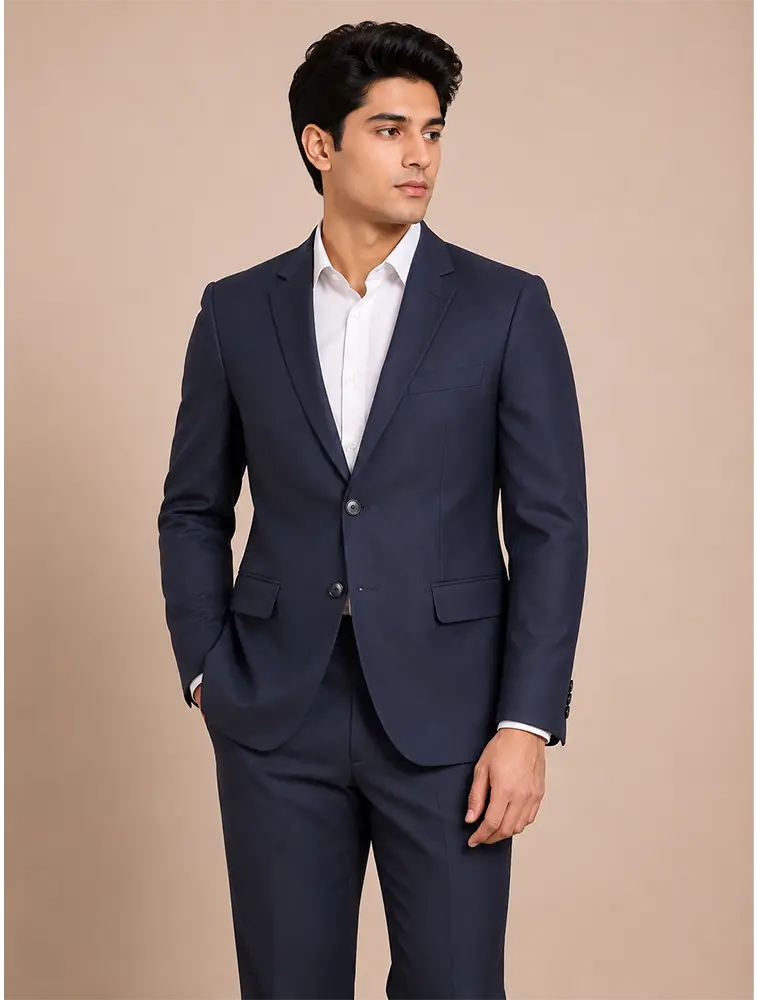
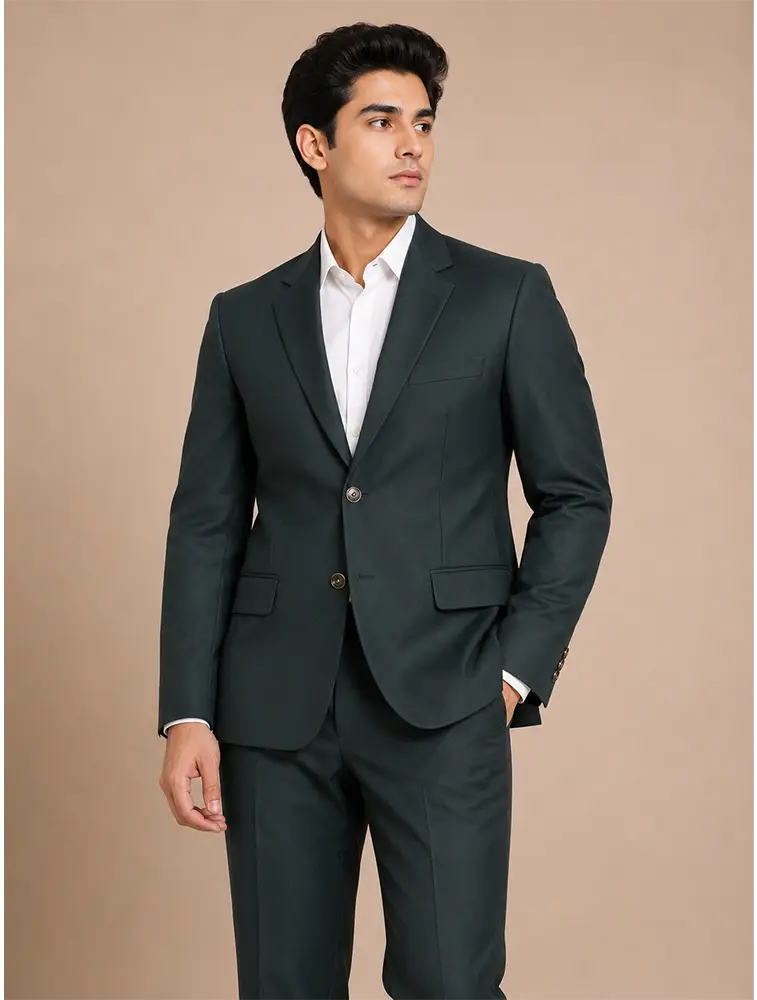
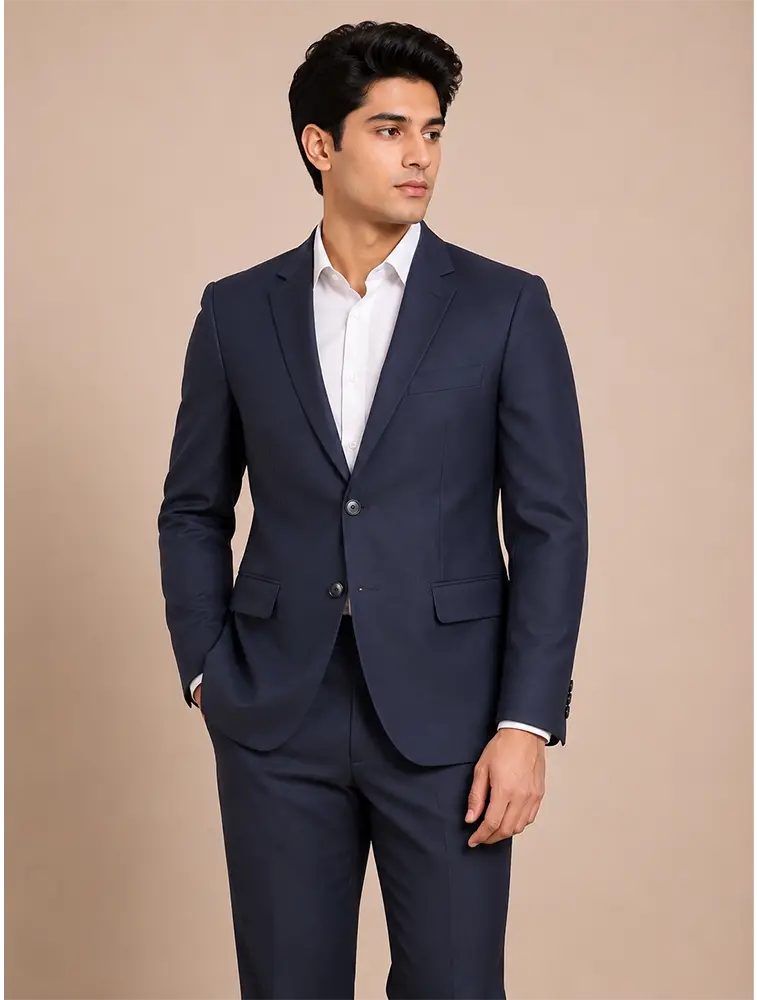
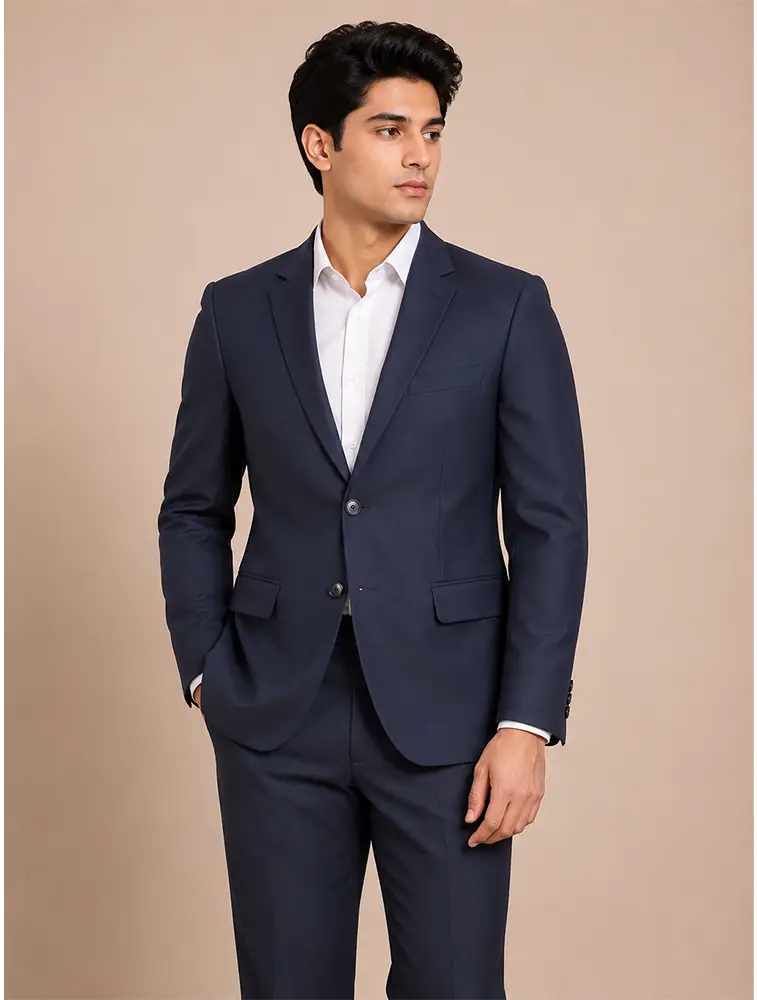
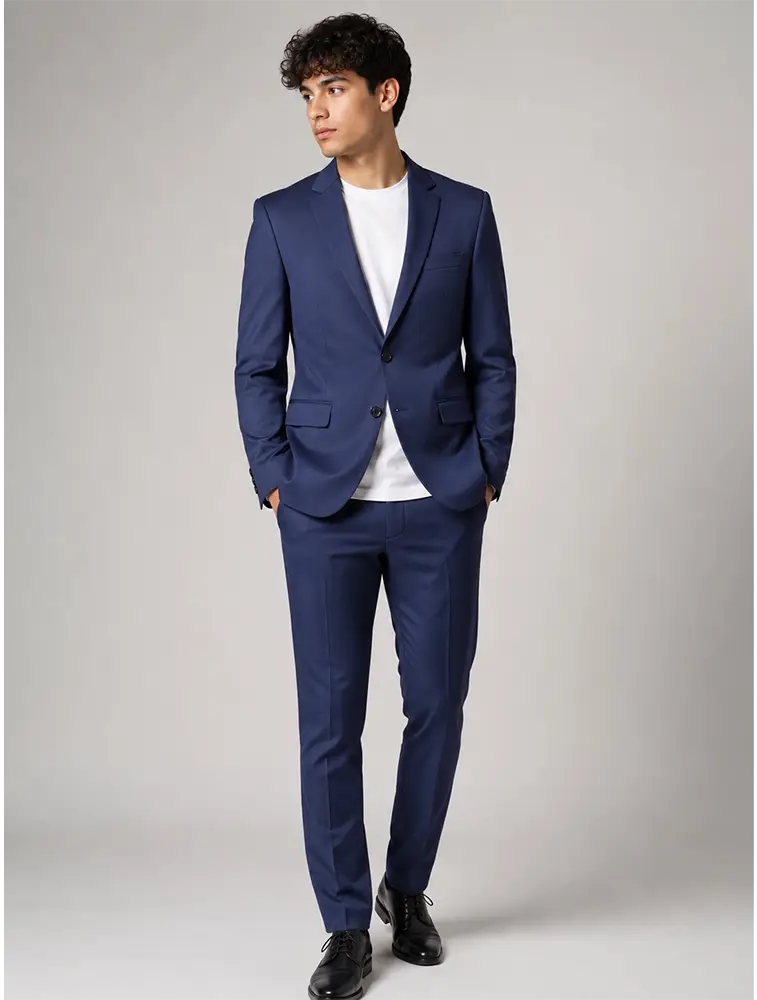
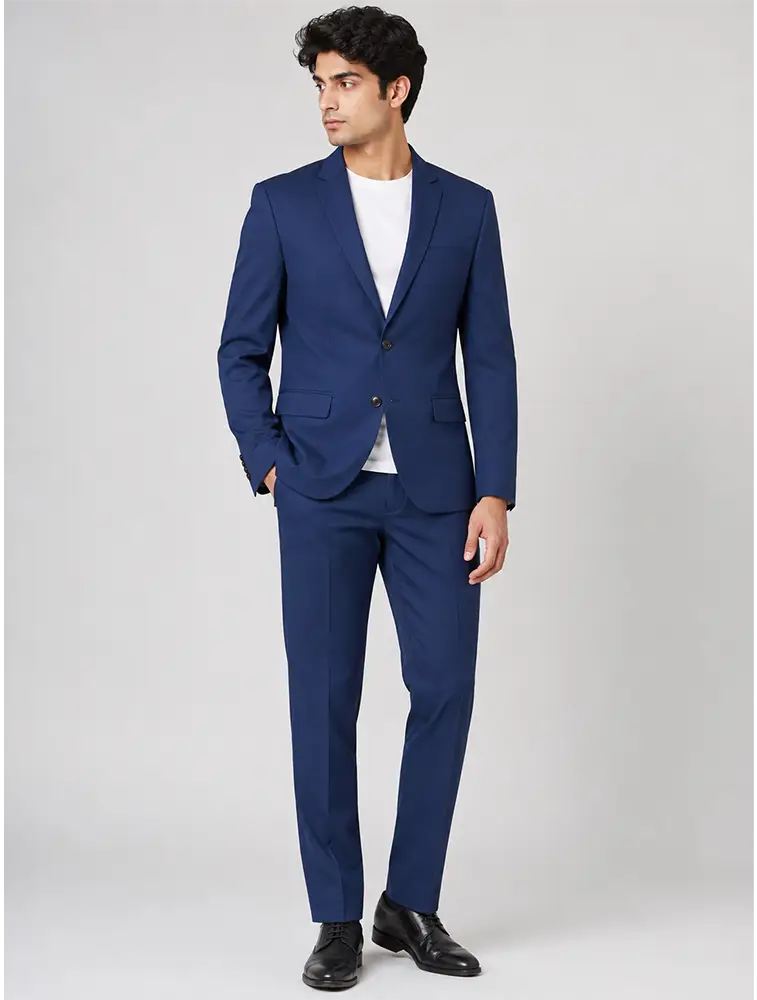
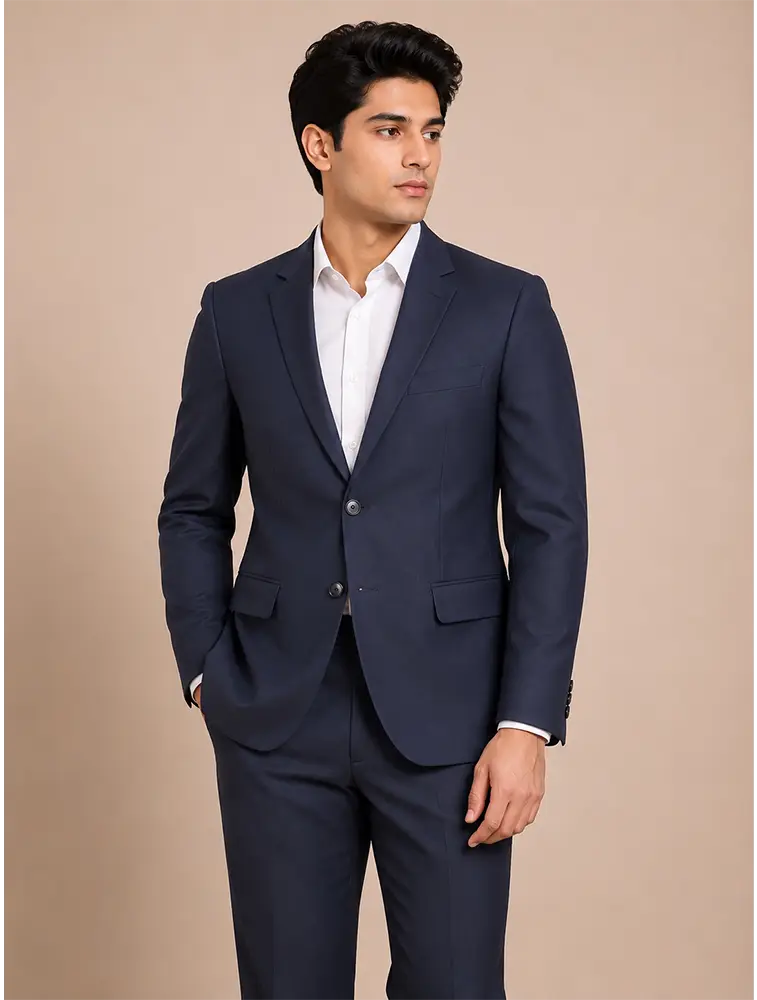
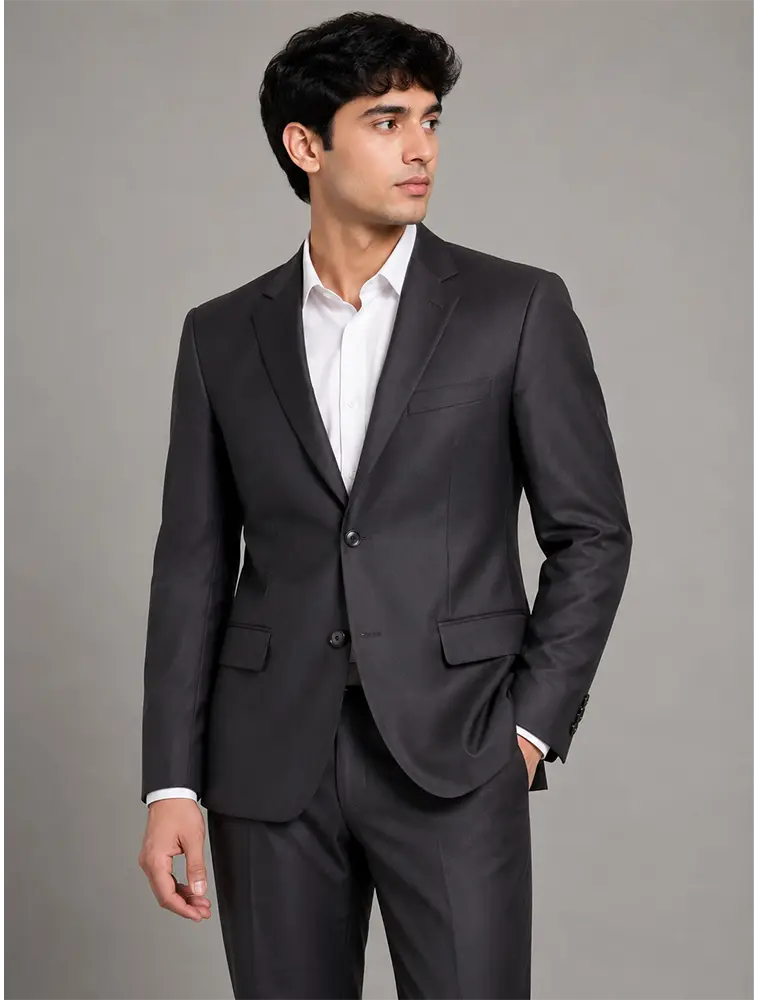
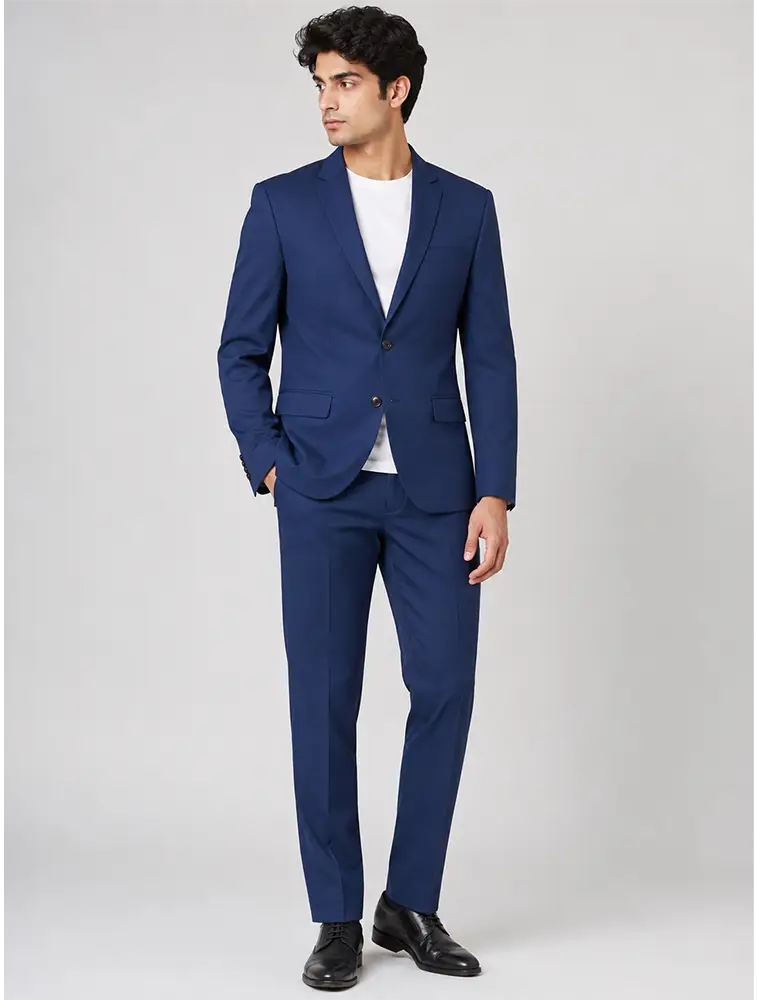
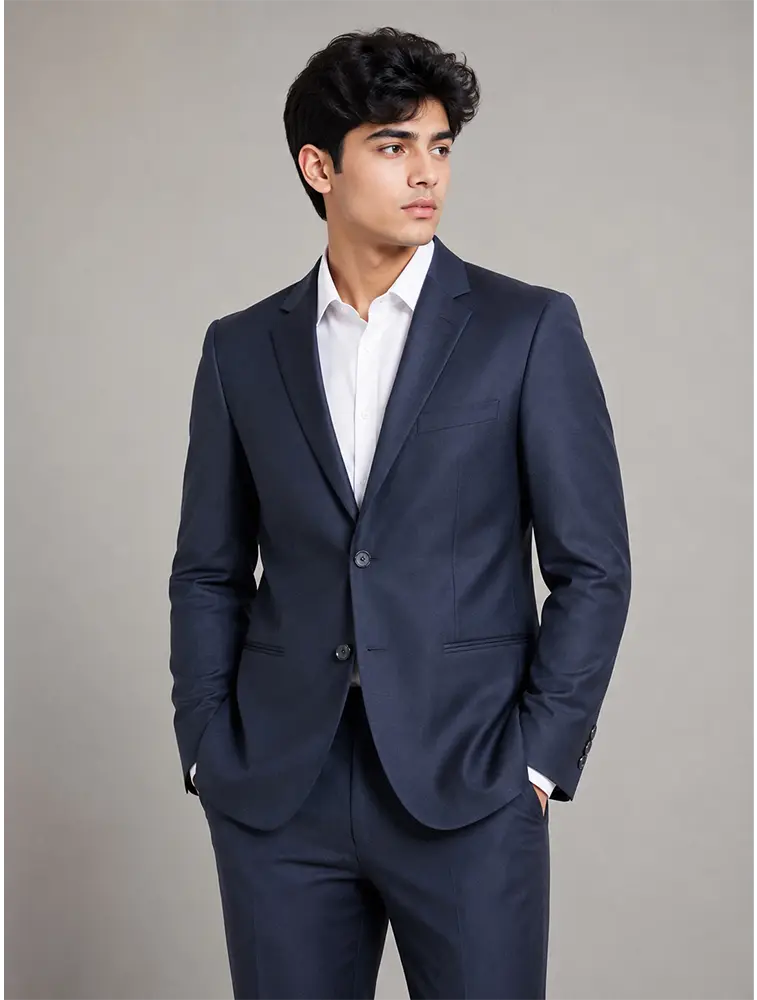
Bulk blazers & waistcoats for every use case
Brand-ready blazers & waistcoats for corporate, retail, uniforms and large custom programmes — sourced across partner factories with published prices.
Corporate & events
Brand-ready blazers & waistcoats for offsites, launches and conferences.
Get quote →
Uniforms & programmes
Consistent supply for schools, factories and frontline teams.
Corporate uniforms →
Own brand / resale
Unbranded or private-label stock for retail brands.
Launch your store →
Large custom runs
Contract manufacturing for high-volume programmes.
Contract manufacturing →Bulk blazers & waistcoats — frequently asked questions
Can a bulk supplier publish a branded stretch-fibre name as the fabric on a blazer listing?
Only under licence, and only with the mark written the way its owner requires. The generic fibre name for the stretch component is elastane, established by ISO 2076. A brand name in a Fabric row without a percentage, a mill or a licence is a claim the buyer cannot check and the supplier may not be entitled to make.
What the listings publish today
Every sampled article on this page carries a single Fabric row, and it reads “Premium Lycra Blend” on all of them. The same words appear in the product name of all twenty listings, in the page title, in the H1 and in the packaging line “Package Contents: 1 Men’s Premium Lycra Blazer”. Nothing anywhere on a sampled page states a fibre percentage, a mill of origin, a yarn count, a fabric construction or a licence reference. The brand name is doing the entire job that a composition statement should be doing.
Who owns the name and what its owner requires
That name is a registered trademark and its owner publishes rules for using it. Those rules require the mark to be capitalised, to be followed by the registration symbol, to be followed by a generic descriptor such as brand, fiber, fabric or technology, and never to be hyphenated or abbreviated. The owner also states that its marks “can only be used with genuine fiber, fabric or finished garments purchased from its authorized mills and manufacturers”, and that a Trademark License Agreement is required. A supplier who has not bought the fibre from an authorised mill is not in a position to use the name at all.
The generic name a standard gives you
There is a neutral way to say the same thing. ISO 2076:2021, titled Textiles – Man-made fibres – Generic names, is the seventh edition of the international nomenclature for man-made fibre categories, published in November 2021. The generic name for the stretch fibre in question is elastane. Writing a composition as a percentage of elastane alongside the base fibre is accurate, is free of anyone else’s intellectual property, and is what a mill test report will use in any case.
What a composition line actually has to say
A blazer buyer needs four things the current row does not provide. The base fibre and its share, so polyester, viscose, wool or a blend of them, expressed as percentages that total one hundred. The elastane share, which in a suiting fabric is normally a low single-digit figure and materially changes drape and recovery. The construction, meaning whether it was woven or knitted. And the fabric weight, because a jacket cloth behaves entirely differently at the light and heavy ends of the suiting range.
What to put in the purchase order
Ask for the composition as percentages against the generic names, a mill fabric test report identifying the lot, and a written statement of whether any branded fibre is being supplied under a licence, with the licence or authorised-mill reference. If no licence exists, ask for the brand name to be removed from the listing, the product name and the packaging before your goods are labelled. This answer describes published standards and a trademark owner’s own published terms, and is general information rather than legal advice; take your own advice on your exposure as a buyer or reseller.
Buyer Takeaway:a brand name is not a composition. Ask for percentages against generic fibre names, and ask whether the branded name on the listing is licensed at all.
Trademark, Classification, Tax & ClaimsQueries Targetedbranded stretch fibre name blazer fabric row elastane ISO 2076 generic fibre name trademark licence
Is a stretch blazer classified under Chapter 61 or Chapter 62 of the customs tariff?
Chapter 61 for a knitted or crocheted cloth, Chapter 62 if it is not, and the catalogue states neither. The heading then splits four ways by fibre, so eight tariff items stay open on every article. Construction and composition together settle it, and this page publishes neither of them.
The two chapters and the two headings
Chapter 61 of the customs tariff is titled Articles of apparel and clothing accessories, knitted or crocheted. Chapter 62 is titled Articles of apparel and clothing accessories, not knitted or crocheted, and its Note 1 says the chapter applies only to made up articles of any textile fabric other than wadding, excluding knitted or crocheted goods. Heading 6103 covers men’s or boys’ suits, ensembles, jackets, blazers, trousers, bib and brace overalls, breeches and shorts, knitted or crocheted. Heading 6203 covers the same list of garments where the cloth is not knitted or crocheted. One word about the cloth decides which chapter you are in.
Then the fibre split, four ways
Inside either heading the jackets and blazers subheading divides by material. In Chapter 61 that gives 6103 31 00 of wool or fine animal hair, 6103 32 00 of cotton, 6103 33 00 of synthetic fibres, and 6103 39 for other textile materials, which itself opens into 6103 39 10 of silk, 6103 39 20 of artificial fibres and 6103 39 90 other. Chapter 62 mirrors it at 6203 31 00, 6203 32 00, 6203 33 00 and 6203 39. So two chapters multiplied by four material buckets leaves eight live possibilities.
What this page does not say
The Fabric row on every sampled article gives a brand name and the word blend. That is not a construction and it is not a composition. Nothing states woven or knitted. Nothing states a base fibre. One article publishes a Colour value that is actually the name of a knitted cloth, which hints at the answer on that listing but settles nothing for the rest. A classification cannot be built from a hint, and a customs officer will not accept one.
Why the open question costs money
Duty rates, export incentive schedules, rules of origin and the drawback tables all attach to the eight-digit tariff item, not to the word blazer. An importer who declares the wrong chapter faces reclassification, differential duty, interest and, in some jurisdictions, a penalty. A domestic buyer feels it too, because the same code drives the tax classification, the e-invoice line and the customer’s own input records. Getting it wrong on a first order and right on the second creates a mismatch that has to be explained.
What to ask for before you order
Ask for one line per article: construction stated as woven or knitted, composition stated as percentages against generic fibre names, and the eight-digit tariff item the supplier will declare. Ask for the mill fabric report that supports the composition. If you are exporting, ask for the classification in writing on the proforma invoice so it can be checked before goods move. This answer summarises published tariff text and is general information rather than legal advice; take your own advice on classification for your specific consignment.
Buyer Takeaway:knitted or woven picks the chapter, fibre picks the subheading, and this catalogue publishes neither. Get the eight-digit item in writing before the first shipment.
Trademark, Classification, Tax & ClaimsQueries Targetedblazer HSN 6103 6203 knitted crocheted chapter 61 62 fibre split classification india export
What GST rate applies to a blazer priced close to Rs 2,500 per piece?
Five per cent up to Rs 2,500 per piece and eighteen per cent above it, with the twelve per cent slab removed from 22 September 2025 on the 56th GST Council decision. The dearest ladder on this page opens at Rs 2,475 for a first order. That is twenty-five rupees of headroom, and a surcharge crosses it.
The rate structure as it now stands
From 22 September 2025 articles of apparel and clothing accessories are taxed at five per cent where the value does not exceed Rs 2,500 per piece and at eighteen per cent where it does. The earlier structure had three bands, five per cent up to Rs 1,000, twelve per cent between Rs 1,000 and Rs 2,500, and eighteen per cent above that. The 56th GST Council removed the middle slab. The threshold is expressed per piece, not per invoice and not per carton.
Where this catalogue sits against the line
Three price ladders are published here. The lowest runs Rs 1,650 for one hundred to nine hundred and ninety-nine pieces, Rs 1,618 from one thousand, and Rs 1,568 from ten thousand. The middle runs Rs 1,980, Rs 1,941 and Rs 1,881. The top runs Rs 2,475, Rs 2,426 and Rs 2,351. Every one of those figures is under the threshold, so on the published price alone every article on the page is a five per cent article. The top ladder is under it by the narrowest margin in the catalogue.
What tips an article over the line
Anything that raises the per-piece value. A logo embroidered on the chest. A woven neck label and a size label. A change of lining. A contrast collar. A larger size in a size run, if the supplier surcharges it. A garment bag instead of a polybag. Each of those is normal in a corporate blazer programme, and on the top ladder the whole of the available headroom is smaller than most of them. The consequence is not a small one: the tax on that piece more than triples.
What this does to a comparison
Two quotes can look almost identical on the tile price and differ sharply on the landed cost, because one lands just under the line and one just over. A buyer comparing a first order of one hundred pieces on the top ladder against a competitor at a slightly higher base price should compare the tax-inclusive figure, not the tile. The same logic runs the other way: a supplier who can hold a customised piece under the threshold is worth more than a supplier who cannot, and the difference is worth asking about explicitly.
What to ask for in the quote
Ask for the per-piece taxable value after every surcharge, stated separately from the base, and the rate the supplier will apply. Ask whether customisation is invoiced as part of the garment value or as a separate service line, because that choice moves the per-piece value. Ask for the HSN on the invoice line. This answer describes a published rate structure and is general information rather than tax or legal advice; take your own advice on the treatment of your specific order.
Buyer Takeaway:the top ladder opens twenty-five rupees under a threshold where the rate more than triples. Price the customisation before you assume the rate.
Trademark, Classification, Tax & ClaimsQueries Targetedgst rate blazer 2500 per piece 5 percent 18 percent apparel september 2025 56th council
What does the word “premium” on a bulk blazer listing have to be able to prove?
It has to rest on something a buyer can check. The Guidelines for Prevention of Misleading Advertisements and Endorsements, 2022, issued by the Central Consumer Protection Authority on 10 June 2022, require claims to be substantiated rather than exaggerated. On this page the word appears in every product name and nothing measurable sits behind it.
Where the word appears
All twenty product names carry it. It appears in the page title, in the H1 and in the Fabric row, which reads “Premium Lycra Blend”. It also appears in the packaging line. It is the single most repeated adjective in the category, and it is the only quality signal a visitor gets before the specification table loads.
What the guidelines require
The 2022 guidelines were issued by the Central Consumer Protection Authority under section 18 of the Consumer Protection Act, 2019. They set out that an advertisement should contain substantiated rather than unsubstantiated claims, should avoid exaggerated promises and false information, should respect the consumer’s right to information, and should not hide material information behind a disclaimer or set a disclaimer in a smaller font or a different language from the claim itself. The point is not that superlatives are forbidden. The point is that they have to be capable of support.
What would support it here
For a tailored jacket the supporting evidence is ordinary and easy to publish. A fabric composition with percentages. A fabric weight. A construction, woven or knitted. A colourfastness result to washing, rubbing and light. A dimensional stability result after the stated care process. A statement on the lining and on whether the front is fused or canvassed, because that single choice separates a jacket that keeps its shape from one that bubbles at the lapel. Any two of those would turn the adjective into a position. None of them is published.
What is at stake if a claim is challenged
The guidelines carry consequences. The Authority may impose a penalty of up to Rs 10 lakh on a manufacturer, advertiser or endorser for a misleading advertisement and up to Rs 50 lakh for a subsequent contravention, and may prohibit an endorser from making endorsements for one year, extending to three years for a repeat. For a reseller or a brand that republishes a supplier’s copy, the exposure travels with the copy. That is a reason to ask for evidence at the sourcing stage rather than after a listing goes live under your own name.
What to ask for
Ask what specific attribute the word refers to on each article, and ask for the test result that demonstrates it. If the answer is that it refers to the fabric, ask for the mill report. If it refers to the make, ask for the construction detail and a photograph of the inside of the jacket. If no evidence exists, ask for the adjective to be dropped from the listings you will republish. This answer describes published guidelines and is general information rather than legal advice; take your own advice before relying on a supplier’s copy.
Buyer Takeaway:the most repeated word in the category is the least evidenced. Ask which attribute it names, then ask for the report that proves it.
Trademark, Classification, Tax & ClaimsQueries Targetedpremium claim blazer listing CCPA misleading advertisement guidelines 2022 substantiation penalty
What declarations must appear on the polybag of a pre-packed blazer sold in bulk?
The declarations set out in Rule 6 of the Legal Metrology (Packaged Commodities) Rules, 2011, laid out as Rule 9 requires and with the address shown as Rule 10 requires. This page publishes a packaging type, a package weight and package dimensions, which is more than most categories manage, and none of the statutory declarations.
What the page does publish
Every sampled article carries a packaging block, and it is a real one. It states “Packaging Type: Protective Polybag with Corrugated Shipping Box”, that the garment is folded and packed, a package weight of approximately 800 to 1000 g varying by size, and package dimensions of approximately 40 x 30 x 8 cm. A published package weight is a first in this programme and it is genuinely useful, because it lets a buyer estimate freight before asking anyone. It is not, however, a net quantity declaration.
What Rule 6 asks for
Rule 6(1) of the Legal Metrology (Packaged Commodities) Rules, 2011 lists the declarations a pre-packed commodity must carry. In substance they are the name and complete address of the manufacturer, packer or importer; the common or generic name of the commodity; the net quantity; the month and year of manufacture, packing or import; the retail sale price as a maximum inclusive of all taxes; and a consumer- care contact, being a name, address, telephone number and where available an email for consumer complaints. Rule 6(2) deals with how those declarations are grouped.
How they have to look
Rule 9 governs presentation. The declarations must be legible and prominent, in a colour that contrasts with the background, in Hindi or English, and they carry a minimum letter height, generally one millimetre, rising to two millimetres where the lettering is moulded or embossed on the container. Rule 10 requires the name and complete address to be displayed conspicuously. A declaration that is technically present but printed grey on a clear polybag does not satisfy the rule.
What is missing here
No sampled product page shows a manufacturer or packer name in the specification table, a net quantity, a month and year of packing, or a consumer-complaint contact. The corporate identity of the platform operator appears in an answer in the live question block at the foot of the category page, which is a different thing from a declaration on a pack. For a buyer who will resell, the gap matters most at the point where the goods reach a shelf or a gate inspection.
What to settle before despatch
Agree who prints the declarations and on which layer, because the polybag and the corrugated shipping box are treated differently. Agree the exact text, including the net quantity expression and the address format. Ask for a photograph of a finished pack from the first production lot rather than a mock-up. If the goods will be relabelled under your own name, agree who is the declared packer. This answer summarises published rules and is general information rather than legal advice; take your own advice on the declarations your organisation is responsible for.
Buyer Takeaway:a real packaging description is published and no statutory declaration is. Agree the pack artwork before the first lot, not after it.
Trademark, Classification, Tax & ClaimsQueries Targetedlegal metrology packaged commodities rules 2011 rule 6 rule 9 rule 10 garment polybag declarations blazer
What does “Premium Lycra Blend” actually tell a buyer about the fabric?
Almost nothing that can be tested. It names one component, gives no percentage for it, no partner fibre, no fabric weight, no construction and no yarn count. A composition line has to carry percentages by mass in descending order. Without those numbers, two suppliers can print the same three words over completely different cloth.
What the Fabric row says on every sampled page
The specification table on each article carries a Fabric row, and on every page we sampled it reads “Premium Lycra Blend”. That is the whole of the fabric disclosure. It appears again inside the product name of all twenty listings, in the page title and in the H1. The description paragraph adds “Crafted from a premium Lycra blend” and “The stretchable fabric ensures ease of movement while maintaining a sharp, structured silhouette”. Those are the only sentences about cloth on the page. Nothing states what the other component of the blend is, and a blend by definition has at least two.
The four numbers a blazer buyer is actually asking for
A tailored jacket is bought on four fabric figures and this catalogue publishes none of them. The first is composition by mass, expressed as percentages that sum to one hundred, listed in descending order, using generic fibre names. The second is fabric weight in grams per square metre, which for a jacket- weight cloth separates a summer-weight shell from a three-season one. The third is construction, stated as woven or knitted, and if woven then the weave. The fourth is yarn count or the two-fold or single statement. Those four lines take one row of a table and they decide how the garment drapes, how it presses and how it wears at the elbow.
Why the missing percentage matters more here than usual
Stretch in a suiting cloth comes from an elastane component, and the proportion is small by design. A jacket cloth with a low single-digit elastane content behaves like a suiting with recovery. Push the elastane proportion up and the cloth begins to behave like a knit: it grows at the seat and elbow, it resists a clean press, and the fusible interlining a jacket needs starts to fight the ground fabric. The word “blend” covers both of those cloths. Only a percentage separates them, and the buyer is the one who finds out which one arrived.
What the description paragraph does and does not support
The description says the fabric is stretchable and that the silhouette is structured. Both are ordinary product copy. Neither is a specification, because neither can be failed. There is no stretch percentage, no recovery figure after a stated number of cycles, no test method named, no growth limit and no dimensional stability figure after cleaning. If a buyer wants the jacket to still fit after a season, growth and recovery are the two numbers that decide it, and both are absent.
How to close the gap before you order
Ask for a composition statement in generic names with percentages by mass, a fabric weight in grams per square metre with the test method named, a woven or knitted statement, and a dimensional stability figure after the cleaning method the care instruction specifies. Ask for a cut length of the actual production cloth, not a swatch card. Put the four figures in the purchase order as acceptance criteria with a tolerance against each. Where a claim touches labelling law or a licensed trade name, take your own professional advice before you sign, because the person who publishes the label carries the consequence.
Buyer Takeaway:three words in a Fabric row are a marketing line, not a specification. Insist on percentages by mass, grams per square metre, woven or knitted, and a dimensional stability figure, and write all four into the order.
What The Page PublishesQueries Targetedpremium lycra blend blazer fabric composition percentage GSM weave yarn count what it means
A blazer listing shows only size 40. What is a bulk buyer supposed to measure against?
Nothing, as published. A bare number is a size code, not a measurement. For a jacket the international size designation standard makes chest girth the primary dimension and requires the numerical values to appear with descriptive words. This catalogue publishes one number per listing and no body measurement anywhere.
What each article actually publishes
Every sampled product page carries a single size. One article shows “40”, another shows “36”, and there is no size selector offering a range. No page publishes a chest measurement, a jacket length, a sleeve length, a shoulder width or a waist figure. There is no measurement chart, no tolerance table and no statement of whether the number refers to a body measurement or to a finished garment dimension. Those two readings differ by the ease built into the pattern, which on a tailored jacket is several centimetres.
What the size designation standard requires
ISO 8559-2:2017, Size designation of clothes, Part 2, Primary and secondary dimension indicators, is the current instrument, and it cancelled and replaced the older men's outerwear standard ISO 3636:1977, which was withdrawn on 28 February 2017. For a jacket it sets chest girth as the primary dimension, with height, waist girth and back shoulder width as secondary indicators. On labelling it says the designation shall appear clearly, conspicuously and in plainly legible form on a label, that ranges are expressed as minimum and maximum in centimetres, that pictograms are preferred, and that the numerical values of the primary and secondary dimensions shall be given together with descriptive words such as chest girth and waist girth.
Why the bare number breaks a bulk order
Size 40 in one house is a ninety-eight centimetre chest and in another it is a hundred and two. Across a thousand-piece corporate rollout, a two-centimetre drift in the chest and a one-centimetre drift at the shoulder produce a rejection rate that nobody budgeted for, because the garments are individually issued to named people. A size code with no measurement behind it also makes a size ratio impossible to plan. You cannot decide how many of each size to order when you do not know what any of them measures.
What a usable size chart looks like
A jacket chart needs, for every size offered, the chest girth as a body measurement with a stated tolerance, the finished garment chest, the back length from the high point of the shoulder, the sleeve length from the shoulder seam, the back shoulder width and the waist girth. It should say whether the figures are body or garment measurements, name the measuring points, and state the tolerance for each. Six columns and one sentence of definition are enough. Nothing on this page carries any of them.
What to require before the order is placed
Ask for the full graded size set with chest girth expressed in centimetres against every code, a clear statement of body versus finished garment, a tolerance per measuring point, and a photographed measuring protocol so your inspector measures where the maker measured. Ask for two sealed size samples at the extremes of your range and approve those in writing before bulk cutting. Where sizing appears on a label that must satisfy a labelling rule in your market, take your own professional advice, because the label is a legal statement and not only a fitting aid.
Buyer Takeaway:a single unexplained number is not a size. Demand chest girth in centimetres against every code, a body-versus-garment statement and a tolerance per point, then seal two size samples before bulk cutting.
What The Page PublishesQueries Targetedblazer size 40 chest girth ISO 8559-2 size designation primary dimension measurement chart bulk
What is missing from these listings about the construction inside a blazer?
The entire inside of the garment. No lining, no interlining, no fusing or canvas statement, no shoulder construction, no seam allowance and no thread specification. A blazer is more inside than outside, and the twelve published rows describe only the outside.
What the twelve rows do cover
The specification table is the richest in this programme, and it is worth saying so plainly. It carries Product Name, Color, Gender, Fit, Fabric, Sleeve Length, Neck Style, Closure, Pockets, Occasion, Season and Care Instructions. The Pockets row is unusually good: “One Chest Welt Pocket, Two Front Flap Pockets, Two Inner Pockets” is a real construction detail and it is rare in this trade. The Closure row states “Single- Breasted, Two-Button Closure” and the Neck Style row states “Notched Lapel Collar”. Those are genuine and usable. Everything they describe is visible from two metres away.
The lining question
No row says whether the jacket is fully lined, half lined or unlined, what the lining is made of, or whether the sleeves are lined at all. Lining decides how the jacket goes on over a shirt, how it breathes in an Indian summer, and how it survives a dry-cleaning cycle: a lining that shrinks at a different rate from the shell puckers the hem permanently and no pressing recovers it. Two inner pockets are listed, which means there is a lining, but nothing states what it is.
Fusing against canvas, and why the difference is the garment
The front of a tailored jacket is given its shape either by a fusible interlining bonded to the shell with heat and pressure, or by a floating canvas stitched in. A fused front is cheaper and faster and is entirely acceptable at a corporate price point, but it can delaminate, which shows as bubbling across the chest after cleaning. A canvassed front moulds to the wearer and survives cleaning better. Nothing on the page says which of these the jacket is, and there is no bond strength figure and no delamination test reference. For a garment carrying a dry-clean instruction, that omission is significant.
Shoulders, seams and thread
There is no statement about shoulder pads or their thickness, about the sleeve head or wadding, about the shoulder line being natural or roped, about seam allowances at the side and back seams, or about whether inlays have been left for alteration. For a corporate order where individuals will need small adjustments, the inlay allowance decides whether alteration is possible at all. Thread type, stitch density per centimetre and button attachment are all unstated, and buttons on a two-button closure are the first thing to fail in daily wear.
The construction sheet to ask for
Request a written construction specification covering lining type and coverage, sleeve lining, interlining type with a fused or canvassed statement and a bond strength result if fused, shoulder pad specification, sleeve head treatment, seam allowance and inlay at the named seams, stitch density, thread type and button attachment method. Ask for one cut-open sample so your technician can see the inside. Where any of this interacts with a claim you will make in your own tender documents, take your own professional advice before repeating a supplier statement as your own.
Buyer Takeaway:the twelve rows describe the outside of the jacket only. Get a written construction sheet covering lining, interlining, shoulders, inlays and stitch density, and cut one sample open before you commit.
What The Page PublishesQueries Targetedblazer lining fusible interlining canvas construction shoulder pad seam allowance not published
Is the price on a blazer tile what a first bulk order of one hundred pieces pays?
No. Every tile price is the top-tier figure for ten thousand pieces and above. Each product page publishes a three-step ladder and a hundred-unit minimum, so a first order pays the first rung. The three ladders start at Rs 1,650, Rs 1,980 and Rs 2,475 against tile prices of Rs 1,568, Rs 1,881 and Rs 2,351.
The three ladders exactly as published
Every sampled product page carries the same three quantity bands: one hundred to nine hundred and ninety-nine pieces, one thousand to nine thousand nine hundred and ninety-nine, and ten thousand and above. The cheapest group runs Rs 1,650, then Rs 1,618, then Rs 1,568. The middle group runs Rs 1,980, then Rs 1,941, then Rs 1,881. The dearest group runs Rs 2,475, then Rs 2,426, then Rs 2,351. Each page also prints “Minimum Order Quantity - 100 Units”. Publishing the whole ladder with its break points is genuinely good disclosure and most suppliers in this trade do not do it.
What the category headline says against what the ladder says
The page title and the H1 both lead on the lowest figure per piece, and the category paragraph repeats it. That figure is the ten-thousand-piece rung. A buyer ordering the published minimum of one hundred pieces pays the first rung on whichever group the article sits in. The gap between the headline and the first rung is a little over five per cent on each of the three ladders. Across a thousand-piece order that is a real number, and it is the single most common surprise in this trade.
The step where the saving actually lands
Read the three rungs and the shape is clear on all three ladders: the move from the first band to the second saves about two per cent, and the move from the second to the third saves about three per cent more. The bulk of the saving therefore sits at the ten-thousand-piece break, not at the one-thousand break. For a corporate buyer sizing a rollout, that matters: consolidating two departments into one order to cross a thousand pieces buys very little, while a genuine ten-thousand-piece commitment buys the headline. Decide which of those you are actually doing before you budget.
What the ladder still does not cover
The published rungs are for the article exactly as listed, and nothing on the page states what customisation costs. There is no branding charge, no embroidery or woven-label rate, no size surcharge for larger sizes, no lining change cost, no sample charge, no packaging variation, no freight and no tax treatment. On a tailored garment those additions are not trivial, and one of them matters more here than anywhere else in this catalogue, because the top ladder sits a few rupees under a tax threshold.
How to get a price you can actually budget
Ask for a quotation against your real first quantity, not the headline. Require it to be itemised: garment ex- works, branding per piece by method, size surcharge if any, sample cost and whether it is credited, packaging, freight to your delivery point, and the tax rate applied per piece with the reason. Ask for the price validity period in writing, because a cloth with a licensed component is exposed to input price movement. Where the tax rate depends on the per-piece value, take your own professional tax advice, because the classification decision is yours to defend.
Buyer Takeaway:the tile shows the ten-thousand-piece price. A hundred-piece first order pays Rs 1,650, Rs 1,980 or Rs 2,475, and the real saving sits at the ten-thousand break, not the thousand.
ProcurementQueries Targetedblazer bulk price ladder 100 pieces MOQ tile price quantity tier first order cost
What should a purchase order for bulk blazers specify that this page leaves open?
Nine blocks: fabric with percentages and weight, construction inside the jacket, a graded measurement chart, colour with a fastness figure, care labelling as symbols, branding method and position, packaging and the declarations on it, classification and tax treatment, and the inspection standard the delivery is judged against.
Fabric and construction
Specify composition in generic fibre names with percentages by mass in descending order, fabric weight in grams per square metre with the test method, woven or knitted stated explicitly, and dimensional stability after the cleaning method you will actually use. Then specify the inside: lining type and coverage, interlining with a fused or canvassed statement, shoulder construction, seam allowance and inlay at named seams, stitch density and thread type. Where a licensed trade name appears anywhere in the description, require the licence position in writing from the party that printed it.
Measurements and colour
Attach a graded chart giving chest girth for every size code in centimetres, with back length, sleeve length, back shoulder width and waist girth, each with a tolerance and a named measuring point, and state whether the figures are body or finished garment. For colour, name the reference against a recognised colour system rather than a word, and set a fastness requirement to washing, to rubbing both dry and wet, to perspiration and to light, each with the test method and the minimum grade. “Navy Blue” across four listings is not a colour reference a second production run can be matched to.
Care labelling and branding
Require care instructions as the symbol set rather than as a sentence. IS 14452:2009, which is identical to ISO 3758:2005, sets five symbols in the fixed order washing, bleaching, drying, ironing and professional textile care, and requires the label to be permanently affixed so it can be easily located and read. A page that publishes “Dry Clean Only” as words has not told you what will actually be sewn in. For branding, specify method, exact position with a measurement from a named seam, size, colour reference, and whether it appears on the outside, on the lining or on a woven label, and require a signed strike-off before bulk.
Packaging, declarations and tax
The packaging block on these pages is unusually good and worth building on: it names a protective polybag with a corrugated shipping box, states the garment is folded and packed, gives a package weight of approximately 800 to 1000 g varying by size, and gives package dimensions of approximately 40 x 30 x 8 cm. Extend it into pieces per carton, carton weight, carton marking and a hanging or flat-pack decision. Separately, specify what must be printed on the pack, because nothing on these pages declares manufacturer or packer, net quantity, month of packing or a consumer complaint contact.
Classification, inspection and acceptance
Require the tariff item in writing with the reason, since the item cannot be determined from what is published, and require the per-piece taxable value and the rate applied. Set the inspection standard: the sampling plan, the acceptable quality level for critical, major and minor defects, and who inspects and where. Name the remedy for a failed lot. Take your own professional advice on the classification and labelling positions before you sign, because the buyer named on the documents defends them, not the supplier who supplied the wording.
Buyer Takeaway:nine blocks turn a catalogue tile into an enforceable order. Fabric, construction, measurements, colour fastness, care symbols, branding, packaging and declarations, classification and tax, and the inspection standard.
ProcurementQueries Targetedblazer purchase order specification sheet bulk tender checklist B2B what to specify
What does a “Dry Clean Only” blazer cost an organisation over a uniform programme?
Far more than the garment. The Care Instructions row reads “Dry Clean Only” as words, not symbols, on every sampled page. Over a multi-year issue that instruction sets a recurring cleaning cost the buyer pays, decides how often the jacket is actually cleaned, and governs how the shell and lining age together.
What the page publishes and what it omits
Every sampled specification table carries a Care Instructions row and every one of them reads “Dry Clean Only”. Having the row at all is better than most categories in this catalogue manage. What is absent is everything that makes the instruction actionable: no solvent type, no temperature or mechanical action limit, no statement on whether the lining and shell tolerate the same treatment, no pressing guidance, and no indication of what happens to the interlining after repeated cycles.
What the care labelling standard requires
IS 14452:2009, Textiles, Care Labelling Code Using Symbols, published in September 2009 and identical to ISO 3758:2005, is the instrument. It sets five symbols and fixes their order: washing shown by a washtub, bleaching by a triangle, drying, ironing, and professional textile care shown by a circle. Its clause on order states that the symbols shall appear in the order washing, bleaching, drying, ironing and professional textile care. Its clause on affixing requires labels to be permanently affixed to the textile material in such a way that they can be easily located and read. For professional care the standard uses letters inside the circle to denote the solvent type. A prose sentence on a web page carries none of that information and is not a label at all.
The arithmetic a programme manager has to do
A dry-clean-only jacket issued to staff who wear it daily needs professional cleaning on a regular cycle. Multiply the local cleaning charge by the number of cycles a year by the number of wearers by the number of years the garment stays in service, and the cleaning line frequently approaches or exceeds the purchase price over a three-year programme. That number belongs in the tender evaluation next to the unit price, because a cheaper jacket with a harsher care regime can be the more expensive decision. Nothing on this page lets a buyer compute it, because no alternative care route is offered or ruled out with evidence.
What happens when the instruction is ignored
Staff do not always follow a care label. A fused front that meets a domestic wash can bubble across the chest, a lining can shrink at a different rate from the shell and pucker the hem, and a pressed lapel roll can be lost permanently. Because the catalogue does not say whether the front is fused or canvassed, or what the lining is, a buyer cannot predict which failure mode applies. That is a warranty conversation you want to have before delivery rather than after.
What to require in the order
Require the care instruction as the five-symbol set in the standard order on a permanently affixed label, with the professional care solvent letter stated. Require a written test result for dimensional stability after the number of cleaning cycles your programme expects, covering shell and lining together, and a statement on interlining bond after those cycles. Ask whether a gentler route is validated, and if it is, ask for the evidence rather than the assurance. Where a care label is a labelling requirement in your market, take your own professional advice, since responsibility for the label sits with whoever puts the garment on the market.
Buyer Takeaway:price the cleaning, not just the jacket. Demand the five-symbol label in the standard order, a solvent letter, and a dimensional stability result for shell and lining after your expected number of cycles.
ProcurementQueries Targeteddry clean only blazer care label symbols IS 14452 corporate uniform whole life cost cleaning
Two blazer listings have identical specifications but different prices. Which one should a buyer take?
Neither, until the difference is explained in writing. Two articles on this page carry the same product name, the same twelve specification rows and the same description, and sit on different ladders, one at Rs 1,881 and one at Rs 2,351. If a specification cannot explain a price gap of about a quarter, the specification is incomplete.
The two listings side by side
SKUFACTORI9951 and SKUFACTORI9943 are both named “Navy Blue Mens Premium Lycra Blazer”. We compared their specification tables row by row and they match: Color, Gender, Fit, Fabric, Sleeve Length, Neck Style, Closure, Pockets, Occasion, Season and Care Instructions are identical strings. The product descriptions are the same boilerplate. The packaging blocks are the same. One sits on the middle price ladder and the other on the top ladder. Nothing published on either page states a reason.
How wide the pattern goes
This is not a single stray listing. The name “Navy Blue Mens Premium Lycra Blazer” appears on four separate articles across two different price ladders. “Royal Blue Mens Premium Lycra Blazer” appears on five articles. “Navy Blue Matty Mens Premium Lycra Blazer” appears on two. Twenty articles on this page resolve to a much smaller number of distinct published descriptions. From the buyer's side the catalogue looks like one product priced several ways.
What is probably different and why it should be published
In practice a price gap of this size on a tailored jacket comes from something real: a heavier or different cloth, a canvassed rather than fused front, a better lining, a different button, more inlay for alteration, or simply a different factory. Every one of those is a legitimate reason to charge more and every one of them is a selling point. Leaving them unpublished converts an advantage into a suspicion, and it also means the sort-by-price control on the category page cannot help the buyer, because sorting a list where the same name appears at two prices tells them nothing.
What this does to a tender
A public or institutional buyer evaluating on price with a specification attached has a problem here: two compliant offers against the same written specification at materially different prices, with no documented basis for the difference. That is difficult to defend in an audit either way. Taking the cheaper one invites the question of what was given up; taking the dearer one invites the question of why. The fix is not a negotiation, it is a document.
What to ask for before comparing
Ask for a written statement of the difference between the two articles, row by row, covering fabric weight and composition, front construction, lining, buttons, inlay and finishing. Ask for both as physical samples at the same time and have your technician cut one of each open. If the two turn out to be the same garment, take the lower ladder and say so in writing. If they differ, get the difference into the specification so your next order can name it. Where a tender rule governs how you justify the selection, take your own professional advice on the record you need to keep.
Buyer Takeaway:the same name at two prices is an incomplete specification, not a bargain. Get the difference documented row by row and cut one sample of each open before you choose.
Catalogue Quality, Range & BrandingQueries Targetedidentical blazer listings different price same specification duplicate SKU price difference bulk
Can a buyer source waistcoats from this category, and how do they classify differently?
Not from what is currently displayed. The category is called Blazers & Waistcoats and every one of the twenty articles on it is a blazer or a Modi coat. There is no waistcoat listing, no waistcoat price and no waistcoat specification, so a waistcoat requirement has to be raised as a made-to-order enquiry.
What is actually on the page
We read all twenty tiles. Seventeen are named as blazers, two are named as Modi coats and one is a women's blazer. Every product name contains the word blazer or coat. The category paragraph, the H1 and the page title all name waistcoats, and the browse-by-price and sort controls operate over a list that contains none. A buyer arriving from a search for bulk waistcoats sees the word they searched for at the top of the page and then twenty garments that are not it.
Why this matters beyond tidiness
Search engines and AI answer engines take the category name as a promise about the contents. A page that names a product it does not stock gets found for that term, fails the visitor, and teaches the ranking system that the page does not satisfy the query. It also produces an awkward moment in a sales conversation, because a procurement officer who has already shown the page to a committee has to explain why the item is absent. Either list waistcoats or narrow the category name to what is stocked.
How a waistcoat sits in the tariff
The customs tariff does not give a tailored waistcoat a heading of its own the way it gives one to jackets and blazers. It appears instead inside the definition of a suit in the chapter notes, which contemplate a suit of two or three garments with a tailored waistcoat in addition, the front of the waistcoat being made from the same fabric as the outer surface of the other components. A waistcoat bought and shipped on its own is therefore classified on its own characteristics rather than as part of a suit, and the knitted or not-knitted split still applies first. That is a different conversation from the one this page supports.
What a waistcoat specification has to add
A waistcoat is not a shortened blazer. It needs its own measurement set with chest girth, front length, back length and shoulder points, a decision on the back panel material since a lining-backed waistcoat and a self-fabric-backed waistcoat are different garments at different prices, an adjuster or buckle statement, a button count and spacing, and an armhole finish. If it is being bought to pair with a jacket from this page, the shell must be the same dye lot as well as the same cloth, and that has to be written into the order.
How to raise the requirement
Treat a waistcoat as a made-to-order line and ask for it in writing: quantity, size breakdown with chest girth against each code, back panel decision, shell cloth matched to the jacket by dye lot, button and adjuster specification, branding position, and a sealed sample before bulk. Ask for the tariff item and rate in writing, since it will not be the same reasoning as the jacket. Where classification or labelling is involved, take your own professional advice before you commit to the paperwork.
Buyer Takeaway:the page names waistcoats and stocks none. Raise it as a made-to-order line with its own measurement set, a back panel decision and dye-lot matching to the jacket.
Catalogue Quality, Range & BrandingQueries Targetedwaistcoat bulk sourcing blazers waistcoats category tariff suit definition tailored waistcoat
One listing is titled a women’s blazer but the specification row says Gender: Men. Which is right?
The page does not resolve it, and the tariff decides the question by a detail the page never states. The chapter notes classify a garment as men's or women's by buttoning direction: left over right at the front is men's, right over left is women's. The Closure row states two buttons and single-breasted, and says nothing about direction.
The contradiction on the page
SKUFACTORI9959 is the only women's article among the twenty. Its heading reads “Black Womens Premium Lycra Blazer”. Its specification table then gives Product Name as “Black Men's Premium Lycra Blazer” and Gender as “Men”. Its description paragraph says “this Black Men's Blazer”. Its Package Contents line says “1 Men's Premium Lycra Blazer”. One statement says women's; four say men's. A buyer cannot tell from the page which garment will arrive.
The rule that actually decides it
Both apparel chapters of the customs tariff carry the same note. Garments designed for left over right closure at the front are regarded as men's or boys' garments, and those designed for right over left closure at the front as women's or girls' garments. The note is a physical test applied to the garment, not a reading of the label. It follows that a listing that states a gender but not a buttoning direction has stated an opinion and not a fact, and if the two disagree when the goods are examined, the garment is what its buttoning says it is.
Why the pattern is a bigger problem than one article
Nineteen of twenty articles carry Gender: Men, and the twentieth carries it too while calling itself a women's blazer. If an organisation is buying a mixed-gender corporate rollout, and most of them are, then this page offers one nominally women's option out of twenty and cannot confirm that it is cut differently at all. A women's tailored jacket differs at the bust dart, the waist suppression, the shoulder slope, the armhole and the sleeve pitch. None of those appear anywhere on the page, so there is no evidence of a separate block.
What this does downstream
Beyond the fitting problem there is a documents problem. A commercial invoice, a packing list and an entry all have to state the goods consistently, and the classification depends on a characteristic the supplier has not published. An entry filed on the wrong side of the note is a correction at best. For an institutional buyer, a delivery of garments that do not match the gender stated in the order is also a straightforward rejection ground, which helps nobody.
What to settle before ordering
Ask for the buttoning direction in writing for every article you intend to buy, and ask whether a separate women's block exists with its own graded measurement chart including bust, waist and hip. Ask for one women's sample and one men's sample of the same size code and have them measured side by side. Require the gender statement to be consistent across the product name, the specification row, the description and the pack. Take your own professional advice on the classification, because the entry is filed in your name.
Buyer Takeaway:four rows say men's and the heading says women's. Get the buttoning direction and a separate women's measurement chart in writing before ordering anything for a mixed-gender rollout.
Catalogue Quality, Range & BrandingQueries Targetedwomens blazer gender men specification contradiction buttoning direction chapter note left over right
How reliable are the product details on these blazer listings?
Read them with care. We sampled five product pages and found contradictions on four of them: a coat style whose collar row describes a different garment, a description naming the wrong colour, a cloth name printed in the colour field, and one name shared by four articles at two prices. The underlying garments may be fine; the published data is not yet.
The coat that is two garments at once
SKUFACTORI9947 is headed “Yellow Mens Premium Modi Coat”. Its page title calls it a blazer. Its Product Name row calls it a blazer with a lower-case opening letter. Its description paragraph says “this Black Men's Blazer” on a garment sold as yellow. Its Neck Style row reads “Notched Lapel Collar”, which is not the collar a Modi coat has, that garment being defined by a stand collar and no lapel. Four statements, three of them mutually exclusive, on one page.
A cloth name sitting in the colour field
SKUFACTORI9944 gives its Color as “Blue Matty”. Matty is a cloth, not a colour. Its page title also drops the word Navy that the heading carries, so the same article is navy blue in one place and blue in another. A colour field that holds a fabric name cannot be filtered on, cannot be matched against a colour reference in a second production run, and quietly tells the buyer that the fabric may not be what the Fabric row says it is.
Duplicate names across separate articles
Four articles share the name “Navy Blue Mens Premium Lycra Blazer” across two price ladders, five share “Royal Blue Mens Premium Lycra Blazer”, and two share “Navy Blue Matty Mens Premium Lycra Blazer”. Twenty tiles therefore present a much smaller set of distinct descriptions. Add the women's article whose four other rows say men's and the picture is of a catalogue populated from a template that has not been checked article by article.
Why a buyer should care about copy errors
Product data is the specification until a purchase order replaces it. A row that contradicts the heading means the specification is ambiguous, and an ambiguous specification is the most common cause of a rejected delivery in this trade. It also has a search consequence: an answer engine reading four contradictory statements about one garment has no reliable fact to extract and will prefer a page that agrees with itself. The remedy is cheap, which is what makes it worth doing.
How to protect an order against it
Do not order from the tile. Ask for a written product specification for each article you intend to buy, generated from the factory record rather than the website, and require the heading, the product name row, the description, the colour reference and the pack contents to agree. Where a garment is a Modi coat, require the collar to be described as it actually is. Require a photograph of the approved sample attached to the specification. Then order against that document, not against the page, and put a clause in the order making the document prevail over any catalogue text.
Buyer Takeaway:four of five sampled pages contradict themselves. Order against a written specification generated from the factory record, with a clause making it prevail over the catalogue text.
Catalogue Quality, Range & BrandingQueries Targetedblazer listing errors contradictions product data quality colour row wrong description mismatch
From ₹1,411excl. GST
View cart & checkout ›