Choose your delivery location
Enter a 6-digit Indian PIN code to see delivery options for that area.
Currently delivering to Bengaluru 560105
Ready stock & made to order
Bulk handbags, bags & wallets
factori.com supplies bulk handbags, bags & wallets from ₹142/piece across 662 partner factories — ready stock and custom programmes with GST invoices.
Prices verified October 2026 · shown excluding GST
₹142Entry price
Same dayDispatch on working days
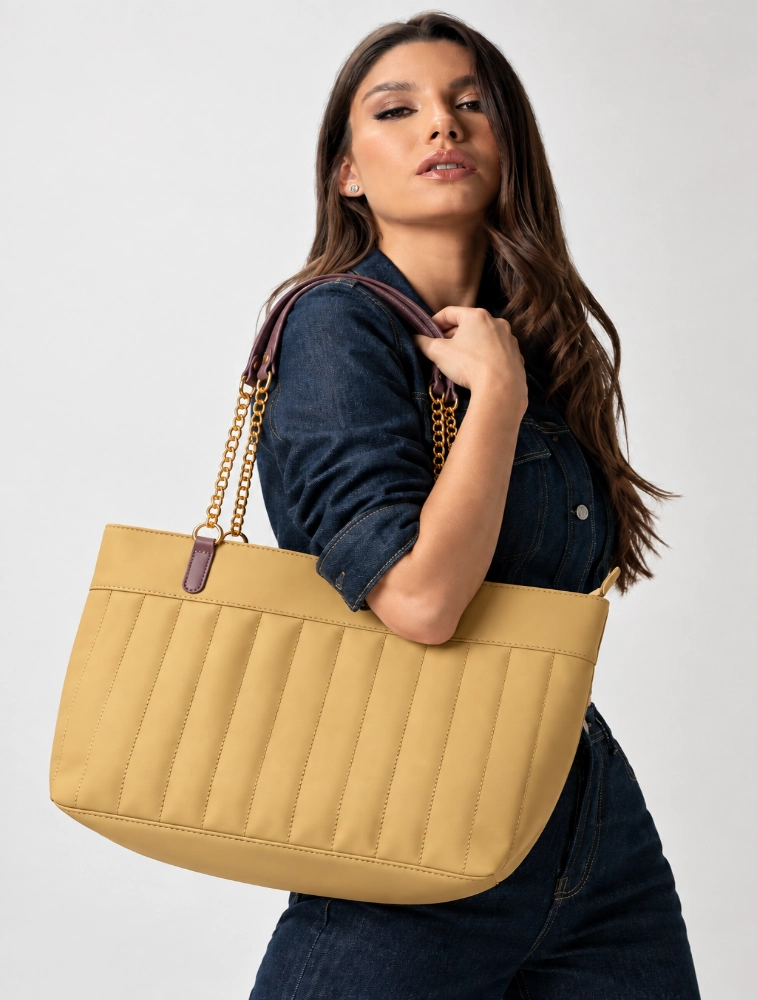

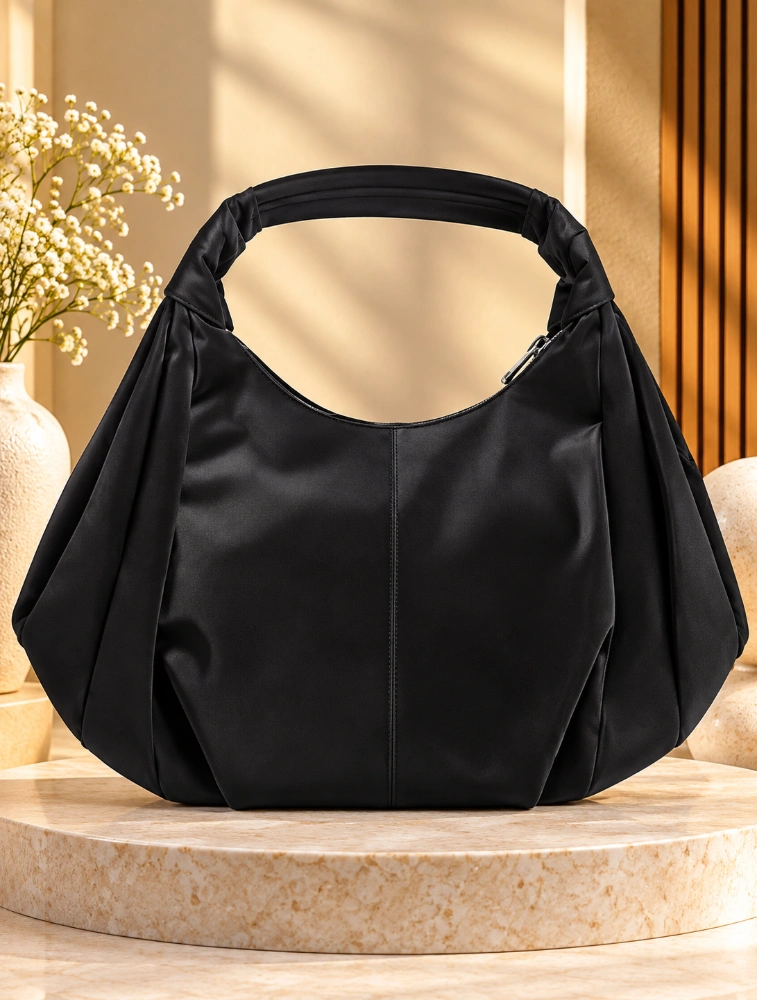
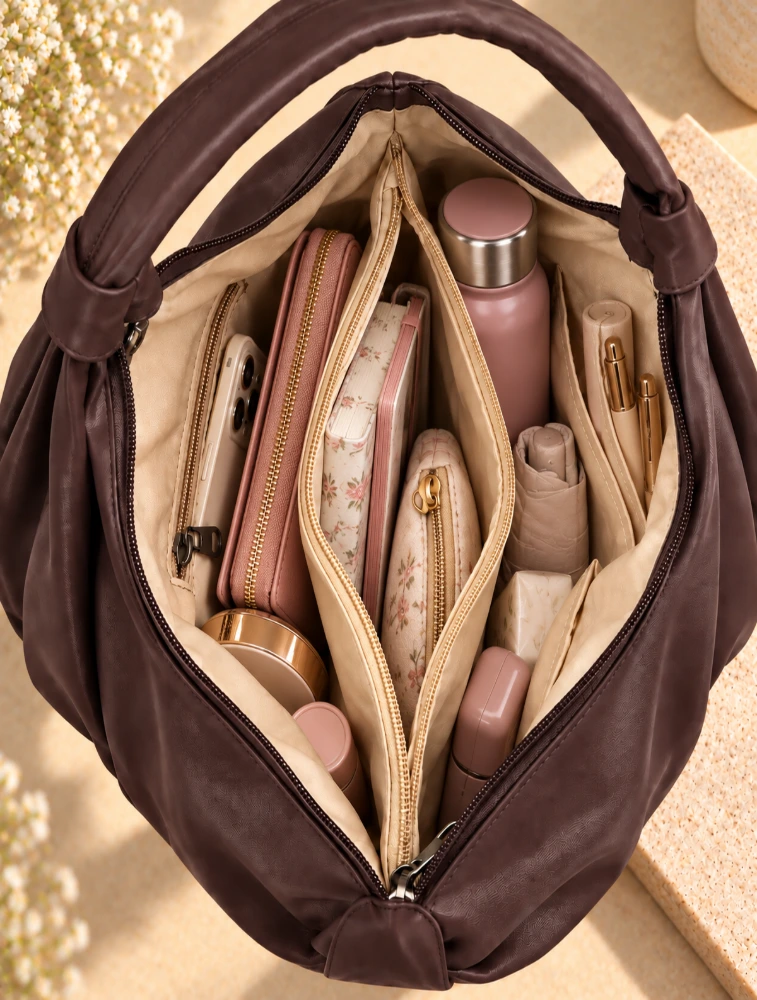
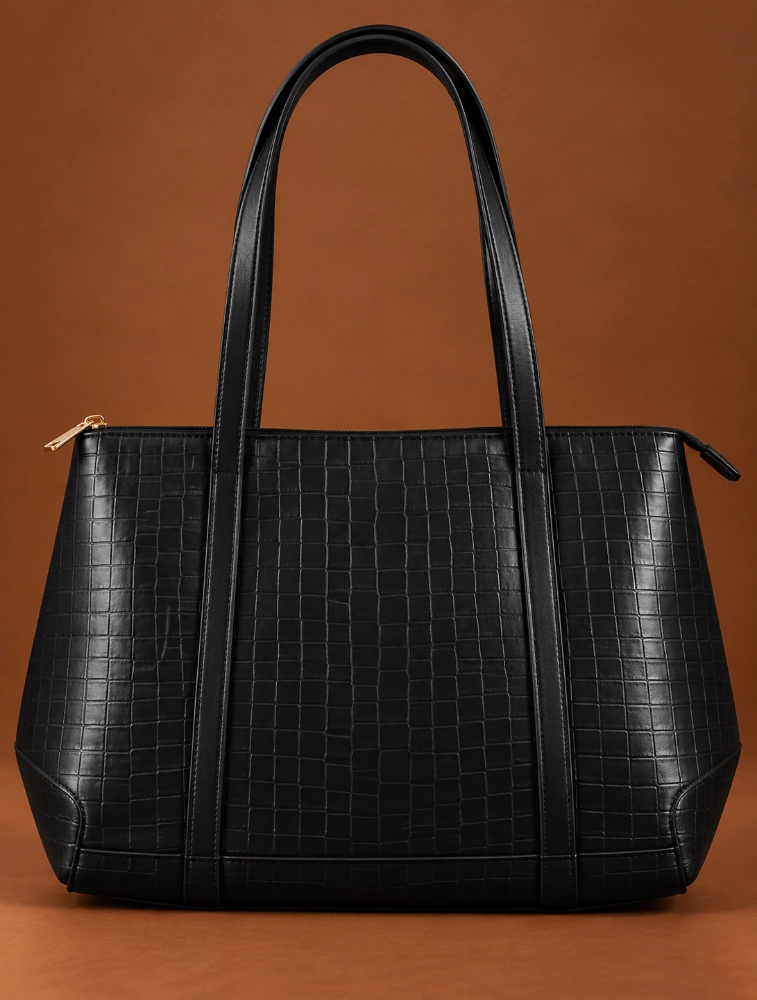
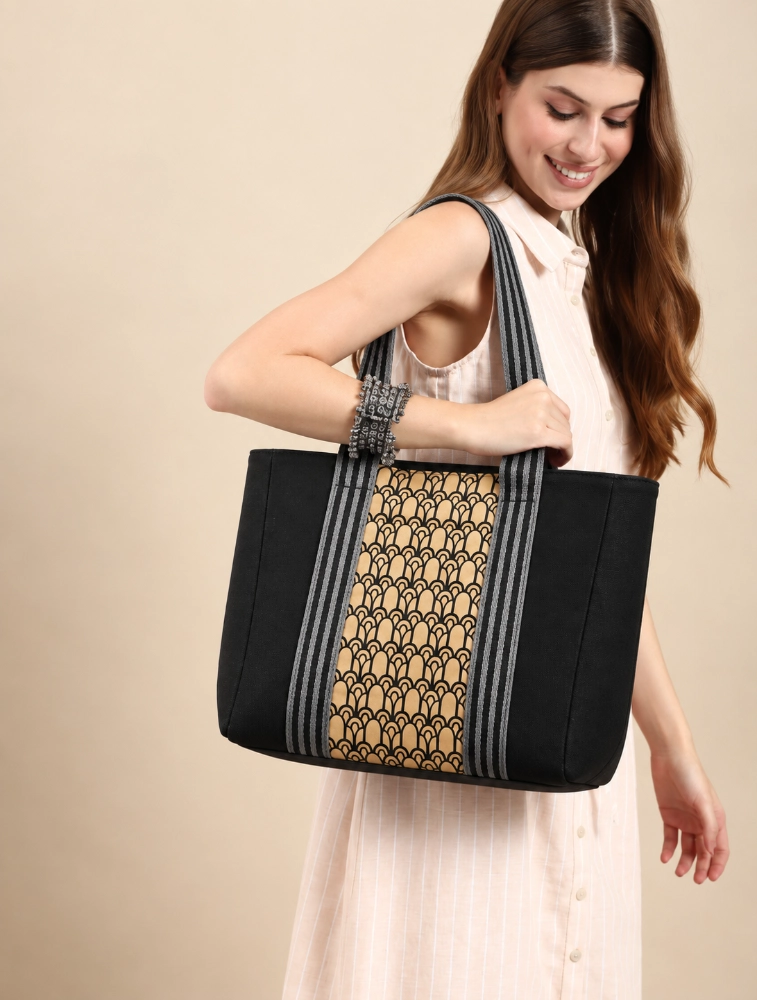
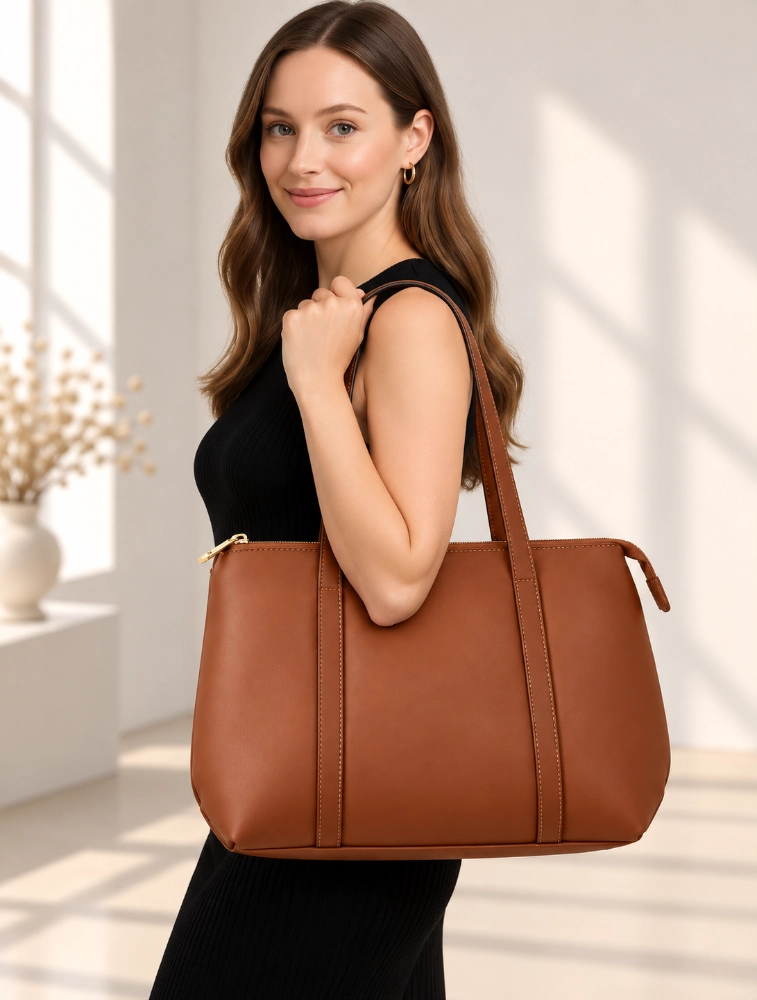
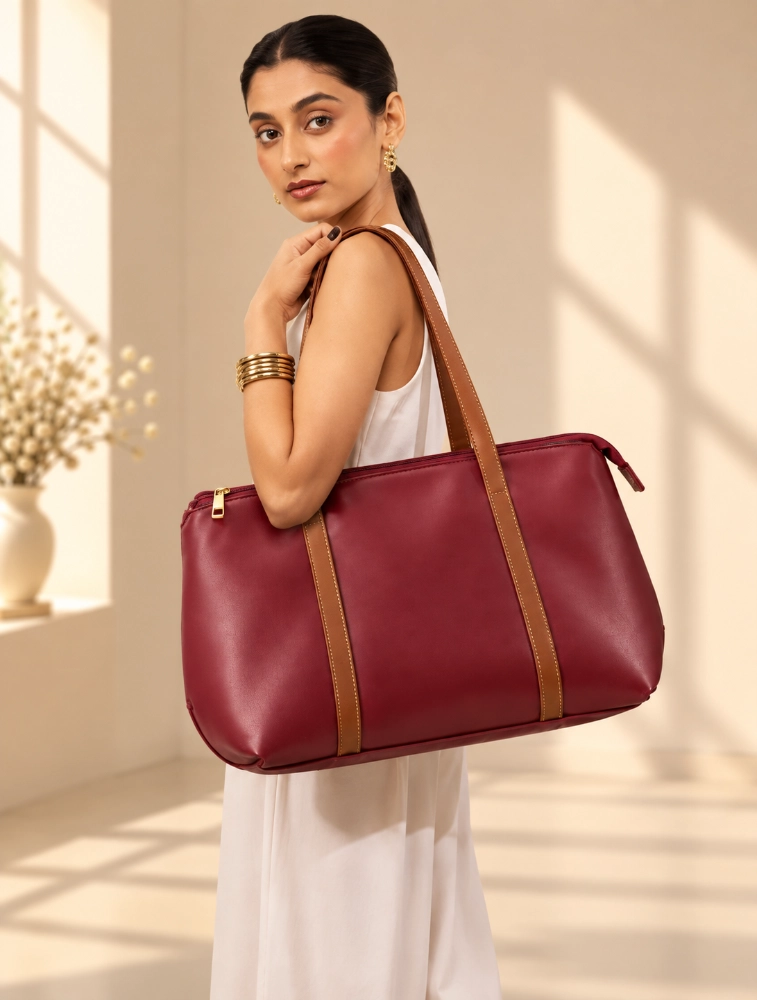
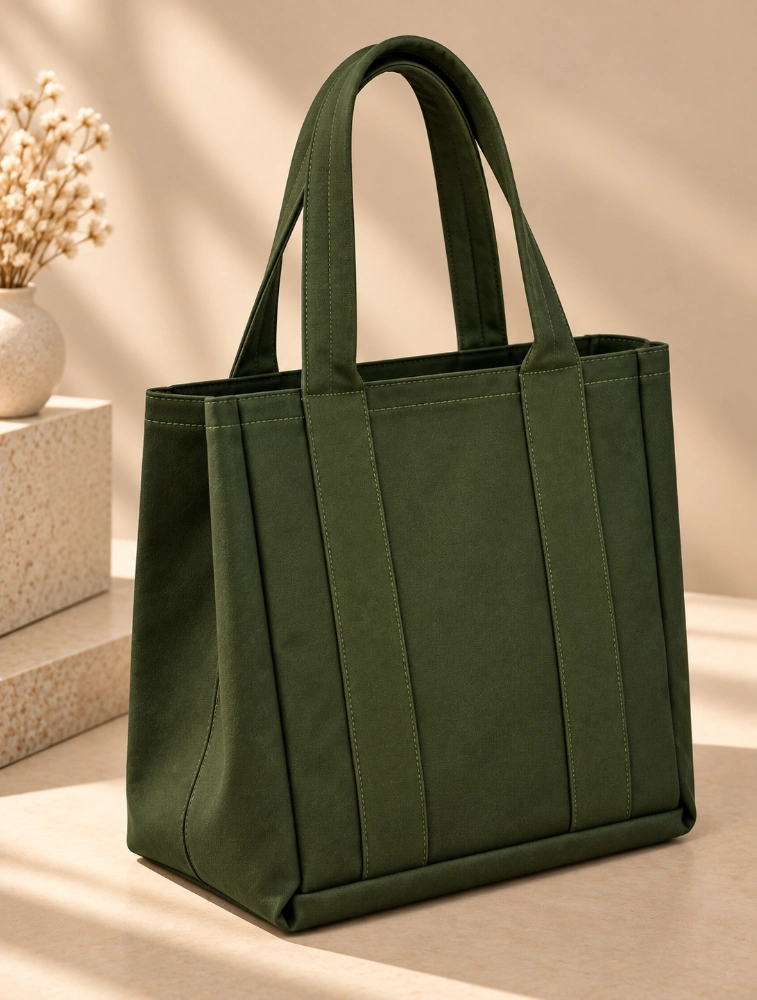
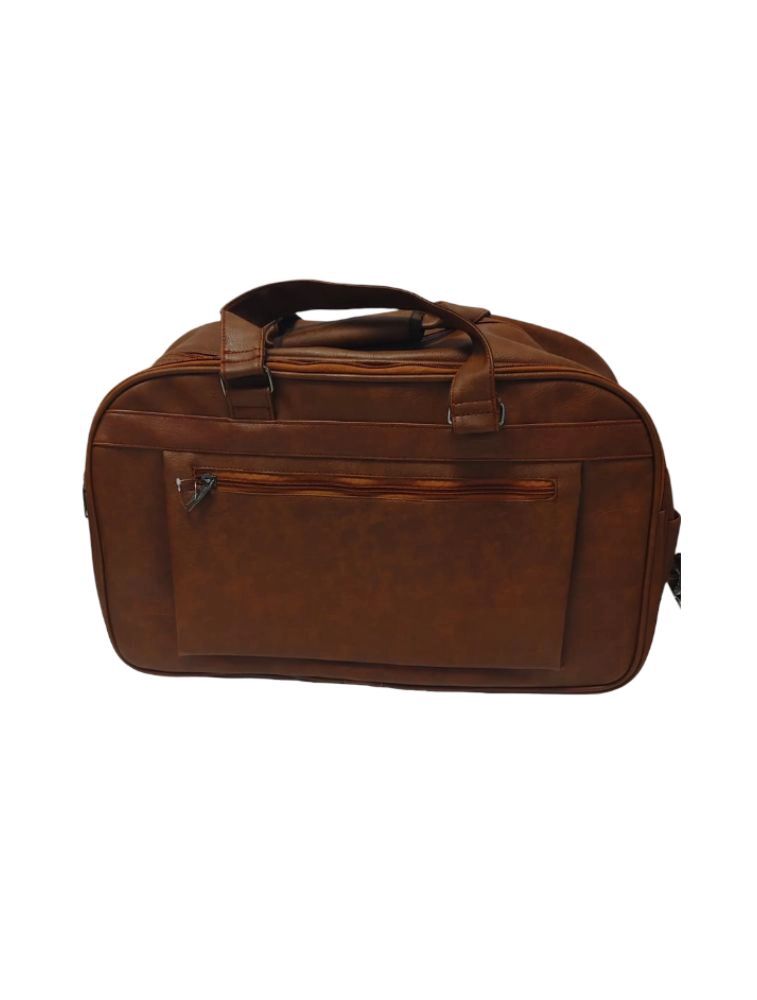
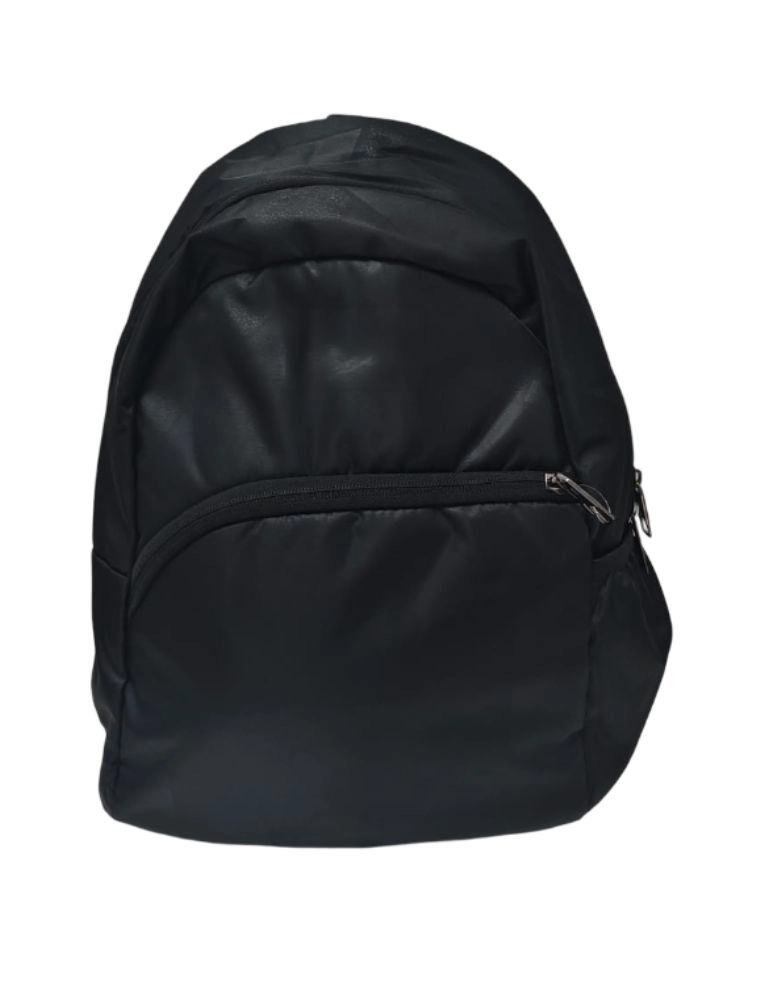
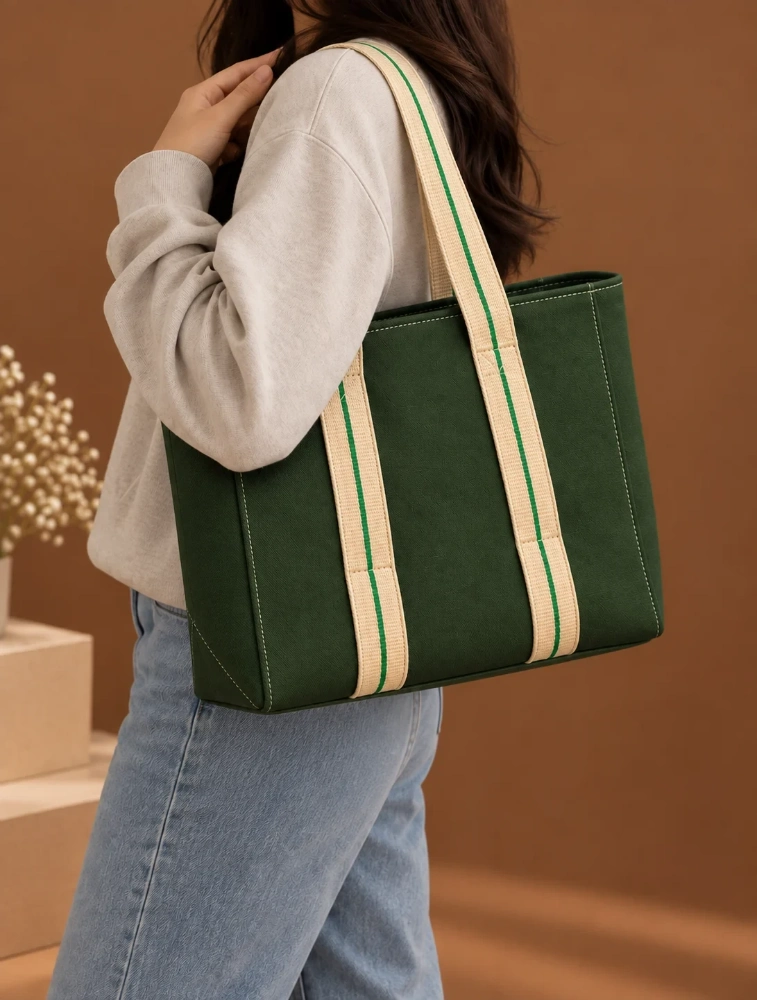

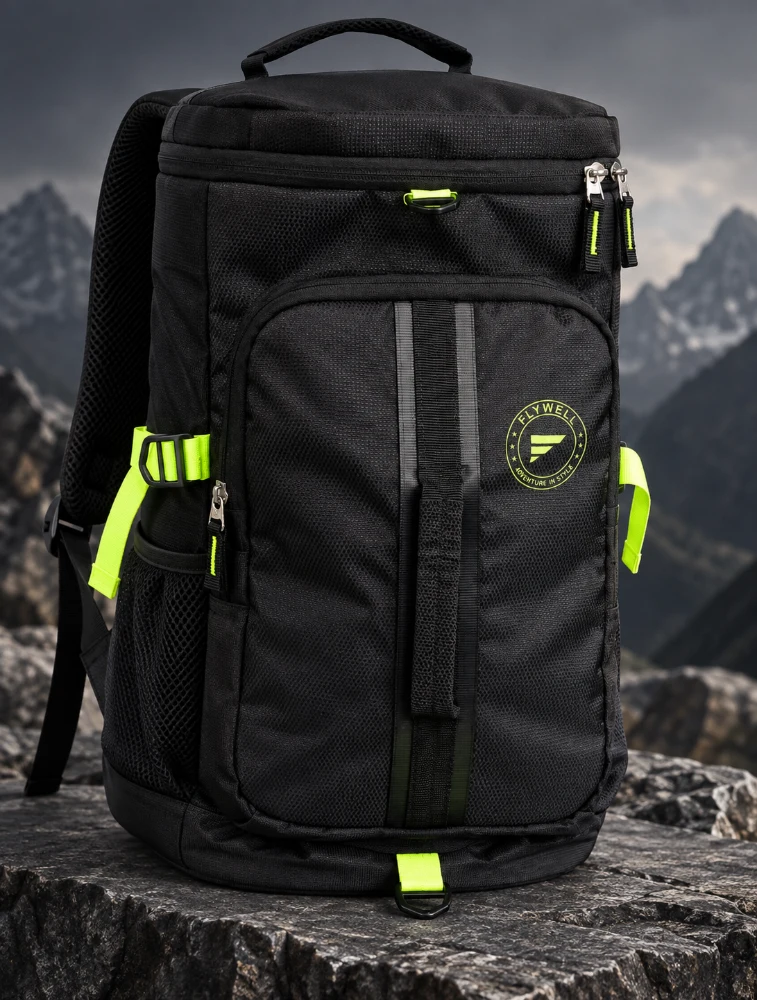
Black with Neon Lime Green Flywell Multi Compartment Travel And Adventure Backpack
4.4170 ratings
₹815.00/ piece

Page 1 of 4
Bulk handbags, bags & wallets for every use case
Brand-ready handbags, bags & wallets for corporate, retail, uniforms and large custom programmes — sourced across partner factories with published prices.
Corporate & events
Brand-ready handbags, bags & wallets for offsites, launches and conferences.
Get quote →
Uniforms & programmes
Consistent supply for schools, factories and frontline teams.
Corporate uniforms →
Own brand / resale
Unbranded or private-label stock for retail brands.
Launch your store →
Large custom runs
Contract manufacturing for high-volume programmes.
Contract manufacturing →Bulk handbags, bags & wallets — frequently asked questions
Every bag on this page sits under one tariff heading. So why does the eight-digit code still change from article to article?
Because heading 4202 sorts first by what the article is and then by what its outer surface is made of, and the second sort is the one this catalogue does not publish. Every one of the seventeen articles here is named somewhere inside 4202, but the eight-digit line turns on a material field no listing prints.
This is the single most useful thing a bulk bag buyer can understand before raising a purchase order, because it explains why two bags that look interchangeable on a grid can sit in different tariff lines, and why a supplier who cannot tell you the outer-surface material cannot yet tell you the tariff item either.
What the heading actually covers
The Customs Tariff describes heading 4202 as: “Trunks, suit-cases, vanity-cases, executive-cases, brief- cases, school satchels, spectacle cases, binocular cases, camera cases, musical instrument cases, gun cases, holsters and similar containers; travelling-bags, insulated food or beverages bags, toilet bags, rucksacks, handbags, shopping-bags, wallets, purses, map-cases, cigarette-cases, tobacco-pouches, tool bags, sports bags, bottle cases, jewellery boxes, powder-boxes, cutlery cases and similar containers, of leather or of composition leather, of sheeting of plastics, of textile materials, of vulcanised fibre or of paperboard, or wholly or mainly covered with such materials or with paper.”
Read that list against the tiles on this page and the fit is exact. The insulated lunch bags are insulated food or beverages bags. The trekking article is a rucksack. The duffels are travelling-bags. The shoulder bags and the slings are handbags. The two office articles are brief-cases or executive-cases depending on how they are built. And wallets and purses are in the heading too, which is worth noting on a category page whose own name promises them.
The four groups inside the heading, and the split that runs through all of them Below the heading, the tariff opens four groups. The first is introduced by the line “Trunks, suit-cases, vanity-cases, executive-cases, brief-cases, school satchels and similar containers:”. The second by “Hand- bags, whether or not with shoulder strap, including those without handle:”. The third by “Articles of a kind normally carried in the pocket or in the handbag:”. The fourth simply by “Other:”.
Inside every one of those four groups the same three-way split repeats. The tariff sets out “With outer surface of leather or of composition leather”, then “With outer surface of sheeting of plastics or of textile materials”, then “Other”. So handbags divide into 4202 21, 4202 22 and 4202 29. Pocket and handbag articles divide into 4202 31, 4202 32 and 4202 39. The residual group divides into 4202 91, 4202 92 and 4202 99. The question the tariff asks is never what the bag is called on the tile. It is what the outside of the bag is made of.
Why the wallet line matters on a page with no wallets
Under the third group the tariff carries the eight-digit item 4202 31 20, described as “Wallets and purses, of leather”. Under the second group it carries 4202 21 10, “Hand-bags for ladies”, and 4202 22 20, “Hand- bags and shopping bags, of cotton”. Under the first it carries 4202 11 40 “Brief-cases” and 4202 11 50 “Executive-cases”.
Those lines exist whether or not a supplier stocks the goods. Their practical value to you is as a specification checklist: if your purchase order names the tariff item you intend to import or export under, and the supplier confirms it in writing, then the two of you have agreed the article type and the outer- surface material in a single line, and a great many later arguments simply do not happen. What neither of you should do is guess. Classification of a particular consignment is determined by the authorities on the facts of that consignment, this answer quotes the published tariff text and nothing more, and you should take your own customs advice before you commit to a code on a document.
CLASSIFICATION, Materials & Packaging LawQueries Targetedhsn code for bags, 4202 classification, customs heading handbags wallets
Rexine on five tiles, genuine leather on one, nothing on the rest. Which word is doing the legal work?
None of them yet, because a word in a product title is a marketing description and not a declared material field. Five tiles in this catalogue carry the word rexine, one carries genuine leather, and eleven say nothing at all about the outside of the bag. That gap is the one you have to close in writing.
Rexine is a trade term that has passed into general use in India for a coated fabric with a polymer surface, usually a woven or knitted base with a polyurethane or vinyl finish applied to it. It is not a grade, it is not a thickness, and it is not a standard. Two articles both described with that word can differ in base cloth, coating chemistry, coating weight, embossing, abrasion resistance and how they behave after two monsoons in a stores cupboard.
Why the distinction is not merely cosmetic
Three separate consequences hang off the outer-surface material, and only the first is obvious.
The first is price and life. The catalogue's own price grid makes the point better than any argument. The genuine leather sling is published at Rs 1253 while the dearest article on the page, at Rs 1411, is described with the word rexine. A buyer who assumes that the higher price buys the more traditional material would be wrong here, and there is nothing published that explains the ordering. That is not necessarily an error, since construction, hardware and size all move a price, but the catalogue gives no way to tell.
The second is classification, which the previous answer covers. The tariff splits every group inside heading 4202 on whether the outer surface is leather or composition leather or sheeting of plastics or textile materials. A coated fabric and a hide are not the same answer to that question, and the paperwork changes accordingly.
The third is your own downstream description. If you are a retailer, a brand or an institution reselling or issuing these bags, the description you publish becomes your representation, not the supplier's. Repeating a word you found on a tile is a poor foundation for that. The phrase composition leather in particular has a specific meaning in the tariff and should not be used loosely as a synonym for a coated fabric.
The fields that turn a word into a specification
Ask for these in writing, per article, before the order is placed. What is the outer-surface material, named precisely: full-grain, top-grain, split, bonded or composition leather, or a coated fabric with a stated base and coating. If it is leather, what is the tannage, the finish and the substance or thickness. If it is a coated fabric, what is the base cloth, what is the coating polymer, and what is the total coated weight. What is the lining material and how is it attached. What is the trim material where trim differs from the body. And what abrasion, flex and colour-fastness results exist, against which named test method, on which sample.
What the catalogue does publish, and what it does not
One product page describes its article as “100% genuine leather, offering a premium look and superior durability” and gives care instructions that reference a leather conditioner. Another publishes a material field reading “Premium Polyester Fabric” with a lining field. A third publishes a textured polyester dobby construction. That is three different levels of disclosure on three articles in one category, and eleven of the seventeen tiles publish no material statement in the title at all.
The workable position is therefore simple. Treat every material word on this page as a starting point for a question rather than as an answer, put the answer in the purchase order, and ask for the supporting test report to be supplied with the pre-production sample. Nothing here is a determination about your goods or your paperwork, and you should take your own advice on how any material declaration you publish is regulated in your market.
CLASSIFICATION, Materials & Packaging LawQueries Targetedrexine vs genuine leather bags, artificial leather bulk bags, outer surface material
If a retailer resells these bags in a box carrying our brand, whose declaration goes on the panel?
Whoever puts the goods into the retail package and whoever owns the brand on it are the parties the packaged commodity rules are written around, not the factory that stitched the bag. Once your mark is on the box and the box reaches a consumer, the declaration on the principal display panel is your responsibility to get right.
This matters on this category specifically because two of the six audiences the page sells to, retailers and wholesalers, buy in order to resell, and because the packaging paragraph on the product pages describes bulk transit packing rather than retail presentation. The catalogue publishes wording to the effect that items are individually packed in protective polybags and bulk packed in durable corrugated cartons for safe transportation, with custom options available. A protective polybag inside a transit carton is not a retail package, and the moment you convert one into the other you have taken on a set of obligations the transit carton never carried.
Where the declaration has to sit
Rule 8 of the Legal Metrology (Packaged Commodities) Rules, 2011 is headed Declaration where to appear. Rule 8(1) states that “every declaration required to be made under these rules shall appear on the principal display panel”. The proviso then imposes a clearance around the quantity declaration: the space above and below it must be at least equal to the height of the numeral in the declaration, and the space to the left and to the right must be at least twice the height of that numeral.
That clearance rule is the one designers break most often, and it is the one that is cheapest to fix before artwork is signed off rather than after fifteen thousand boxes are printed. It is not a suggestion about good taste. It is a dimensional requirement expressed as a ratio to your own numeral height, which means that enlarging the quantity figure to look confident enlarges the empty space you must leave around it.
What this means for a bag programme in practice
Decide early, in writing, who is the packer for the retail unit. If the factory boxes and labels the article to your artwork, that is a different arrangement from you receiving polybagged goods and boxing them yourself, and the two produce different names on the panel. Fix the artwork approval loop so that the panel layout, not just the logo, is reviewed. Put the panel proof in the purchase order as an approval gate alongside the pre-production sample, because a bag sample and a box proof are two separate approvals and only one of them is usually asked for.
Then take the same care with the transit layer. Ask for the master-carton quantity and the packed carton weight, neither of which this category publishes for any article, and ask whether the individual polybag is printed, plain or capable of carrying a barcode. A reseller who discovers at goods-in that the inner packs are unmarked has a relabelling cost nobody quoted.
The part that is not settled by a rule quotation
Whether any particular package you sell is a retail package within the meaning of those rules, which declarations it must carry, and who among the manufacturer, packer, importer and brand owner is answerable for each of them, depends on facts about your own transaction that a supplier's FAQ cannot see. The rule text above is quoted because it is published and because it is the clause most often missed at artwork stage, not as a determination about your packaging. Take your own legal advice on the declarations your specific programme requires before you commit artwork to print.
One last practical note. The same discipline pays off even where the rules do not apply. Institutional and government buyers routinely require a country of manufacture on the article or its packaging, and no article in this category publishes one. If your tender asks for it, it has to be specified into the order, because it is not on the page.
CLASSIFICATION, Materials & Packaging LawQueries Targetedlegal metrology bags packaging, principal display panel, brand owner declaration
Seventeen bags and not one length, width or height. How do you order against that?
You do not order against it. You specify the dimensions into the purchase order yourself, approve a physical sample against them, and treat the catalogue photograph as an indication of style rather than of size. Across all seventeen articles this category publishes one capacity figure and no external measurement at all.
A bag is bought on what fits inside it. Everything else is preference. Whether a laptop bag takes the fleet's machine, whether a duffel clears an airline's cabin limit, whether a school satchel sits between a child's shoulder blades, whether a shoulder bag looks proportionate on the person carrying it: all of that is decided by three numbers, and none of the three is on this page.
What is published and what is missing
One article publishes a capacity: the trekking rucksack carries a 75 litre figure in its own title. That is the whole of the dimensional disclosure in this category. There is no external length, width or height on any tile or on any sampled product page. There is no gusset depth. There is no strap width, drop or adjustment range. There is no empty weight, which matters more than buyers expect on a duffel that a courier will price by volumetric weight. There is no stated laptop size for either of the two laptop and office articles, which is the single most commonly asked question about a laptop bag and the one the listing is silent on.
The fabric side is thinner still. One product page gives a material field and a lining field, and one describes a textured polyester dobby construction, but no article in the category publishes a denier figure, a fabric weight, a coating weight or a leather substance. So the two headline questions about a bag, how big is it and how strong is the cloth, are both unanswered.
The five numbers to write into the order
Specify external dimensions as length by width by depth in millimetres, and say in which order you are writing them, because the third number is read differently by different factories. Specify the internal compartment that has to accept a known object, and describe the object rather than the compartment: a fifteen point six inch notebook in a padded sleeve, a two litre bottle standing upright, a stack of A4 files. Specify capacity in litres where the article is a duffel or a rucksack, because that is how those are compared. Specify strap width and the adjustment range at both ends. And specify empty weight with a tolerance, because it is the figure that quietly decides your freight bill.
How to make the specification enforceable
Numbers in an email are not a specification. Put them in the purchase order, attach a dimensioned drawing or a marked-up photograph, and state the tolerance you will accept on each dimension, because a bag is a soft product and a measurement taken flat differs from one taken stuffed. Say how the measurement will be taken and on which sample. Then approve a pre-production sample against that drawing and keep a sealed counter-sample, so that the article you accepted in month one is the article you can hold up in month nine.
For a repeat programme, add a re-order clause that names the approved sample rather than the catalogue tile. This category illustrates why. It contains two articles at Rs 800 whose titles differ by a single colour word, three articles at Rs 1097 with three different adjectives, and two laptop articles at Rs 549 and Rs 784 that publish nothing that would explain the difference between them. If your next purchase order points at a tile, you are pointing at a description that may not distinguish the article you actually approved from the one beside it.
None of this is difficult and none of it is unusual. It is simply work the catalogue has left on the buyer's desk, and the buyers who do it get consistent goods while the ones who do not spend the difference on arguments at goods-in.
What The Page PublishesQueries Targetedbag dimensions bulk order, laptop bag size, duffel bag capacity litres
The page is called Handbags, Bags and Wallets. Where are the wallets?
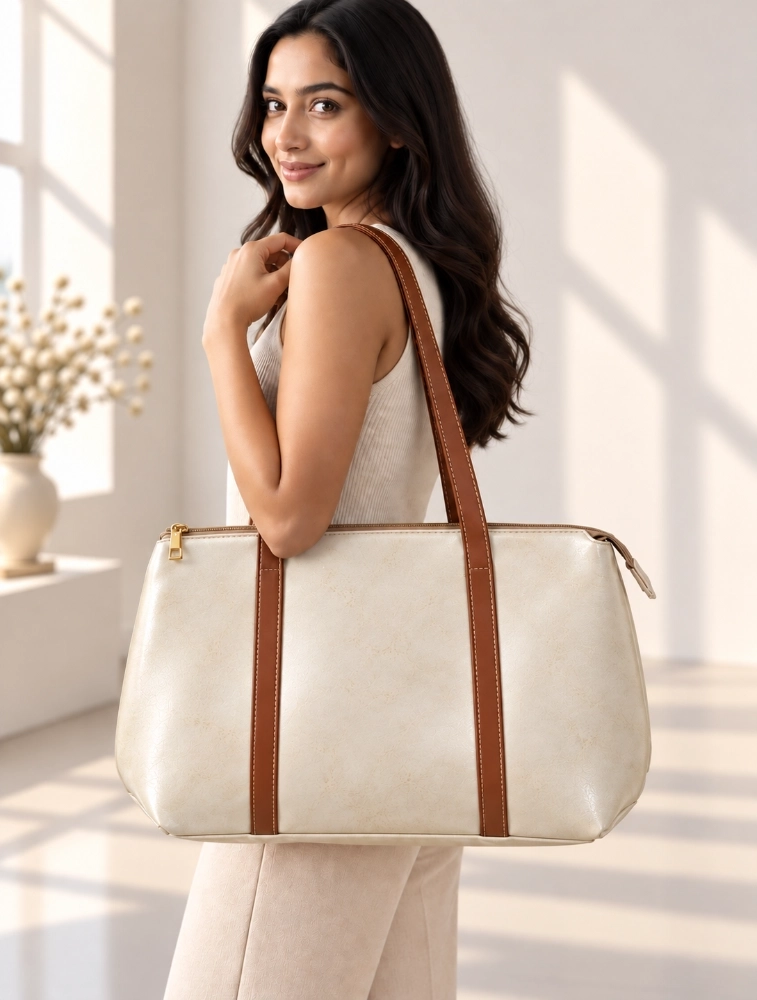
There are none. Seventeen articles are listed under a heading that promises three product types, and the category stocks one of them. Not a single wallet appears, and the two articles closest to a handbag are shoulder bags. Two of the three nouns in the page title have no inventory behind them at all.
This is worth stating plainly because it is the finding with the largest commercial consequence on the page, and because it is invisible to anyone who arrives already knowing what they want. A buyer searching for bulk wallets lands on a page whose title, heading and breadcrumb all say wallets, scrolls seventeen tiles, finds duffels and lunch bags, and leaves. The page has spent an acquisition to deliver a disappointment.
What is actually here
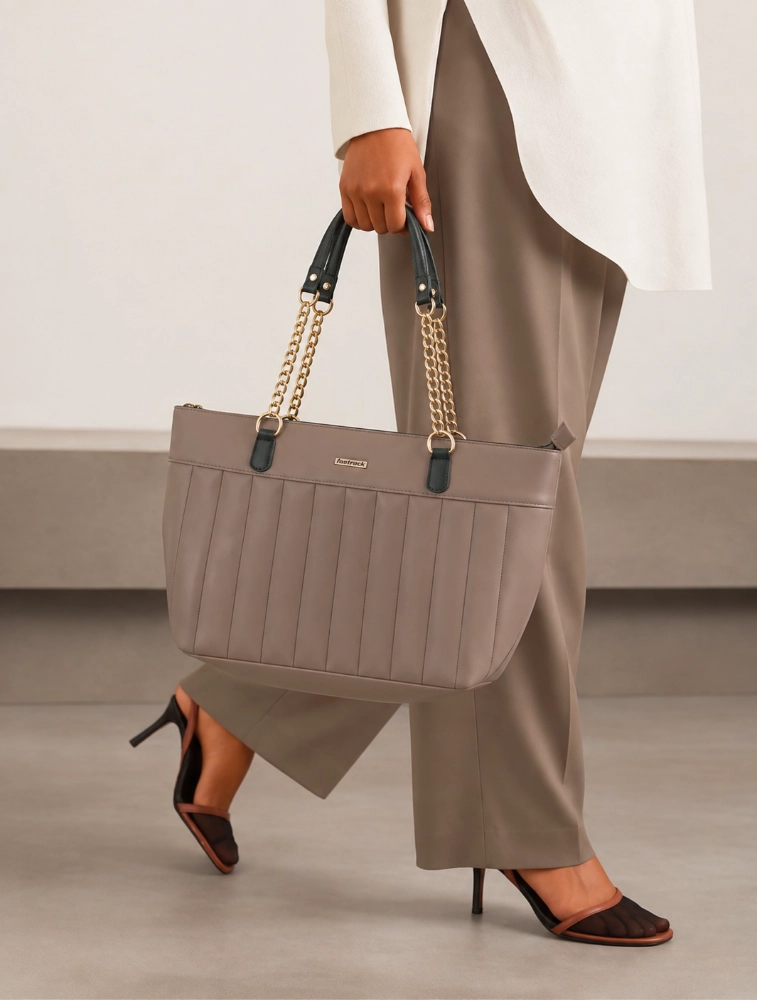
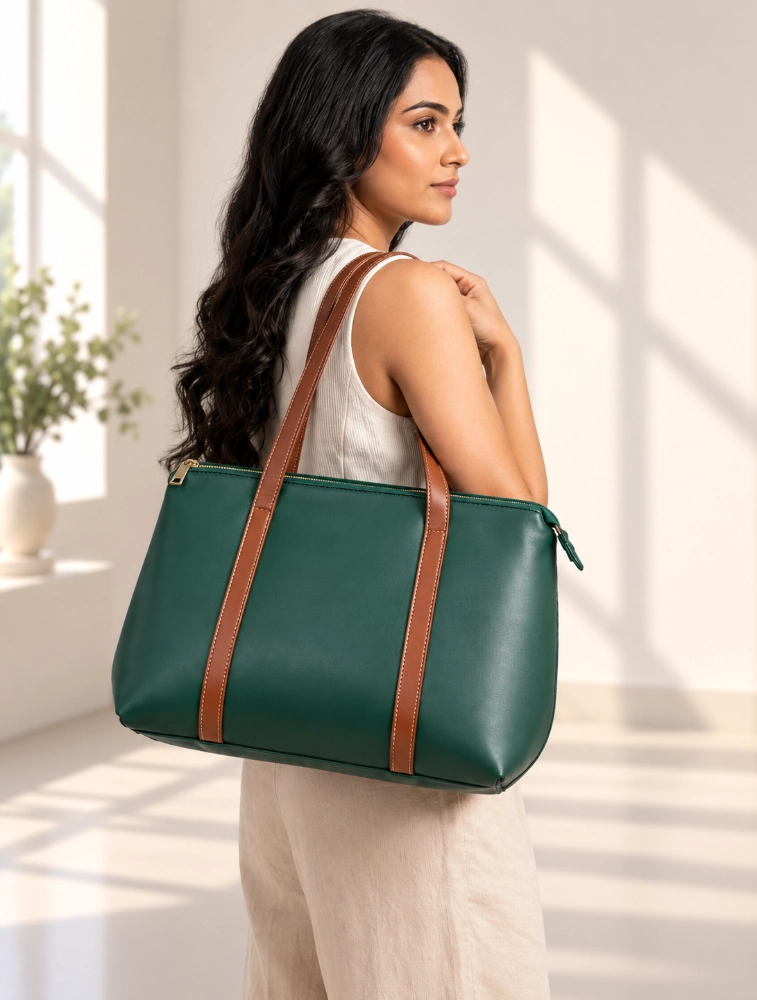
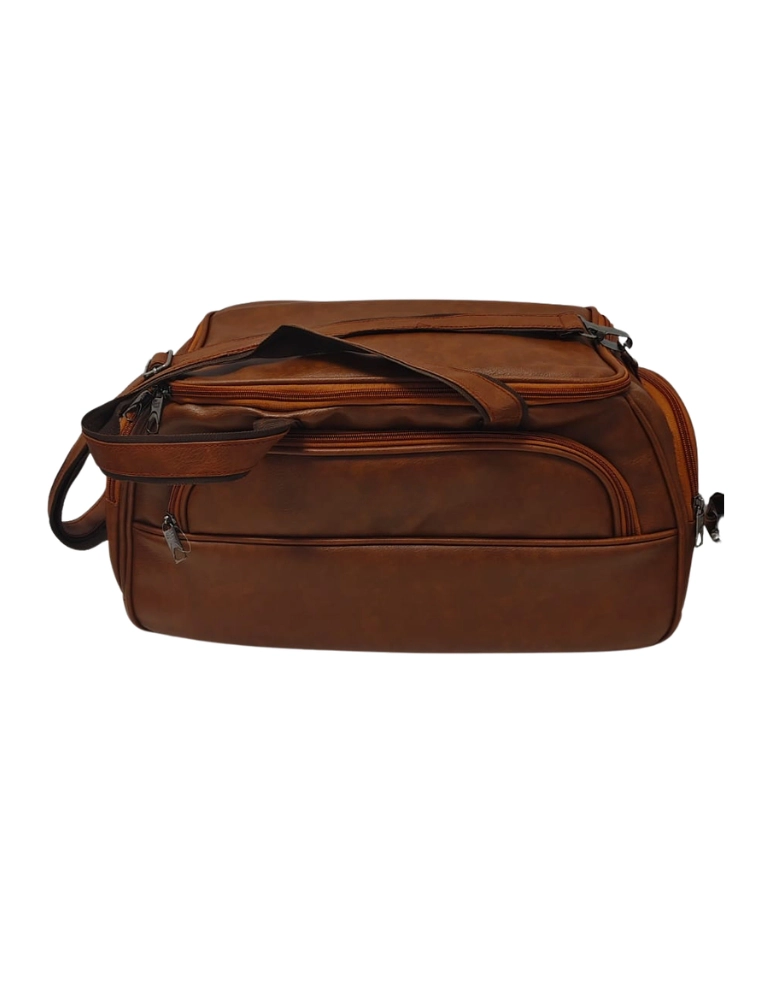
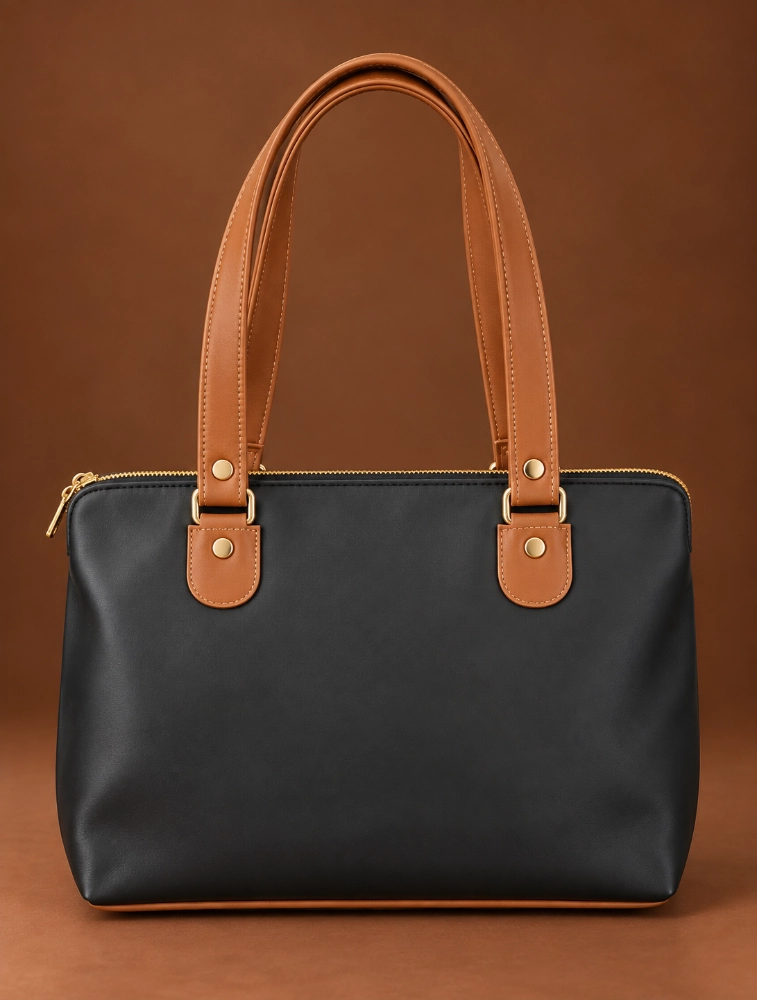
Counted by type, the seventeen tiles are: three insulated children's lunch bags, one mini crossbody sling, one casual everyday backpack, two laptop and office articles, four travel duffels, two ladies' shoulder bags, one seventy-five litre trekking rucksack, one genuine leather sling, and that is the list. It is a travel- and-office bag range with a small children's line attached. It is a perfectly reasonable range. It is not the range the title describes.
Why the mismatch costs more than a bounce
Three effects compound. The first is relevance. A page that ranks for a term it cannot satisfy trains the search engine, over time, that it should not rank for that term, and the loss is not limited to the unsatisfied query. The second is trust with a professional buyer, who reads a category name as a statement of capability and reads the gap as either a stock-out or an exaggeration. Neither reading helps. The third is internal: a category that is measured on traffic for wallet queries will keep being measured on a target it structurally cannot hit.
The three ways out, in order of cost
The cheapest is to rename the category to what it holds. Bags and Travel Goods, or Bags, Backpacks and Travel, describes the seventeen articles honestly, and honest category names convert better than aspirational ones because the visitor who clicks is the visitor who wanted this.
The next cheapest is to list wallets. The supply side is not the obstacle: the tariff has a line for them, the article is a staple of corporate gifting, and a leather goods programme that already produces a genuine leather sling is not far from a wallet. If wallets are coming, a placeholder that says so with a date is better than silence.
The most expensive, and the one to avoid, is to leave the name and add nothing, on the theory that the extra keyword in the title is worth something. It is not. A title term with no matching inventory is a promise the page breaks on every visit.
What a buyer should do meanwhile
If you came here for wallets, ask directly rather than assuming the absence is permanent. This is a contract manufacturing platform as well as a stock catalogue, and the published position on custom work is that branded runs generally start from one hundred pieces per style per colour. An article that is not on a category page is not necessarily an article that cannot be made, and the sensible question to a supplier is not whether it is listed but whether it can be quoted, against what specification, at what minimum, and on what lead time. Get all four in writing.
And if you came here for handbags in the strict sense rather than shoulder bags and slings, the same applies. Say what you mean by the term, because the tariff, the trade and the catalogue all use it slightly differently, and a specification that names the construction removes the ambiguity that the category name introduced.
What The Page PublishesQueries Targetedbulk wallets india, wholesale wallets supplier, corporate wallet gifting
The web address of this category runs two words together. Does a broken slug actually cost anything?
Yes, and more than most teams assume, because the address is the one part of a page that other systems copy and keep. This category lives at a path that reads handbagsbags- wallets, with the first two words run together and no separator between them, so the address contains a token that matches nothing any buyer will ever type.
The page title, the heading and the breadcrumb are all correct. They read Handbags, Bags and Wallets, properly spaced. It is only the address that has collapsed, and that is the one place the error is hardest to undo later, because addresses propagate.
What the collapsed token actually does
A path segment is parsed on its separators. With a hyphen between them, handbags and bags are two words a search engine can match against two different queries. Run together, they form a single string that is neither. The wallets segment survives, which produces the odd result that the only correctly separated word in the address is the one product type the category does not stock.
The effect on ranking is real but modest, and anyone who tells you a slug alone decides a position is overselling. The larger costs are elsewhere. Buyers paste addresses into requisitions, tender annexures, supplier registration forms and internal wikis, and a malformed address looks like a typing error, which invites someone to helpfully correct it into a link that does not resolve. Analytics and reporting group by path, so every report inherits the string. Any later attempt to build a clean hierarchy of bag subcategories has to be built underneath a parent that is already misspelt.
Fixing it without losing what the current address has earned
The fix is a rename plus a permanent redirect, and the order matters. Publish the new address, keep the old one alive and pointing at it with a 301, update the canonical tag on the new page to itself, update the internal links so the site is not routing its own visitors through a redirect, update the sitemap, and only then stop worrying about it. Leave the redirect in place indefinitely rather than for a tidy ninety days, because printed and pasted addresses have very long lives.
Do the same audit on the product addresses beneath it while the work is open. The seventeen product paths under this category are consistently lower-cased and hyphenated, which is good, but two things in them are worth a look. One article's title and address both contain a misspelling of the word zipper. And the category name contains an ampersand that the addresses render as the word and, which is the right choice but should be applied consistently if more articles are added.
The wider point for anyone running a large catalogue
Address defects are a class of error with a particular signature: they are trivial to create, invisible on the rendered page, and expensive in proportion to how long they survive. They are worth a scheduled check rather than an occasional one. A short list is enough. Does every category address match the category name after normalisation. Does every word separate on a hyphen. Are there any doubled or missing separators. Does any address carry a working-file marker, a duplicate suffix or a stray bracket. Does any address name a different product from the one on the page.
Run that list across the whole catalogue rather than one category at a time. Defects of this kind are produced by whatever generated the address, which means they cluster, and the one you found by hand is rarely the only one. For a buyer reading this page, none of it changes the goods. It changes how easily you or your colleagues will find them again, which on a repeat programme is not nothing.
What The Page PublishesQueries Targetedcategory url slug error, handbagsbags wallets, seo url structure b2b
The lunch bags are described as food-safe. What does that word commit the supplier to?
On its own, nothing you could enforce. The three insulated children's lunch bags carry a description that includes the phrase food-safe, and no named standard, test method, laboratory or report reference sits behind it anywhere on the product page. Treat it as a claim to be substantiated rather than a specification you have received.
That is not an accusation that the article is unsuitable. It is an observation that the word, as published, transfers no obligation to anyone. Food-safe is not a defined term with a single meaning across markets. What makes a food-contact article demonstrably fit for purpose is a test report against a named method, on the specific material, for the specific contact conditions, from a laboratory you can identify.
What the listing does publish
The product page for one of the three sets out a specification block: a material field reading “Premium Polyester Fabric”, an inner lining field reading “Thermal Insulated PEVA/Aluminium Foil”, a colour, a zipper closure, a soft carry handle and one main compartment. The description adds that the article is “water- resistant, reusable, easy to clean, and food-safe”. Packaging is described as an individual transparent polybag.
Naming the lining material is genuinely useful and better than most of this category manages. But a named polymer is the beginning of a food-contact assessment, not the end of one, because what migrates from a lining depends on the formulation, the additives, the temperature and the duration of contact, and none of those is stated. There is also no capacity, no dimension, no insulation performance figure, no statement of how long the article holds a temperature, and no warranty term.
What to require before this ships to children
This is the article on the page most likely to be bought by a school, an education department or a corporate social responsibility programme, and those are the buyers least able to absorb a problem. Require, in writing and before production: the full material declaration for every layer in contact with food or with a food container; a test report against a named migration or food-contact method, identifying the laboratory and the report number and dated within a period you specify; confirmation of which market's food-contact regime the report is written against, since they differ; and a statement of any restricted substances screening you require, again against a named method.
Add the mechanical checks that matter on a child's article separately, because they are a different question from food contact: zip pull security, handle attachment strength, the absence of small detachable parts, and colour-fastness of the print to rubbing and to perspiration. Specify each against a named test method rather than as an adjective.
Two further things to settle on these three tiles
First, the artwork. Two of the three lunch-bag tiles carry printed character artwork drawn from third-party entertainment properties. Before any bulk order, ask the supplier to confirm in writing what licence covers that artwork, for which territory, and for what period, or specify your own artwork instead. A buyer who resells or distributes licensed imagery without confirming the licence is taking on a risk that has nothing to do with the bag.
Second, price. All three sit at Rs 142 on the tile, which is the ten thousand and above band. At the published minimum order quantity of one hundred units the same article invoices at Rs 149.
Nothing here is a determination about your goods, your market or your obligations, and no view is offered on whether any particular article is or is not suitable for food contact. Take your own advice, and get the report.
What The Page PublishesQueries Targetedfood safe lunch bag bulk, insulated lunch bag school supplier, food contact material
Rs 142 is printed three times on this page. Can anyone actually buy at it?
Only an order of ten thousand pieces or more can. The figure appears in the page title, in the heading and on three tiles, and on every quantity ladder we sampled it is the bottom band. At the minimum order quantity the product pages actually print, which is one hundred units, the same article invoices higher.
This is arithmetic rather than criticism, and it is the same pattern on every ladder in the category, so it is predictable once you know to look for it. But a buyer who budgets from the headline and orders at the minimum will be short, and the shortfall scales with the price of the article.
The three ladders, as published
Every sampled product page prints the same line: Minimum Order Quantity - 100 Units. Above it sits a three-band grid. The insulated lunch bag publishes Rs 149 for one hundred to nine hundred and ninety- nine pieces, Rs 146 for one thousand to nine thousand nine hundred and ninety-nine, and Rs 142 for ten thousand and above. The trekking rucksack publishes Rs 1188, then Rs 1165, then Rs 1129. The genuine leather sling publishes Rs 1319, then Rs 1293, then Rs 1253.
In each case the tile shows the third figure and the buyer at the minimum pays the first. The premium for buying at the floor rather than at the ceiling is Rs 7 on the lunch bag, Rs 59 on the rucksack and Rs 66 on the sling. Expressed as a proportion that is a shade under five per cent on the cheapest article and a shade over five per cent on the two dearest, which is a strikingly consistent structure and a useful thing to know: on this category, the spread between the entry band and the volume band runs at roughly one twentieth of the price.
What a hundred-piece order therefore invoices at
One hundred lunch bags at the published entry band is Rs 14900. A budget built from the headline would have said Rs 14200. The gap is Rs 700 before any branding, freight or tax.
One hundred leather slings at the published entry band is Rs 131900 against a headline-implied Rs 125300, a gap of Rs 6600 on a single line of a purchase order. On a mixed order across several articles the gaps add, and because they are proportional they do not shrink as the order gets more expensive.
None of those figures include customisation, packaging changes, freight, insurance or tax. They are the goods line only, at the bands the site publishes today, and they will move when the site's prices move. The page carries a prices-last-updated note, so treat any figure you read as dated to that note and confirm it on the quotation.
How to make the ladder work for you rather than against you
Three moves are available and all three are ordinary commercial practice. Aggregate across articles: if the supplier's bands are set per article, ask explicitly whether a combined order across several articles in the same family can be banded together, because the answer is sometimes yes and it is never volunteered. Aggregate across time: a scheduled call-off against a committed annual quantity often prices at the annual band rather than the delivery band, and the commitment costs you nothing if the requirement is genuine. And aggregate across sites, which is the one large institutions forget, because a department that orders quarterly for eleven locations is buying at the volume band and paying at the entry band. Then ask the one question that decides whether any of this is real. Get the band structure, the article codes, the validity period and the currency written into a quotation. A ladder on a web page is an indication. A ladder on a quotation with a validity date is a commercial term you can hold someone to, and it is the only version of the price that belongs in a budget.
ProcurementQueries Targetedbulk bag price india, wholesale bag price per piece, moq pricing tiers
Three different minimum order figures are published on this site. Which one binds a purchase order?
Only the one written into your quotation. This site publishes three different formulations and no rule for choosing between them, so none of the three can be relied on as a commercial term. Get the figure onto a quotation against your article codes before you commit a budget or a delivery date to anyone internally.
The three are easy to find and hard to reconcile. Every sampled product page prints Minimum Order Quantity - 100 Units. The statistics band near the top of the category speaks of ready stock from one piece. And the live FAQ block at the foot of this same page answers the minimum-order question by saying that ready-stock items can typically be ordered from a single piece while custom or branded runs usually start from one hundred pieces per style per colour.
Why this is a contradiction rather than a nuance
Read charitably, the third formulation is trying to reconcile the first two: stock is available in ones, custom work starts at a hundred. That is a coherent policy and it is probably the intended one. The difficulty is that the first formulation, the one hundred unit line, is printed on the product pages of articles that are presented as ready stock, directly above their own quantity ladders whose first band begins at one hundred. A buyer reading a product page in isolation, which is how buyers read product pages, sees one figure and no qualifier.
So the three statements are not layered, they are competing, and the competition is resolved differently depending on which page the reader happens to land on. That is a conversion problem for the seller and a planning problem for the buyer. An institution that needs forty bags for a pilot reads the product page and concludes it cannot buy. A buyer who plans around single pieces and then discovers a hundred-unit floor at quotation stage has a schedule to redo.
The questions that actually settle it
Ask them per article, not per category, and ask them in writing. Is this article held as stock today or made to order. If it is stock, what quantity is available now and what is the minimum you will ship. If it is made to order, what is the minimum per style, and does the per-colour qualifier apply to this article, since a colour break is a real production constraint on some constructions and not on others. Does branding change the minimum, and by how much. Is there a minimum order value as well as a minimum quantity, which is a separate constraint that catalogues rarely mention and suppliers frequently apply. And what is the minimum for a repeat call-off against an existing approved sample, which is often lower than the first- order minimum and is worth asking about explicitly.
What to do with the answers
Put them in the quotation, article by article, and put the quotation number into the purchase order. That single step removes the whole problem, because a quotation is a document with a date, a scope and a validity period, and a web page is not. If a supplier will not put a minimum in writing against a specific article, that is information too.
For a buyer running a pilot before a rollout, there is one further move worth making. Negotiate the pilot and the rollout in the same conversation rather than sequentially. A supplier asked for forty pieces alone will quote a small-order rate or decline. The same supplier asked for forty now against a stated intention to order at volume on approval will usually price the pilot as part of the programme. This answer describes commercial practice and does not state what any supplier's terms are; the terms are whatever your quotation says.
ProcurementQueries Targetedmoq bulk bags, minimum order quantity supplier, ready stock vs custom minimum
What belongs in a bag purchase order that this catalogue will never tell you to ask for?
Everything the tiles leave out, which on this category is most of the technical content. Dimensions, outer-surface material, fabric weight, hardware, stitching, load performance, colour standard, country of manufacture, master-carton quantity and warranty are all absent from the listings, so all ten have to arrive from your side of the table.
Think of the purchase order as the place where the specification finally exists, because it does not exist anywhere else in this transaction. That framing changes how much care it deserves.
The technical block
Name the article and the supplier's code, then override the description with your own. State external dimensions with tolerances and say how they are measured. State the internal object that must fit. State capacity in litres for duffels and rucksacks. State the outer-surface material precisely enough to answer the tariff's own question about it, and the lining and trim separately. State fabric weight or leather substance. Name the zip by gauge and type and say whether the slider must be lockable. Name the hardware finish and whether it must be non-tarnishing to a stated test. Specify stitching: stitch type, stitches per unit length, thread, and which seams are bar-tacked. Specify the base and whether it is reinforced or footed. Specify the strap: width, drop, adjustment range, padding and attachment method. State the load the loaded bag must carry and the method by which that is demonstrated. State the colour against a named colour standard rather than a word, because khaki, tan and brown all appear on this page as if they were precise.
The evidence block
A specification with no verification attached is a wish. Require a pre-production sample approved in writing before bulk starts, and require a sealed counter-sample retained by both parties. Require named test methods and reports for whatever performance you have specified, with the laboratory identified. Require in-line and final inspection with a stated sampling plan and a stated acceptable quality level, agreed before production rather than argued after it. And require the right to inspect, or to appoint an inspector, at a defined stage.
The commercial block that sits alongside
Price by article and band, with a validity date and a currency. Quantity, with the tolerance you will accept on over- and under-delivery. Delivery date, delivery place and incoterm. Packing: inner pack, master-carton quantity, carton marking, and packed weight, none of which this category publishes. Country of manufacture, which no article here states and which many institutional buyers must record. Warranty term and what it covers, since no sampled product page publishes one. The remedy if goods fail inspection, expressed as a process and a timescale rather than as a sentiment. Spares and replacements policy for a programme that will run for years. And the re-order clause that ties the next order to the approved counter-sample rather than to a catalogue tile.
Two clauses specific to this category
Add an artwork and intellectual property warranty if any printed decoration is involved, covering both your artwork and any artwork the supplier proposes. Two tiles here carry third-party character imagery, and licence questions are far cheaper to ask before a purchase order than after a shipment.
Add a description-accuracy clause. Where you will resell or issue these goods under your own name, the description you publish becomes yours, so require the supplier to warrant the accuracy of the material and origin statements you are relying on. This answer sets out ordinary contracting practice and is not legal advice; have your own advisers settle the wording, the governing law and the remedies for your particular order.
ProcurementQueries Targetedbag purchase order specification, bulk bag contract clauses, supplier agreement bags
What has to be verified on a bag delivery before the warehouse signs the docket?
Four things, in this order: that the cartons are the ones on the paperwork, that the count is right, that a drawn sample matches the sealed counter-sample, and that the specific defects this product type actually fails on are absent. On a bag delivery the fourth is where the money is, and it is the one that gets skipped.
Goods-in is not a second opinion on the purchase decision. It is the last point at which a discrepancy is cheap, and it works only if somebody wrote down in advance what would count as one.
Before anything is opened
Check carton count against the delivery note and the purchase order, and check carton markings against what the order specified. Note any carton that is crushed, damp, restrapped or opened, and photograph it before it moves, because a claim made after a pallet has been broken down is a claim nobody can reconstruct. Weigh a carton and compare it against the packed weight the order specified, which is a thirty-second check that catches short packing more reliably than counting does. Record the condition on the docket before signing, not afterwards.
The sample and the counter-sample
Draw a sample to the plan the order specified, from more than one carton and more than one pallet position. Then put the drawn units next to the sealed counter-sample and compare them physically rather than from memory. Colour under a consistent light source. Material hand and surface finish. Hardware finish and weight. Label and marking content. Dimensions, measured the way the order said they would be measured, which is why that clause was worth writing.
The defects a bag actually fails on
Work through the article rather than around it. Open and close every zip on the sampled units through its full travel, several times, and check that the slider does not derail at the ends and that the tape is not puckered. Load the bag to the weight it will carry in service and lift it by each carry point in turn, including the one nobody uses, because that is the one that is under-built. Inspect the strap attachments, which fail before the strap does. Check bar-tacking at every stress point. Look inside at the seam allowances and the raw edges, since a bag that is beautiful outside and unfinished inside will shed its lining first. Check the base for reinforcement and for the feet if the order specified them. Run a hand around the interior for protruding staples, pins or trimmed thread ends. Rub a light cloth firmly on a dark panel and look at the cloth, which is a crude but revealing colour-fastness check. And smell a freshly opened carton, because a strong residual odour on a coated fabric is a real and reportable finding.
On the insulated articles, add the checks that belong to the food-contact use: lining integrity, seam sealing, and that no adhesive has migrated into the compartment.
What to do with what you find
Record findings against the agreed sampling plan and the agreed acceptance level, not against how the inspector feels about the batch. Photograph every defect with the carton number visible. Quarantine rather than reject on the spot, because a quarantined batch can be sorted, reworked or accepted at a concession, and a rejected one usually cannot. Raise the discrepancy within whatever window the order specified, since that window is what makes the remedy enforceable. Then feed the findings back into the specification for the next order, because a defect that recurs after you have seen it once is a specification failure rather than a supplier failure. This is general practice rather than advice on your contract; your own terms decide what remedies you actually hold.
ProcurementQueries Targetedgoods in inspection bags, incoming quality check bulk order, aql sampling bags
Which of the inconsistencies in this catalogue actually cost a buyer money?
Four of them do. The absent dimensions, the two articles that differ by one word at the same price, the three articles that differ by one adjective at the same price, and the minimum-order contradiction. The rest are tidiness. Those four all end the same way, with somebody paying for goods that were not the goods they meant to buy.
It is worth separating the two kinds, because treating every catalogue blemish as equally urgent is how none of them get fixed.
The four that reach the invoice
No dimensions on any article, and one capacity figure across the whole category. Covered at length elsewhere in this set, and first on the list because it is the only defect that can make a delivered bag simply wrong rather than merely different.
Two articles at Rs 800 whose published titles differ by one colour word, both described with the word rexine and both described as a classic ladies' shoulder bag. Nothing published distinguishes them. A purchase order that names the article by title rather than by code has a genuine chance of ordering the wrong one, and at identical prices the error will not be caught by the finance check that catches most ordering errors.
Three articles at Rs 1097, all travel duffels, distinguished in their titles by the words heritage, premium and a zip-pocket description. Same price, three different adjectives, no published specification behind any of them. Same failure mode as above, with a third option to get wrong.
The minimum-order contradiction across the product pages, the statistics band and the live FAQ. It costs money by wasting the buyer's planning cycle rather than by delivering the wrong goods, but it costs it just as reliably.
The ones that cost credibility rather than cash
The category name promises wallets and handbags and the inventory holds neither. The category address runs two words together. One article's title and address both misspell the word zipper. The word duffel appears in two spellings across the range, four tiles one way and two the other. One title carries a lower- case word where its siblings are title-cased, and one carries a lower-case colour word mid-title. One tile is pluralised as backpacks although it is a single article. One rucksack title contains a model phrase that reads as though a word has been dropped from it. The statistics band on this page states a partner-factory count that differs by one from the count on the platform's own home page, while the live FAQ at the foot of this page describes the same number as hundreds. Filters are present but never enumerate their options. And no article publishes a country of manufacture, a master-carton quantity, a packed weight or a warranty term.
Why the pattern matters more than any single item
None of these is serious alone. Together they describe a catalogue where the article record is thinner than the article, and where the difference between two products lives in a photograph rather than in a field. That is a structural condition, not a set of typing errors, and it is fixed structurally: adopt one specification template, make its fields mandatory, and refuse to publish an article that leaves them blank. A blank field is more useful to a buyer than a missing one, because a blank field is visible.
What a buyer should do about it today
Order by supplier code, never by title. Get the specification in the purchase order rather than relying on the listing. Approve a physical sample and seal a counter-sample. And where two articles are indistinguishable on the page, ask the supplier directly what the difference is and put the answer in writing, because a difference that cannot be described is a difference that will not survive to the second order. None of this is a criticism of the goods, which no catalogue defect can tell you anything about. It is a description of how much work the buyer has to do, and this pack takes no position on any matter requiring professional advice.
Catalogue Quality & BrandingQueries Targetedcatalogue data quality bags, product listing errors b2b, supplier catalogue audit
How do you get a logo onto rexine, onto genuine leather and onto dobby polyester without three different results?
You accept that you will not get three identical results and you specify which single attribute must match instead. Colour, size and placement can be held consistent across substrates. Texture and finish cannot, because a coated fabric, a hide and a textured woven cloth take decoration in fundamentally different ways.
This category makes the problem concrete. It contains articles described with the word rexine, one described as genuine leather, several in polyester including one with a dobby texture, and three in a printed polyester with a thermal lining. A single corporate identity applied across a mixed order will meet all four surfaces, and a buyer who has not decided in advance what consistency means will be shown four different logos and asked to approve them.
What each surface will and will not do
A coated fabric takes an embossed or debossed mark well, because the coating deforms and holds the deformation, and the result is subtle, durable and colourless. It also takes a heat-applied transfer, though the coating's heat tolerance has to be confirmed first, since overheating a vinyl or polyurethane surface marks it permanently. Screen printing works but sits on the surface and is the first thing to abrade at a corner.
Leather takes a blind deboss or a foiled deboss better than anything else does, and that is usually the right answer on a leather article because it reads as quality rather than as applied branding. It is unforgiving of error: leather is a natural material with variation across the hide, the impression is permanent, and a mark placed on a panel that later stretches will distort. Ask for the mark to be applied to the cut panel before assembly wherever the construction allows it.
Flat woven polyester takes embroidery, screen print, heat transfer and a stitched-on woven or rubber label, and of those the stitched label gives the most consistent brand colour because the label is made separately under controlled conditions and only then attached. Embroidery is the most durable and the least faithful to fine detail, since thread has a minimum feature size and small type fills in.
A dobby-textured cloth is the awkward one. The texture is a woven structure, so a print laid over it takes the texture with it and fine lines break up at the float points. Embroidery or an applied label is usually the better answer there, and the decision should be made on a sample of that specific cloth rather than on a general rule.
How to specify it so the outcome is predictable
Choose the one attribute that must be constant, and say so. In most corporate programmes it is colour, expressed against a named colour standard, with a stated tolerance and a stated measurement condition. Then specify size and placement per article in millimetres from named reference points, because a logo that is proportionally correct on a duffel and on a sling is two different sizes.
Then approve per substrate. Require a decorated sample of each material in the order, not one sample representing all of them, and seal each one. Require the supplier to state the method used on each, so that a later batch cannot quietly switch from an applied label to a direct print. And specify a durability check appropriate to the method against a named test, since abrasion, wash and rub resistance are all measurable and none of them is a matter of opinion.
The restraint that separates a good programme from a loud one
On a gifting or executive article, smaller and quieter almost always outperforms larger and louder, because the recipient keeps the bag only if it does not look like inventory. A blind deboss on leather, a tonal embroidery on a duffel, a small woven label on a laptop bag: all of these read as considered. Confirm your own artwork rights and any third-party imagery separately, and take your own advice on intellectual property before committing artwork to production.
Catalogue Quality & BrandingQueries Targetedbag branding methods, logo on leather bag bulk, embroidery vs print on bags
Executive, Premium, Heritage, Classic, Achiever. What does any of that commit a supplier to?
Nothing measurable. Every one of those words appears in a product title in this category and none of them corresponds to a published field, a test, a material or a grade. They are positioning language. Read across a range they do useful work by signalling where an article sits; read into a purchase order they signal nothing at all.
The distinction is not pedantry. A word that cannot be measured cannot be breached, so it cannot be relied on, so it should never be the reason an article was chosen over its neighbour.
Working through the actual words
Executive appears on a laptop article at Rs 784, alongside a plainer laptop article at Rs 549. The tariff, as it happens, does use the term: heading 4202 lists executive-cases as an article type and carries an eight- digit line for them. But the tariff's use describes a form of case, not a level of quality, and the two meanings are easily confused. If executive means to you a specific laptop capacity, a specific closure or a specific finish, say which.
Premium and Heritage appear on two travel duffels, both at Rs 1097, with a third duffel at the same price described by its zip arrangement. Three adjectives, one price, no published difference. Whatever the words are doing, they are not distinguishing the goods on any axis a buyer can act on.
Classic appears on both shoulder bags at Rs 800, the pair that already differ from each other by a single colour word. Casual and Everyday appear on the backpack at Rs 470. Achiever appears inside a longer model phrase on the trekking article at Rs 1129, in a construction that reads as though a word has been lost from it. All Purpose appears on a duffel at Rs 549, which is the most honest of the set, since it makes no claim at all.
The words on this page that do carry weight
A small number are different in kind, and they are the ones to hold a supplier to. Genuine leather is a material claim. Seventy-five litres is a capacity. Thermal insulated with a named lining polymer is a construction statement. Polyester and dobby describe a fibre and a weave. Water-resistant and food-safe are performance claims, and they are the interesting case: they mean something in principle, they are testable against named methods, and neither is accompanied on this page by a method, a report or a rating. A testable claim published without its test is weaker than an adjective, because it invites reliance it cannot support.
Turning positioning language into a specification
The exercise takes ten minutes per article and it is the highest-return ten minutes in the process. Take the adjective. Ask what you believed it meant when you shortlisted the article. Write that belief down as a measurable requirement. Send it to the supplier and ask them to confirm or correct it. Then put the corrected version, not the adjective, into the purchase order.
Premium becomes a named leather or coated fabric with a stated substance and a named abrasion result. Executive becomes a stated laptop size, a stated closure and a stated hardware finish. Heritage becomes a colour standard and a specified trim. Classic becomes a dimensioned drawing. Achiever becomes a capacity, a harness description and a stated carrying load.
What you end up with is a document that describes the bag you actually want, which is a different and better thing from a document that repeats the words used to sell it to you. The adjectives can stay on the marketing page, where they belong and where they are doing no harm. They simply should not be the only description that survives into the contract. Nothing in this answer is advice on your particular terms, and your own advisers should settle how any description you rely on is warranted.
Catalogue Quality & BrandingQueries Targetedproduct description adjectives, bag specification vs marketing, executive laptop bag bulk
A school, a hospital, a hotel, a gifting team and a reseller are all on this page. Who should be buying what?
The seventeen articles split cleanly by buyer once you stop reading them as a range and start reading them as four separate ranges: a children's line, an office line, a travel line and a personal-carry line. Each buyer type wants one of those four, and almost none of them wants the same evidence from the supplier.
What follows is about which questions each buyer should be asking, not about which article is best, because no catalogue that publishes no dimensions can support a recommendation.
Government departments and public bodies
Buying against a tender, so the decisive issues are documentation and repeatability. A written specification, a country of manufacture, a warranty term that can be evaluated, a master-carton quantity for the stores ledger and the ability to supply an identical article in two years. Every one of those five is absent from this category, so all five have to be specified in. Appearance is close to irrelevant and the adjectives are worth nothing here.
Schools, colleges and education departments
Two distinct requirements sitting on one page. For the children's insulated articles, food-contact evidence is the whole question and the published claim does not supply it. For satchels and backpacks, the empty weight matters more than anything else because it is carried by a child every day, and it is not published. Print durability against a named rub test matters, since a distribution programme is judged on how the bags look in term three. Quantities are often well below a hundred for a pilot, which makes the minimum- order question the first one to settle.
Hospitals and clinics
The narrowest requirement on the page and the least well served by it. Cleanability decides everything: a wipeable outer surface, sealed or bound seams, no fabric ledges that trap soil, and hardware that survives repeated cleaning. A coated fabric is usually the right family and a textured woven cloth usually is not. None of the cleaning-relevant properties are published for any article, so they must be specified and tested on a sample rather than assumed from a material word.
Hotels and hospitality
The bag is part of a guest-facing standard, so consistency across a batch is the make-or-break issue and it is a goods-in question rather than a catalogue one. Colour and finish variation between cartons will be noticed by a general manager long before a specification is consulted. Leather and leather-look articles suit a heritage property and look wrong in a contemporary one, and the reverse. Specify a colour standard, seal a counter-sample and inspect against it.
Corporates and gifting programmes
The buyer is not the user, which changes the priorities entirely. Presentation packaging carries as much weight as the article, and the packaging described on these product pages is transit packing, not gift packing. Branding restraint pays off, as covered elsewhere in this set. This is also the segment whose quantities genuinely reach the upper price bands, so it is the one for which the headline figures on the tiles are closest to attainable.
Retailers and wholesalers
Buying to resell, so the questions are different again: what the individual pack looks like, whether it can carry a barcode, what the master-carton quantity is for shelf replenishment, and whether an assortment can be mixed across articles within one minimum. Range architecture matters more than any single article, and a category that publishes no dimensions and no material fields makes range building slow. Send the supplier codes, the quantities and the destination, and ask for a written specification back rather than a photograph.
Catalogue Quality & BrandingQueries Targetedbulk bags for schools, corporate gifting bags, hotel bags supplier, wholesale bag buyers
From ₹142excl. GST
View cart & checkout ›