Choose your delivery location
Enter a 6-digit Indian PIN code to see delivery options for that area.
Currently delivering to Bengaluru 560105
Ready stock & made to order
Bulk corporate & industrial uniforms
factori.com supplies bulk corporate & industrial uniforms from ₹392/piece across 662 partner factories — ready stock and custom programmes with GST invoices.
Prices verified October 2026 · shown excluding GST
₹392Entry price
Same dayDispatch on working days


Orange Cotton Twill Industrial Safety Coverall Uniform With Reflective Tape
4.4398 ratings
₹1,168.00/ piece
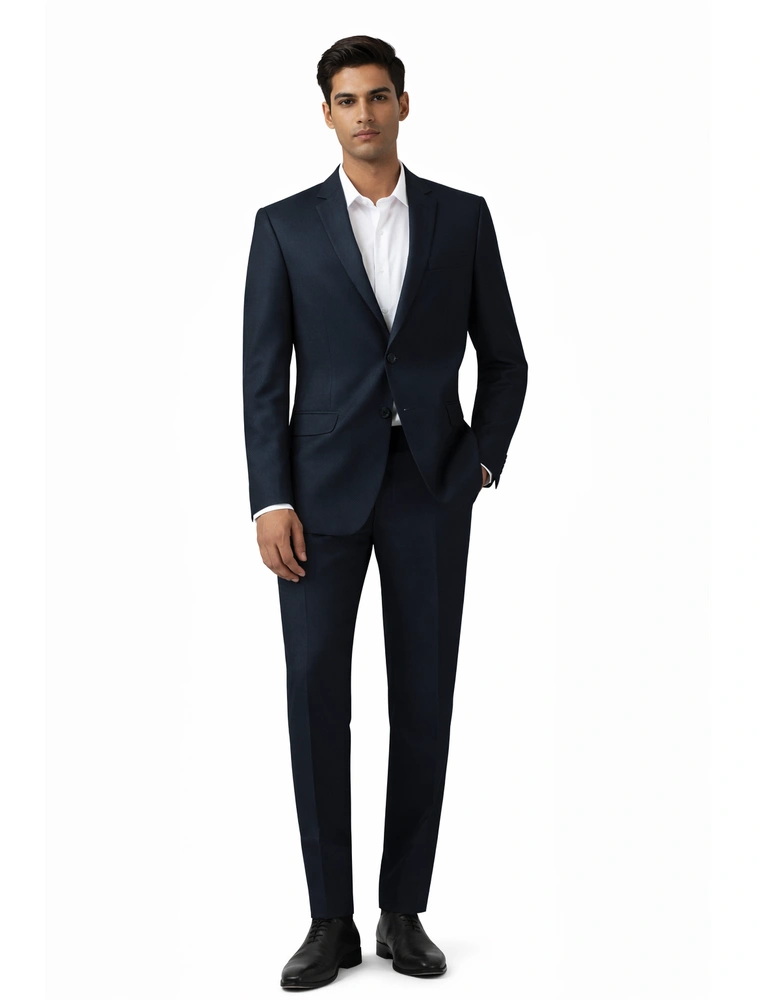

Bulk corporate & industrial uniforms for every use case
Brand-ready corporate & industrial uniforms for corporate, retail, uniforms and large custom programmes — sourced across partner factories with published prices.
Corporate & events
Brand-ready corporate & industrial uniforms for offsites, launches and conferences.
Get quote →
Uniforms & programmes
Consistent supply for schools, factories and frontline teams.
Corporate uniforms →
Own brand / resale
Unbranded or private-label stock for retail brands.
Launch your store →
Large custom runs
Contract manufacturing for high-volume programmes.
Contract manufacturing →Bulk corporate & industrial uniforms — frequently asked questions
This page is called Corporate & Industrial Uniforms. What can we actually order from it today?
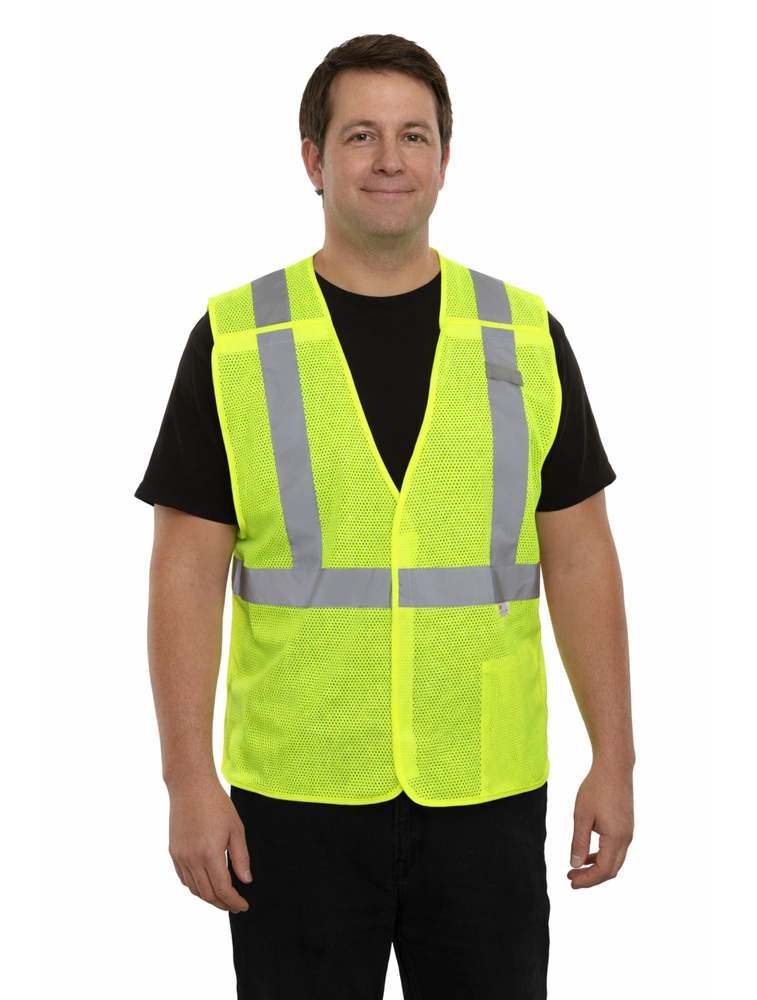
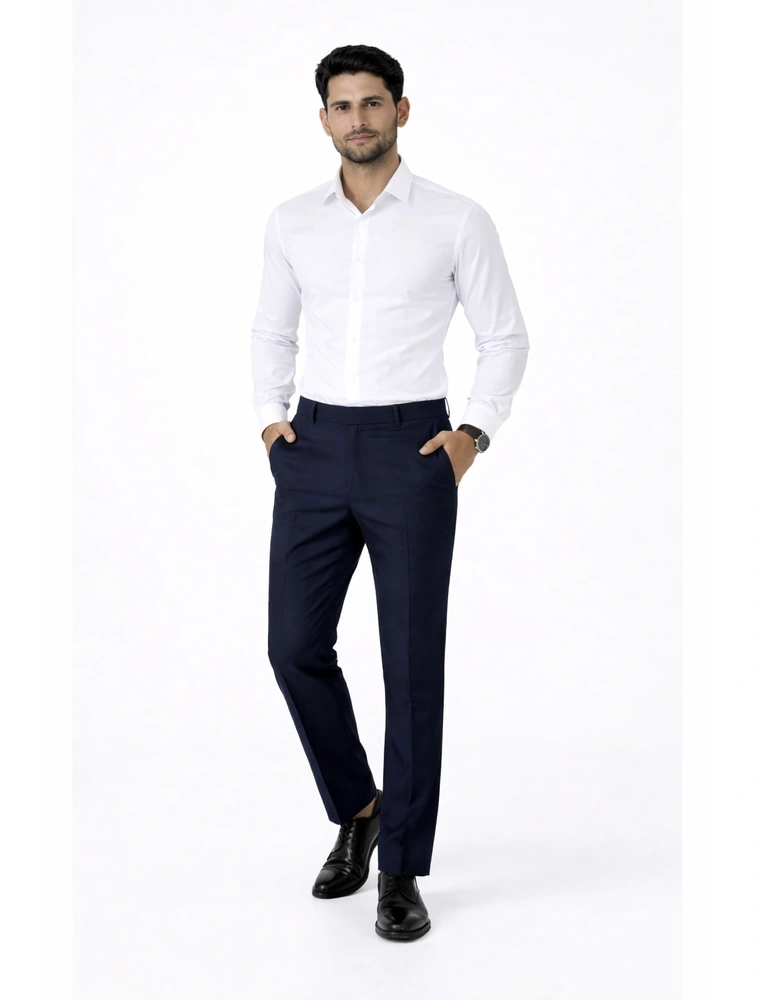
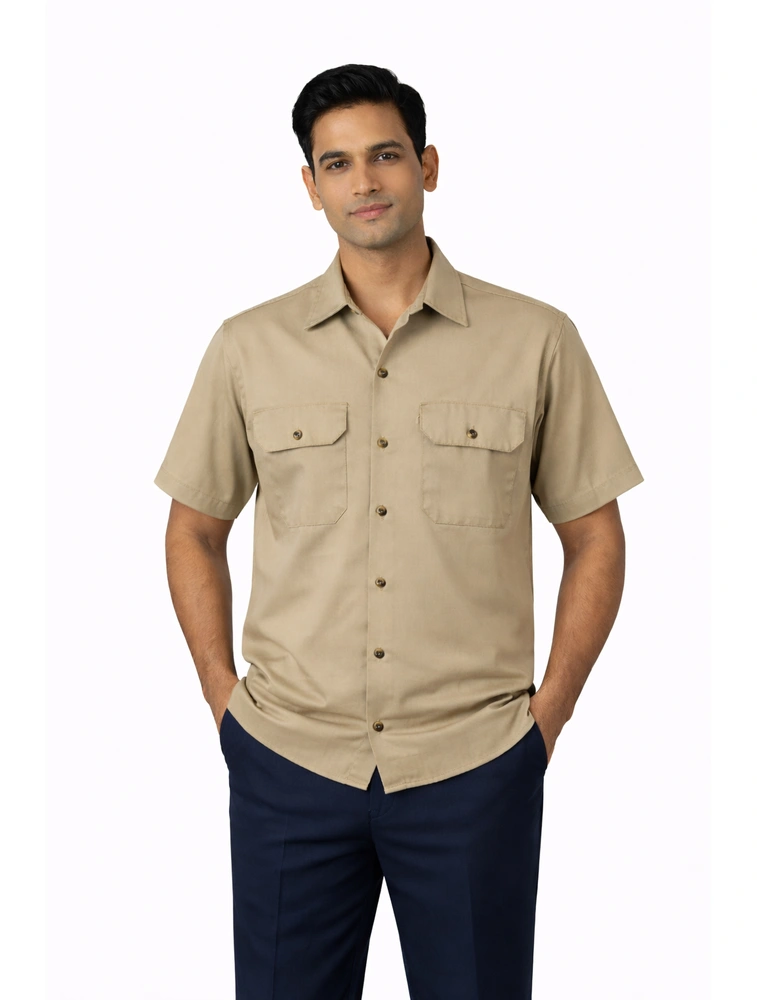
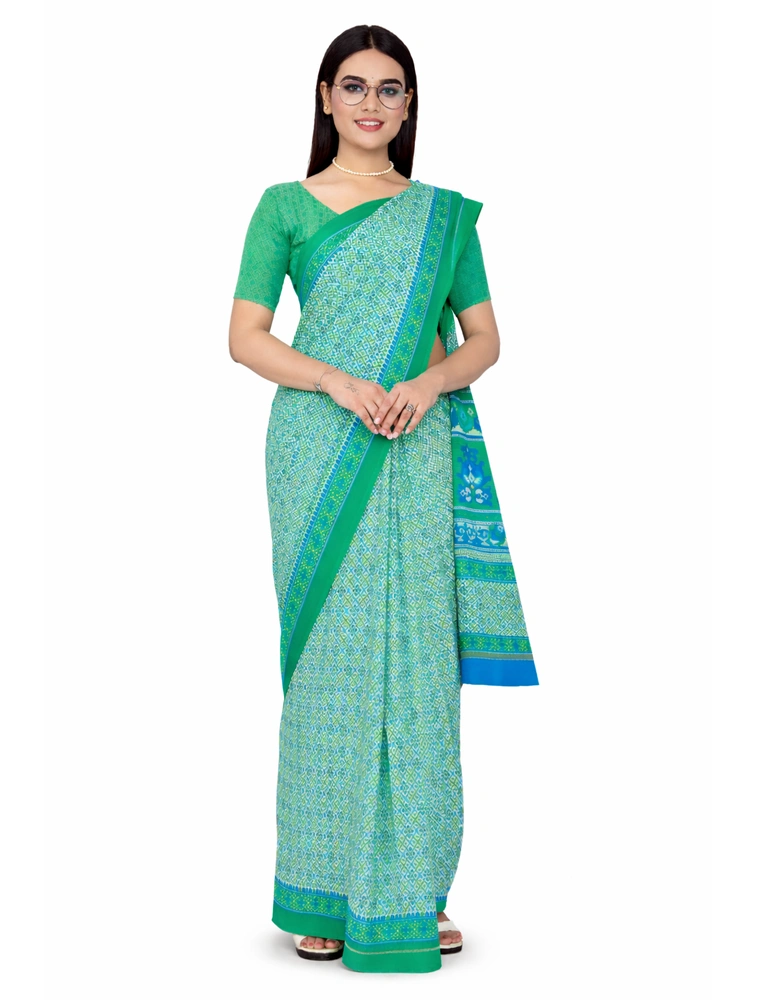
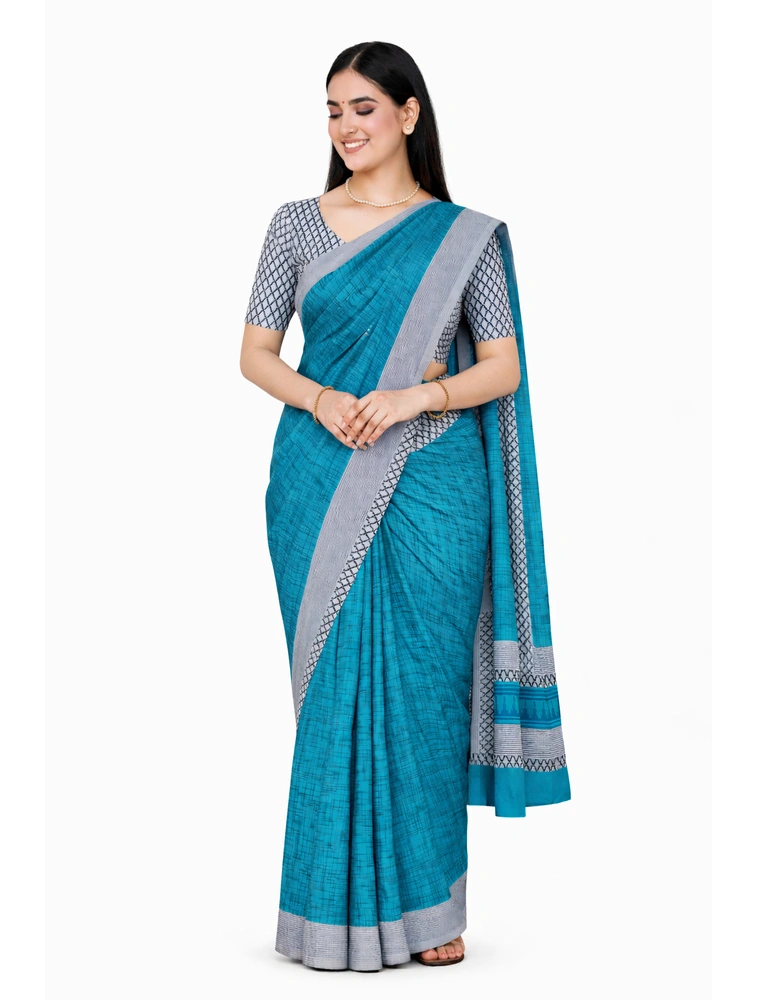
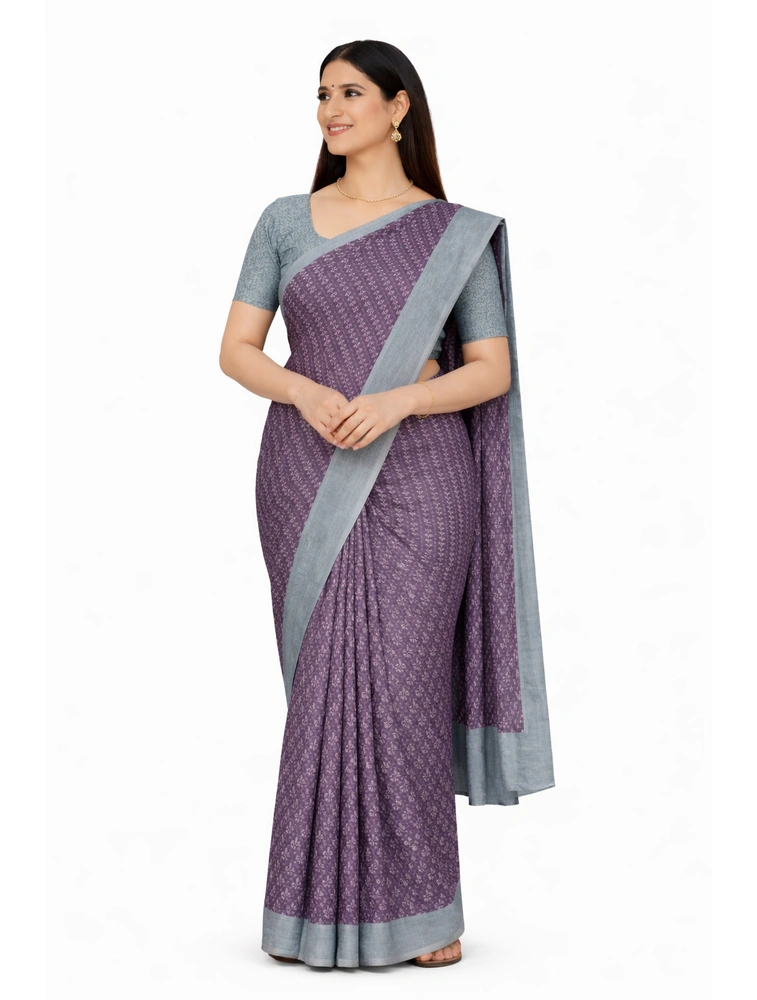
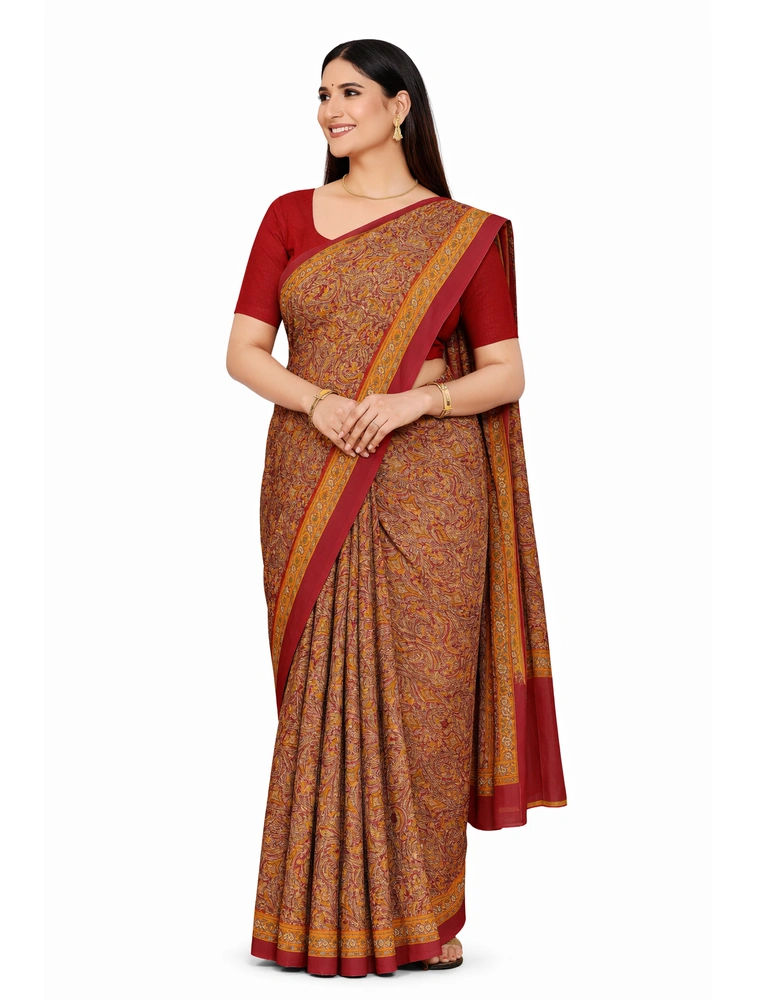
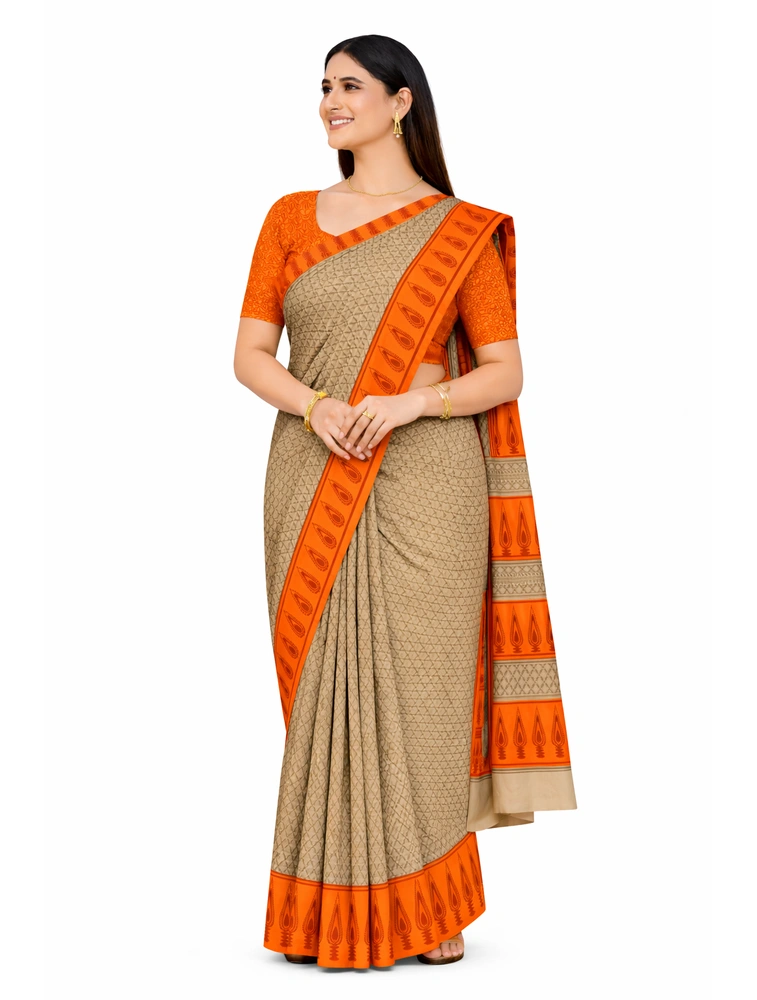
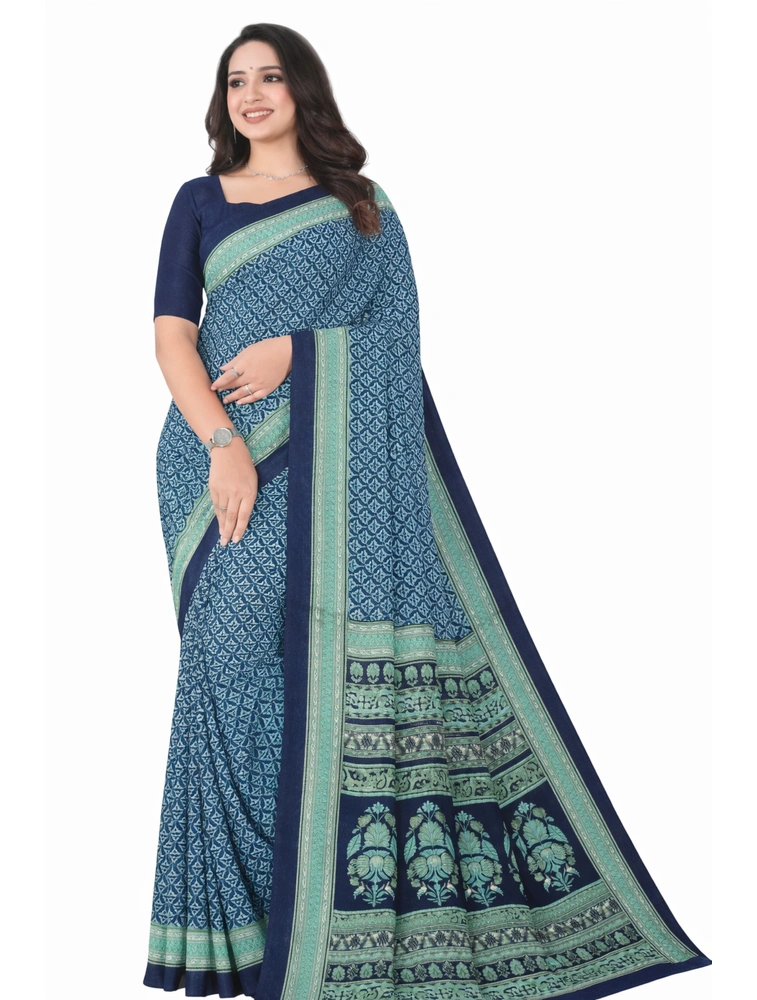
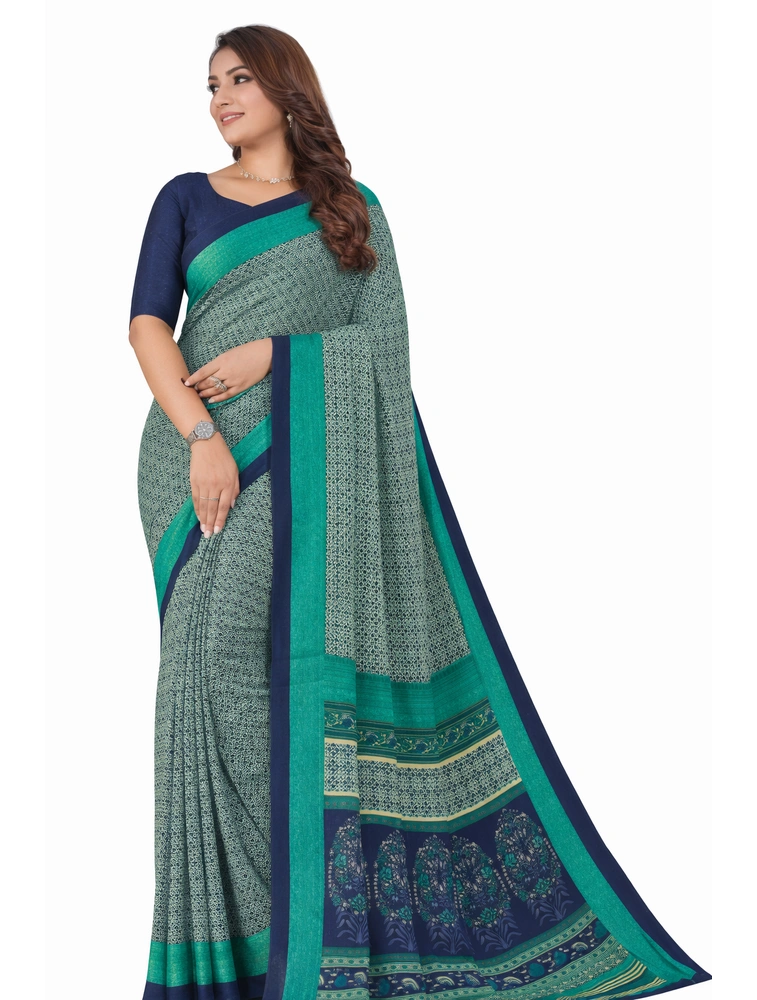
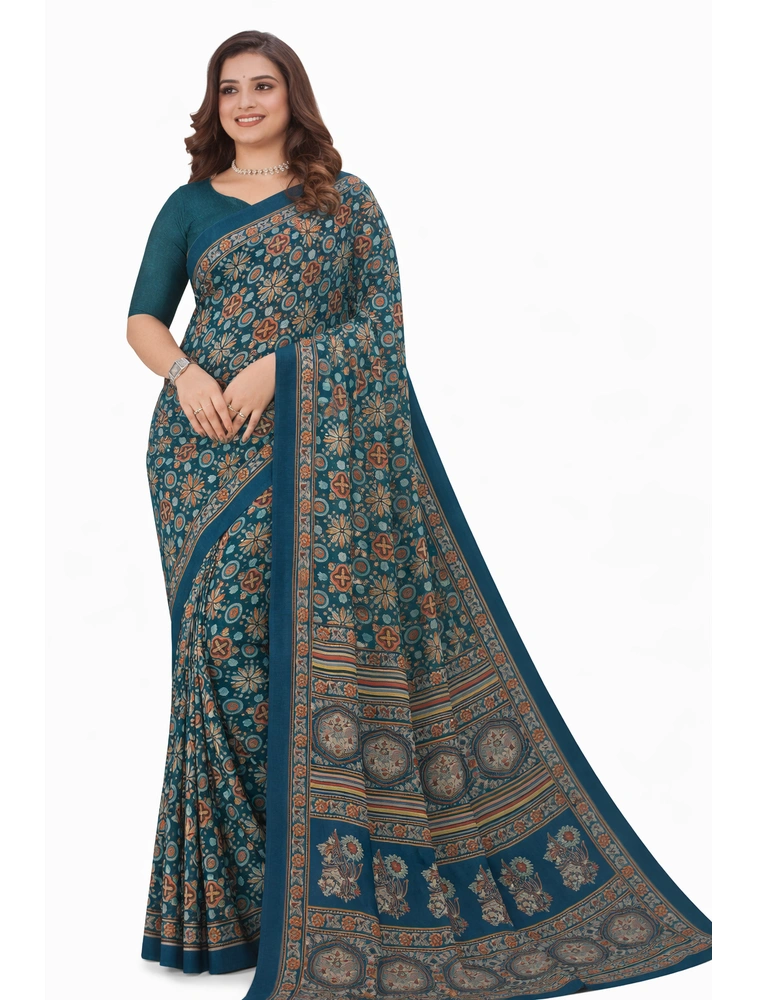
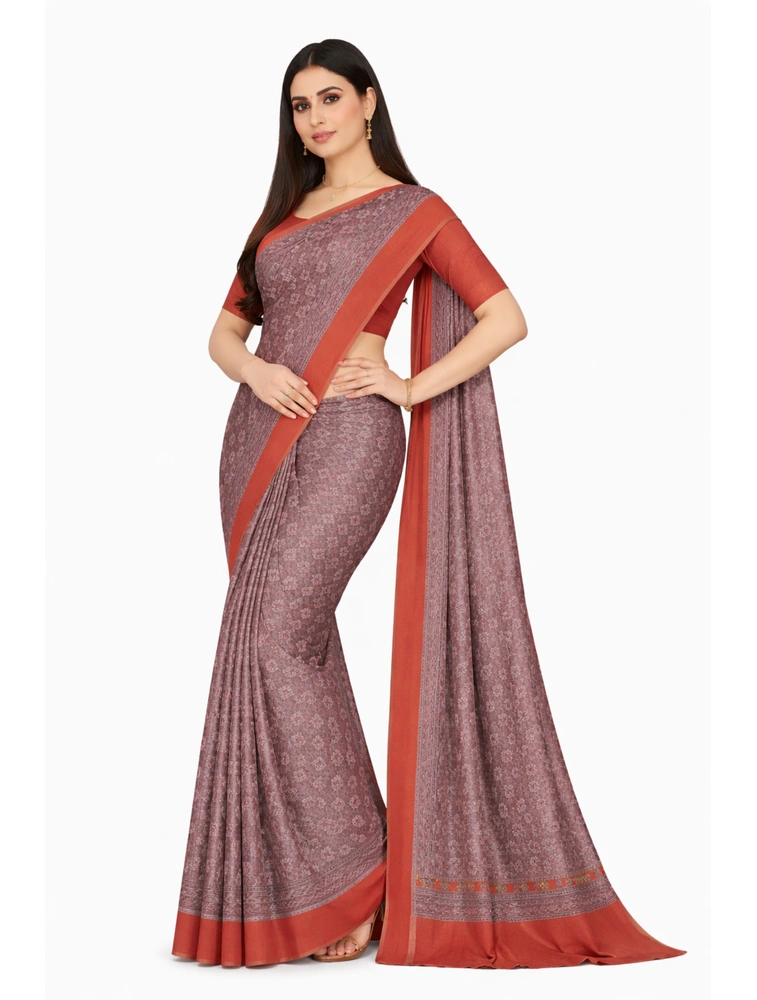
Four things, and it is worth saying plainly which four. On 30 July 2026 the grid holds twelve products: one sleeveless reflective safety vest, one pair of PV office formal trousers, one PV matty mechanic shirt, and nine colourways of the same premium crepe office drape saree. Everything else in this category — formal shirts, blazers, coveralls, aprons, lab coats, chef wear, housekeeping sets — is quoted, not stocked.
What that means in practice for a procurement team. Three quarters of what is published here is one garment in nine colours. The saree is a genuine range and you can order it today. The trousers and the mechanic shirt are single lines. The vest is the entire published industrial side of the category, which is a much narrower offer than the category name implies. If your requirement is a saree-based uniform for a bank, a hospital front desk, a retail chain or a government office, this page is the right place to start and the colour choice is real. If your requirement is a coverall for a refinery or a boiler suit for a fabrication shop, nothing on this page is the answer and you should treat the page as a contact point rather than a catalogue.
Why the industrial half is thin, stated honestly. Protective workwear is a specification business, not a stock business. A coverall for a petrochemical site and a coverall for a food plant look similar and share almost no specification. Publishing a generic coverall at a single price would produce quotes we could not stand behind and, in the protective categories, could mislead a buyer into thinking a garment carries protection it has not been tested for. We would rather publish four honest lines and quote the rest against your written requirement.
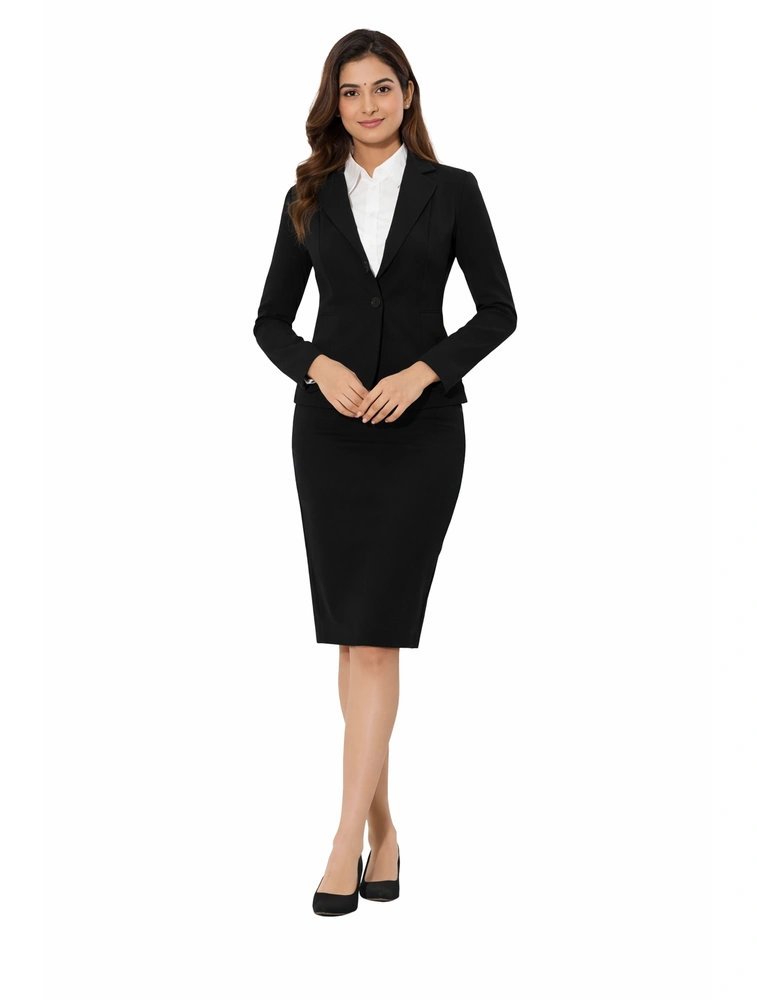
What is genuinely quotable beyond the grid. Corporate formalwear as a programme — shirts, trousers, waistcoats, blazers, scarves and ties in one house colour across grades; role-differentiated workwear for shop floor, warehouse, housekeeping, security, kitchen and field teams; and protective categories where you can name the standard and class you require. Our adult woven-shirt page at factori.com/shirts explains how shirting is specified and costed, and the same logic carries into a corporate programme at scale. Institutional uniform programmes for schools and colleges sit separately at factori.com/school-college-uniforms.
The one thing that speeds a quote up more than anything else. A physical garment. Send one of each type from whatever your people wear now, even if it is worn out, along with your headcount split by role and site. A sealed reference sample settles in an afternoon what a fortnight of emails will not, because it fixes cloth, colour, cut and finish in one object. If you would rather talk it through first, request a quote or call +91 87470 71444.
Lead times, so you can plan backwards from a date. Published items in ready stock dispatch in 7 to 10 days. Custom production — your colour, your specification, your badging — runs 15 to 30 days from approval of the sample, and the approval step is the one that slips, because it depends on how fast a decision can be made at your end rather than on how fast a factory can cut. If you have a launch date, a joining date or an audit date driving the programme, work backwards and add two weeks for sampling and approval before the production window starts. Minimum order quantity is 100 pieces per style per colour.
What we will not do. Quote you a protective garment against a standard without telling you exactly which test reports exist and which do not. That distinction is the subject of the next several answers, and it matters more than price.
Procurement
Queries Targeted
corporate uniform supplier bulk India, industrial workwear manufacturer wholesale, office uniform saree bulk, corporate and industrial uniform range
We have office staff, shop-floor operators, housekeeping, security and field engineers. How do we define a uniform kit for each?
Define each role by what its clothing has to survive, not by seniority. Five questions settle almost every kit: how many hours worn, how it is washed, what it must protect against, whether it must be recognisable at distance, and whether the wearer is seen by customers. Answer those five per role and the fabric, weight and garment count follow almost mechanically.
Front of house, meaning anyone a customer or visitor sees. Drape, wrinkle recovery and colour consistency matter more than abrasion resistance, because the garment fails visually long before it fails mechanically. Poly-viscose blends and crepe sarees belong here. Plan on more sets per person, because a creased or faded front-of-house garment has to leave rotation early.
Shop floor and warehouse. The garment is abraded, snagged, washed hot and washed often. Poly-cotton is the workhorse. Specify pocket and knee reinforcement rather than a heavier cloth everywhere, because weight bought for its own sake makes the garment hotter without making it last longer. Avoid loose sleeves and dangling ties anywhere near rotating machinery, and say so in your specification rather than assuming the maker will.
Housekeeping and kitchen. Hot wash tolerance and stain behaviour dominate. These garments see the harshest laundering in most organisations, and they are the ones people quietly replace out of pocket when the programme under-supplies them.
Security and any role near traffic or moving plant. Recognition at distance becomes a specification, not a preference. This is where a hi-vis class has to be named and tested rather than assumed, and it is covered in detail in the two answers that follow. A vest that looks bright is not the same thing as a vest that meets a class.
Field engineers and anyone travelling between sites. The garment is worn in a vehicle, in sun and in rain, often for longer than a shift. Quick-dry matters, as does the ability to look presentable at a client site an hour after a site visit. This role is usually under-specified because it sits between office and floor in most org charts.
How many pieces per person. Work from laundry frequency rather than a rule of thumb. Weekly wash means five working sets is the honest number for a five-day role; twice-weekly wash brings it down to three. For a role in a hot or dirty environment where the garment is changed daily, three sets forces a wash every second day and people run short by month two. Add one set beyond your arithmetic for every role, because the spare is what absorbs a damaged garment without a purchase order.
Where to differentiate, and where not to. Differentiate fabric and garment by role, because that is where the functional difference lives. Do not differentiate colour by seniority unless you have a specific reason, because a colour hierarchy visible across a floor is read as a status hierarchy whether you intended it or not, and it makes redeployment between roles awkward. If you need roles to be distinguishable — and on a factory floor or in a hospital you usually do — do it with a trim colour, a scarf, a lanyard or a badge panel rather than with the whole garment. It costs less, it changes without reordering the garment, and it keeps your colour matching problem down to one or two shades instead of five.
Write it down as a kit table before you ask for prices. One row per role, columns for garment, fabric, colour, pieces per person and headcount. That table is the document a maker can actually quote, and it is the document that stops the programme drifting when a department head asks for something different in month three. We will help you build it if you do not have one; send the role list and the headcount to get a quote.
Procurement
Queries Targeted
role based uniform kit definition, corporate uniform programme by department, workwear for shop floor vs office staff, how many uniform sets per employee
Your safety vest lists no standard. What must a hi-vis garment declare before we can buy it for a worksite?
Five declarations, and a garment missing any of them is not yet a specified hi-vis garment. It must name the standard, the class within that standard, the fluorescent background colour type, the retroreflective band width, and the test report or certificate that supports the class. Our published vest currently states none of these five. It states a colour, a nylon-polyester top fabric with no percentages, sleeveless construction and a single size. That is a description, not a specification, and you should ask us for the rest in writing before you commit it to a worksite.
The standard that applies in India. High visibility warning clothing is covered by IS 15809, published by the Bureau of Indian Standards in 2008 and revised in 2017. It sets three classes of conspicuity, minimum areas of fluorescent background and retroreflective material for each class, minimum band widths, permitted colours and their chromaticity, and a minimum coefficient of retroreflection. It also sets what the garment label must carry: manufacturer identification, size designation, fabric content, and the garment class together with the performance level of the retroreflective material. That last requirement matters most to a buyer, because a compliant garment is legible on its own label.
The minimum material areas the standard requires. These are the figures published in IS 15809, and the European standard EN ISO 20471 uses the same three-class structure and the same areas:
| CLASS | FLUORESCENT BACKGROUND | RETROREFLECTIVE MATERIAL | BAND WIDTH | TYPICAL GARMENT |
|---|---|---|---|---|
| Class 1 | at least 0.14 m² | at least 0.10 m² | at least 25 mm (or 50 mm for combined-performance material) | Trousers or a harness worn as part of an ensemble |
| Class 2 | at least 0.50 m² | at least 0.13 m² | at least 50 mm | A vest or waistcoat |
| Class 3 | at least 0.80 m² | at least 0.20 m² | at least 50 mm | A jacket with sleeves, or a coverall with banded legs |
The other figures worth knowing. IS 15809 permits two fluorescent colour types, yellow-green and orange-red, and EN ISO 20471 additionally permits fluorescent red. The minimum coefficient of retroreflection for new tape is 330 candela per lux per square metre measured at an observation angle of 12 minutes and an entrance angle of 5 degrees. If a buyer in a North American supply chain asks instead for ANSI/ISEA 107, that standard expresses the same idea in square inches and adds garment types: Type O for off-road, Type R for roadway, Type P for public safety. Its Class 2 Type R garment requires at least 775 square inches of background and 201 square inches of retroreflective material with tape at least 1.38 inches wide, and its Class 3 Type R garment requires at least 1,240 and 310 square inches with tape at least two inches wide.
What to write on the purchase order. Name the standard, the class and the colour type in one line — for example “high visibility vest to IS 15809, Class 2, fluorescent yellow-green, retroreflective tape not less than 50 mm, test report to be supplied”. Then ask for the test report against that exact garment construction, not against the tape alone. A tape certificate proves the tape performs; it does not prove the finished garment carries enough of it in the right places.
Our position on this, without hedging. Where you require a certified class we will source and quote against the named standard and supply the test documentation, and where documentation does not exist for a garment we will tell you that rather than imply a class. We do not claim a class for the vest currently published on this page, because no class is declared for it. Treat it as a visibility aid pending that declaration, and if the garment is going onto a road, a yard or anywhere near moving plant, specify to the standard and buy against the report.
Specification
Queries Targeted
IS 15809 high visibility warning clothes, EN ISO 20471 class requirements, ANSI ISEA 107 safety vest standard, hi vis vest certification India, reflective safety vest specification
Which hi-vis class does each of our roles need, and can a sleeveless vest ever be Class 3?
No — a sleeveless vest on its own cannot reach the top class, and that single fact settles most of the confusion in this category. The classes are defined by how much fluorescent and retroreflective material the garment carries, and a vest simply does not have the surface area. A vest is the classic Class 2 garment. The top class needs sleeves or banded full-length legs, and where it is achieved by combining garments, the combination has to be tested and certified together as an ensemble rather than assembled hopefully on site.
Why area, not brightness, decides the class. Two vests can use identical fluorescent cloth and identical tape and fall into different classes, because one is cut larger or carries more bands. Brightness is a property of the material; class is a property of the garment. This is why a supplier saying “same fabric as a Class 3” is telling you nothing about the garment in front of you, and why the class has to be declared per style and per size rather than per fabric.
How to pick by role, in the terms the standards use. The lowest class is intended for work where the wearer can give full and undivided attention to approaching traffic — slow, controlled, predictable environments, and typically as part of an ensemble rather than alone. The middle class is for people who need greater conspicuity in poor weather or near roadways with meaningful traffic, which covers most yard marshals, warehouse traffic controllers, security staff on a gate and site visitors. The top class is for high-risk work where people are exposed to high-speed traffic or a wide range of weather, and where the wearer needs to be identifiable as a human form rather than as a bright patch.
The distinction that catches buyers out. Human form, not just visibility. Sleeve and leg bands are in the standard because a driver recognises a person by the outline of moving limbs long before reading a shape as a torso. That is the real reason a vest cannot substitute for a jacket at speed, and it is worth explaining to whoever signs the requisition, because the cheaper garment looks bright enough in a warehouse and the objection sounds like upselling.
Three practical rules that keep a hi-vis programme honest. First, specify by role and by worst case rather than by average case; the man who walks the yard once a shift needs the class for that walk. Second, put a retirement rule in the programme — retroreflective performance degrades with washing, abrasion and folding, so the correct question is not whether the garment is intact but whether the tape still performs, and a visibly dulled or cracked band is a garment out of service regardless of how new the cloth looks. Third, keep the size in scope: the material areas are minimums for the garment as supplied, so a small size has to be checked, not assumed to inherit the class from a large.
Two things to avoid entirely. Printing or embroidering a logo across a retroreflective band or into the minimum background area, which reduces the certified area and can take the garment out of class — put branding on the yoke or the pocket panel and get the placement approved before production. And washing hi-vis garments with heavy soil loads or industrial solvents that the tape was never tested against, which shortens tape life far faster than wear does.
What we need from you to quote. The standard, the class, the colour type, the headcount by size, and whether the garment must be an ensemble. With those five lines we can quote and tell you what documentation will come with it. Without them we would be guessing, and guessing is not acceptable on a protective garment.
Specification
Queries Targeted
which class hi vis do I need, class 2 vs class 3 safety vest difference, can a vest be class 3, hi vis class selection by job role, high visibility ensemble rule
Our people work near heat, flame or welding. Can we use a polyester or nylon uniform?
No. This is the one place in a uniform programme where the wrong fabric turns an incident into an injury. Polyester and nylon are thermoplastics: exposed to enough heat they soften, melt and can adhere to skin, and molten polyester has a tendency to drip, which spreads the injury beyond the point of contact. Nylon also decomposes at a lower temperature than many people assume. If your people face flame, radiant heat, molten metal splash, flash fire or electric arc, the garment has to be specified against a flame and heat standard, and no amount of cotton-rich blending in an ordinary uniform substitutes for that.
The standard for general heat and flame work. EN ISO 11612 covers protective clothing against heat and flame and grades performance with letter codes, each with numbered levels, so that a garment's label describes exactly what it was tested for. Code A covers limited flame spread, with A1 for surface ignition and A2 for edge ignition, both with a ten-second flame application, and the requirement is that the fabric must not drip, must not shrink away and must not develop a hole. Code B covers convective heat with three levels, B1 at 4.0 to under 10.0 seconds, B2 at 10.0 to under 20.0 and B3 at 20.0 seconds or more. Code C covers radiant heat across four levels, C1 at 7.0 to under 20.0 seconds through to C4 at 95.0 seconds or more. Codes D and E cover molten aluminium and molten iron splash at levels 1 to 3, graded by the mass of metal required to damage a skin simulant. Code F covers contact heat at 250 degrees Celsius, F1 at 5.0 to under 10.0 seconds through to F3 at 15.0 seconds or more.
The standard for welding specifically. EN ISO 11611 covers clothing for welding and allied processes, protecting against spatter, molten metal splash, short-term flame contact and radiant heat. It has two classes: Class 1 for lower-hazard welding, and Class 2 for higher-hazard welding. The practical division is simple — specify 11611 for welding, fabrication and metalwork, and 11612 for general heat and flame exposure in petrochemical, oil and gas and heavy manufacturing settings. A garment can be certified to both, and on a mixed site that is often what you want.
If your requirement comes through a North American specification. You will be asked instead for NFPA 2112 for flame-resistant fabrics against flash fire, NFPA 70E for workplace electrical safety and the arc-rated clothing it drives, and ASTM F1506 for textiles used in electric-arc and thermal protection. These are not interchangeable with the ISO codes and you should not let a supplier treat one as evidence of the other.
What this means for what is published on this page, stated plainly. Nothing currently listed on this page is offered as flame-resistant, arc-rated or heat-protective, and none of it should be deployed where those hazards exist. The mechanic shirt is an ordinary workwear shirt for maintenance and service work, not a welding garment. Where you need certified FR or arc protection we will quote against the standard, class and code you name and supply the test documentation with the goods; where a garment has no such report we will say so.
The advice we will not give. Which class or code your site requires. That follows from your own hazard assessment and the regulations you operate under, and it is a decision for your safety officer or a competent professional, not for a supplier's FAQ. What we can do is quote precisely against the standard once you have named it, and refuse to sell you a garment that implies protection it has not been tested for.
Specification
Queries Targeted
polyester melts skin flame hazard workwear, ISO 11612 heat flame clothing codes, ISO 11611 welding clothing class 1 class 2, flame resistant uniform India, can you wear polyester near fire
The saree listings show no length, width or blouse piece. What has to be on a uniform saree specification?
Six fields, and for a uniform programme the first two matter more than anything else: length in metres and whether a blouse piece is included. A standard saree runs about 5.5 metres, roughly six yards. A saree with an attached blouse piece runs 6.3 to 6.5 metres, because the blouse piece adds around 0.8 to 1 metre that is cut off and stitched separately. A nine-yard drape for a Nauvari or dhoti style runs about 8.2 metres. Width runs 44 to 48 inches, about 1.1 to 1.2 metres. Our current saree listings publish none of this, and you should get all six fields in writing before you place a bulk order.
Why length is a functional specification and not a preference. A saree that is too narrow will not skim the floor properly or cover the petticoat when tucked in, and a wearer of 5 feet 7 inches or taller needs the width closer to 48 inches for the drape to sit correctly. On a single retail purchase that is a disappointment. On a 400-piece uniform order it is 400 garments that some of your staff cannot wear properly, and the complaint arrives after distribution rather than at approval.
The blouse piece decision, which is the one buyers forget. If the blouse piece is included, every wearer needs it stitched, which means a tailoring step and a cost that sits outside your purchase order unless you plan for it. A blouse piece of 80 centimetres to 1 metre is plenty for a standard short-sleeve saree blouse. If the blouse piece is not included, you are either supplying ready-made blouses as a separate line in matched sizes, or you are asking staff to source their own — and if they source their own, your carefully matched corporate colour walks out of the building. Most organisations that get this right supply a ready-made blouse in graded sizes cut from the same dye lot, and treat it as a second garment in the kit rather than an accessory.
The six fields to insist on. Length in metres including or excluding the blouse piece and stated which. Width in inches. Fibre composition as percentages. Fabric weight in GSM. Border and pallu construction, whether woven, printed or attached, and its width. And the colour reference against a physical or Pantone standard. Those six make two quotes comparable and make a reorder in eighteen months reproducible.
Two more that a uniform programme specifically needs. Petticoat colour policy, because a visible mismatched petticoat undoes the uniform entirely and costs nothing to specify. And a pinning and pleating guideline issued with the garment, which sounds fussy until you see the same saree draped six different ways across one floor on day one. A single printed card in the pack settles it.
Drape style is a decision you have to make centrally. The same saree can be worn in several regional drapes, and the length required differs between them — which is precisely why the nine-yard figure exists alongside the six-yard one. For a uniform, pick one drape, specify the length that supports it, and say so in the issue note. If your workforce spans regions and you want to permit more than one drape, you have to buy more than one length, and that is a quantity decision rather than a preference you can leave to the wearer after the goods have arrived.
What we will do about our own listings. The nine crepe saree colourways on this page publish a price and a colour and not much else, and the size option on those product pages does not currently render correctly. Both are being raised internally. In the meantime, ask us for the six fields against the specific colourway you are considering and we will give you them in writing, and ask for a physical piece before you commit a floor-wide order. For a corporate programme the sample is not a formality; it is where you discover the drape.
Specification
Queries Targeted
uniform saree length specification bulk, saree size chart 5.5 metre 6.3 metre, saree with blouse piece bulk order, corporate saree uniform specification, saree width 44 46 inches
Is “crepe” a fabric, a finish or a weight? And what do we write on a purchase order so a reorder matches?
None of the three. Crepe is a yarn characteristic. The crinkle comes from hard-twisted crepe yarn, meaning a very high number of twists per metre, and it is structural rather than applied — so the correct instruction on a purchase order is to specify yarn twist, not just the word “crepe”. A polyester crepe commonly runs about 80 to 150 GSM. Order by name alone and the reorder you get in a year can be visibly different cloth at the same price.
Why this matters more on a uniform than on a retail garment. A retail buyer sees one piece and either likes it or does not. A uniform buyer sees the same cloth arrive in three batches over two years and needs them to match each other. Because the crinkle is a yarn property, two batches with different twist levels have different surface texture, different light behaviour and often a slightly different perceived shade even when the dye is identical. The dyehouse will pass both. Your staff will notice.
The weight bands worth knowing, since “crepe” spans a very wide range. Crepe de chine is traditionally quoted in momme, at roughly 16 to 25 momme, which corresponds to about 60 to 90 GSM. Georgette sits at roughly 50 to 120 GSM. Moss crepe and French crepe run heavier at about 120 to 160 GSM. Polyester crepe, which is what an office drape saree at this price point will be, sits at about 80 to 150 GSM. That range is nearly a two-to-one spread, and the difference between its ends is the difference between a saree that drapes and one that hangs.
What to write, field by field. Start with fibre and percentages. Add weight in GSM with a tolerance you will accept. Add the crepe construction by name and the yarn twist level. Add width. Add the care regime you intend to use, because that is what determines whether the cloth survives your laundry rather than a laboratory's. Then attach a sealed physical swatch and make it the governing reference, with the written fields as the tie-breaker if the swatch is disputed. Never order by name alone.
Claims to be sceptical of, including on our own pages. The saree listings on this page describe the cloth as wrinkle-resistant, breathable, and as retaining colour and shape after repeated use. Those are marketing sentences, not test results, and none of them is currently supported by a named test method or grade on the page. Wrinkle recovery, colour fastness and dimensional stability are all measurable properties with standard methods behind them. Ask for the method and the grade, from us or from anyone else, and treat an unqualified adjective as a description of intent rather than of performance. We would rather you held us to that than took the sentence at face value.
The two construction details that decide whether it looks like a uniform. The border and the pallu. A woven border is part of the cloth and behaves like it; a printed border is ink on the surface and can wear differently at the fold; an attached border is a seam and a potential failure point. For a uniform where several hundred pieces have to look alike after a year of wear, the border construction matters at least as much as the ground fabric, and it is the field most often left blank on a saree specification. Specify which of the three you are getting, and specify the border width, because a border that is two centimetres narrower reads instantly as a different garment.
The good news on care. Most polyester crepes are machine washable, which is what makes them practical as a uniform saree at all rather than a dry-clean-only garment your staff pay to maintain. Confirm the wash temperature and whether your laundry is domestic or industrial before you finalise, because those are different tests and the next answers deal with why.
Specification
Queries Targeted
what is crepe fabric uniform saree, crepe GSM weight polyester, crepe de chine momme weight, is crepe a finish or a weave, how to specify crepe fabric purchase order
Is poly-viscose or poly-cotton right for us — and is “matty” a fabric at all?
Split it by role, not by budget. Poly-viscose — often quoted as TR 65/35, meaning 65 per cent polyester with 35 per cent viscose — is a front-of-house cloth: it drapes better and recovers from wrinkles well, which is what an office or reception garment needs. Poly-cotton, TC 65/35, is a back-of-house and shop-floor cloth: it takes abrasion and repeated hot washing far better. And “matty” is not a composition at all. It is a trade name for a matte-surfaced weave, and listings sold as “cotton matty” are frequently 100 per cent polyester.
The numbers behind that split, and they are industry figures rather than our own factory data. Wet-strength retention is the clearest divide: viscose retains only about 50 to 60 per cent of its strength when wet, against 95 per cent or more for polyester and about 90 per cent for cotton. Over 50 washes, pure viscose is rated poorly and shows seam wear by wash 30 to 35, while a poly-cotton retains roughly 90 per cent of its original condition and a poly-viscose roughly 85 per cent. First-wash shrinkage runs about 3 to 5 per cent for 100 per cent cotton, 1 to 2 per cent for TC 65/35 and 1 to 3 per cent for TR 65/35. CVC at 50/50 sits between the blends as a middle option.
What that implies role by role. A shop floor garment wants TC 65/35 or TC 80/20 for abrasion resistance and a life measured in a hundred wash cycles or more. An industrial kitchen wants TC 65/35 for its tolerance of an 80 degree wash. A reception or administrative role can take TR 65/35 and get better appearance for it. The mistake is running one cloth across the whole organisation to simplify procurement, because the cloth that looks right at the front desk wears out on the floor and the cloth that survives the floor looks wrong at the front desk.
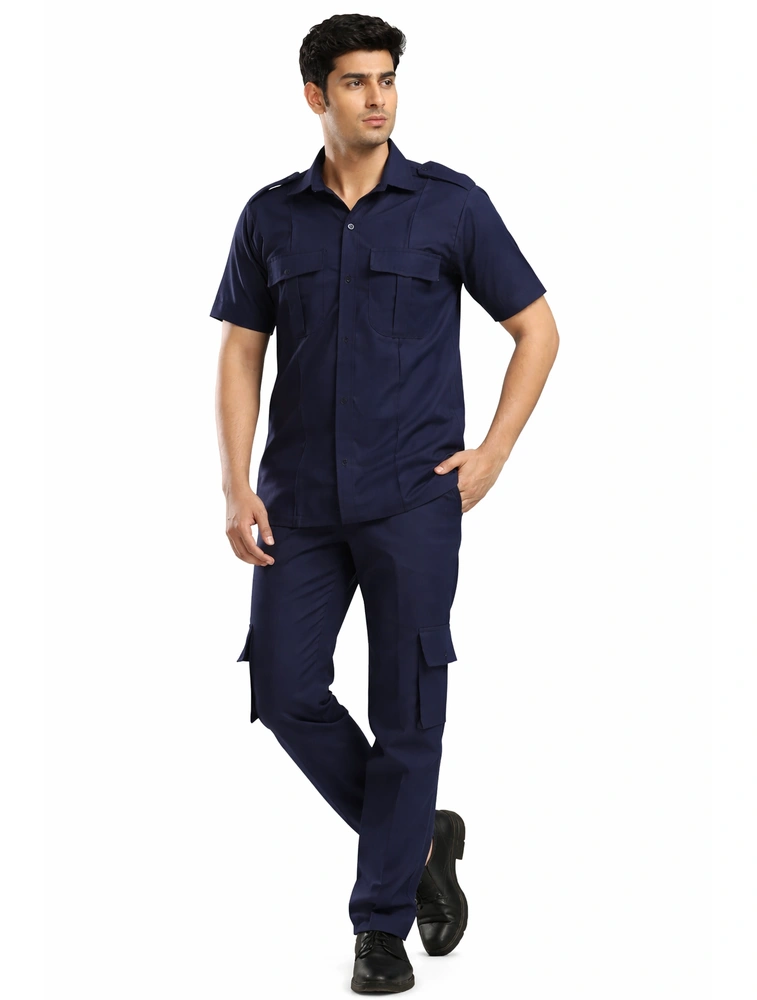
A question we are raising internally about our own listing, and we would rather flag it than not. The mechanic shirt published on this page is a PV matty, meaning poly-viscose. Given the wet-strength and abrasion figures above, factory guidance generally puts poly-viscose front of house and poly-cotton on the shop floor, which makes poly-viscose an unexpected choice for a garment named for mechanics. We are not asserting that the garment is unsuitable — the actual blend ratio, weave density and finish all matter, and we do not want to condemn our own product on a general rule. We are saying that if you are buying it for a maintenance team, ask us for the composition, the weight and the wash-life expectation in writing, and consider a poly-cotton alternative for the same role. That is the honest answer and it is the one we would want if we were buying.
On “matty” specifically. It is valued for durability, quick drying and a matte texture, and it is commonly quoted around 200 to 220 GSM at 42-inch width. It is also a name that tells you nothing about fibre, which is exactly why a listing can carry the word “cotton” in front of it and be entirely polyester. Write “matte-surface woven, 65/35 polyester-cotton, 210 GSM, 42-inch width” instead of “cotton matty” and the ambiguity disappears.
The rule to carry into every quote you receive. Composition as percentages, weight in GSM, weave or knit structure, and width. Four fields. Any supplier who will not put those four in writing is not quoting a fabric, they are quoting a word.
Specification
Queries Targeted
poly viscose vs poly cotton uniform which is better, TR 65/35 vs TC 65/35 workwear, matty fabric composition uniform, viscose wet strength durability uniform, best fabric for factory uniform
Our uniforms go to a commercial laundry, not a washing machine. Does that change the specification?
Completely, and it is the single most under-asked question in industrial uniform procurement. A garment tested only for domestic washing has been tested at a gentler temperature, with milder chemistry and far less mechanical action than a commercial laundry applies. The standard written for the harsher case is ISO 15797, which tests textiles and garments for industrial laundering, and it runs at 60 to 85 degrees Celsius with high-alkaline, enzyme-active or bleach-based chemistry, sustained high-speed tumbling at defined load ratios, and high-temperature tumble drying or tunnel finishing.
What the standard actually assesses. Four things. Dimensional stability, meaning how much the fabric shrinks or grows over a set number of industrial cycles. Colourfastness under industrial detergents, which are chemically much more aggressive than domestic ones. Mechanical durability — abrasion resistance, tear strength and tensile strength measured both before and after repeated washing, which is the part that distinguishes a fabric that starts strong from one that stays strong. And appearance retention, covering pilling, wrinkling and seam puckering. Workwear fabrics are commonly evaluated after 50 or 100 industrial washes.
Why a domestic-wash figure can mislead you. A domestic wash test tells you what happens in a household machine. If your laundry runs a tunnel washer at 80 degrees with an alkaline break and then a tunnel finisher, the garment is meeting conditions the test never applied. The failures that follow are predictable and unfair-looking: garments that shrink in the second month having passed a shrinkage test, colours that go flat across a whole batch at once, and seams that pucker so that a well-cut garment starts looking cheap. None of that is a manufacturing defect. It is a specification mismatch, and it is the buyer's specification that has to close it.
The five questions to put to your laundry before you finalise a fabric. What wash temperature do you run. What is in the chemistry, particularly whether bleach or high-alkaline breaks are used. Do you tumble dry, tunnel finish or press. What is the load ratio. And how many cycles per garment per year do you expect. Those five answers turn into a fabric brief. Give them to your supplier and the conversation changes from “which cloth is best” to “which cloth survives this”, which is a question with an answer.
Where this hits hardest in a mixed programme. Housekeeping and kitchen garments, which see the harshest laundering; anything with a reflective band, because tape adhesion and retroreflective performance are affected by wash temperature and chemistry that the tape may never have been tested against; and any garment with an applied logo, because industrial laundering is where a badly chosen transfer separates from the cloth. If you are running reflective garments through an industrial laundry, ask specifically what wash regime the tape was tested to, and put a retirement rule in the programme rather than assuming a wash count.
What we can and cannot tell you about our own products here. We do not currently publish an industrial-laundering test result against the garments on this page, and the care instruction on the safety vest is a domestic one: machine wash cold at a maximum of 30 degrees on a gentle cycle, air dry or tumble dry on low heat, avoid bleach, avoid wringing, and do not iron directly on the reflective strips. That instruction and a commercial laundry are not compatible, and you should read it as a limit rather than a suggestion. Where your programme depends on industrial laundering, tell us at enquiry stage and we will quote a fabric specified for it and tell you what test evidence comes with it. If it does not exist for a given style, we will say so.
Specification
Queries Targeted
ISO 15797 industrial laundering workwear test, commercial laundry uniform fabric requirements, industrial wash vs domestic wash fabric test, workwear tunnel finishing shrinkage, uniform wash life
The page shows Rs 392 for the vest. Is that what we pay if we order 500 pieces?
No, and we would rather you heard it here than at the quotation. Every headline price on this page — including the one in the page title — is the price at the top quantity slab, above 10,000 pieces. The vest is published at Rs 392 onwards, and its own slab table reads Rs 413.00 for 100 to 999 pieces, Rs 405.00 for 1,000 to 9,999, and Rs 392.00 above 10,000. The saree is published at Rs 784 onwards, with Rs 825.00 at 100 to 999, Rs 809.00 at 1,000 to 9,999 and Rs 784.00 above 10,000. Minimum order quantity is 100 units. So at MOQ you pay roughly five per cent more than the headline.
Why we are telling you this rather than leaving you to find the table. Because the slab tables are on the product pages and the headline is on the category page, and a buyer building a budget from the category grid will build it wrong. Five per cent on a 500-piece order is not large. Five per cent discovered after a budget has been approved is a conversation nobody enjoys. The number is accurate, the presentation is not clear enough, and it is being raised internally as a fix. In the meantime, work from the slab that matches your actual quantity.
How to read any Indian bulk garment quote, ours included. Three questions strip most of the ambiguity out. First, which quantity does this price assume — because “onwards” almost always means the largest slab. Second, is the price per piece or per set, which matters enormously when a saree and blouse, or a shirt and trouser, are being quoted together. Third, what is included: taxes, freight, branding, packing, and per-employee packing if you need it. A price that is lower on line one and excludes branding and freight is not lower.
Why the slab exists at all. Volume changes what the factory does, not just what it charges. Above a certain quantity a colour is dyed to order rather than cut from stock, a marker is laid to use the cloth more efficiently, and one setup is amortised across far more pieces. Those are real savings and they are why the largest slab is genuinely cheaper. Below MOQ none of it applies, which is why 100 pieces per style per colour is a floor rather than a preference.
What actually moves your total cost more than the slab does. Style count. Ten styles at 100 pieces each and one style at 1,000 pieces are the same 1,000 garments and not remotely the same price, because each style carries its own pattern, marker, sampling, setup and inspection. If you are trying to get a programme into budget, reducing style and colour count is far more effective than negotiating on a slab. Two colours across five roles usually costs less than five colours across two roles, for the same headcount.
Budget for the things that are not in the piece price. Sampling, which on a custom programme is a real cost and a real fortnight. Branding setup, which is charged per logo per placement rather than per garment, so two placements cost twice regardless of quantity. Per-employee packing if you need it. Freight to each delivery location, which on a multi-site rollout is not a rounding error. And a replacement provision for the first three months, because a first programme always produces a handful of fit exchanges no matter how carefully it was sized. Add those five and you have a programme budget rather than a garment price.
How to get a number you can put in a budget. Send the quantity by style, colour and size, the branding method and placement, the delivery locations and the packing you need. That produces a firm quote rather than a range. Request a quote with those five lines and we will price the slab you are actually in. If your programme is large enough to justify dedicated production rather than catalogue styles, our contract manufacturing route is the better conversation.
Procurement
Queries Targeted
corporate uniform price per piece bulk India, uniform quantity discount slabs, MOQ 100 uniform price, industrial uniform wholesale price, does uniform price drop with quantity
How do we get one corporate colour to match across a crepe saree, a poly-cotton shirt and a poly-viscose trouser?
Accept from the start that you are matching three different fibres, and three different fibres take dye by three different chemistries. Polyester is dyed with disperse dyes, cotton with reactive dyes, viscose differently again. A colour can be brought very close across all three, but it will not be identical, and it will not stay identical under every light. The practical target is a match that reads as one colour to a person standing in your building, judged under your building's actual lighting.
The effect that ambushes uniform programmes: metamerism. Two samples can match under one light source and visibly differ under another. A saree and a shirt approved side by side under daylight at a mill can separate under the fluorescent tubes of your office or the warm lamps of a hotel lobby, and nothing has gone wrong at either end. The fix is procedural, not technical — assess the match under more than one illuminant before approving, including daylight, a store or office fluorescent, and a warm incandescent, and specify in writing which illuminant governs if they disagree. Choose the one your staff are actually seen under.
How to give a colour reference that survives translation. A Pantone textile reference is the sensible starting point because it is a named, purchasable physical standard rather than a description. Specify the textile system rather than a printing or on-screen reference, and give the same code to every supplier and every fabric. Then insist that each fibre is submitted as a lab dip against that reference and approved individually, not once for the whole programme. Approving polyester and assuming the poly-cotton will follow is where most cross-fabric programmes come apart.
The approval sequence that works. Issue one colour reference. Receive lab dips per fabric. Approve or reject each under the illuminants you named. Approve a bulk sample from the actual production dye batch, not from the lab dip, because a laboratory beaker and a production jet are different machines. Then seal the approved bulk piece for each fabric and keep your copy, because when a reorder is disputed the sealed piece is the only evidence that settles it. Keeping your own sealed set is the cheapest insurance in a uniform programme.
What to do about batches you cannot avoid. Where a programme is delivered in phases, ask for garments of the same fabric to be cut from as few production batches as possible, and where more than one is unavoidable, ask that the split be made by site or by department rather than distributed at random. Two very slightly different navies across two buildings look like two buildings. The same two navies scattered across one floor look like a mistake.
A caution about deep and bright shades. Navy, black and strong reds are the hardest to hold consistent and the most likely to shift with washing, and a fluorescent hi-vis colour is a different case again because its brightness is a specified property tied to the standard, not a colour choice you can adjust to match your brand palette. Do not ask for a hi-vis garment in a corporate shade; specify the permitted fluorescent colour type and put your brand colour on the trim or the logo panel instead.
What we need from you. One colour reference, the list of fabrics it has to appear on, and the lighting you want it judged under. Send a physical piece of your existing uniform if you have one, because matching to an object is more reliable than matching to a code.
Specification
Queries Targeted
match corporate colour across different fabrics uniform, metamerism uniform fabric colour match, Pantone TCX uniform colour reference, why do uniform colours look different, cross fabric shade matching bulk
How do we size 600 employees across four sites without measuring everyone?
You do not measure everyone, and you do not ask everyone to self-declare either. You run a size set. Order one physical garment in every size, send it to each site, let people try the actual garment and record the size that fits, and place the bulk order against those recorded numbers. It adds one to two weeks and it is the difference between a distribution that works and one that generates several hundred exchanges.
Why self-declared sizes fail at scale. People report the size they bought last, from a different brand, in a different cut, sometimes years ago. Across 600 people that produces a distribution that is systematically wrong in both directions, and the errors do not cancel out because they arrive as individual complaints. Self-declaration is acceptable for a top-up order once your programme has a roster and people have worn your actual garment. It is not acceptable for a first order.
How to run a size set properly. One garment per size per style, dispatched with a simple recording sheet listing employee name, staff number, role, site and size fitted. Nominate one person per site to run it and give them a fixed window rather than an open invitation, because an open window closes at nobody. Record the size the person is comfortable working in, not the smallest they can fasten — a uniform is worn for eight hours and sizing to vanity produces garments that quietly stop being worn. For anyone at the top or bottom of the range, or outside it, record that too and treat them as made-to-measure rather than rounding them into a size.
What to keep afterwards. A roster: name, staff number, role, site, and size per garment type. That single table is the most valuable asset in a uniform programme, because it converts every future order from a survey into a lookup. Refresh it annually, because people's sizes change, and update it whenever someone joins or changes role rather than in a yearly scramble.
A warning drawn from our own published listing. The safety vest on this page currently publishes a single size, shown as size 30, with no size chart and no size range. For an industrial garment worn over other clothing that is not enough information to order against, and a one-size hi-vis garment raises a specification issue as well as a fit one, because the minimum material areas in a hi-vis standard apply to the garment as supplied and therefore have to be verified size by size. Ask us for the size range and the finished measurements before you order it for a team, and do not assume a single published size means the garment fits everyone.
Two practical rules for the bulk order itself. Add a small buffer at the sizes your fit trial shows are most common, because those are where a damaged or lost garment needs replacing fastest, and order a slightly wider spread at the extremes than your roster strictly requires, because the person who joins next month is more likely to be at an extreme than at the mean. And where a garment is genuinely one-size, such as a scarf, an apron or a drape saree, say so explicitly in the kit table so nobody spends a week collecting sizes that do not exist.
What we need to quote. The size-by-size quantity per style and colour, not a total. A total tells us the value of the order. The size breakdown tells us whether we can make it.
Procurement
Queries Targeted
how to size employees for uniforms bulk, uniform size set fit trial process, collect employee uniform sizes without measuring, uniform size distribution workforce, corporate uniform sizing survey
We have eleven locations. How does a uniform rollout get packed and delivered so nobody has to sort it on site?
Packed per person, labelled per person, cartoned per site, and manifested before it ships. The alternative — bulk cartons of mixed sizes arriving at each location for a manager to distribute — converts a clean production run into eleven separate sorting problems, and the sorting is done by people whose actual job is something else. Per-employee packing costs a little at the factory and saves a great deal at every location.
What a per-employee pack contains. One polybag per person, labelled with name, staff number, role and site, holding that person's full kit at their sizes. Inside it, one care card and, where the garment needs it, a wearing guide. Then those bags packed into cartons by site, each carton labelled with the site, the carton number in the sequence, and the range of names it holds. Then one manifest per site listing every name and every garment, so the person receiving it can confirm the delivery against a list rather than against a memory.
Why the manifest matters more than the packing. Because shortages are inevitable somewhere in a multi-site rollout, and the difference between a manageable shortfall and a crisis is whether it is identified on day one at the receiving dock or on day fourteen when someone finally mentions they never got a shirt. A named manifest makes the gap visible immediately and makes it a specific, solvable list rather than a general complaint about the supplier.
The sequencing that avoids the worst failure mode. Do not go live at all eleven locations on the same day. Run one site first, a week ahead, and treat it as a pilot: you will find a fit issue, a packing issue or a colour question, and finding it at one site is a correction while finding it at eleven is a recall. Then stagger the remainder. Where a rollout must be simultaneous for a brand launch, at least deliver a week early everywhere and hold the wear date, so that problems surface before the date rather than on it.
What to plan for that buyers routinely forget. A named holdback of spare garments at each site, in the common sizes, so the first damaged garment does not become a purchase order. A stated exchange window — two weeks is workable — with a single named contact per site and a rule that exchanges are returned in the original bag. A decision about what happens to the old uniform, because if you do not make one, both are worn simultaneously for a month. And a clear instruction on whether the garment may leave the premises, which matters for laundering arrangements and for anything protective.
The information we need to pack this way. Your roster as a spreadsheet: name, staff number, site, role, and size per garment. Plus the delivery address, receiving contact and phone number for each of the eleven locations, and your preferred delivery window. With that we can produce site cartons and manifests. Without a roster we can only send bulk cartons, and then the sorting is yours.
Label the cartons for the receiving dock, not for the factory. Site name as it appears on the delivery address, carton number out of total, and a contents summary a security guard can read without opening it. Where a site receives goods through a third party or a building management desk, put a named contact and a phone number on the carton itself, because that is the only piece of information present at the moment a delivery is refused. It sounds trivial and it is the most common reason a multi-site dispatch loses three days.
One honest constraint. Per-employee packing is a real operation with a real cost and it adds to the lead time. It is worth it above roughly a hundred people or three sites, and below that a simple size-segregated pack per site is usually enough. Tell us the headcount and site count and we will tell you which we would recommend rather than defaulting to the more expensive option.
Procurement
Queries Targeted
multi site uniform rollout distribution India, per employee uniform pack named cartons, uniform delivery to multiple branches bulk, corporate uniform rollout plan, uniform kit packing by employee
How much should we budget for replacements once the programme is live, and how do new joiners get kitted?
Budget for two separate things and keep them separate in your accounts. New hires typically require reordering in the range of 12 to 18 per cent of the initial order size annually, on an assumption of around 15 per cent staff turnover. Wear-out and attrition of the garments themselves adds roughly 5 to 10 per cent a year depending on how hard the environment is. A common planning shorthand is to budget year one at about 1.2 times the initial order cost, and then roughly 10 per cent of the initial order annually thereafter for new hires plus replacement.
Why the two numbers must not be merged. They behave differently. New-hire demand tracks your headcount and your hiring plan and is reasonably predictable from HR data. Wear-out demand tracks your environment and your laundry, is invisible until it arrives, and is the one that gets refused when it does because nobody budgeted for it. Merging them into a single contingency line means the first is always funded and the second never is, which is how organisations end up with a smart uniform for the newest people and a faded one for everyone who has been there two years.
How to make new joiners work without an order every time. Hold a starter stock on site in the common sizes — enough to kit the number of people you expect to hire in a quarter — and issue from it on day one. Then top the stock back up on a fixed cycle rather than on demand. A quarterly top-up is usually right; monthly is administratively expensive and biannual leaves gaps. Repeat orders on a style already on file typically turn around in about 5 to 7 business days, so a quarterly cycle with a small buffer is comfortable. If a supplier quotes you two to three weeks for a repeat of a garment they have already made, that is a re-quoting operation rather than a programme supplier, and it will not sustain a starter-stock model.
The leaver question, which is really a policy question. Decide in advance whether garments are recovered, and if so whether they are reissued, laundered and reissued, or retired. Reissue works for outerwear and jackets and generally does not work for anything worn next to the skin. Whatever you decide, write it into the issue record at the point of issue, because a recovery policy introduced after the fact is not enforceable and asking for it back is an uncomfortable conversation nobody has prepared for. For any protective garment, retire rather than reissue unless you can verify the protection is intact.
Refresh the programme deliberately, not accidentally. Refresh the size roster annually. Plan a full programme refresh — new design, new base garment, new colour if the brand has moved — every two to three years, and treat it as a scheduled project with a budget rather than something that happens when the current garment becomes embarrassing. A planned refresh lets you consolidate styles, drop the colours nobody wanted and renegotiate on a larger quantity. An unplanned one is an emergency order at the wrong slab.
What we hold for you. Once a style has run, the pattern, the approved colour standard and the size specification stay on file, which is what makes a five to seven day repeat possible and what makes batch matching achievable across a phased programme. Tell us at the outset that this is a rolling programme rather than a one-off order and we will set it up that way, including holding sealed reference pieces against your file.
Procurement
Queries Targeted
uniform replenishment budget percentage annual, new joiner uniform kit process, uniform replacement budget attrition, annual uniform allowance per employee, uniform top up order
We need to empanel you as a vendor on an annual rate contract. What do you provide, and what should the contract fix?
We supply the standard vendor pack: company registration and CIN, GST registration, PAN, bank details on letterhead for direct credit, MSME registration where applicable, a signed vendor registration form, and our product and pricing schedule. Our registered entity is Sushine Exports Private Limited, CIN U47911KA2023PTC177002, and fulfilment for a rate contract runs from Bengaluru. If your empanelment process needs additional undertakings or a specific format, send the format and we will complete it rather than substituting our own.
What a rate contract should fix, and what it should deliberately leave open. Fix the specification, the price per unit at a named quantity slab, the validity period, the lead time for a repeat order, and the inspection and rejection basis. Leave open the quantity, because that is the whole point of a rate contract — you draw against it as you need to rather than committing to a forecast. What gets contracts into trouble is fixing a price without fixing the quantity slab it assumes, which produces a dispute the first time a small draw is made against a large-volume rate.
The five clauses worth arguing about. Price validity, meaning how long the rate holds; cotton, polyester and dye prices move, and a twelve-month hold on a garment with a volatile input is a risk one side is carrying, so it is better named than assumed. An escalation mechanism tied to a stated index or a stated review date rather than to a supplier's discretion. Lead time stated separately for repeat and for new styles, because they are not the same operation. A rejection and replacement basis that names the inspection standard and who bears freight. And a colour and specification continuity clause, tying every draw to the sealed reference pieces approved at the start.
What to attach as annexures rather than describe in the body. Your kit table by role. The approved specification per garment, including composition, weight, structure and, for anything protective, the standard and class with the test report reference. The colour references. The size chart with finished measurements. And your delivery locations with receiving contacts. Annexures can be updated by agreement without reopening the contract, which matters when a role changes or a site is added.
On protective garments inside a rate contract, specifically. Name the standard, the class and the required documentation in the contract itself, not in a covering email, and make supply of the current test report a condition of each draw rather than a one-time event at empanelment. Certification and test reports have dates. A garment supplied in year two against a report from year one is a question your own auditor will ask, and it is better that the contract has already answered it.
Where we will not follow your format. Any clause asking us to warrant compliance with a standard for a garment that has not been tested to it, or to certify a class we cannot evidence. We will quote and supply against a named standard with documentation, and we will decline to sign a blanket compliance warranty that covers garments outside it. That is not us being difficult about paperwork — a warranty that cannot be supported is worthless to you the moment you need it.
A note on legal and regulatory questions. Nothing here is legal or regulatory advice. Which standard applies to your workplace, what your obligations are under the regulations you operate under, and whether a particular garment discharges them are questions for your own safety, legal and compliance advisers. We can tell you precisely what we will supply and what documentation comes with it; the determination of adequacy is yours.
How to start. Send your empanelment format, your kit table and your role headcount to get a quote, or call +91 87470 71444. Payment terms, sampling, export documentation and the other company-level questions are answered once in the company FAQs, and they apply to a rate contract the same way they apply to a single order.
Procurement
Queries Targeted
uniform vendor empanelment documents India, annual rate contract uniform supply, uniform supplier registration GST MSME, rate contract price validity escalation clause, empanel uniform vendor corporate
From ₹392excl. GST
View cart & checkout ›