Choose your delivery location
Enter a 6-digit Indian PIN code to see delivery options for that area.
Currently delivering to Bengaluru 560105
Ready stock & made to order
Bulk mobile accessories
factori.com supplies bulk mobile accessories from ₹57/piece across 663 partner factories — ready stock and custom programmes with GST invoices.
Prices verified October 2026 · shown excluding GST
₹57Entry price
Same dayDispatch on working days
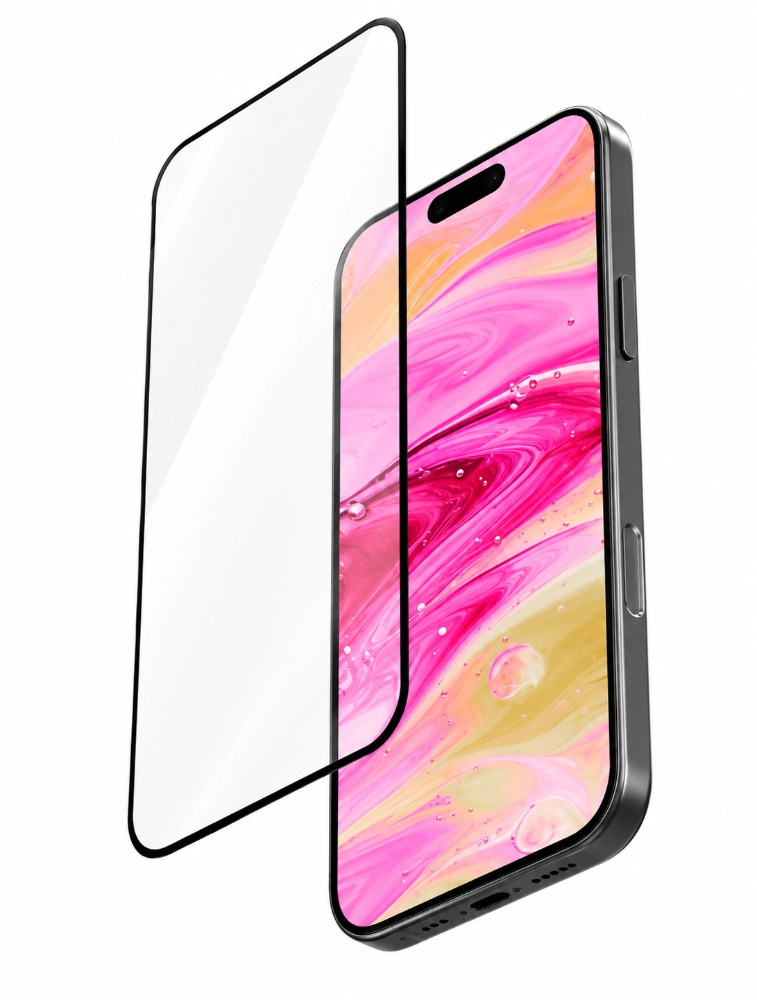
LAUT PRIME GLASS Screen Protector For iPhone 17
4.4141 ratings
₹1,094.00/ piece
Delivery
Add to cart
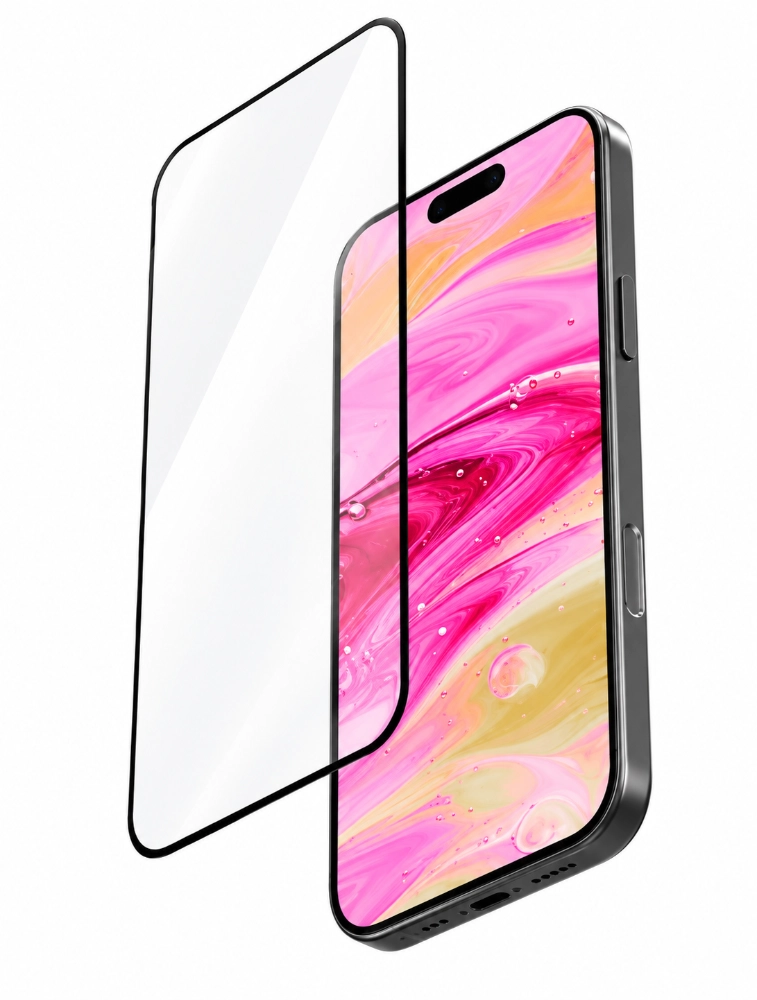
LAUT PRIME GLASS Screen Protector For iPhone 17 Pro
4.4141 ratings
₹1,094.00/ piece
Delivery
Add to cart
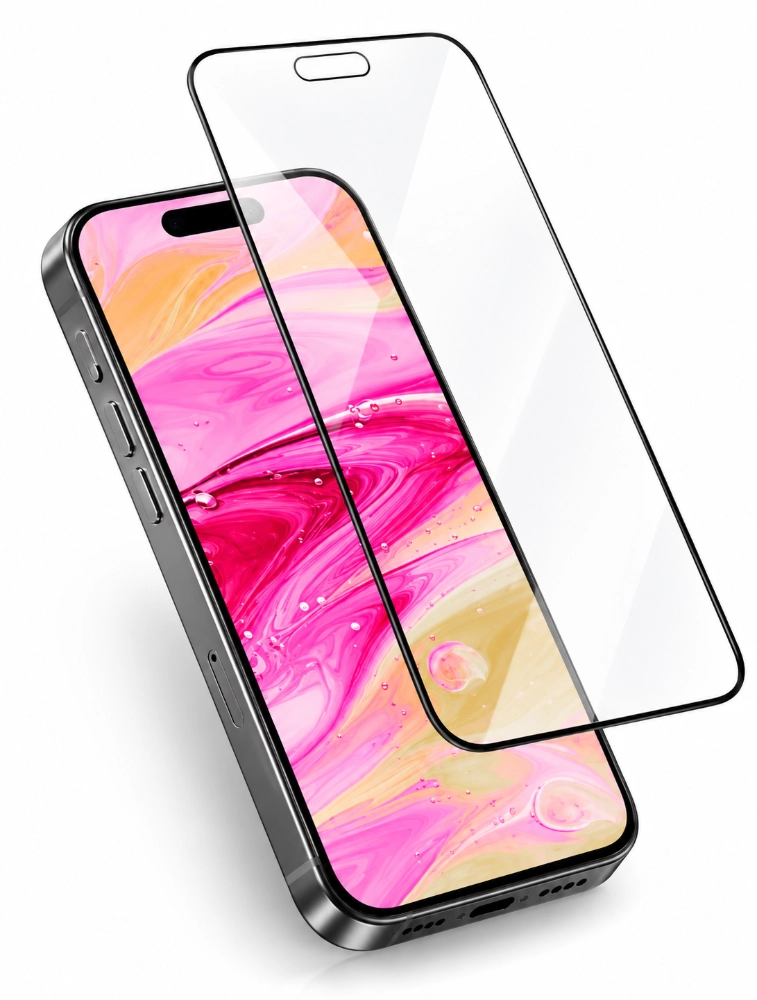
LAUT PRIME GLASS Screen Protector For iPhone 17 Pro Max
4.4141 ratings
₹1,094.00/ piece
Delivery
Add to cart
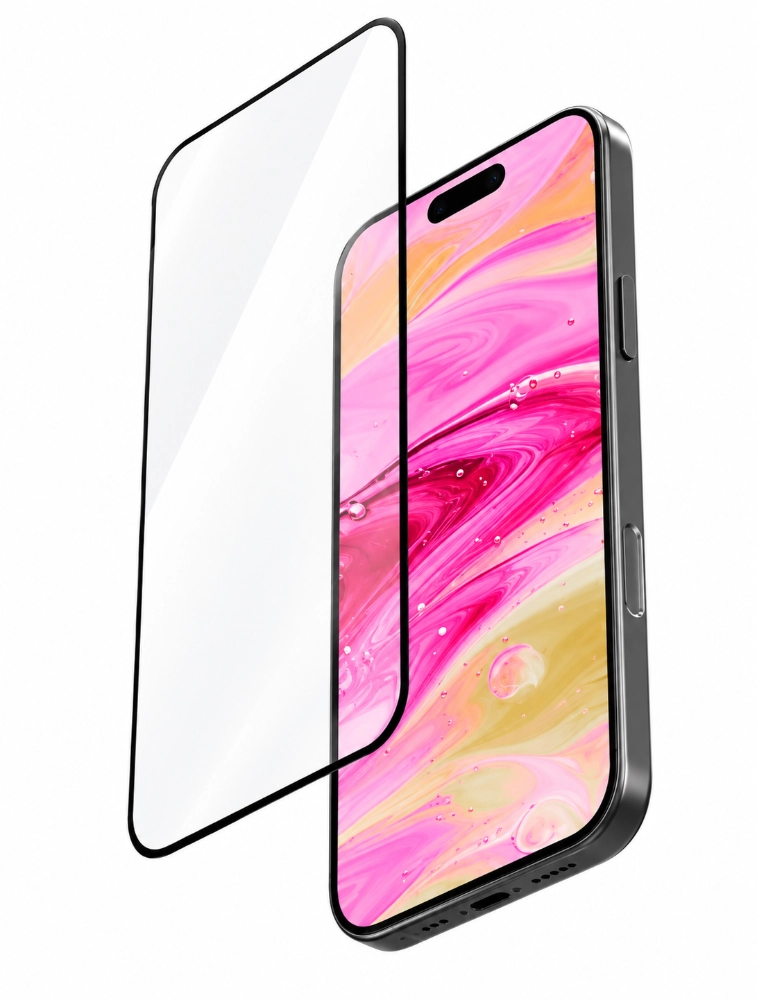
LAUT PRIME GLASS Screen Protector For iPhone 17 Air
4.4141 ratings
₹1,094.00/ piece
Delivery
Add to cart
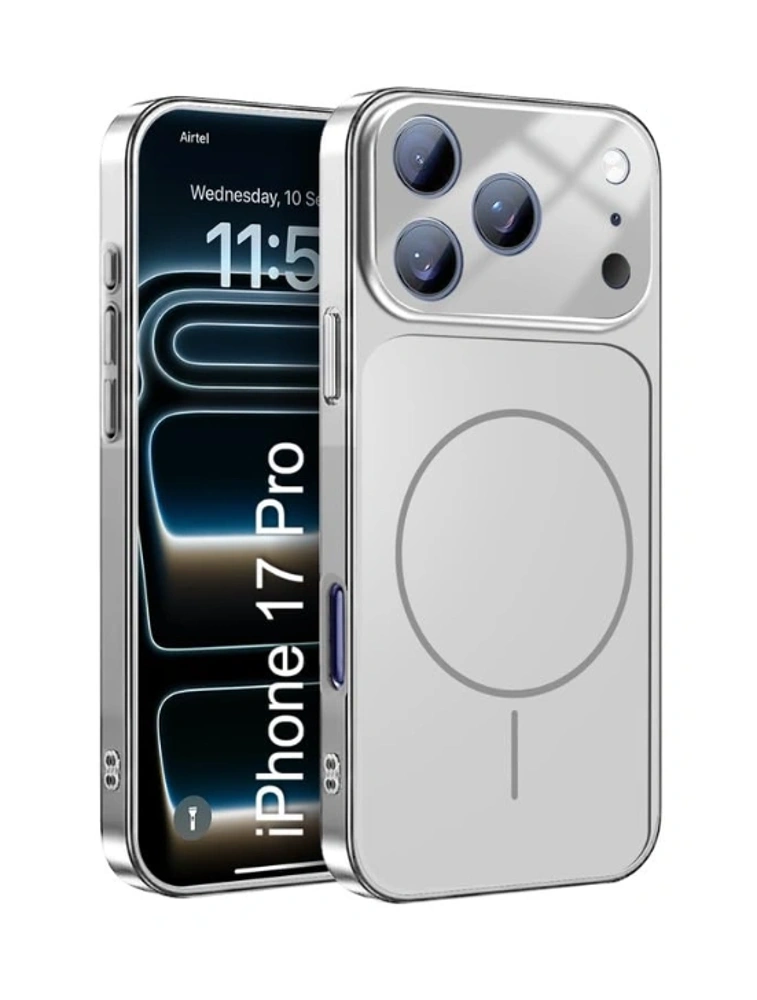
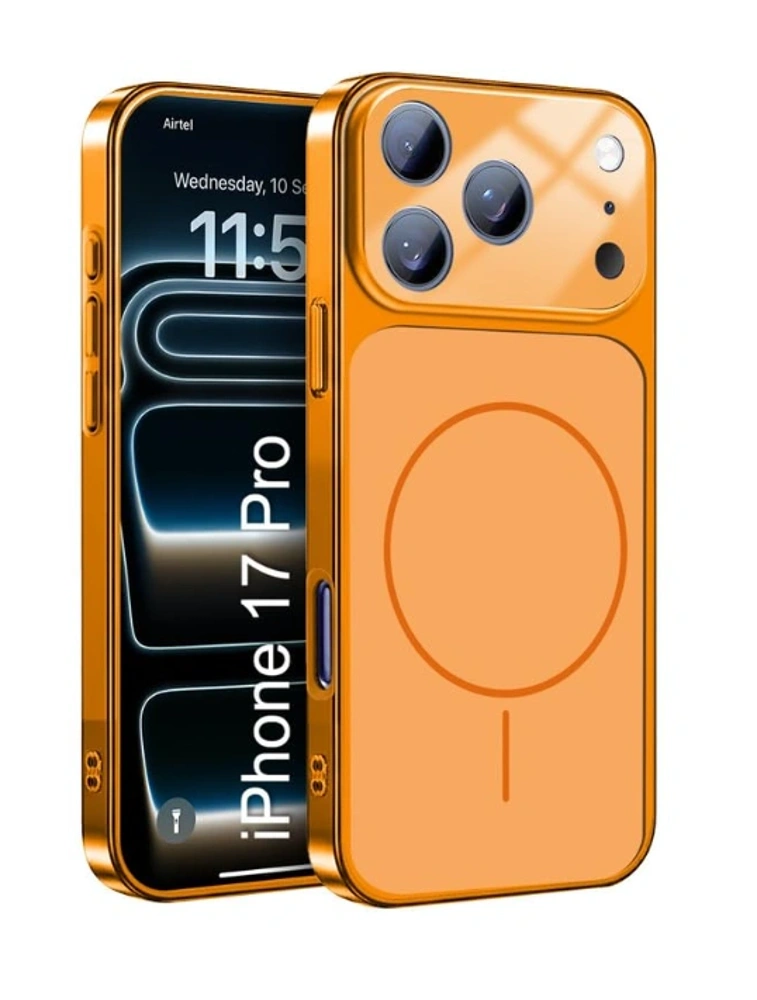
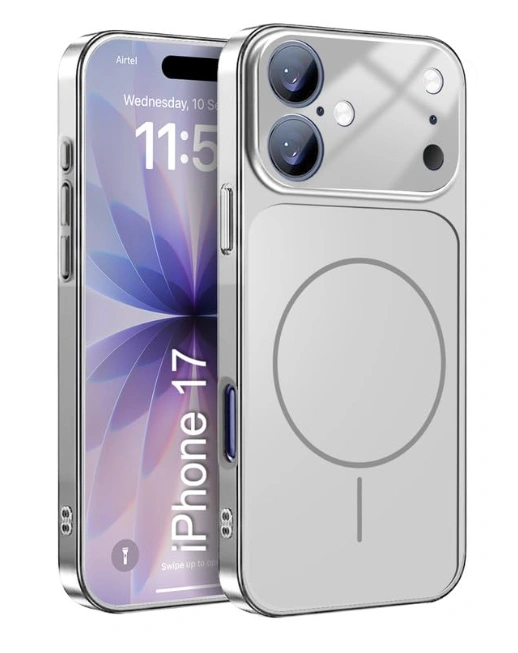
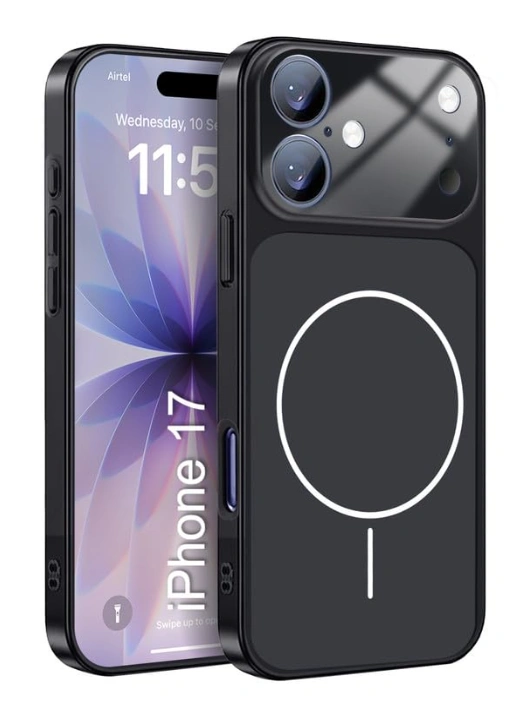

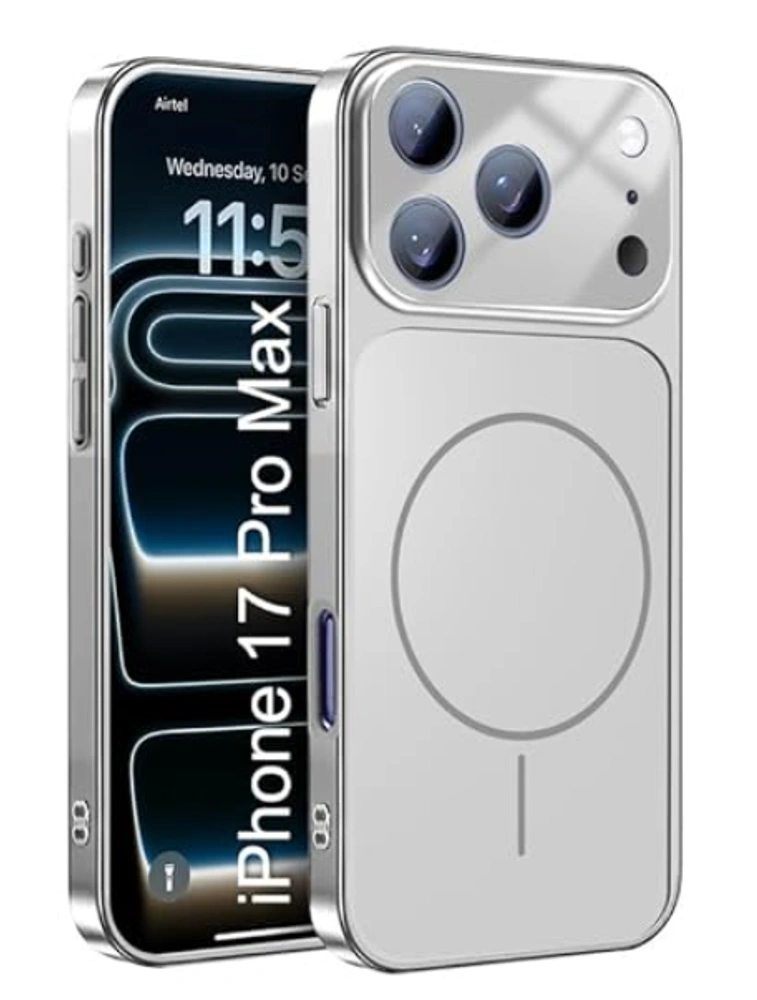
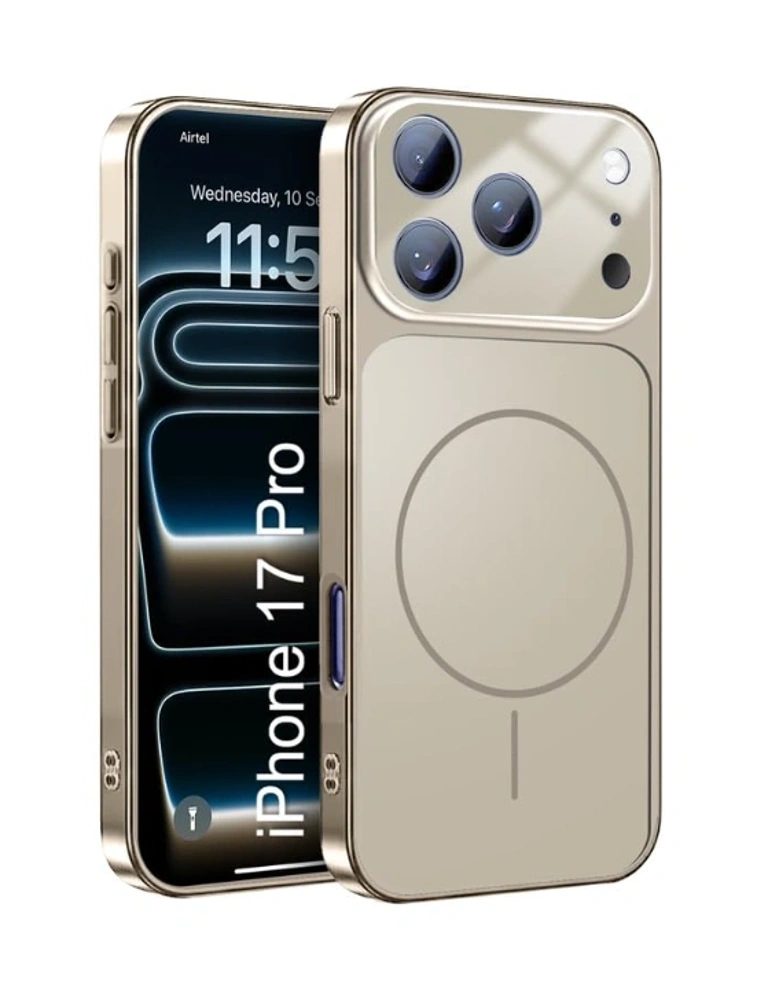

Blue Poly Matte Silicone Camera Protection Case for iPhone 17
4.4248 ratings
₹57.00/ piece
Delivery
Add to cart

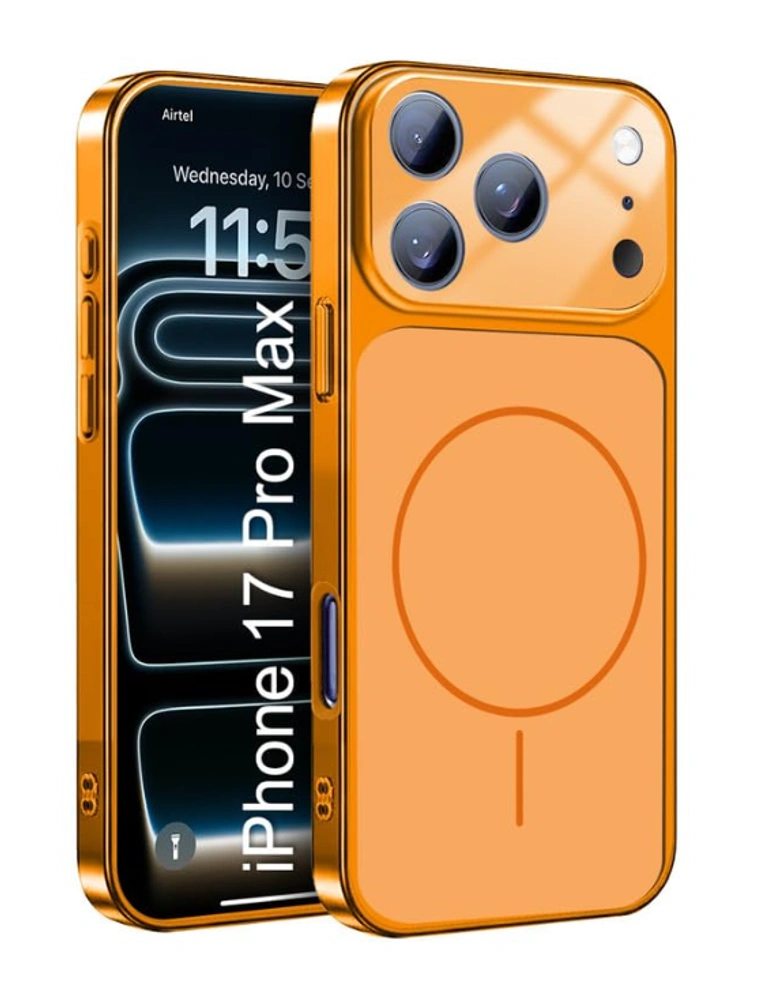
Orange Poly Carbonate Converter Case for iPhone 17 Pro Max
4.4346 ratings
₹275.00/ piece
Delivery
Add to cart
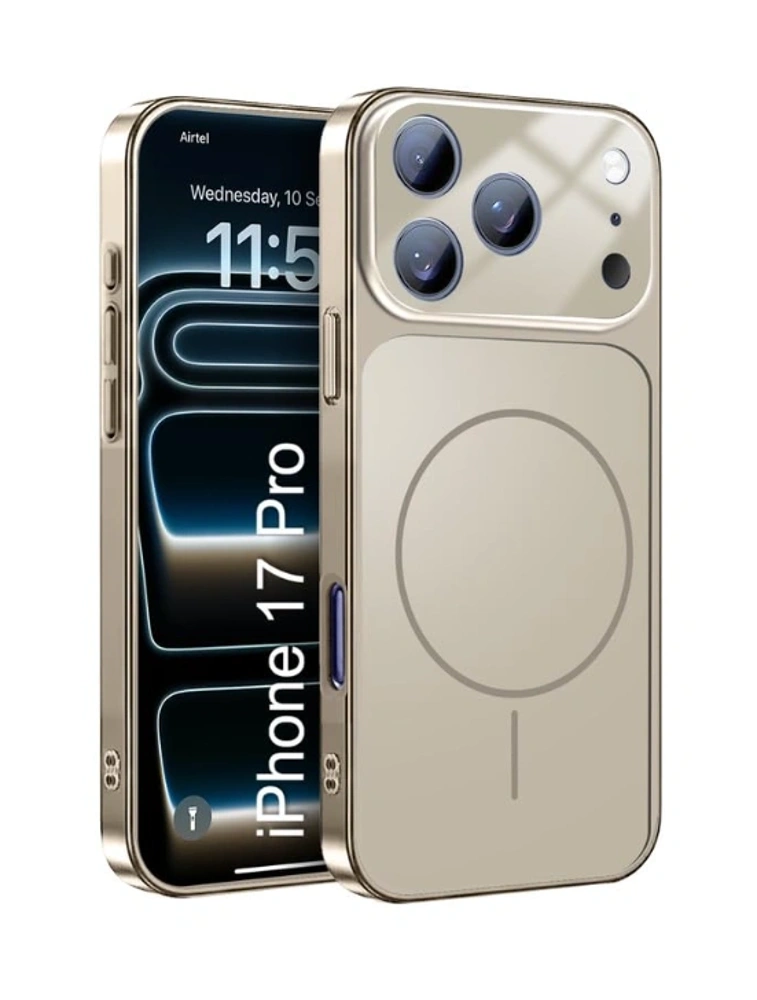
Grey Poly Carbonate Converter Case for iPhone 17 Pro
4.4346 ratings
₹275.00/ piece
Delivery
Add to cart

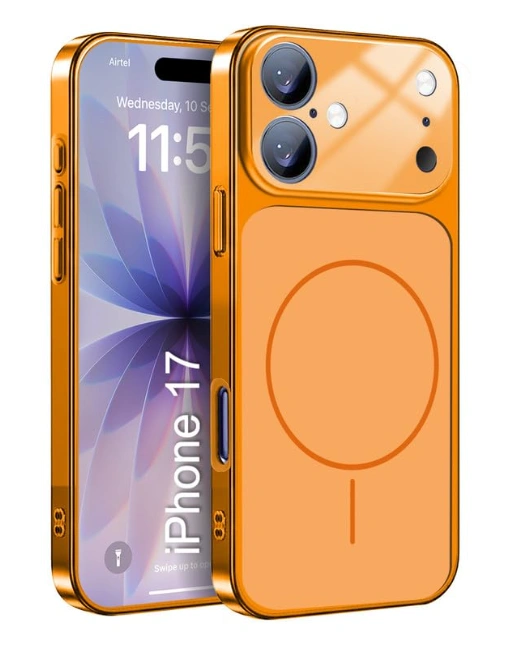
Orange Poly Carbonate Converter Case for iPhone 17
4.4346 ratings
₹275.00/ piece
Delivery
Add to cart
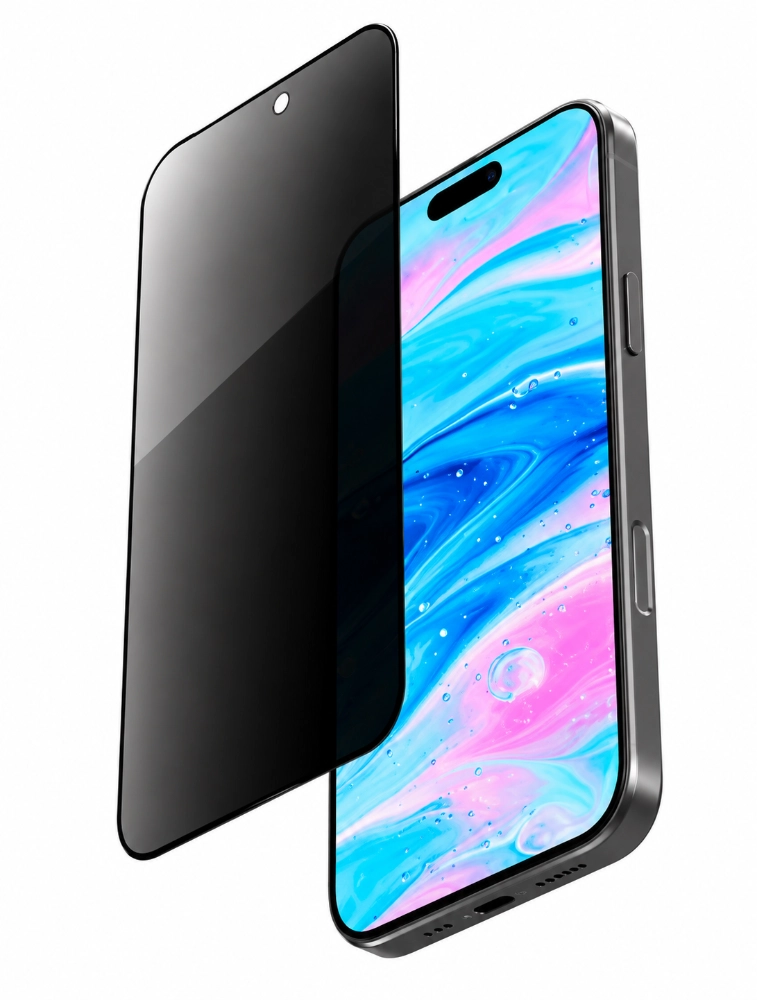
LAUT PRIME PRIVACY Screen Protector For iPhone 17
4.4141 ratings
₹1,324.00/ piece
Delivery
Add to cart
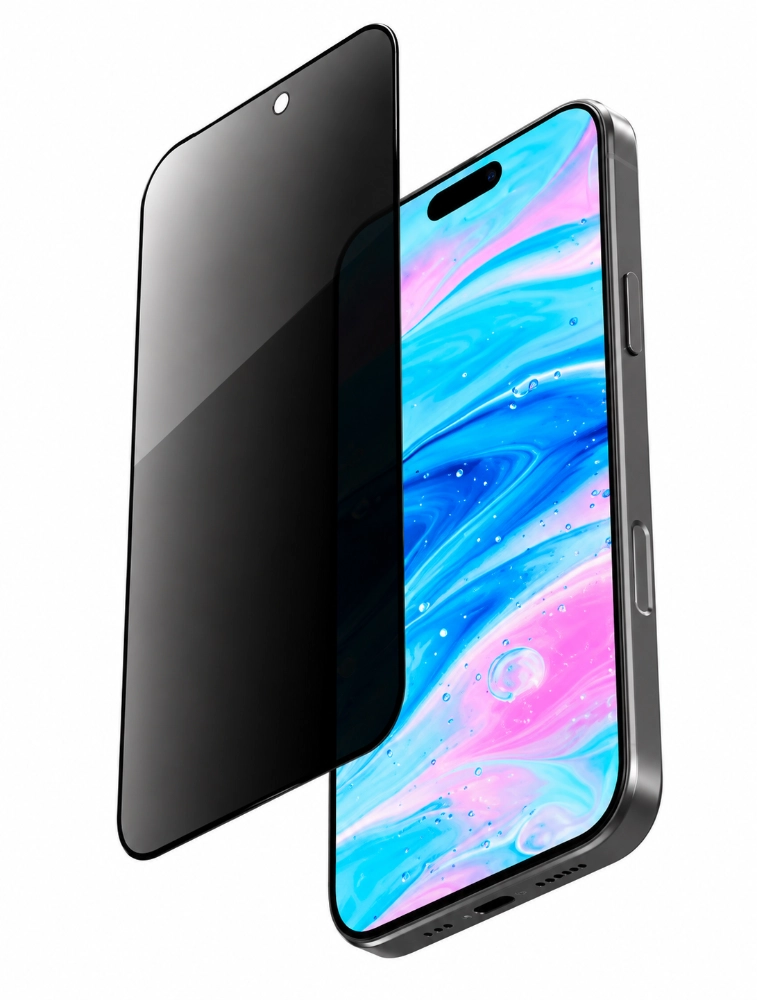
LAUT PRIME PRIVACY Screen Protector For iPhone 17 Pro
4.4141 ratings
₹1,324.00/ piece
Delivery
Add to cart
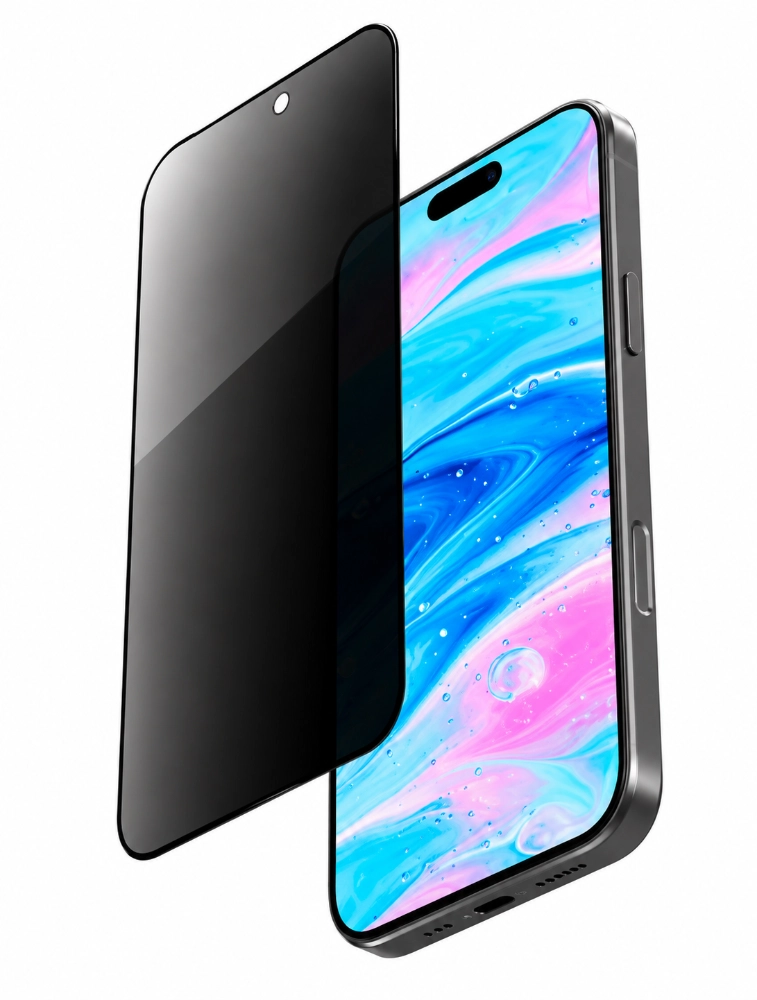
LAUT PRIME PRIVACY Screen Protector For iPhone 17 Pro Max
4.4141 ratings
₹1,324.00/ piece
Delivery
Add to cart
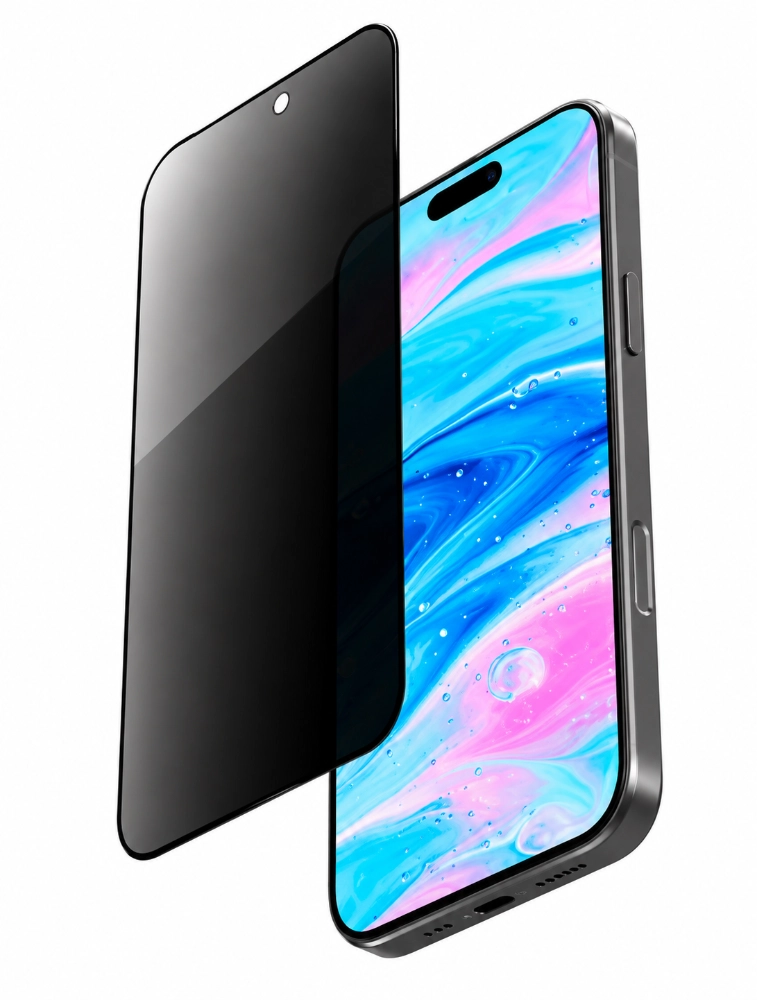
LAUT PRIME PRIVACY Screen Protector For iPhone 17 Air
4.4141 ratings
₹1,324.00/ piece
Delivery
Add to cart

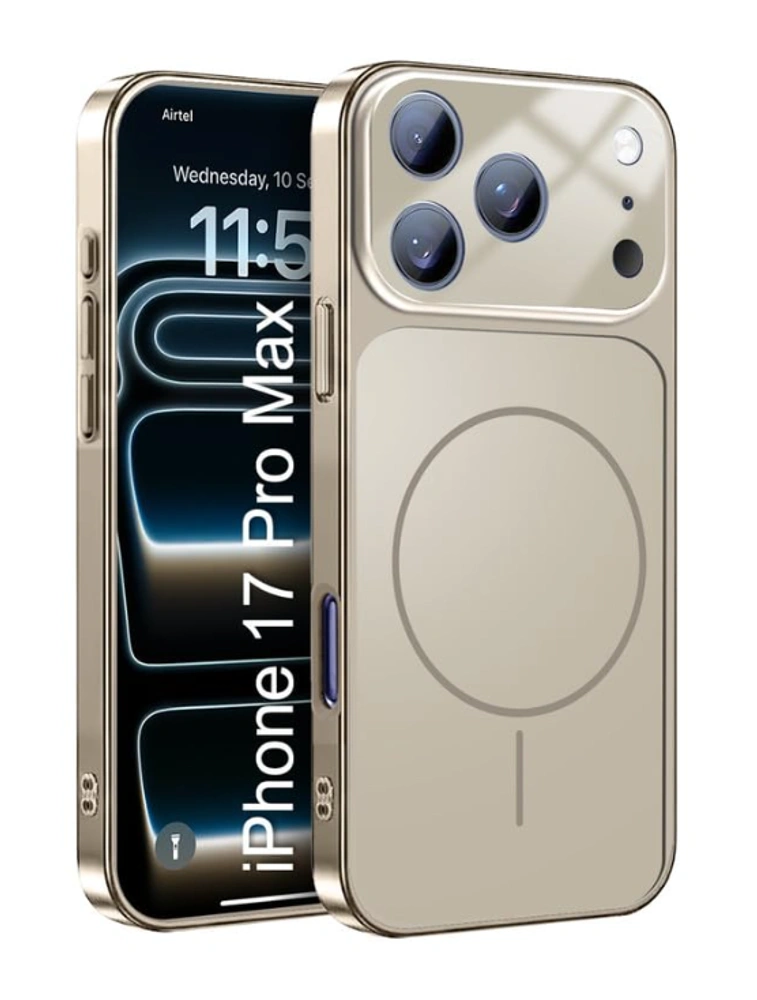
Grey Poly Carbonate Converter Case for iPhone 17 Pro Max
4.4346 ratings
₹275.00/ piece
Delivery
Add to cart
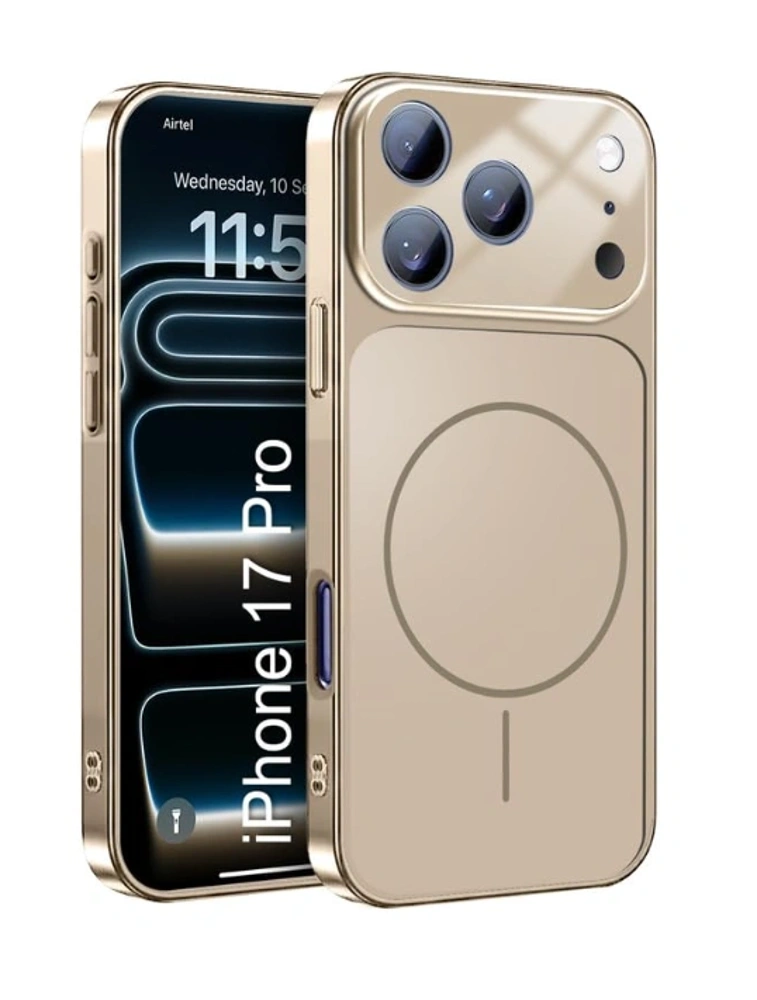
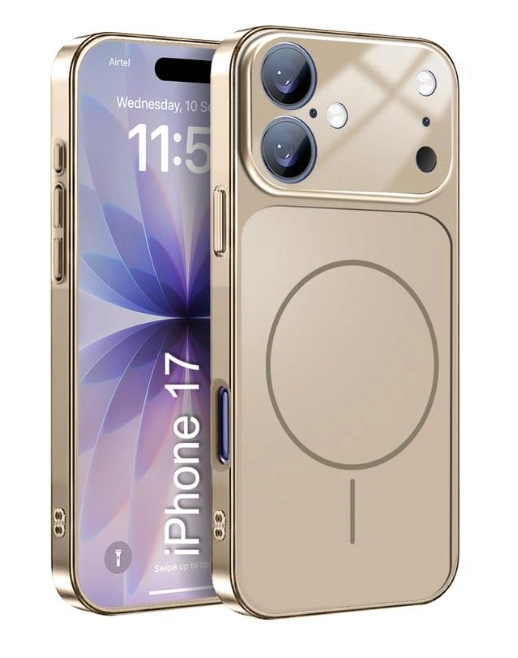
Gold Poly Carbonate Converter Case for iPhone 17 Pro
4.4346 ratings
₹275.00/ piece
Delivery
Add to cart

Blue Poly Carbonate Converter Case for iPhone 17 Pro
4.4346 ratings
₹275.00/ piece
Delivery
Add to cart

Black Poly Carbonate Converter Case for iPhone 17 Pro
4.4346 ratings
₹275.00/ piece
Delivery
Add to cart

Orange Poly Carbonate Converter Case for iPhone 17 Pro
4.4346 ratings
₹275.00/ piece
Delivery
Add to cart
Page 1 of 6
Bulk mobile accessories for every use case
Brand-ready mobile accessories for corporate, retail, uniforms and large custom programmes — sourced across partner factories with published prices.
Corporate & events
Brand-ready mobile accessories for offsites, launches and conferences.
Get quote →
Uniforms & programmes
Consistent supply for schools, factories and frontline teams.
Corporate uniforms →
Own brand / resale
Unbranded or private-label stock for retail brands.
Launch your store →
Large custom runs
Contract manufacturing for high-volume programmes.
Contract manufacturing →Bulk mobile accessories — frequently asked questions
Every listing on this page names a handset model. Is a bulk buyer taking a trade mark risk?
Section 30(2)(d) of the Trade Marks Act, 1999 exists precisely for accessories, and it is the provision your counsel will look at first. It protects use of a mark that is reasonably necessary to indicate that goods are adapted to be accessory to other goods — provided the use does not signal a trade connection that is not there. Both halves matter.
This is the only category page on factori.com where the intellectual-property question outranks every commercial question, so it is answered first and answered at length. Seventy-one listings are live here and every one of them carries a handset manufacturer's model designation in its product title, because a phone case has no meaning without one. A case is defined entirely by the device it fits.
The statutory words
The relevant safe harbour reads, in full: “(2) A registered trade mark is not infringed where— … (d) the use of a trade mark by a person in relation to goods adapted to form part of, or to be accessory to, other goods or services in relation to which the trade mark has been used without infringement of the right given by registration under this Act or might for the time being be so used, if the use of the trade mark is reasonably necessary in order to indicate that the goods or services are so adapted, and neither the purpose nor the effect of the use of the trade mark is to indicate, otherwise than in accordance with the fact, a connection in the course of trade between any person and the goods or services, as the case may be”.
Sitting immediately above it, clause (a) of the same sub-section covers use that “indicates the kind, quality, quantity, intended purpose, value, geographical origin, the time of production of goods or of rendering of services or other characteristics of goods or services”. Between them, the two clauses describe the ordinary accessory trade.
What that means for the way a listing is written
Read the conditions carefully, because they are conditions and not a blanket permission. The use must be reasonably necessary to indicate the adaptation, and neither the purpose nor the effect may be to indicate a trade connection that does not exist in fact. A specification row that reads “Compatible Model: iPhone 17 Pro” — which is how the specification rows on this page are actually written — is the textbook shape of a clause (d) use. It states the adaptation and nothing more.
The shapes that create exposure are different ones: a mark used as decoration rather than as a compatibility statement, a logo reproduced on the article or its box, packaging styled to resemble the device maker's own retail packaging, and any word suggesting authorisation, licensing, endorsement or an official relationship. None of those appear in the copy on this page, and none of them should ever be added.
What this page does not currently carry
There is no statement of independence anywhere on this URL. No line saying that factori.com is not connected with, and not authorised by, the manufacturers whose model designations appear in the listing titles. Accessory sellers ordinarily carry one, positioned near the listings, precisely because clause (d) turns on the effect of the use and a clear disclaimer is direct evidence about effect. That is a page fix, and it is the first one this pack recommends.
One further detail belongs in a buyer's file rather than in a lawyer's. Three of the seventy-one product titles garble the model designation — two render a colour word as “Levander” where sibling listings spell it correctly, and two split a one-word mark across a space. Garbling a mark does not reduce exposure; it just makes the listing harder to find and harder to defend as an accurate compatibility statement.
None of the above is legal advice and it is not offered as legal advice. Trade mark exposure depends on the marks actually registered in each market you sell into, on your own packaging and artwork, and on how the goods are presented at point of sale. Put the artwork, the box and the listing text in front of your own counsel before a branded run is committed.
TRADE MARK, Packaging Law & ClassificationQueries Targetedphone case trade mark compatibility, section 30(2)(d) Trade Marks Act 1999, referential use of a model name, private label phone case legal risk
These cases ship in retail boxes. What declarations does Indian packaging law require on them?
Rule 6(1) of the Legal Metrology (Packaged Commodities) Rules, 2011 requires every package to bear a definite, plain and conspicuous declaration covering the packer, the commodity, the net quantity, the month and year of packing, the retail sale price and the dimensions where relevant. Rule 3(b) then removes an entire class of buyer from that chapter.
This question is live on this page for a specific reason. One listing publishes its packaging arrangement in full, and the words are worth reading before a purchase order is signed: “Individual units arrive in protective polybags and retail boxes, with multiple units secured in corrugated master cartons with cushioning for transit protection.” A retail box is a package, and a package pulls the declaration rules behind it.
The obligation, in the statutory words
Rule 6, sub-rule (1) opens: “Every package shall bear thereon or on the label securely affixed thereto, a definite, plain and conspicuous declaration made in accordance with the provisions of this chapter as, to —”. The lettered clauses that follow require the name and address of the manufacturer or packer, and the importer's details for an imported package; the common or generic name of the commodity, with the name and quantity of each product where a package holds more than one; the net quantity; the month and year of manufacture, pre-packing or import; the retail sale price of the package; the dimensions of the commodity where relevant; and, as the last clause puts it, “such other matter as are specified in these rules”.
The exemption that most B2B buyers on this page will reach for
Rule 3 limits the chapter's reach: “The provisions of this Chapter shall not apply to,- (a) packages of commodities containing quantity of more than 25 kg or 25 litre excluding cement and fertilizer sold in bags up to 50 kg; and (b) packaged commodities meant for industrial consumers or institutional consumers.”
The Explanation defines the terms narrowly: “‘institutional consumer’ means the institutional consumer like transportation, Airways, Railways, Hotels, Hospitals or any other service institutions who buy packaged commodities directly from the manufacturer for use by that institution”, and “‘industrial Consumer’ means the industrial consumer who buy packaged commodities directly from the manufacturer for use by that industry”.
Two words in that Explanation do the heavy lifting: directly, and for use by. A corporate that buys branded cases to hand to its own staff is reading a very different sentence from a retailer that buys the same cases to resell. We do not tell you which side of that line your consignment falls on, and this answer is not legal advice. That determination belongs to your own counsel or your legal metrology consultant, on your facts.
What is missing from this page today
Nothing on this URL shows what the retail box carries. There is no box artwork, no declared retail sale price field, no country-of-origin declaration, no packer name and address, and no net-quantity statement. For a buyer who will resell in India, those are the fields a compliance officer opens the file to check, and today they open it to nothing.
Ask for a photograph of the printed box face and the printed label at quotation stage rather than at first delivery. It costs one email and it is the single cheapest piece of diligence available on this category.
TRADE MARK, Packaging Law & ClassificationQueries TargetedLegal Metrology Packaged Commodities Rules 2011 phone case retail box, rule 6(1) declarations, institutional consumer exemption rule 3(b), MRP on mobile accessory packaging
Do mobile accessories need BIS registration, and does anything on this page fall under it?
India operates a Compulsory Registration Scheme for notified electronics and information technology goods, and its reach is fixed by the list of products actually named in the Order. We did not obtain the gazette text of that Order, so this pack states no position on whether any article is covered, and infers nothing whatever from the silence.
That refusal is deliberate, and a buyer should treat it as useful rather than evasive. A supplier who tells you confidently that a product line does or does not need registration, without putting the notified list in front of you, is guessing on your behalf and leaving you to carry the consequence at the port.
What can be said without a ruling
The scheme applies to notified goods, and the notification names product categories rather than shop- floor descriptions. It is worked by matching a specific article against a specific entry on that list, and by checking whether the entry has been amended since — the Order has been amended more than once. That matching exercise is a job for your compliance consultant or customs broker, working from the current notification, and it is not something an FAQ can do for a consignment it has never seen.
Three separate statements are therefore absent from this pack, and their absence is intentional. No statement that registration is required for anything on this page. No statement that registration is not required for anything on this page. And no statement about what registrations factori.com holds or does not hold. A build gate enforces all three on every publish, because the negative claim is as dangerous as the positive one.
The point a buyer will actually care about
There is a plainer fact underneath the regulatory question, and it changes the shape of the enquiry. This page is titled for mobiles and accessories, and every one of the seventy-one live listings on it is a back cover for a handset. There is no handset. There is no charger, no cable, no power adaptor, no power bank, no earphone, no screen protector and no card reader. Across three grid pages the catalogue is a single article type in several finishes.
That matters because the categories most likely to be caught by an electronics registration scheme are the powered ones, and this page currently publishes none of them. It also matters commercially: a buyer arriving from a search for bulk mobile accessories is being shown one accessory. If the range is meant to widen, the compliance question widens with it, and it should be answered before the first powered line is listed rather than after.
What to put in the file
Ask, in writing, for three things on any article you buy from this category: the article's own technical description in the manufacturer's words, the certification or registration status the manufacturer claims for it with the certificate number, and the country of manufacture. Then have your own adviser test those against the current notified list. Nothing in this answer is legal or regulatory advice, and no part of it should be relied on in place of advice taken on your own consignment.
TRADE MARK, Packaging Law & ClassificationQueries TargetedBIS compulsory registration scheme mobile accessories, CRS electronics IT goods order, does a phone case need BIS registration, ISI marking phone case India
How is a plastic phone case classified for customs, and why does the answer matter to an importer?
Two headings compete for a moulded phone cover: heading 3926, which the tariff describes as covering other articles of plastics, and the parts-and-accessories provisions for telephone apparatus. The choice turns on the article's own construction and on how it is presented, and it is made by your broker on your documents, not by a supplier's FAQ.
Buyers who import in volume already know why this is not a technicality. The heading drives the duty treatment, the entry data and the paperwork a customs officer will test at first check. Getting it wrong is expensive and slow to unwind, and the cost lands on the importer of record rather than on the factory.
The published tariff text
Heading 3926 of the Customs Tariff reads “OTHER ARTICLES OF PLASTICS AND ARTICLES OF OTHER MATERIALS OF HEADINGS 3901 TO 3914”. Its residual sub-heading is 3926 90 — Other, and beneath that sit the eight-digit lines, running from 3926 90 10 for a PVC belt conveyor through named lines for couplers and packing rings, footwear components, decorative fittings and trimmings, retroreflective sheeting, hangers and insulating liners, to 3926 90 80 for polypropylene articles not elsewhere specified and the residual lines at 3926 90 91 to 3926 90 99.
Two neighbouring headings are worth knowing because they get proposed and rejected in the same conversation. Heading 3923 covers “ARTICLES FOR THE CONVEYANCE OR PACKING OF GOODS OF PLASTICS; STOPPERS, LIDS, CAPS AND OTHER CLOSURES, OF PLASTICS” — that is the retail box and the polybag, not the case inside them. Heading 3920 covers “OTHER PLATES, SHEETS, FILM, FOIL AND STRIP, OF PLASTICS, NONCELLULAR AND NOT REINFORCED, LAMINATED, SUPPORTED OR SIMILARLY COMBINED WITH OTHER MATERIALS” — that is raw material, not a moulded article.
Why the answer is not automatic
A protective cover is not electrically or functionally integral to the handset; it is fitted afterwards and the device works without it. That is the argument for treating it as an article of plastics in its own right. Against that, an article presented and invoiced as an accessory for a specific apparatus invites the parts-and- accessories analysis instead. Composite construction complicates it further: one listing on this page describes itself, in its own words, as “premium liquid silicone with TPU core”, and a two-material article raises the question of which material gives it its essential character.
This pack names no tariff line for any consignment and quotes no rate of duty, integrated tax or basic customs duty. The heading text above is reproduced as published tariff wording so that you can take it to the right person. It is not a classification opinion and it is not advice.
What to ask for before shipping
Get the material breakdown in writing for each article, get the packing configuration as it will actually ship, and give both to your customs broker at quotation stage. Where the value at risk justifies it, an advance ruling is the instrument designed for exactly this uncertainty. That is a conversation for your own customs counsel.
TRADE MARK, Packaging Law & ClassificationQueries Targetedcustoms classification phone case, HS heading 3926 other articles of plastics, phone cover HSN code import, accessory versus part classification
What does factori.com actually list on the mobiles and accessories page right now?
Seventy-one listings, spread over three grid pages, and every single one of them is a moulded back cover for a handset. Thirty on page one, thirty on page two, eleven on page three. Five distinct prices carry the whole range: Rs 57, Rs 118, Rs 258, Rs 275 and Rs 276 per piece.
Answering this question honestly is more useful than answering it flatteringly, because a buyer who plans a mixed accessory programme around this page will discover the shape of it on day three of a tender rather than on day one.
What is here
The catalogue divides into a small number of families, distinguished mainly by moulding process and finish. There are soft-shell cases which the listings describe in their own words as being made of “Premium liquid silicone with soft-touch matte finish”, several of which add what one specification row calls a “Built- in sliding camera cover”. There are hard-shell cases whose specification rows read “Material: High-quality polycarbonate”. There is a group the listings call camera guard cases. There is a group named as magnetic back cases. And there is a group named as converter cases, whose own description explains the term as “a slim back cover styled to enhance the phone's visual appeal while maintaining protective functionality”.
Colour is the main axis of variation. The same mould appears in black, white, blue, dark blue, grey, silver, gold, orange, green, lavender and lavender grey, across the handset generations the listing titles name.
What is not here
There is no mobile handset on the mobiles page. There is also no charger, no charging cable, no power adaptor, no power bank, no wireless charging pad, no earphone or headset, no screen protector, no tempered glass, no pop socket, no ring holder, no car mount, no memory card and no SIM tool. The page title and the breadcrumb both promise a category; the grid delivers one article type.
That is a commercial finding rather than a criticism of the cases, which are competently specified for what they are. But a corporate buying a joining-kit accessory bundle, an institution buying for a device fleet, or a retailer building an accessory wall will each need three or four article types this page does not carry, and they will go and find them somewhere else while they are here.
How to read the range if you are quoting from it
Treat it as a case programme, not an accessory programme. Within that frame it is unusually easy to quote: one article type, five prices, a published quantity ladder on every product page, and colours that can be mixed inside a single order. Ask separately about anything that plugs in, because as at the date of this pack, nothing on this page does.
What The Page PublishesQueries Targetedfactori mobiles and accessories catalogue, bulk phone case supplier India, wholesale mobile back cover manufacturer, what products are on the page
There are only five prices on this page. What separates a Rs 57 case from a Rs 276 one?
The whole catalogue sits on five prices: Rs 57, Rs 118, Rs 258, Rs 275 and Rs 276 per piece. Twenty-seven listings sit on the floor, two at Rs 118, and the rest divide between Rs 258 and Rs 275, with exactly one listing at Rs 276. The gap from floor to ceiling is Rs 219 per piece.
Five prices across seventy-one listings is a clean structure, and it makes the page unusually easy to quote from. What the page does not do is explain what a buyer gets for the step up, so this answer sets out what the listings themselves publish at each level and where the explanation runs out.
The floor: Rs 57
The largest group. These are the soft-shell and camera guard cases. The specification rows on one of them read, in the listing's own words, “Material: Premium liquid silicone with soft-touch matte finish”, “Inner Lining: Soft microfiber to prevent scratches” and “Camera Protection: Built-in sliding camera cover”. The magnetic back cases also sit at this price.
The middle: Rs 118
Two listings, and this is the level the page explains least well. One of them shares its product- name pattern almost exactly with a Rs 57 listing, differing in colour and in nothing else the page publishes. On the evidence visible to a buyer, the same article appears at two prices roughly twice apart. That is either a pricing decision nobody has documented or a data error, and it is worth resolving before a procurement officer notices it first.
The top: Rs 258, Rs 275 and Rs 276
These are the hard-shell families. The Rs 258 group is described in specification rows reading “Material: High-quality polycarbonate” and “Design: Slim back-case maintaining phone profile”. The Rs 275 group adds the converter styling, and one listing's own words explain the difference as a case “styled to enhance the phone's visual appeal while maintaining protective functionality” with a “Built-in lens shield against scratches and dust”.
Then there is the Rs 276 listing. It is a converter case in the same family as twenty siblings priced at Rs 275, in a colour that also exists at Rs 275 for a different handset generation. A one-rupee difference on one listing out of seventy-one is not a pricing strategy; it is almost certainly a keying error, and it is the reason the published range on this page ends at Rs 276 rather than Rs 275. Correcting it would change the headline range sentence, which is why it needs a decision rather than a quiet edit.
What the price does not tell you
No test data of any kind is published at any of the five levels. There is no drop height, no impact rating, no ingress rating, no material thickness, no article weight and no yellowing or discolouration data. Price is therefore not evidence of protective performance here, and this pack makes no protective claim of its own for any article. If protection is the reason for the step up, ask for the test report before you pay for it.
What The Page PublishesQueries Targetedphone case wholesale price difference India, Rs 57 bulk phone cover, polycarbonate versus silicone case price, what you get for a higher price
The specification rows describe shock-absorbing and scratch-resistant construction. Is there test data behind that?
No test data is published on this page for any article. The protective wording that appears in the specification rows is the listing's own marketing copy, not a laboratory result, and no drop height, impact energy, ingress rating or standard number appears anywhere on this URL. This pack repeats none of that wording as a claim of its own.
That distinction is the most important one in this entire answer, and it is worth stating in the plainest possible terms before anything else. A phrase printed in a specification row is a description written by whoever built the listing. A test result is a measured value produced against a named method by a laboratory that will put its name to it. They are different objects and a purchase order should treat them differently.
What the listings actually say
For completeness, here is the protective language that appears, quoted as the listings' own words rather than adopted. One specification row reads “Protection: Shock-absorbing design protects against accidental drops and impacts”. Another set of rows read “Shock-Resistant construction”, “Protection against scratches, dust, and minor impacts”, “Raised edges around screen and camera module”, “Anti-slip, fingerprint-resistant matte coating” and “Hard-shell construction maintains shape over time”. A product description elsewhere states that the article “offers excellent resistance to scratches, dust, and minor impacts”.
What is not published, on any listing
Nine fields that a serious accessory buyer would expect are absent across all seventy-one listings. There is no drop-test height and no surface the drop was performed onto. There is no named test method or standard reference of any kind. There is no impact-energy figure. There is no ingress-protection rating. There is no material thickness at the corners or at the back panel. There is no article weight. There is no shore hardness for the soft-shell articles and no resin grade for the hard-shell ones. There is no discolouration or yellowing data, which is the failure mode buyers of light-coloured cases complain about first. And there is no warranty period or return policy for a defect.
What to require instead of the adjective
Convert each claim you care about into a document request, and put it in the purchase order rather than the email thread. If drop protection is priced into your decision, ask for a drop-test report naming the method, the height, the surface, the number of specimens and the pass criterion, issued by a named laboratory on its own letterhead. If scratch resistance matters, ask what test was run. If the article will be sold on a retail shelf in a light colour, ask for accelerated ageing data.
Where no report exists, the honest position is that the claim is a description rather than a measurement, and it should be priced and contracted as one. A supplier willing to say that plainly is more useful to you than one who supplies the adjective and hopes it is not tested. We will not certify a performance figure we have not obtained, and this answer is not a warranty of fitness for any purpose.
What The Page PublishesQueries Targetedphone case drop test certificate, MIL-STD-810 phone case India, shockproof case claim evidence, bulk phone cover quality documentation
Three listings are called magnetic back cases. What do they publish about the magnets?
Nothing. Three listings on this page carry the word magnetic in their product titles, all three at Rs 57, and between them they publish no magnet count, no magnet arrangement, no holding force, no compatibility standard and no statement of what the magnets are for. The word appears in the name and nowhere else.
This is the single widest gap between what a product name promises and what a product page supports anywhere in the category, and it deserves its own answer because magnetic accessory buying is where a bulk order goes wrong most expensively. The buyer thinks they have specified an ecosystem; the goods arrive specified as a name.
Why the gap matters commercially
Magnetic phone accessories are bought to work with something else — a mount, a wallet, a stand, a charging puck. Compatibility is the entire product. A case whose magnet layout is undisclosed cannot be matched to a mount before purchase, which means the matching happens after delivery, at the buyer's cost, across the whole consignment at once.
The three listings are named for a colour and a handset generation and priced at the catalogue floor, alongside soft-shell cases that make no magnetic claim at all. On the published evidence, a buyer cannot tell whether the magnetic articles differ from the non-magnetic ones in construction, in tooling or only in name.
What we will not do
This pack states nothing about the magnets in any article on this page, in either direction. No holding force. No magnet count or ring geometry. No named compatibility standard. No claim that any article does work with a particular mount or charger, and no claim that it does not. A build gate blocks all of those, including the negative forms, because a supplier who confidently rules a compatibility out is making an unfounded assertion just as surely as one who rules it in.
The same discipline applies to the wireless charging wording that appears elsewhere in the catalogue. Several specification rows read “Wireless Charging: Compatible without case removal” and “Wireless Charging Compatible”. Those are the listings' own words. No wattage is published, no charging standard is named, and no case thickness is given, so this answer adopts none of it as a technical claim.
The four questions to put in the purchase order
Ask for the number and arrangement of magnets and whether they form a ring. Ask for the holding force with the method it was measured by. Ask which named accessory ecosystem, if any, the article is built to work with, and get that answer in writing from the factory rather than from a listing. And ask for two production samples to be tested against the exact mount and charger your programme will deploy, before the balance is released.
Where the factory cannot answer, the honest procurement response is to buy the article as a case and to buy the magnetic function separately from a supplier who can document it.
What The Page PublishesQueries Targetedmagnetic phone case bulk India, magsafe compatible case wholesale, magnet ring case specification, wireless charging through case
Why does a Rs 57 headline turn into a higher number on a first trial run of phone cases?
Rs 60 a piece, not Rs 57. The headline on this page is the top-of-ladder price. On the floor listing the published tiers run Rs 60 for 100 to 999 pieces, Rs 59 for 1,000 to 9,999, and Rs 57 above 10,000 — so an entry-quantity buyer pays about 5.26 per cent more than the headline.
The ladder is published in full on every product page, which is to factori's credit. What is not to its credit is the order it appears in and the number the page chooses to advertise, and a buyer should understand both before the first quotation lands.
The same shape at every price level
The pattern repeats across the catalogue. On a hard-shell listing headlined at Rs 258, the published tiers read Rs 272 for 100 to 999 pieces, Rs 267 for 1,000 to 9,999, and Rs 258 above 10,000 — an entry premium of Rs 14 a piece, or about 5.43 per cent. On the converter listing headlined at Rs 276, they read Rs 290, then Rs 284, then Rs 276 — an entry premium of Rs 14 again, about 5.07 per cent.
So the structure is consistent and the discount is real: roughly five per cent of the headline separates an entry order from a ten-thousand-piece order, at every level of the range. A buyer who plans for the headline and orders a hundred pieces will be about five per cent out on every line of the quotation, which on a large accessory tender is enough to force a re-approval.
Why the ladder reads backwards
Every tier table on this page is presented largest-quantity-first, and the price advertised in the title, the heading and the range sentence is the largest-quantity price. The commercially honest presentation is the opposite: show the entry price as the headline, then show what volume takes it down to. Buyers who discover a five per cent gap between the advertised number and their own quotation start the relationship by re-checking everything else, and that costs more than the five per cent ever saved.
What actually moves the number
Four things, in order of leverage. Quantity per style and colour is the largest single lever, because the ladder is published and applies per line rather than across the order. Consolidating colours onto fewer moulds is the second, since a mould set amortises over the run. Committing a schedule rather than a single drop is the third. And branding method is the fourth, because decoration cost sits outside the published ladder entirely and is quoted separately.
This answer explains what moves a price; it publishes no cost. No component cost, no moulding cost, no decoration rate and nothing about how margin is distributed. Every rupee figure above is a price factori itself publishes on this page or an arithmetic difference between two of them, shown as such.
ProcurementQueries Targetedbulk phone case price 100 pieces, quantity tier pricing phone cover, Rs 57 minimum price explained, wholesale case price ladder India
Every product page on this category shows “100 Units”. Why does the FAQ above say otherwise?
Every product page in this category states a Minimum Order Quantity of 100 Units, and the first quantity tier on every ladder begins at 100 pieces. The existing FAQ on this same URL says ready-stock items can typically be ordered from a single piece. Those two statements cannot both govern the same transaction, and the page never reconciles them.
This is the most common reason a first order goes wrong on any category page, and it is worth resolving in writing before you quote a client, because the two numbers are not describing the same thing even though the page presents them as if they were.
What is probably going on
There are three different transactions hiding behind one word. A sample is one or two pieces pulled from existing stock so that a buyer can hold the article, check the fit against a handset and approve a colour. A ready-stock pick is a small quantity taken from inventory that already exists in a warehouse. A production run is a manufacturing order in your colour, your finish, or with your branding on it, which requires a machine to be set up.
Only the third has a real floor, and 100 pieces per style per colour is a normal one for a moulded article. The other two are constrained by whatever happens to be on a shelf. The page uses one phrase for all three, and the result is that a buyer plans around the smallest number and is invoiced against the largest.
The branding line makes it sharper
The existing FAQ on this page also states that custom or branded runs typically begin at 100 pieces per style per colour. Read together with the 100 Units line on every product page, the practical position is that the hundred-piece floor is the real one for anything you want configured, and the single-piece line applies at most to taking an existing article off a shelf unchanged.
We are not going to tell you which sentence the business will honour, because that is a commercial decision the business has to make and publish rather than one an FAQ can settle. It is the most urgent correction on this page.
How to protect yourself in the meantime
Put the number in the purchase order rather than relying on the page. Specify the minimum separately for each of the three transactions: how many pieces you may buy as a sample and what they will cost, how many you may buy from ready stock and in which colours, and the floor for a production run stated per style and per colour rather than per order. Get the sample cost and its credit terms in writing at the same time, since the existing FAQ says sample cost is credited back against a bulk order but does not say within what period or under what conditions.
A programme that spans several colours should also ask whether the hundred applies to each colour or to the order in total. On a five-colour rollout that single clarification is the difference between five hundred pieces and one hundred.
ProcurementQueries Targetedphone case MOQ India, minimum order quantity mobile cover bulk, 100 units minimum phone case, sample before bulk order
What must a purchase order for bulk phone cases pin down that this page leaves open?
Fourteen fields, and this page publishes none of them. Fit approval against a physical handset, material and thickness, colour reference, magnet specification where claimed, packaging and box artwork, master-carton quantity and shipping weight, branding method and artwork sign-off, test evidence, country of origin, defect definition, inspection level, tooling ownership, model-obsolescence terms, and the minimum stated per colour.
Phone cases look like a simple purchase and are not. They are a tooled, fit-critical, fashion-cycled article whose value evaporates the moment the handset generation moves on, and almost every dispute in the category traces back to a field somebody assumed rather than wrote down.
Fit and materials
Fit approval is first because it is the failure nothing else recovers from. Require a physical sample fitted to the actual handset variant, approved in writing, with the port cutouts, the button response and the camera aperture checked individually. One listing describes “Precision cutouts for buttons, ports, speakers, camera” in its own words; approve that against a device rather than against the sentence. Then pin the material and the wall thickness, the finish, and the colour against a physical reference rather than a name, since this catalogue lists lavender and lavender grey as separate colours.
Packaging, marking and evidence
Pin the primary pack, the retail box and its artwork, the master-carton quantity and the shipping weight. Pin the country of origin and every marking that must appear on the box, because a resale programme lives or dies on that box face and nothing on this page shows it. Pin whatever test evidence you are relying on, naming the method and the laboratory. And pin the branding: method, artwork approval route, position, and what happens to a rejected print.
The two fields buyers forget
Tooling ownership is the first. If a colour, a finish or a cutout is developed for you, write down who owns the mould and what happens to it at the end of the programme. It is a cheap clause to agree at the start and an impossible one to agree later.
Model obsolescence is the second, and it is specific to this category. A case is built for one handset generation. When that generation is replaced, unsold stock does not discount — it stops selling. Agree in advance what happens to the balance of a run if the device maker refreshes the model mid-programme: whether the order can be re-cut to a new generation, whether the schedule can be paused, and who carries the finished stock.
Defects and inspection
Define what a defect is for this article — flash at the parting line, a short shot, colour variation between cavities, a mis-registered print, a cutout out of position — and define the inspection level and the sampling plan against a named scheme. Nothing in this answer is a warranty and no performance figure is asserted here. Every item above is a field for you to fill in with the factory, not a specification we are supplying.
ProcurementQueries Targetedphone case purchase order checklist, what to specify bulk mobile cover order, accessory procurement specification, case tooling and fit approval
How do you brand a moulded phone case, and why does the existing FAQ mention embroidery?
A moulded case takes a printed or in-mould decoration, not a stitched one. The existing FAQ on this URL offers branding options “including printing, embroidery, and other finishes”, and embroidery cannot be applied to a rigid polycarbonate shell or a silicone skin. That sentence is a template inherited from the apparel categories and it needs removing from this page.
It is a small error with a disproportionate cost, because it is the kind a technical buyer notices in the first thirty seconds and then generalises from. If the page offers to embroider a phone case, the reader silently discounts everything else the page says about manufacturing.
What actually works on these substrates
The catalogue splits into two substrate families and they behave differently. The hard-shell articles, whose specification rows read “Material: High-quality polycarbonate”, take flat-surface printing well: direct digital printing onto the back panel, screen printing for a small number of solid colours at high volume, and in- mould decoration where the graphic is placed inside the tool and becomes part of the part. In-mould is the most durable route and the most expensive to set up, so it belongs to long runs and stable artwork.
The soft-shell articles, described in their own words as “Premium liquid silicone with soft-touch matte finish”, are a harder surface to decorate. A soft-touch matte coating is engineered to resist marking, which is exactly what makes ink adhesion the thing to test rather than assume. Pad printing and specialist inks are the usual routes, and a debossed or moulded-in logo is often the better answer because it cannot wear off.
The three questions that decide the method
How many colours are in the artwork, how large is the run per colourway, and does the logo have to survive being carried in a pocket for a year. Those three answers pick the method between them. A single- colour logo on a five-hundred-piece corporate run and a four-colour full-wrap on a fifty-thousand-piece retail programme are different manufacturing problems with different tooling.
What to do about the branded sample
Approve the decoration on the actual substrate and the actual colour, never on a flat proof and never on a different colourway. A logo approved on a black case can look wrong on gold or silver, and this catalogue lists both. Ask for the branded sample to be handled, rubbed and carried before it is signed off.
No adhesion, abrasion or wear figure is asserted anywhere in this pack, because none is published for these articles and we do not supply specification figures we have not confirmed. If durability of the print is contractually important, agree a named rub or adhesion test and a pass criterion in the purchase order, and have the branded pre-production sample tested against it.
BRANDING, Churn & Catalogue QualityQueries Targetedcustom branded phone case bulk, printing logo on phone cover, UV printing versus in-mould decoration, corporate branded phone case India
How many handset generations does this range cover, and what is the stock risk?
The listing titles on this page name six handset generations across seventy-one products, and one of the six is spelled two different ways in the catalogue. Every case fits exactly one generation. That is the defining commercial risk of this category and it is unlike anything else factori sells: the article does not wear out, it expires.
A cotton bag bought in volume is still saleable in three years. A case for a superseded handset is not, at any price, because the population of devices it fits is shrinking every month from the day the next generation ships. Any buyer committing capital here should size the risk before the discount.
The fragmentation arithmetic
Multiply the axes and the reason for seventy-one listings becomes obvious. Take roughly eleven colours, five or six case families — soft shell, camera guard, magnetic, hard shell, converter — and six handset generations, and the theoretical matrix runs to several hundred combinations. The live catalogue holds seventy-one of them, which means the range is a sample of the matrix rather than a complete grid, and the specific combination a buyer wants may simply not exist.
The naming is also inconsistent, which matters for anyone reconciling a purchase order against a catalogue. One generation appears in some titles as a compound with no space before the suffix and in others correctly spaced, so the same device is described two ways in the same catalogue. Two other titles split a one-word mark across a space. And two listings carry word-for-word identical product names under different SKU codes, which is a duplication artefact rather than two products.
How to price the risk
Three practical rules. First, weight the order towards the newest generations the range carries and towards the neutral colours, because those hold their sell-through longest. Second, buy older generations only against demand you can already see, not against a forecast. Third, treat the published quantity ladder as a temptation rather than a plan: the step from a hundred pieces to ten thousand saves roughly five per cent, and five per cent is a poor trade against carrying stock for a device generation that is one announcement away from being last year's.
What to agree with the supplier
Ask how long each mould stays available, so you know whether a repeat order in six months is possible at all. Ask whether an order can be re-cut mid-schedule to a newer generation. Ask what the lead time is for a case for a device that has just launched, since being first on the shelf is most of the margin in this category. And ask for the range to be quoted per generation rather than per colour, so the obsolescence exposure is visible on the face of the quotation.
No sell-through, wear-life or return-rate figure is asserted in this answer. The arithmetic above uses only the number of listings on this page and the prices it publishes.
BRANDING, Churn & Catalogue QualityQueries Targetedphone case obsolescence risk bulk buying, handset generation SKU fragmentation, dead stock phone covers, how many models does a case supplier cover
Are there errors in this catalogue a buyer should know about before quoting from it?
Yes, six of them, listed here rather than quietly fixed because a buyer quoting from this page needs to know which figures to double-check. One price appears to be a keying error, two product names are duplicated, three titles misspell a word, one FAQ answer contradicts every product page, and one branding option cannot be performed on any article here.
Publishing your own catalogue's defects is unusual, and the reason for doing it is practical rather than noble. A procurement officer who finds these unaided concludes the catalogue is unreliable everywhere. A procurement officer who is handed them concludes the opposite, and knows exactly which three numbers to confirm in writing.
The six
One. A single converter listing is priced at Rs 276 while twenty siblings in the same family are priced at Rs 275. A one-rupee difference on one listing out of seventy-one is what a keying error looks like, and it is the figure that sets the upper end of the published range sentence on this page.
Two. Two listings carry word-for-word identical product names under different SKU codes, in the same colour and for the same handset generation. Either they are two genuinely different articles that are named identically, in which case the names need to distinguish them, or one is a duplicate that should be retired.
Three. Three product titles contain spelling defects. Two render a colour word one way while sibling listings render it correctly, and two split a one-word device name across a space. All of them hurt on-site search before they hurt anything else.
Four. The minimum order quantity is stated as a hundred units on every product page and as a single piece in the existing FAQ on this same URL. That is dealt with at length in the minimum-order answer above.
Five. The existing FAQ offers embroidery as a branding option for articles that cannot be embroidered. That is dealt with in the branding answer above.
Six. The existing FAQ on this page describes production as running across hundreds of audited partner factories, while the statistics band at the top of the same page gives a specific count. Two numbers for the same thing, four hundred words apart. Either is defensible; publishing both is not.
What to do with this list
Confirm three things in writing before you quote a client from this page: the price of the specific SKU you are buying, the minimum for your colour count, and which of two identically named listings you are actually ordering. Everything else on the page is internally consistent, the quantity ladders are published in full on every product page, the range sentence is true at both ends, and the page carries a dated price notice — which is more than most supplier catalogues offer.
BRANDING, Churn & Catalogue QualityQueries Targetedfactori catalogue data quality, duplicate product listings, price keying error, how reliable is a supplier catalogue
How do procurement priorities differ between a state department, a university, an employer, a label, a shop chain and a distributor buying phone cases?
The article barely changes; the document set changes completely. A government tender turns on specification and audit trail. An institution turns on fleet fit. A corporate turns on branding. A brand turns on tooling and label. A retailer turns on the box face. A wholesaler turns on the quantity ladder and the obsolescence clause.
Six audiences read this page and each of them needs a different sentence from it, so this answer sets out what each should specify, what each will find missing today, and what to put in the enquiry so the first quotation is usable.
Governments
Specification-led and audit-led. Write the case as a technical specification rather than as a product name: material, wall thickness, colour to a physical reference, cutout tolerances, packing, and the inspection plan with its sampling scheme. Expect to be asked for test evidence and country of origin at bid evaluation, and note that neither is published on this page today, so both must be obtained in writing before the bid closes.
Institutions
Fleet fit is the whole problem. Hospitals, universities, transport operators and utilities deploy devices in mixed generations, so the binding question is not which case is best but how many device variants the estate actually holds. Get that inventory first, then check it against the six generations the listing titles name here, because the estate will almost certainly include one this range does not cover. Buy against the count of devices you can verify, not the count you were issued.
Corporates
Branding-led and quantity-light. A joining kit or an event run is typically a few hundred pieces in one or two colours, which sits at the entry rung of the ladder — so budget at the entry price, not the headline. Approve the decoration on the real substrate and the real colour, and read the minimum-order answer above before you commit to a colour count.
Brands
Tooling and identity. If the article carries your name it needs a colour matched to your palette, artwork approved against your guidelines, a box that carries your label rather than a generic one, and a written position on who owns any mould developed for you. Nothing on this page shows a box face, so treat packaging as a separate design workstream and price it as one.
Retailers
The box is the product. A case sold from a shelf is bought on its packaging, and the declarations required on that packaging are set out in the packaging-law answer above. Ask for a photograph of the printed box before you order, not after.
Wholesalers
Ladder and exposure. You are the buyer for whom the published tiers matter most and for whom obsolescence bites hardest, because you hold the stock. Quote per handset generation rather than per colour so the exposure is visible on the quotation, and negotiate the re-cut and pause terms described in the obsolescence answer above before the volume discount tempts the order upward.
Whatever the segment, none of this is legal, tax or regulatory advice, and any compliance position for your own consignment should be settled with your own adviser.
BRANDING, Churn & Catalogue QualityQueries Targetedgovernment tender mobile accessories, institutional device fleet cases, corporate branded phone case gifting, private label phone case manufacturer, wholesale phone cover distributor India
From ₹57excl. GST
View cart & checkout ›