Choose your delivery location
Enter a 6-digit Indian PIN code to see delivery options for that area.
Currently delivering to Bengaluru 560105
Ready stock & made to order
Bulk raincoats
factori.com supplies bulk raincoats from ₹76/piece across 662 partner factories — ready stock and custom programmes with GST invoices.
Prices verified October 2026 · shown excluding GST
₹76Entry price
Same dayDispatch on working days
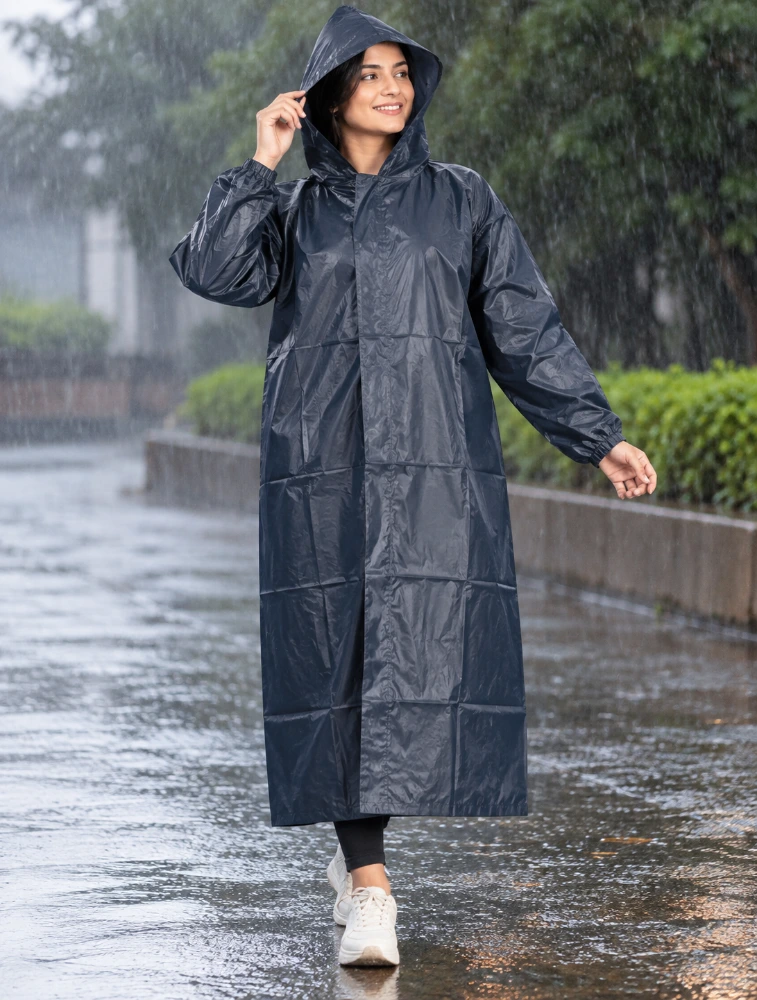
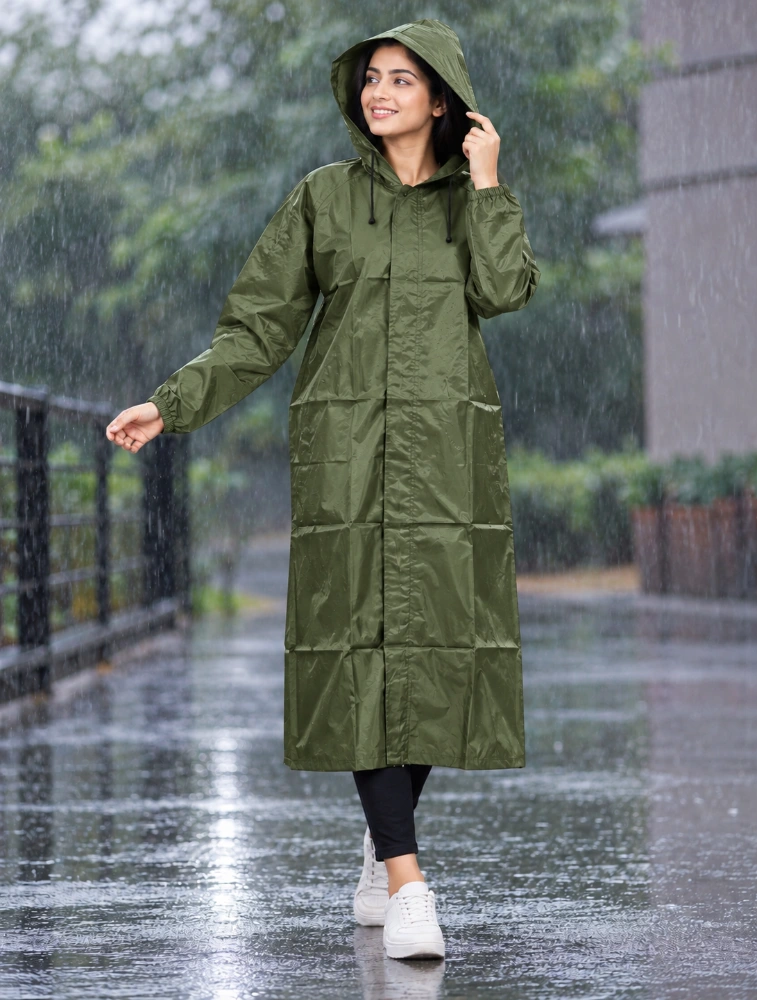
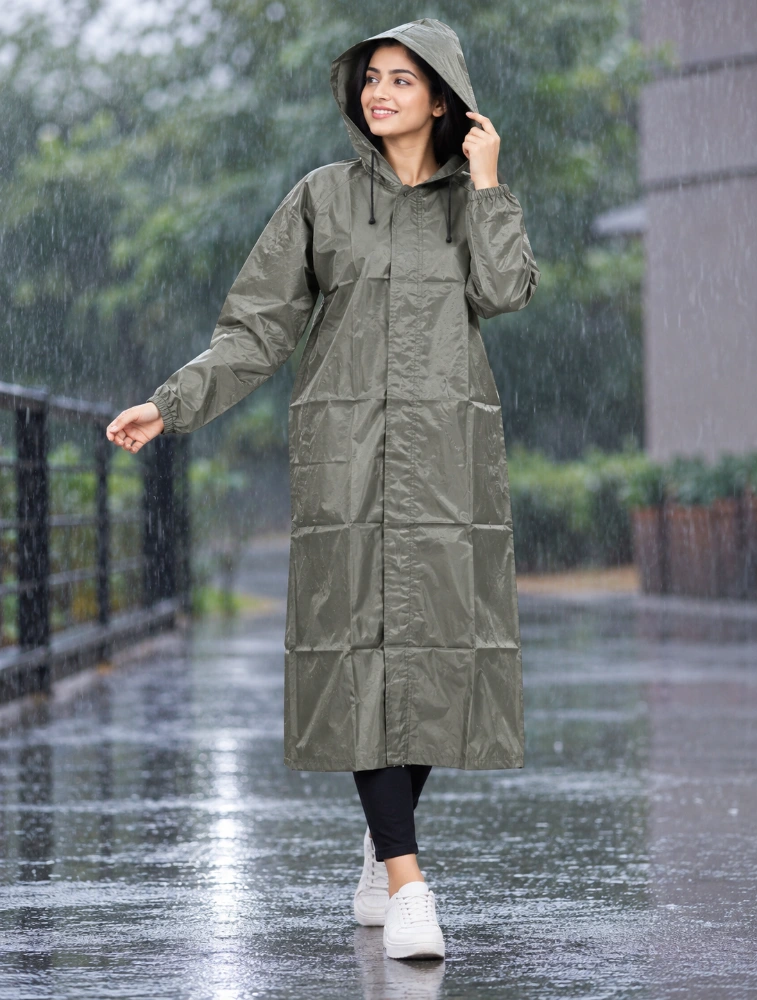
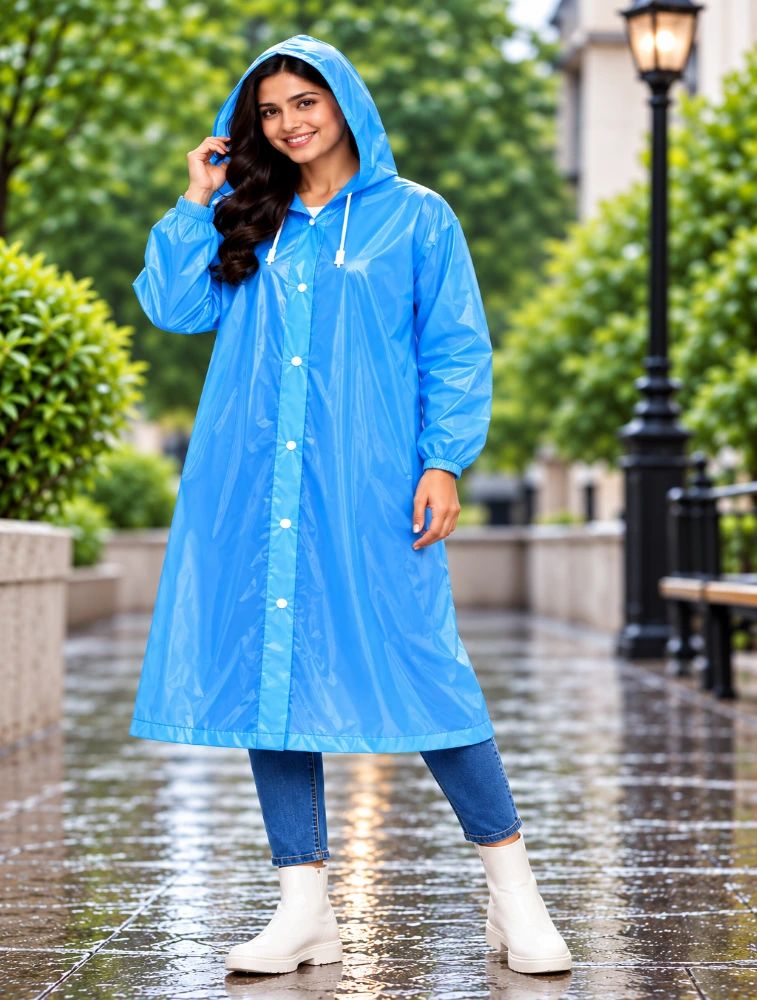
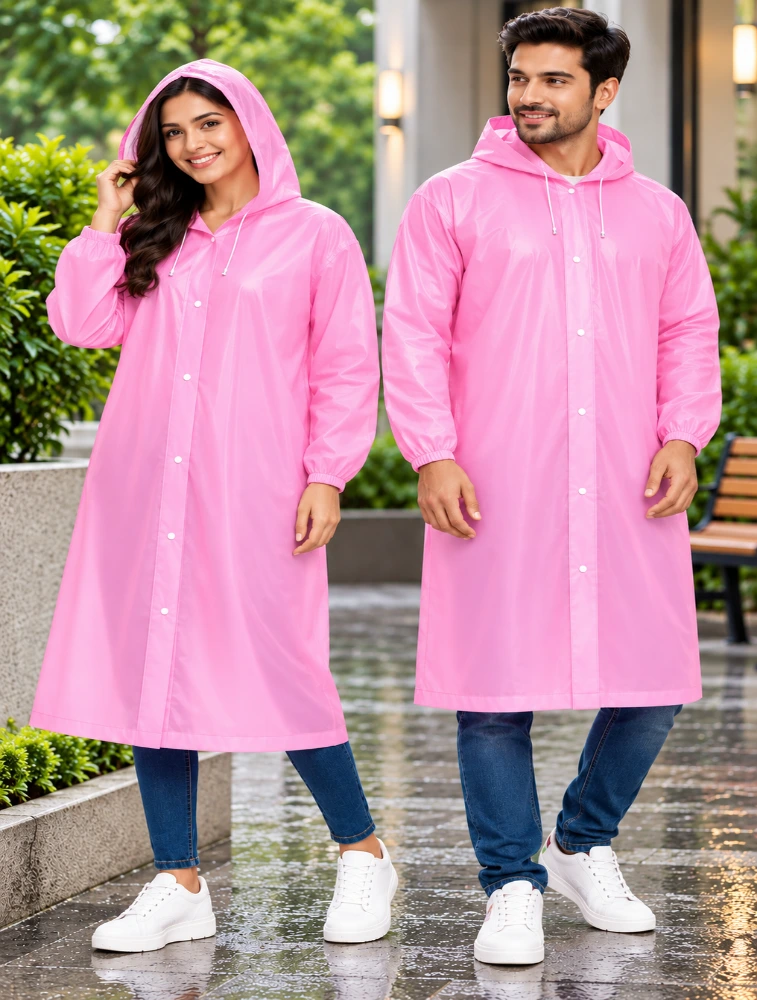
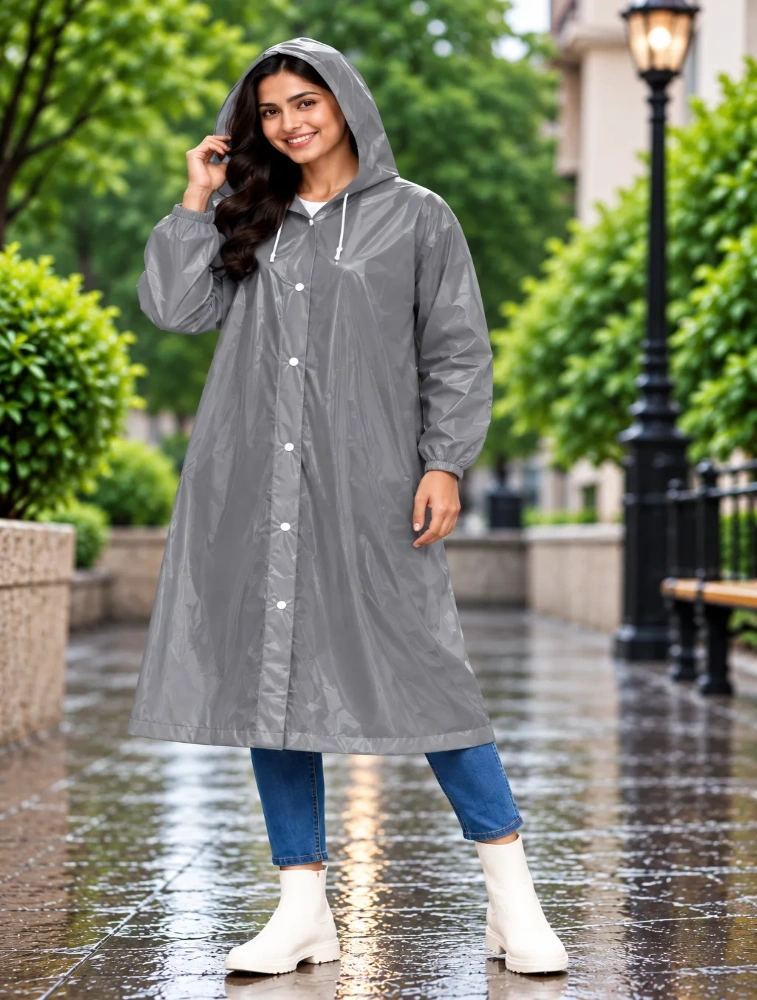

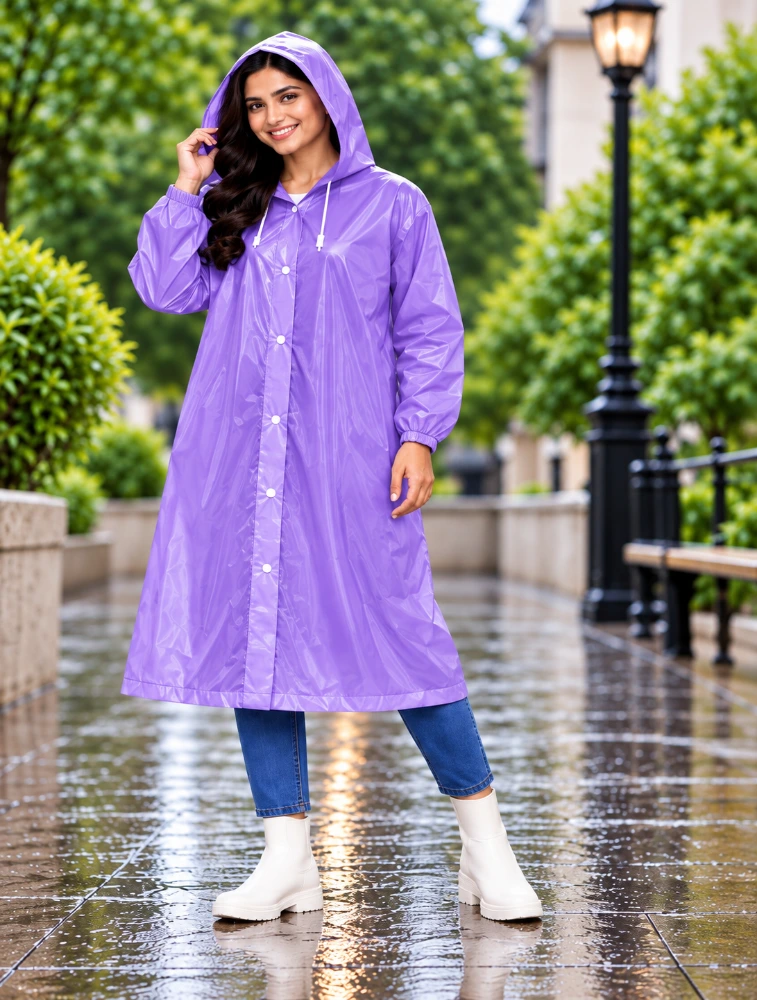
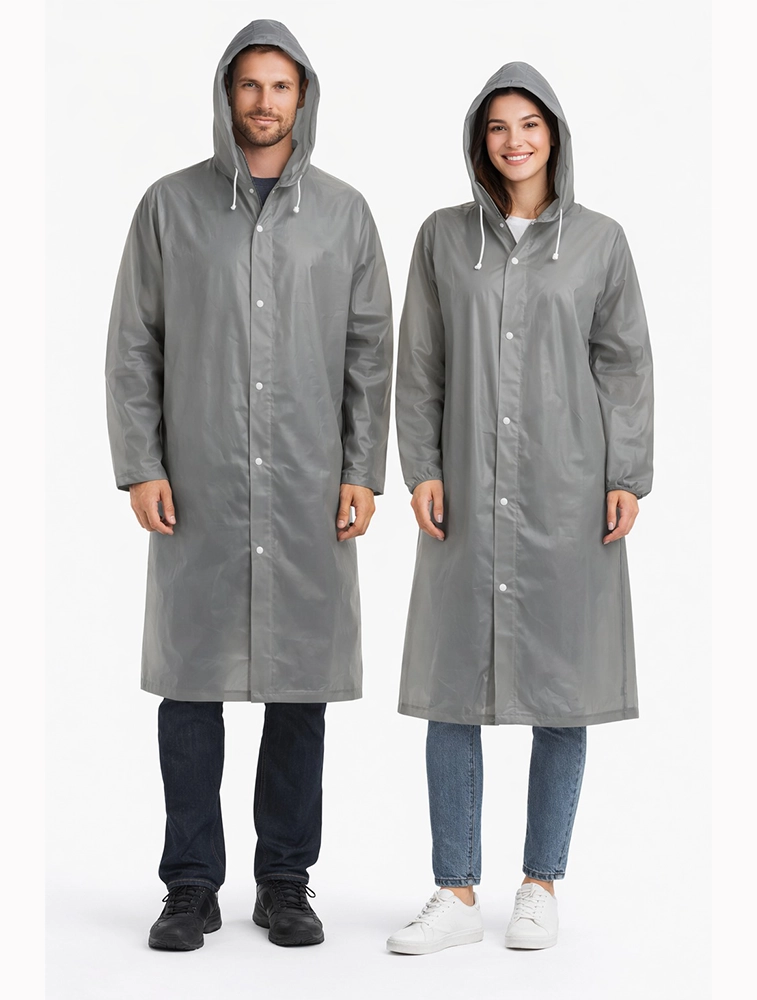
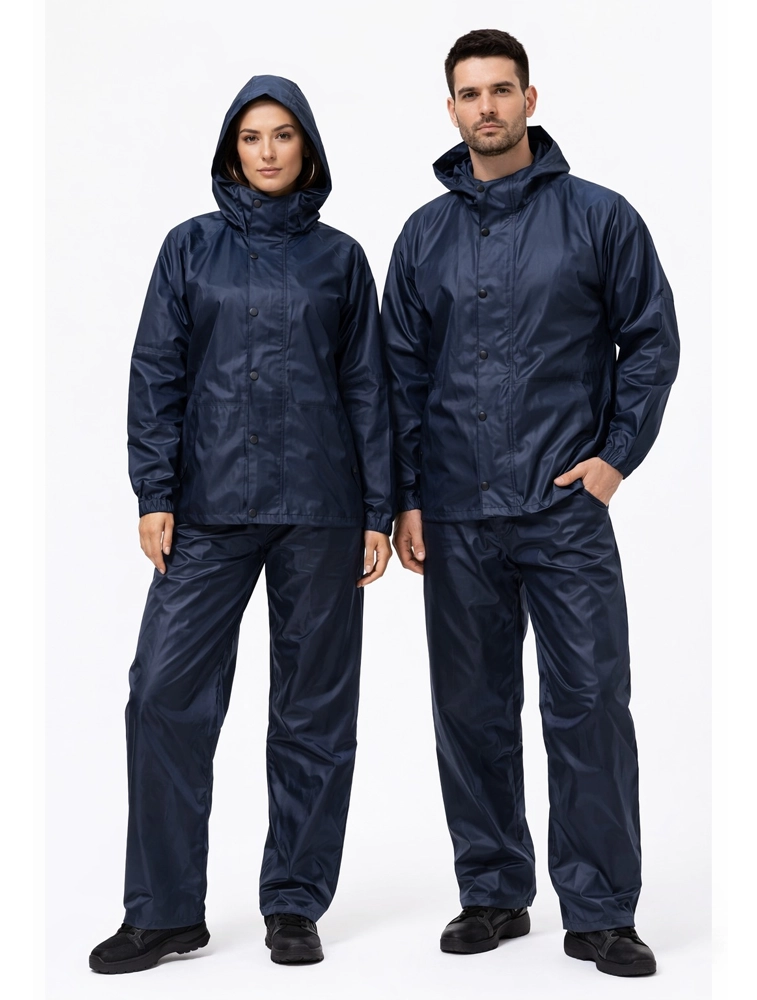
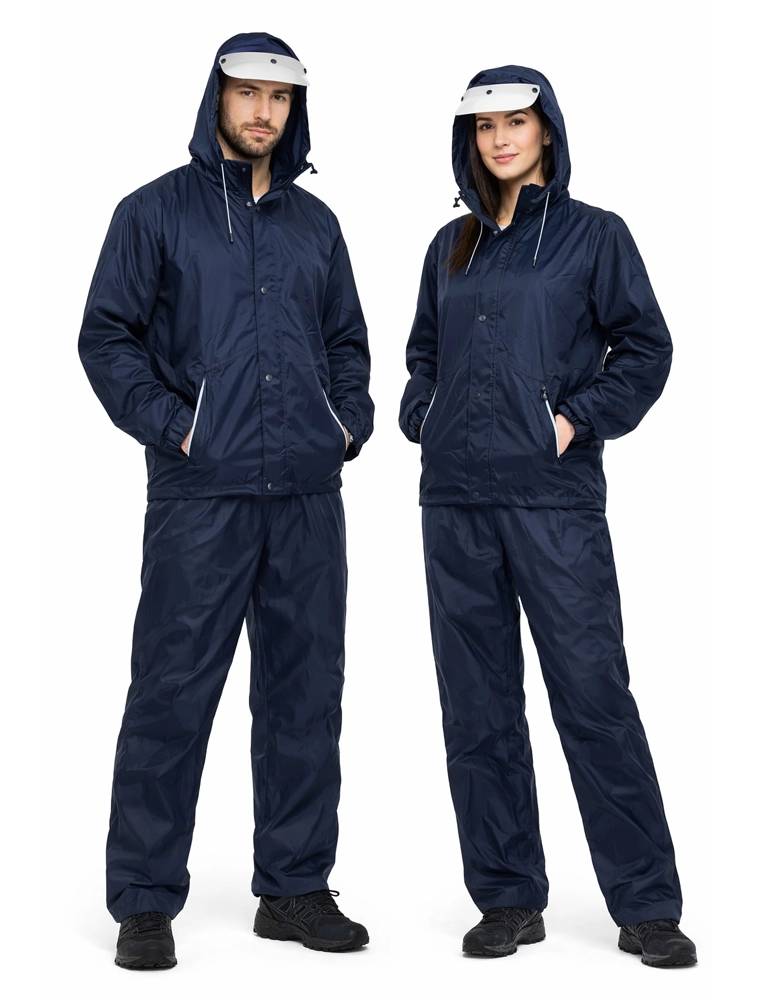
Bulk raincoats for every use case
Brand-ready raincoats for corporate, retail, uniforms and large custom programmes — sourced across partner factories with published prices.
Corporate & events
Brand-ready raincoats for offsites, launches and conferences.
Get quote →
Uniforms & programmes
Consistent supply for schools, factories and frontline teams.
Corporate uniforms →
Own brand / resale
Unbranded or private-label stock for retail brands.
Launch your store →
Large custom runs
Contract manufacturing for high-volume programmes.
Contract manufacturing →Bulk raincoats — frequently asked questions
Are the two kinds of raincoat on this page classified the same way for customs?
The two families on this page are not in the same chapter of the Customs Tariff. A raincoat cut from EVA sheet with no textile inside it is an article of apparel of plastics under heading 3926. A coated nylon raincoat is textile unless the coating fails a specific test.
Where each one sits
Chapter 39 of the Customs Tariff is titled “Plastics and articles thereof”. Within it, heading 3926 covers “other articles of plastics and articles of other materials of headings 3901 to 3914”, and subheading 3926 20 is expressly for articles of apparel and clothing accessories, including gloves, aprons and similar. A sheet raincoat made from ethylene vinyl acetate with no woven or knitted substrate anywhere in it is an article of apparel made of plastic, and that is where it lands.
The counterweight is Note 2(p) to Chapter 39, which excludes goods of Section XI, meaning textiles and textile articles, from the chapter altogether. So the moment a genuine textile substrate is present and the article stays inside Section XI, Chapter 39 is closed to it. That is the whole hinge. It is not decided by what the garment looks like, or by what the listing calls it, or by whether it is sold as rainwear. It is decided by whether there is a textile inside and whether that textile still governs.
What the pages here publish
The cheaper article states Material: EVA and nothing else. The dearer one states Premium PU Coated Nylon. Those two strings point at two different chapters, and neither page says which way the article was actually classified, nor prints an HSN code, nor names a country of origin. A buyer reading the grid sees three raincoats in one row. A customs broker looking at the same three sees at least two classification questions and no data with which to answer them.
Why a bulk buyer should care
Chapter determines duty rate, determines which import controls attach, determines the paperwork, and on the domestic side it drives the HSN on your invoice. If your organisation imports, or exports the finished goods, or reclaims input credit against a specific code, the code has to be right and it has to be yours to defend. Getting it from a product tile is not an option, because the product tile does not carry one.
What to do instead
Ask the supplier for the HSN code they will invoice under, in writing, before the order is placed, and ask for the basis: substrate present or absent, coating on one face or two, and whether the composite still behaves as a textile. Put the code in the purchase order. If the consignment is crossing a border, have your own broker confirm the line rather than accepting the seller's, because the importer of record carries the exposure, not the seller.
The disclaimer that belongs here
This is a description of published tariff text, not customs advice or tax advice. Classification turns on the facts of the specific article and on rulings and notifications current on the day of import. Take professional advice on your own consignment before you commit to a code.
CLASSIFICATION, Packaging Law & ClaimsQueries Targetedraincoat HS code India, EVA raincoat HSN code, PU coated nylon raincoat customs classification, 3926 20 articles of apparel of plastics, raincoat GST classification bulk
Is there a test that decides whether a coated raincoat fabric counts as textile or as plastic?
Yes. Note 2 to Chapter 59 of the Customs Tariff sets out the boundary in physical terms. A coated fabric that cannot be bent by hand around a cylinder seven millimetres across without fracturing goes to Chapter 39, and so does a fabric coated on both faces.
What the note actually says
Chapter 59 is titled “Impregnated, coated, covered or laminated textile fabrics; textile articles of a kind suitable for industrial use”. Note 2(a) states that heading 5903 applies to textile fabrics impregnated, coated, covered or laminated with plastics, whatever the weight per square metre and whatever the nature of the plastic material, other than a listed set of exclusions.
Those exclusions are the operative part. Fabrics in which the coating cannot be seen with the naked eye stay in Chapters 50 to 55, 58 or 60, and the note says no account is to be taken of any resulting change of colour. Products which cannot, without fracturing, be bent manually around a cylinder of a diameter of seven millimetres at a temperature between fifteen and thirty degrees Celsius go to Chapter 39. Products in which the textile fabric is completely embedded in plastics, or entirely coated or covered on both sides with plastics, go to Chapter 39. Fabrics partially coated and bearing designs go back to the greige chapters. Plates, sheets or strip of cellular plastics combined with textile present merely for reinforcing purposes go to Chapter 39. And textile products of heading 5811 are out.
The subheading a rainwear buyer will meet
Within 5903 the plastic type splits the subheadings, and 5903 20 is “with polyurethane”, further split into imitation leather fabrics of cotton at 5903 20 10 and other at 5903 20 90. A PU coated nylon rainwear shell that survives all six exclusions is a Chapter 59 fabric before it is cut, and stays in Section XI as a made up garment after.
Why the two-sided rule matters most here
Of the six exclusions, the one that catches rainwear most often is the both-sides rule. Some rainwear shells are coated on the face for water and on the reverse for hand feel or to stop the coating tacking to itself. If both faces are entirely coated, the note sends the material to Chapter 39 regardless of how textile it feels. Neither product page in this category publishes which faces are coated, so from the listings alone the question cannot be answered.
What to ask for
Ask the supplier, in the technical clauses of the order, for the substrate construction, the coating polymer, the number of coated faces and whether the coating is visible to the naked eye. Those four answers settle the note. Ask for a lab report if you are importing, because a broker will want evidence rather than a statement.
Disclaimer
This is a summary of published tariff notes, not classification advice. The application to a specific fabric is a technical and legal question and should be settled with professional advice and, where the stakes justify it, a formal ruling.
CLASSIFICATION, Packaging Law & ClaimsQueries TargetedChapter 59 Note 2 coated fabric test, 5903 polyurethane coated fabric classification, 7 mm cylinder test coated textile, coating visible to naked eye rule
We buy in bulk. Do the packaged commodity labelling rules apply to raincoats bought this way?
It depends on who you are and who you buy from. Rule 3 of the Legal Metrology (Packaged Commodities) Rules, 2011 disapplies the labelling chapter to packaged commodities meant for industrial or institutional consumers. The Explanation ties that to buying directly from the manufacturer, which a reseller is not. The text of the exemption
Rule 3 says the provisions of that chapter shall not apply to packages of commodities containing a quantity of more than twenty five kilograms or twenty five litres, excluding cement and fertiliser sold in bags up to fifty kilograms, and to packaged commodities meant for industrial consumers or institutional consumers. The Explanation defines an institutional consumer as one buying directly from the manufacturer for service institutions such as transportation, airways, railways, hotels or hospitals, and an industrial consumer as one buying directly from the manufacturer for use by that industry.
The two words that do the work
Directly from the manufacturer. That phrase is the hinge of the whole exemption, and it is the phrase most often skipped. A hospital buying raincoats for its own porters, straight from the maker, is squarely inside it. A hotel group buying for its doormen is inside it. A logistics operator buying for its own riders is inside it. A distributor buying to resell, a retailer buying to shelve, an online seller buying to list, and a corporate buying gifts to hand out to customers rather than to use are all somewhere else, and the safe assumption for any of them is that the declarations are required.
What this category publishes today
Neither sampled product page carries a country of origin, a manufacturer or packer name and address, a net quantity declaration, a month and year of packing, a consumer care contact or a warranty term. The packing fields describe a compact polybag on one article and moisture resistant poly packaging with a storage pouch on the other, which is a description of the wrapping rather than a set of declarations. If the goods are going onto a shelf, that gap is yours to close before they ship, not after.
The practical consequence for a resale buyer
A retail pack has to be labelled at the point it is packed, not at the point it is unpacked in your warehouse, because relabelling a landed consignment is slow, expensive and visibly a repair. Specify the declarations in the purchase order, get artwork approved with the sample, and inspect the printed pack in the first carton rather than the last.
Disclaimer
This is a plain reading of published rules and is not legal advice. Whether a given transaction falls inside the industrial or institutional exemption depends on your status, your supply chain and the use to which the goods are put. Take your own legal advice before relying on the exemption.
CLASSIFICATION, Packaging Law & ClaimsQueries TargetedLegal Metrology Packaged Commodities Rules 2011 Rule 3 exemption, institutional consumer definition, industrial consumer packaged commodities, bulk raincoat labelling India
One page says Waterproof: Yes and another says 100% Waterproof. Can either go into a contract?
Not as written. Neither is a measurement. Waterproofing is graded by a water column figure measured to a named method, and a garment is judged on its seams and closures as well as its cloth. The listings publish a yes and an absolute, and no test method behind either.
What the two pages say
The EVA article carries an attribute row reading “Waterproof: Yes”. The reversible set carries one reading “100% Waterproof”. Neither is accompanied by a figure, a test method, a standard number, a laboratory name or a report date. A yes and an absolute look like strong claims and are in fact the two weakest possible forms of the claim, because there is nothing in either of them a supplier could fail.
How the property is actually expressed
Resistance to water penetration in a coated fabric is expressed as a hydrostatic pressure the material withstands before water passes, reported as a height of water column to a named method, at a stated rate of pressure rise, on conditioned specimens. That single number is what allows two fabrics to be compared, what allows a tolerance to be written, and what allows a consignment to be rejected on evidence rather than on argument. Separately, a finished garment is only as waterproof as its weakest seam and its worst closure, which is why garment level testing exists at all.
The gap between fabric and garment
A fabric can pass comfortably and the garment still leak, at the shoulder seams, at the hood seam, at the zip, at the cuff, at the pant crotch. Sewn seams make holes by definition; a rainwear garment either has taped or welded seams or it does not. Neither page in this category says. On the reversible set there is a front zipper plus button closure and an attached hood with a drawstring, all published as features and none published with any treatment.
What a contract clause looks like
Name the property, name the method, name the number and name the tolerance, then name who tests, on what sample size, at whose cost, and what happens on failure. Ask for the fabric figure and separately for a garment level check on a made up sample. Require seam treatment to be stated as taped, welded or untreated, and require it on the sealed sample so that it can be verified by eye at inspection.
Disclaimer
Standards, methods and labelling expectations differ by market and by end use, and nothing here is legal or technical advice for your programme. Confirm the applicable method and any mandatory requirement with a competent laboratory and with your own advice before you publish a claim of your own.
CLASSIFICATION, Packaging Law & ClaimsQueries Targetedwaterproof rating raincoat specification, hydrostatic head raincoat, waterproof vs water resistant standard, raincoat testing standard India, water column figure rainwear
How many raincoats does this category actually list?
Three. The grid carries one EVA hooded raincoat at Rs 94 and two reversible PU nylon sets at Rs 464 and Rs 784, with no pagination and no product count published anywhere. Two of the three carry near identical titles and the same rating count, so the working range is narrower than three. The three tiles, in the order the grid shows them
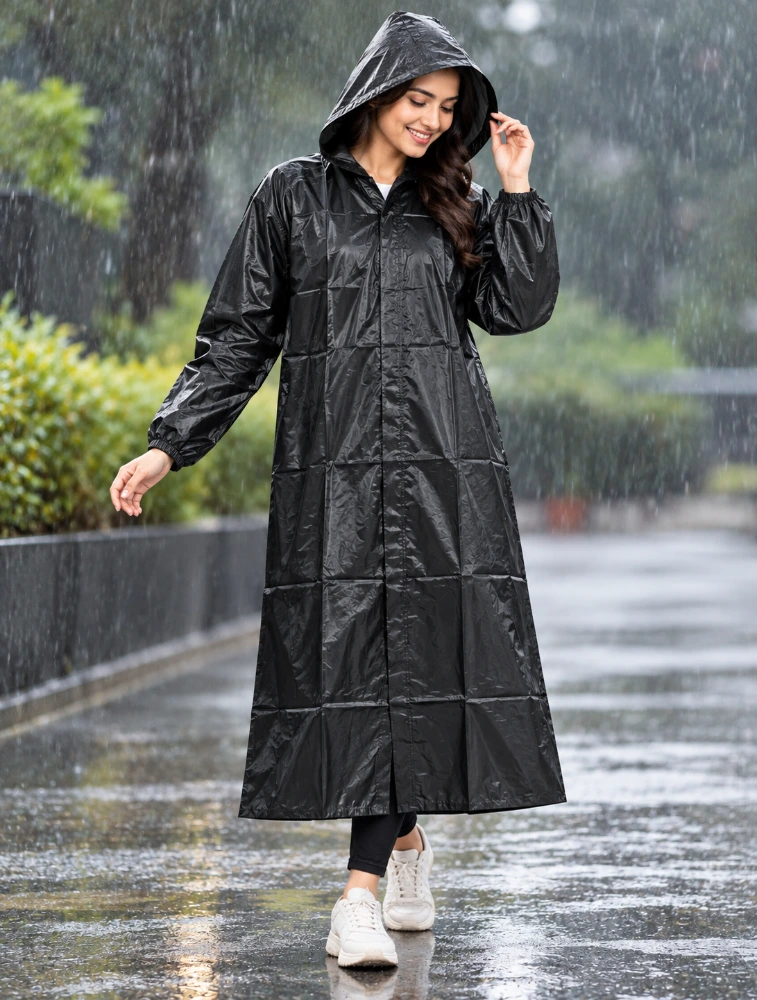
First, a Grey Unisex EVA Waterproof Hooded Raincoat at Rs 94, article code SKUFACTORI5921, carrying two hundred and fifty eight ratings. Second, a Navy Blue Men PU Nylon Reversible Raincoat Set at Rs 464, article code SKUFACTORI5863, carrying two hundred and sixty four ratings. Third, a Navy Blue Unisex Premium PU Nylon Reversible Raincoat set at Rs 784, article code SKUFACTORI5850, also carrying two hundred and sixty four ratings. There is a sort control offering price low to high and price high to low. There is no next page, no page counter and no total anywhere on the page.
Why three matters
A category page is a promise about breadth. This one sits under a statistics band that speaks of six hundred and nine partner factories and contract manufacturing at any scale, and then shows three articles, two of which are the same garment in different words. For a buyer running a comparison across suppliers, three is not a shortlist; it is one construction in plastic and one construction in coated textile, presented twice.
What is genuinely on offer behind it
The narrow grid is a catalogue problem rather than a capability problem, and the distinction matters when you are deciding whether to send an enquiry. Rainwear is a made to order category almost everywhere. What you should read off this page is the two constructions and the two price bands, then treat the enquiry as the real catalogue: colour, size set, seam treatment, closure, pack and branding are all specified in the order rather than picked off a tile.
The honest reading of the ratings
Two hundred and fifty eight and two hundred and sixty four are close, and the two identical figures sit on the two articles that share a construction. Rating counts on a thin catalogue should not be read as demand signals for the specific article. Ask instead for reference volumes on the construction you want, and ask what has actually shipped in the last season.
What to do with a three-article grid
Use it to set the two ends of your budget and then move the conversation to specification immediately. Ask for the constructions the supplier actually runs, not the ones listed. Ask which of the two families their factories are set up for, because sheet plastic and coated textile are different production lines with different tooling, different seam methods and different minimums.
What The Page PublishesQueries Targetedfactori raincoats category, bulk raincoat suppliers India range, wholesale raincoat catalogue size, raincoat SKU count
One product address contains the word Copy inside brackets. Does that matter?
It matters more than it looks. That address is the only working way to reach the Rs 464 raincoat, it carries a content system's duplication suffix and unencoded brackets, and requesting the properly encoded form returns the home page instead of the product or an error.
What was observed
The middle tile links to an address whose slug is mixed case rather than lower case, and which contains a bracketed word Copy immediately before the article code. Requesting that address with the brackets written literally returns a client error. Requesting the same address with the brackets percent encoded, which is what a well behaved client does automatically, returns the home page. Requesting a normalised lower case slug without the bracketed suffix also returns the home page. Not a redirect to the home page and not a not found response, but the home page served as though it were the product.
Why a bracketed Copy appears at all
Content systems append a duplication marker when a record is cloned, so that the clone can be saved before it is renamed. It is a working title. Its presence in a live address means a cloned record was published without the rename step, and that the address was minted from the working title rather than from the finished one.
The three consequences
First, reachability. Any client that encodes brackets, and that includes plenty of legitimate ones, lands on the home page. A third of the visible category is effectively unreachable to those clients. Second, indexing. A soft response that serves the home page under a product address teaches a crawler that the address is not a product, and the article's chances of ever appearing in a search result for its own name are poor. Third, trust. A buyer who forwards that link to a colleague, or pastes it into a requisition, is forwarding something that behaves inconsistently depending on how it is opened.
What it says about the record itself
A cloned record that kept its duplication marker is a record nobody finished editing. That is worth knowing before you quote from it, because the fields most likely to have been left at the source article's values are exactly the ones that differentiate the two: material, colour, price tier and pack contents.
What a buyer should do
Do not rely on the address. Quote the article code, which is stable and unambiguous, in every message and in the purchase order. Ask the supplier to confirm the specification of that code in writing rather than by link, and ask them to republish the record on a clean address before you build any catalogue of your own on top of it.
What The Page PublishesQueries Targetedduplicate product URL ecommerce, unencoded parentheses in URL, product page returns home page, catalogue data quality B2B supplier
Two reversible sets are priced sixty nine per cent apart. What is the published difference between them?
On the published data, three words. One title says Men and the other says Unisex Premium, and the lower priced record carries a duplication suffix in its address. Both show the same rating count. No specification row on the reachable page explains the gap between them.
The comparison as the page presents it
The two articles are both navy blue, both described as PU nylon, both reversible, both sold as sets. The cheaper is titled Navy Blue Men PU Nylon Reversible Raincoat Set. The dearer is titled Navy Blue Unisex Premium PU Nylon Reversible Raincoat set, with a lower case s on the last word where its sibling has a capital. Both carry two hundred and sixty four ratings. The price difference between them comes to about sixty nine per cent of the lower figure.
What the dearer article publishes
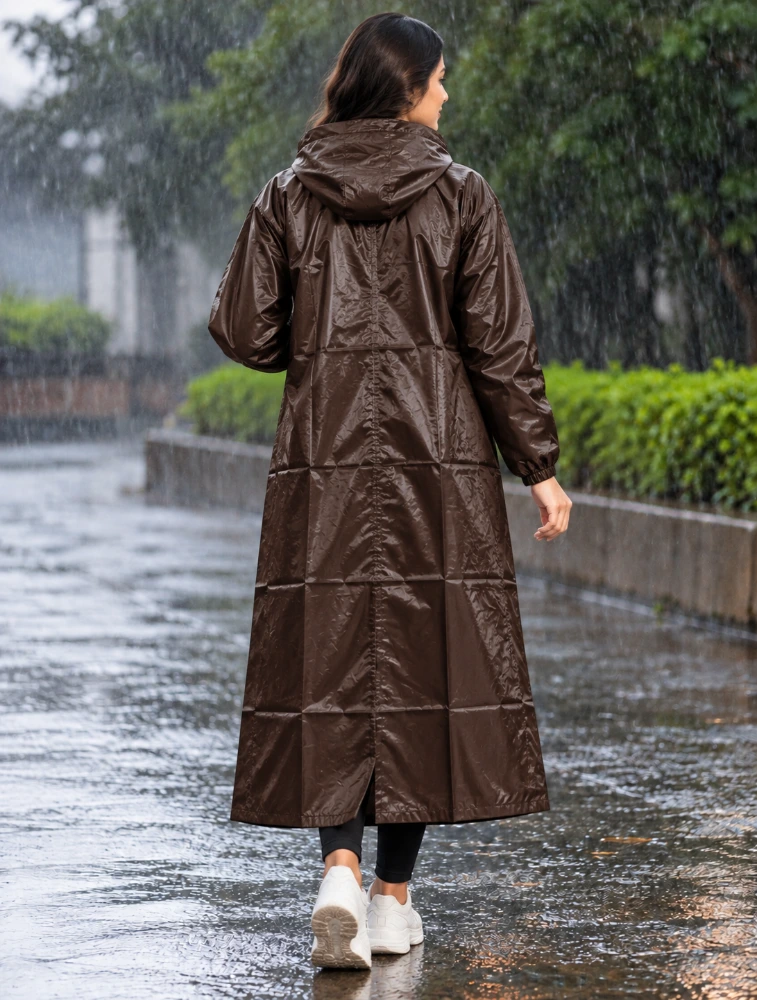
Its attribute rows give a product type of reversible raincoat set comprising jacket and pant, a colour of navy blue with a black reversible inner, a material of premium PU coated nylon, a closure of front zipper plus button, an attached hood with adjustable drawstring, full sleeves with elastic cuffs, an elastic waist rain pant included, and a season of monsoon. Its packing field says the set includes one reversible jacket and one matching rain pant with a compact storage pouch, in moisture resistant poly packaging. Its care field rules out machine washing, bleaching, tumble drying and ironing.
What the cheaper article publishes
Nothing that can be read, because its address does not resolve for a client that encodes the brackets in it. The tile carries a title, a price and a rating count, and that is the entire published record available to a buyer who follows the link normally.
Why a gap of this size needs an explanation
Between two coated nylon sets there are perfectly ordinary reasons for a large price difference: heavier substrate, thicker coating, taped rather than plain seams, a better zip, a lined collar, a genuine second face rather than a printed one, a pouch versus a polybag. Any one of those would justify the gap. None of them is published. So the buyer is being asked to pay the difference for the word premium.
How to resolve it in practice
Ask for both articles as samples on the same day and compare them physically: weigh them, feel the coating, turn the seams inside out, work the zip twenty times, and check whether the reversible face is a true second face. Then ask for the substrate and coating specification of each in writing. If the supplier cannot state a difference, price the dearer one as though it were the cheaper one.
What The Page PublishesQueries Targetedraincoat price difference specification, reversible raincoat set wholesale price, PU nylon raincoat bulk price comparison, what justifies raincoat price gap
What size are these raincoats, and where is the size chart?
There is no size chart in this category. The EVA raincoat publishes a fit of Relaxed / Free Size (Unisex) and no measurements. The reversible set publishes no size field at all, although it is a jacket and a rain pant, so there is no chest, no length and no inseam anywhere.
What free size means and what it does not
Free size on a rain garment is a manufacturing convenience, not a fit statement. It usually means one pattern cut generously enough that most adults can get into it. It does not tell you the chest circumference, the back length, the sleeve length or the sweep, and on a raincoat those four dimensions decide whether the wearer stays dry. A coat that stops above the seat is a different product from one that reaches mid thigh, and both can be described as free size.
Why a set makes the absence worse
A jacket and pant set has a second problem the coat does not. A pant has an inseam and a waist, and an elastic waist stretches across a range but not an unlimited one. A set issued to a workforce without a size run will fit some of them and be given away by the rest. If the pant is short, riders get wet at the ankle, which is the exact place a rain pant is bought to protect.
The measurements to demand
For the jacket: chest at one inch below the armhole, full back length from the high point of the shoulder, sleeve length from the centre back, cuff opening, hood height and hood face opening. For the pant: waist relaxed and waist extended, inseam, thigh, and leg opening. For both: a tolerance in centimetres against each dimension, because a specification without a tolerance is not measurable at inspection.
How to structure the size run
Ask for a graded set rather than one size, even if the range is only three sizes, and ask for the grade rule so you know how much each dimension moves between them. Then run a fitting on a real sample of the people who will wear it before you commit the quantity, and record the resulting size ratio in the purchase order. Ratio errors are more expensive than price errors in workwear, because the wrong sizes are unusable rather than merely dear.
Put it in the order
Attach a measurement table to the purchase order, name the tolerance, require a sealed sample measured against it, and require the inspection to measure a stated number of pieces per size rather than one. Where a garment is issued to staff, the size ratio should be an annexure to the order, not an email.
What The Page PublishesQueries Targetedraincoat size chart bulk order, free size unisex raincoat measurements, rainwear sizing B2B, raincoat chest length inseam specification
The cheaper raincoat gives no washing guidance. What is actually in that field?
Product features. On the EVA article the care section describes the material as waterproof, quick drying and reusable and calls the coat lightweight and foldable, which are selling points rather than instructions. The dearer set, by contrast, publishes a genuinely restrictive regime that rules out machine washing.
The two fields side by side
The EVA article's care field says the raincoat is made from durable EVA material that is waterproof, quick drying and reusable, that it is lightweight and foldable and easy to carry in bags for emergency use, and that the unisex design suits both men and women. Every clause there is a benefit. Not one of them tells the wearer what to do with the garment after it has been worn in the rain.
The reversible set's care field is the opposite. It says to avoid machine washing, to clean the surface gently with a damp cloth, not to bleach, tumble dry or iron because that may damage the coating, to hang the garment to dry in a shaded area, to ensure it is completely dry before storing, and to keep it in a cool dry place.
Why the restrictive one is the useful one
Coated rainwear generally does not enjoy laundering. Heat and mechanical action attack the coating and the seam tape long before they attack the substrate, and a garment that has been through an industrial wash a few times can look perfectly sound and leak. So a care regime that forbids machine washing is not a limitation the supplier is hiding; it is the single most important operational fact about the product, and it should be read before the price is.
What a fleet or institution has to plan for
If your rainwear cannot be machine washed, you need a wipe down and hang dry routine, a place to hang it, and a replacement cycle rather than a laundry cycle. That changes the total cost of ownership more than a rupee or two on the unit price. Storing a coat wet, folded and in a dark locker is the fastest way to ruin it, and it is exactly what happens without a hanging point.
The gap on the cheaper article
A sheet plastic coat with no stated care regime should be treated as a wipe and hang garment too, and as a consumable rather than an asset. Ask the supplier to state the regime in writing and to print it on the pack, because a care instruction that lives only on a web page does not reach the person wearing the coat.
What to specify
Require a care instruction on the garment or on the pack, require it to match what the supplier tells you in writing, and require the sealed sample to carry it. Then write the replacement assumption into your budget: rainwear that cannot be laundered is replaced on a season cycle, not on a wear out cycle.
What The Page PublishesQueries Targetedraincoat care instructions, how to wash PU coated raincoat, EVA raincoat cleaning, rainwear care label bulk supply
The set is described as both waterproof and breathable. Can a coated raincoat be both?
Yes, but only to a degree, and only with numbers attached. Waterproofing and breathability pull against each other in a coated garment, and both are measured. The description claims both and the page publishes neither figure, so at the moment the two words cancel rather than combine.
Why the two properties fight
A coating keeps liquid water out by closing the fabric. Water vapour leaving the body has to get through the same closed layer. Materials engineered to do both exist and they are not cheap, because the coating has to pass vapour while blocking liquid, and every step you take towards one costs you something on the other. A plain coated shell chosen for price sits firmly at the waterproof end, and the wearer will feel that as damp on the inside after twenty minutes of effort.
Condensation is not a leak
This is the single most common rainwear dispute in a workforce. A rider comes in wet inside a garment that has not leaked at all, and reports a defect. What has usually happened is that perspiration condensed on the cold inner face of the coating. It matters commercially because it drives returns and complaints against a product that is performing to specification, and because it can be designed around with ventilation rather than argued about afterwards.
What actually helps on a low cost shell
Ventilation features do more for comfort at this price point than any coating claim: mesh lined back yokes, underarm eyelets, a vented cape at the shoulders, an open hem, cuffs that can be released. None of these are published on either article here. On a sheet plastic coat there is no ventilation at all and none should be expected, which is fine for a short exposure and poor for a working shift.
How breathability is expressed
It is reported as a moisture vapour transmission figure to a named method over a stated period, or as a resistance value, and the method has to be named for the number to mean anything because the common methods do not produce comparable results. If a supplier offers a breathability number, ask which method, and ask for the report rather than the number.
The buying rule
Decide which property the job actually needs before you shop. For a stationary or short exposure use, take the waterproof end and ignore breathability. For a working shift with exertion, specify ventilation features explicitly in the order and ask for a wearer trial. Do not accept both words together without both figures, because a claim with no method behind it cannot be tested and therefore cannot be enforced.
What The Page PublishesQueries Targetedwaterproof breathable raincoat, MVTR breathability rainwear, PU coated nylon breathable, condensation inside raincoat, breathable rainwear specification
What will five hundred raincoats cost against the price printed on the tile?
More than the tile. Both sampled ladders run cheapest last, so the figure in the grid is the above ten thousand piece rate. At five hundred units you sit in the first tier: the Rs 94 coat quotes at Rs 99 and the Rs 784 set at Rs 825, about five per cent above the shelf figure.
The two published ladders
The EVA article publishes one hundred to nine hundred and ninety nine at Rs 99, one thousand to nine thousand nine hundred and ninety nine at Rs 97, and above ten thousand at Rs 94. The reversible set publishes one hundred to nine hundred and ninety nine at Rs 825, one thousand to nine thousand nine hundred and ninety nine at Rs 809, and above ten thousand at Rs 784. In both cases the number shown on the tile, in the page heading and in the statistics band is the last rung, not the first.
What that means for a first order
Both product pages print a minimum order quantity of one hundred units. So the smallest order you can place is priced at the top of the ladder, and the number that attracted you to the page is the number you reach at a hundred times that volume. The uplift is about five per cent on both articles, which is modest as a percentage and is still a real line in a budget when the quantity is large.
The contradiction to raise with the supplier
The eight questions already published on this category say ready stock items can typically be ordered from a single piece, while both sampled product pages print a hundred unit minimum. Those two statements cannot both govern your order. Get the minimum confirmed in writing for the specific article code before you plan around it.
What is not in any of these figures
The ladder prices are for the article as listed. Branding, a specific colour, a graded size run, seam taping if it is not already there, printed retail packaging, testing and freight all sit outside them. On a low cost coat the branding and the pack can move the landed cost by a bigger proportion than the whole quantity ladder does, so build the quote from the specification rather than from the tile.
How to ask for the price
Ask for a quotation against your written specification at three quantities, with a validity date, with the tier boundaries stated, and with each extra listed separately rather than folded into the unit rate. That last point is what lets you negotiate the parts individually and what lets you re-order later without re-opening the whole price.
ProcurementQueries Targetedbulk raincoat price 500 pieces, raincoat quantity ladder wholesale, MOQ raincoat India, raincoat price per piece tier
Which technical clauses have to be in a rainwear order before it is placed?
Eight, and none of them are on the product pages. Fabric and coating construction, a water resistance figure to a named method, seam treatment, closure and hood specification, a size table with tolerance, pack and label declarations, the tier price with validity, and inspection with a defined acceptance level.
The material clause
State the substrate and the coating separately: fibre and construction of the base cloth or, for a sheet garment, the polymer and the thickness; then the coating polymer, the number of coated faces and the finish. This clause is also what settles the classification question, so it earns its place twice.
The performance clause
State the water resistance figure, the method it is measured to, the conditioning, and the tolerance. If breathability matters, state it as a separate figure with its own method. A property named without a method is not a specification and cannot be enforced.
The construction clauses
Seam treatment is the one buyers forget: taped, welded or plain, and if taped, on which seams. Then closures: zip type and size, whether it has a storm flap, button or press stud type and count, cuff treatment, hem treatment. Then the hood: attached or detachable, drawstring, peak, and whether it clears a helmet if riders will wear it.
The dimensional clause
A measurement table per size with a tolerance in centimetres, a grade rule, a size ratio for the quantity, and a sealed sample measured against the table before bulk starts.
The pack clause
Individual pack format, whether a pouch is included, carton quantity, carton marking, and the declarations that have to be printed on the retail pack if the goods will be resold. Approve the artwork with the sample rather than after production.
The commercial clauses
Tier price with validity date, currency, taxes and the HSN the supplier will invoice under, lead time from approval of the sealed sample rather than from the order date, and the delivery term. Then inspection: who inspects, at what stage, sample size, acceptance level, and the remedy on failure.
Disclaimer
This is a procurement checklist and not legal advice. Contract terms, liability and any mandatory conformity requirement for your market should be settled with your own legal advice before the order is signed.
ProcurementQueries Targetedraincoat purchase order specification clauses, rainwear technical specification B2B, raincoat PO checklist, seam sealing specification order
What do we test on the first carton when a raincoat consignment lands?
Five things, in this order: the article code against the invoice, the pack and its declarations, the measurements against the sealed sample, the seams and closures by hand, and water resistance on a sample drawn at random. Only the last one needs a laboratory.
One: identity
Match the article code on the carton, on the pack and on the garment against the purchase order and the invoice. On a catalogue where two articles share a construction and near identical titles, this is not a formality. Titles are unreliable here; codes are not.
Two: the pack
Open a carton from the middle of the pallet, not the one on top. Check the individual pack format, check that the pouch is present if it was specified, and read the printed declarations against the approved artwork line by line. A missing declaration found now is a delay; found after the goods are shelved it is a recall.
Three: measurements
Measure a defined number of pieces per size against the measurement table, using the same points the table names, and record the readings rather than a pass or fail. Chest, back length, sleeve, and for the pant the waist relaxed, waist extended and inseam. Compare against the sealed sample as well as against the table, because those two can disagree.
Four: seams and closures by hand
Turn the garment inside out and look at every seam: is the tape present where it was specified, is it lifting at the ends, is it bridging a corner. Then work the zip through its full travel twenty times, fasten and unfasten every button, pull the drawstring, stretch the elastic cuffs and the pant waist. Most rainwear failures in service start at one of these points and every one of them can be found without equipment.
Five: water resistance
Draw specimens at random and send them for the test named in the order, and if the budget allows, ask for one made up garment to be tested rather than only the cloth. A shower test on a finished garment finds seam and closure failures that a fabric test never will.
Recording the result
Write the readings down against the clause numbers of the purchase order, photograph anything that fails, and issue the report before the payment milestone rather than after it. An inspection whose findings arrive after the money has moved is an audit, not an inspection.
ProcurementQueries Targetedraincoat incoming inspection checklist, rainwear quality check bulk delivery, how to inspect raincoat consignment, AQL inspection rainwear
How do we brand a raincoat without putting a needle through the waterproof layer?
By not stitching through the shell. Embroidery makes a line of holes in the only layer keeping water out, so on coated and sheet garments the branding methods that survive are the ones that sit on the surface or on a part that is not load bearing, and placement is decided before sampling.
Why embroidery is the wrong instinct here
Embroidery is the default request on corporate garments because it looks permanent and reads as quality. On a coated shell it is a perforation. Every stitch is a hole through the waterproof layer, and a logo is thousands of stitches in the wettest area of the garment, usually the chest or the shoulder. It can be done and then sealed from behind, but the sealing has to be specified, tested and inspected, and it adds cost and a failure mode.
What works instead
Surface methods are the answer: printing directly onto the shell with an ink system compatible with the coating, or a heat applied transfer, or a welded or bonded appliqué on a garment whose construction already uses welding. Each of these has a compatibility question rather than a hole: the ink or adhesive has to bond to a surface that is engineered to shed things, and it has to survive flexing, folding and the care regime.
The test the sample has to pass
Ask for the branding on the pre production sample, not on a swatch, and then fold the garment tightly along the logo, leave it folded, and open it. Rub the mark. Wipe it with a damp cloth as the care regime requires. If the article is a sheet plastic coat, remember it is sold folded in a bag, so the logo lives its whole shelf life under a crease.
Placement decisions
Put the mark where the garment is least stressed and least stretched, and away from a seam. On a jacket that usually means the left chest and a small mark between the shoulder blades rather than a large one. Reflective tape, if you need it, is a construction decision rather than a branding one and has to be in the specification from the start because it changes the seam plan.
A note on the reversible article
A reversible garment has two outer faces, so a logo appears on one of them and disappears when the wearer turns it. If the branding is the point of the purchase, either brand both faces or do not buy a reversible article. That is a decision to take before sampling, not after the first delivery.
Catalogue Quality & BrandingQueries Targetedraincoat logo printing bulk, branding waterproof garment, custom printed raincoat corporate, heat transfer logo rainwear, embroidery on coated fabric problem
Which of these three raincoats should go to a delivery fleet, and which to a one day event?
Different jobs, different articles. A delivery fleet needs the reversible set with the pant, because a rider is wet from the knee down and needs a closure that works at speed. A one day crowd needs the EVA coat, because the cost per wear is the whole argument.
The fleet case
A rider on a two wheeler takes water from below as much as from above, and a coat alone leaves the legs and the seat unprotected. The set exists for exactly this, which is why its published usage row names bike riding first. What the listing does not tell you is what a fleet buyer must still specify: seam treatment, a size run, a hood that works under or over a helmet, cuffs that seal against gloves, and visibility. A dark navy garment on a wet evening road is a safety consideration that belongs in the specification, and if reflective tape is needed it has to be designed in rather than added later.
The event case
A one day crowd needs something that can be handed out fast, worn over whatever the person is already wearing, and thrown in a bag afterwards. Free size is a feature rather than a defect here, because nobody is being measured at a gate. The EVA coat is light, folds into a small pack and costs a fraction of the set. The relevant number is not the unit price but the cost per wear, and for a single day that is the unit price.
The institutional case in between
Hospital porters, hotel doormen, campus security and site staff are neither. They wear the garment repeatedly through a season, mostly on foot, mostly for short exposures. They generally want a coat rather than a set, they want it to survive being hung wet in a store room, and they want a size run because the same person wears the same garment every day. Specify hanging storage and a replacement cycle at the same time as you specify the garment.
Where the reversible feature helps and where it does not
A second face is useful for an organisation that wants a plain garment for one duty and a coloured one for another. It is not useful for a branded fleet, where the mark has to be visible always. Decide which of those you are before you pay for reversibility.
The one rule that covers all three
Buy for exposure time, not for weather. Minutes of exposure justify a sheet coat. Hours of exposure justify a coated set with taped seams and a size run. Getting that one judgement right matters more than any comparison between the three tiles on this page.
Catalogue Quality & BrandingQueries Targetedraincoat for delivery riders bulk, event raincoat bulk purchase, disposable vs reusable raincoat B2B, rainwear selection for workforce
From ₹76excl. GST
View cart & checkout ›