Choose your delivery location
Enter a 6-digit Indian PIN code to see delivery options for that area.
Currently delivering to Bengaluru 560105
Ready stock & made to order
Bulk water bottles
factori.com supplies bulk water bottles from ₹48/piece across 662 partner factories — ready stock and custom programmes with GST invoices.
Prices verified October 2026 · shown excluding GST
₹48Entry price
Same dayDispatch on working days
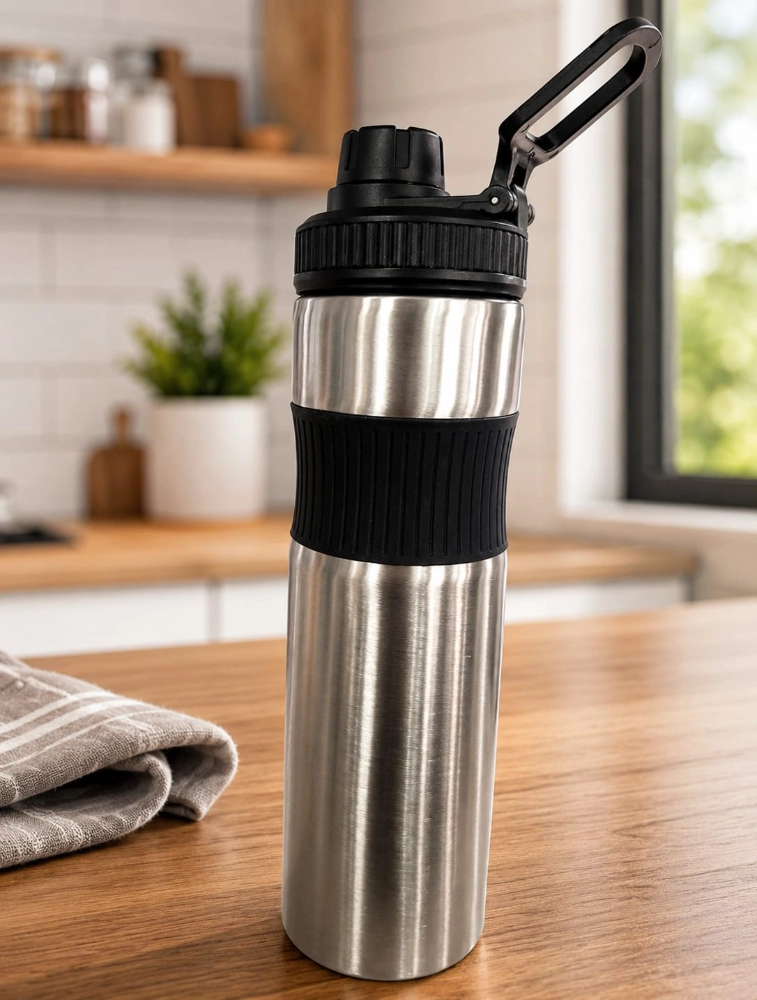
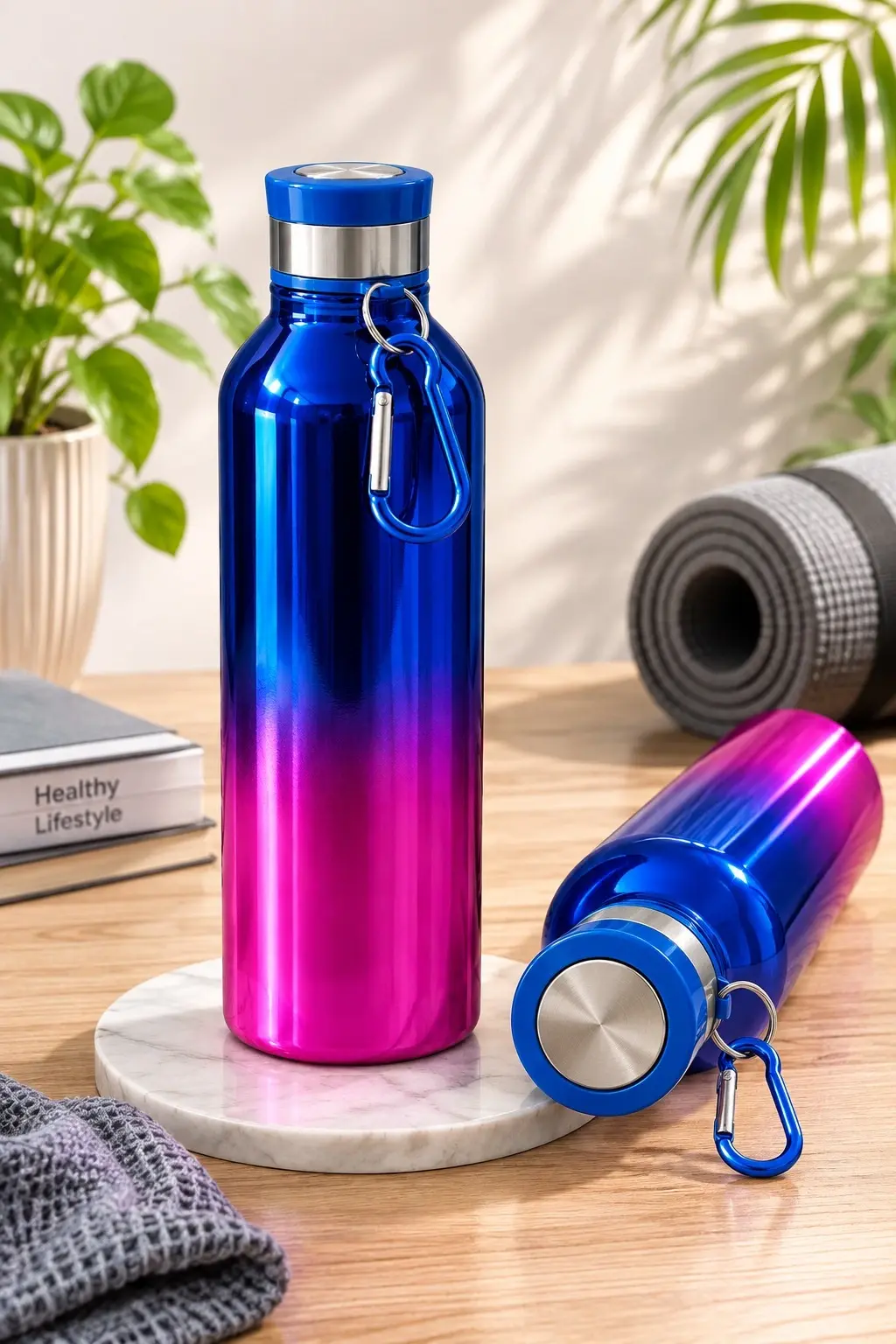
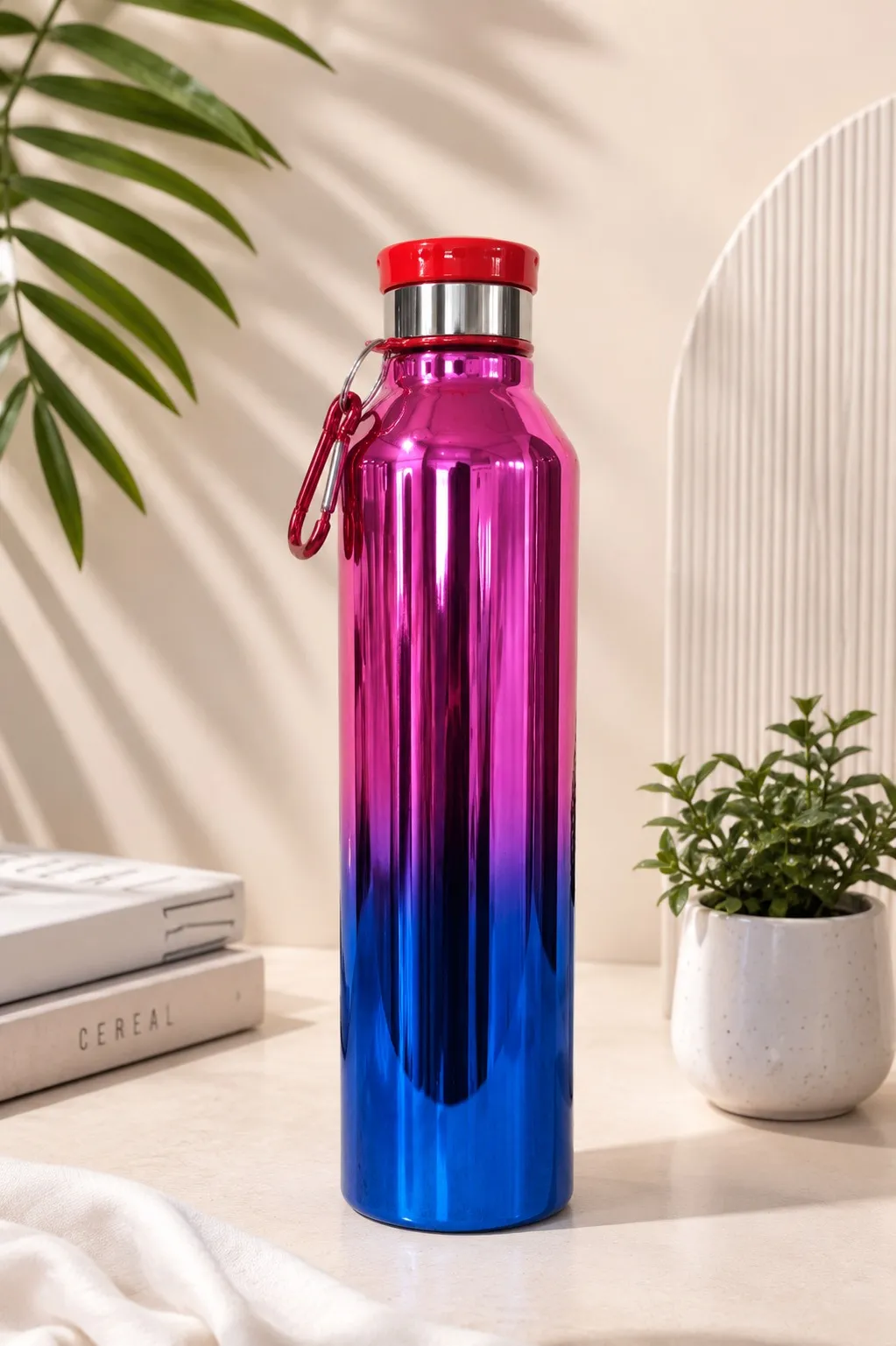
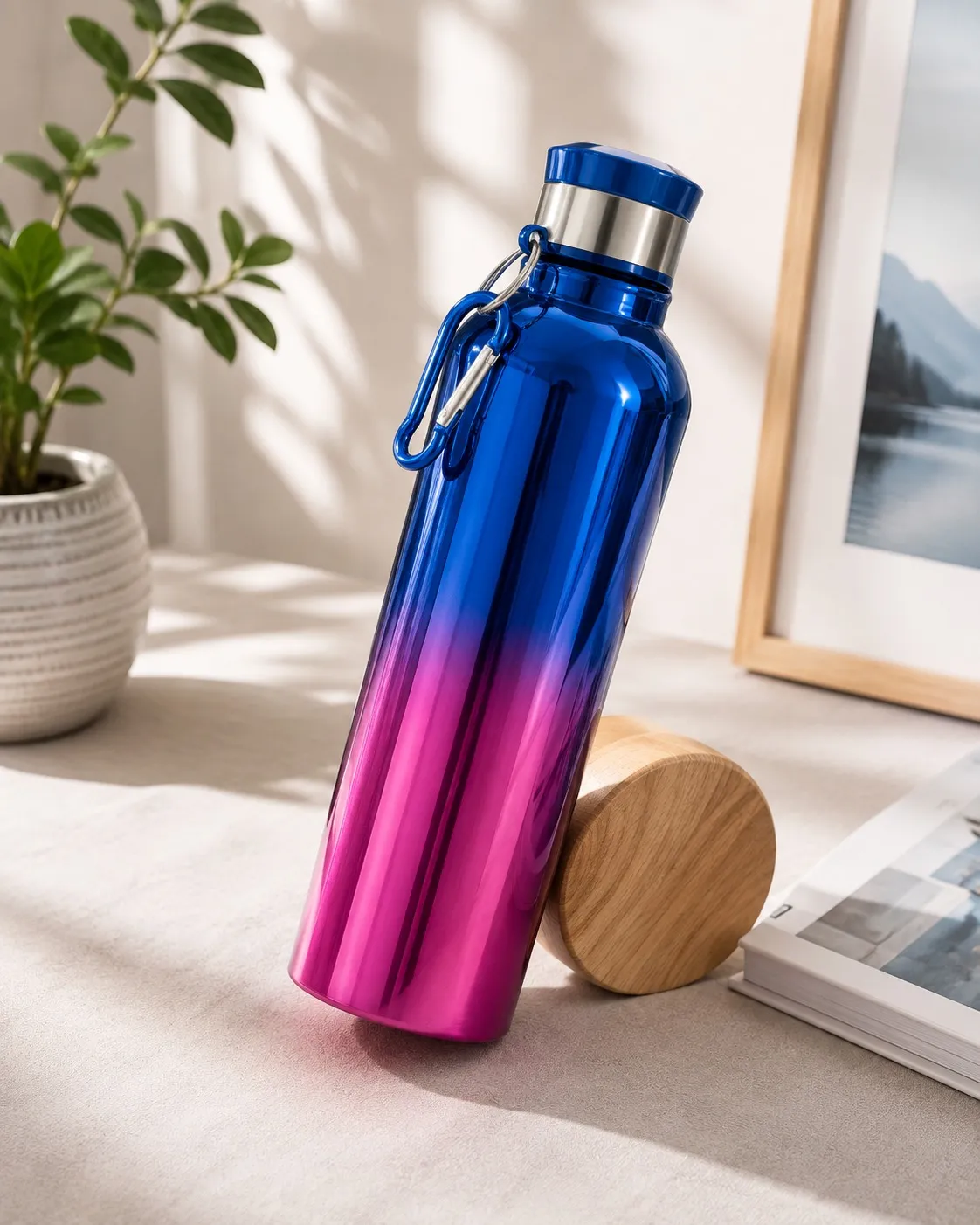

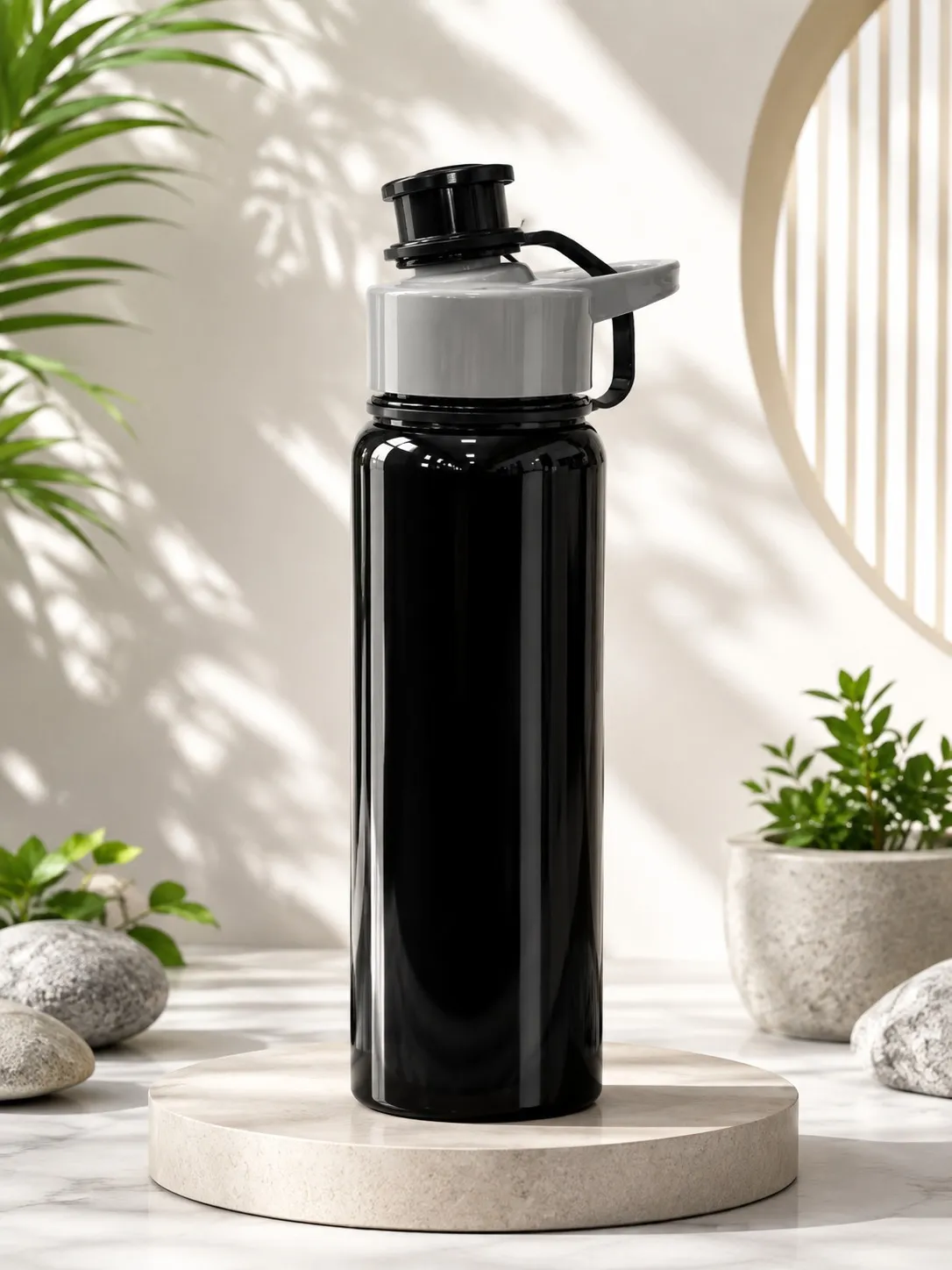
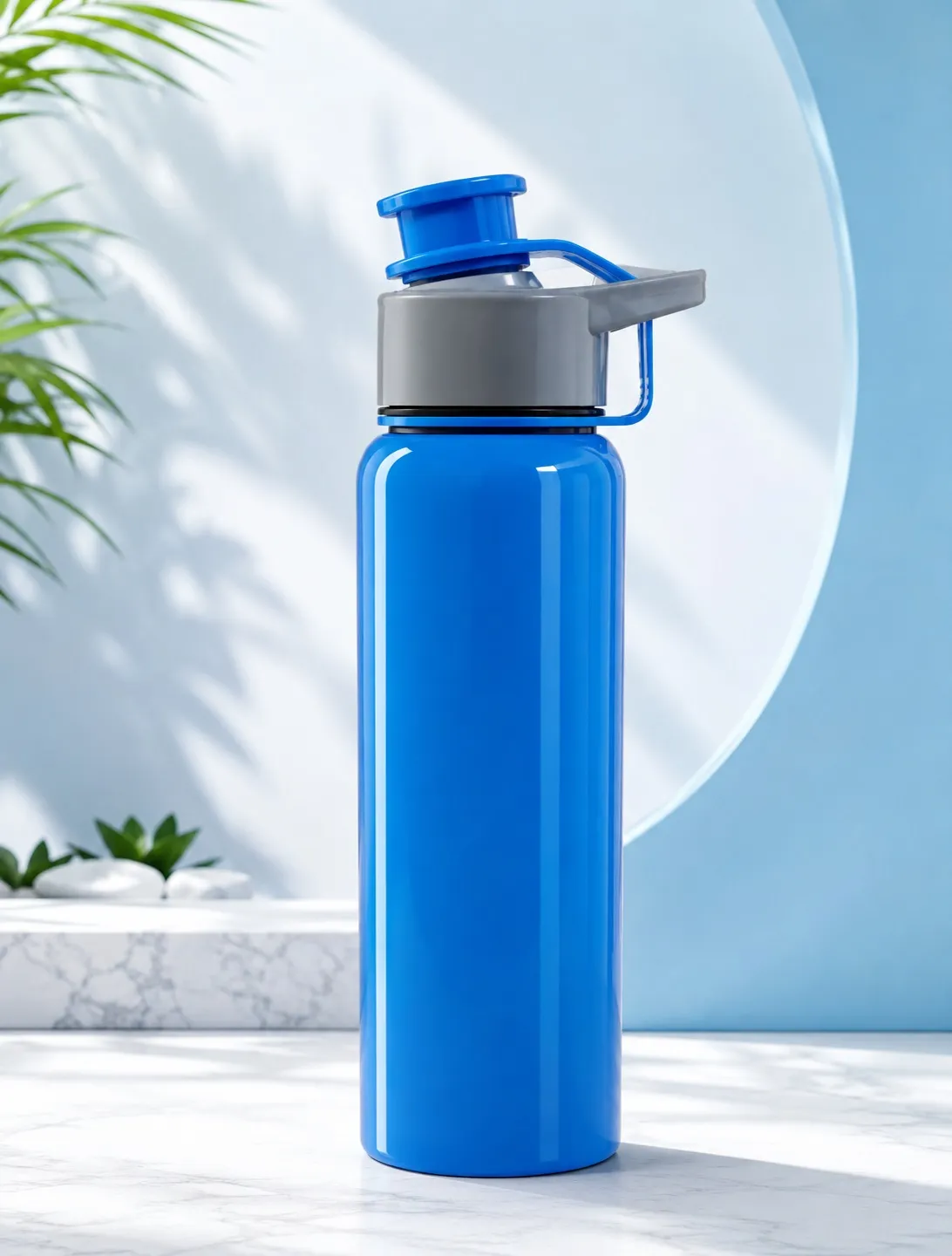
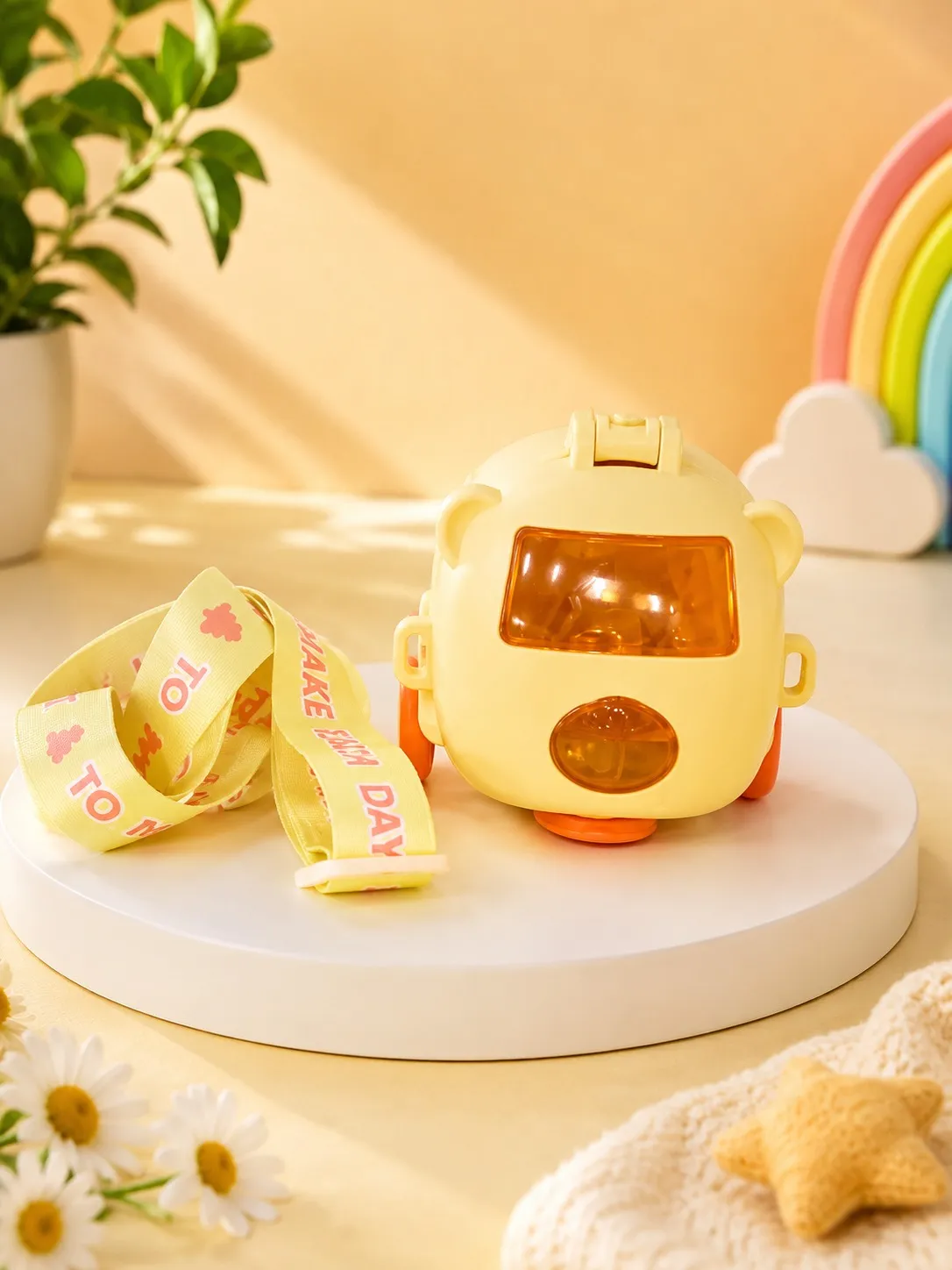
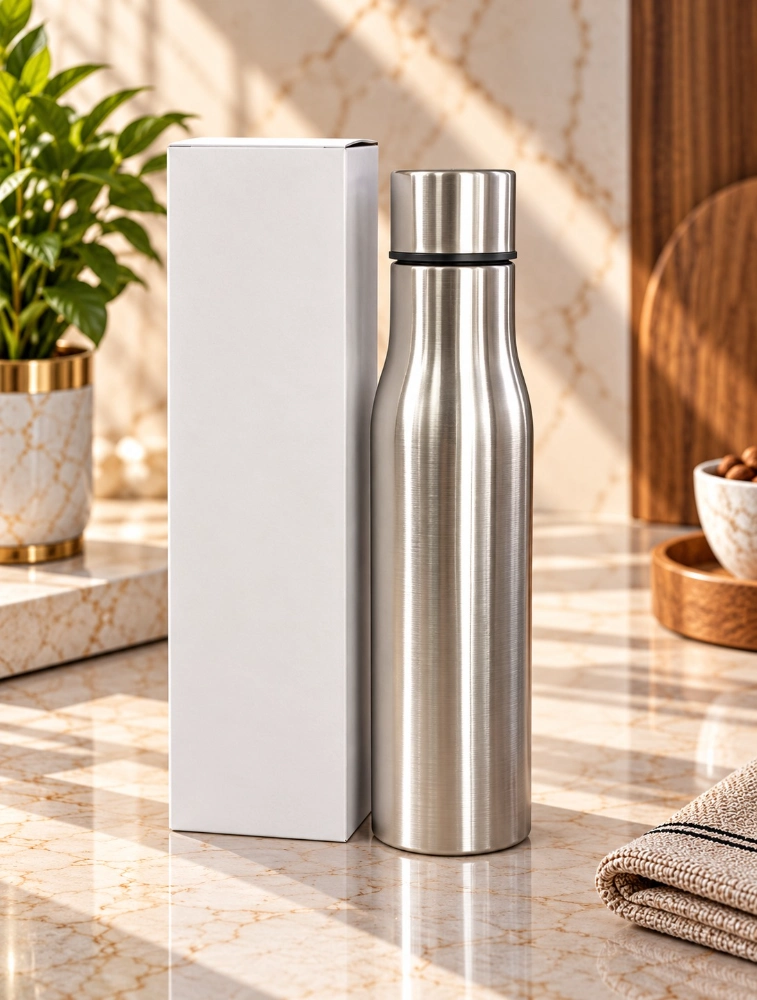
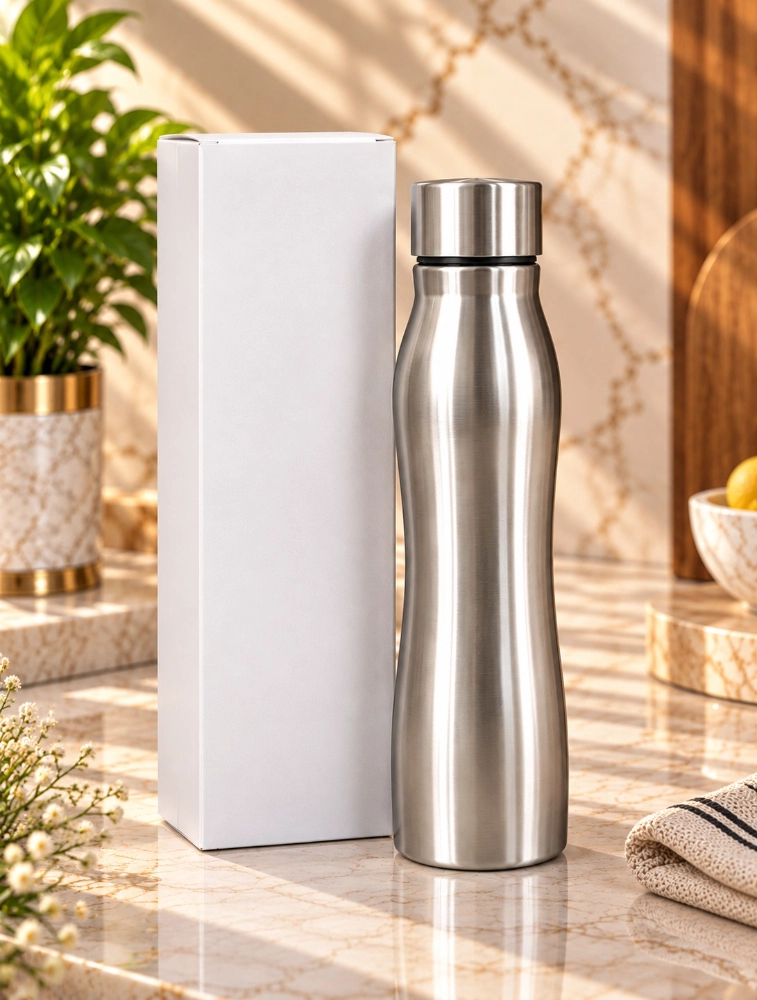
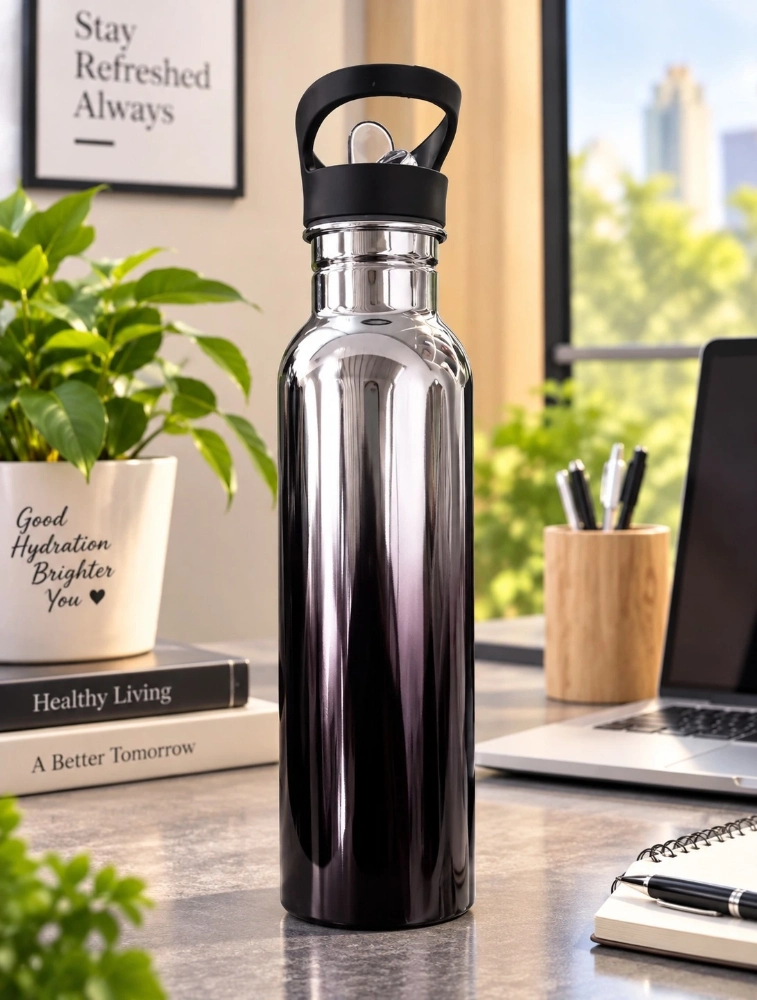



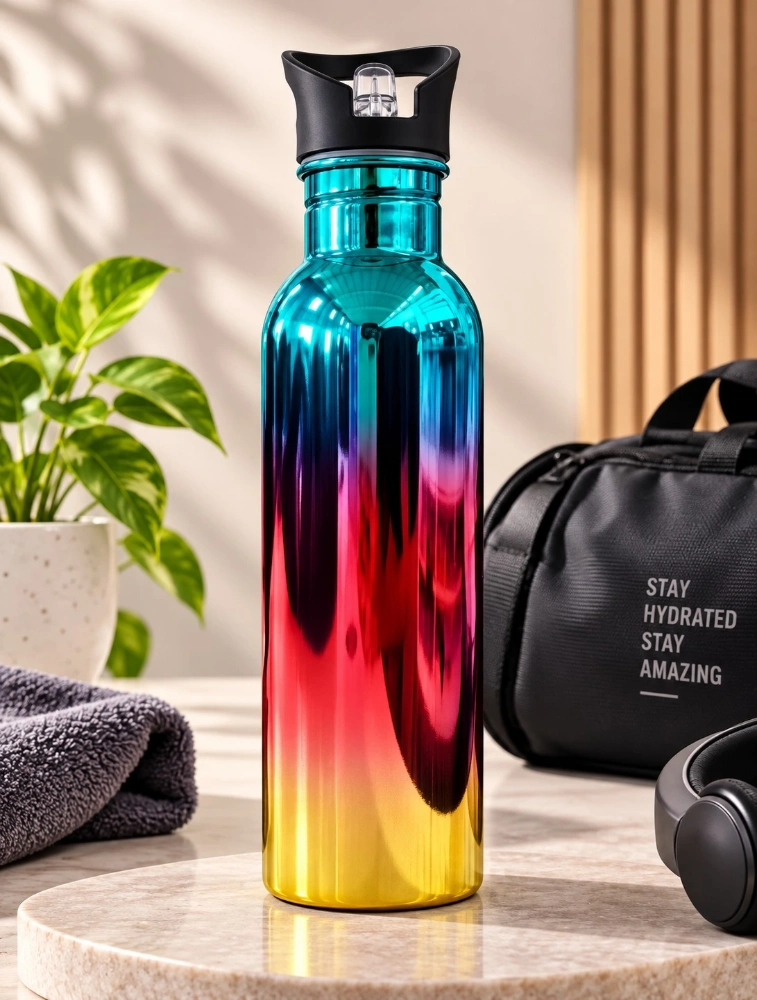
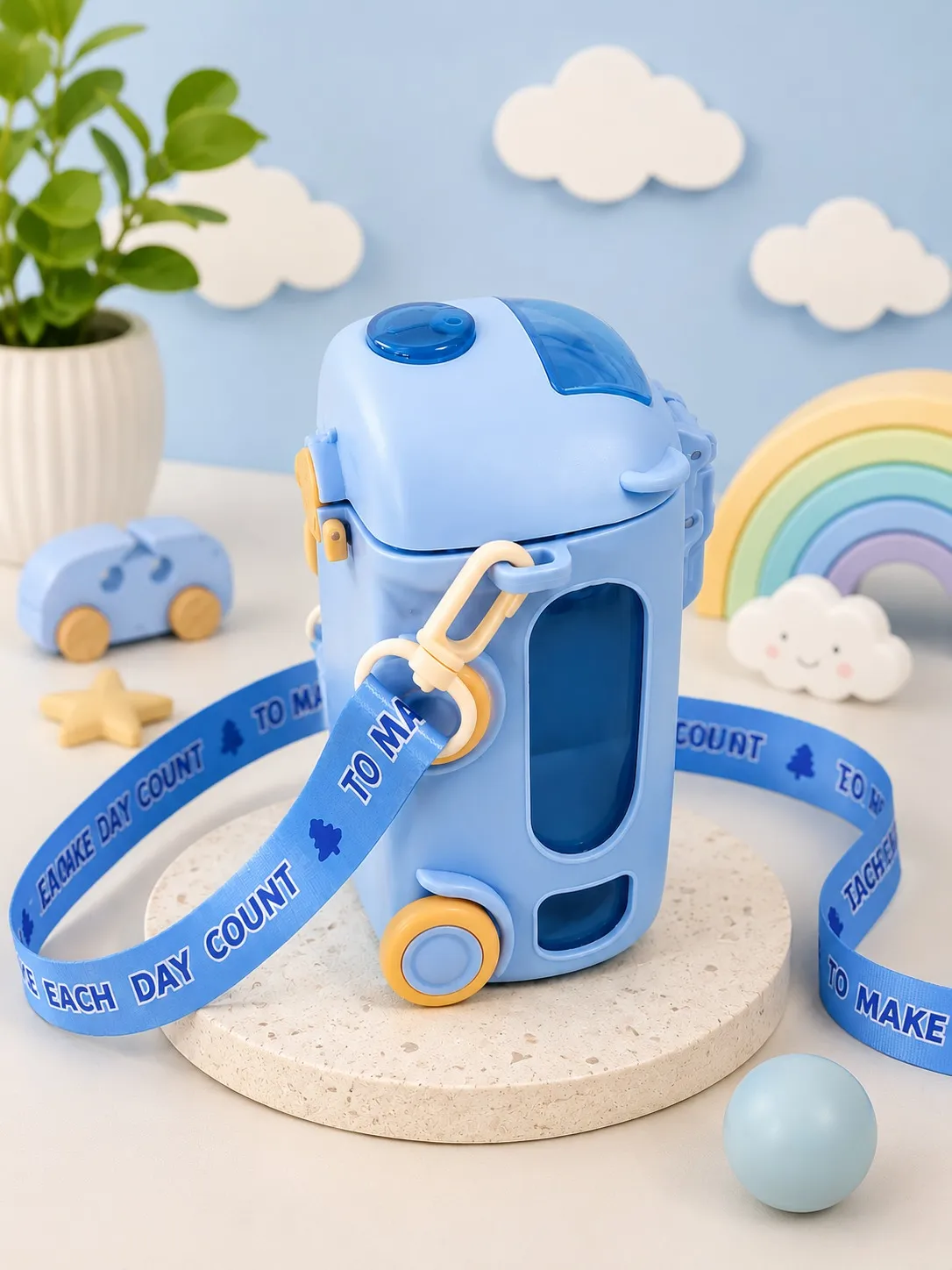
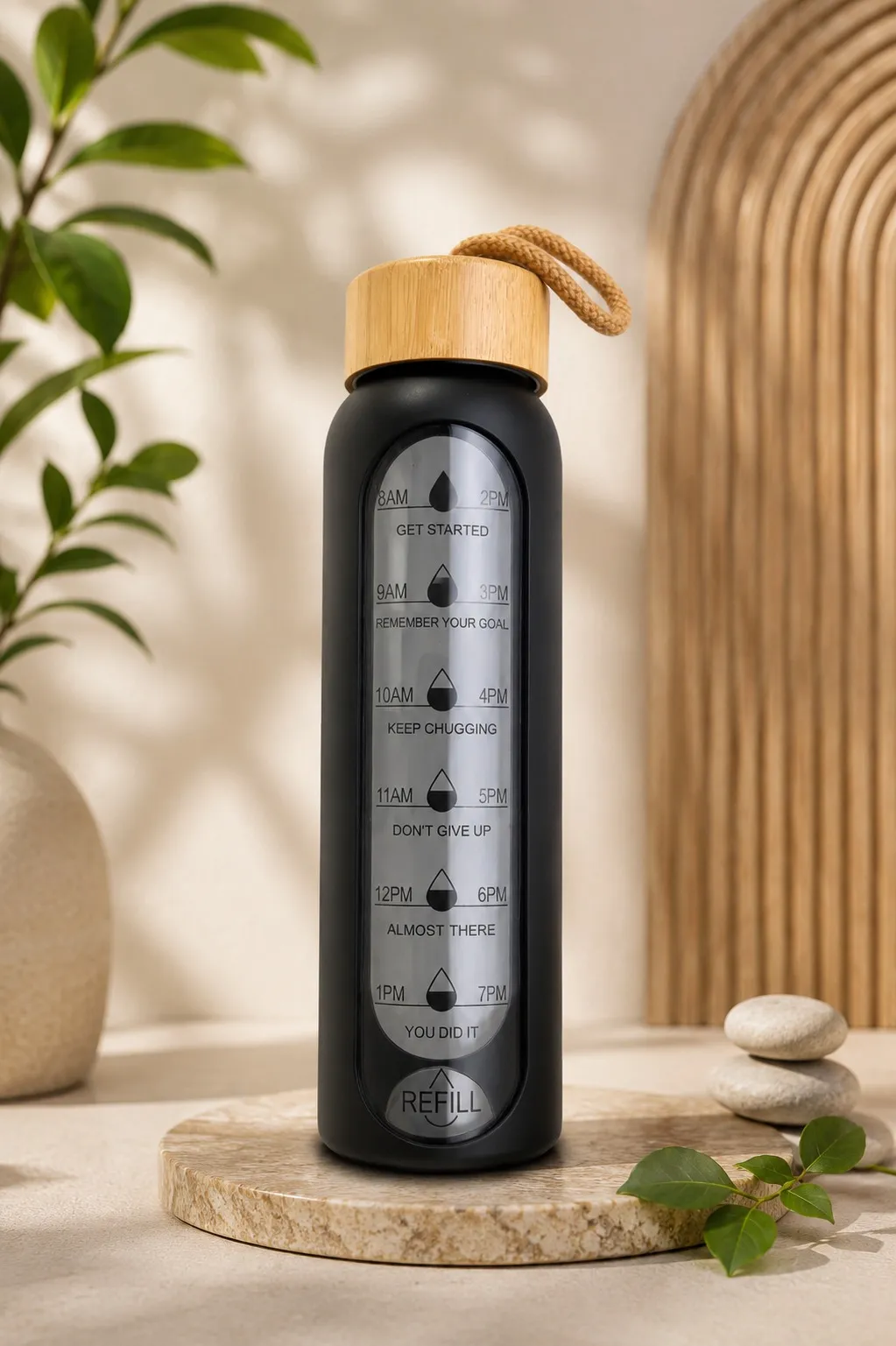
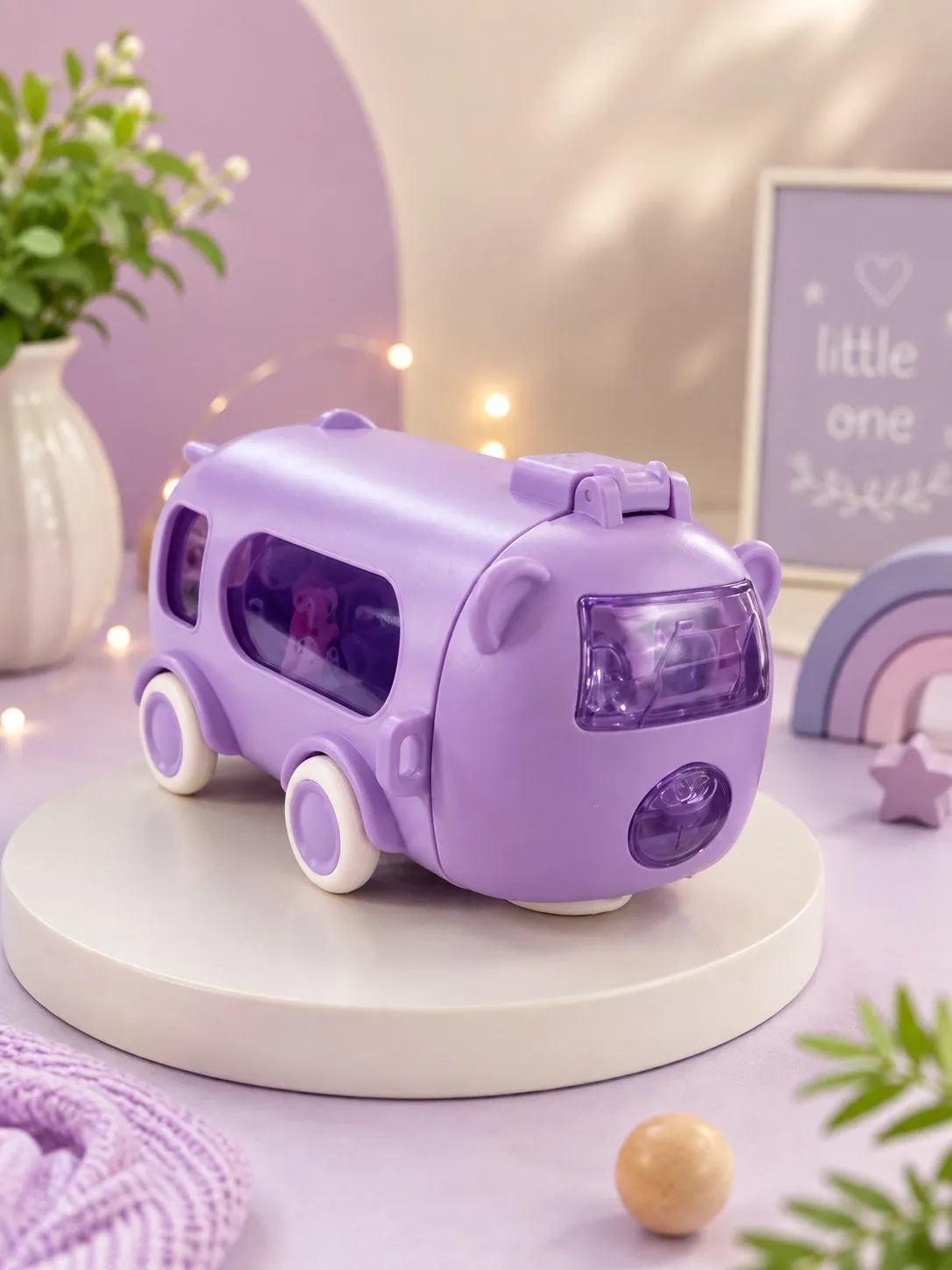

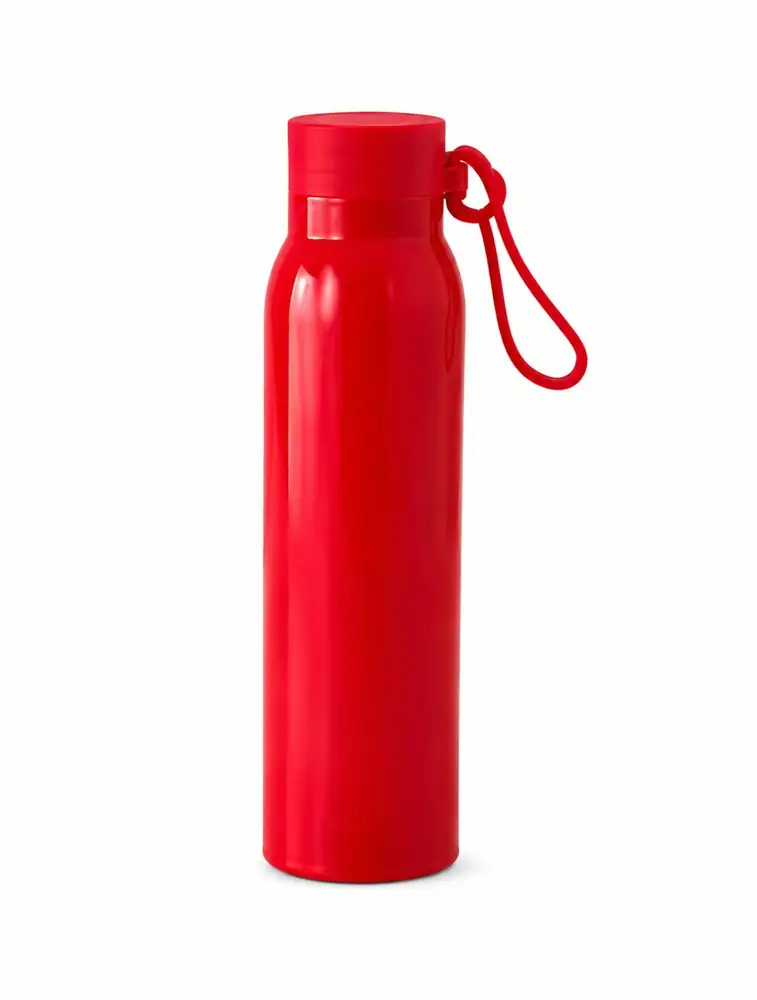


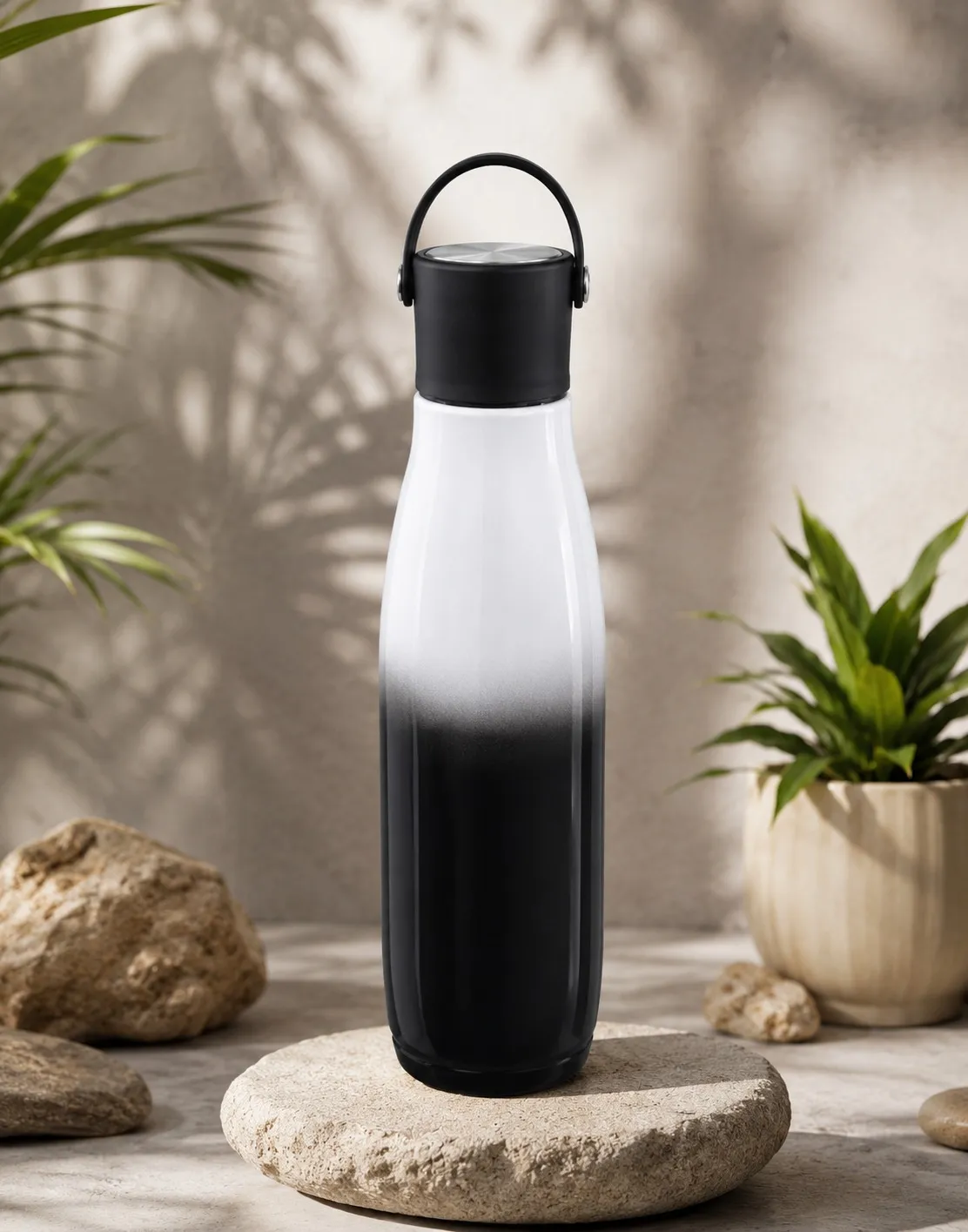
Sewad Multicolor Premium Gradient Insulated Stainless Steel Water Bottle
4.4143 ratings
₹439.00/ piece

Page 1 of 4
Bulk water bottles for every use case
Brand-ready water bottles for corporate, retail, uniforms and large custom programmes — sourced across partner factories with published prices.
Corporate & events
Brand-ready water bottles for offsites, launches and conferences.
Get quote →
Uniforms & programmes
Consistent supply for schools, factories and frontline teams.
Corporate uniforms →
Own brand / resale
Unbranded or private-label stock for retail brands.
Launch your store →
Large custom runs
Contract manufacturing for high-volume programmes.
Contract manufacturing →Bulk water bottles — frequently asked questions
Is this a 500 ml bottle or a 900 ml one?
Check before you order, because two of these listings answer that question twice and give two different answers. SKUFACTORI3035 and SKUFACTORI3426 each publish "Capacity : 900 ml" in the specification list and "500ml" under Available Size, on the same page, at the same price. Nothing else on the page resolves it.
This is the single most consequential thing on this category and it is invisible unless you scroll one listing to the bottom. The same listing publishes two different capacities, roughly eighty per cent apart, in two fields that a buyer would expect to agree.
What the listings actually publish
The five Temperature Display Steel Bottles at Rs 204 are the same product name in five colours. Two of them, the White SKUFACTORI3035 and the Blue SKUFACTORI3426, carry a specification list whose capacity row reads 900 ml, and an Available Size field on the same page that reads 500ml. Two others, the Black SKUFACTORI1432 and the Pink SKUFACTORI4703, publish no specification list at all; their meta descriptions disagree with each other, one saying 900ml and the other 500ml. The shared description prose on all five reads available in various capacities, which is boilerplate written for no particular item. The three matte bottles at Rs 188 publish a four-row specification list covering material, finish, lid type and strap, and no capacity row at all.
Why the gap is not a rounding error
500 ml and 900 ml are different products. They take different cartons, different carton counts, different freight cubes and different branding artwork, because a printable panel on a half-litre body is shorter than the same panel on a nine-hundred-millilitre body and a wrap sized for one will not close on the other. A buyer costing a thousand pieces of desk-side giveaway and a buyer costing a thousand pieces of site-crew hydration are not buying the same object, and this page does not let them tell which one they are getting.
The line that matters at the border
The Indian customs tariff separates vacuum flasks at exactly the point these two numbers straddle. Under heading 9617 the published tariff text gives 96170011 as Vacuum flasks having a capacity not exceeding 0.75 l and 96170012 as Vacuum flasks having a capacity exceeding 0.75 l. Half a litre sits under that line and nine hundred millilitres sits over it. An unresolved field on a product page is therefore not only a specification gap; it is the field that decides which eight-digit line a declaration would be built around. Which line applies to a particular consignment is a question for your customs broker and your own counsel, and nothing here is advice on it.
What to do before you raise the purchase order
Ask for the nominal capacity in millilitres in writing, ask whether it is brim-full or to the fill line, and require both to be confirmed on the approved pre-production sample rather than on the listing. Brim capacity and usable capacity differ on any bottle with a wide collar, so a single unqualified number is worth less than a number plus the basis it was measured on. Then put that figure into the proforma invoice as its own numbered line, in the same place you write the quantity.
None of this is a criticism of the bottle. It is a criticism of a catalogue field that has been left to contradict itself, and it is fixable in an afternoon by whoever owns the product data.
Capacity & SpecQueries Targetedsteel water bottle capacity bulk, 900 ml vs 500ml bottle, water bottle size wholesale India
Do steel water bottles sold in India need a BIS Standard Mark?
Both product families on this page sit inside a gazette-notified Quality Control Order, and each order says the goods shall bear the Standard Mark under a licence from the Bureau. The category page names BIS, ISI, IS 17803, IS 17526 and the Standard Mark nowhere at all. Ask before you commit volume.
This is the compliance question a procurement team should be asking first, and on most Indian catalogue pages selling steel bottles it is the question nobody asks. Two separate orders are in play, and between them they cover both the plain steel bottle and the vacuum bottle.
The two orders, in their own words
The Potable Water Bottles (Quality Control) Order, 2024 was published in the Gazette of India Extraordinary, Part II Section 3(ii), number 1020, on 6 March 2024, under file number P-14031/12/2023-CI of the Department for Promotion of Industry and Internal Trade. Its schedule lists one entry: goods described as Potable water bottles, against Indian Standard 17803:2022, titled Potable Water Bottles (Copper, Stainless Steel, Aluminium). The Insulated Flask, Bottles and Containers for Domestic Use (Quality Control) Order, 2023 was notified as S.O. 3140(E) on 14 July 2023 under file number P- 14031/20/2023-CI, and its schedule lists three entries, of which one is IS 17526:2021, Domestic Stainless steel vacuum flask/bottle.
What each order requires
Both orders carry the same marking clause in the same words: the goods shall bear the Standard Mark under a licence from the Bureau as per Scheme-1 of Schedule-II of the Bureau of Indian Standards (Conformity Assessment) Regulations, 2018. Both commence on a staggered clock. The potable water bottles order takes effect three months from the date of publication, with six months allowed for Small Enterprises and nine for Micro Enterprises. The insulated flask order runs six months, nine and twelve on the same three-tier pattern. A BIS government portal notice dated 12 June 2024, headed Ensure Safe Drinking Water: Verify Potable Water Bottles with BIS Licence, states that the Bureau has mandated certification for products related to drinking water containers and names IS 17803:2022, IS 17526:2021, IS 17790:2022 and IS 17569:2021 together.
The exemptions, which are narrow and are not ours to interpret
Each order carries the same two carve-outs. The first says nothing in the order applies to goods or articles manufactured domestically for export. The second exempts Udyam-registered enterprises whose investment in plant and machinery does not exceed twenty-five lakh rupees and whose turnover does not exceed two crore rupees. Whether a particular consignment, a particular manufacturer or a particular export order falls inside either carve-out is a determination for your own legal counsel and your customs broker on the facts of that shipment. We describe what the published orders say; we do not tell you what they mean for you, and none of this is legal advice.
What to put in your enquiry
Ask the supplier, in writing, which Indian Standard the item is offered against, whether a licence exists for that standard and item, and if so what the CM/L licence number is. The BIS product manual for IS 17803 sets out the marking form directly: the Standard Mark is to be marked on each bottle, together with a licence number written as CM/L followed by the number. That is a number you can quote back and check, which makes it a better contractual object than any adjective on a listing.
STANDARDS,Qco & TariffQueries TargetedBIS water bottle QCO, IS 17803 2022 standard mark, potable water bottle quality control order
Two Quality Control Orders exist. Which one covers the bottle you are buying?
It turns on whether the bottle is insulated. A single-wall potable water bottle in copper, stainless steel or aluminium sits against IS 17803:2022 under the 2024 order. A domestic stainless steel vacuum flask or bottle sits against IS 17526:2021 under the 2023 order. The two families on this page fall on opposite sides.
Buyers frequently assume one rule covers everything metal that holds water. It does not, and the split is worth understanding before you write a specification, because the two orders were notified by the same department almost eight months apart and reference entirely different Indian Standards.
The insulated side
The 2023 order's schedule carries three entries: IS 17790:2022, described as Insulated Flask for Domestic Use; IS 17526:2021, described as Domestic Stainless steel vacuum flask/bottle; and IS 17569:2021, described as Insulated Container for Food Storage. The BIS catalogue records IS 17526:2021 under the title Stainless Steel Vacuum Flasks - Specification, prepared by committee MED 33, published on 11 March 2021, currently active with no amendments issued. The five Temperature Display Steel Bottles at Rs 204 describe themselves as double-walled and vacuum insulated, which is the description that points at this side of the line.
The non-insulated side
The 2024 order's single schedule entry is IS 17803:2022, Potable Water Bottles (Copper, Stainless Steel, Aluminium). The BIS product manual for that standard, numbered PM/IS 17803/3/August 2023, sets out the material classification as copper, stainless steel and aluminium, and lists the tests a licensee is assessed against: capacity, impact resistance, strength of shoulder strap, cord, cord chain, leakage, staining, the lever or device for operating or regulating flow, stability of the bottle, load, polymer material, and a test with RO or distilled water. The three matte finish bottles at Rs 188 publish a specification list naming material, finish, lid type and strap, and no listing in that group claims a vacuum, a double wall or insulation of any kind.
Why the classification is not always obvious
The European specification for the same product family draws the same line in words worth borrowing. BS EN 12546-1:2000 defines vacuum ware as an insulated container in which the insulant is a vacuum, and an insulated flask as an insulated container in which the insulant is not a vacuum. A bottle can be double walled without being evacuated. If the wall is double but filled with air, it is insulated but it is not vacuum ware, and a specification that says only double wall has not answered the question. Ask which of the three it is: single wall, double wall, or double wall evacuated.
What this changes in your paperwork
Two orders means two possible standard numbers on the purchase order, two possible licences and two possible marking obligations, and a mixed shipment of both families is a shipment with two compliance positions in one carton stack. Split them on the invoice, name the standard against each line, and let your own counsel advise you on the position of your specific consignment. Nothing here is legal advice and no ruling on any shipment is offered.
STANDARDS,Qco & TariffQueries TargetedIS 17526 2021 vacuum flask, IS 17803 potable water bottle, insulated flask quality control order 2023
What does "food-grade stainless steel" actually commit a supplier to?
On its own, nothing testable. There is no grade number behind the phrase on any listing here, and the Indian standard for utensil-grade stainless steel, IS 5522, is not one of the metal specifications listed in Schedule II of the Food Safety and Standards (Packaging) Regulations, 2018. Ask for the grade designation instead.
Three of the listings on this page use the phrase Food-grade Stainless Steel in their material row and several use BPA-free in their description. Both are the listings' own phrases and both are reproduced here as the listings' phrases. Neither is a specification, and a buyer who accepts either as one has bought an adjective.
What the phrase points at, and where it stops
IS 5522:1992, Stainless Steel Sheets and Strips for Utensils, states its own scope in one sentence: it covers the requirements for stainless steel in the form of sheets and strips for manufacture of utensils, and it carries designations such as X04Cr19Ni9 and X07Cr18Ni9. That is a real standard with a real marking clause. But a phrase on a listing does not invoke a standard. Until a designation or a grade number appears next to it, the words food grade identify no chemistry, no chromium content and no test.
The regulation people assume applies
The Food Safety and Standards (Packaging) Regulations, 2018, published in the Gazette of India on 24 December 2018, say at regulation 4(3)(c) that metal and metal alloys used for the manufacturing of containers for packing or storing the food products shall conform to either of the Indian Standards specifications as provided in Schedule II. The metal entries in that schedule are IS 1993 / ISO 11949, IS 12591, IS 15392 and IS 9396. IS 5522 is not among them. Those regulations are addressed to food business operators packing or storing food products, which is a different activity from selling a reusable personal bottle. Whether any part of that framework reaches a particular transaction is a question for your own counsel; this is description, not legal advice.
The number that does exist
The BIS product manual for IS 17803 is explicit where the listings are not. It states that the stainless steel used shall conform to Grade 304 of IS 5522 or 316L of IS 6911. That is a requirement of the certification scheme for potable water bottles, quoted here as the manual's requirement. No listing on this page states which grade its body is made from, so nobody should infer that any particular item does or does not meet it.
The sentence to put in your specification
Replace food grade with the grade designation, the standard the designation comes from, and the requirement that a mill test certificate or material composition report accompanies the pre-production sample. That is the whole fix. It costs nothing at enquiry stage, it is verifiable, and it turns an unfalsifiable marketing phrase into a line an inspector can pass or fail.
STANDARDS,Qco & TariffQueries Targetedfood grade stainless steel bottle meaning, IS 5522 utensils steel, FSSAI packaging regulations metal
How many specification rows should a steel bottle have, and how many do these have?
Of the five Temperature Display listings, two publish a specification list and two publish none at all. The three matte bottles at Rs 188 publish four rows: material, finish, lid type and strap. A steel bottle that has to survive a purchase order needs roughly fourteen, and the gap is where disputes start.
Specification depth is the quietest quality signal on any catalogue, and it is the one that decides whether a rejection at goods-inward is a conversation or a lawsuit. A four-row list is not a data sheet. It is a caption.
What is published today
The matte finish group at Rs 188 gives material, finish, lid type and strap, and no capacity, no wall construction, no weight, no dimensions and no tolerance on anything. The Temperature Display group at Rs 204 is inconsistent with itself: SKUFACTORI3035 and SKUFACTORI3426 carry a specification list whose capacity row reads 900 ml, while SKUFACTORI1432 and SKUFACTORI4703 carry no specification list whatsoever and are sold on description prose alone. All five share the same description text word for word, which means the text was written once for a product family rather than five times for five items. Every figure named in this answer is a figure the listings themselves publish; none of it is our own factory data.
The fourteen rows a buyer should ask for
- Nominal capacity in millilitres, and whether it is brim or to a fill line.
- Body material, stated as a grade designation and the standard it comes from.
- Wall construction: single, double, or double and evacuated.
- Interior finish and whether the interior material differs from the exterior.
- Lid construction, lid material, and gasket or seal material.
- Thread type and the number of turns to close.
- Mouth diameter, which decides whether ice cubes and cleaning brushes fit.
- Overall height and maximum body diameter, in millimetres.
- Empty weight, which drives your freight cube and your carton count.
- Exterior coating type and the adhesion test it was checked against.
- Strap, cord or carabiner, with its own material and attachment method.
- Units per carton, carton dimensions and gross carton weight.
- The Indian Standard the item is offered against.
- Branding panel dimensions and the print or engraving method.
Why fourteen rows is not pedantry
Every one of those lines has been the subject of a real bulk-order dispute somewhere. Mouth diameter decides whether a corporate gifting recipient can actually clean the thing. Empty weight decides whether an air consignment clears its chargeable weight estimate. Gasket material decides whether the bottle smells of the last drink that was in it. None of these are exotic questions and none of them can be answered from four rows.
The practical move
Send the fourteen-row list to the supplier as an enquiry attachment and ask for it back completed before you ask for a price. A supplier who fills it in is a supplier with a factory behind them. A supplier who returns it with the same four rows has told you something useful for free.
Capacity & SpecQueries Targetedwater bottle specification sheet bulk, steel bottle spec table, bottle technical data sheet wholesale
Hot for 12 hours and cold for 24: can that claim actually be tested?
Not as written. All five Rs 204 listings publish the claim that the double-walled vacuum insulation keeps beverages hot for up to 12 hours and cold for up to 24 hours, and none of them names a fill volume, a starting temperature, an ambient temperature or a test method. Without those four things the number cannot be reproduced.
That sentence is the listings' own published claim and is quoted here as theirs. It is not adopted, not extended and not offered as a performance figure for any bottle we supply. What follows is how such a figure is normally substantiated, so that a buyer knows what to ask for.
The four missing variables
Heat retention in a vacuum vessel is a function of, at minimum, how full the vessel is, how hot the contents start, how cold the room is, and where the threshold is set for calling the drink still hot. Change any one and the answer changes. A flask filled to the brim holds temperature far longer than the same flask a third full, because the thermal mass is larger and the air gap smaller. A claim measured in a twenty-degree laboratory does not survive a five-degree loading bay. And hot is not a temperature; it is an opinion until somebody writes a number next to it.
How the European specification does it
BS EN 12546-1:2000, Materials and articles in contact with foodstuffs - Insulated containers for domestic use - Part 1: Specification for vacuum ware, insulated flasks and jugs, published on 15 July 2000 with Corrigendum No. 1 issued in March 2006, contains a heat loss method at clause 5.3. That clause begins by fixing precisely the variable the listings omit: fill the insulated container to its nominal capacity with water at twenty degrees Celsius plus or minus two, and check the temperature of the water. The standard's own scope says it specifies requirements for vacuum ware and other insulated flasks, carafes, air-pots, food- flasks and insulated cups for domestic use with food or drinks, and that it does not apply to containers for industrial or catering purposes. The internal threshold values in that standard are not reproduced here, because they were not verified from the published text.
What to write into the specification instead
Ask for retention stated in this shape: a named test method, a stated fill as a percentage of nominal capacity, a stated initial temperature, a stated ambient temperature, and the measured contents temperature at a stated number of hours. That is five figures and one method reference, and it fits on one line. Any supplier who can substantiate a retention claim can produce it. Any supplier who cannot will offer you an adjective again.
The honest position
We make no heat-retention or temperature-performance claim of our own for any bottle on this page, because no test report has been placed in front of us to support one. If retention is central to your brief, make the test report a condition of the pre-production sample approval and have the sample tested by a laboratory you nominate, at your cost or shared, before the balance payment falls due.
Performance & TestingQueries Targetedvacuum flask heat retention test, insulated bottle 12 hours hot, EN 12546 heat loss method
What powers the temperature display on the lid?
The page does not say. Five listings at Rs 204 sell a Temperature Display Steel Bottle with an LED touch screen in the lid, and across all five the word battery does not appear once, nor does any cell type, cell replaceability, display accuracy, ingress rating or electrical marking. For an air consignment that is a gap worth closing early.
An electronic component in a lid changes a bottle from a piece of metal into a product with a second bill of materials, and every question a buyer would normally ask about that second bill of materials is unanswered on this page. We are not going to guess at the answers, because guessing at them is exactly the failure mode this pack exists to avoid.
What is disclosed and what is not
Disclosed: the lid carries a temperature display, described in the listings as an LED touch screen, and the same listings carry the instruction Do not use in a microwave or dishwasher, which is quoted here as the listing's own instruction. Not disclosed: what supplies the power, whether the cell is user-replaceable, what the display's stated accuracy or resolution is, what happens to the display when the bottle is submerged or washed, and whether the lid assembly carries any electrical marking. None of those is a small question and none of them is answerable from the catalogue as it stands.
Why this is a shipping question, not just a product question
Consignments containing cells and batteries are handled differently from consignments that do not, by carriers, by freight forwarders and by customs authorities, and the rules differ by mode and by destination. This category page offers delivery to 132 countries. A buyer air-freighting an electronic lid needs to know before booking, not at the airport. What documentation a particular shipment requires is a matter for your freight forwarder and your own counsel on the facts of that shipment; nothing here is advice on it, and we make no assertion about which transport or certification regime does or does not apply to this item.
The five questions to send with the enquiry
- What powers the display, and is the power source removable?
- Is the power source shipped installed in the lid or packed separately?
- What is the stated accuracy and resolution of the temperature reading?
- What ingress protection does the lid assembly carry, and against what test?
- What documentation accompanies the consignment for air and sea movement? The simpler alternative
If the electronic lid is a nice-to-have rather than the reason for the order, the three matte bottles at Rs 188 remove the entire question. They are a plain steel body with a lid and a string, no electronics anywhere in the bill of materials, and no listing in that group claims a vacuum, a double wall or insulation of any kind. For a high-volume giveaway where the brand mark is the point, that is often the better-behaved purchase.
Performance & TestingQueries Targetedtemperature display water bottle bulk, LED lid smart bottle wholesale, battery bottle shipping
Vacuum flask or steel household article: which tariff heading describes your bottle?
Two headings are in play and the difference is insulation. Heading 9617 covers vacuum flasks and other vacuum vessels, complete with cases. Subheading 7323.93 covers table, kitchen or other household articles of stainless steel. Which line a particular consignment is declared under is your broker's determination, not ours.
Classification is the part of a bulk import that buyers discover last and regret first, because it is decided at the border by somebody who has never seen your marketing. Reading the two published headings side by side takes five minutes and removes most of the surprise.
Heading 9617, as published
The Indian customs tariff gives heading 9617 as Vacuum flasks and other vacuum vessels, complete with cases; parts thereof other than glass inners. Beneath it the published eight-digit lines are 96170011, Vacuum flasks having a capacity not exceeding 0.75 l; 96170012, Vacuum flasks having a capacity exceeding 0.75 l; 96170013, Casserol and other vacuum containers; 96170019, Other; and 96170090, Parts (other than glass inners). Note what the first two lines turn on. Not material, not brand, not price. Capacity, split at three quarters of a litre.
Heading 7323, as published
Heading 7323 reads Table, kitchen or other household articles and parts thereof, of iron or steel; iron or steel wool; pot scourers and scouring or polishing pads, gloves and the like, of iron or steel. Within it, subheading 7323.93 is Of stainless steel, under which the published lines include 73239310 for pressure cookers and 73239390 for other. A single-wall stainless steel drinking bottle with no vacuum in it is not a vacuum vessel, which is what points buyers of that family towards this heading rather than the other one.
Where this page makes the exercise harder than it should be
The capacity contradiction described elsewhere in this FAQ lands directly on the 9617 split. Two listings publish 900 ml in one field and 500ml in another, and those two figures fall on opposite sides of the 0.75 litre boundary written into the tariff text. A classification exercise cannot be completed while the underlying figure is unresolved, which is a good reason to resolve it in the purchase order rather than at the port.
What we will and will not tell you
We will describe what the published tariff text says, because it is public and quoting it accurately is useful. We will not tell you which line your consignment should be declared under, we will not quote a GST, basic customs duty or IGST rate, and nothing in this answer is legal, customs or tax advice. Classification depends on the actual goods, their construction and the ruling practice applicable to your import, and it belongs with a licensed customs broker and your own counsel. Get the classification opinion in writing before the first container ships, not after.
STANDARDS,Qco & TariffQueries Targetedwater bottle HSN code India, 9617 vacuum flask tariff, 7323 stainless steel household articles
The title says Rs 188. Why is the first hundred pieces priced higher?
Because the headline is the ten-thousand-piece price, not the entry price. The matte bottles run Rs 198 for 100 to 999 pieces, Rs 194 for 1,000 to 9,999 and Rs 188 above 10,000. The Temperature Display group runs Rs 215, Rs 211 and Rs 204 across the same three steps.
Every published figure in this answer is taken from the quantity ladders the product pages themselves display. Nothing here is a cost, a margin or a factory rate, and none of it is our own internal data.
The ladder runs the way ladders run, but the title does not
Quantity pricing descending with volume is completely normal and completely fair. What is not normal is a category title, a home page tile and a meta description that all quote the bottom rung as though it were the price of entry. A buyer arriving from a search result for bulk steel bottles reads Rs 188, opens a listing, discovers Rs 198 at the quantity they actually intend to buy, and now has to recalculate a budget they had already circulated internally. The premium at the entry rung is a shade over five per cent on the matte group and a shade over five per cent on the Temperature Display group too. That is not a large number. It is the surprise that costs trust, not the size.
Reading a ladder properly before you commit
Take the quantity you will genuinely order, not the quantity you hope to grow into, and read the rung it lands on. Then look at the rung above and work out the distance in pieces. If your real requirement is nine hundred pieces and the next rung starts at a thousand, the extra hundred pieces may cost you less in total than the nine hundred alone, because the whole order reprices. That arithmetic is worth doing on paper before the enquiry goes out, and the difference between two rungs is a difference, not a price, so keep it out of any figure you quote as a unit rate.
Why the price is lower here at all
The reason is structural and it is worth stating plainly: orders are placed directly into a network of audited partner factories rather than through a chain of intermediaries, and the volume moving through that network across categories means a bottle order does not have to carry a distributor's layer. That is the whole explanation. We do not publish what anything costs to make, what any factory is paid, or what any margin looks like, and no buyer should expect a supplier to.
What to ask for in the quotation
Ask for the price at your exact quantity in writing, with the branding charge shown as a separate line rather than folded into the unit rate, and with the packing specification and units per carton stated. A unit rate with the decoration buried inside it cannot be compared against a competitor's quotation that shows it separately, and most buyers only discover that when the two quotations are already side by side in a committee meeting.
ProcurementQueries Targetedbulk water bottle price India, steel bottle wholesale price per piece, water bottle quantity discount tiers
Can you order a single bottle, or is the minimum a hundred?
The product pages and this category's own FAQ disagree. Every one of the five product pages checked states Minimum Order Quantity - 100 Units. The FAQ block on the category page says you can order from a single piece. Both sentences are published on the same site and one of them sits inside structured data.
A contradiction about minimum quantity is not a cosmetic problem. It is the first number a procurement officer needs, it is the number that decides whether a pilot order is possible at all, and it is the number a search engine is most likely to lift into an answer panel.
Exactly where the two statements sit
Open any of the product pages in either family and the minimum order quantity field reads 100 Units. Return to the category page, scroll to the existing frequently asked questions, and the answer on minimum order quantity says ordering can start from a single piece for ready stock, with 100 pieces per style per colour applying to customised production. Read charitably, those two statements can be reconciled: one is describing ready stock and the other is describing the product page's own default. Read as a buyer reads, at speed, on a phone, they simply contradict each other.
Why the structured-data version matters more
The category FAQ is marked up as structured data, which means the single-piece answer is the version most likely to be extracted and shown outside the site, in a search result or an assistant's answer, with no product page next to it to qualify it. A commitment that is machine-readable travels further and faster than one that is not, and it arrives without its context.
How to get a straight answer today
Ask three separate questions rather than one, because a single question about minimums invites a single ambiguous answer. Ask what the minimum is for plain unbranded stock, what it is for branded production, and whether the branded minimum applies per style, per colour or per order. On this page, style and colour are not the same axis: the matte group is one product in three colours and the Temperature Display group is one product in five, so a minimum applied per colour and a minimum applied per style produce very different totals for the same brief.
The minimum interacts with the quantity ladder
A minimum is not only a permission question, it is a price question, because the published ladder on both families starts at the hundred-piece rung and that rung is the most expensive one. On the matte group the entry band is Rs 198 and the top band is Rs 188; on the Temperature Display group the entry band is Rs 215 and the top band is Rs 204. So a buyer who is told the minimum is one piece and orders one piece is not buying at the headline number, and a buyer who clears the hundred-piece minimum is still buying at the least favourable of the three published rungs. Treat the minimum and the ladder as one negotiation rather than two.
What a sensible pilot looks like
Order a small quantity plain, unbranded, at the entry rung, and use it to check body finish, lid seal, mouth diameter and how the thing behaves in a bag for a fortnight. Then place the branded volume order against an approved pre-production sample. Splitting the risk that way costs one small invoice and routinely saves a five-figure one.
ProcurementQueries Targetedwater bottle MOQ bulk India, minimum order quantity steel bottle, sample order water bottle wholesale
Which tests actually prove a bottle will not leak inside a bag?
By naming the tests rather than accepting the adjective. The BIS product manual for IS 17803 lists a leakage test, a load test, an impact resistance test and a test for stability of the bottle among the assessments a licensee is checked against. BS EN 12546-1 adds a pouring check at its clause 5.1.
Leak-proof is the most common word on any bottle catalogue in the world and the least useful, because it describes an outcome without describing the conditions under which the outcome was observed. A bottle that does not leak standing upright on a desk and a bottle that does not leak lying sideways under a laptop for four hours are different products.
The test list that already exists
The BIS product manual numbered PM/IS 17803/3/August 2023 sets out the assessments applied to potable water bottles under that standard. In the manual's own words the list runs: capacity test, impact resistance test, test for strength of shoulder strap, test for cord, test for cord chain, leakage test, staining test, lever or device for operating or regulating flow test, test for stability of bottle, load test, test for polymer material, and test with RO water or distilled water. The capacity test is referenced at clause 7.2 and uses calibrated jars. The numeric pass thresholds inside the standard itself are not reproduced here, because the standard's text was not verified and no requirement value should be quoted from memory.
The European pouring clause
BS EN 12546-1:2000 states at clause 5.1 that no spluttering shall occur when liquid is poured out of the insulated container in accordance with its clause 6.2. That is a small clause with a large practical meaning: a lid that seals perfectly and then spits when you pour is a lid that will be complained about by every recipient of a corporate gift, and it is a defect nobody thinks to write into a specification.
The four-hour test you can run yourself
Fill the sample to the fill line with coloured water, close it the way a tired person closes it rather than the way an engineer does, wrap it in a white cotton cloth, and leave it on its side for four hours. Then repeat inverted. Then repeat after fifty open-and-close cycles, because gasket compression set is a real failure mode and it does not show on a new sample. Any dye on the cloth is a fail, and the whole exercise costs an afternoon.
What to write into the purchase order
Name the test, the orientation, the duration and the acceptance criterion, and require the approved pre- production sample to have passed it. Leak-proof as a bare adjective in a contract is unenforceable. A named test with a stated duration is enforceable, and suppliers who are confident in their tooling do not object to it.
Performance & TestingQueries Targetedwater bottle leakage test standard, bottle leak proof testing bulk, IS 17803 test list
Laser, pad print, screen or full wrap: which brand mark survives on a steel bottle?
Four methods work on a steel body and they fail in different ways. Laser engraving removes coating to reveal metal and cannot be a colour. Pad printing puts ink onto a curve. Screen printing suits a flatter panel. A full wrap covers the body but has to be sized to the exact diameter of the item you finally buy.
Branding on a cylinder is harder than branding on a flat surface, and branding on a coated cylinder that will be gripped by a wet hand several times a day is harder still. Choosing the method before you finalise the artwork saves a redraw.
Laser engraving
The beam removes the exterior coating and exposes the metal underneath, so the mark is the colour of the substrate rather than the colour of your brand. On the matte finish bottles at Rs 188 that produces a bright mark against a matte ground, which reads well and is permanent in the sense that it cannot be scrubbed off. The constraints are that it is monochrome, that fine gradients and thin serifs do not survive, and that a logo with a defined brand colour is being reproduced in a colour that is not it. Get that approved by whoever owns the brand guidelines before, not after.
Pad printing and screen printing
Both put pigment on the surface, so both can hold brand colour. Pad printing transfers ink from an etched plate via a silicone pad and copes better with curvature; screen printing pushes ink through a mesh and gives a denser lay-down on a flatter or larger panel. Both live or die on adhesion to the coating beneath, which is why an adhesion test belongs in the specification rather than in the hope. The listings at Rs 204 carry the instruction Do not use in a microwave or dishwasher, quoted here as the listing's own instruction, and that instruction is a reminder that surface decoration and hot detergent cycles are not natural allies. We make no cleaning-cycle or dishwasher claim of our own for any item here.
Full wrap
A wrap gives you photographic artwork and edge-to-edge coverage, and it is the only method that lets you use a full-colour image. It is also the method most sensitive to the unresolved capacity question, because a wrap is cut to a specific body height and circumference. Artwork drawn for a half-litre body will not fit a nine-hundred-millilitre body, and a wrap that is even slightly short leaves a visible seam gap on every unit in the order.
The three lines to settle before artwork
Fix the printable panel dimensions in millimetres, the method, and the number of colours, and require a physical branded sample rather than a digital mock-up. A rendering on a screen shows you the logo. A physical sample shows you how the logo sits on a curve, which is the only thing that actually matters, and it is the artefact a sign-off should be given against.
ProcurementQueries Targetedcustom printed water bottle bulk, laser engraved steel bottle logo, branded water bottles corporate gifting
How are bulk bottles packed, and how long does an order take?
The two packing descriptions on this page do not match and neither gives a carton quantity. One says each bottle is individually packed in a protective carton box with inner bubble wrap or sleeve protection. Another says sturdy carton boxes. Ready stock ships in 7 to 10 days pan-India; custom production takes 15 to 30.
Packing is the specification buyers skip and freight forwarders bill for. For a steel bottle it also decides your damage rate, because a dented body is a rejected unit and dents happen in transit, not in the factory.
The number that is missing
Neither packing description states how many bottles go in a master carton, what the master carton measures, or what it weighs gross. Without those three figures a buyer cannot calculate a freight cube, cannot check a chargeable weight quotation, cannot plan warehouse racking and cannot tell a distribution centre how many pallets to expect. For an order of any size those three numbers are worth more than most of the product specification, and they are the easiest of all the missing fields to supply.
Individual packing is not a small detail on this product
Whether each unit gets its own inner box changes the carton count, the cube, the unboxing experience for a gifting programme and the cost. A bottle individually boxed is a gift that can be handed over as it arrives. A bottle bulk-packed with dividers is a warehouse item that somebody has to repack. Both are legitimate, they are not the same purchase, and this page describes both without saying which applies to which item.
Lead times, read properly
The page's own delivery answer gives 7 to 10 days for pan-India dispatch of ready stock from Bengaluru, and 15 to 30 days for customised production, with delivery offered to 132 countries. Read those as production and dispatch windows rather than as door-to-door times, and add your own transit, your customs clearance and your goods-inward inspection on top. A buyer who reports the 15 to 30 figure upward as a delivery date is setting up a conversation they will not enjoy.
Why the cube matters more here than on a soft product
A bottle is mostly air by volume and heavy by unit, which puts it in the awkward middle of every freight tariff. Air and courier consignments are normally billed on whichever is greater, actual weight or volumetric weight, so a carton that is generously packed can be charged on its size rather than on what is inside it. A garment carton compresses and a bottle carton does not. That is why the units-per-carton figure is not a clerical detail on this category: it is the input that decides whether the landed cost you modelled survives contact with the forwarder's invoice.
Ask what happens to a dented unit before you ask the price
Steel does not tear, it deforms, and a deformed body is cosmetically dead even though the bottle still holds water. Settle in writing, before the order is placed, who carries a transit dent, what percentage of cosmetic damage is treated as normal, and whether replacements ship with the next order or on their own. That conversation is uncomfortable at quotation stage and far worse once a distribution centre has already rejected a pallet.
The five packing lines for the purchase order
- Units per master carton, as a fixed number rather than a range.
- Inner packing: individual box, sleeve, bubble wrap or divider, named.
- Master carton external dimensions in centimetres.
- Gross and net carton weight in kilograms.
- Carton marking: what is printed on the outside and where.
Fix those five and the freight quotation you receive will be a real number rather than an estimate that moves after the goods are already on a truck.
ProcurementQueries Targetedwater bottle packing carton bulk, steel bottle export packing, bulk water bottle delivery time India
What changes when bulk bottles leave India?
Three things change. Both Quality Control Orders carry an exemption for goods manufactured domestically for export. The destination market applies its own food- contact rules instead. And the electronic lid may need documentation the plain bottle does not. This page offers delivery to 132 countries and the paperwork is not identical across them.
Export buyers reading an Indian catalogue often assume Indian compliance travels with the goods. It does not travel, and it does not substitute. What follows describes the published position; it does not tell you where your own consignment sits.
The export carve-out, in the orders' own words
Both the Potable Water Bottles (Quality Control) Order, 2024 and the Insulated Flask, Bottles and Containers for Domestic Use (Quality Control) Order, 2023 contain a clause stating that nothing in the order shall apply to goods or articles manufactured domestically for export. That is the published text. Whether a specific production run, a specific invoice or a specific manufacturer qualifies under it is a determination on the facts, and it is one for your own legal counsel and your customs broker rather than for a supplier's FAQ. Nothing in this answer is legal advice and no position on any consignment is offered here.
What replaces it at the other end
Every significant destination market has its own regime for materials intended to come into contact with food and drink, and a steel drinking bottle is squarely inside that category everywhere. The European reference for insulated containers, BS EN 12546-1:2000, is itself titled Materials and articles in contact with foodstuffs, and its scope note is explicit that it does not deal with the requirements for materials in contact with food, because those are defined by legislation already in existence. In other words even the product standard defers to the food-contact law of the market. Your importer, not your Indian supplier, is usually the party on the hook for that law, which makes it a question to settle in the contract rather than at the port.
The lid question again
An electronic display in the lid introduces a second set of considerations for movement by air and sea, and this catalogue discloses nothing about what powers it. Settle that in writing before you book freight. We make no assertion about which transport or certification regime applies to that component, because the information needed to form one has not been published.
Capacity stops being a comfort question at the border
Domestically, the gap between the two capacities published on a single listing is a customer-satisfaction problem. On an export document it becomes a declaration. The Indian tariff splits vacuum flasks by volume at three-quarters of a litre, so a description that is loose about litres is loose about the line it is declared on, and a packing list that disagrees with the commercial invoice is the ordinary cause of a consignment being held. Fix the capacity in writing on the proforma invoice, before production, and make it the same figure that appears on the carton marking, the packing list and the product itself. This paragraph describes why the number matters; it takes no position on any classification.
The three documents to agree at order stage
Agree who supplies the material composition report, who supplies any test report the destination requires, and who is named as the responsible importer on the destination-market paperwork. Those three allocations decide who pays when a consignment is held, and they are far cheaper to negotiate in an email than in a demurrage dispute.
STANDARDS,Qco & TariffQueries Targetedexport water bottles from India, QCO export exemption bottles, food contact regulations export bottles
A tender, a hospital, a hotel, a brand, a shop and a distributor walk into the same product page. What should each one ask for?
Two products, eight listings, six buyer types. Governments and institutions should look hardest at the standard number and the capacity. Corporates and brands should look at the branding panel and the lid. Retailers and wholesalers should look at carton quantity and the ladder rung they actually land on.
The eight listings on this page are two products in eight finishes: three matte finish bottles with a string at Rs 188 and five Temperature Display steel bottles at Rs 204. Almost every procurement decision here reduces to which of those two you need and what you write down about it.
Governments and public institutions
Your tender document will need a standard number, and this page supplies none, so supply it yourself. Name the Indian Standard the item is offered against, require the licence position to be stated in the bid response, and make capacity an explicit numbered clause rather than a description. Tender evaluation on a contradictory catalogue field is how bids get challenged. Whether either Quality Control Order applies to a given procurement is for your own legal team to determine and nothing here is advice on it.
Schools, colleges and hospitals
Mouth diameter, weight when full and lid mechanism matter more than anything on the listing, because the user is a child or a person carrying it all day. A wide mouth cleans properly and a narrow one does not. Ask for the empty weight in grams before you commit, and get a sample into the hands of five actual users for a fortnight before you order for five hundred.
Corporates and gifting programmes
You are buying a branding surface that happens to hold water. Fix the panel dimensions, choose between engraving and colour printing early because the two produce entirely different objects, and insist on a physical branded sample. The electronic lid reads well in a gifting context and raises questions your logistics team will ask you, so ask them first.
Brands building their own label
You are the buyer with the most exposure to the capacity question, because you are the one who prints a number on a label and stands behind it. Settle capacity, empty weight and material description on an approved sample and make that sample the contractual reference. Decide early whether the electronic lid belongs in your range at all: it is a different product to support, a different returns profile and a different conversation with your own buyers, and this catalogue publishes nothing about what drives it.
Retailers and wholesalers
Your questions are commercial before they are technical. Units per carton decides your landed cost per piece. The rung you land on decides whether the headline price was ever available to you, and on both families the entry rung sits about five per cent above the advertised figure. Review the ladder at your real quantity rather than at the quantity you hope to reach, get the carton quantity in writing, and settle the capacity figure, because a shelf-facing product with an unresolved capacity is a product you cannot write a label for.
The one line all six should add
Require the approved pre-production sample to be the contractual reference for capacity, material grade, lid seal, weight and branding, with a retained counter-sample held by both parties. Everything else in this FAQ is detail around that single sentence, and that single sentence is what turns a catalogue into a purchase you can defend.
ProcurementQueries Targetedbulk water bottles government tender, corporate gifting bottles bulk, wholesale steel bottles retailers
From ₹48excl. GST
View cart & checkout ›