Choose your delivery location
Enter a 6-digit Indian PIN code to see delivery options for that area.
Currently delivering to Bengaluru 560105
Ready stock & made to order
Bulk jeans and jeggings
factori.com supplies bulk jeans and jeggings from ₹627/piece across 665 partner factories — ready stock and custom programmes with GST invoices.
Prices verified October 2026 · shown excluding GST
₹627Entry price
Same dayDispatch on working days
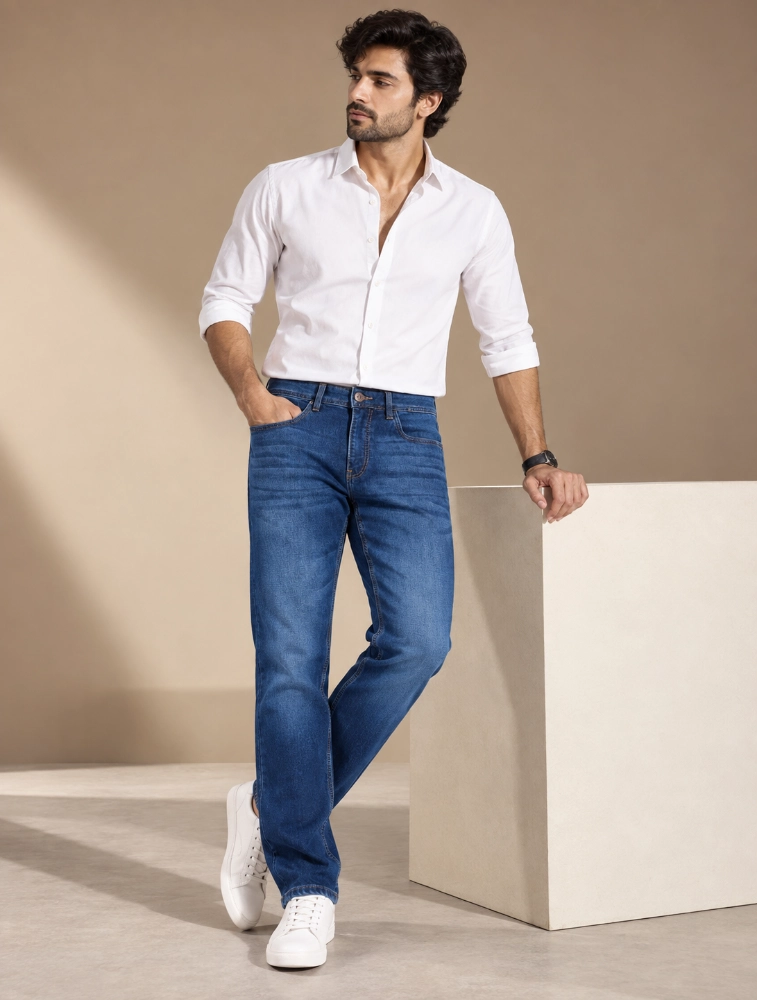
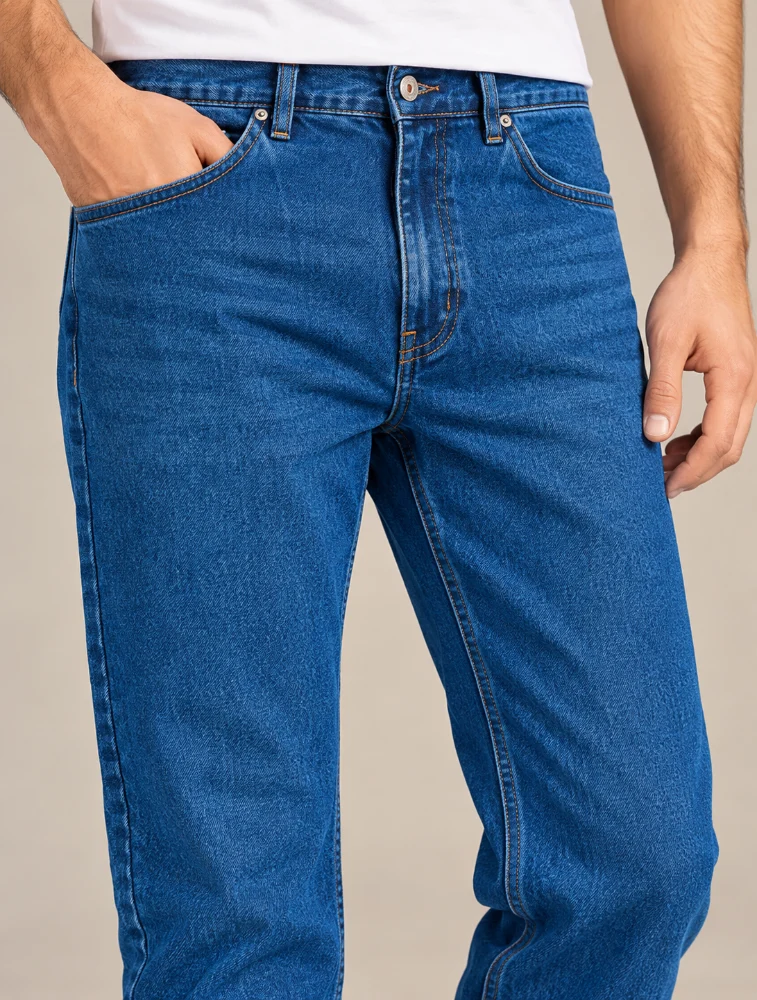
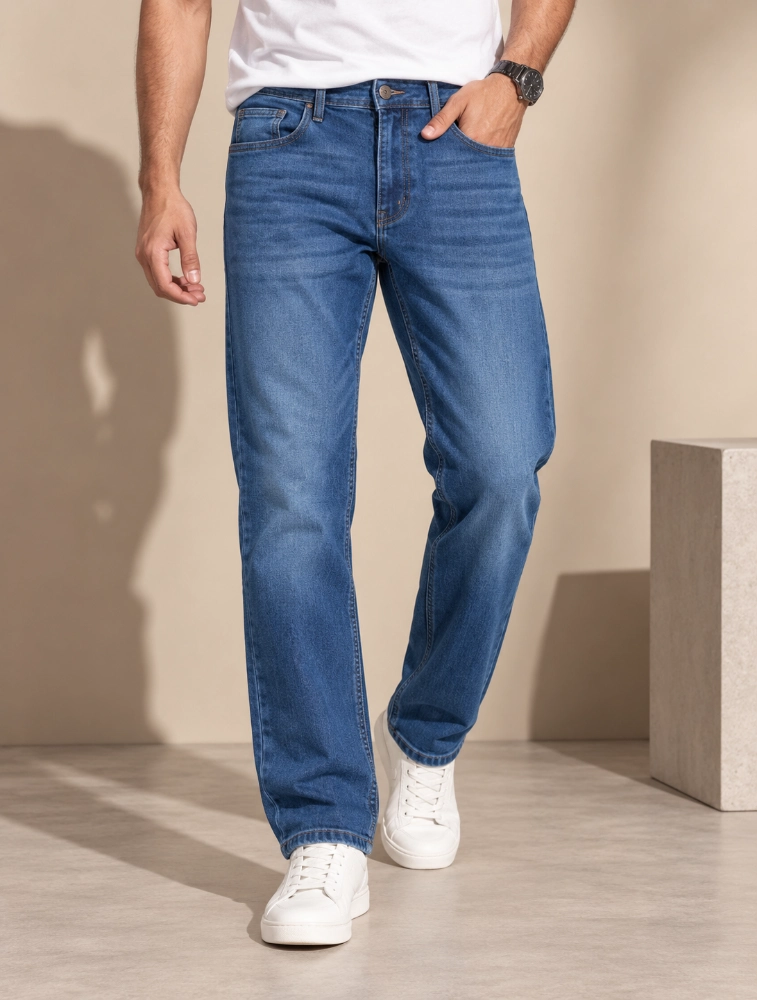
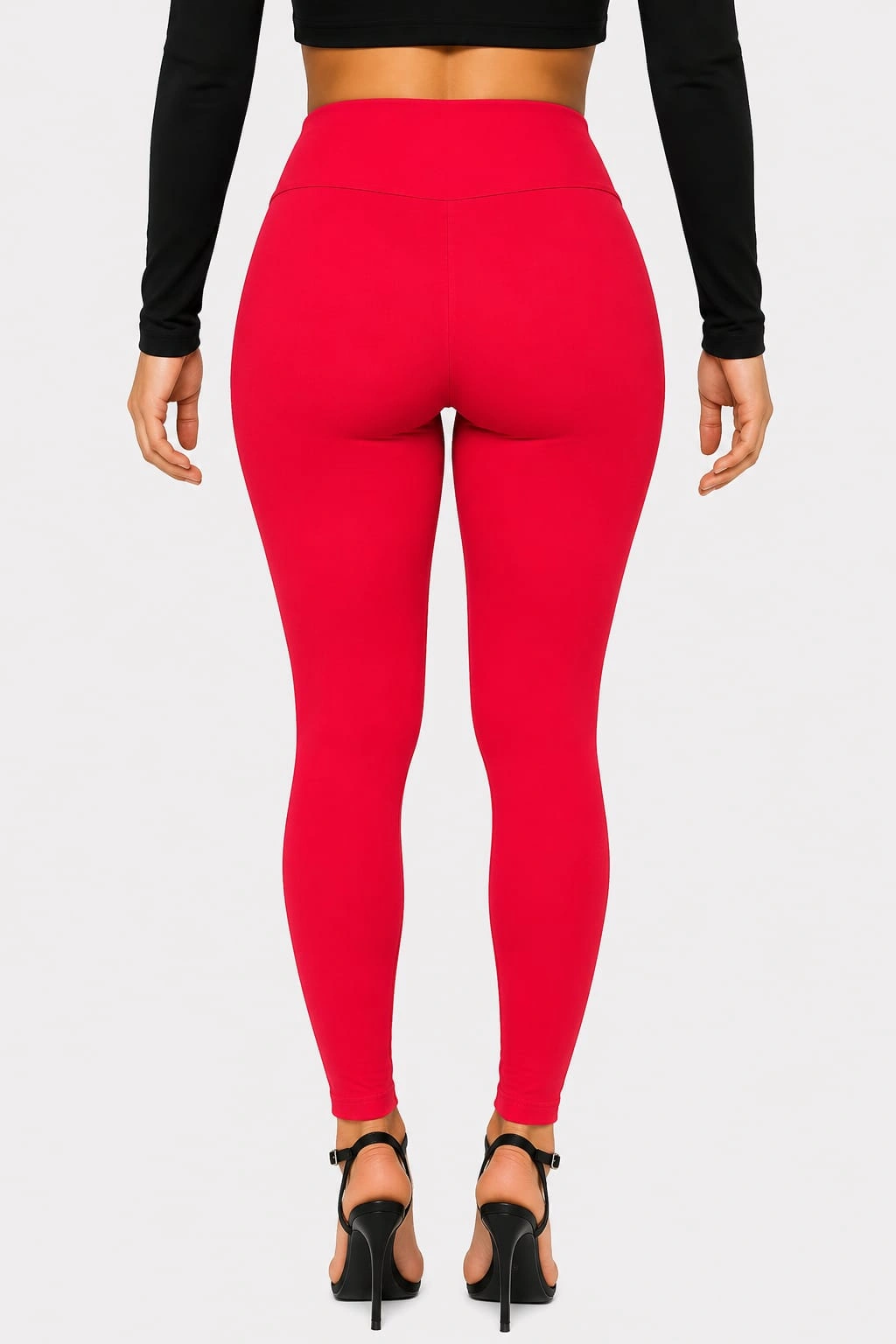
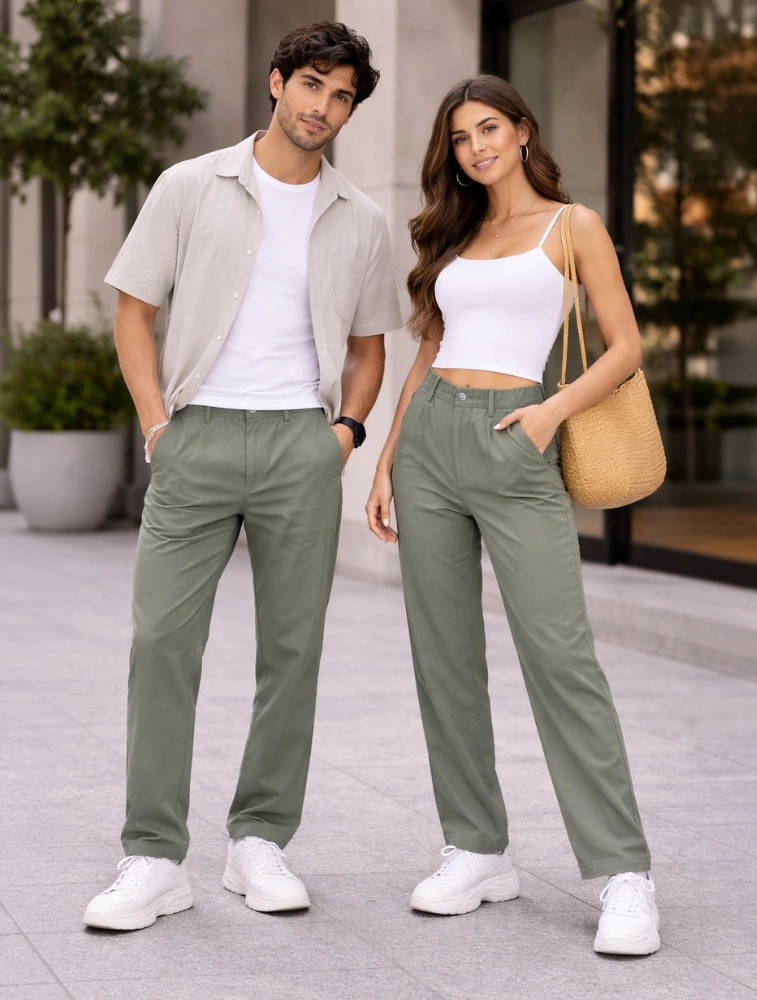
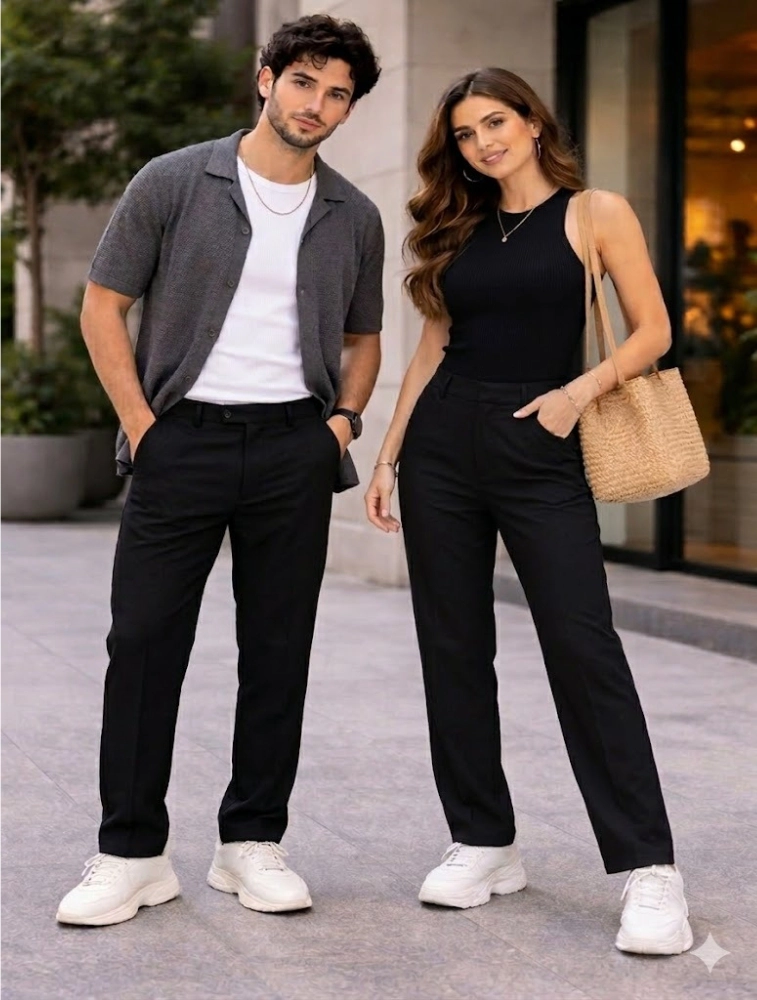
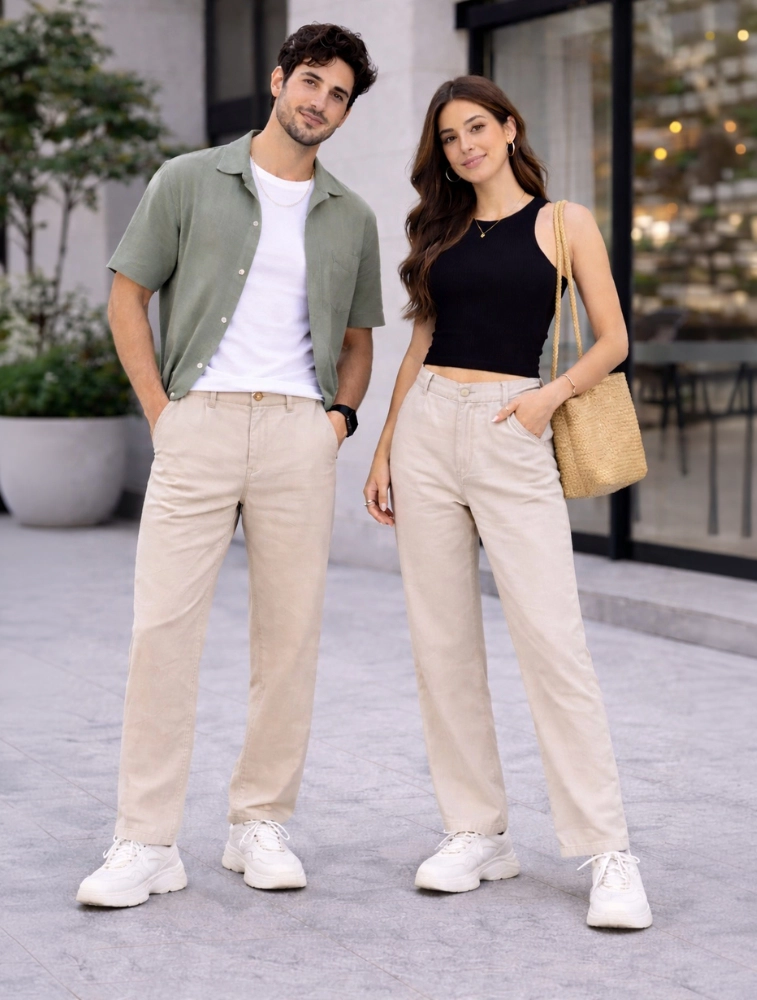
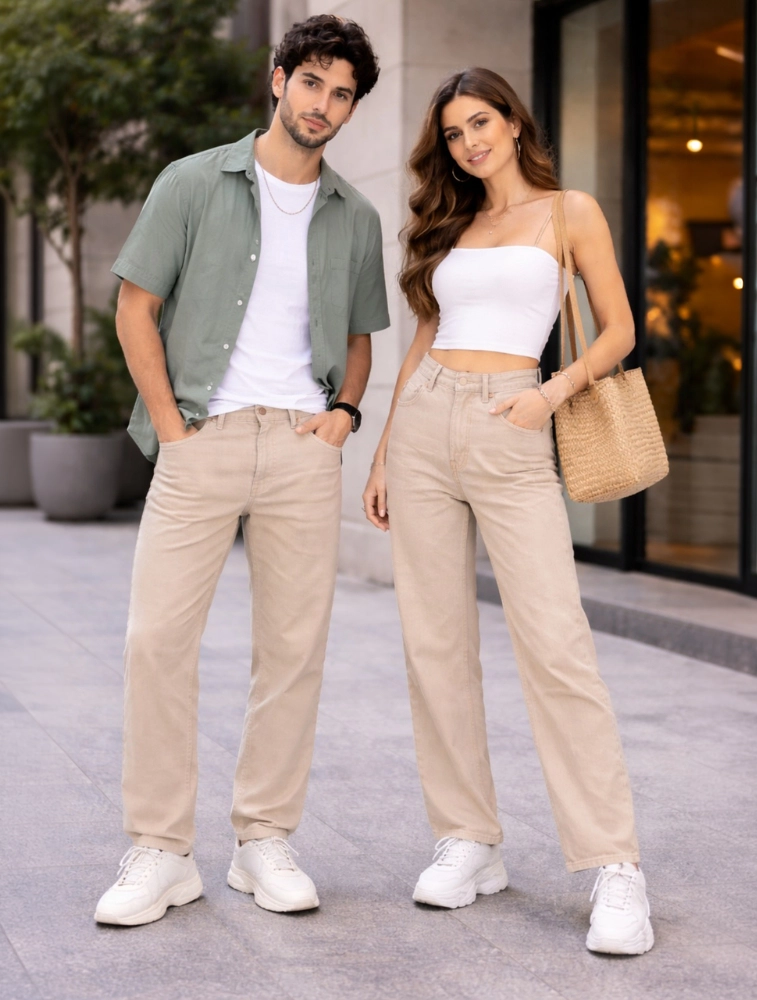
Sage Green Unisex Cotton Linen Smart Fit Casual Pants
4.49 ratings
₹627.00/ piece
Delivery
Add to cart
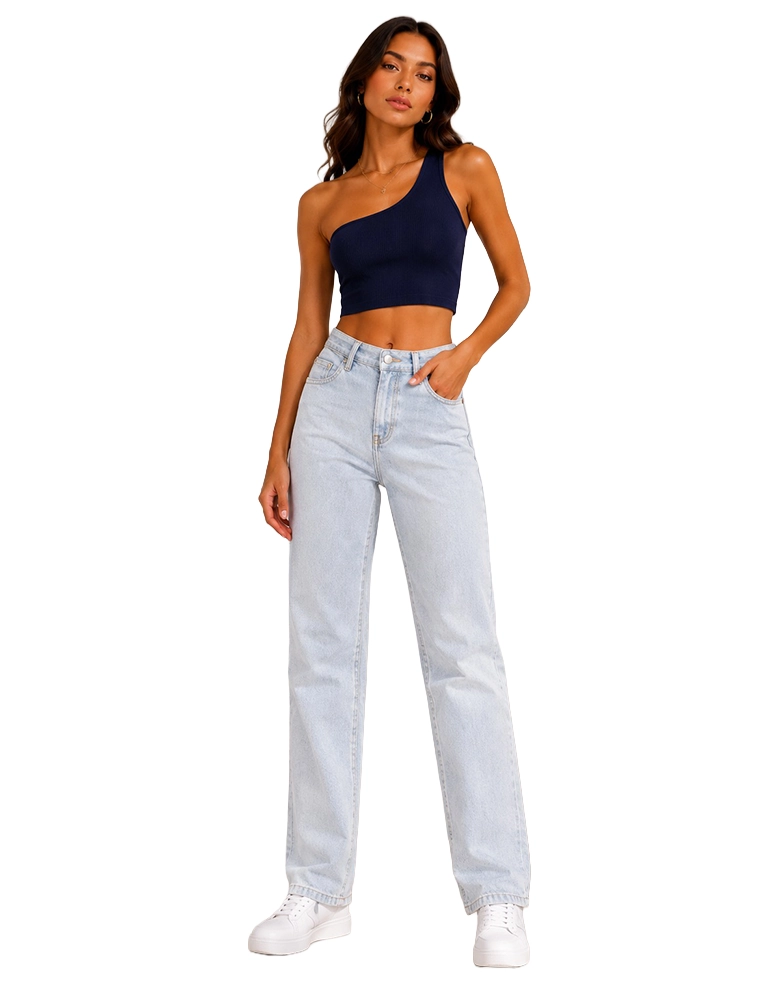
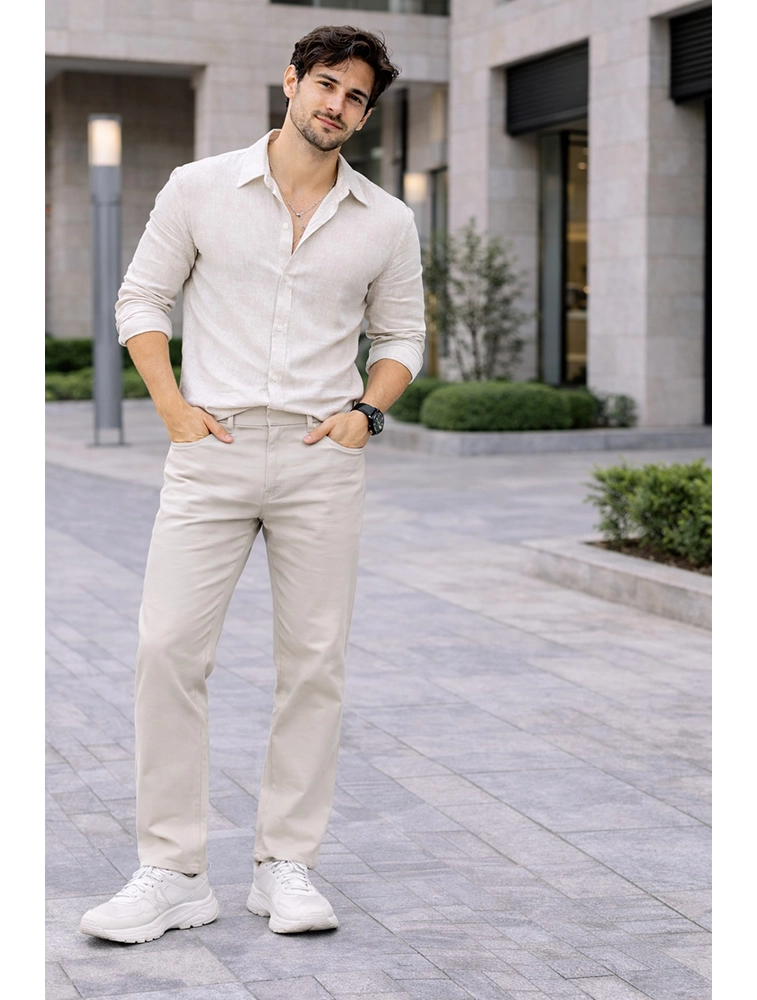

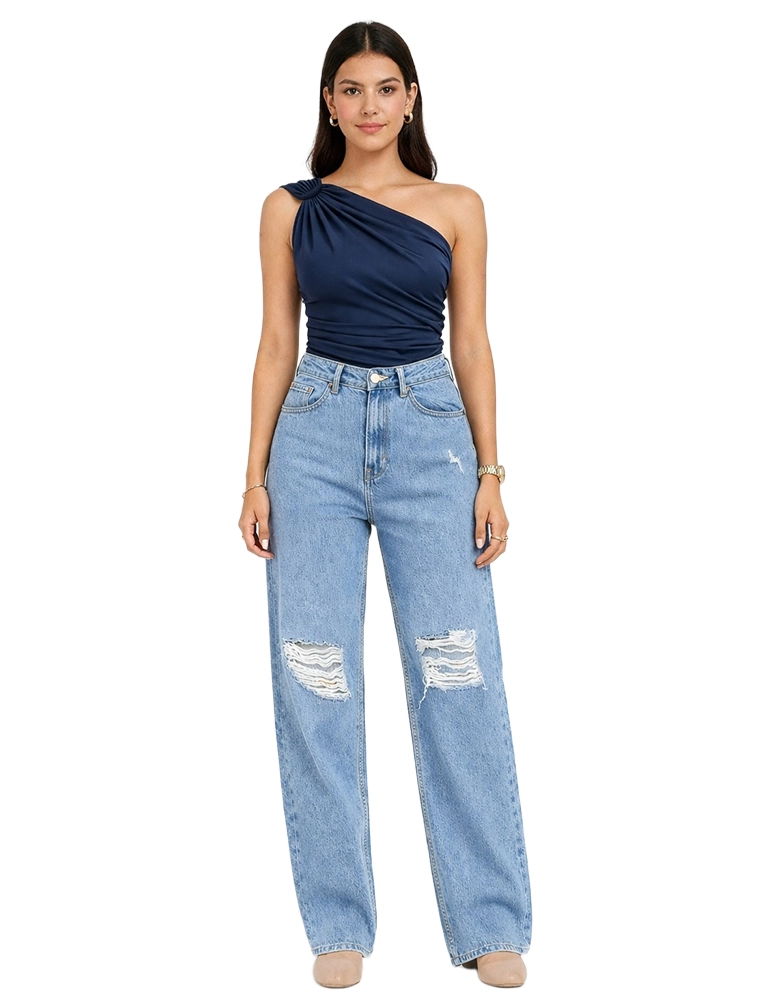
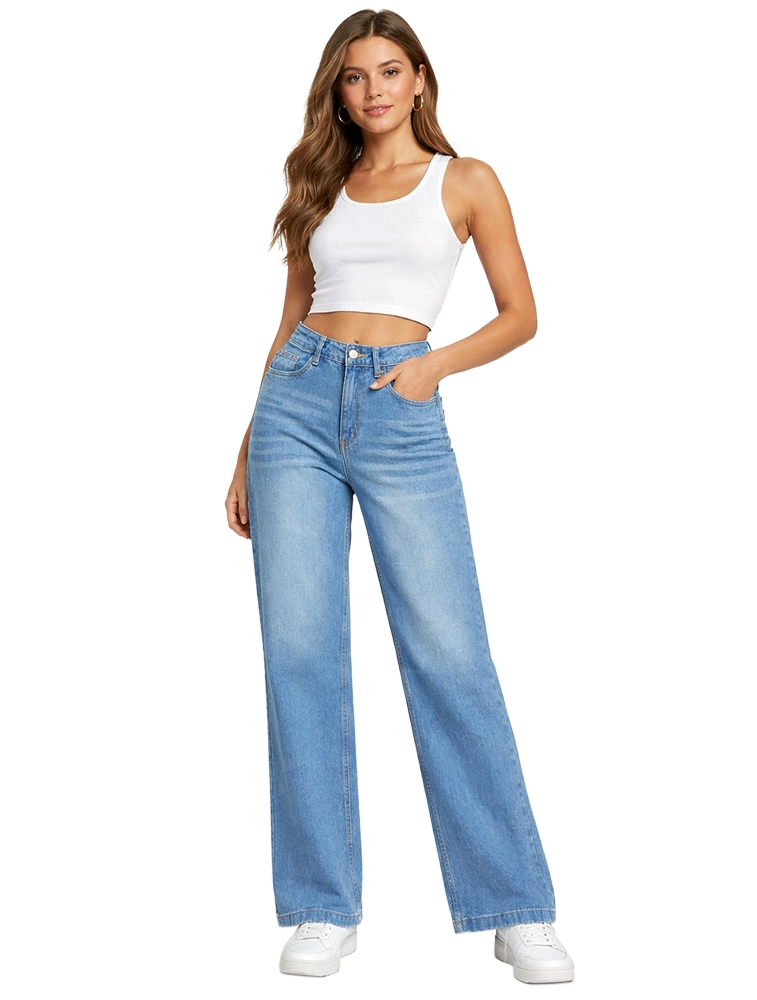
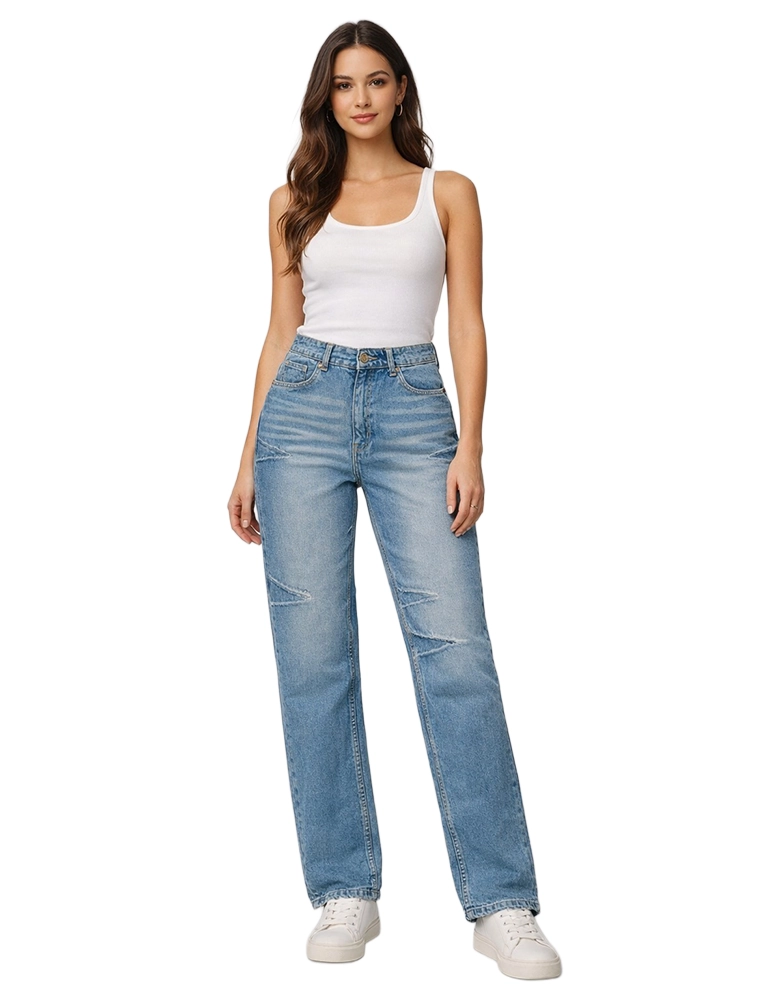
Women Light Blue Baggy Wide Leg Jeans with Line Fade Wash
4.810 ratings
₹791.00/ piece
Delivery
Add to cart
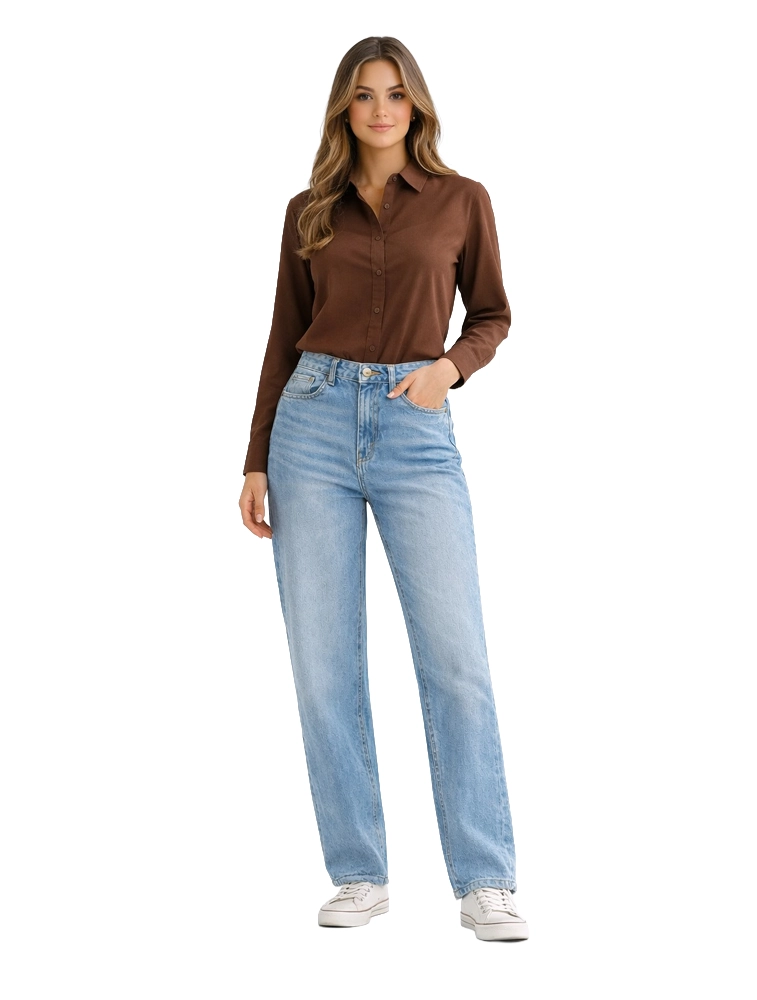
Women Light Blue Straight Fit Jeans with Line Fade Wash
4.211 ratings
₹791.00/ piece
Delivery
Add to cart
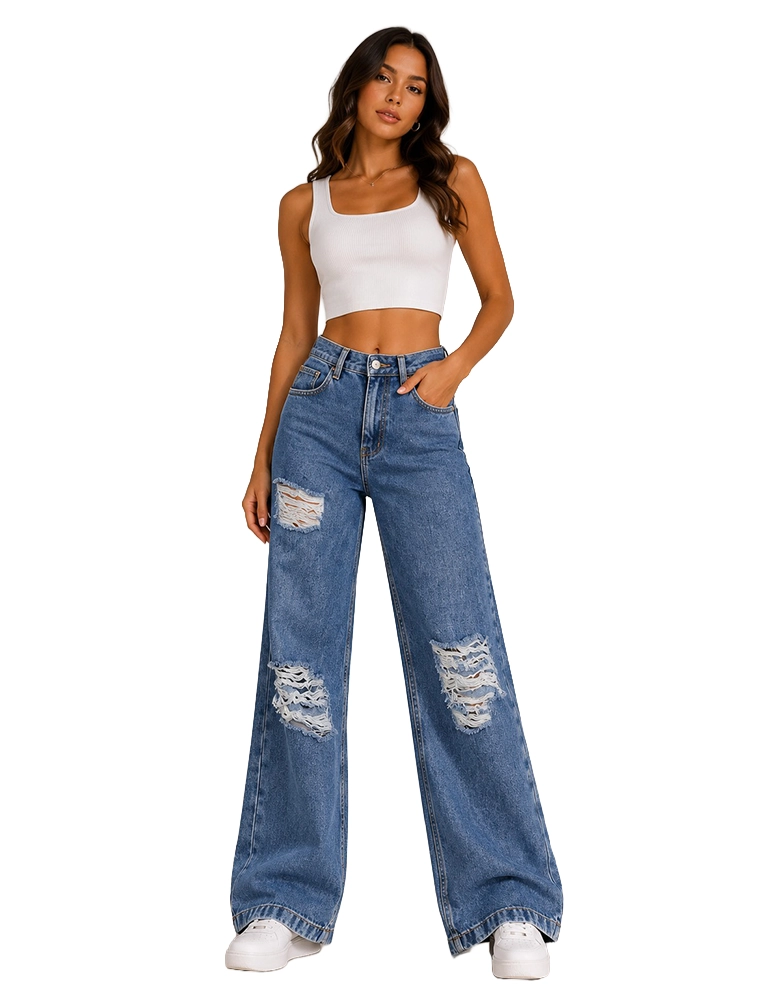
Denim Blue Women Skyline Wide Leg Distressed Jeans
4.320 ratings
₹815.00/ piece
Delivery
Add to cart
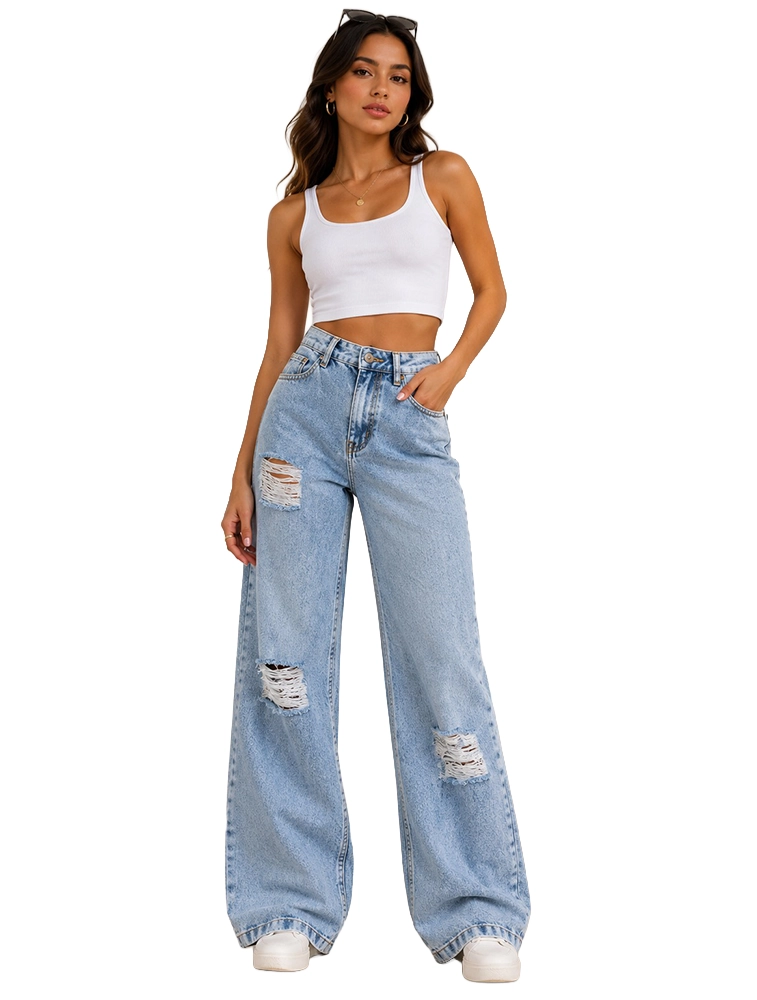
Light Blue Women Skyline Wide Leg Distressed Jeans
4.320 ratings
₹815.00/ piece
Delivery
Add to cart
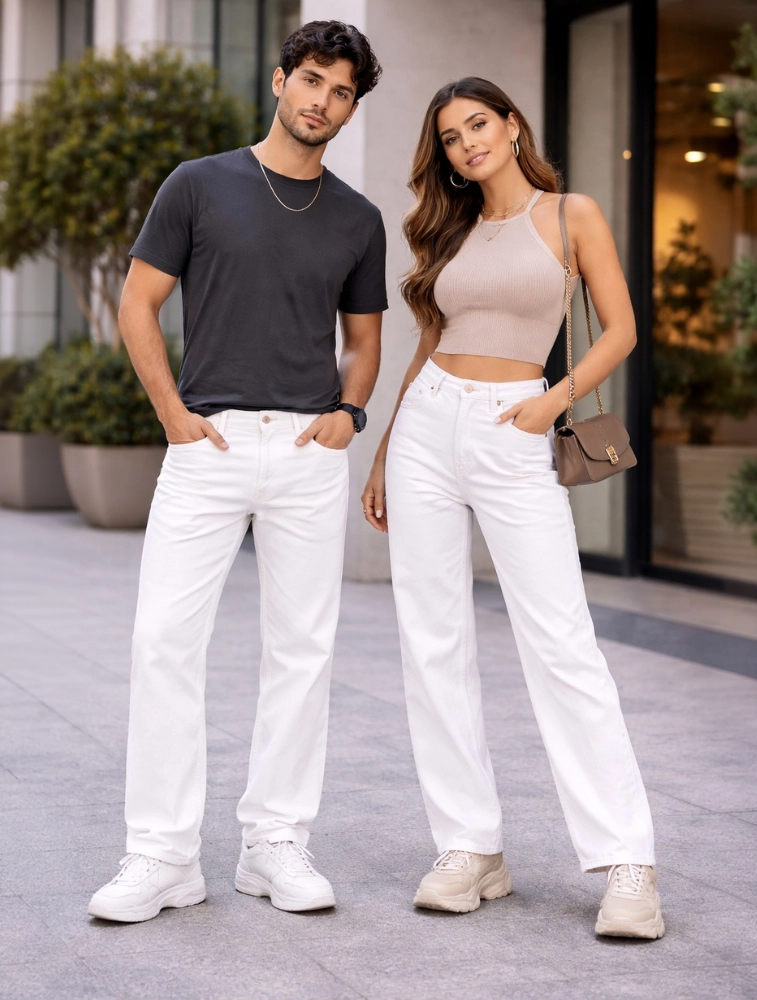
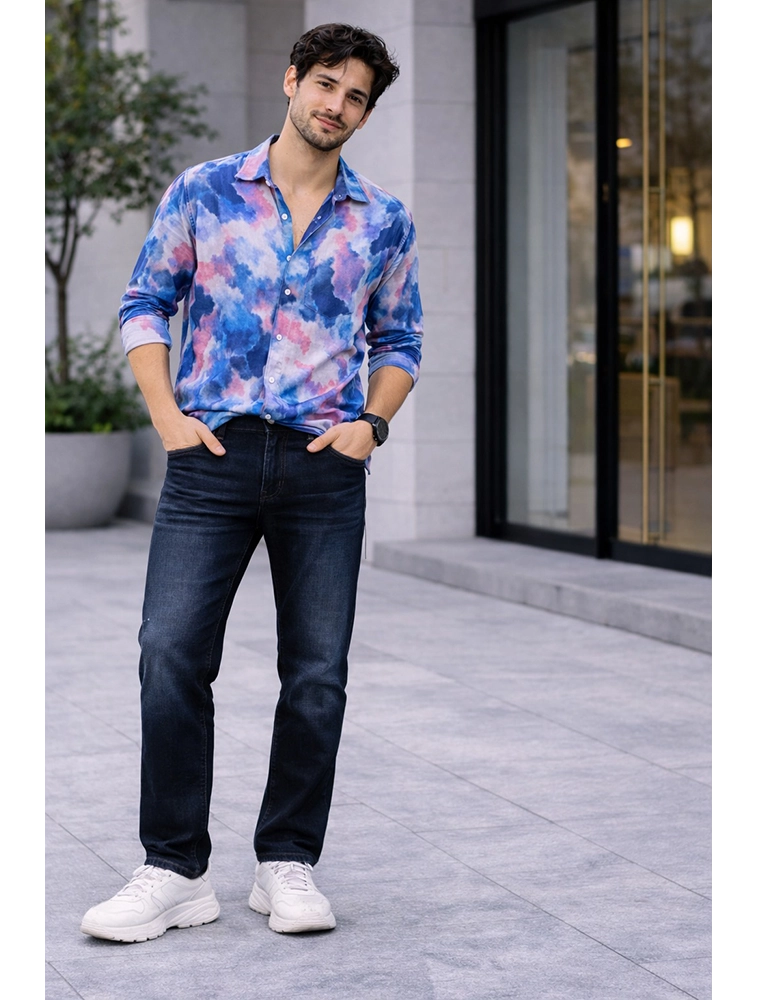
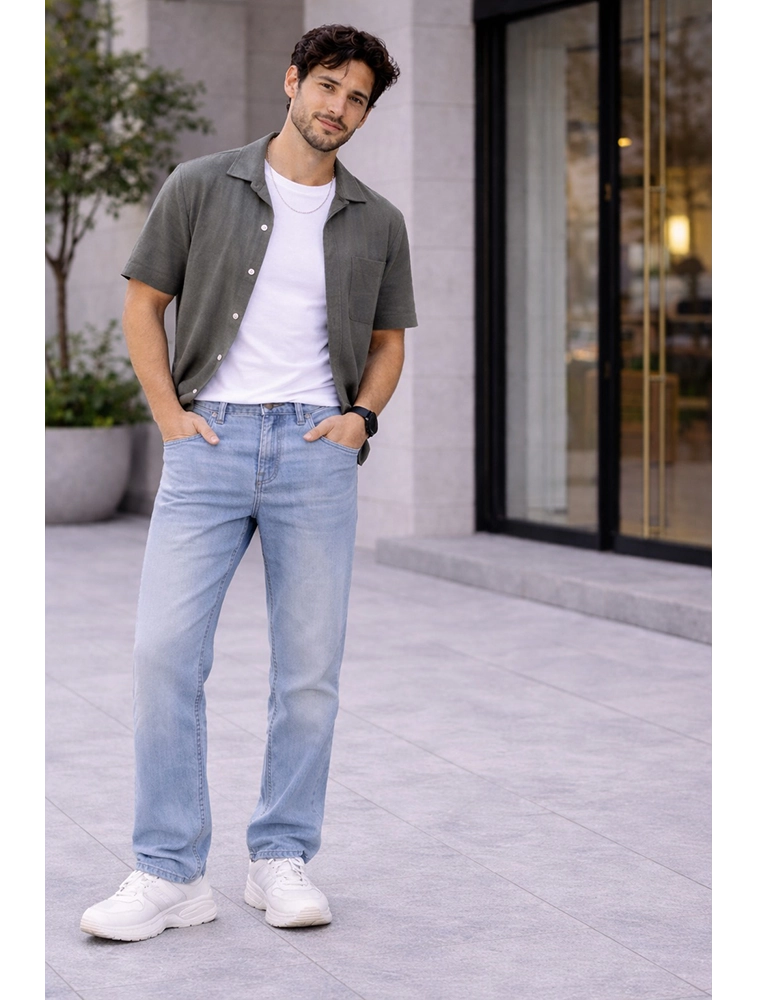
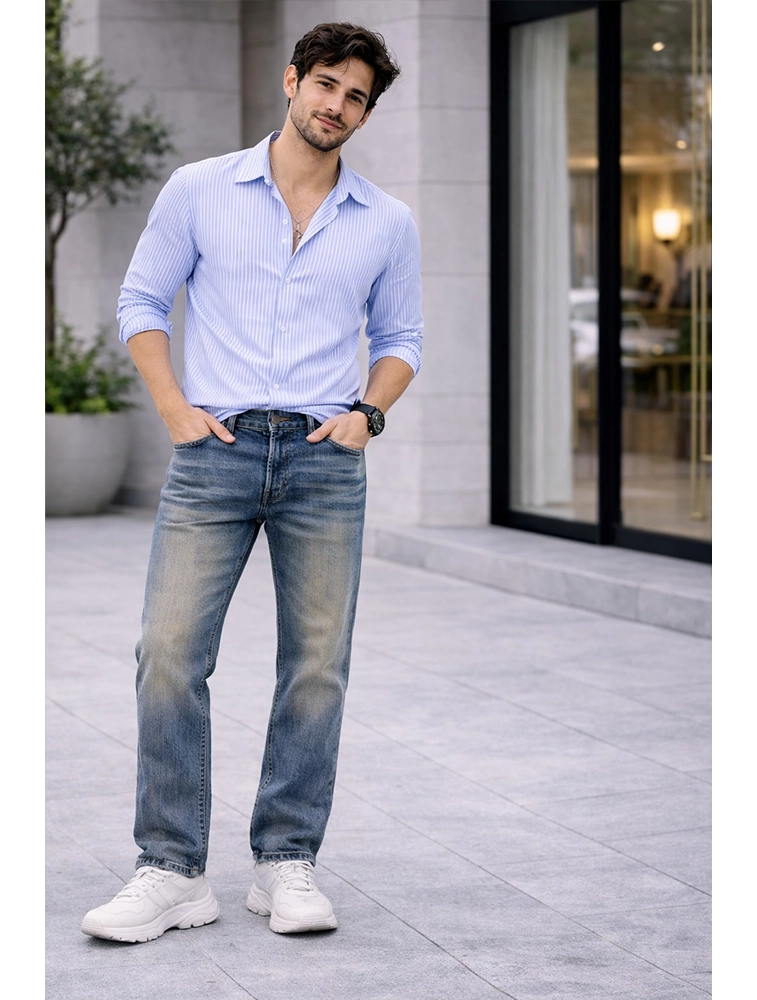
Page 1 of 2
Bulk jeans and jeggings for every use case
Brand-ready jeans and jeggings for corporate, retail, uniforms and large custom programmes — sourced across partner factories with published prices.
Corporate & events
Brand-ready jeans and jeggings for offsites, launches and conferences.
Get quote →
Uniforms & programmes
Consistent supply for schools, factories and frontline teams.
Corporate uniforms →
Own brand / resale
Unbranded or private-label stock for retail brands.
Launch your store →
Large custom runs
Contract manufacturing for high-volume programmes.
Contract manufacturing →Bulk jeans and jeggings — frequently asked questions
This category mixes men's, women's and unisex trousers. Which customs heading does each one read onto?
Woven men's and boys' trousers read onto heading 6203, woven women's and girls' trousers onto heading 6204, and Note 8 to Chapter 62 settles the unisex ones: a garment that cannot be identified as either reads onto the women's and girls' heading. This is not advice, so check it with your own customs broker.
The reason this matters on a category page rather than at the port is that the same site says factori.com delivers to 132 countries. Every one of those movements needs an eight-digit line on the invoice and the packing list, and the line has to be chosen before the goods are packed, not argued about after they arrive.
What the category actually mixes
Across the two pages of this grid there are men's articles, women's articles and articles the titles describe as unisex. The unisex ones are the cotton linen smart fit casual pants and several of the wide leg and baggy denim styles. A buyer taking one purchase order across all three groups is taking a purchase order across at least two tariff headings.
The two woven headings, as published
In the Customs Tariff, heading 6203 reads “MEN'S OR BOYS' SUITS, ENSEMBLES, JACKETS, BLAZERS, TROUSERS BIB AND BRACE OVERALLS, BREECHES AND SHORTS (OTHER THAN SWIMWEAR)”. Heading 6204 reads “WOMEN'S OR GIRLS' SUITS, ENSEMBLES, JACKETS, BLAZERS, DRESSES, SKIRTS, DIVIDED SKIRTS, TROUSERS, BIB AND BRACE OVERALLS, BREECHES AND SHORTS (OTHER THAN SWIMWEAR)”.
The trousers group under each
- Under 6203, the trousers, bib and brace overalls, breeches and shorts group runs 6203 41 00 Of wool or fine animal hair;6203 42 00 Of cotton; 6203 43 00 Of synthetic fibres; and 6203 49 Of other textile materials, which splits into 6203 49 10 Of silk and 6203 49 90 Other.
- Under 6204, the same group runs 6204 61 Of wool or fine animal hair, which splits into 6204 61 10 Trousers and shorts and 6204 61 90 Other; then 6204 62 00 Of cotton; 6204 63 00 Of synthetic fibres; and 6204 69 Of other textile materials, which splits into 6204 69 11 Sequinned or beaded or embroidered, 6204 69 19 Other and 6204 69 90 Other.
The note that decides the unisex listings
Note 8 to Chapter 62 states: “Garments which cannot be identified as either men's or boys' garments or as women's or girls' garments are to be classified in the headings covering women's or girls' garments.” Read plainly, that is the default rule for anything sold as unisex. It does not say a unisex garment is a woman's garment. It says that where the garment carries no feature that identifies it one way or the other, the women's and girls' heading is where it goes.
Whether a particular pair of trousers is genuinely unidentifiable is a question of fact about the garment: the direction the fly closes, the cut, the pocket geometry, how it is presented and how it is sized. A pair sized 30 to 42 on a men's block and titled unisex for merchandising reasons may still be identifiable as men's. That is exactly the sort of thing an administration will look at.
What to do about it before you order
- Split the purchase order by heading, not by colour. Group the men's articles, the women's articles and the unisex articles as separate lines, each with its own agreed eight-digit code.
- Write the code into the contract and require the commercial invoice, the packing list and the shipping instruction to carry the same number. Where those three disagree, the entry is queried.
- Record the reasoning in one paragraph per line. Construction facts, sizing block, presentation, and why that places the garment where you placed it. If the entry is examined, the reasoning is what you produce.
- Get a binding ruling in the destination market where the volume justifies it. The cost of an opinion is small next to a reassessment plus demurrage on a full container.
- Do not assume the classification travels. Practice varies by administration even under a harmonised nomenclature, and a code accepted in one market is not a defence in another.
Why the page does not answer this
No listing on this category states a tariff heading, a country of manufacture or a fibre composition percentage, and all three feed the classification. The absence is not unusual for a catalogue page, but it does mean the work has to happen inside the purchase order rather than being lifted from the site. The headings and the chapter note quoted above are reproduced from the published Customs Tariff for planning purposes and are not classification advice for your consignment. Take your own customs and legal advice on the article you are actually buying, in the destination you are actually shipping to.
CLASSIFICATION, Fibre & Packaging LawQueries Targetedjeans HS code 6203 6204 customs classification unisex trousers bulk export
Every listing says cotton blend or stretch denim and none of them gives a percentage. Why does that matter beyond the specification sheet?
Because every trousers sub-line in the tariff splits on fibre. 6203 42 00 is of cotton, 6203 43 00 of synthetic fibres, and the equivalents under 6204 and 6104 do the same. A blend with no percentage cannot be placed on a sub-line, and it cannot be tested against either.
The fabric rows across this category use phrases like cotton blend stretch denim, stretch denim, woven denim, cotton denim and cotton linen blend. Every one of those is a description. None of them is a composition. A composition is a set of generic fibre names and the share each one holds, and it is the single most load-bearing number on a denim specification.
The four places the percentage is used
- The sub-line. The trousers groups under 6203, 6204 and 6104 all divide the same way: of wool or fine animal hair, of cotton, of synthetic fibres, of other textile materials. Which of those applies turns on which fibre predominates, and that cannot be settled from the word blend.
- The care label. The composition is a labelling item in most destination markets, and it has to match what is actually in the cloth, not what the catalogue said.
- The performance test. Stretch recovery, growth after wear and shrinkage after wash all behave differently at different elastane loadings. Two fabrics both described as stretch denim can behave nothing like each other.
- The price. The elastane share is one of the things the mill charges for. A buyer negotiating against the word stretch is negotiating against nothing.
What the sub-lines actually look like
Under heading 6104, which covers the knitted equivalents, the trousers group runs 6104 61 00 Of wool or fine animal hair; 6104 62 00 Of cotton; 6104 63 00 Of synthetic fibres; and 6104 69 Of other textile materials, which splits into 6104 69 10 Of silk, 6104 69 20 Of artificial fibres and 6104 69 90 Other. The woven headings 6203 and 6204 mirror that structure. In every case the fibre decides the line and nothing else does.
Why a denim blend is harder than a plain cotton one
A plain woven cotton trouser is usually one fibre and the answer is obvious. Denim on this category is not. The listings describe cotton blend stretch denim, a branded stretch fibre blend and plain woven denim as three different things, and one of them is explicitly a blend of at least two fibres with an elastic component. Where a small share of a synthetic elastic fibre sits alongside a large share of cotton, the predominance test still has to be run, and it has to be run on a tested composition rather than on a marketing phrase.
How to get the number
- Ask for it as a specification, not as a question. Write the composition you require into the purchase order with a tolerance, in the form used by the destination market's labelling rules, and make the supplier confirm it against that line rather than describe the fabric again.
- Require a composition test report from an accredited laboratory on the actual production fabric, not on a swatch from a previous season. The report should name the method it used.
- Tie acceptance to the report. If the composition comes back outside the tolerance you wrote, that is a specification failure with a stated remedy, not a conversation.
- Re-check on repeat orders. Mills substitute. A composition agreed in one season is not automatically the composition of the next lot.
What the buyer should not do
Do not let a supplier write the composition onto the care label from the catalogue description. A label that says a percentage nobody tested is a labelling exposure in the destination market, and it is the importer of record who carries it, not the person who wrote the catalogue.
The tariff sub-lines quoted here are reproduced from the published Customs Tariff for planning purposes. Composition labelling requirements differ by market and this is not legal advice on the labelling rules that apply to you. Take your own advice on the destination.
CLASSIFICATION, Fibre & Packaging LawQueries Targeteddenim fibre composition percentage elastane cotton blend customs sub heading care label
Each pair is polybagged and then packed into a carton. What does the packaging law require on the bag and on the box?
Rule 9 of the Legal Metrology (Packaged Commodities) Rules, 2011 governs how a declaration is made. Sub-rule (3) is the one that bites here: where a package has an outside container or wrapper, that container must also carry every declaration, unless it is transparent and the inner ones read through it.
The packaging note on these listings describes exactly the arrangement the rule is about. One listing reads “Each pair of jeans is individually folded and packed in polybags to maintain cleanliness and presentation. Bulk quantities are securely packed in strong corrugated cartons to ensure safe transportation and efficient storage during handling and distribution.” Another adds that the packaging is “suitable for retail display and ecommerce shipping”, which is the sentence that makes the polybag a consumer-facing package rather than a dust cover.
What Rule 9 says, in its own words
Rule 9(1) requires that every declaration required on a package shall be “legible and prominent”, and that the “numerals of the retail sale price and net quantity declaration shall be printed, painted or inscribed on the package in a colour that contrasts conspicuously with the background of the label”. There are provisos: where information is blown, formed or moulded onto a glass or plastic surface it need not be in a contrasting colour, and a hand-written or hand-scripted declaration must be “clear, unambiguous and legible”.
Rule 9(2) provides that “No declaration shall be made so as to require it to be read through any liquid commodity contained in the package.”
Rule 9(3) is the sub-rule that governs a bagged garment inside a carton: “Where a package is provided with an outside container or wrapper such container or wrapper shall also contain all the declarations which are required to appear on the package except where such container or wrapper itself is transparent and the declarations on the package itself are easily readable through such outside wrapper.” It carries a proviso that “no such declarations on the inner package is required if the inner package does not contain any declaration on its outer cover.”
Rule 9(4) requires that the particulars “shall either be in Hindi in Devnagri script or in English”, with a proviso that nothing prevents the use of any other language in addition.
How that reads onto a carton of jeans
- A corrugated carton is not transparent. The exemption in sub-rule (3) turns on the outer wrapper being see-through. A brown box is not, so the box cannot rely on the declarations printed on the bags inside it.
- A clear polybag around a labelled garment may be. Where the bag is transparent and the declaration on the garment's own label reads through it, the bag itself may not need to repeat the declaration. That is a question about the actual bag and the actual label, not one the catalogue answers.
- Legibility is a requirement, not a preference. Sub-rule (1) uses the words legible and prominent, and the contrasting-colour requirement is specific to the retail sale price and net quantity numerals.
- Language is fixed. Hindi in Devanagari or English, with anything else allowed in addition.
What to write into the purchase order
- Who declares what, on which layer. State separately what goes on the garment label, on the polybag and on the master carton, and who is responsible for each.
- The master-carton quantity. No listing on this category publishes one. Fix the number of pieces per carton and the size breakdown per carton in writing, because a warehouse that cannot receive by carton has to open every box.
- A proof before bulk. Require an artwork proof of the bag print and the carton print, signed and dated, before any bulk printing runs.
- Who is the declarant. Where you are importing or re-packing, establish in the contract which party is treated as the packer and which as the importer, because the declaration set follows that answer. The rule text above is reproduced from the published Rules for planning purposes and is not legal advice. Which declarations apply to your consignment depends on facts about your packages and your role in the supply chain, so take your own compliance advice before you sign off artwork.
CLASSIFICATION, Fibre & Packaging LawQueries Targetedlegal metrology rule 9 declaration polybag carton jeans packaging label India
The category is called Jeans and Jeggings. Across both pages, what is actually on it?
Fifty listings across two pages, and not one of them is a jegging. Forty are denim jeans in various fits and washes. The other ten are cotton linen casual pants, cotton linen cargo pants and cotton chino pants, which are trousers but are neither jeans nor jeggings.
This is not a pedantic point. A buyer who searches for jeggings, lands here and issues a purchase order against the category name will receive woven denim jeans. A jegging is a knitted garment. The difference changes the fabric, the fit, the size chart, the customs heading and the price band.
What the fifty tiles actually contain
Counted by product family, the grid breaks down as follows:
- Forty woven denim jeans. Pencil fit, regular fit, slim fit, classic fit, comfort fit, straight fit, wide leg, baggy fit, cuffed wide and distressed, in men's, women's and unisex versions.
- Five cotton linen smart fit casual pants, described in the listing as unisex, in Black, Beige, Light Khaki, Sage Green and White.
- Three cotton linen cargo pants in Sage Green, Dark Grey and Mint Green.
- Two cotton chino pants in Black and Beige.
- Zero jeggings. No listing on either page is titled a jegging, described as a jegging or specified as a knitted stretch legging.
Why a jegging is a different garment
A jean is a woven garment. It is cut from denim, a warp-faced woven twill, and it holds its shape because the weave holds its shape. A jegging is knitted, usually a high-elastane knit, and it behaves like a legging that has been printed or finished to look like a jean. The seams are different, the recovery behaviour is different, the shrinkage behaviour is different and the size grading is different, because a knit stretches to fit and a woven has to be cut to fit.
The classification consequence is the one that costs money. Woven trousers read onto Customs Tariff headings 6203 and 6204. Knitted trousers read onto Chapter 61 instead, and for women's and girls' knitted trousers the heading is 6104, which reads “WOMEN'S OR GIRLS' SUITS, ENSEMBLES, JACKETS, BLAZERS, DRESSES, SKIRTS, DIVIDED SKIRTS, TROUSERS, BIB AND BRACE OVERALLS, BREECHES AND SHORTS (OTHER THAN SWIM WEAR), KNITTED OR CROCHETED”. Two chapters, two sets of sub-lines, two different declarations. A category that names both garment types and stocks only one invites the wrong line on the invoice.
The trousers that are not jeans
The ten cotton linen and chino articles are legitimate products and several of them are the cheapest things on the page. The cotton linen smart fit casual pants sit at Rs 627 at the hundred piece band, below every denim jean here except the pencil fit. But they are not denim, they are not washed, they do not carry the five pocket construction, and a buyer replenishing a denim programme will not want them arriving inside it. If your order is a denim order, name denim in the purchase order and exclude the linen and chino lines explicitly.
What this means for how you search and how you order
- Do not order by category name. Order by article title and SKU. Every tile carries a SKUFACTORI number and that number is the only unambiguous identifier on the page.
- If you actually need jeggings, ask before you plan around this page. Nothing here is one. Ask whether knitted jeggings are produced at all, and if so on what minimum and at what price, because that is a different production route from woven denim.
- Split mixed orders by construction. Woven denim, cotton linen and chino should be separate lines with separate specifications, because they will be inspected against different tolerances.
- Check the tariff line per article, not per order. Forty jeans and ten linen or chino trousers may share a heading if all are woven cotton, but the moment a jegging or a knitted style enters the order the chapter changes.
Classification and labelling positions here are drawn from published instruments and are not legal or customs advice. Confirm the line for your own goods with your broker.
What The Page PublishesQueries Targetedbulk jeans and jeggings wholesale India denim category what is stocked
The size buttons on one listing run 28 to 44. What is missing before a jean can be ordered against them?
The inside leg. Nine bare numbers appear on the widest listing, 28 through 44, with no unit stated and no length of any kind published anywhere on the category. A jean is the one garment that cannot be ordered on a waist figure alone, because the leg has to be finished to a length.
Five listings were checked across both pages and every one of them publishes waist numbers only. SKUFACTORI4340 runs 28, 30, 32, 34, 36, 38, 40, 42 and 44. SKUFACTORI5592 runs 30 to 42.SKUFACTORI5648 runs 32 to 40. SKUFACTORI5632 runs 32 to 42. SKUFACTORI8105 runs 28 to 36. There is no size chart behind any of them and no statement of what the numbers measure.
What a bare number does not tell you
- What is being measured. Thirty-two could be the finished waistband measurement flat, the body waist the garment is intended to fit, or a label size that corresponds to neither.
- In what unit. Inches is the convention for denim, but the page does not say so, and a tender document that repeats an unstated unit inherits the ambiguity.
- To what tolerance. Denim is cut, sewn and then washed. The waist that leaves the cutting table is not the waist that leaves the laundry. Without a stated tolerance there is nothing to reject against.
- How the sizes grade. Two inch steps are implied by the run, but grading also has to be declared for hip, thigh, knee and leg opening, none of which appears.
The missing dimension
The only length statement anywhere in the specification rows is on SKUFACTORI8105, where a row reads “Length: Full Length”. Full length is a style word. It is not a measurement. A 32 waist jean can be finished at anything from a cropped twenty-six inch inside leg to a thirty-four inch inside leg and every one of those is still full length by that description.
For a bulk buyer this is the single most expensive omission on the page, because inside leg is the one dimension that cannot be corrected by exchanging sizes. If the waist ratio is wrong you have unsold sizes. If the leg is wrong you have an unwearable order, and denim hemming across a few thousand pairs costs more than the price gap you negotiated.
What to put in the purchase order
- A full measurement chart, in centimetres or inches, stated. Waist relaxed and waist stretched, hip, front rise, back rise, thigh at one inch below crotch, knee, leg opening and inside leg, for every size you are buying.
- Measured after wash, not before. State that all figures are post-laundry finished measurements on a conditioned garment. Denim shrinks in the wash by design.
- A tolerance per point. A single blanket tolerance is not enough. Waist and inside leg usually carry tighter tolerances than knee or thigh.
- The size ratio. How many of each waist and each leg length per carton. Two leg lengths across nine waists is eighteen combinations, and nobody wants eighteen unplanned lines.
- A sealed size set. One garment per size, measured and signed by both sides, retained against the bulk delivery.
If you are buying for issue rather than for retail
Governments and institutions issuing denim as workwear usually cannot run a two length grid. The practical alternative is to buy one generous inside leg and hem locally on issue, which turns a fitting problem into a tailoring line item you can budget. Say so in the purchase order, because it changes the finished length specification and the hem allowance the factory has to leave.
None of these figures is published on this category and none is invented here. Ask for the size chart in writing before you commit.
What The Page PublishesQueries Targetedjeans size chart waist inseam inside leg bulk order measurement specification
Five listings give the fabric as a branded stretch fibre. Is that a usable specification for a purchase order?
No, for two reasons. The fabric row on five listings names a registered stretch-fibre brand rather than a generic fibre, and it gives no percentage. A purchase order needs the generic fibre name and its share of the blend, because that is what the tariff, the care label and the stretch-recovery test all work from.
The row in question is on SKUFACTORI5648, where the specification publishes “Fabric: Cotton Lycra Blend”, and the same wording appears in the titles of the five slim fit stretchable articles. That is a quotation of what the catalogue says. It is not a description this page would recommend a buyer copy into a contract.
Why a brand name is the wrong word in a specification
The stretch fibre in a denim blend is generically elastane, also written as spandex in North American practice. Individual producers sell elastane under their own registered trade marks. Those marks belong to their owners, and using one as though it were the name of the fibre has two consequences for a buyer.
- You may not be getting what the word implies. If the specification names a proprietary fibre, the buyer is entitled to the fibre from that producer, with the certificate to prove it. If the mill is in fact using a generic elastane, the specification is wrong and the buyer has a description mismatch sitting inside their own purchase order.
- You inherit somebody else's trade mark risk. Republishing a third party's registered mark as a product descriptor, on a listing, on a label or in a catalogue, is a matter for the owner of that mark. A private-label programme should describe the fibre generically and let the mill produce the certificate if a branded fibre is genuinely being used.
The number that is missing
No listing on this category publishes a fibre composition percentage. Not one. On a category whose selling proposition is stretch, that is the most consequential silence on the page, because the elastane share is what actually decides behaviour:
- One to two per cent gives comfort stretch. The jean feels like a jean and recovers well.
- Two to three per cent gives a noticeably stretchy slim or skinny fit with higher growth through the day.
- Above three per cent, usually with a mechanical stretch weave or a dual-core yarn, moves into the very high stretch territory where recovery has to be engineered or the garment bags at the knee and seat within hours.
Those bands are the general trade convention, not a figure published by this catalogue. The point is only that the difference between one and four per cent is the difference between two completely different garments sold under one description.
What the percentage is used for downstream
- The customs sub-line. Woven cotton trousers and woven synthetic-fibre trousers sit on different eight digit lines under headings 6203 and 6204, and the classification turns on which material predominates by weight. You cannot answer that from the words on this page.
- The fibre content label. Consumer labelling in most destination markets requires the composition by percentage. A label reading a brand name and no percentage is not a composition statement.
- The performance test. Growth and recovery after repeated extension is tested against a declared elastane content. Without the declaration there is no pass mark.
- The wash recipe. Elastane degrades with heat and with some bleaching chemistry. The laundry needs the number to write the recipe safely.
How to write the row properly
Replace the catalogue wording with a generic, quantified statement in your purchase order. For example: cotton and elastane, with the cotton share and the elastane share each stated as a percentage by weight, tested to a named composition method, with a mill test report per lot. If a branded fibre is genuinely required, name it separately as a source requirement and ask for the producer's certificate, rather than treating the brand as the fibre name.
Fibre content, labelling and trade mark positions are matters for your own advisers. Nothing here is legal advice.
What The Page PublishesQueries Targetedstretch denim elastane percentage fabric composition specification bulk jeans
Two jeans on the same page list completely different specification fields. Why, and what does a buyer do about it?
Because three different templates are in use on one category. One listing publishes seven rows, another eleven, a third twelve, and the labels shift between them: Colour on one and Color on another, Closure on one and Closure Type on another. A buyer cannot compare two articles described in two vocabularies.
Five listings were read row by row. SKUFACTORI4340 publishes seven rows. SKUFACTORI5632 publishes ten. SKUFACTORI5648 publishes eleven. SKUFACTORI8105 publishes twelve. SKUFACTORI5592 publishes ten, but a different ten again. The overlap between them is smaller than a buyer would expect from articles sitting inside the same grid at the same price band.
Where the templates diverge
- Field names drift. The seven row template writes Colour in British spelling; the eleven and twelve row templates write Color. One writes Closure, another Closure Type. One writes Pocket Style, another Pocket Type. One writes Fit Type, another simply Fit.
- Field content changes register. On the seven row template the values are sentences: Pencil fit designed to provide a slim, modern silhouette. On the others they are tags: Classic Fit. One is marketing copy in a specification slot, the other is a data value.
- Fields appear and vanish. Rise appears as Waist Rise on one, Rise Type on another and not at all on a third. Wash care appears on exactly one of the five. Gender appears on three of the five and is absent from the other two even though the titles are gendered.
The values that cannot be ordered at all
Separately from the template drift, several published values contain a slash, which makes them unusable as a contractual description because they name alternatives rather than a choice:
- Fabric: Cotton Denim / Stretch Denim. Those are two different fabrics with two different behaviours and, if the stretch version carries elastane, potentially two different tariff sub-lines.
- Style: Casual / Smart Casual and Season: Summer / All Season Wear. Merchandising words, harmless in a listing, meaningless in a purchase order.
- Occasion: Casual / Streetwear / Daily Wear. Same again.
The first of those is the one that matters. Fabric is a contractual term. A row that offers two fabrics and does not say which one you are buying has not specified the fabric.
And one row that contradicts its own title
SKUFACTORI5592 is titled a Black unisex cotton linen smart fit casual pant. Its specification row reads Color: White. Both statements are on the same page. One of them is wrong, and a buyer who quotes the specification row into a purchase order has ordered the wrong colour in writing.
What a buyer should do
- Do not compare listings field by field. The fields are not the same fields. Build your own comparison sheet with your own column headings and fill it from written confirmations, not from the tiles.
- Define the vocabulary in your own document. Your purchase order should carry the specification schema, and the supplier should confirm against it. Whoever writes the schema controls what a defect is.
- Resolve every slash before you sign. One fabric, one fit, one closure, one rise. If the answer is that either is acceptable, write that down explicitly with both variants approved, so a mixed delivery is not a dispute.
- Treat any title-to-row contradiction as a hold. Colour, size and fabric mismatches between the title and the specification are not typographical curiosities; they are the exact fields a delivery gets rejected on.
- Ask for a technical pack, not a listing. A technical pack carries the measurement chart, the composition, the trims, the wash recipe and the packing standard. A product tile carries none of those. The rows quoted above are quoted as published on the category at the time of writing. Verify the current values, and take your own advice on anything with a legal or labelling consequence.
What The Page PublishesQueries Targetedproduct specification template inconsistency denim catalogue bulk sourcing comparison
The headline is Rs 596. What does a hundred-pair order actually invoice at?
Rs 627, not Rs 596, on the cheapest article. Every quantity ladder on this category is printed ascending-quantity, so the advertised figure is the price above ten thousand pieces. At the hundred-piece band the same jean is Rs 627, which is Rs 31 more per pair than the number in the page heading.
The heading on this category reads that bulk jeans and jeggings start from Rs 596 per piece, and the range sentence says Rs 596 to Rs 863. Both figures are true at the far end of the ladder. Neither is the price a first order pays.
The five ladders, as published
Five products were opened and every one behaves the same way. The tiers are printed with the cheapest tier last, so the number that reaches the grid tile and the page heading is the deepest volume price:
- Indigo pencil fit denim, SKUFACTORI4340. Rs 627 at 100 to 999, Rs 615 at 1000 to 9999, Rs 596 above 10000.
- Cotton linen smart fit casual pants, SKUFACTORI5592. Rs 660, then Rs 647, then Rs 627.
- Slim fit stretchable jeans, SKUFACTORI5648. Rs 776, then Rs 761, then Rs 737.
- Women wide leg denim jeans, SKUFACTORI8105. Rs 784, then Rs 769, then Rs 745.
- Men classic fit denim jeans, SKUFACTORI5632. Rs 908, then Rs 890, then Rs 863.
The entry premium, article by article
The gap between the advertised figure and the hundred-piece figure is remarkably consistent. It is Rs 31 on the pencil fit, Rs 33 on the cotton linen pants, Rs 39 on the slim fit, Rs 39 on the women's wide leg and Rs 45 on the classic fit. As a proportion of the advertised price every one of those lands between about 5.2 and 5.3 per cent. In other words, a first order at the minimum quantity pays roughly five per cent above the number on the tile, whichever article you pick.
What that does to a real budget
On a hundred pairs of the cheapest jean the invoice line is Rs 62,700 rather than the Rs 59,600 a reader would calculate from the heading. The absolute difference of Rs 3,100 is small. The problem is not the amount, it is that the figure a buyer took to their own approval committee was wrong before the first quotation arrived, and every internal document downstream inherits it.
At the top of the ladder the same arithmetic runs the other way and in your favour. Ten thousand pairs of the classic fit at Rs 863 rather than the Rs 908 entry price is a materially different programme, which is the honest case for consolidating volume onto fewer articles.
What is not in any of these numbers
- Tax. The ladders are unit prices. Applicable tax is added on the invoice and the rate is not published on the category.
- Freight and delivery terms. The on-page FAQ quotes seven to ten days for Bengaluru and fifteen to thirty days for made-to-order production. It does not state who carries freight, insurance or duty, and on an export order those three decide the landed cost more than the unit price does.
- Branding. Custom printing with your logo is offered in the statistics band. No price for it appears in any ladder, so treat it as a separate quoted line.
- Sampling. The on-page FAQ says sample costs are credited back against the bulk order. Get the credit condition in writing, including what happens if the bulk order does not proceed.
- Size and length surcharges. Nine waists are offered on the widest listing with no statement of whether the larger sizes carry a surcharge. Denim usually does.
How to read any tile on this category
Take the advertised figure as the floor, not the price. Add roughly five per cent to reach the hundred-piece band. Then ask for a written quotation that states the unit price at your actual quantity, the tax, the branding charge, the freight basis and the validity period of the quote. Prices on this category were last updated in August 2026 and can move.
ProcurementQueries Targetedbulk jeans price per piece quantity slab wholesale 100 pieces India denim
Ready stock from a single pair, or a hundred units per style?
This category asserts both. Both are printed and they cannot both govern. The band at the top of the category says ready stock from one piece, and so does the on-page FAQ. Every product page carries a line reading Minimum Order Quantity 100 Units. Until it is reconciled, get the number you were quoted in writing.
The three statements sit within one scroll of each other. The statistics band says factori.com supplies bulk jeans and jeggings across hundreds of partner factories with ready stock from one piece. The on-page FAQ says ready-stock items can typically be ordered from a single piece and that custom-manufactured or branded runs usually start from a hundred pieces per style per colour. Then every product page prints a flat minimum of a hundred units with no qualification at all.
The reading that reconciles them
The FAQ answer is the only one of the three that distinguishes between two different things, and it is almost certainly the intended rule:
- Ready stock, unbranded, existing colour and existing size. Orderable in small quantities, potentially a single piece, because the garment already exists.
- Custom manufacture or branding. A hundred pieces per style per colour, because a production run has to be set up, a fabric lot has to be committed and a wash recipe has to be run.
If that is the rule, the flat hundred-unit line on the product pages is a template value that was never made conditional. But a buyer cannot rely on an inference. The line on the product page is the one nearest the add-to-order control, and it is the one a supplier can point at later.
Why the distinction is sharper on denim than on most categories
Denim is finished in the laundry, and the laundry is a batch process. A wash recipe is run on a machine load, not on a garment. That is why a custom wash minimum exists at all and why it is usually higher than a plain garment minimum. If you are asking for a wash, a fade, a whisker or a distress pattern that is not already in the ready stock, you are asking for a laundry batch, and the batch has a floor of its own that has nothing to do with the sewing line.
The same applies to shade. Eight indigo and blue variants of the pencil fit are listed as available colours in ready stock. A colour outside that set is a dye or wash lot, and a dye lot has a minimum metreage.
The questions that settle it
- What is the minimum for this exact SKU, in this exact colour, unbranded, from stock, today? Per SKU, not per category.
- What is the minimum per style per colour for a branded run? And is it per colour or per colourway including size ratio.
- What is the minimum for a custom wash? This is the one most likely to be higher than a hundred, and it is not mentioned anywhere on the page.
- What is the minimum per size? A hundred pieces spread across nine waists is eleven per size, which most factories will not cut. If there is a per-size floor, it changes your ratio.
- Does the ready stock quantity actually exist right now? Ready stock is a statement about a moment. Ask for the current stock position by size and colour, dated.
What to put in writing
Ask for the quoted minimum and the quoted price to appear on the same proforma invoice, with the SKU, the colour, the size ratio and the branding status all named. That single document overrides every general statement on the category page, and it is the thing you can hold if the delivered order does not match. Where the page contradicts itself, the written quotation is what you have.
ProcurementQueries Targetedminimum order quantity jeans MOQ ready stock bulk denim India wholesale
What does a denim purchase order have to fix that a plain cotton trouser order does not?
Four things that only denim has: the wash recipe and how many garments are washed together, the shade tolerance between dye lots, the shrinkage measured after the wash rather than before it, and the recovery of the stretch fibre after repeated wear. None of the four appears anywhere on this category.
A plain woven trouser is cut, sewn, pressed and packed. A jean is cut, sewn, and then put through a wet process that changes its colour, its hand, its dimensions and sometimes its strength. Everything that makes denim commercially interesting happens after the sewing line, and that is exactly the part this catalogue does not describe.
One: the wash
The category names washes as marketing words. Line fade wash appears on four listings, wave fade on one, and washed denim appears as a pattern row on another. Those are names, not recipes. A recipe states the process steps, the chemistry, the stone or enzyme load if any, the temperature, the cycle times and the machine load size. Two factories reading line fade will produce two different garments, and both will be correct against the word.
What to specify: the approved wash standard is a physical garment, sealed by both parties, and the recipe that produced it is recorded and locked. Any change to the recipe requires re-approval. Also specify the batch size, because a recipe run on a small load and the same recipe run on a full load do not give the same result.
Two: shade between lots
Indigo is the least forgiving colour in bulk apparel. The category publishes shade names such as indigo, denim blue, faded blue, midnight indigo, deep indigo and jet black, and publishes no colour reference and no tolerance. Specify a sealed shade standard, a stated tolerance, and the lighting conditions under which shade is judged. Then specify that the whole order ships from one dye lot where possible, and that where it does not, lots are separated by carton and labelled, so a retailer is not merchandising two tones on one fixture.
Three: shrinkage, measured in the right place
Denim shrinkage has to be measured on the finished, washed garment, and again after a stated number of domestic wash cycles. A pre-wash figure is meaningless for a garment that is sold post-wash. Specify the test method, the number of cycles, the direction, and the permitted percentage in length and in width separately. Length is the one that bites, because it changes the inside leg on a category that does not publish an inside leg to begin with.
Four: stretch recovery
Five listings sell stretch as the point of the garment and none publishes an elastane percentage. Growth and recovery need to be specified as numbers: extension applied, held for a stated time, and the residual growth measured after a stated recovery period, repeated over a stated number of cycles. Without that, knee bagging and seat bagging are a matter of opinion at the delivery gate.
The rest of the purchase order
- Trims by part number. Rivets, shank buttons, zip make and gauge, thread ticket and colour, and whether trims are nickel-free.
- Construction. Stitch density per inch by seam, seam type, bar-tack positions and count, pocketing fabric and its own shrinkage and colourfastness.
- Labels. Fibre composition by percentage, care symbols, size, country of manufacture and the importer details required in your market. None of this is published on the category.
- Packing. Polybag specification, folded presentation, hangtag placement, master carton quantity, carton markings and the declarations required on the outer.
- Inspection and remedy. The sampling plan, the acceptable quality level, who inspects, and what happens on a fail.
Test methods, labelling and compliance requirements vary by destination market. Take your own advice on what your market requires.
ProcurementQueries Targeteddenim purchase order specification wash recipe shrinkage shade tolerance bulk buyer
Denim shades move between wash lots. What does goods-in inspection have to catch on a bulk jeans delivery?
Shade against a sealed standard, waist and inside leg against the chart you specified, and the wash finish against a retained garment. Shade is the one that cannot be fixed later, because a jean that is half a tone off is still a jean and is still unsellable next to the rest of the order.
Goods-in on denim is not the same exercise as goods-in on a plain shirt or a plain trouser. The defects that matter are mostly not stitching defects. They are process defects that occurred in the laundry, and they are systematic rather than random, which means a small sample can reveal a problem affecting an entire lot.
Inspect by lot, not by carton
Ask the supplier to declare the wash lot and dye lot on the carton label and on the packing list. Then sample across lots rather than across cartons. Ten garments from one lot tells you about one lot. Ten garments spread across four lots tells you whether the lots agree with each other, which is the question that actually decides whether the order is merchandisable.
The checks, in order of what costs most if missed
- Shade against the sealed standard. Judged in the agreed light, front and back, on the leg panel and on the yoke separately, because those two can differ within one garment. Record which lot each rejected piece came from.
- Shade agreement between lots. Lay one garment from each lot side by side. This is the check most buyers skip and the one that generates the most returns.
- Waist and inside leg. Measured on a conditioned garment, against the chart in your purchase order, with your stated tolerance. Measure at least three garments per size, not one, because grading errors are systematic.
- Wash finish and placement. Whiskers, fades and distress placement are positional. Compare against the retained approved garment, not against a photograph.
- Residual chemistry and cleanliness. Check for odour, for stone residue in the pockets and turn-ups, and for any powdery deposit. These indicate an incomplete rinse.
- Trims and function. Every zip cycled, every button and rivet tested for attachment, every bar-tack present. Rivets are the ones that fail after the wash.
- Seams and stitching. Density per inch, skipped stitches, open seams, and seam pucker after wash, which is a different defect from seam pucker before it.
- Labels and packing. Fibre composition present and correct, care instructions present, size label matching the actual measurement, and the outer carton carrying the declarations your market requires.
Two things to fix before the goods ship, not after
First, the retained standards. You need three physical references in your own possession: the sealed shade standard, the approved wash garment, and the measured size set. If you do not hold them, every dispute becomes a conversation about intent rather than a comparison against an object.
Second, the inspection point. An inspection at your warehouse after an export shipment gives you a rejection and a problem. An inspection at the factory before packing gives you a correction. On denim the argument for pre-shipment inspection is stronger than on almost any other garment, because the laundry can often re-run a lot that has not yet been packed and cannot do anything useful with one that has crossed a border.
What to write into the order
Name the sampling plan and the acceptable quality level for major and minor defects separately, say who inspects and at whose cost, define what a shade failure entitles you to, and set the timetable for raising a claim after delivery. Also state that lots are not to be mixed within a carton and that carton labels carry the lot reference, because without that the whole lot-based approach above is unenforceable.
Sampling standards and contractual remedies are matters for your own advisers; nothing here is legal advice.
ProcurementQueries Targetedgoods in inspection denim quality check shade lot measurement bulk delivery AQL
Eight indigo and blue variants of one jean, and five different wash names across the category. How is shade actually agreed?
Not from a colour name. The category names shades like indigo, denim blue, faded blue and midnight indigo, and separately names washes like line fade, wave fade and washed. Neither is a standard. Shade on denim is agreed by sealing a physical garment on both sides and inspecting every lot against it.
The pencil fit alone is listed in eight colours: Indigo, Sky Blue, Dark Navy, Charcoal, Blue, Faded Blue, Denim Blue and Jet Black. Several of those are adjacent to each other on any real fabric. Blue, Denim Blue and Indigo are three words that a buyer, a merchandiser and a dyehouse will each picture differently, and nothing on the page distinguishes them numerically.
Why a colour name cannot carry a denim order
- Indigo is a process, not a shade. The depth of an indigo depends on the number of dips, the concentration and the degree of ring dyeing. Two mills can both make a correct indigo that are visibly different garments.
- The wash moves the shade. The same greige garment through a light rinse and through a long enzyme cycle gives two shades. So the colour you are approving is the colour after the wash, not the colour of the fabric.
- Names are not comparable across suppliers. Your midnight indigo and someone else's midnight indigo have no defined relationship at all.
- No colour reference is published here. No shade code, no tolerance, no measurement method, on any listing.
What agreement actually looks like
- Seal a garment, not a swatch. On denim the standard is a finished, washed garment, because the shade is a product of the garment process. Two identical pieces are sealed, one held by each side, both dated and signed.
- State the tolerance and the method. Agree how much variation is acceptable and how it is judged, including the light source. Under one light a lot can pass and under another it can fail, which is why the light is part of the specification.
- Lock the recipe behind the standard. The approved garment is the target; the recorded recipe is how it is reproduced. Any recipe change requires a fresh approval.
- Declare lots. Every carton labelled with its dye lot and wash lot, no mixing within a carton, and a lot list on the packing document.
- Re-seal periodically. Standards fade. On a repeat programme, re-seal at agreed intervals against the original, so the reference does not drift a shade a season.
The wash names, treated the same way
Line fade appears on four listings, wave fade on one, washed denim as a pattern value on another, and one product is titled a straight fit washed denim jean. Each of those is a placement and intensity of abrasion, and placement is judged against a physical garment exactly as shade is. Ask for the approved garment for the wash, photographed front and back with the positions marked, and keep it with the shade standard.
Practical advice on how many shades to buy
A buyer who takes all eight colours of one article has committed to eight approvals, eight tolerances and eight lot-control problems. On a first order there is a strong case for taking two or three shades deep rather than eight shallow. It reduces the approval work, it improves your position on price at the ladder, and it makes any shade problem a smaller problem.
Ask, too, whether a named ready-stock colour actually exists as a listed article. On this category at least one colour appears in a ready-stock colour list with no corresponding tile on either page, which is a reason to confirm availability by SKU before planning an assortment around a name.
SHADE, Branding & Catalogue QualityQueries Targeteddenim shade approval sealed standard indigo dye lot wash name bulk order
What can carry a brand on a pair of jeans, and which of those does this category actually offer?
A jean carries more brand marks than almost any other garment: the back-waist patch, the rivets and buttons, the pocket-bag print, the back-pocket stitch design, the woven label and the hangtag. The category promises custom printing with your logo in its statistics band and does not say which of those it covers.
That gap matters because printing is the least of what branding means on denim. A printed logo on a jean is unusual; almost everything that identifies a denim brand is a trim, a hardware part or a stitch, and each of those is a different sourcing decision with a different lead time and a different minimum.
The places a jean can carry a mark
- The back-waist patch. Leather, synthetic leather, jacron or woven, debossed or printed. This is the most visible brand carrier on the garment.
- The shank button and the rivets. Engraved or embossed with a logo. These are tooled parts, so they carry a tooling cost and a real lead time on the first order.
- The back-pocket stitch design. Sewn, not applied. Cheap to produce and highly distinctive.
- The pocket bag print. An inside-facing print, often used for care and origin information as well as branding.
- The woven main label and size label. The garment's identity for the buyer's own compliance purposes as much as for branding.
- Hangtags, waist tickets and the polybag. The presentation layer, and the one that most affects how the garment looks on a fixture.
What this page publishes about branding
The statistics band offers custom printing with your logo and contract manufacturing at any scale. The on- page FAQ says customisation is available and that a mock-up is provided free. Neither statement lists the branding positions on a jean, and no listing publishes a branded variant. One packaging note does say the garment includes a size label and brand tag for identification, which tells you labels exist but not whose brand goes on them.
So the honest position is that branding is offered and its scope on denim specifically is not described. That is a question to ask, not an omission to assume away.
The questions to ask before you design anything
- Which positions can be branded? Patch, buttons, rivets, pocket stitch, pocket bag, labels, hangtag. Ask position by position rather than asking whether branding is available.
- What is the minimum for each? A tooled button has a different floor from a woven label, which has a different floor from a stitch design that costs nothing extra to sew.
- What is the lead time for each? Tooling for hardware is usually the long pole and it sits outside the seven to ten day and fifteen to thirty day windows the on-page FAQ quotes.
- Who owns the artwork and the tooling? Put it in writing that the design, the tooling and any dies produced for your programme are yours and are not used for anyone else.
- What does the free mock-up actually show? A digital visual or a physical sample garment. Only the second one tells you anything about a wash and a patch surviving it together.
The warning that has to accompany all of this
Denim is the most trade-marked garment category there is. Back-pocket stitch designs, patch shapes, tab devices and specific colour and hardware combinations are registered marks belonging to established brands in many markets. A private-label programme must originate its own marks and must not approximate anyone else's, and the responsibility for clearing a design sits with the party whose brand it is. Clear your artwork with your own trade mark adviser before tooling. Nothing here is legal advice. One further practical point: branding has to survive the laundry. A patch, a print or a label approved on an unwashed garment can be destroyed by the wash that gives the jean its finish. Approve every branded component on a garment that has been through the actual production wash, not on a raw one.
SHADE, Branding & Catalogue QualityQueries Targetedcustom branded jeans private label denim logo patch rivet woven label bulk
One listing is titled black and its specification row says white. What else on this category does not agree with itself?
Seven things. The colour row against the title, the minimum order against the statistics band, the factory count against the on-page FAQ, the category name against the inventory, three specification templates against each other, slash values that cannot be ordered, and a ready-stock colour named with no tile behind it.
This answer exists because a buyer's time is better spent on the handful of fields that are internally inconsistent than on re-reading fifty tiles. Each item below is a place where two statements on the same site disagree, and each one is a question to put in writing before an order is placed.
One: colour against title
SKUFACTORI5592 is titled a Black unisex cotton linen smart fit casual pant. Its specification row reads Color: White. There is also a separate White article in the same family at the same price, so both colours exist; the row on the Black one is simply wrong. Confirm the colour by SKU.
Two: minimum order quantity
Every product page prints Minimum Order Quantity 100 Units. The statistics band says ready stock from one piece and the on-page FAQ says ready-stock items can typically be ordered from a single piece. Treat the written quotation as the governing number.
Three: how many factories
The statistics band gives a specific figure of 609 partner factories. The on-page FAQ says production runs across hundreds of audited partner factories. A precise number and a vague number describing the same thing invite the question of what is being counted, and a number that moves week to week on sibling categories is a number a tender document should not quote.
Four: the category name
Fifty listings, no jeggings, and ten articles that are neither jeans nor jeggings. The name of the page does not describe its contents in either direction.
Five: three specification templates
Seven rows on one listing, ten on two others, eleven on a fourth, twelve on a fifth, with field names drifting between Colour and Color, Closure and Closure Type, Pocket Style and Pocket Type, Fit and Fit Type. Comparison across articles is not reliable.
Six: values with a slash in them
Cotton Denim / Stretch Denim is the serious one, because fabric is a contractual term and that row names two fabrics. Casual / Smart Casual, Summer / All Season Wear and Casual / Streetwear / Daily Wear are merchandising words that should not appear in a specification at all.
Seven: a colour with no product behind it
SKUFACTORI5632 lists its available ready-stock colours as Dark Blue, Deep Indigo, Light Blue and Midnight Indigo. Three of those have tiles on the grid. There is no Light Blue classic fit tile on either page; the only light blue at that fit family is a regular fit article at a different price. Confirm availability by SKU rather than by colour list.
And a set of smaller things worth noticing
- Review counts cluster tightly at 294, 267, 268, 204 and 203 across unrelated articles, which is the pattern of a template value rather than of independently accumulated feedback.
- Three women's articles are titled without an apostrophe in the possessive.
- Requesting a third page of results returns the first page of results, while the second page still displays a link to a next page.
- The whole care instruction on SKUFACTORI8105 is the two words Machine Wash, against a four- sentence instruction on SKUFACTORI4340.
- No country of manufacture, no warranty period and no master-carton quantity appears anywhere on the category.
None of this makes the products wrong. It makes the page an unreliable source for a purchase order, which is a different and more fixable problem. Ask for a written specification sheet per SKU and order against that.
SHADE, Branding & Catalogue QualityQueries Targetedproduct listing errors denim catalogue data quality verify before ordering bulk
Denim is a fashion purchase and a workwear purchase at the same time. Which of the six kinds of bulk buyer is which?
Governments and institutions buy denim as durable issue clothing and care about size ratio and shrinkage. Corporates buy it as branded casual wear. Brands buy fit and wash. Retailers buy assortment and packaging. Wholesalers buy depth. The same fifty tiles serve all six and none of them reads them the same way.
The reason this matters is that the missing information on this category is missing differently for each of them. A wholesaler can live without a wash recipe. A brand cannot. An institution can live without a distressed finish but cannot live without a shrinkage figure. Knowing which buyer you are tells you which of the gaps to close first.
Governments and public institutions
Denim appears in public procurement as durable issue clothing for field staff, transport crews, maintenance teams and training establishments. The decisive fields are shrinkage after repeated washing, seam strength, size ratio across a population that has not been measured, and a fibre composition statement for the tender file. Distressing and fashion washes are usually excluded outright. The practical problem on this category is that a tender needs a manufacturer declaration, a country of manufacture and a test report, and none of the three is published here. Ask for all three in writing at the enquiry stage, not after award.
Institutions other than government
Universities, hospitals with non-clinical estates teams, and large campuses buy denim in smaller quantities but with the same durability logic and a much shorter tolerance for fit complaints, because the wearers are known individuals. A generous inside leg with local hemming is usually the right answer, and it has to be specified because this category publishes no length at all.
Corporates
Denim for corporate use is branded casual wear: onboarding kits, event wear, retail-floor teams and field staff. The buying decision turns on branding rather than on construction, which puts the branding questions first: which positions can carry a mark, what the minimum is per position, and whether the mark survives the wash. Corporates also tend to need one shade across a whole population, which makes shade lot control the single most important clause in their order.
Brands and private label
A brand is buying fit and wash and nothing else, because those are the two things a customer notices and neither is specified here. A brand should expect to bring its own technical pack, its own measurement chart, its own approved wash garment and its own trims. What this category offers a brand is a price ladder and a production route, not a product definition.
Retailers
A retailer is buying an assortment: the right spread of fits, shades and sizes, packed so it can be put on a fixture without re-handling. The fields that matter are size ratio per carton, polybag and hangtag presentation, lot separation so two tones do not sit on one rail, and replenishment lead time. The packaging note on several listings says the packaging is suitable for retail display, which is a claim worth checking against your own fixture before you scale.
Wholesalers and distributors
Depth on fewer articles, at the deepest price band, with predictable repeat availability. A wholesaler is the only one of the six who should genuinely be reading the top of the ladder, because above ten thousand pieces the advertised prices are real. The question to settle is whether the shade can be held consistent across repeat lots over a season, because a wholesaler's customers will be buying the same article months apart.
What all six should do identically
Get a written quotation naming the SKU, the colour, the size ratio, the quantity, the unit price at that quantity, the tax, the branding charge, the freight basis and the validity. Then get a specification sheet per SKU. Those two documents replace everything on this page.
SHADE, Branding & Catalogue QualityQueries Targetedbulk denim buyers government institutions corporates brands retailers wholesalers jeans
From ₹627excl. GST
View cart & checkout ›