Choose your delivery location
Enter a 6-digit Indian PIN code to see delivery options for that area.
Currently delivering to Bengaluru 560105
Ready stock & made to order
Bulk women western tops
factori.com supplies bulk women western tops from ₹228/piece across 662 partner factories — ready stock and custom programmes with GST invoices.
Prices verified October 2026 · shown excluding GST
₹228Entry price
Same dayDispatch on working days
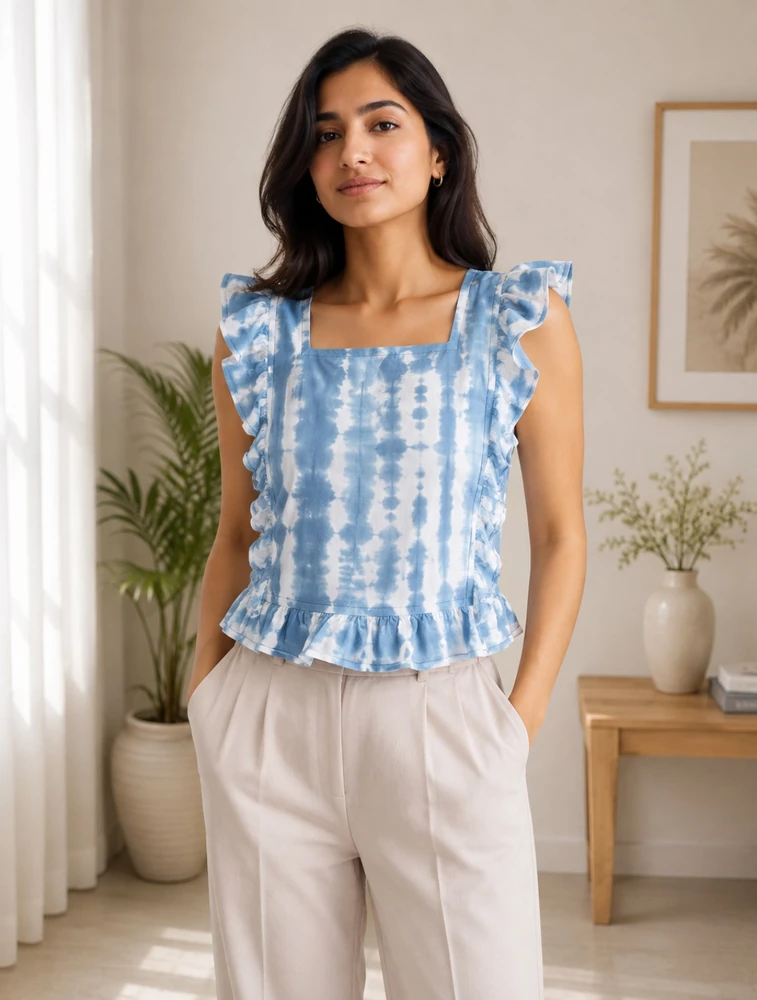
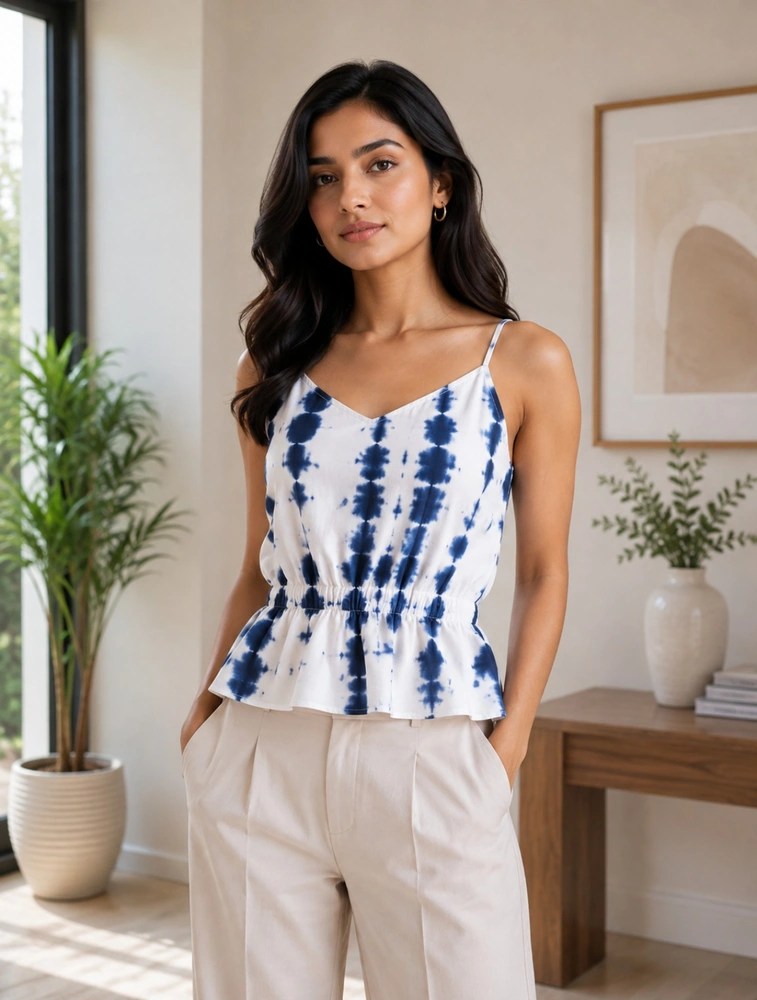
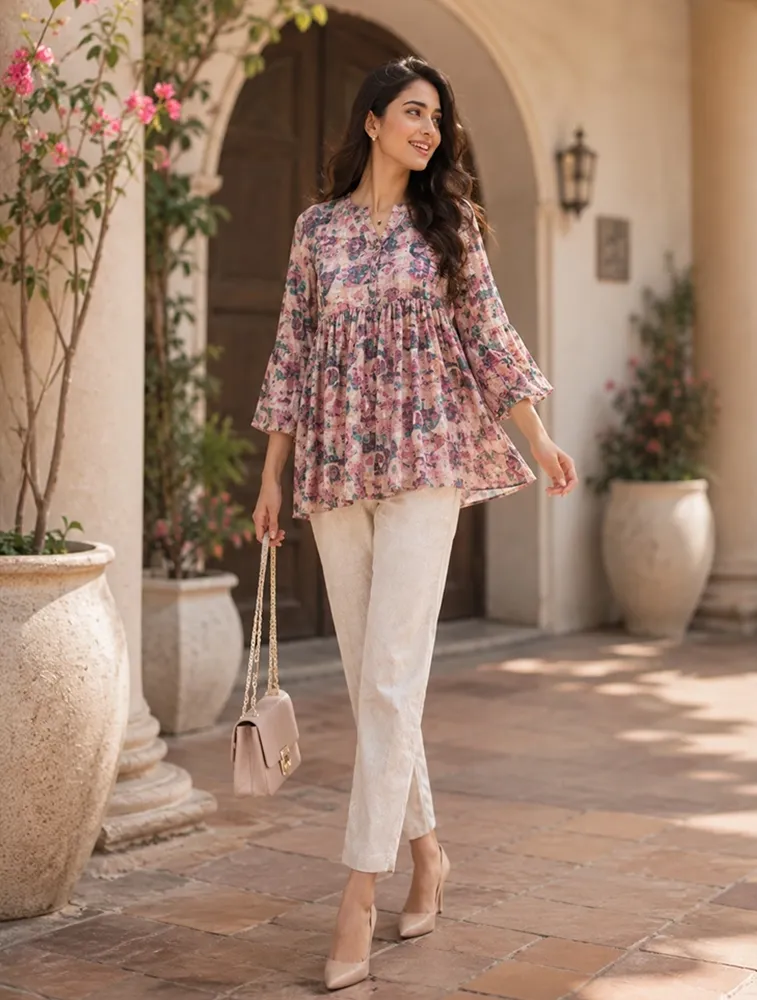
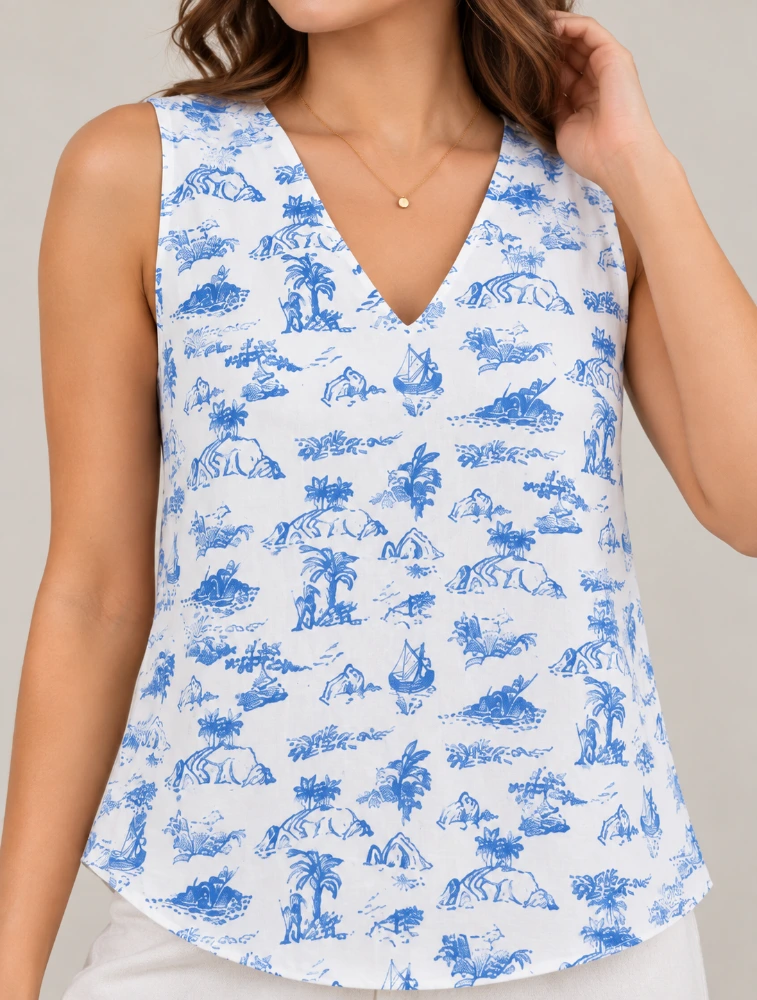

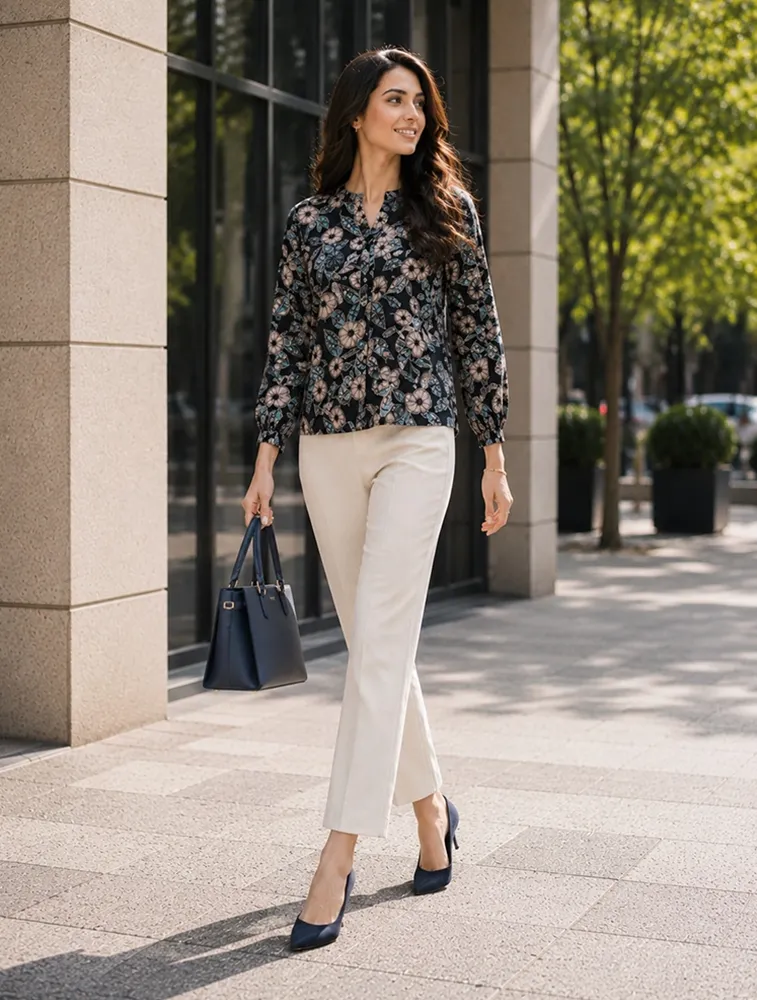

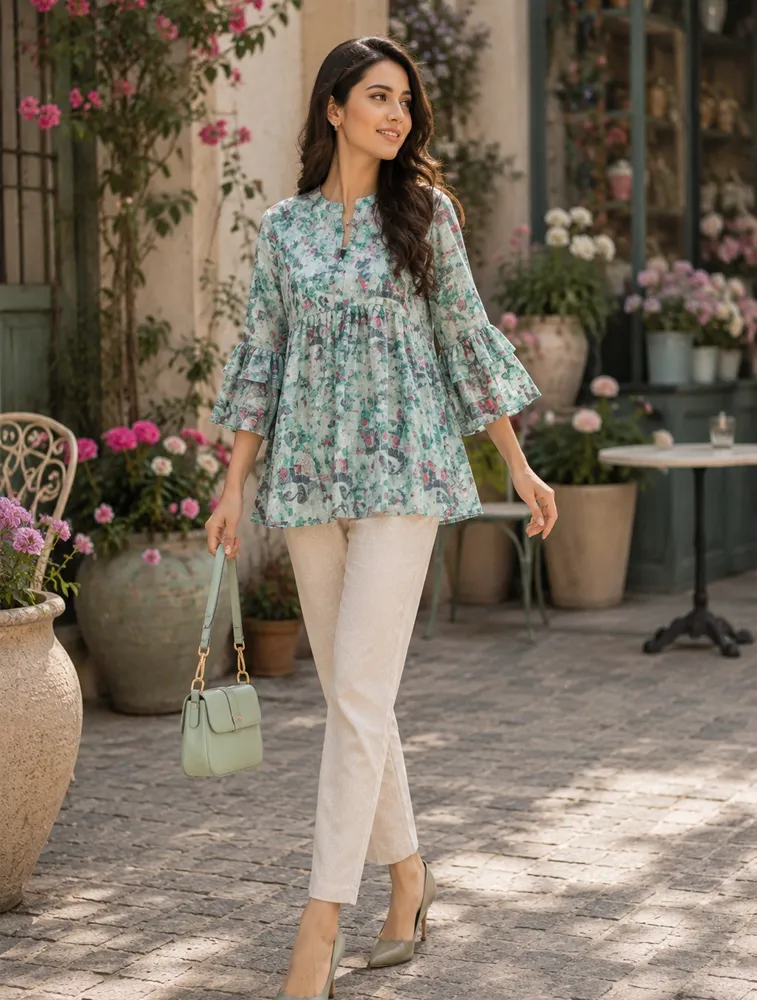
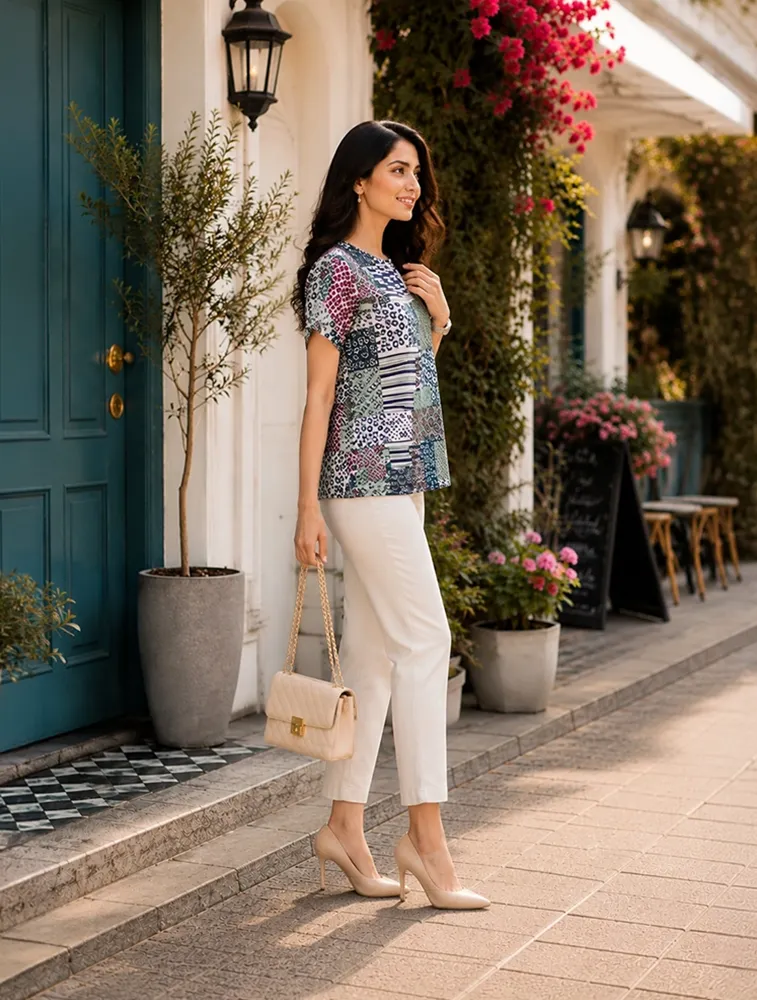
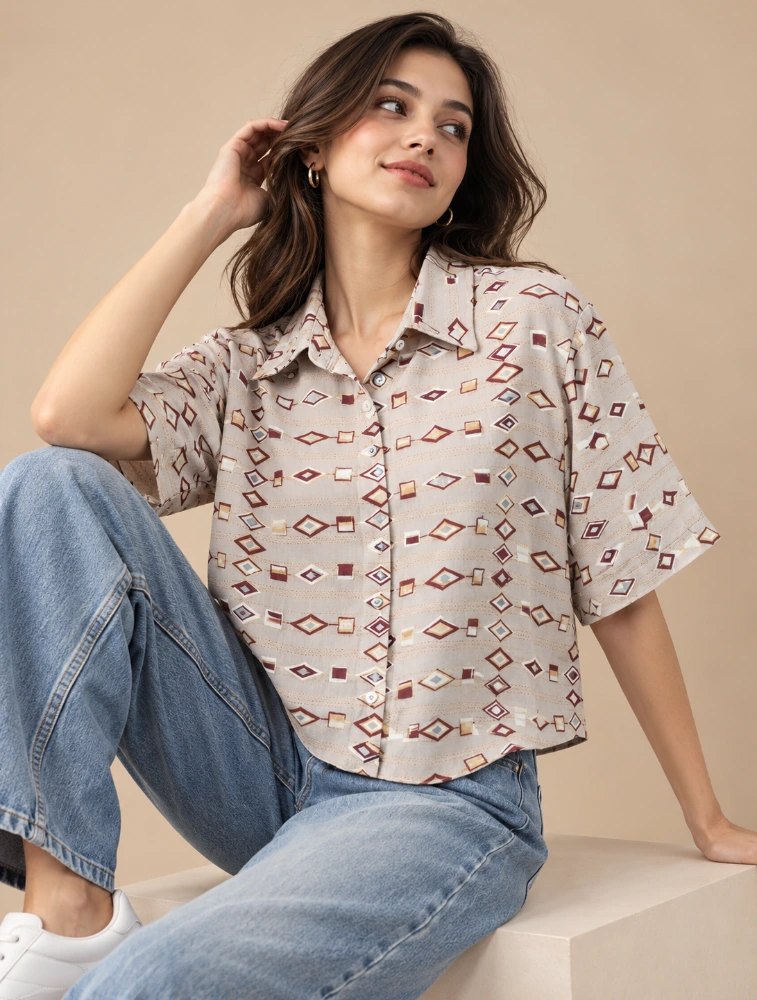
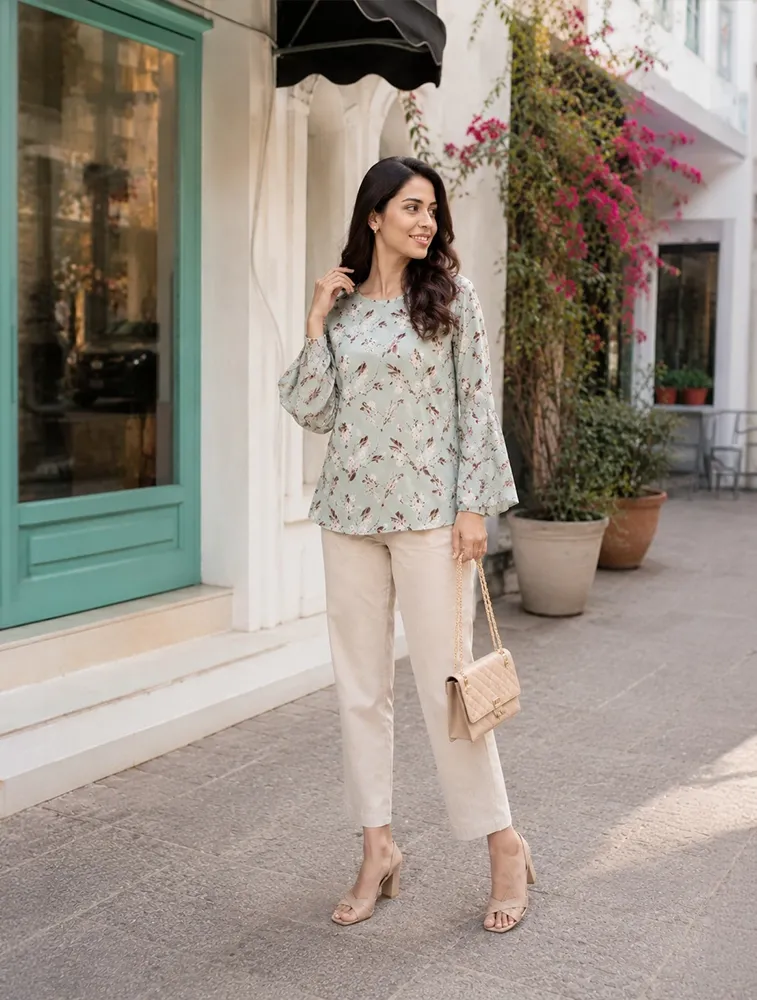
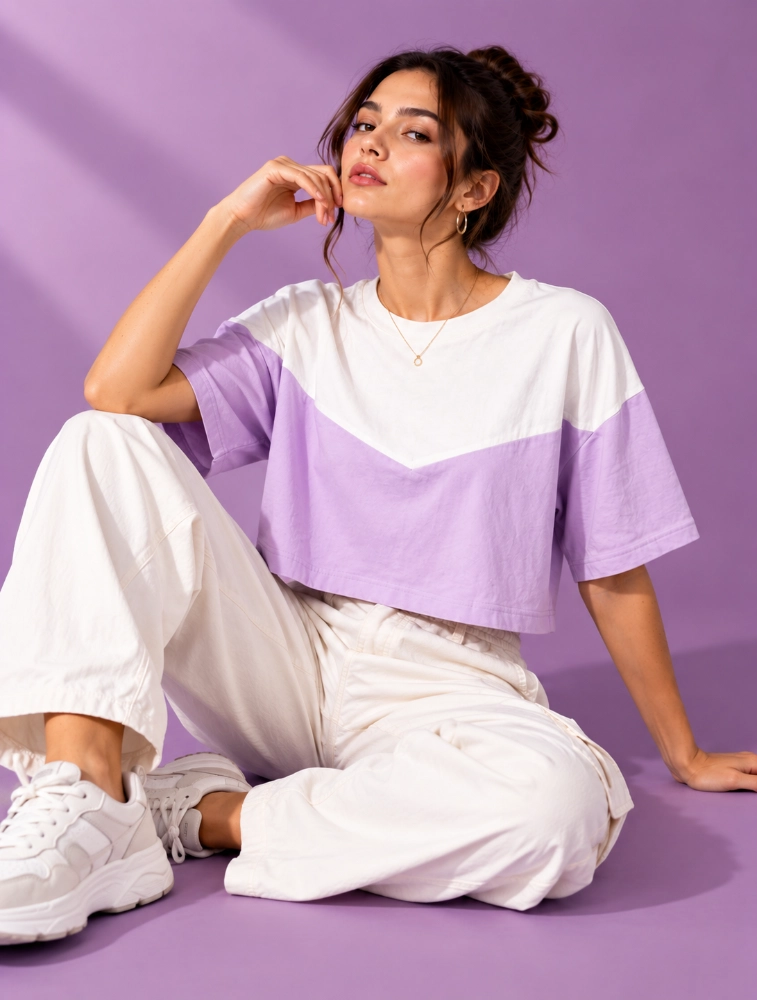
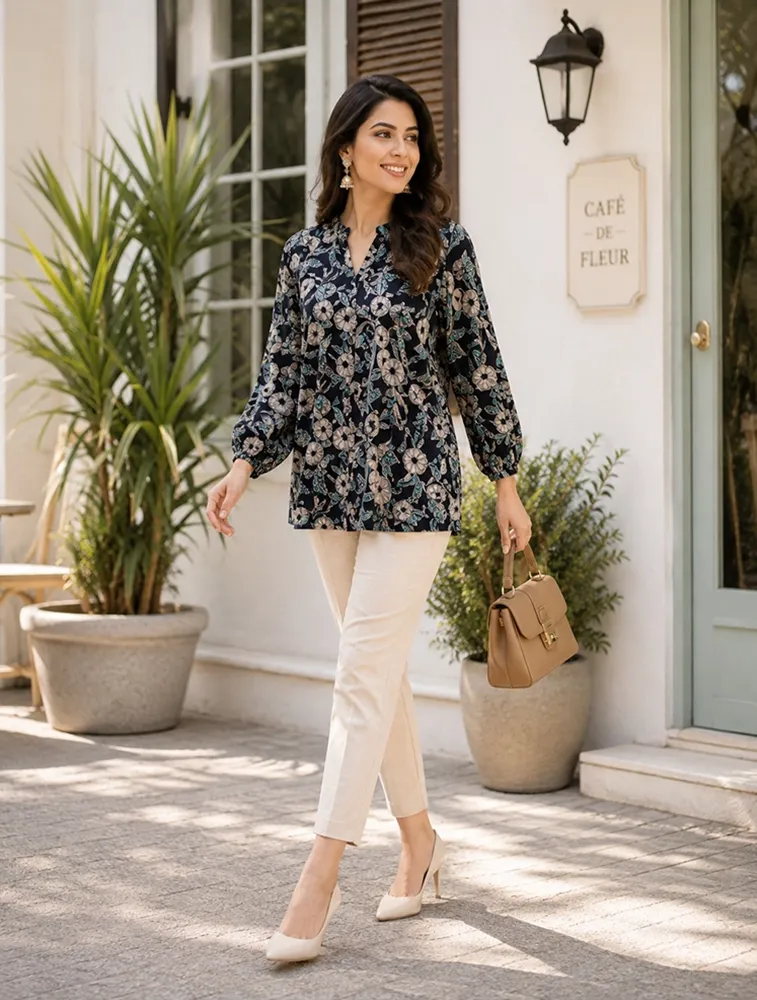
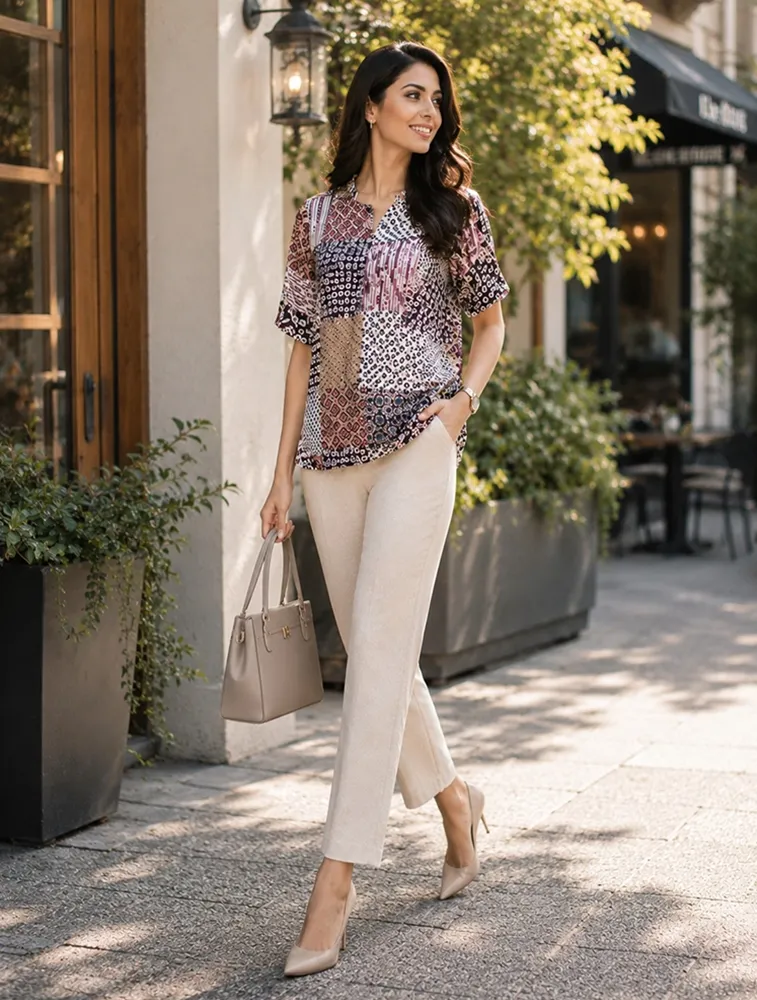
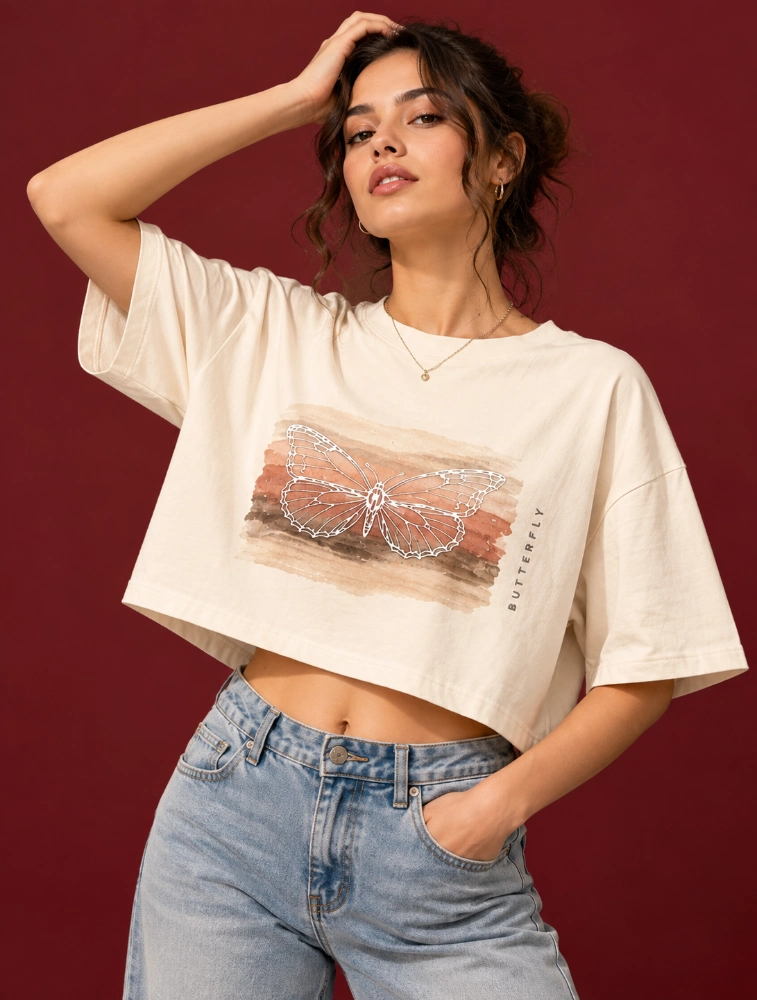
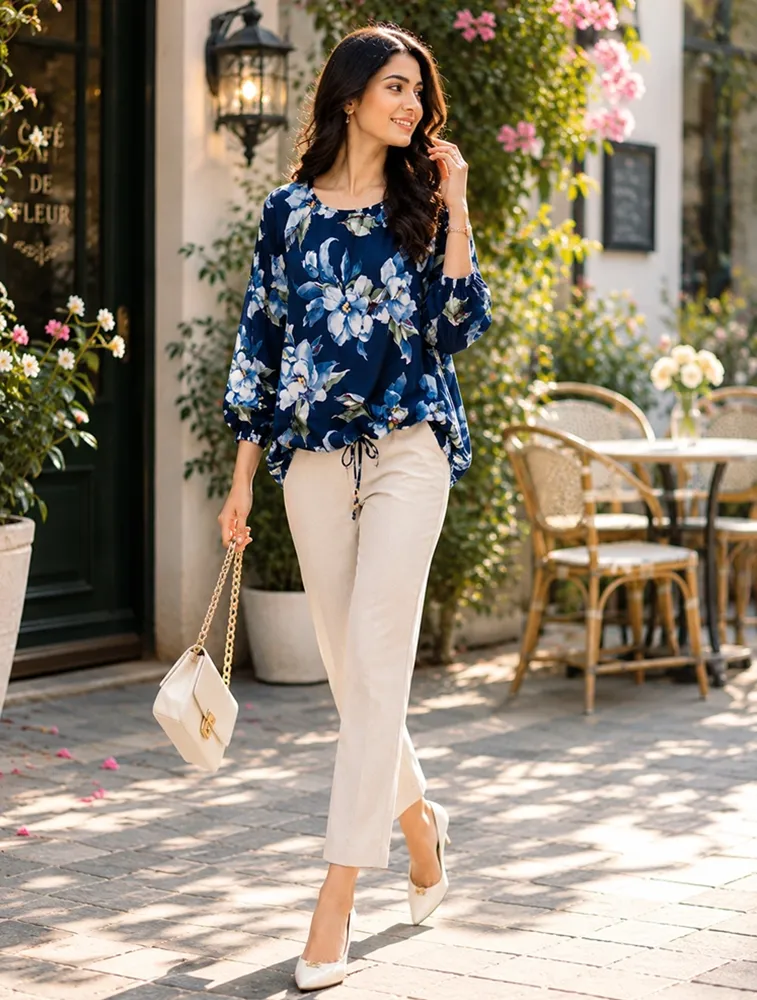
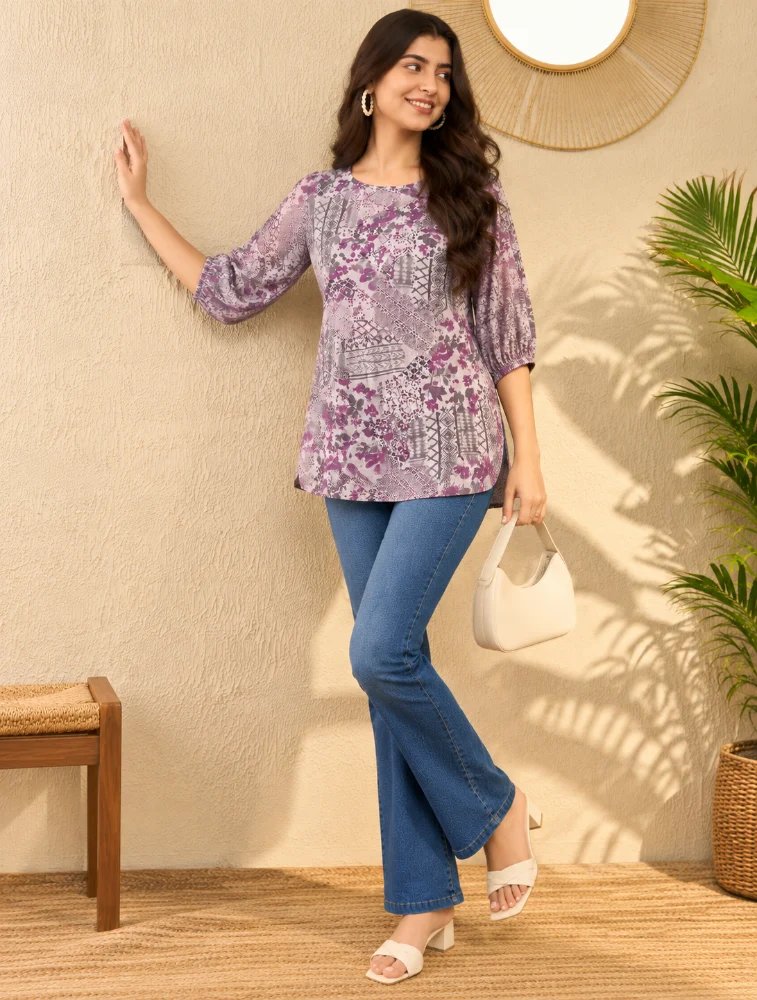
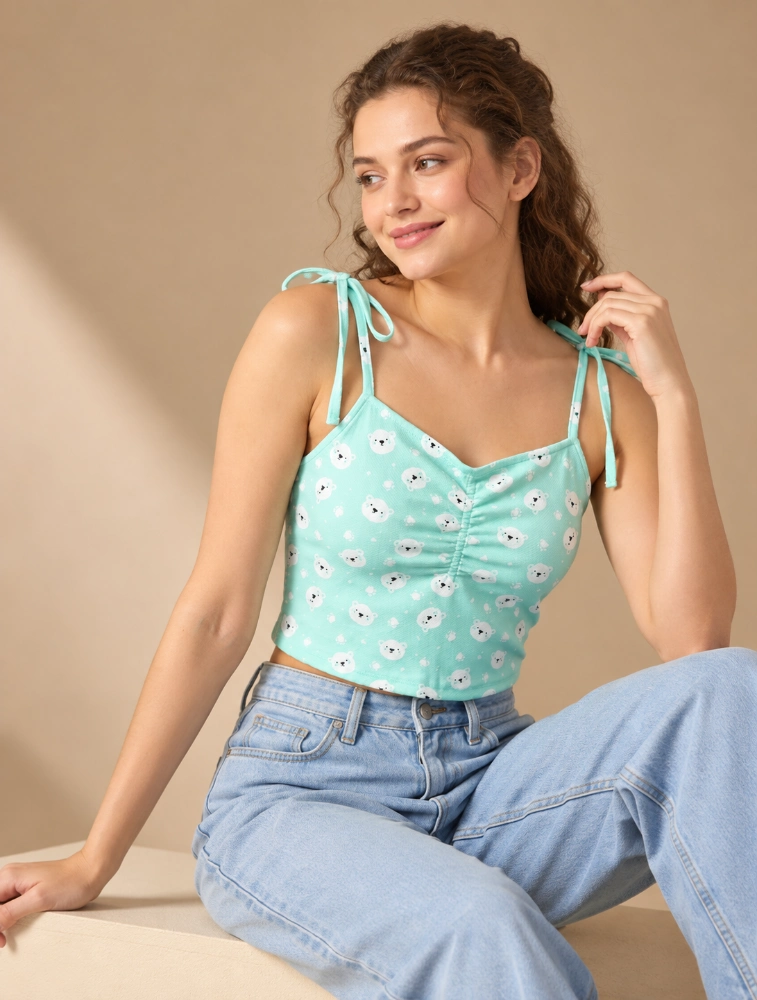
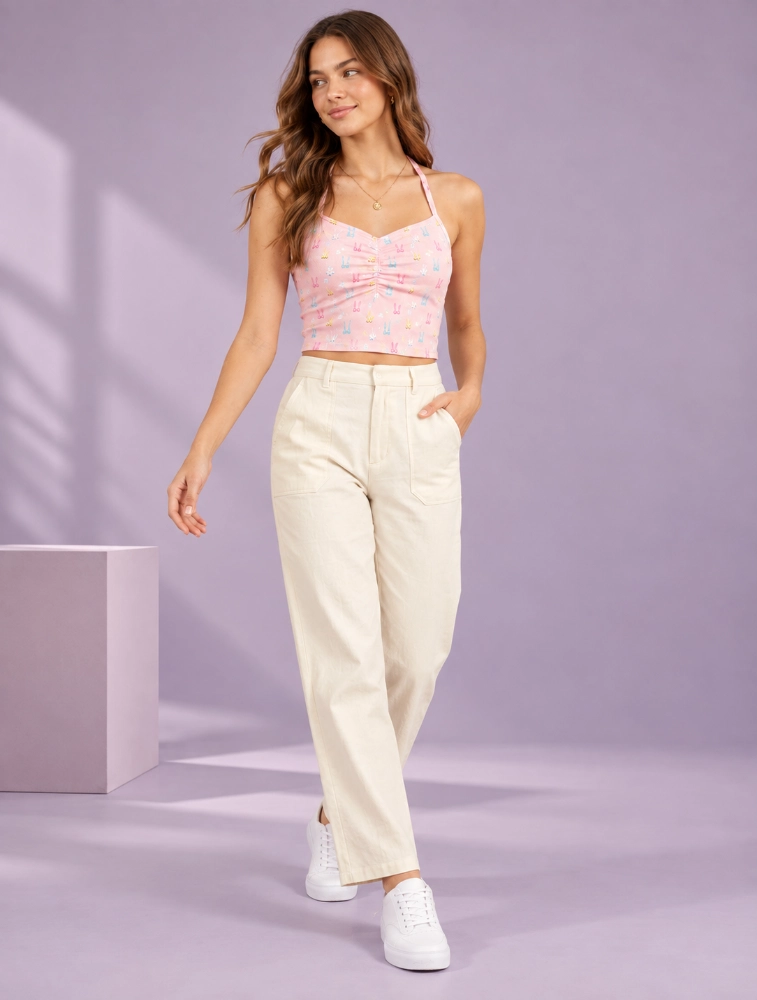
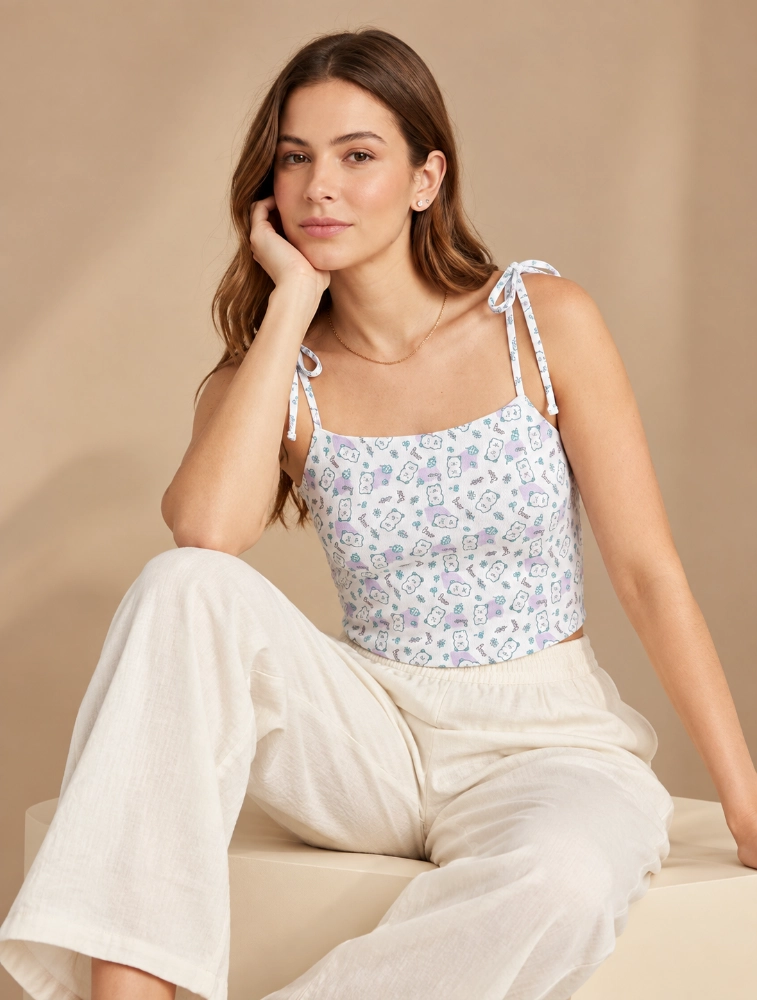
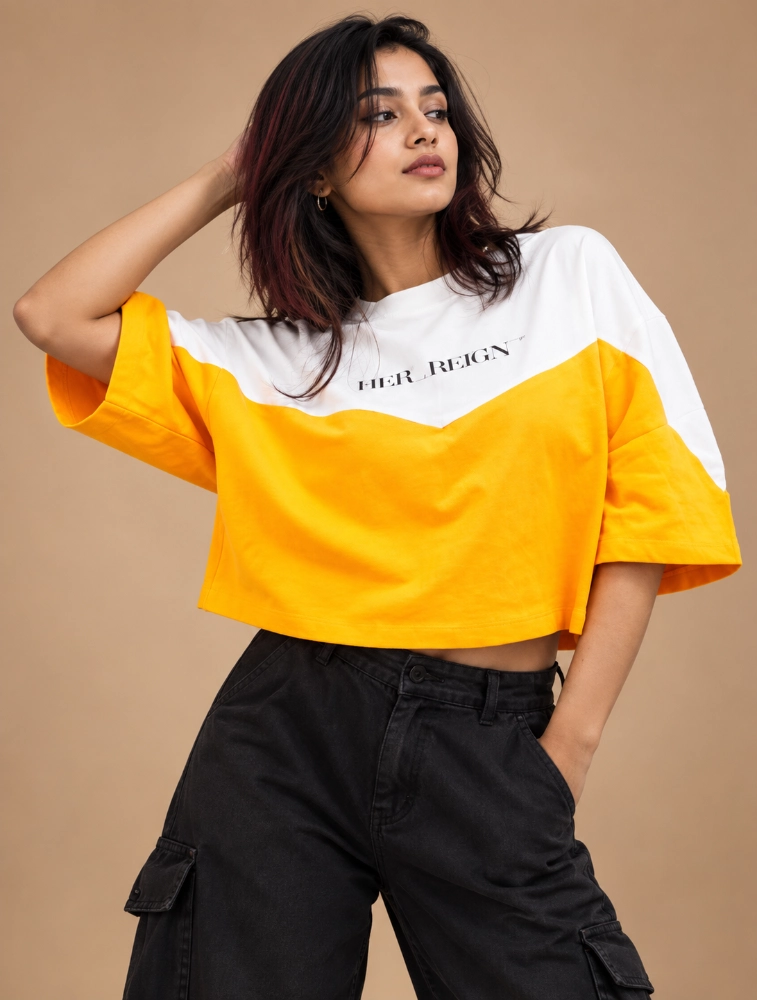
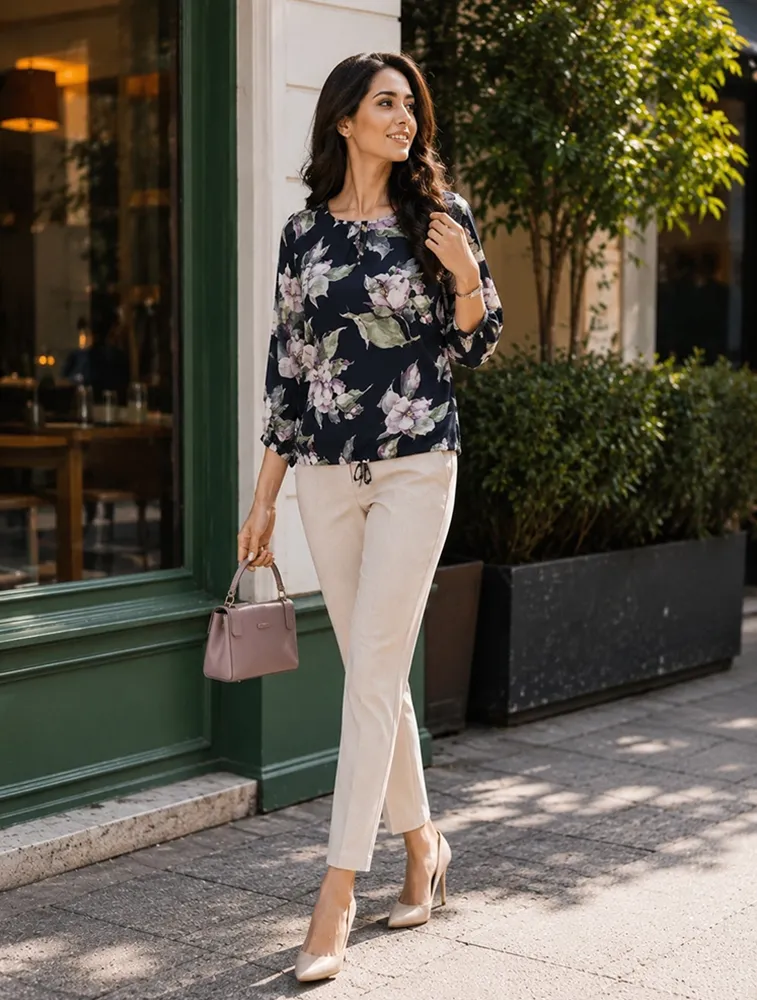

Page 1 of 2
Bulk women western tops for every use case
Brand-ready women western tops for corporate, retail, uniforms and large custom programmes — sourced across partner factories with published prices.
Corporate & events
Brand-ready women western tops for offsites, launches and conferences.
Get quote →
Uniforms & programmes
Consistent supply for schools, factories and frontline teams.
Corporate uniforms →
Own brand / resale
Unbranded or private-label stock for retail brands.
Launch your store →
Large custom runs
Contract manufacturing for high-volume programmes.
Contract manufacturing →Bulk women western tops — frequently asked questions
Three of the tops I opened do not say what they are made of. Does that matter for a bulk order?
Yes, and it stops the order before it starts. Every tariff item under both women's blouse headings splits by fibre, so a shipping document cannot be completed without it. Four sampled pages published one fibre word between them. Ask for the composition as percentages in writing, and take your own advice on the label.
What the four sampled pages actually publish
On SKUFACTORI8800, SKUFACTORI8810 and SKUFACTORI8827 the specification table runs Color, Pattern, Fit, Style, Neckline, Sleeve Type, a length or hemline row, Occasion, and one row headed “Fabric Feel” whose value is “Soft and Comfortable”. There is no fabric row and no fibre row at all. On SKUFACTORI8792, the Rs 706 article at the top of the range, a Fabric row does appear, and its entire value is the single word “Polyester”. That is one fibre word across four pages, no percentage anywhere in the category, and no test report referenced on any article.
Why the schedule cannot be filed without a fibre
Look at where a women's top actually lands. If it is knitted, heading 6106 of the Customs Tariff covers women's or girls' blouses, shirts and shirt-blouses, knitted or crocheted, and every tariff item beneath it is a fibre: 6106 10 00 of cotton, 6106 20 10 of synthetic fibres, 6106 20 20 of artificial fibres, 6106 90 10 of silk, 6106 90 20 of wool or fine animal hair, 6106 90 90 of other textile materials. If it is woven, heading 6206 covers women's or girls' blouses, shirts and shirt-blouses, and it splits the same way: 6206 10 10 of silk, 6206 20 00 of wool or fine animal hair, 6206 30 00 of cotton, 6206 40 00 of man-made fibres, 6206 90 00 of other textile materials. There is no tariff item for soft and comfortable.
Why a single fibre word is still not enough
The schedule separates synthetic fibres from artificial ones at the eight-digit level, and the word polyester does answer that particular question, because polyester is a synthetic. What it does not answer is proportion. A cloth described only as polyester might be entirely polyester, or it might be a blend with cotton or with a regenerated cellulosic in a proportion that changes the hand, the drape, the shrinkage behaviour, the ironing temperature and the price. Without a number, a buyer has no way to check what arrived against what was ordered, and no basis for rejecting a delivery that feels different from the sample.
What to write into the order
Name the fibre split as percentages with a tolerance, for the body cloth and separately for any contrast panel or trim. Name the test method used to verify it, and require a composition report on the production lot rather than on a development swatch. Make the approved first-article sample the physical reference the delivery is checked against, and state that a composition outside tolerance is a rejection rather than a discount. This is a description of published schedules rather than legal advice, and classification depends on the goods you actually ship, so take your own advice before you rely on any heading quoted here.
Classification, Packaging Law & ClaimsQueries Targetedwomen western tops fabric composition bulk order
Is a western top classified as knitted or as woven, and how would I even tell?
It changes the chapter. A knitted blouse or shirt sits at heading 6106; the woven one sits at 6206. Chapter 60 treats stitchbonded goods as knitted where the chain stitches are formed of textile yarn. Nothing on this page says which any top is. Take your own advice before you file.
What the two headings say
The wording is almost identical, which is exactly why the distinction is easy to get wrong. Heading 6106 reads women's or girls' blouses, shirts and shirt-blouses, knitted or crocheted, and it sits in Chapter 61, the chapter for articles of apparel and clothing accessories, knitted or crocheted. Heading 6206 carries the same list of garments without the knitted qualifier and sits in Chapter 62, the chapter for articles of apparel not knitted or crocheted. Two chapters, two duty treatments, one garment description. The only thing that decides between them is how the cloth was made.
How you tell a knit from a weave
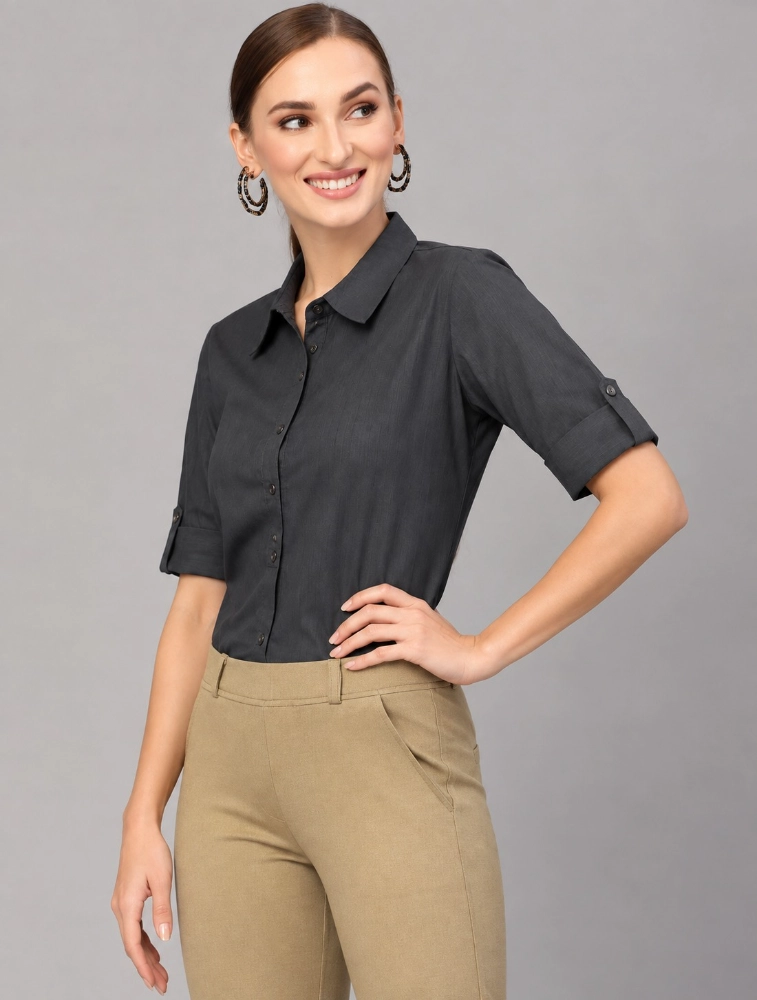
A woven cloth is two sets of yarns crossing at right angles, warp and weft, and it frays when you cut it. A knitted cloth is one yarn looped through itself, it stretches in at least one direction without any elastane present, and a cut edge curls rather than frays. On a finished top the giveaways are the seams and the hem: knits are usually overlocked and coverstitched with a stretch hem, wovens are usually plain-seamed with a turned and topstitched hem. A tunic or a shirt-collared top on this page could be either, and none of the twenty articles says.
Where Chapter 60 draws its own boundary
Chapter 60 is the chapter for knitted or crocheted fabrics, and its notes matter to a buyer because they decide what still counts as a knit. Note 3 states that throughout the schedule any reference to knitted goods includes stitchbonded goods in which the chain stitches are formed of textile yarn. Note 1 pushes several things out of the chapter altogether: crochet lace of heading 5804, knitted or crocheted labels and badges of heading 5807, and knitted or crocheted fabrics that have been impregnated, coated, covered or laminated, which go to Chapter 59. A coated knit is no longer classified as a knitted fabric.
The ten stitch test inside Chapter 61
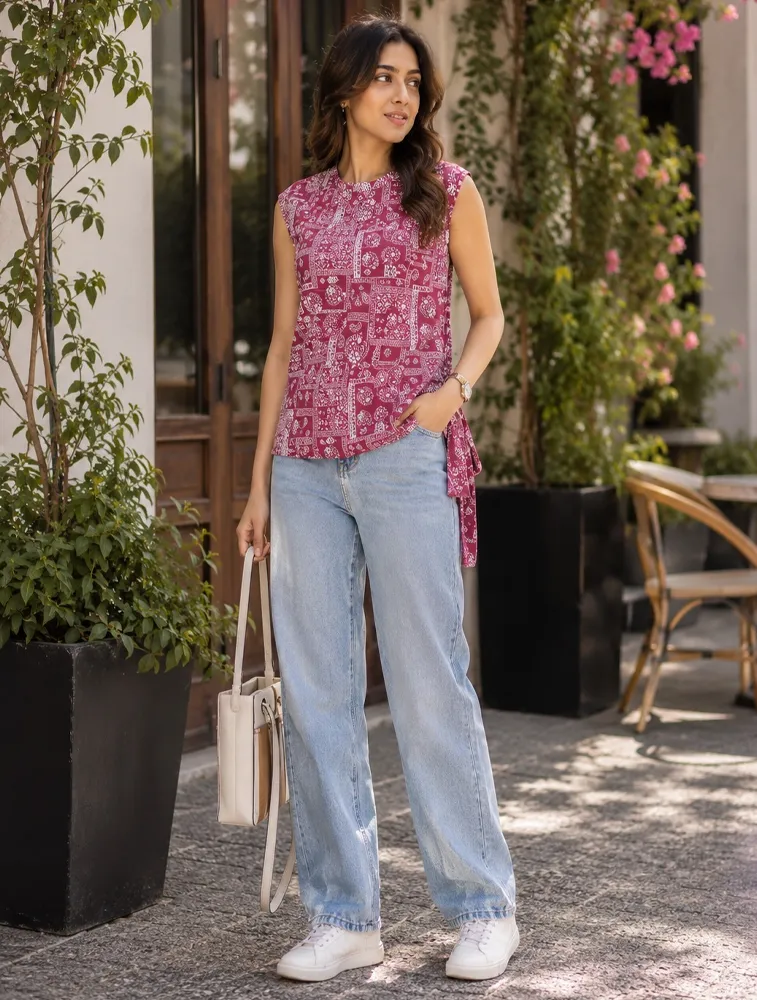
Chapter 61 carries a note that removes certain garments from headings 6105 and 6106 even when they are knitted. Note 4 excludes garments having pockets below the waist, garments having a ribbed waistband, and garments having fewer than ten stitches per linear centimetre in each direction counted on an area measuring at least ten centimetres by ten centimetres. It also excludes sleeveless garments from heading 6105. Where an excluded garment then lands depends on the garment, and that is a call for the person filing. Note the relevance here: two articles on this page are sleeveless side tie-up tops.
What to ask for
Ask the supplier to state, per style, whether the cloth is woven or knitted, and if knitted, the machine type and the stitch density. Put the construction in the purchase order next to the fibre split, because the two together are what a classification actually rests on. This is background on published schedules rather than legal advice, and the answer turns on the goods in front of the officer, so take your own advice before relying on it.
Classification, Packaging Law & ClaimsQueries Targetedknitted woven top classification 6106 6206
Some of these tops are cut loose enough to be unisex. Which side of the schedule do they fall on?
The women's side, by rule. Chapter 62 Note 8 states that garments which cannot be identified as either men's or boys' garments or as women's or girls' garments are to be classified in the headings covering women's or girls' garments. Chapter 61 carries the closure test that comes first. Take your own advice before you file.
The note in its own words
The schedule does not leave an ambiguous garment unclassified and it does not let the importer choose. It sets a default. Where the article in front of the officer cannot be identified as a men's or boys' garment or as a women's or girls' garment, the women's or girls' heading takes it. That is a residual rule rather than a description of the garment, which is why a supplier calling a style unisex does not by itself change anything on a shipping document.
The closure test that is applied first
Before the default is reached, the schedule looks for a front closure. Chapter 61 carries the rule that garments designed to close left over right at the front are treated as men's or boys' garments, and garments designed to close right over left at the front are treated as women's or girls' garments, unless the cut of the garment clearly indicates that it is designed for one or the other sex. So on a shirt-collared top the button placket alone can settle the question before anything else is examined.
Why it comes up on this catalogue
Look at what is actually on the page. A relaxed fit tie-up sleeve top, drawstring hem tops, patchwork casual tops and tunic tops are mostly cut without a front closure at all, so there is no placket to read and the closure test never engages. Only one article on the page is described as a collared shirt top. For everything else, if a buyer wants to sell the same style to more than one audience, the classification default is the operative rule and it does not depend on how the listing is marketed.
What this actually changes for a buyer
Three things. First, it settles which heading the specification should quote, which keeps a shipping document consistent with the purchase order. Second, it removes an argument at the border, because the rule is public and it does not turn on judgement. Third, it affects how a style should be described in a private label range, since a garment marketed as unisex still carries a women's heading, and a buyer who has told a customs broker something else will spend time correcting it later.
What to put in writing
State the construction, the closure if there is one, and the intended heading in the specification, and ask the supplier to confirm the heading they will declare on their side. Where the two differ, resolve it before production rather than at the port. Duty treatment, valuation and preferential origin all turn on facts specific to a shipment, so this is background rather than legal advice, and you should take your own advice before relying on a heading.
Classification, Packaging Law & ClaimsQueries Targetedunisex top classification women girls garments
Each top ships in a polybag. What has to be printed on the outside of it?
Rule 7 of the Legal Metrology (Packaged Commodities) Rules, 2011 governs the panel the declaration sits on. Letter height must be at least one millimetre, and letter width at least one third of the height. Nothing on any sampled page says what the bag will carry. Take your own advice on what applies to your goods.
What Rule 7 actually sets
The rule is headed principal display panel, its area, size and letter, and it works on the physical declaration rather than on the words. For very small packages, of a capacity of five cubic centimetres or less, the panel may be a card or tape affixed firmly to the package. The height of the numerals used in the declaration must not be less than the heights set out in the tables to the rule, with one table for weight and volume and a separate table for length, area or number. Letters must be at least one millimetre high, or at least two millimetres where they are blown, formed, moulded, embossed or perforated, and the width of a letter or numeral must not be less than one third of its height, with the numeral one and the letters i, I and l excepted.
Declaring a garment by number
A top is sold by count rather than by mass, and the rules accommodate that directly. The rule on the manner of declaration requires quantity to be expressed in a unit that gives accurate and adequate information to the consumer, and permits mass, length, area, volume or number as appropriate to the commodity. That is why the table covering length, area or number exists at all. A related rule requires that the weight of wrappers and materials other than the commodity be excluded from the net quantity, so the polybag itself never counts.
What this page leaves off entirely
Every sampled page has the same packaging paragraph pattern: the garment is packed in a premium polybag and the package contains one top along with the product tag and care instructions. That is a description of the pack, not a declaration. Nothing on any of the four pages states a country of origin, a manufacturer or packer name and address, a net quantity expressed as a number, a month and year of packing, or a consumer care contact. On a garment that will reach an end customer in the same bag it left the factory in, those are the fields that decide whether the pack is saleable in the destination it is going to.
What to require before production
Ask for a printed proof of the polybag artwork and approve it in writing, exactly as you would approve a first-article sample. Require the declaration on the outer bag rather than only on a swing tag, since a tag can be removed. Where you are relabelling for your own brand, agree which party prints what and get that into the order. Requirements differ by destination and by who the buyer is, this is a description of published rules rather than legal advice, and you should take your own advice on what applies to your goods.
Classification, Packaging Law & ClaimsQueries Targetedpolybag garment declaration principal display panel
The whole category runs from Rs 635 to Rs 706. Is that really the full range?
Yes, and it is worth reading carefully. Twenty articles sit at three prices: Rs 635, Rs 636 and Rs 706. Both ends of the published range are live tiles, which is rare on this site, but the whole catalogue spans about eleven per cent, so price is not the variable here.
The three prices and what sits at each
Fourteen of the twenty tiles are priced at Rs 635. Three are priced at Rs 636. Three are priced at Rs 706. There is nothing between Rs 636 and Rs 706 and nothing above or below. For a buyer that is an unusually honest picture in one respect, because the top and bottom of the published range are both articles you can actually click on, which is not something every category on this site manages. In another respect it is a warning, because a range this flat means the page is not differentiating the goods by price at all.
The one rupee question
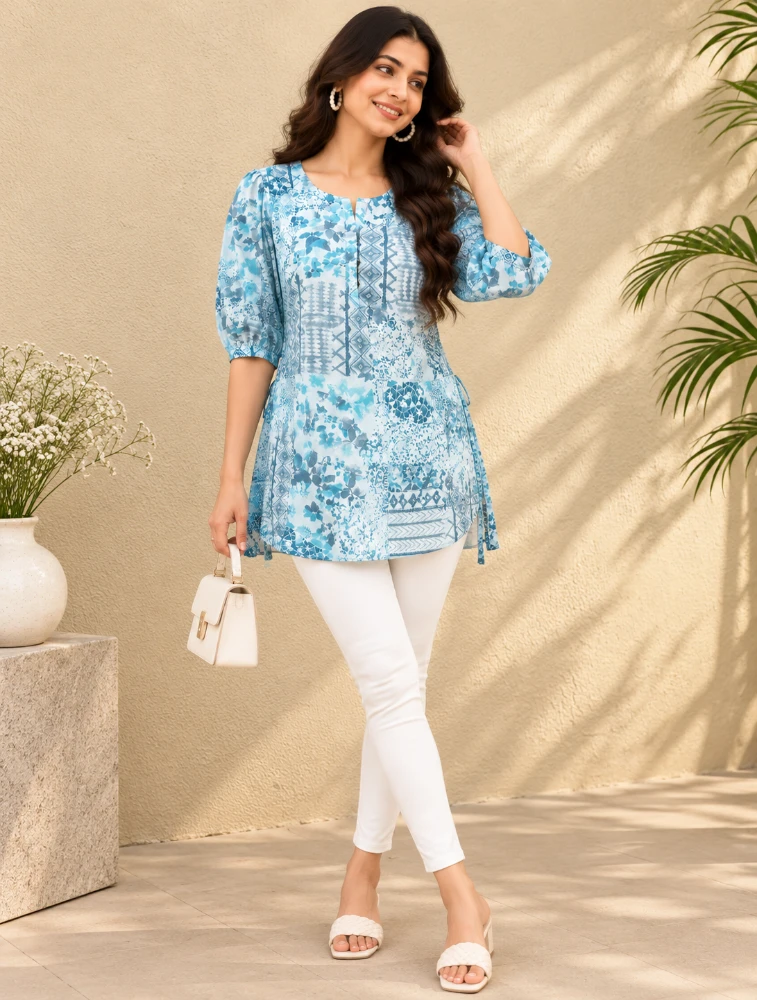
Look at what separates the two lower prices. The Sky Blue high-low top and the Pink high-low top are the same style in two colours, and they are one rupee apart. The Sage Green bell sleeve top and the Light Pink bell sleeve top are the same style in two colours, and they are one rupee apart. The Pink sleeveless side tie-up top and the Green sleeveless side tie-up top are the same style in two colours, and they are one rupee apart. A difference of one rupee is not a commercial difference. It is the residue of a rounding step somewhere upstream, and publishing it invites a question no salesperson can answer usefully. Round the colourways of a style to the same number.
What a flat band tells a buyer to do
It tells you to stop negotiating on the tile price and start negotiating on the specification, because the specification is where the real variance sits. Two tops at the same price can be built from cloths that differ substantially in weight, in fibre and in print quality, and on this category none of those three is published for any article. When price does not discriminate, the buyer has to. Ask what separates the Rs 635 articles from the Rs 706 ones in cloth terms, and expect a real answer rather than a style description.
And the number you will actually transact at
None of these three prices is a hundred-piece price. Every sampled product page prints a hundred-unit minimum and then a ladder that runs cheapest last, so the tile figure is the ten thousand piece figure. Against the minimum the page itself sets, the entry articles quote Rs 668 and the top of the range quotes Rs 743. The published range and the transactable range are two different things, and a budget tested against the wrong one will be short by a little over five per cent at both ends.
What The Page PublishesQueries Targetedwomen western tops wholesale price range bulk
One top is called Sky Blue and its colour row says Navy Blue. Which is it?
Neither is safe to order against. SKUFACTORI8800 is titled, slugged and described as a Sky Blue floral printed high-low top, and the Color row in its own specification table reads Navy Blue. Buy against a physical lab dip or an approved swatch, not against a colour name on a page.
Where the two colours sit
The contradiction is not buried. The page title reads Sky Blue Women’s Floral Printed High-Low Top. The heading on the page reads the same. The address contains the words sky blue. The opening line of the description invites you to add a touch of elegance to your wardrobe with this Sky Blue high-low top. And then the specification table, four rows down, has a field headed Color whose value is Navy Blue. Four independent places say one thing and the single structured field that a procurement system would actually read says the other. That is the worst possible arrangement, because the structured field is the one a spreadsheet import, a feed export or an ERP mapping will take.
Why a colour word is never a specification anyway
Even with the contradiction resolved, neither word would be enough. Sky blue and navy blue are ranges, not points. Two factories asked for navy will dye two different navies, and the same factory asked twice in the same year will produce two different navies unless the shade is pinned to a physical reference. On a printed article the problem multiplies, because the ground colour and each colour in the print are separate dye or pigment decisions and each drifts independently. A buyer who orders against the word navy has agreed to nothing enforceable, and will discover it at the first goods-in inspection when a second production lot sits beside the first and the difference is visible across a shop floor.
The likeliest explanation, and why it should worry you
A navy article exists on this same category page. SKUFACTORI8823 publishes as a Navy Blue Womens Floral Print Drawstring Hem Top. The most economical reading of the Sky Blue record is that it was created by duplicating an existing navy record, and the title, the address and the description were rewritten while the Color field was left behind. That is a workflow defect rather than a one-off typing error, and workflow defects repeat. If one field survived a duplication untouched, other fields on other records may have survived it too, and there is no way to tell from the outside which ones. Treat every specification value in this category as unverified until the seller confirms it in writing against the specific SKU you are buying.
What to require instead
Ask for four things before any deposit moves. First, written confirmation of the actual ground colour of the article carrying that SKU, quoting the SKU rather than the title. Second, a physical colour reference: a lab dip or a cut swatch sent to you, approved by you in writing, and retained by both sides as the standard the bulk is judged against. Third, a wash fastness result and a rubbing fastness result reported against a named test method on a named scale, issued by a named laboratory, for the actual fabric and the actual print. Fourth, a tolerance statement covering shade variation between lots and between size sets within a lot. None of these numbers are published anywhere on this page, so none of them are asserted here. They have to come from the seller and they belong in the purchase order, not in a conversation.
What The Page PublishesQueries Targetedsky blue navy womens printed top colour
Two tiles have exactly the same name. Are they the same top?
No. SKUFACTORI8810 and SKUFACTORI8827 both publish as a Pink Womens Floral Printed Tunic Top at the same price, and both addresses share the same wording before the SKU. Open them and one has a round neck with regular sleeves, the other a split neck with bell sleeves. They are different garments.
The two records side by side
Both articles sit on the same category grid at the same shelf price. Both carry the same page title, the same heading, the same Fit value of Regular Fit, the same Style value of Tunic Top, the same Length value of Tunic Length and the same Occasion list of casual, office and daily wear. Both publish the same five size letters and the same three-step price ladder. The only fields that differ are the two that define the garment: Neckline, which reads Round Neck on one and Split Neck on the other, and Sleeve Type, which reads Regular Sleeves on one and Bell Sleeves on the other. A round-necked regular-sleeved tunic and a split-necked bell-sleeved tunic are not colourways of one style. They are two styles that happen to be the same colour.
Why identical titles hurt the seller
Two addresses carrying the same title, the same heading and near-identical body copy are two pages competing for one query. A search engine choosing between them has almost nothing to separate them on, so it picks one and suppresses the other, or it splits the signals and ranks neither well. The same problem reaches the generative engines: an assistant asked about a pink printed tunic top from this catalogue has two indistinguishable candidates and no basis for preferring either, so it either picks arbitrarily or hedges. Every duplicate pair in a catalogue is a small self-inflicted ranking tax, and the fix is not technical. It is editorial. The two titles have to describe the two different garments.
Why they hurt the buyer more
The seller loses a little visibility. The buyer risks a wrong shipment. Imagine a first order placed by title, a fit session that approves the sample, and a reorder placed six months later by the same title against a different member of the seller’s team. Nothing in the title, the price, the fit, the style, the length or the occasion list distinguishes the two records. The reorder can land as bell sleeves against a round-neck approval, and the discrepancy will not be visible until the cartons open. On a hundred-piece minimum that is an argument. On a several-thousand-piece programme with a retail launch date behind it, it is a season.
What to do about it in practice
Order by SKU and only by SKU. The SKU token is the one element of these two records that is unambiguous, it appears in the address, and it appears on the page. Write it into the purchase order, into the proforma, into the specification sheet, into the sample approval and into the packing list, and require the seller to print it on the polybag label and the outer carton. Ask the seller to confirm in writing that the SKU you quoted corresponds to the neckline and sleeve type you approved. Where a first article has been approved, reference the approval by SKU and by the date it was signed, so the reorder is anchored to a physical garment rather than to a form of words that two different garments share.
What The Page PublishesQueries Targetedduplicate product title pink tunic top listing
Is there any fabric weight or cloth description published for these tops?
No. Not one of the twenty articles publishes a weight in grams per square metre or a garment weight, and on three of four sampled pages the only cloth field is a row headed Fabric Feel whose value is Soft and Comfortable. That is an adjective. It cannot be inspected, measured or enforced.
Why weight is the first number on a top
Fabric weight decides most of what a buyer actually cares about on a light woven or knitted top. It decides opacity, which decides whether the garment can be worn to an office without a layer under it. It decides drape, which decides whether a tunic hangs or clings. It decides how a print sits on the ground cloth. It decides how the garment behaves after ten washes. It decides the shipping weight, which decides the freight cost on a full container. Two tops made from the same fibre at different weights are different products at different prices, and a quotation that omits the weight has left out the variable that most affects the cost.
What the tariff schedule does with weight
Weight is not only a commercial variable. It appears in the structure of the customs schedule itself. In Chapter 60 of the Indian customs tariff, which covers knitted or crocheted fabrics, heading 6004 is defined by reference to fabrics of a width exceeding thirty centimetres containing by weight a stated minimum proportion of elastomeric yarn or rubber thread, other than those of heading 6001. Whether a given cloth falls inside or outside that heading is therefore a question of a weight proportion, not of a description. This is offered as general information about how the schedule is arranged and is not customs advice; classification of your specific goods should be confirmed with your customs broker or a qualified adviser before a shipping document is filed.
The opacity problem in particular
Eighteen of the twenty articles on this category are printed or patchwork rather than solid. A print can disguise a thin ground cloth in a photograph and cannot disguise it on a shop floor. Light printed tops are the single most common category for opacity complaints, and opacity is a function of weight, construction and finish, none of which is published here. The one page in the sample that names a fibre at all names it as a bare word with no percentage and no weight beside it, which tells you the fibre family and nothing about the cloth. A buyer selecting for an office-wear programme or a retail assortment has no published basis on which to judge whether these garments will need a lining or a camisole under them.
What to write in
Require the seller to state the cloth weight in grams per square metre, with a tolerance, measured to a named test method, for each fabric quality in the order. Require the construction alongside it: knitted or woven, and for a woven cloth the yarn counts and the ends and picks per unit length. Require the fibre split as percentages rather than a fibre word. Require an opacity statement or, more practically, an approved physical handloom or sample garment held by both sides as the standard. Then require that the first production article be measured against those figures before bulk cutting begins. No weight is stated in this answer because none is published on this category, and a number invented here would be worth less than the blank it replaced.
What The Page PublishesQueries Targetedtop fabric weight gsm published specification
One page says the fabric keeps its colour and shape after repeated washes. Can I rely on that?
Not as written. That sentence appears in the Care Guidelines block of SKUFACTORI8810, a page that publishes no fibre, no weight, no fastness grade, no shrinkage figure and no test method. A durability sentence with nothing measurable behind it is marketing copy. Ask for grades against named methods instead.
What the sentence says and where it sits
The page states, in its own words, that the durable construction and quality stitching ensure long-lasting use, while the easy-care fabric helps maintain its color, print, and shape after repeated washes. That is quoted here as the listing’s own wording, not as a specification. It sits inside a block headed Care Guidelines, which is the place a buyer looks for a washing instruction, and it is the only content that block holds. So the field that should carry the enforceable instruction instead carries an unenforceable promise, and the promise covers three separate performance properties at once: colour, print and shape.
What a colour claim has to be attached to
Colour performance is not one property. It is a family of them, and each is tested differently: fastness to washing, fastness to rubbing dry, fastness to rubbing wet, fastness to light, fastness to perspiration. Each is reported as a grade on a defined scale, produced by a defined procedure, in a report that names the method, the laboratory, the date and the sample. A claim that a fabric maintains its colour, with no property named, no scale named, no method named and no report referenced, is not a claim anyone can hold the seller to. No grade is stated in this answer because none is published on this page, and quoting a plausible one would be worse than quoting none.
What a shape claim has to be attached to
Shape retention after washing means dimensional stability, and dimensional stability is reported as a percentage change in length and in width after a stated number of wash cycles under a stated procedure, measured against marked points on the garment. The permitted change is a number the buyer sets and the factory accepts. On a tunic-length top, a small percentage of length shrinkage is the difference between a garment that covers as designed and one that does not, and the customer notices it at the second wash rather than at goods-in, which is exactly when it is most expensive to discover. Again, no figure is published here and none is supplied.
Why this category is particularly exposed
Eighteen of the twenty articles are printed. Print is where colour claims fail first, because the pigment or dye sits differently on the surface than the ground shade does, and a print can crock onto a seatbelt, a bag strap or a light-coloured skirt long before the ground shade fades. This category publishes no fastness grade of any kind on any article. So the one written durability statement in the sample sits on the category least able to support it. Require the grades, require the methods, require the report against the actual print and the actual ground, and make the approved figures a condition of the order rather than a line in a description.
What The Page PublishesQueries Targetedcolour retention shrinkage claim printed top wash
What are the actual washing instructions for these tops?
There are none published. All four sampled pages carry a section headed Care Guidelines, and on all four it holds product-feature prose rather than a single washing instruction. No temperature, no bleach rule, no ironing rule, no drying rule. The packaging text says a care instruction ships in the bag.
What the four sections actually contain
On the Sky Blue high-low top the Care Guidelines block opens by saying the garment is designed for women who love combining comfort with modern fashion, and continues in that register. On the pink tunic it carries the durability sentence discussed elsewhere in this set. On the duplicate-titled pink tunic and on the navy relaxed-fit top the block again holds feature description. Across four pages and several hundred words of text under a heading that promises care instructions, the number of washing instructions published is zero. This is not a case of thin care data. It is a case of a field being reused for a different purpose entirely, which is worse, because a buyer scanning the page sees the heading and assumes the content matches it.
The one place care data does appear
Every sampled page contains a packaging paragraph stating that the package contains the top along with the product tag and care instructions. So a care label physically exists, is printed, and travels inside the polybag with the garment. It is simply not published on the page. That is an easy defect to fix and an expensive one to leave, because the information already exists in the factory’s file. Publishing it costs one field. Withholding it means every buyer has to ask for it, every buyer asks slightly differently, and the answers vary between salespeople.
Why a full care code matters to a bulk buyer
For a corporate or institutional buyer the care code is not a nicety, it is the basis of the total cost of ownership. A garment that can be machine washed warm and tumble dried costs a fraction over its life of one that must be washed cool and line dried flat, and for an organisation issuing garments to staff the difference lands as a laundry contract line item. For a retailer, the care label is a labelling obligation and a returns-management tool: a customer who ruins a garment following no instruction returns it, and a customer who ruins it ignoring a clear instruction usually does not. For a wholesaler, incomplete care data blocks onward supply to any customer with a compliance checklist.
What a complete care instruction contains, and what to require
A usable care instruction covers washing method and maximum temperature, whether bleach may be used and of what type, drying method including whether tumble drying is permitted and at what heat, ironing permission and maximum plate temperature, whether professional cleaning is permitted and by which process, and any special note the article needs, such as washing a deep printed shade separately for the first cycles or washing inside out to protect a print. Require the seller to supply the exact care label artwork for each SKU before production, require the label to be sewn in rather than only hang-tagged, and require a copy of the label to be attached to the approved first article so the bulk can be checked against it.
What The Page PublishesQueries Targetedwashing care instructions womens top bulk
Each page prints three prices for the same top. Which one will I actually pay?
The tier that matches your quantity, and on every sampled page the tiers run cheapest last. The tile price is the ten thousand piece price. Against the hundred unit minimum each page also prints, the number that applies is Rs 668 on the entry articles and Rs 743 at the top of the range.
How to read the ladder
Each sampled product page publishes the shelf figure followed by the word Onwards, then a minimum order quantity of a hundred units, then three quantity bands. On the entry articles the bands read Rs 668 for a hundred to nine hundred and ninety-nine pieces, Rs 655 for a thousand to nine thousand nine hundred and ninety-nine, and Rs 635 above ten thousand. On the article at the top of the range the same shape appears at Rs 743, Rs 728 and Rs 706. The figure printed on the category tile is the last one in each ladder. So the number that draws the buyer in is the number reserved for the largest order the page contemplates, and the number the buyer will actually transact at is the first one.
The entry premium
The gap between the hundred-piece tier and the headline is a little over five per cent on both sampled ladders, and it is consistent enough across the two that it looks like a rule rather than an accident. Five per cent is not a large premium by the standards of this trade, and a buyer who understands it is being quoted a volume price can plan around it easily. A buyer who does not, and who builds a landed-cost model on the tile figure, will find the model short at the first proforma. That is a briefing failure rather than a pricing failure, and it is entirely avoidable by reading the ladder on the product page rather than the number on the grid.
What the tier price does not include
The ladder covers the garment. It does not cover the things a bulk order usually needs. Custom colour work, a woven neck label, a printed brand tag, a custom hang tag, custom polybag printing, size-set sampling, a first-article approval round, testing at an external laboratory, non-standard packing ratios, freight and taxes all sit outside it. Ask for each of these as a separate line in the quotation rather than folding them into a per-piece figure, because a folded figure cannot be compared against a competing quotation and cannot be renegotiated at reorder when the setup costs have already been paid once.
A worked sanity check, and the contradiction to record
For a five hundred piece programme on an entry article, the applicable tier is the hundred to nine hundred and ninety-nine band, so the garment cost is five hundred at Rs 668. Nothing on the page moves that to the tile figure, and a quotation that arrives at the tile figure for five hundred pieces should be queried rather than celebrated, because something else has usually been removed to reach it. One contradiction is worth writing into your file at the same time: the live FAQ block on this category says ready-stock items can typically be ordered from a single piece, while all four sampled product pages print a minimum order quantity of a hundred units. Get the applicable minimum confirmed in writing for the specific SKUs you are buying.
ProcurementQueries Targetedquantity tier price women top hundred units
Every page lists S to XXL. What does that actually commit the factory to?
Nothing measurable. All four sampled pages publish the same five letters and none publishes a body measurement or a finished garment measurement in inches or centimetres. A letter is a label, not a dimension, and two factories will cut the same letter differently. Ask for a measurement chart before you commit.
What is published and what is not
The good news first: a size chart is present on all four sampled pages, which is more than several categories in this catalogue manage, and the five letters are consistent across all four. What is absent is everything that would give those letters meaning. There is no bust measurement, no waist measurement, no hip measurement, no garment length, no shoulder width, no sleeve length, no chest measurement taken flat, and no tolerance against any of them. A buyer approving this chart has approved a list of letters and has agreed to whatever dimensions the factory happens to associate with them.
Why western tops are worse than most
On a fitted garment the ease is small and the letter carries a reasonable amount of information. On this catalogue the fits are described as regular and relaxed, the lengths as tunic and high-low, and the styles include drawstring hems, bell sleeves and tie-up sleeves. Every one of those is a design decision about how much cloth sits away from the body, and none of them is implied by a letter. A relaxed-fit large and a regular-fit large from the same factory can differ by several inches around the body, and neither is wrong. Without the numbers there is no way to know which one you have bought until it arrives.
The reorder problem
The first order can be corrected. A buyer receives the goods, measures them, decides they run small and adjusts the size ratio on the next order. What cannot be corrected is a silent change between orders. If the factory changes a pattern block, or the seller sources the same style from a different factory, the letters stay the same and the garments do not. The customer notices, the returns rate moves, and nobody can point at a document that was breached, because no document ever carried a number. A measurement chart with tolerances is the only thing that makes a reorder a repeat rather than a fresh gamble.
What a usable chart contains, and what to do with it
Require a finished garment measurement chart, size by size, giving at minimum the chest or bust measured flat and doubled, the full garment length from the high point of the shoulder, the shoulder width, the sleeve length where sleeves are present, the hem sweep on high-low and tunic styles, and the neck opening. Require a tolerance against each measurement, because a chart without tolerances cannot be failed. Agree the size ratio explicitly rather than accepting an even split across five letters, since a real population is not evenly distributed. Then measure the approved first article against the chart yourself, in your own office, before bulk cutting starts, and keep that garment sealed as the reference for every subsequent delivery.
ProcurementQueries Targetedwomens top size chart measurements bulk sizing
Given how little this page publishes, what has to go into the written order?
Everything the page leaves out. The fibre split as percentages, the construction, the cloth weight, a colour reference with a lab dip, fastness grades against named methods, a measurement chart with tolerances, a full care code, the piece count and the origin and packer details on the outer.
The specification block
Open the order with the identity of the goods. Name the SKU, not the title, because two records on this category share a title. State the fibre composition as percentages summing to one hundred, not as a fibre word. State whether the cloth is knitted or woven, and give the construction detail appropriate to whichever it is. State the cloth weight with a tolerance and the method by which it will be measured. State the finish. Every one of these is absent from the published pages, which means every one of them is currently at the seller’s discretion, and discretion at the specification stage becomes a dispute at the inspection stage.
The colour and fastness block
Attach a physical colour reference to the order and reference it by number and date. Require a lab dip approved in writing before bulk dyeing, and state that the approved dip is the standard against which the bulk will be judged. Require fastness results against named methods for washing and for rubbing both dry and wet, issued for the actual fabric and the actual print, from a named laboratory, and state the minimum acceptable grades yourself rather than waiting to be told what the factory can reach. State the permitted shade variation between lots and within a lot, and state what happens commercially if it is exceeded.
The size, fit and care block
Attach the finished garment measurement chart with tolerances and make it a contractual annexe rather than an email attachment. State the size ratio. Require a size-set sample covering every letter before bulk, not a single-size sample. Require the exact care label artwork for approval, require the label to be sewn into the garment, and require it to carry the full care code rather than a general instruction. Require a first article, approve it in writing, seal a reference garment on both sides, and state that bulk cutting may not begin before that approval is signed.
The labelling, packing and commercial blocks
None of the sampled pages declares a country of origin, a manufacturer or packer name and address, a net quantity, a month of packing or a warranty. Specify each of them and specify where it must appear, on the sewn label, on the polybag label and on the outer carton. Declare the quantity in the manner your own labelling obligations require for the market you are selling into, and confirm the applicable requirements with your own adviser rather than relying on this general description, which is not legal advice. Then close with the commercial terms: the tier price and the quantity it corresponds to, every setup and sampling cost as a separate line, the inspection standard and stage, the delivery schedule, the packing ratio and the payment milestones tied to the approvals rather than to the calendar.
ProcurementQueries Targetedpurchase order specification womens tops bulk
How do you put a company or a label brand on a printed top without it looking wrong?
Keep it small and keep it off the print. A printed top has no quiet space for a large logo, so the workable carriers are a woven neck label, a printed care and brand tag, a small embroidered mark at the hem or cuff, a custom hang tag and the packaging. Fix the position before the price.
Why a printed ground fights applied branding
A logo needs contrast and it needs stillness around it. A floral print supplies neither. Place a chest logo on a busy print and it reads as part of the pattern from three paces and as a mistake from one. Embroider it and the stitching sits on a lightweight cloth that will pucker unless it is backed, and backing a light top adds a stiff patch that the wearer feels. Screen print it and the ink sits over an existing ink and the registration has to be perfect. None of this makes branding impossible. It makes the placement decision more important than the technique decision, which is the reverse of the usual order.
The carriers that work on this catalogue
Eighteen of the twenty articles are printed or patchwork. Two are solid: a green collared shirt top and a navy relaxed-fit tie-up sleeve top. Those two are the only articles on this category where an applied chest or sleeve logo has a clean ground to sit on, and if a visible mark is required they are the sensible starting point. For the other eighteen, move the brand to the places that are always quiet. A woven label at the inside neck. A second woven label at the side seam. A printed care and brand tag. A small tonal embroidery at the hem corner or on a cuff, where the print is usually simplest. A custom hang tag on a branded string. Printed polybag film and a printed carton. Together these carry a brand convincingly without touching the design of the garment.
What to settle before pricing
Every branding decision has a cost that is easier to negotiate before it has been engineered than after. Settle the technique, the exact position measured from a fixed point on the garment, the size in millimetres, the colour reference for the branding itself, the thread or ink type, and whether the mark must survive the same wash cycles as the garment. Ask for these as separate quotation lines. Setup costs for a woven label or an embroidery digitisation are usually one-time, so a buyer planning repeat orders should establish that the setup will not be re-charged at reorder, and should get the digitised file or the label specification recorded against the SKU.
The label as the brand, and ask for the mock-up
For a retailer or a private label, the neck label is not a compromise position. It is the primary carrier, and it is what the customer sees every time the garment is put on. Spend the money there: a good woven label in the right width with the right finish reads as a considered product, and a thin printed one reads as a supplied garment with a sticker in it. For a corporate buyer the hierarchy is different again, because the garment is usually meant to look like clothing rather than uniform, so a discreet mark and strong packaging will outperform a visible logo. Whichever route you take, get a physical mock-up on the actual garment before the bulk is committed. The category page offers a free mock-up before production, and a photograph of a logo on a flat background will not tell you how it sits on a printed cloth.
Catalogue Quality & BrandingQueries Targetedbranding custom womens top corporate label
Is twenty articles at three prices enough to plan a season around?
Not on its own, and the constraint is style depth rather than price. The twenty articles resolve to eight silhouettes, and eight of the twenty are tunic tops. Eighteen are printed. That is workable for a uniform or a gifting run. A retail assortment needs colour breadth and a size curve this page cannot show.
The eight silhouettes
Counted by shape rather than by tile, the category holds eight tunic tops, two high-low tops, two bell- sleeve tops, two patchwork casual tops, two drawstring-hem tops, two sleeveless side tie-up tops, one collared shirt top and one tie-up sleeve relaxed-fit top. Eight shapes across twenty articles, with forty per cent of the articles sitting in a single shape. Most of the apparent variety is colourway variety within a shape, which is useful if the shape is the one you want and useless if it is not.
What a flat price band means for an assortment
The whole category occupies an eleven per cent price band across three shelf prices, and two of those three are one rupee apart. That flatness is a genuine signal. It says these are broadly one class of garment made to broadly one specification, which is exactly what a buyer wants when the requirement is a hundred or five hundred consistent pieces for a staff issue, an event, a gifting run or a single line in a wider range. It is not what a retail buyer wants, because a retail assortment needs opening, middle and premium price points, and this category has one price point wearing three labels.
What is genuinely good here
Three things, and they are worth saying because the rest of this pack is a list of gaps. Every one of the twenty addresses is clean, lower-cased and human-readable, and every one carries a real SKU token, with no duplicated-record artefacts anywhere in the set. That is a clear improvement on the neighbouring categories in this catalogue and it means the SKU is always available as an unambiguous reference. A size chart is present on all four sampled pages. And the published price range checks out at both ends against live tiles, which sounds like a low bar and is one that many categories miss.
What has to come from the seller before you plan a season
Ask for the full line list rather than the twenty articles on the public grid, since a category page is a shop window and rarely the whole book. Ask which of the eight shapes can be made in colours other than the ones shown, and at what minimum per colour. Ask for the fibre, the construction and the cloth weight for each shape, because a season plan needs to know which garments are the same cloth. Ask for the measurement charts so the shapes can be compared to each other. Ask for the lead time by shape rather than a single category figure. And ask for a physical sample of the two or three shapes you are serious about, because eighteen printed articles photographed on a white background will look far more similar to each other on screen than they will on a rail.
Catalogue Quality & BrandingQueries Targetedwomens western tops assortment bulk range buying
From ₹228excl. GST
View cart & checkout ›