Choose your delivery location
Enter a 6-digit Indian PIN code to see delivery options for that area.
Currently delivering to Bengaluru 560105
Ready stock & made to order
Bulk toys
factori.com supplies bulk toys from ₹56/piece across 662 partner factories — ready stock and custom programmes with GST invoices.
Prices verified October 2026 · shown excluding GST
₹56Entry price
Same dayDispatch on working days
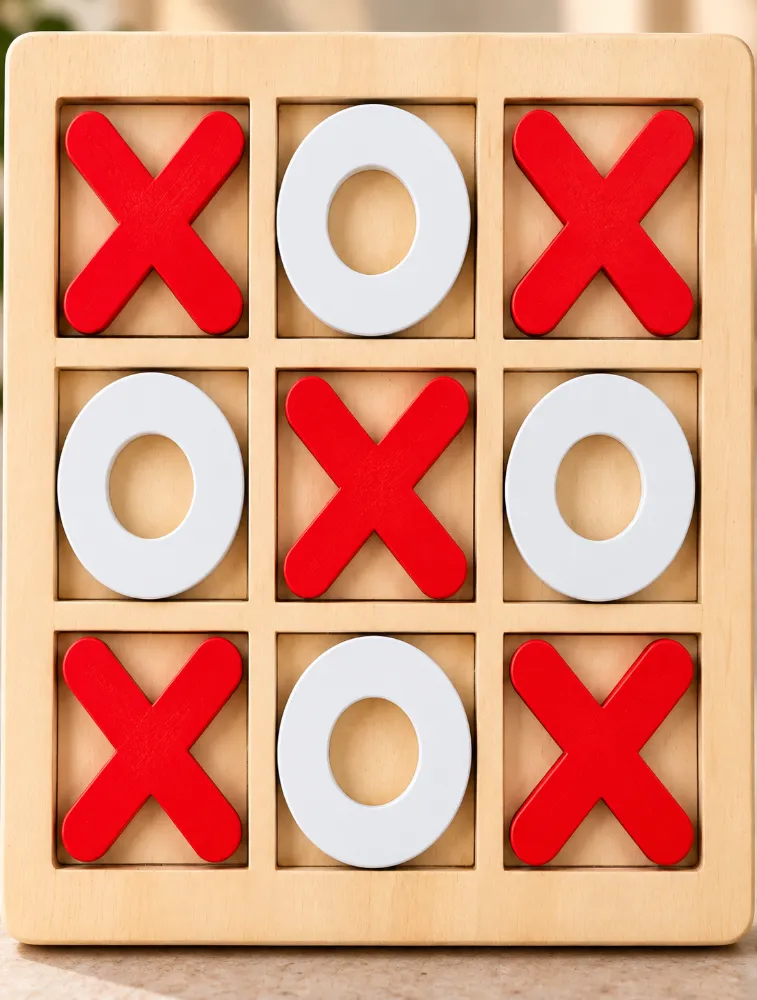
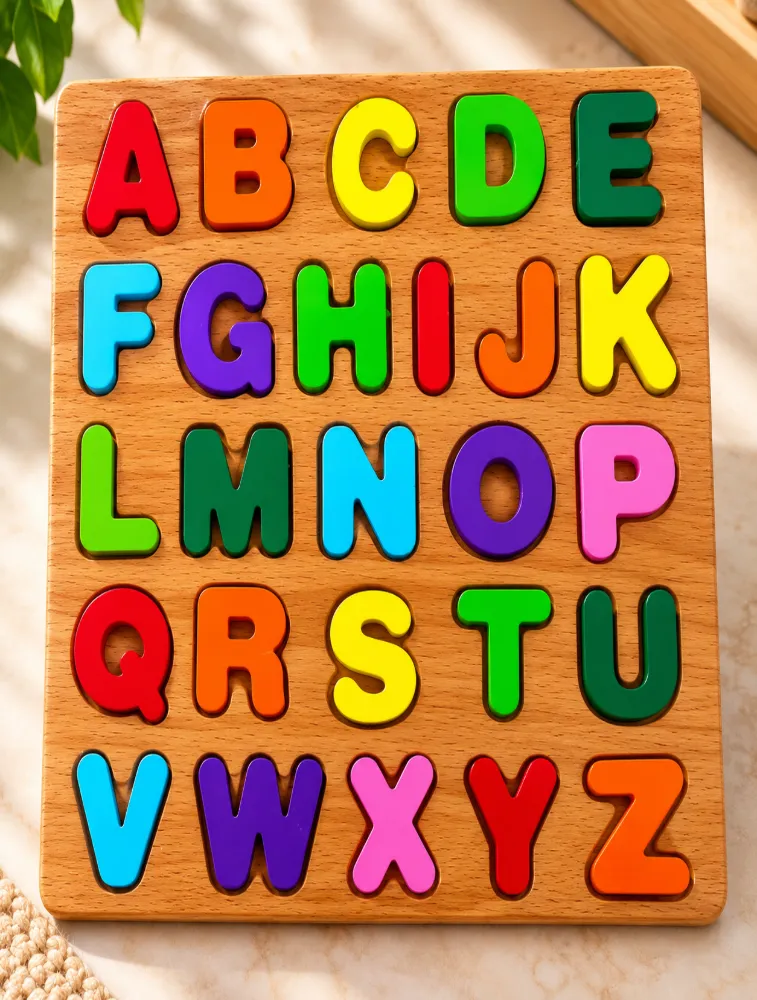
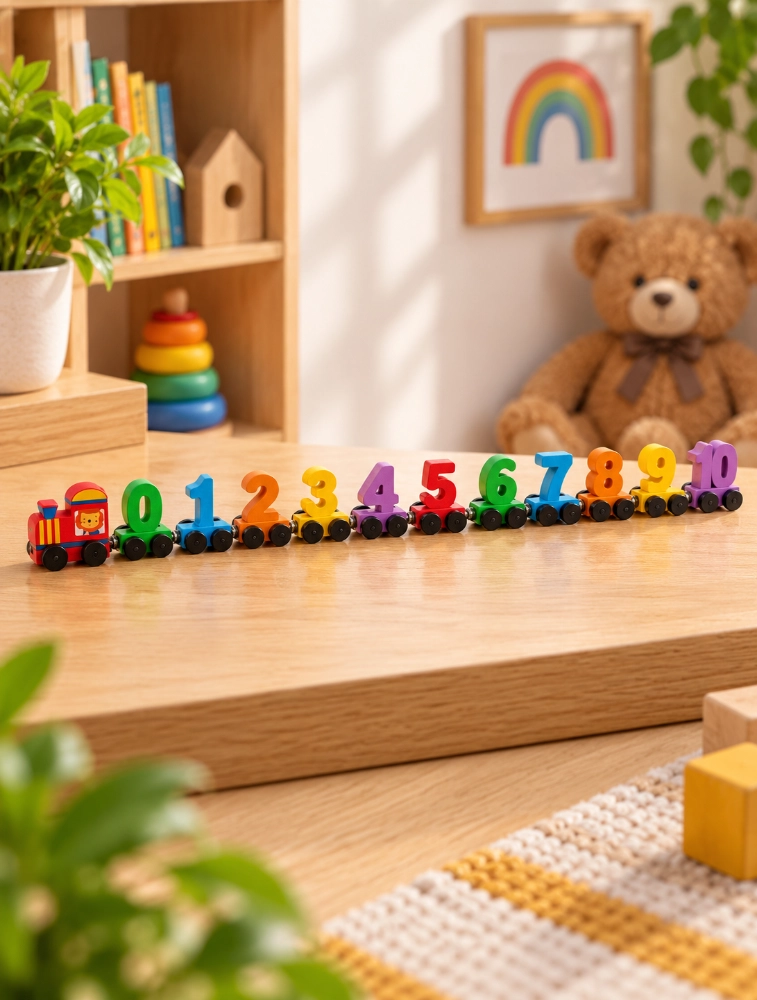
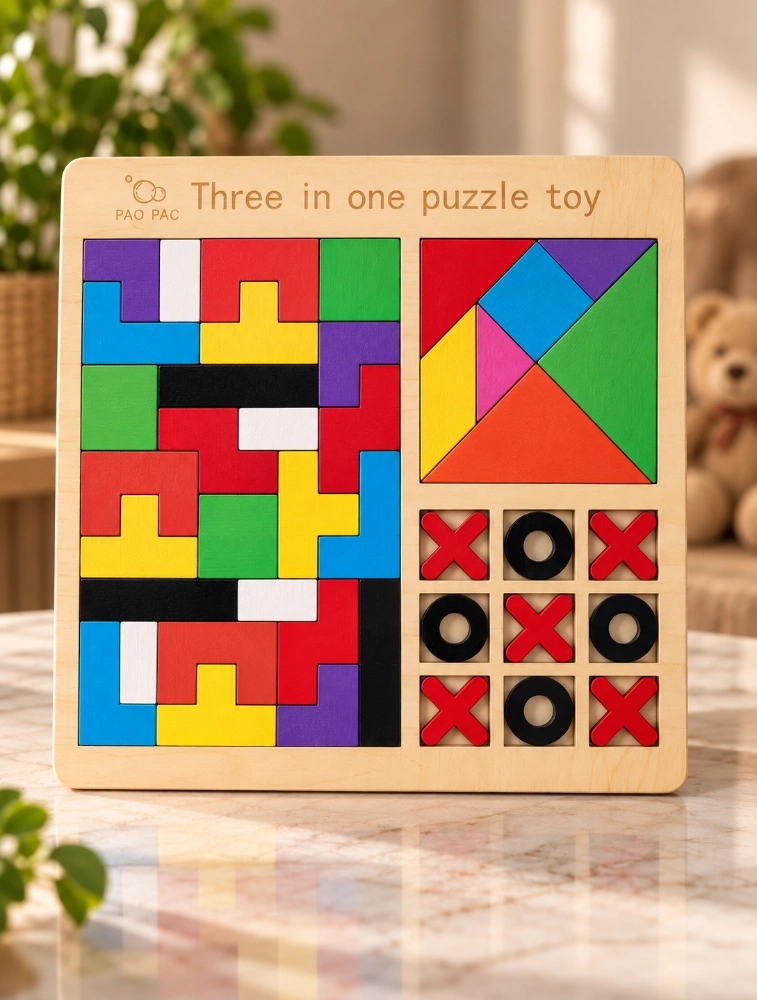
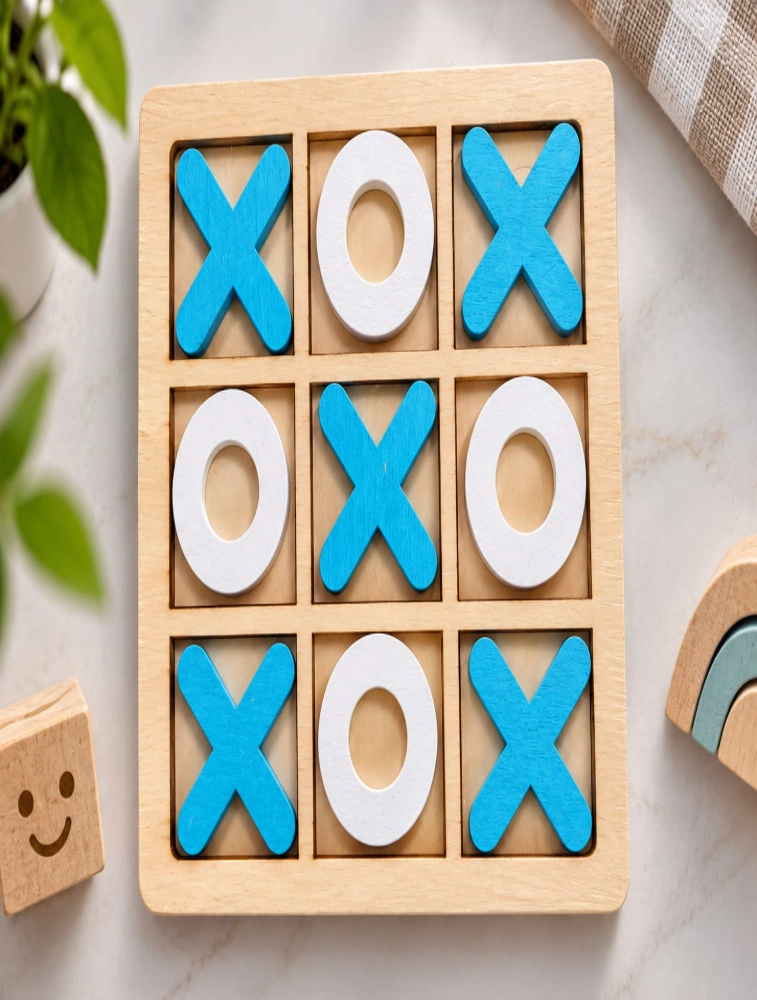
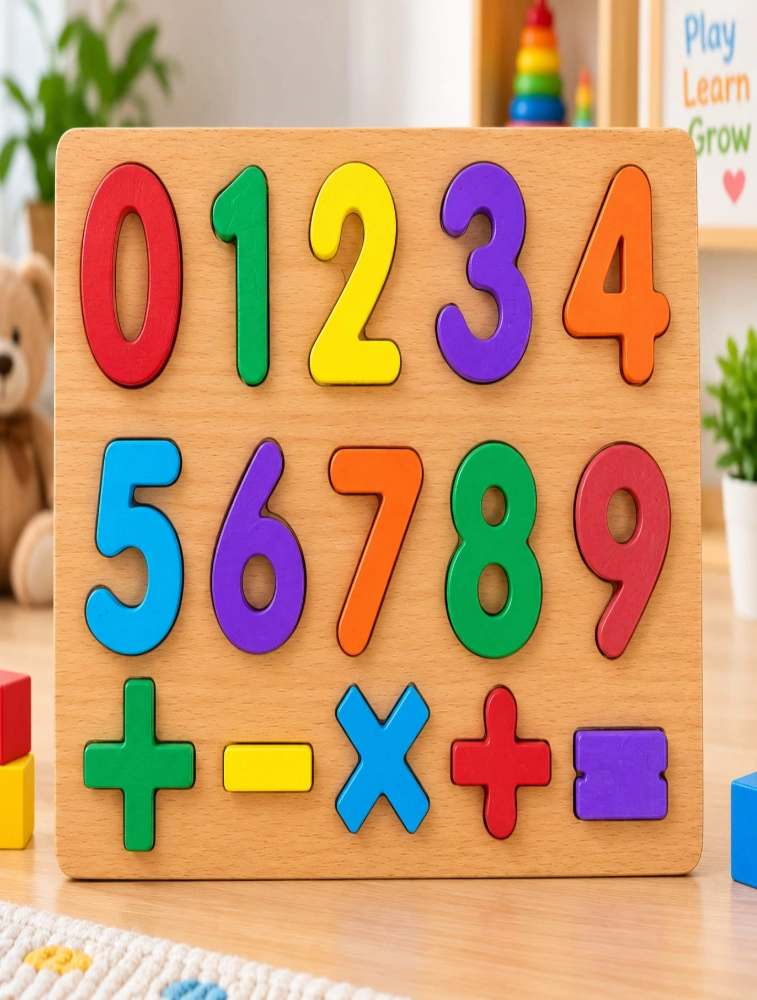
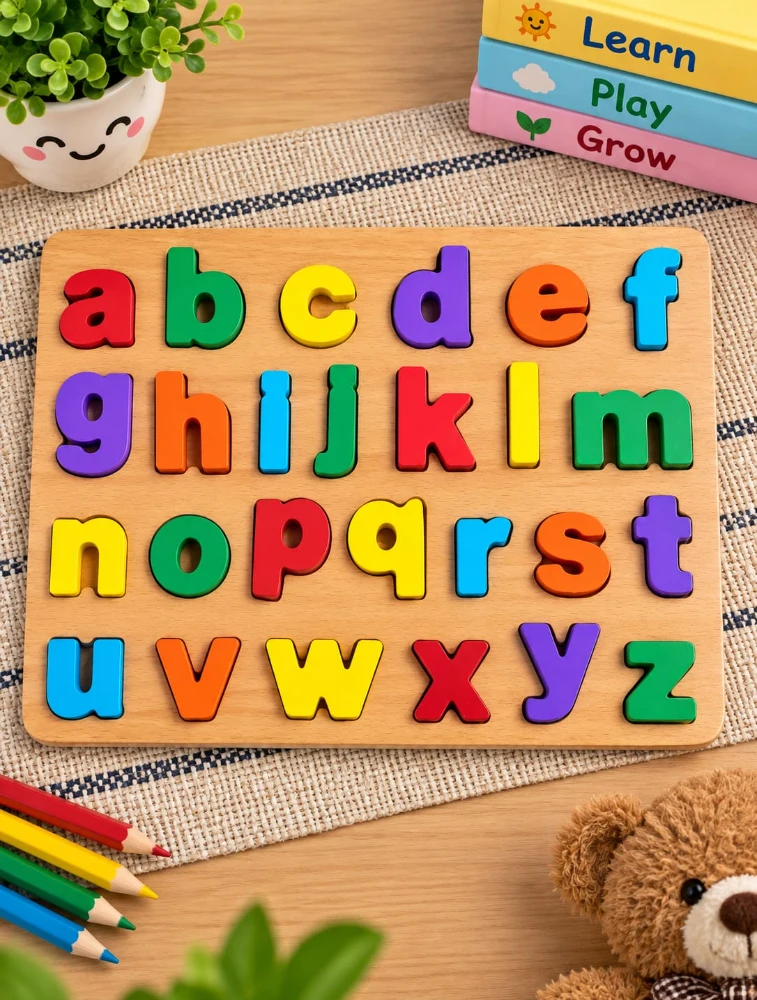
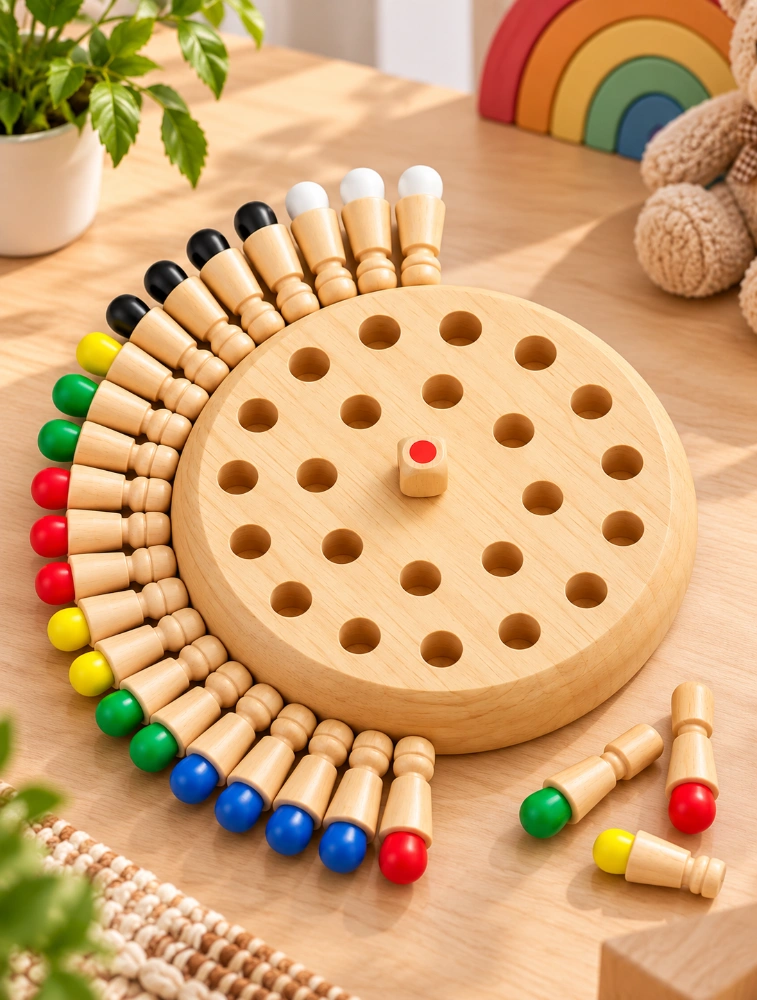
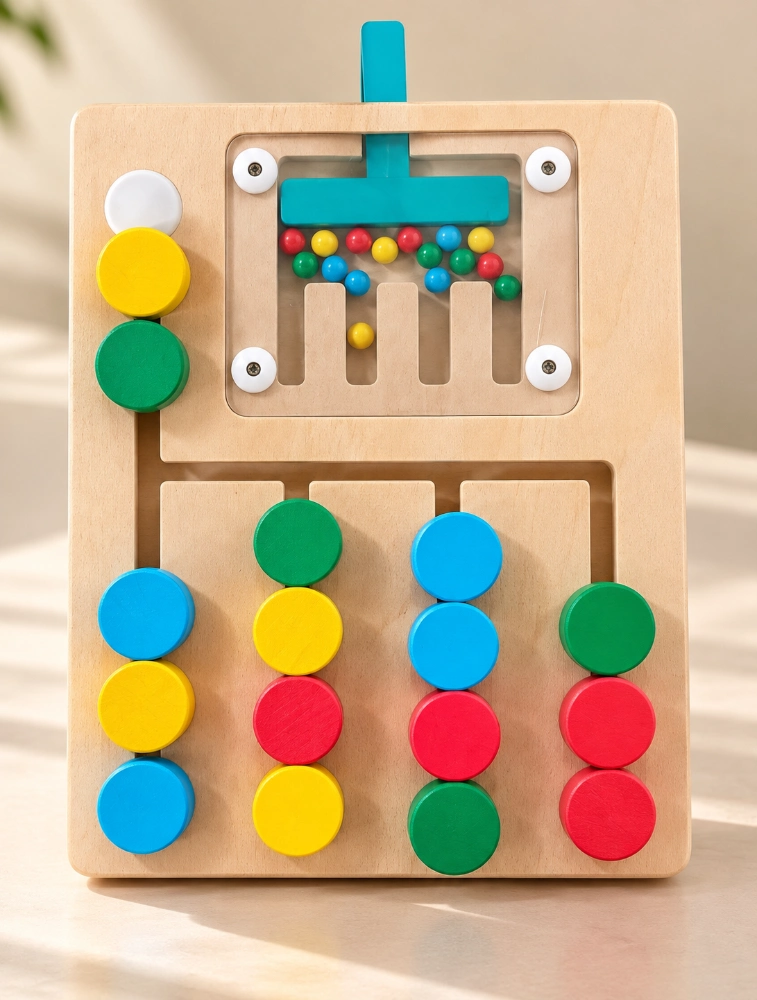
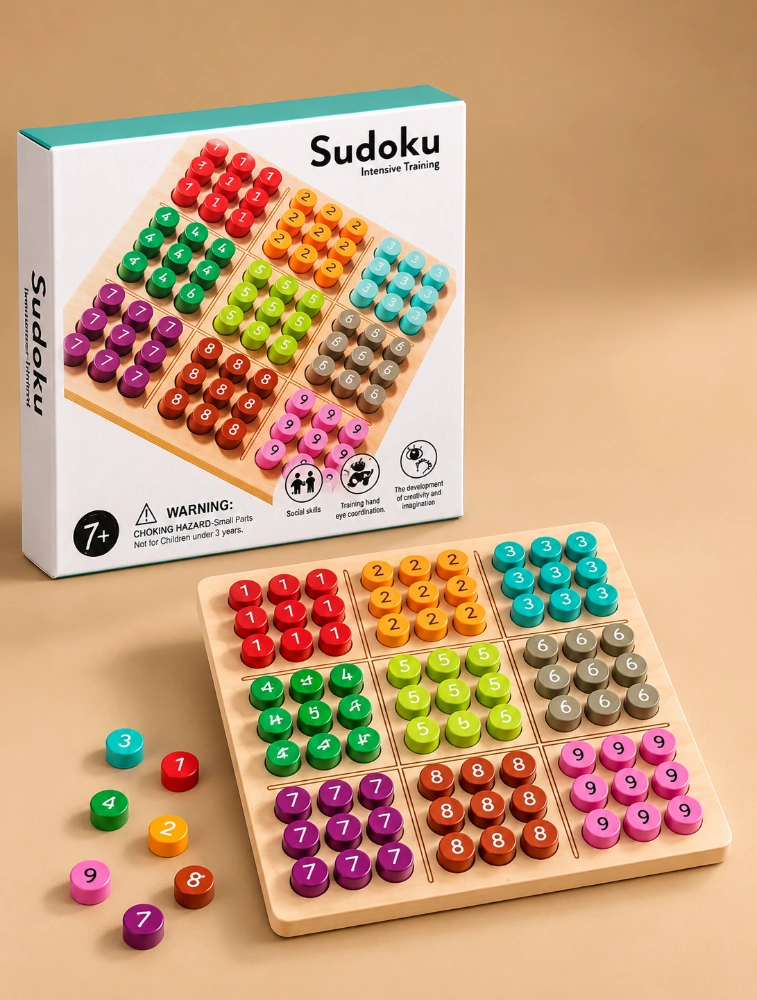
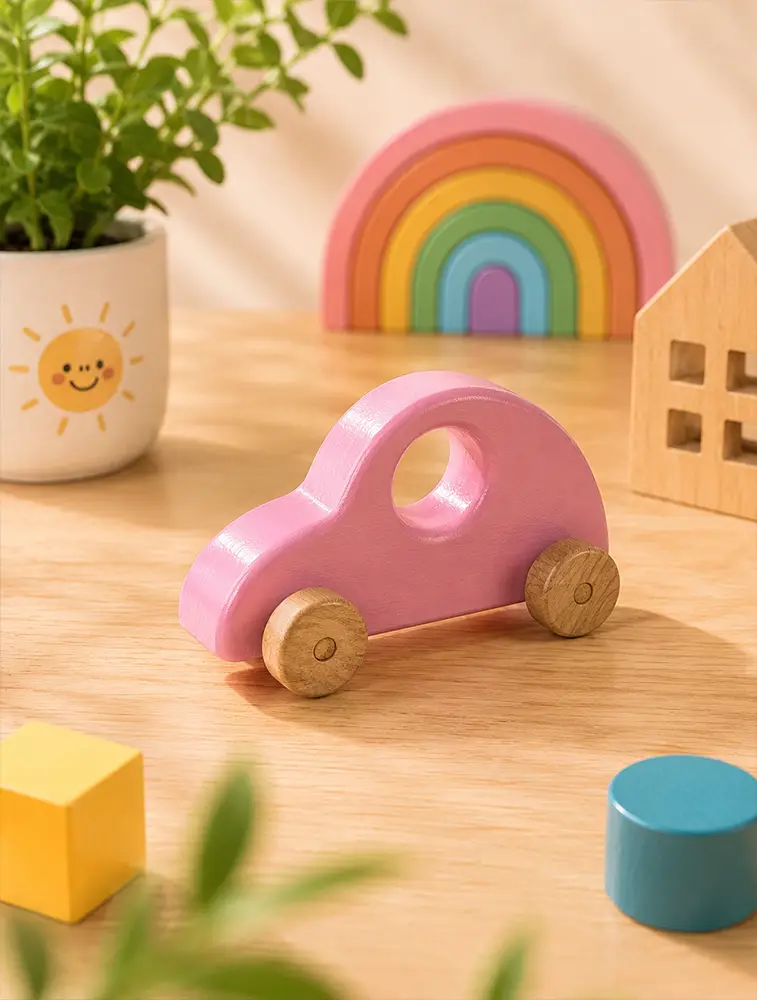


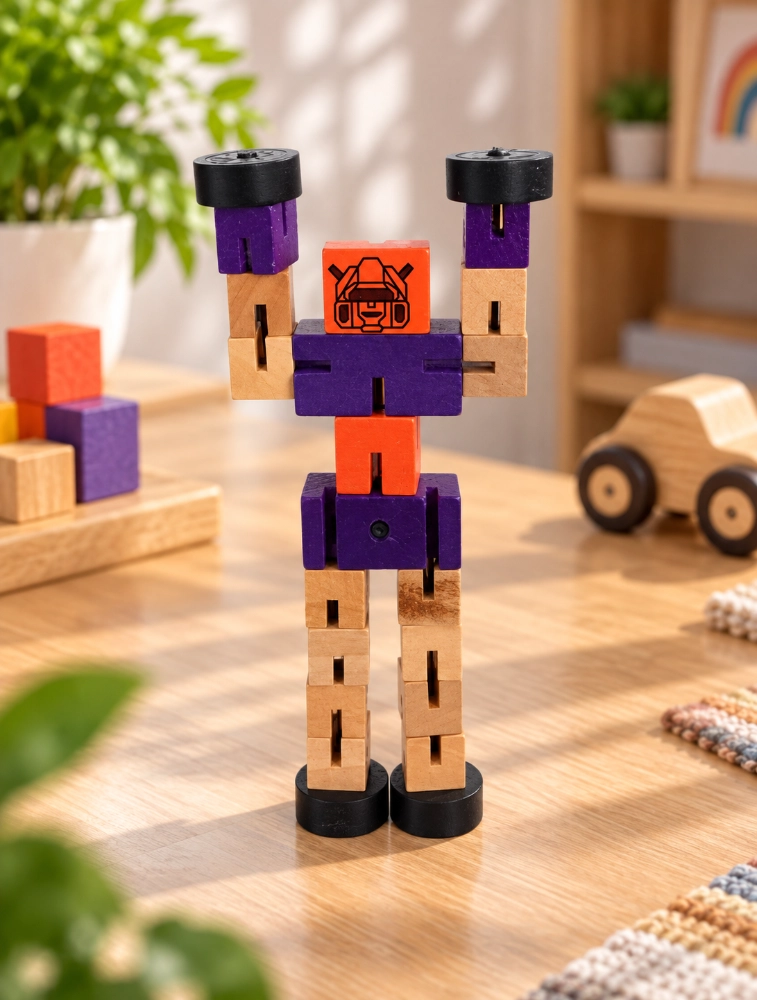
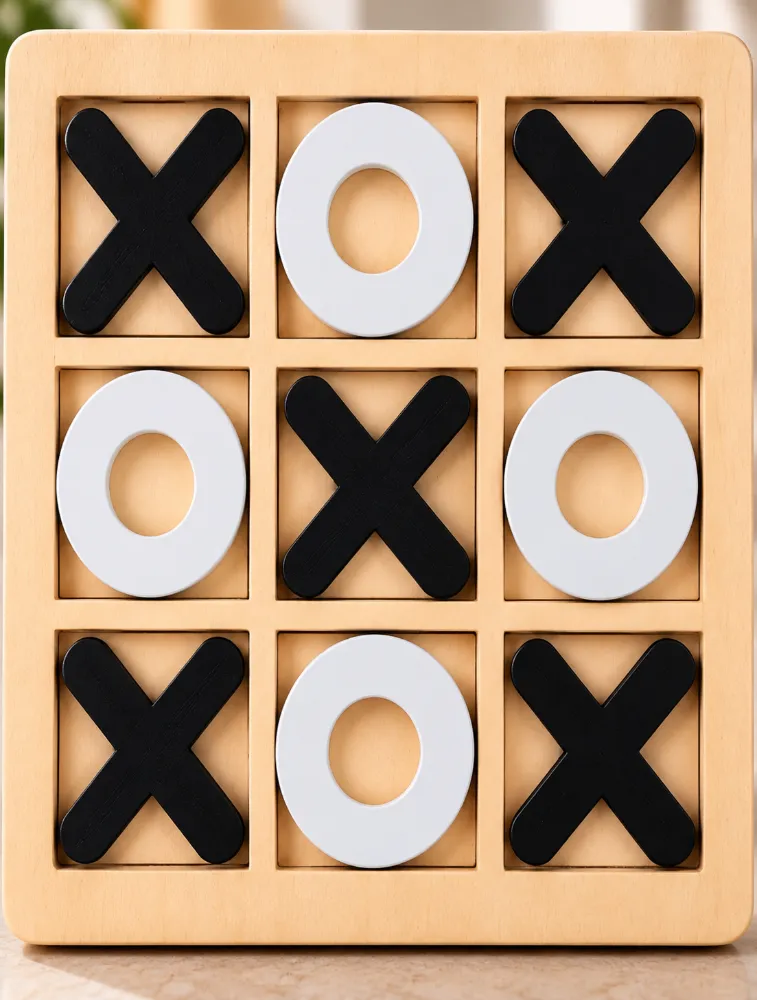
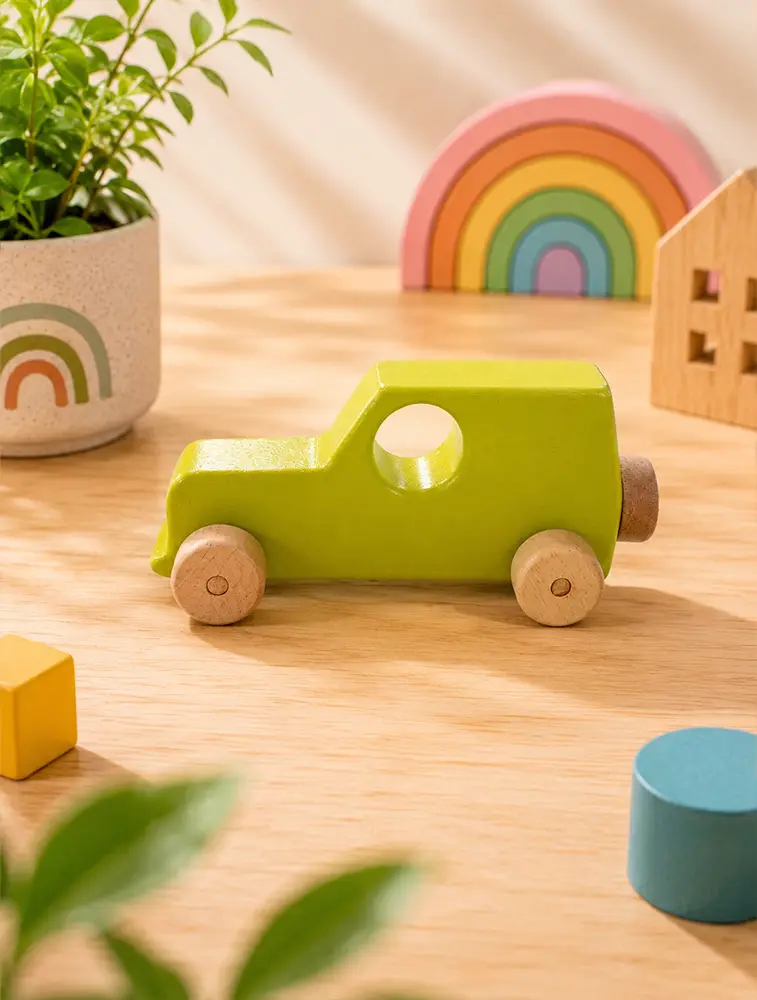
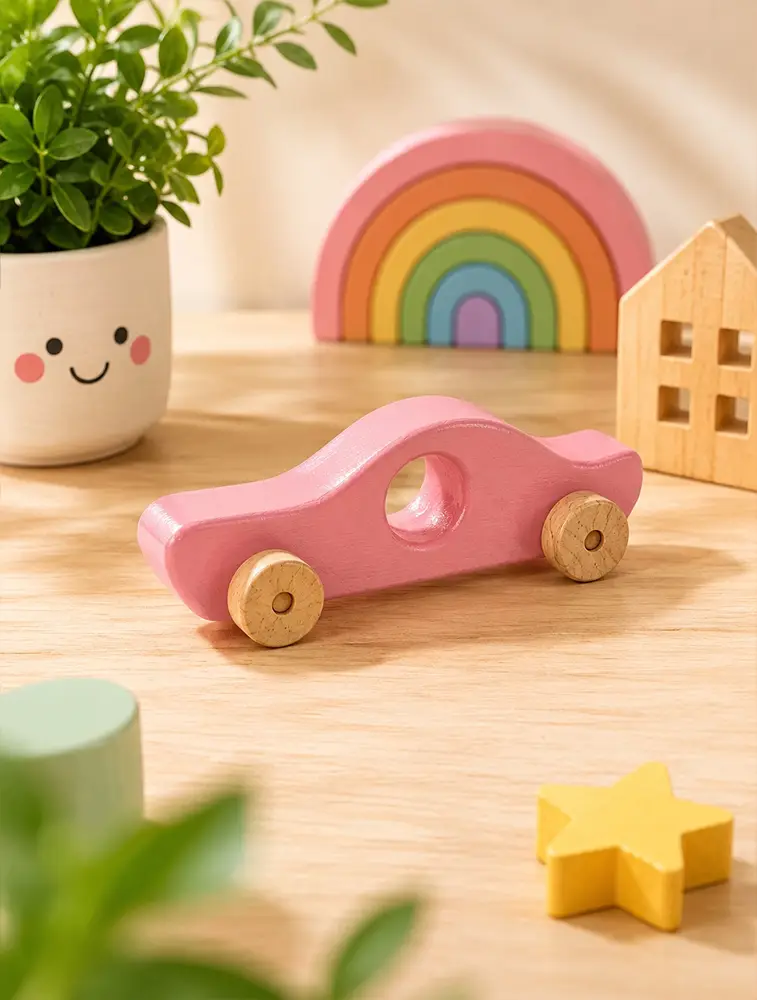
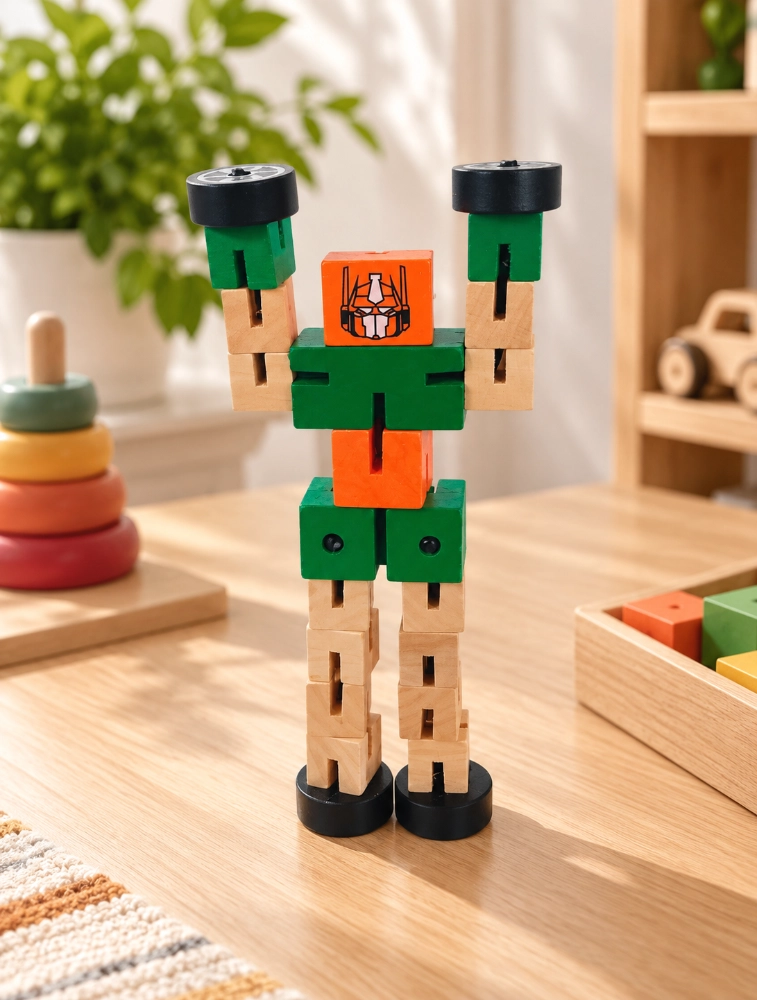

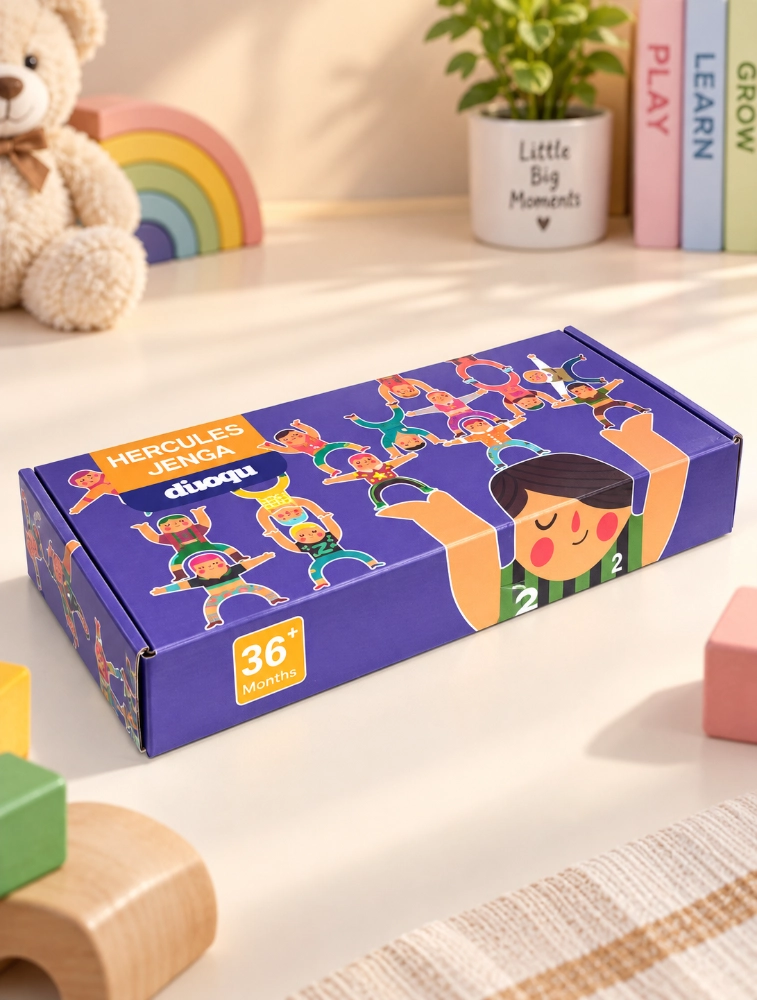
Hercules Premium Jenga Wooden Balancing And Stacking Game With 16 Figures
4.4154 ratings
₹863.00/ piece

Page 1 of 2
Bulk toys for every use case
Brand-ready toys for corporate, retail, uniforms and large custom programmes — sourced across partner factories with published prices.
Corporate & events
Brand-ready toys for offsites, launches and conferences.
Get quote →
Uniforms & programmes
Consistent supply for schools, factories and frontline teams.
Corporate uniforms →
Own brand / resale
Unbranded or private-label stock for retail brands.
Launch your store →
Large custom runs
Contract manufacturing for high-volume programmes.
Contract manufacturing →Bulk toys — frequently asked questions
Does the word “handcrafted” exempt a wooden toy from BIS certification in India?
Not by itself. The Toys (Quality Control) Order, 2020 brings toys under mandatory certification, and the exemption route in the Second Amendment Order is narrow: it turns on a registration held by the seller, not on the way a toy was made. A buyer should ask which of the two routes applies to the specific article.
What the Order actually says
The Toys (Quality Control) Order, 2020 was published on 26 February 2020 and took effect on 1 September 2020, issued by the Central Government under the Bureau of Indian Standards Act, 2016. For non-electric toys the primary standard named in the Order is IS 9873 (Part 1):2019, with IS 15644:2006 covering electric toys, and samples also assessed against IS 9873 Parts 2, 3, 4, 7 and 9. Goods covered by the Order must bear the Standard Mark under licence from the Bureau of Indian Standards, granted through Scheme 1 of Schedule II of the BIS (Conformity Assessment) Regulations, 2018.
The two exemptions, quoted
The Toys (Quality Control) Second Amendment Order, 2020, notified as S.O. 4514(E) by the Department for Promotion of Industry and Internal Trade on 11 December 2020, carries two carve-outs. The first reads “Nothing in this Order shall apply to goods or articles manufactured and sold by Artisans registered with Office of the Development Commissioner (Handicrafts)”. The second reads “Nothing in this Order shall apply to goods or articles manufactured and sold by Registered proprietor and Authorised user of a product registered as a Geographical Indication”. Both hang on a registration. Neither is triggered by a description.
Why the category name does not settle it
Every article in this catalogue is published as a “Handcrafted Wooden Toy” in the Type row, and the category is named for the same word. That wording describes a method. The exemption is about who holds a registration with the Office of the Development Commissioner (Handicrafts), or who is the registered proprietor or authorised user of a Geographical Indication. Nothing on any sampled product page states a registration number, an artisan cluster, a Geographical Indication, an ISI mark, a BIS licence number or a standard reference of any kind. So the page leaves the question open in both directions.
What a buyer should put in writing
Ask the supplier to state, per article, which position is being taken: certified under the Order with a BIS licence number and the Standard Mark on the product and the carton, or exempt with the registration that supports the exemption identified by number and issuing office. Ask for a copy of the licence or the registration certificate. Ask whether the exemption, if claimed, covers the entity that manufactures the goods and the entity that sells them, because the wording in S.O. 4514(E) speaks of goods “manufactured and sold by” the registered person.
Where this bites in a bulk order
The certification position travels with the goods. Institutional buyers, school procurement cells and retail chains commonly require the licence to be produced before a purchase order is released, and the position affects what may lawfully appear on the carton. Settle it before the sample stage rather than at the gate, because the remedy after despatch is a rejected consignment. This answer describes published instruments and is general information, not legal advice; take your own advice on how the Order applies to your specific purchase.
Buyer Takeaway:handcrafted is a description, not a statutory exemption. Ask for either a BIS licence number or the artisan or Geographical Indication registration that supports the claim, in writing, before the order.
Certification, Classification & ClaimsQueries Targetedtoys quality control order 2020 handcrafted exemption BIS wooden toys
What does a “child-safe” or “non-toxic” paint finish on a wooden toy have to be tested against?
Against a named standard, and for coating chemistry that standard is IS 9873 Part 3, the Indian adoption of ISO 8124-3, titled Safety Requirements for Toys, Part 3: Migration of Certain Elements. Words such as child-safe and non-toxic carry no test method on their own. A test report against the standard is what makes them checkable.
What the listings say today
The Finish row on the sampled articles reads “Smooth, Child-Safe Painted Finish”, and on SKUFACTORI9901 it reads “Smooth, Non-Toxic Paint Finish” instead. The Care Guidelines prose repeats the idea in longer form. Not one sampled page names a standard, a test house, a report number, a date of test or the elements tested. The wording is therefore a description of intent rather than a statement a buyer can verify.
The standard that makes the claim testable
IS 9873 Part 3 is the migration standard. It is the instrument that turns a phrase about safety into a laboratory result, because it deals with how much of certain elements can transfer out of the accessible parts of a toy, including surface coatings, when a child handles or mouths it. The relevant point for a buyer is not the numbers, which belong in the report, but the existence of a defined method and a defined scope. Ask for the report against the standard rather than asking whether the paint is safe, because only the first question has an answer that can be filed.
The rest of the coating question
Migration is one property of a coating, not the whole of it. A painted toy also has to hold its coating. The properties a bulk buyer normally names are adhesion, so the film does not lift; abrasion or scratch resistance, so play does not expose the substrate; and the absence of loose or flaking material at the point of despatch. None of these are published here, and none of them are implied by the words on the page. The coating specification, the number of coats and the curing method are also absent.
What to ask for, in order
First, the migration test report against IS 9873 Part 3, with the laboratory named, the sample identified by SKU, and the date shown. Second, a coating specification stating the type of coating and whether it is a stain, lacquer or paint system. Third, an adhesion result. Fourth, a statement on whether the finish covers the whole article or only decorated faces. Fifth, a line in the purchase order requiring the same coating on repeat production, because a change of coating between lots defeats a report obtained once.
Why this matters more here than in other categories
A wooden car is handled, carried, dropped and, for the youngest end of any age band, mouthed. That is different from a mug or a pen, where a coating claim is about appearance. Buyers supplying schools, hospitals, government welfare programmes and retail chains are usually required to hold the report themselves rather than rely on a supplier statement. This answer explains published standards and is general information rather than legal advice; take your own advice on the obligations that attach to your organisation.
Buyer Takeaway:treat child-safe and non-toxic as unverified until a migration report against IS 9873 Part 3 is on file, and specify adhesion and coating type separately in the order.
Certification, Classification & ClaimsQueries Targetedchild safe non toxic paint finish wooden toy IS 9873 part 3 migration of certain elements
What does a “Recommended Age: 3+ Years” grading on a toy listing actually commit the supplier to?
An age grading is a safety statement rather than a marketing preference. It tells a buyer which population of children the toy was designed and assessed for, which in turn governs how small parts and sharp points are treated under IS 9873 Part 1. Published without a test reference, it is an assertion the buyer cannot check.
What this catalogue publishes
Every sampled article carries an age row. Most read “Recommended Age: 3+ Years”, while SKUFACTORI9901 reads “3 Years and Above” instead. The substance is the same and the wording is not, which is a small consistency defect worth fixing because feed-driven channels treat the two strings as different values. Publishing an age grading at all is a genuine improvement on most catalogues in this trade, and it is the first time in this programme that a category has done so.
Why the number is not decorative
IS 9873 Part 1, the Indian adoption of ISO 8124-1, is titled Safety Requirements for Toys, Part 1: Safety Aspects related to Mechanical and Physical Properties. It is the standard that deals with the physical behaviour of a toy in use. Age bands matter inside that framework because the assessment applied to an article intended for children under three is not the same as the assessment applied to an article intended for older children. A grading is therefore an input to testing, not an output of opinion.
What is missing alongside it
An age grading normally travels with a warning statement where one is required, and with the marking that carries it on the product or the packaging. No sampled page publishes a warning statement, a pictogram, a test reference against IS 9873 Part 1, or any statement about whether the toy contains detachable components. On a wooden car with wheels, whether the wheels are fixed, pinned or free is a specification a buyer should hold in writing, and it is not published.
How to specify it in a purchase order
State the intended age band yourself rather than adopting the listing value by default, and require the supplier to confirm that the article as supplied has been assessed for that band. Require the age marking and any warning to appear on the retail pack and the outer carton in a fixed position and typeface. Require the wheel and axle construction to be described. Require notification if any component of the construction changes between lots, because a construction change can move the article out of the band it was graded for.
Who this matters to most
Institutions buying for anganwadi centres, pre-schools, paediatric wards and welfare distribution are usually accountable for the age band they distribute against, and retail chains apply their own grading rules at onboarding. For those buyers the useful document is a test report tied to the SKU, not a table row. This answer describes published standards and is general information, not legal advice; take advice on the duties that apply to your own distribution.
Buyer Takeaway:an age grading is a safety statement. Ask for the IS 9873 Part 1 assessment behind it, fix the wording across the catalogue, and pin the marking position in the order.
What The Page PublishesQueries Targetedrecommended age 3+ years toy age grading meaning bulk buyer wooden toys
Are handcrafted wooden cars classified as toys or as wooden ornaments when they are exported?
It depends on what the article really is, and this catalogue argues both cases at once. Heading 9503 covers toys and splits at 9503 00 10 for those of wood. Heading 4420 covers statuettes and other ornaments of wood at 4420 10 00. The Usage row on these listings claims play and decor together.
The two competing headings
Heading 9503 of the Customs Tariff reads “Tricycles, scooters, pedal cars and similar wheeled toys; dolls’ carriages; dolls; other toys; reduced-size scale models and similar recreational models, working or not; puzzles of all kinds”, and it splits into items of wood, of metal, of plastics and other. Heading 4420 reads “Wood marquetry and inlaid wood; caskets and cases for jewellery or cutlery, and similar articles, of wood; statuettes and other ornaments, of wood; wooden articles of furniture not falling in Chapter 94”, with statuettes and other ornaments of wood carried at 4420 10
The note that decides the order of enquiry
Note 1(p) to Chapter 44 excludes “Articles of Chapter 95 (for example, toys, games, sports requisites)”. So Chapter 44 steps aside where the article genuinely belongs in Chapter 95. That makes the question of fact primary: is the article a toy. Note 1(v) to Chapter 95 pushes in the other direction by excluding utilitarian articles from that chapter. The classification therefore turns on the character of the goods, not on the seller’s catalogue label.
Where the listings create the ambiguity
The Usage row on the sampled articles reads “Educational Play, Home Decor, Gift, and Collectible”. Two of those four words point at Chapter 95 and two point at heading 4420. The Type row says “Handcrafted Wooden Toy”, which points one way, while the price spread in the catalogue, where one car costs nearly four times another, is more typical of a decorative piece than of a play article. A tariff description is not written by marketing copy, but inconsistent marketing copy is exactly what invites a query at assessment.
What a buyer or exporter should do about it
Decide the character of the article first and then make every published field agree with that decision. If the article is a toy, the Usage row should lead with play and the safety regime under the Toys (Quality Control) Order, 2020 has to be addressed. If the article is an ornament, the toy claim and the age grading should come off the page, because an age grading on a decorative object misleads. Ask the supplier for the heading and item they declare on their own shipping documents and keep it on file.
Why the split is worth the effort
Heading determines the duty treatment, the documentation set and the compliance regime an article travels under, and the two headings here sit in different chapters with different notes and different sectoral rules. Getting it wrong is expensive to unwind after the goods have moved. Note also that the word “wooden” appears in none of the item descriptions under 9503, which is why the wood split is read at item level. This is general information about published tariff text and is not legal or classification advice; take your own advice on your specific consignment.
Buyer Takeaway:pick the character of the article and make the catalogue agree. Play plus decor plus collectible in one row is what turns a routine clearance into a question.
Certification, Classification & ClaimsQueries Targetedwooden toy customs classification 9503 00 10 versus 4420 10 00 statuettes ornaments of wood
What does “Premium Quality Natural Wood” tell a bulk buyer about the material?
Very little that can be checked. The Material row on every sampled article reads “Premium Quality Natural Wood”, which confirms the substrate is wood and stops there. No species is named, no density is given, no moisture content is stated and no treatment is described. Those four facts are what a wooden article is actually bought on.
Why species is the first question
Wood is not one material. Species determines hardness and therefore how the article survives being dropped; it determines grain, which decides whether an engraved logo reads cleanly or blurs; it determines colour take-up under stain; and it determines weight, which decides the freight cost of a full container. Two toys made to the same drawing in two species behave differently in the hand, in the kiln and on the shelf. A buyer who does not name a species has left all of that to the factory.
Moisture content and why it decides warp
Wood moves with the moisture it holds. An article that leaves a workshop at one moisture level and lands in a different climate will move again, and movement on a small article shows up as split ends, opened joints and wheels that bind. Moisture content at despatch is the specification that controls this, and it is not published on any sampled page. For consignments crossing climate zones this single line often matters more than the finish.
The other absences on the same row
No sampled page gives a weight for any article, so a buyer cannot estimate freight, and no page gives a density. No page states whether the wood is solid or engineered, whether any component is laminated, or what adhesive is used at joints. On a wheeled article, the axle material is unstated. There is no statement about knots, no grading of surface defects and no note on natural colour variation, which is the property most likely to generate a complaint on a wooden product.
What to write into the specification instead
Name a species, or name two acceptable species and require notification before a substitution. State a moisture content at despatch and a method of measurement. State whether solid wood is required for the body and, if a component may be engineered, say which one. Name the adhesive type at joints. Add a colour and grain variation clause that says what natural variation is acceptable, so that a genuine characteristic of the material does not become a rejection at inbound inspection.
The word premium
Premium is a grade only where a published grading scheme defines it. No such scheme is named here, so the word carries no obligation. That is worth saying plainly because it is the kind of adjective that survives into a purchase order and then cannot be enforced. Replace it with the four measurable properties above and the same sentence becomes a contract term instead of an impression.
Buyer Takeaway:natural wood is a category, not a specification. Name the species, the moisture content at despatch, the solid-or-engineered position and the joint adhesive in the order.
What The Page PublishesQueries Targetedpremium quality natural wood species not named wooden toy material specification
Each toy shows a single size in centimetres. Is that enough to plan packing and shelf space?
No. One figure with no axis named cannot be planned against. The sampled articles publish 5 cm, 11 cm, 12 cm and 15 cm with nothing to say whether that is length, height or the longest dimension. A buyer needs three axes, a tolerance and a weight before a carton or a shelf can be sized.
What the size row does and does not say
The size appears as a bare number with a unit. On one sampled article it is written 5 cm and on another 11 Cm, so even the unit casing is inconsistent across the catalogue. Read generously, the figure is probably the overall length of a small wheeled article. Read strictly, it could as easily be a height on a taller piece. A specification a reader has to guess at is not a specification, and a feed that publishes it as the only measurement will produce wrong results in every downstream system that consumes it.
The three numbers a wooden toy needs
Length, width and height, each with a tolerance, because a hand-finished wooden article varies between pieces in a way an injection-moulded one does not. Without a tolerance there is no basis on which to accept or reject an inbound lot, and a dispute about a millimetre becomes a dispute about intent. Add the unit weight, because weight drives freight and because the difference between a light softwood body and a dense hardwood body is invisible in a photograph.
Why packing is the immediate casualty
The sampled pages state that each article is packed in a sturdy corrugated box with protective cushioning, one toy per box, described as suitable for e-commerce shipping and retail display. That is a useful disclosure and better than most categories in this programme offer. What it does not carry is the inner box size, the master carton size, the pieces per master carton or the carton gross weight. Those four figures are what turn an order quantity into a container plan, and none of them can be derived from a single centimetre value.
Why merchandising is the second casualty
Retail buyers plan by facings. A 5 cm article and a 15 cm article are different products on a shelf even when the price gap between them is small, and a gifting buyer choosing between them is choosing a perceived size as much as a design. Where an assortment mixes sizes, the planogram needs the footprint of each, not a single number that may not even refer to the same axis on two adjacent listings.
What to require before the sample is approved
Ask for a dimensioned drawing or, at minimum, the three axes and a tolerance per SKU; the unit weight; the inner pack and master carton dimensions; the pieces per master carton; and the carton gross weight. Ask which axis the published figure refers to and have the catalogue corrected so the same axis is used across every article. Standardise the unit casing while that correction is being made, because feed validation treats cm and Cm as different tokens.
Buyer Takeaway:one number is a hint, not a dimension. Get three axes with a tolerance, a unit weight and a full carton specification before you commit to a container plan.
ProcurementQueries Targetedwooden toy size in cm no length width height dimension packing carton planning
Why does a hundred-piece order cost more per toy than the price shown on the tile?
Because the tile shows the deepest tier of the quantity ladder while every sampled product page sets a hundred-unit minimum. On the entry article the ladder runs Rs 157 for 100 to 999 pieces, Rs 154 for 1,000 to 9,999, and Rs 149 from 10,000. The tile shows the last of those three.
The published ladders, in full
Four price points run across the eight articles and each carries its own three-tier ladder. On the entry articles the tiers are Rs 157, Rs 154 and Rs 149. On the teal sedan they are Rs 158, Rs 155 and Rs 150. On the bus they are Rs 182, Rs 178 and Rs 173. On the classic muscle car they are Rs 594, Rs 582 and Rs 564. Every sampled page also prints “Minimum Order Quantity - 100 Units”, so the top tier is the only one a first order can reach.
What that means for a first purchase order
A hundred pieces of the entry article is bought at Rs 157 each, not Rs 149. A hundred of the sedan is bought at Rs 158, a hundred of the bus at Rs 182 and a hundred of the classic muscle car at Rs 594. The gap is small in absolute terms on the entry articles and larger on the top one, but the direction is the same in every case and the arithmetic should be done before a budget is signed rather than after a proforma arrives.
Why publishing the ladder is nonetheless the right call
Most suppliers in this trade publish one figure and negotiate the rest by email. This catalogue publishes three tiers with their break points and the minimum order quantity on every sampled page, which is more disclosure than the category norm and is the reason the calculation above can be done at all by a buyer who has not yet spoken to anyone. The criticism is of which tier the tile shows, not of the disclosure itself.
How to read a ladder before you negotiate
Look at where the break points sit rather than at the headline. Here the first break is at a thousand pieces and the second at ten thousand, so the question for a buyer is whether annual consumption crosses either line. If it does, a call-off contract against a single committed volume will usually reach a deeper tier than a series of separate hundred-piece orders, even where the delivery schedule is identical. Ask whether the tier is assessed per order or per contract, because that one word decides the answer.
What else belongs in the same conversation
Ask what the tier price includes and what sits outside it: packing, inner boxes, printing or engraving set- up, sampling, freight and taxes. Ask whether a mixed order across articles aggregates for tier purposes or whether each SKU is counted separately, which matters a great deal here because an assortment of eight articles at a hundred each is eight hundred pieces in total and a hundred pieces per line. Get the answer in the quotation rather than in conversation.
Buyer Takeaway:the tile price is the ten-thousand-piece tier. Budget the first hundred at Rs 157, Rs 158, Rs 182 or Rs 594, and ask whether tiers aggregate across a mixed order.
ProcurementQueries Targetedwooden toy price tile 149 quantity ladder 157 154 minimum order quantity 100 units
One wooden car is priced at Rs 149 and another at Rs 564. What explains a spread that wide?
Nothing published on the page explains it, which is the problem. The dearest article in this catalogue costs nearly four times the cheapest, yet the specification rows read almost identically and the dearer car is smaller than the mid-priced bus. A price gap that large needs a stated reason or a buyer will assume there is not one.
What the rows actually differ on
Comparing the entry article with the top one, the Material row is the same wording, the Country of Origin is the same, the Usage row is the same and the Features row is nearly the same. The differences are these: the Finish wording changes, the Design value changes, the top article has no Type row at all, its age wording is phrased differently, and its Features row adds one more word. None of those differences is a reason to pay nearly four times as much.
The size point that makes it stranger
The dearest article is published at 11 cm. The bus, at a mid price, is published at 15 cm. So the buyer is asked to pay substantially more for a smaller article, with no stated difference in species, no stated difference in coating system, no stated difference in the number of parts and no stated difference in finishing operations. Where a premium exists it is almost always in one of those four places, and here all four are silent.
What usually does justify a premium on a wooden article
A harder or scarcer species. More parts, more joints and therefore more assembly labour. A multi-stage coating system rather than a single stain. Hand-painted detail as against a single-colour body. Turned or carved components rather than sawn ones. Tighter tolerances and a heavier finishing pass. Any of these can carry a large multiple, and each of them is describable in one line. A catalogue that carries the multiple without carrying the line leaves the buyer to guess.
Why this hurts more in a small catalogue
With eight articles on one page, a buyer sees the whole range at once and the spread is the first thing noticed. In a large catalogue an outlier price is buried; here it is a quarter of the visual field. The sort control and the browse-by-price section both surface it again. That is an argument for explaining the premium prominently rather than for hiding it, because the price is doing work as a quality signal and currently has nothing behind it.
What a buyer should ask
Ask, per article, for the species, the number of components, the coating system and the finishing operations, and lay the four answers side by side across the price points. If the answers differ, the premium is real and should be published. If they do not differ, the premium is either a volume artefact or an error, and either way the buyer has learned something before committing to an assortment.
Buyer Takeaway:a near-fourfold spread with identical specification rows is a question, not a positioning statement. Ask for species, part count, coating system and finishing operations per price point.
Catalogue Quality, Range & BrandingQueries Targetedwooden toy price difference 149 564 what justifies premium price wooden car
Can a wooden toy be described as “eco-friendly” in a product listing in India?
Only with substantiation. The Central Consumer Protection Authority issued Guidelines for the Prevention and Regulation of Greenwashing or Misleading Environmental Claims on 15 October 2024, and they address generic terms such as eco-friendly, green, sustainable and natural directly. The Features row on every sampled article opens with that exact word and publishes nothing behind it.
What the Guidelines require
Under the 2024 Guidelines, generic environmental terms cannot be used without substantiation. A claim requires clear and accessible disclosure of material information. It must specify which aspect of the offering it refers to, because the environmental profile of a product, of the process that makes it and of the packaging it ships in are three different things. It must be supported by methodology and underlying data, and it must rest on credible certification or reliable scientific evidence. Third-party certification is accepted as a basis.
What this catalogue publishes
The Features row reads “Eco-Friendly, Durable, Lightweight, Reusable” on the sampled articles, and the descriptive prose repeats the sentiment. There is no certification named, no scheme referenced, no aspect specified, no methodology described and no data offered. Nothing states whether the claim is about the material, the coating, the manufacturing process or the corrugated packaging. A wooden article has a reasonable case to make on several of those grounds, which is precisely why it is worth making properly.
How to make the claim defensible
Pick the aspect. If the point is the substrate, say what it is about the substrate that supports the claim and what evidence exists. If the point is the coating, tie it to the coating specification and its test data. If the point is the packaging, say so, because corrugated packaging with no plastic film is a specific and checkable statement rather than a mood. Then either name a certification or publish the methodology and the data. A narrower claim that is true is worth more than a broad one that is not.
Who carries the exposure
The claim travels with the listing. A retailer or a brand that republishes a supplier’s Features row onto its own product page has made the claim itself, in its own name, to its own customers. That is why sophisticated buyers strip generic environmental adjectives out of supplier data at ingestion and only reinstate what their own compliance team has evidence for. Ask the supplier for the substantiation file before you republish a single word of it.
What to put in the purchase order
A warranty that every environmental claim supplied in product data is substantiated in line with the 2024 Guidelines, an obligation to provide the supporting evidence on request, and an indemnity for claims that turn out to be unsupported. Also require notice of any change to material, coating or packaging that would affect a claim already published. This answer describes a published guidance instrument and is general information rather than legal advice; take your own advice before relying on any environmental wording.
Buyer Takeaway:eco-friendly in a Features row is an unsubstantiated generic claim. Specify the aspect, get the evidence, and do not republish the word until you hold it.
Certification, Classification & ClaimsQueries Targetedeco friendly claim CCPA greenwashing guidelines 2024 wooden toy substantiation
What is missing from these listings that a quality team would normally check on a painted wooden article?
Almost all of the mechanical detail. The pages describe a smooth painted finish, rounded edges and durability in prose, and publish no coating specification, no adhesion result, no edge radius, no wheel and axle construction, no defect grading and no inspection standard. A quality team cannot write an inbound check from a paragraph of description.
The coating, item by item
What type of coating is it: a stain, a lacquer, a water-based paint or a solvent-based one. How many coats. Is the whole article coated or only decorated faces. Is there a sealer under the colour. What is the cure time before packing, because a short cure is the usual cause of blocking, where two surfaces stick in the carton. What adhesion result does the film achieve. None of these appear anywhere on a sampled page, and each of them is a single line in a specification.
The edges and the surface
The Care Guidelines prose refers to rounded edges. A specification would state an edge radius or, at minimum, a requirement that all accessible edges and corners are radiused and free of splinters, with a stated inspection method. It would also state a surface finish requirement, because smooth is comparative and a sanding grit is not. On a hand-finished article, where variation between pieces is expected, the acceptance criteria matter more than they would on a moulded product.
The wheels, on a catalogue of wheeled articles
Every article here is a vehicle. Nothing states whether wheels are fixed or free running, how they are attached, what the axle is made of, what retention method is used, or what force the assembly is expected to withstand. That is the single most functionally important construction detail in this catalogue and it is entirely absent. It is also the detail most likely to be assessed under the mechanical and physical properties standard, IS 9873 Part 1.
Defect grading and the inspection plan
Wood carries knots, grain variation, small filled areas and colour differences that are characteristics rather than faults. Without a written defect grading, an inbound inspector has no way to separate a characteristic from a reject, and the result is a dispute on the first container. Agree a classification of critical, major and minor defects, agree a sampling plan and acceptance levels, and agree who inspects and where. Put a photographic limit sample on both sides of the transaction.
What to do with all of this
None of it requires the supplier to reveal anything commercially sensitive; it is ordinary manufacturing description. Send the list as a specification sheet, ask for it to be completed and returned with the sample, and attach the completed sheet to the purchase order so that it becomes the standard the goods are judged against. The absence of these fields on a web page is normal in this trade. Their absence from a purchase order is not.
Buyer Takeaway:the listings describe the finish and specify none of it. Coating type, adhesion, edge treatment, wheel construction and a defect grading all belong in the order, not in the prose.
What The Page PublishesQueries Targetedwooden toy quality checks coating adhesion edges wheels inspection specification missing
What does Indian packaging law require on the box a toy ships in, and who is responsible for putting it there?
The Legal Metrology (Packaged Commodities) Rules, 2011 set out the declarations a pre- packed commodity has to carry, and the duty sits with the person whose name goes on the pack as manufacturer, packer or importer. A buyer who repacks or relabels under its own name generally takes that duty on.
The declarations Rule 6 lists
Rule 6(1) requires the name and address of the manufacturer, packer or importer; the common or generic name of the commodity, and for a package holding more than one product the name and the number or quantity of each; the net quantity, by number where that is how the article is counted; the month and year of packing; the retail sale price as a maximum inclusive figure; the dimensions of the commodity where sizes are relevant; and other specified matter. Rule 6(2) requires a contact for consumer complaints, with a name, address, telephone number and email.
How Rules 9 and 10 govern the presentation
Rule 9 deals with legibility and prominence. Declarations must be conspicuous, in a contrasting colour for the numerals of the retail sale price and the net quantity, in Hindi in Devanagari script or in English, with a minimum letter height of one millimetre, rising to two millimetres where the declaration is blown, formed, moulded, embossed or perforated. Rule 10 requires the name and complete address of the responsible person to be displayed conspicuously on the package.
What this catalogue publishes today
The packaging description on the sampled pages says each toy is packed in a sturdy corrugated box with protective cushioning, one toy per box, suitable for e-commerce shipping and retail display. That is a real disclosure about the physical pack. It says nothing about the declarations printed on it. No sampled page states a manufacturer name, a packer, a net quantity declaration, a month and year of packing, a maximum retail price, or a consumer-complaint contact. Country of Origin is published in the specification table, which is a genuine first in this programme and helpful, but it is one field out of a longer list.
Who ends up responsible
A retailer or brand that puts its own name on the pack is the person the rules look to. That means the artwork, the accuracy of the net quantity, the complaint contact and the price declaration are the buyer’s problem, not the factory’s, once the pack carries the buyer’s identity. Institutional buyers distributing rather than selling still have to consider how the goods were packed when they received them. Decide who declares what before artwork is commissioned, because reworking printed cartons is the most avoidable cost in a first order.
What to agree in the order
Whether the supplier prints a compliant retail pack or ships plain and the buyer relabels. Who supplies and approves the artwork. Where the declarations sit on the pack and at what letter height. Whether the master carton also carries declarations. What the net quantity declaration says for a single-piece pack and for any multi-piece assortment, because a multi-product package attracts the additional per-product naming requirement. This answer summarises published rules and is general information, not legal advice; take your own advice on your labelling.
Buyer Takeaway:the pack is described here but its declarations are not. Settle manufacturer name, net quantity, packing date, price and complaint contact before artwork, and take advice on who declares.
Certification, Classification & ClaimsQueries Targetedlegal metrology packaged commodities rules 2011 rule 6 declarations toy packaging labelling
How can a wooden toy be branded without printing over the play surface?
By moving the mark off the play surface. On a small wooden article the practical options are engraving on an underside or a flat panel, a printed mark in a reserved area, and branding applied to the packaging rather than the product. Which one suits an order depends on volume, coating and recipient.
Engraving, and what the substrate does to it
Engraving removes or darkens material rather than adding a layer, so it does not sit on top of a coating and cannot lift off it. It is the most durable option on wood and usually the most appropriate on a toy, because there is no added film to abrade in play. Its limits are that it is monochrome by nature, that fine detail closes up on open-grained species, and that the result varies in tone with grain. Test the logo at actual size on the actual species before approving, not on a sample board.
Printing, and where it can sensibly go
A printed mark gives colour and holds fine detail, which matters for logos with gradients or thin type. On a small wheeled article the flat areas large enough to take one are limited, so the mark usually goes on an underside or a reserved panel. Anything printed onto a play surface has to be considered as part of the coating question rather than as decoration, which means it inherits the same test requirements as the finish itself.
Packaging as the branding surface
For gifting and for institutional distribution the pack is often the better carrier. A printed sleeve, a custom corrugated box, a belly band or a card insert carries full colour, carries a message as well as a mark, and does not touch the article at all. It is also the cheaper route to a small-quantity personalised run, because print set-up on paper is less demanding than tooling a mark onto a product.
What changes at low and high volumes
Engraving set-up is a one-time cost that amortises across a run, so it favours volume. Packaging print favours smaller, varied runs and multiple recipients, because the article stays standard and only the sleeve changes. Where an assortment is being built for several client organisations at once, standardising the toy and varying the pack keeps the production plan simple and the lead time short.
What to confirm before committing
Ask for the maximum mark area on each article, the engraving or print methods available, the set-up cost and whether it is one-time or per order, the minimum quantity per branding option, and a physical sample of the mark on the actual product. Ask whether branding affects the tier price and whether it changes the lead time. Confirm that adding a mark does not alter the coating position, and keep any artwork approval in writing so a reprint is not argued about later.
Buyer Takeaway:engrave the underside for durability, print the pack for colour and flexibility, and get a physical mark sample on the actual species before the order.
Catalogue Quality, Range & BrandingQueries Targetedbranding wooden toy laser engraving logo underside packaging custom printing bulk
There are only eight products here at four price points. What does that tell a buyer planning an assortment?
That this is a narrow, coherent range rather than a broad one, and that it should be planned as a starting set rather than a full assortment. Eight articles fit on one grid page with no pagination, four price points cover them, and every article is a wheeled vehicle. That is a strength for consistency and a limit for breadth.
What a narrow range does well
Consistency is easier when everything is made the same way. A buyer ordering across all eight is ordering one construction, one substrate description, one coating description and one packing format, which simplifies inspection, simplifies the specification sheet and reduces the number of separate approvals needed before a first order ships. It also makes a mixed assortment visually coherent on a shelf or in a gift box, because the pieces belong to one family.
Where the limits show
Every article is a vehicle: cars, a jeep, a van, a bus. There is no other play pattern in the range, so a buyer building a gifting programme across age bands or a retail assortment across categories will need to source alongside rather than only here. The colour set is limited too, and the top price point is occupied by a single article, so there is no choice at all at the upper end. Plan the range as a block and treat gaps as a separate sourcing conversation.
The count that is not published
No product count appears on the category page. On a page holding eight articles that is a minor omission for a human reader, who can simply see them all, and a real one for a search engine and for an assistant summarising the range, both of which prefer an explicit number. The absence also removes a useful trust signal: a supplier confident in a range says how large it is. The filter panel on this page does not finish loading either, which removes the other route to understanding the range’s shape.
How to build an assortment from it
Pick a spread across the price points rather than across the designs, because the price points are what a recipient notices and the designs are close cousins. Confirm whether tier pricing aggregates across lines, since a hundred pieces of each of eight articles is a substantial total order at a shallow per-line tier. Ask which articles are the fastest-moving and whether all eight are in continuous production, because a narrow range with an inactive line is narrower still.
What is genuinely good here
Slugs are clean, lower-cased and carry the SKU on every article. Four price points are real and different, so the sort control and the browse-by-price section have something to work with, which is not true of every category on this platform. Every article publishes a full three-tier ladder, a minimum order quantity, an age grading, a country of origin and a size figure. For a range this small, that is a well-populated set of listings.
Buyer Takeaway:treat these eight as a coherent starter block, spread the order across the price points, confirm tier aggregation, and expect to source other play patterns elsewhere.
Catalogue Quality, Range & BrandingQueries Targetedwooden toy range depth eight products assortment planning bulk buyer catalogue size
Which technical clauses have to be written into a bulk toy order that the listing does not cover?
Seven groups of clauses. Material and construction, coating and its test evidence, dimensions and weight, the certification position under the Toys (Quality Control) Order, 2020, labelling and packing, inspection and acceptance, and change control. The listing covers price, size, colour and description. Everything that decides whether a lot is accepted sits outside it.
Material, construction and coating
Name the species or an approved pair of species. State moisture content at despatch and how it is measured. State solid or engineered, name the joint adhesive, and describe the wheel and axle construction including retention. On coating, state the system, the number of coats, the cure time before packing, and require a migration test report against IS 9873 Part 3 tied to the SKU, plus an adhesion result. Require the same coating on repeat production.
Dimensions, weight and the certification position
Three axes with a tolerance per article, plus unit weight, inner pack, master carton dimensions, pieces per carton and carton gross weight. On certification, require the supplier to state per article whether the goods are certified under the Toys (Quality Control) Order, 2020 with a Bureau of Indian Standards licence number and the Standard Mark applied, or exempt under the Second Amendment Order with the artisan or Geographical Indication registration identified, and require copies.
Labelling, packing and marking
Who prints the retail pack, what it declares, and at what letter height, aligned to the Legal Metrology (Packaged Commodities) Rules, 2011. Where the age grading and any warning appear and in what typeface. Where branding sits and what the approved artwork is. What the master carton is marked with. Whether any polybag or film is used, since that affects both the environmental position and the packaging waste rules a buyer may be subject to.
Inspection, acceptance and remedies
A defect classification separating critical, major and minor, with a photographic limit sample held by both sides. A sampling plan and acceptance levels. Where inspection happens and who pays for it. What happens to a rejected lot: rework, replacement or credit, and within what period. A shortage and damage procedure. On a hand-finished product this section is what prevents an argument about natural variation from becoming an argument about the contract.
Change control and the documents that travel
A clause requiring written notice before any change to species, coating, construction, dimensions or packing, because each of those can invalidate a test report or a certification position already relied on. Then list the documents that must accompany each shipment: test reports, licence or registration copies, packing list, and the completed specification sheet as approved. This answer sets out commercial practice and published instruments as general information, not legal advice; have your own adviser settle the contract wording.
Buyer Takeaway:the listing sells the product and the specification sheet buys it. Seven clause groups, a signed sheet attached to the order, and change control on every one of them.
ProcurementQueries Targetedwooden toy purchase order clauses specification bulk buyers technical terms to include
Do the specification rows on these listings agree with the product names, and does it matter if they do not?
On three sampled articles they do not, and it matters because these rows feed search results, assistant answers and retail onboarding systems that read the fields rather than the photograph. A bus described as a van, a teal car described as multi-colour, and one article missing a row the others carry are all fixable in an afternoon.
The bus that is described as a van
The article published as a yellow toy bus carries a Design row reading “Classic Toy Van”, which is the value on the van listing. The product name says bus, the Design row says van, and a system ingesting the field rather than the title will file it as a van. On a page with only eight articles, two of which are a van and a bus, this is exactly the collision that produces a wrong pick in a mixed assortment order.
The teal sedan whose colour row says something else
The article published as a light teal blue sedan carries a Colour row reading “Natural Wood / Multi-Color (Customizable)”. The name states a specific colour and the row states an unspecified one with a customisation note attached. A buyer filtering by colour will not find this article under teal, and a buyer reading the row will not know what arrives. Where customisation genuinely is available, it belongs in a separate field rather than inside the value that describes what ships as standard.
The article that is shaped differently from its neighbours
The top-priced article has no Type row at all, while every other sampled page carries one reading “Handcrafted Wooden Toy”. Its Finish wording differs from the rest, its age wording is phrased differently, and its Features row carries one word the others do not. Individually each is trivial. Together they mean the dearest article in the range is the least consistently described one, and it is also the article whose price most needs explaining.
Why field-level accuracy has outgrown its old importance
Structured fields are now read by more consumers than people. Search engines use them to build product understanding, assistants quote them back when asked to compare two items, retail platforms validate them at onboarding and reject the ones that fail, and feed systems treat a differently-worded value as a different value entirely, which is also why cm and Cm should be standardised. A photograph corrects none of this, because none of those consumers look at it.
The short fix list
Correct the Design row on the bus. Move the customisation note out of the Colour row on the sedan and put the actual standard colour in. Add the missing Type row to the top article and align its Finish and age wording to the rest of the catalogue. Standardise the unit casing on the size figure. Then run a simple check across all eight listings that compares every row value against the product name, because with eight articles that check takes minutes and prevents the next one.
Buyer Takeaway:three rows contradict their own product names. Fix them before the data is syndicated, because the systems that matter read the fields and never look at the picture.
Catalogue Quality, Range & BrandingQueries Targetedwooden toy listing data quality specification row mismatch product name design colour
From ₹56excl. GST
View cart & checkout ›