Choose your delivery location
Enter a 6-digit Indian PIN code to see delivery options for that area.
Currently delivering to Bengaluru 560105
Ready stock & made to order
Bulk western dresses
factori.com supplies bulk western dresses from ₹863/piece across 662 partner factories — ready stock and custom programmes with GST invoices.
Prices verified October 2026 · shown excluding GST
₹863Entry price
Same dayDispatch on working days
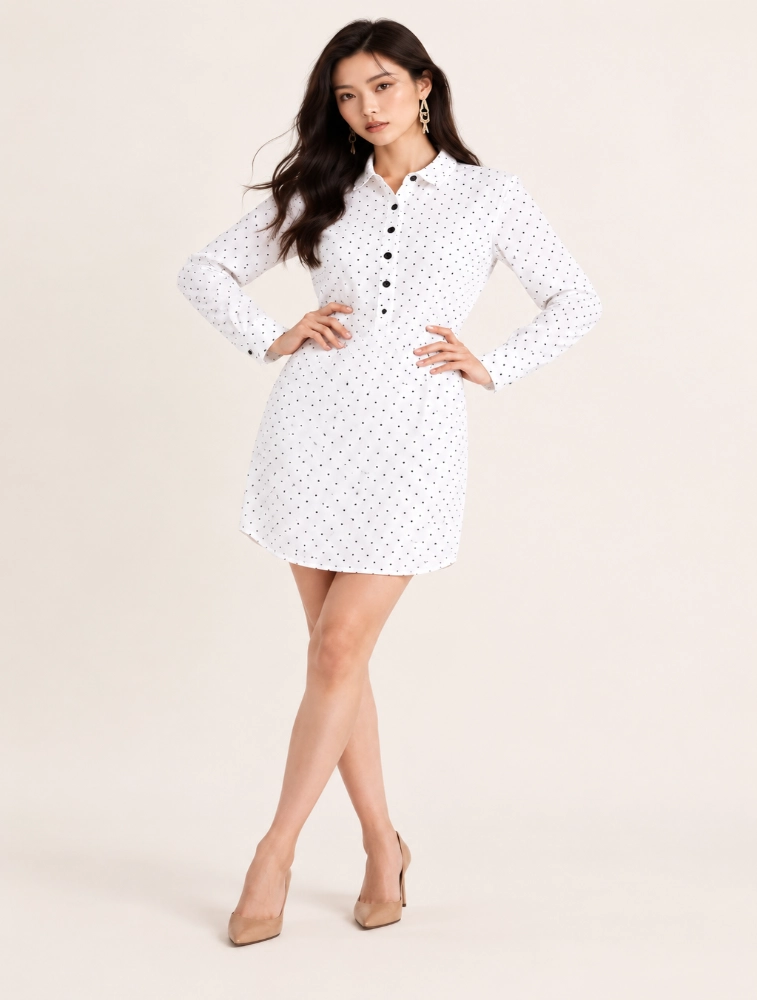
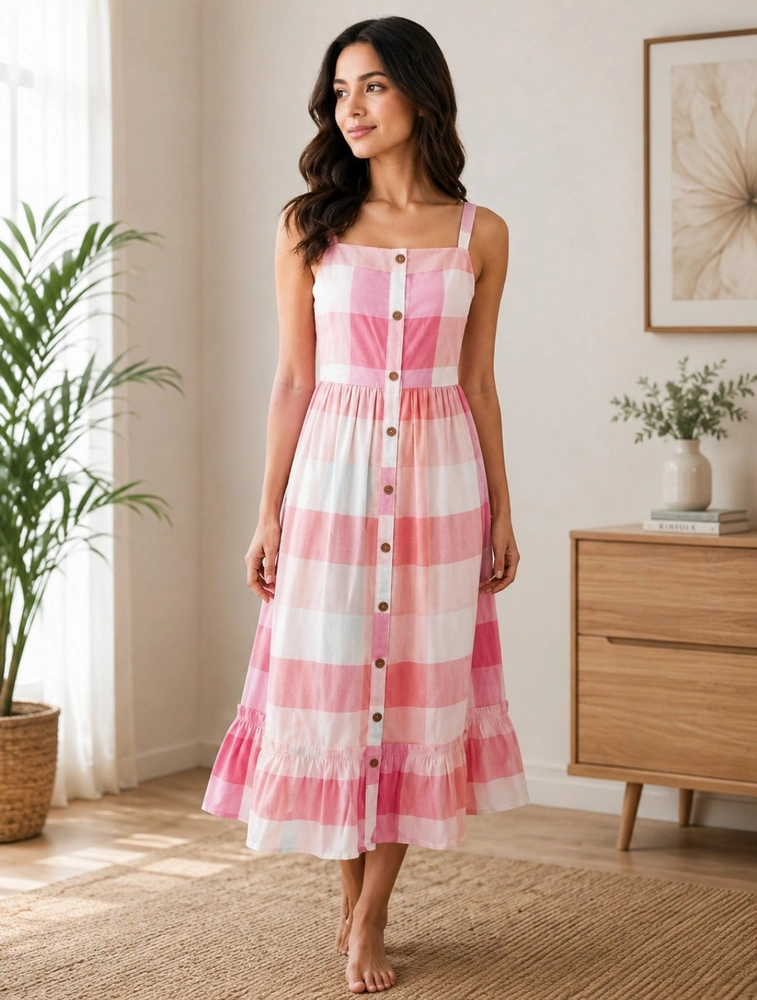
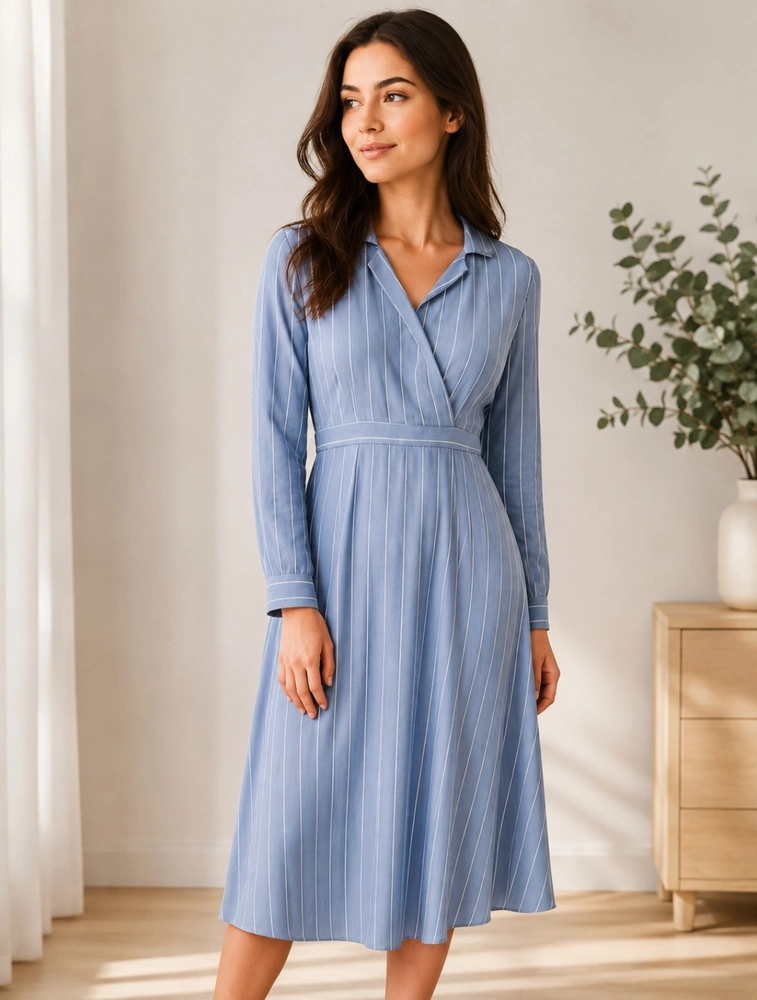
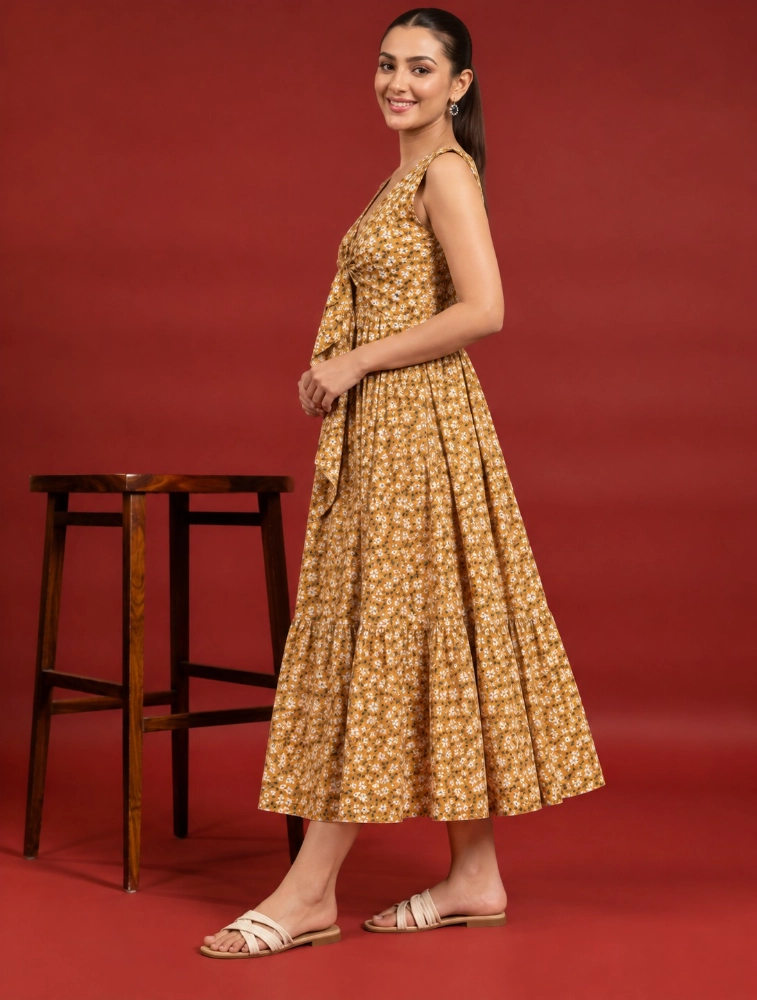
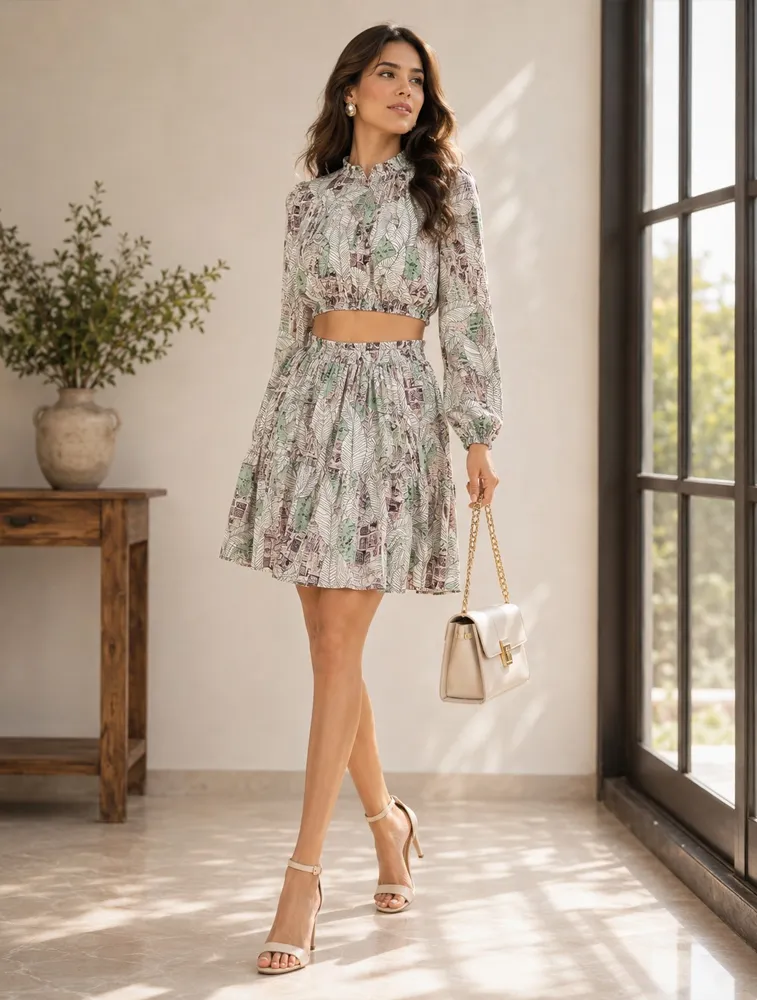
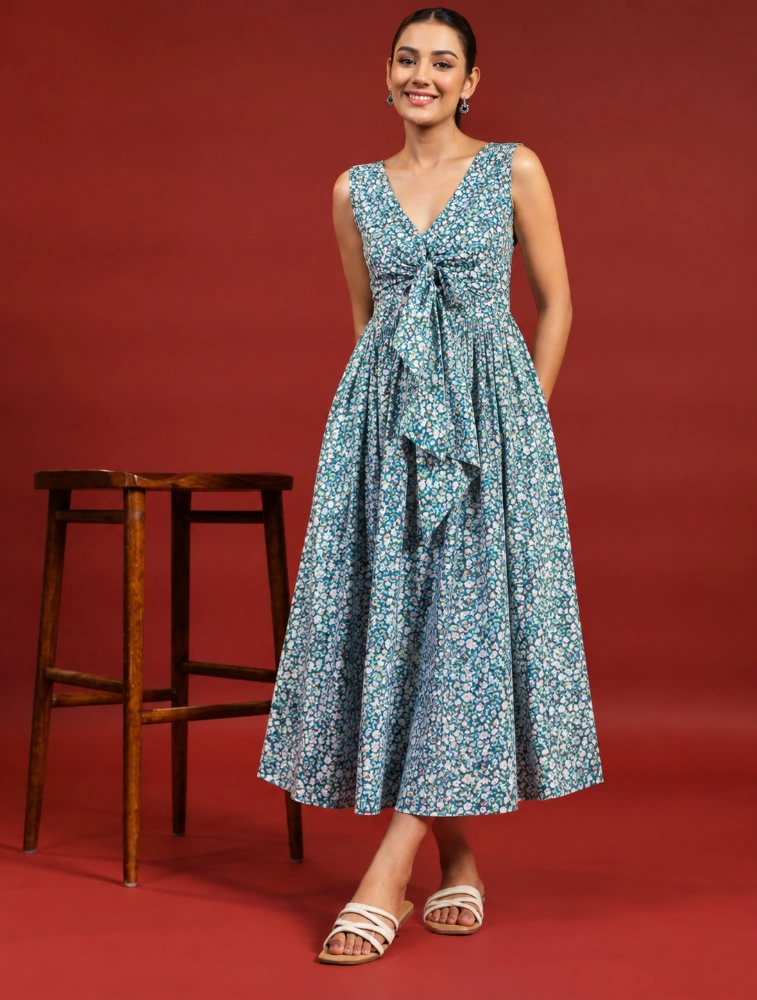
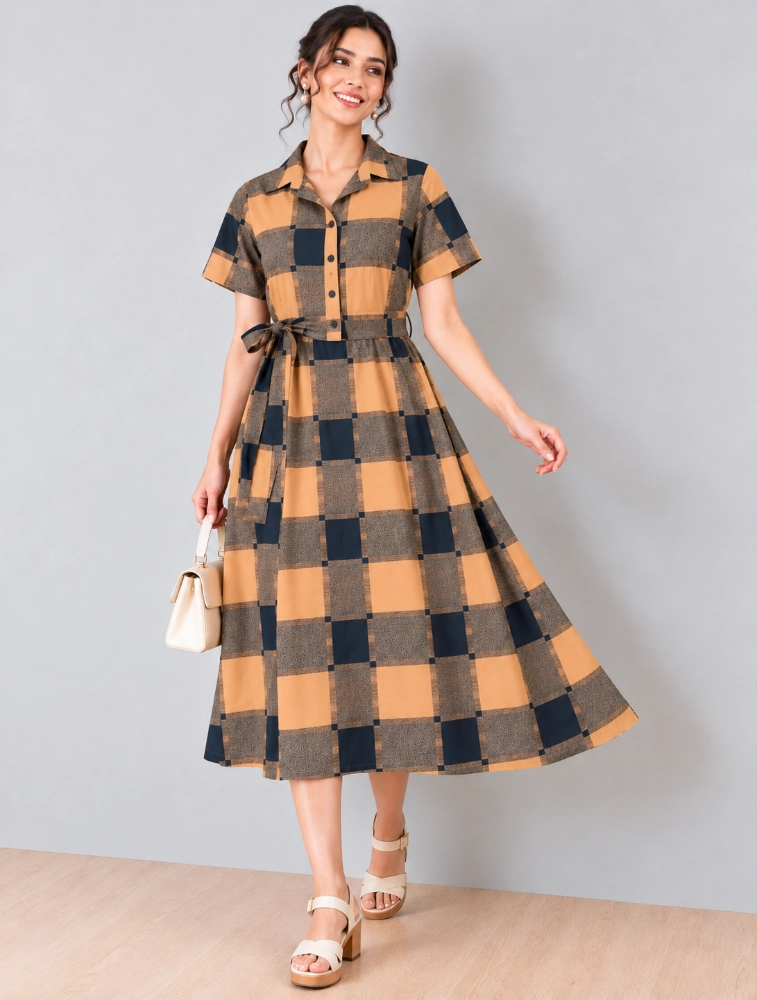
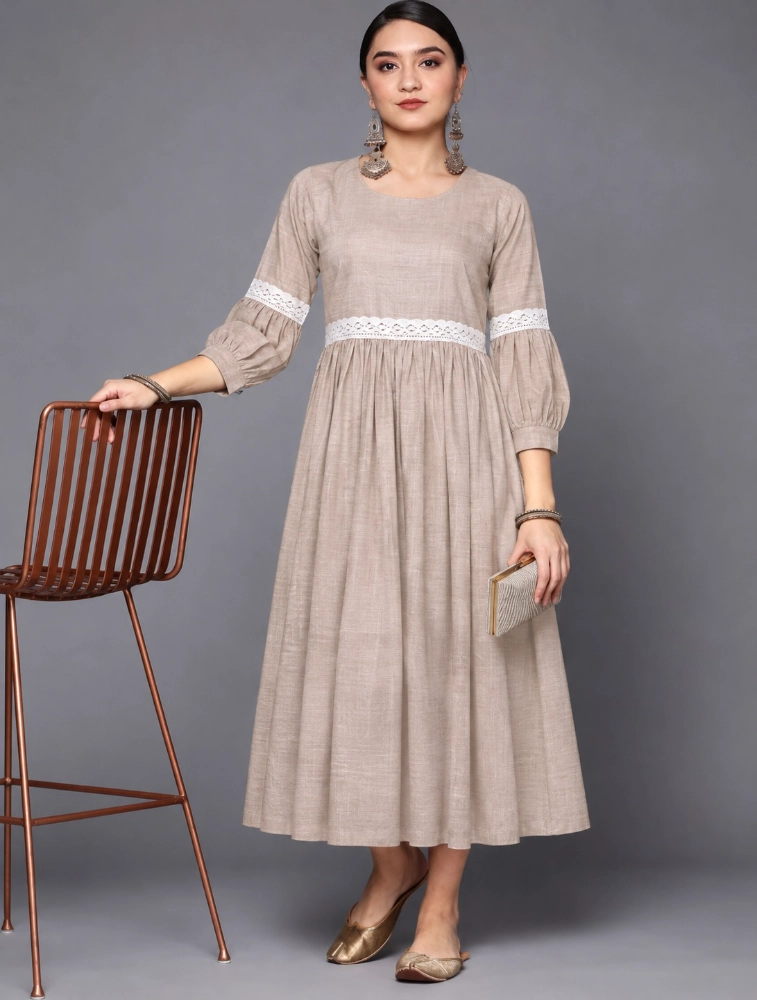
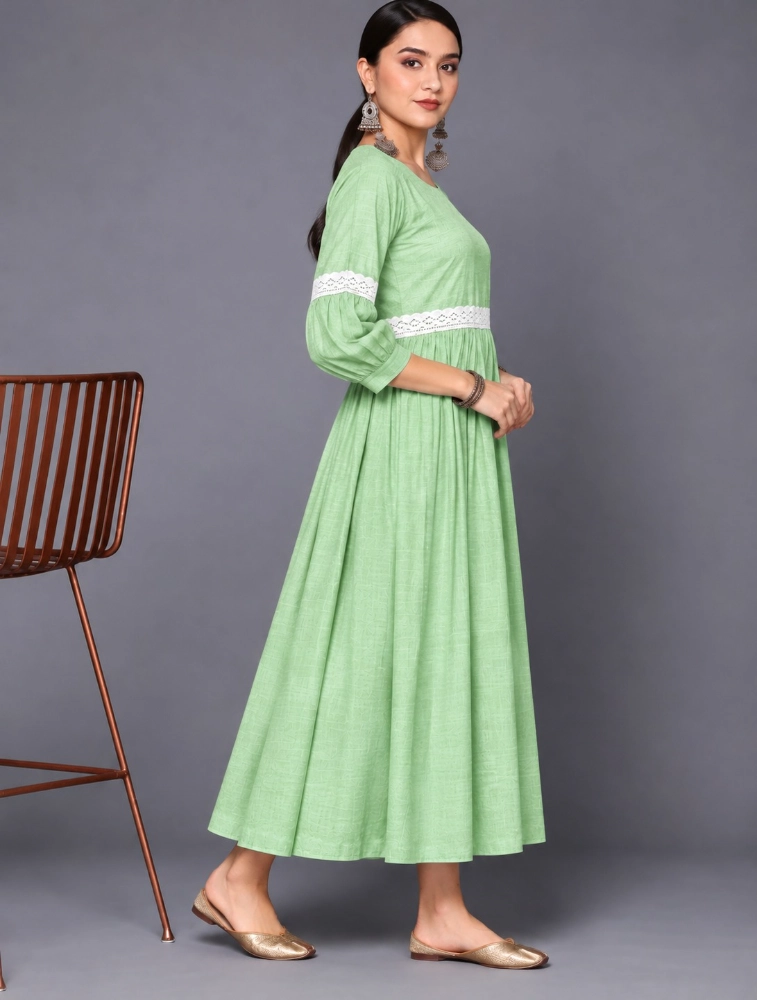
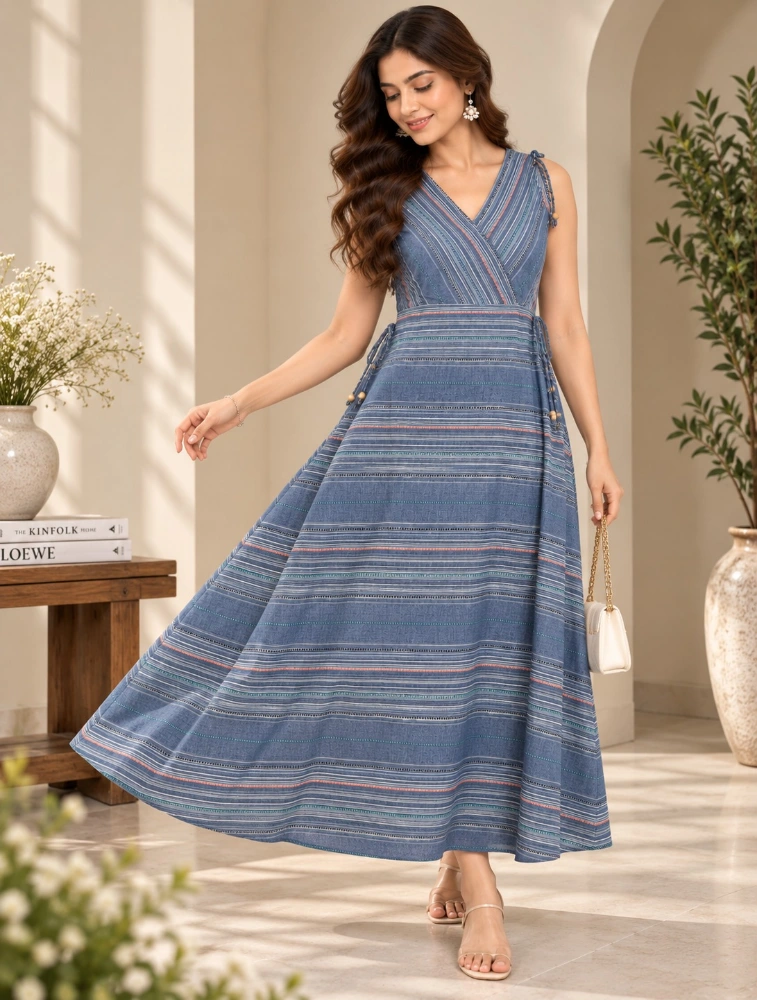
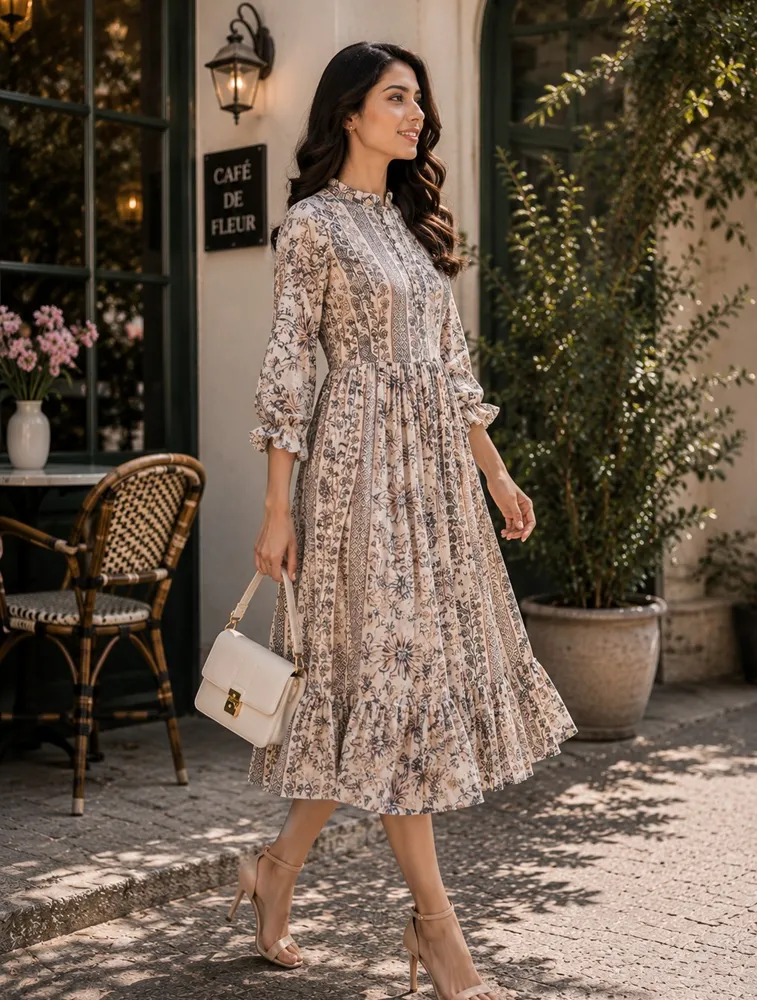
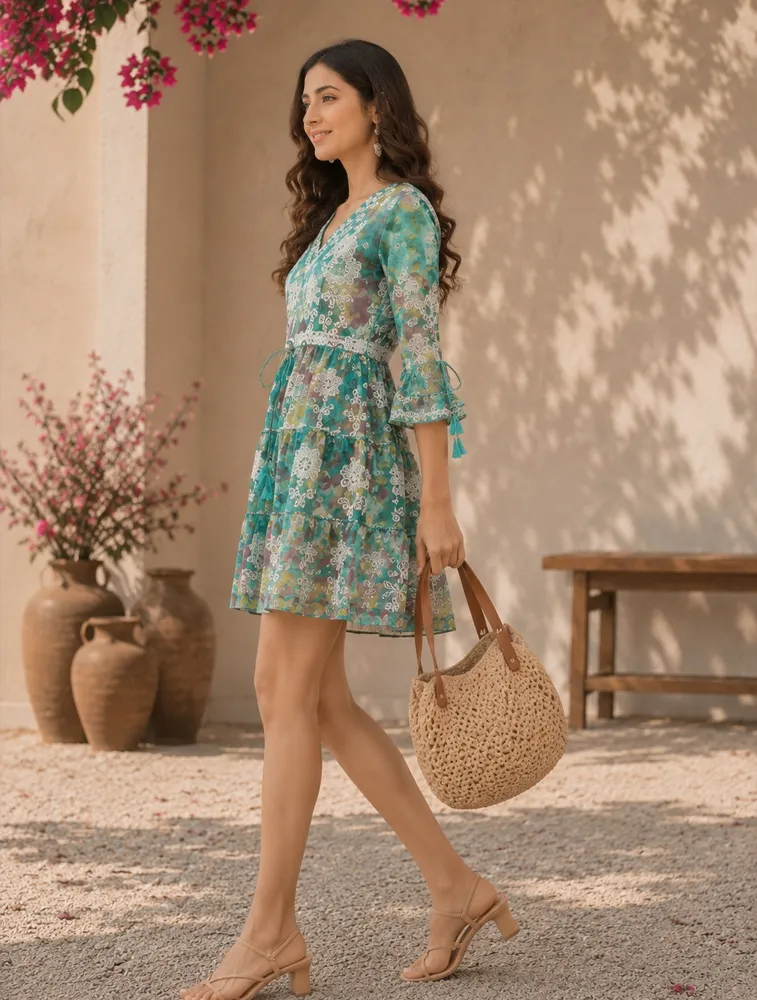
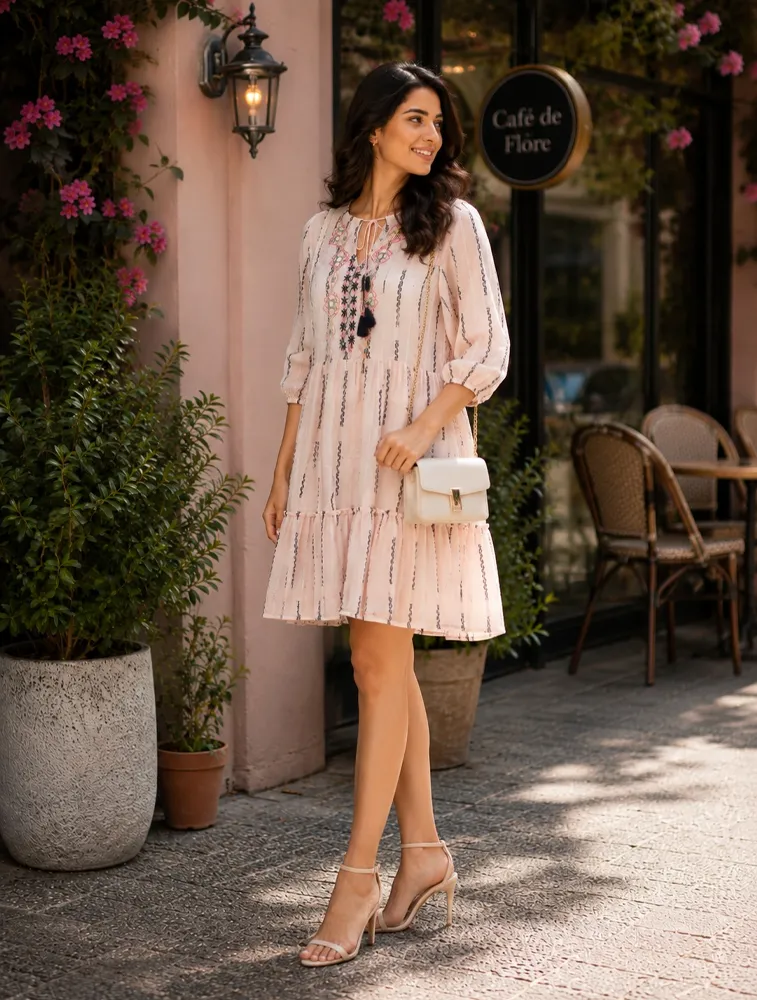
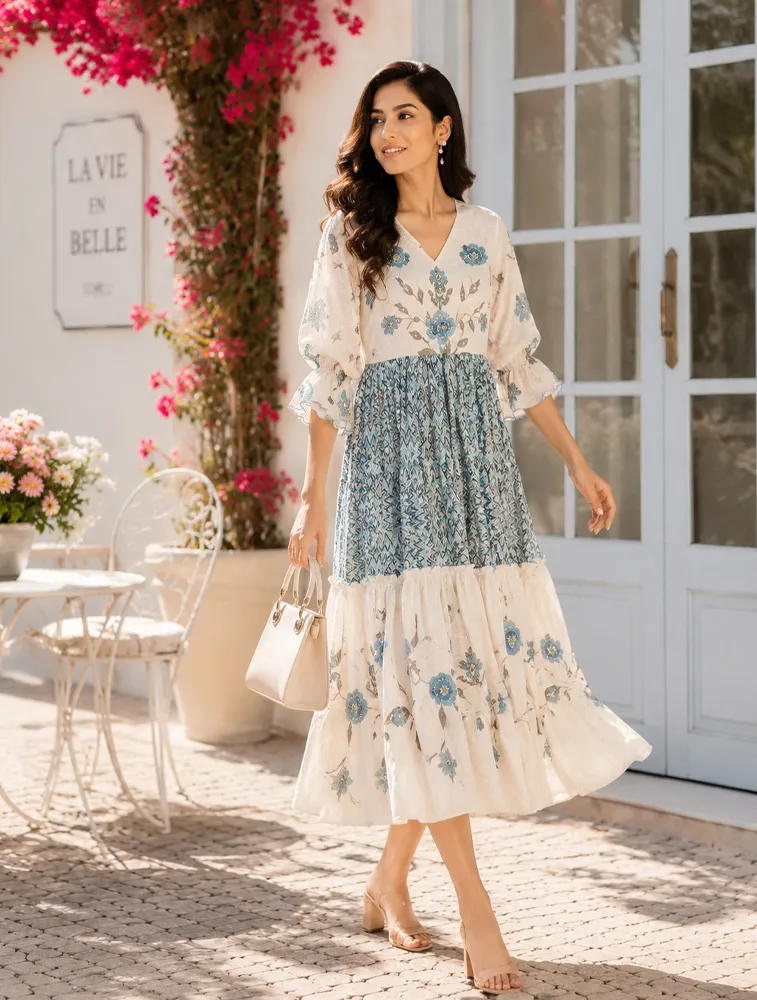
Bulk western dresses for every use case
Brand-ready western dresses for corporate, retail, uniforms and large custom programmes — sourced across partner factories with published prices.
Corporate & events
Brand-ready western dresses for offsites, launches and conferences.
Get quote →
Uniforms & programmes
Consistent supply for schools, factories and frontline teams.
Corporate uniforms →
Own brand / resale
Unbranded or private-label stock for retail brands.
Launch your store →
Large custom runs
Contract manufacturing for high-volume programmes.
Contract manufacturing →Bulk western dresses — frequently asked questions
What fibre are these western dresses made from, and why is the Fabric row not an answer?
No fibre is published anywhere in this category. The Fabric row on all four sampled pages carries an adjective, not a material, and every tariff item covering women's dresses splits by fibre. Ask for the composition as percentages in writing before you order, and take your own advice on the label.
What the four sampled pages actually publish
The specification table is the same shape on SKUFACTORI8849, SKUFACTORI8851, SKUFACTORI8856 and SKUFACTORI8885. It runs Product Type, Color, Pattern, Fabric, Fit, Length, Style on three of them, Sleeve Type, Neck Type, Occasion and Package Includes. The Fabric row exists on every one of them, which is better than several categories we have audited, and then its value is “Soft and Lightweight Fabric” on three articles and “Soft and Comfortable Fabric” on the fourth. Those are descriptions of how a cloth feels. Neither names a fibre, neither gives a proportion, and no test report is referenced on any of the five articles in the category.
Why the schedule cannot be filed without a fibre
A woman's dress lands in one of two places, and both of them split by material. If the cloth is knitted or crocheted, heading 6104 of the Customs Tariff covers women's or girls' suits, ensembles, jackets, blazers, dresses, skirts, divided skirts, trousers, bib and brace overalls, breeches and shorts, knitted or crocheted, and the dresses group beneath it is a list of fibres: 6104 41 00 of wool or fine animal hair, 6104 42 00 of cotton, 6104 43 00 of synthetic fibres, 6104 44 00 of artificial fibres, and 6104 49 for other textile materials. If the cloth is woven, heading 6204 covers the same list of garments and its dresses group splits the same way, from 6204 41 for wool through 6204 42 for cotton, 6204 43 for synthetic fibres, 6204 44 00 for artificial fibres and 6204 49 for the rest. There is no tariff item for soft and lightweight.
Why an adjective cannot be checked against anything
Set the paperwork aside for a moment and the commercial problem is worse. A fibre percentage is the only line in a garment specification that a buyer can independently verify, because a laboratory can run a composition test on a delivered piece and produce a number. Softness cannot be tested. If the delivered dresses feel different from the sample, there is no published claim to hold the supplier to, no tolerance to have been breached, and nothing to reject against. Fibre also drives the things a buyer is really paying for: shrinkage behaviour, ironing temperature, how the print holds, how the cloth falls on a tiered skirt, and how it behaves after repeated washing in an institutional laundry.
What to write into the order
Name the fibre split as percentages with a tolerance, for the body cloth and separately for any lining, contrast panel or trim. Name the construction as knitted or woven. Name the test method you will accept for composition and require a report on the pre-production sample and on the first bulk lot. Then say plainly in the purchase order that the delivered goods must match the tested composition, and that a difference outside tolerance is a rejection. None of this is legal advice; it is the ordinary content of a garment specification, and your own adviser should confirm what your channel and your destination market require.
Classification, Packaging Law & ClaimsQueries Targetedwestern dresses fabric composition bulk order india
One of the five articles is a two-piece co-ord set. Is it classified as a dress?
Probably not. A dress is one garment; a co-ord is two, and the Customs Tariff treats a matching upper and lower garment put up together as an ensemble, which is a different tariff item at a different rate. The article is titled, priced and packed as a dress. Confirm before shipping, and take customs advice.
What the listing says
SKUFACTORI8849 is titled and slugged as a co-ord mini dress. Its Product Type row on the specification table reads Co-Ord Mini Dress, and its Package Includes row names a co-ord mini dress as the contents. It sits on the same grid as four single-garment dresses, at the same price, under the same heading. Everything about the way the article is presented says one garment, and the words co-ord say two.
What the chapter note actually requires
Note 3 to Chapter 61 defines the two set-type expressions the schedule uses. A suit is a set of two or three pieces made up in identical fabric, comprising a jacket with four or more panels and a lower garment, matching in fabric construction, colour and composition and in style and corresponding size. An ensemble is defined separately as a set of garments other than suits, composed of several pieces made up in identical fabric, put up for retail sale, containing one upper garment and one or two lower garments, with matching fabric construction, style, colour and composition and corresponding or compatible sizes. The equivalent note governs the woven chapter.
Why this changes the eight-digit item
Knitted ensembles sit in their own group under heading 6104: 6104 22 00 of cotton, 6104 23 00 of synthetic fibres, and 6104 29 for other textile materials. Woven ensembles sit under heading 6204 at 6204 21 00 for wool or fine animal hair, 6204 22 10 for blouses combined with skirts, trousers or shorts, 6204 22 90 for other cotton ensembles, 6204 23 00 for synthetic fibres and 6204 29 for the rest. Dresses are a separate group in both headings. So the choice is not cosmetic: it selects a different tariff item, potentially a different rate, and a different description on the invoice and the shipping bill.
The wrinkle that catches bulk buyers
Read the ensemble definition once more and notice the words put up for retail sale. A set that is packed for the shelf as a set is an ensemble. Two garments shipped loose in a bulk carton, to be paired later, may not meet that condition at all, in which case each piece is classified separately in its own heading. That means the same two garments can attract two different treatments depending on how they are packed, and packing is a decision the buyer usually makes. Get the packing configuration written into the order before the classification is settled.
What to do about it
Ask the seller to state, in writing, how many separate garments the article comprises, whether they are made in identical fabric, whether they are packed together for retail, and what tariff item is being declared. Then check that the per-piece price you are quoted is per set and not per garment, and that the minimum order quantity is counted the same way. None of this is legal advice. Classification is decided by customs on the facts of the actual goods, and your own broker should sign off the line before the first shipment moves.
Classification, Packaging Law & ClaimsQueries Targetedco-ord set customs classification ensemble india
Does it matter whether a tiered midi dress is knitted or woven?
Yes, it decides the chapter. Knitted or crocheted dresses fall under heading 6104 in Chapter 61; woven ones fall under heading 6204 in Chapter 62. No sampled page states construction, so neither heading can be selected from what is published. Get it in writing and take your own customs advice.
The two headings, and what they cover
Heading 6104 covers women's or girls' suits, ensembles, jackets, blazers, dresses, skirts, divided skirts, trousers, bib and brace overalls, breeches and shorts other than swim wear, knitted or crocheted. Heading 6204 covers exactly the same list of garments where they are not knitted or crocheted. One word of difference in the heading text, and the two sit in different chapters of the schedule. Everything else about a dress can be identical and the classification will still turn on how the cloth was made.
The woven side carries an extra distinction
Under 6204 the cotton group is split three ways at eight digits: 6204 42 10 for house coats and the like dresses, 6204 42 20 for dresses, and 6204 42 90 for other. The wool group splits into 6204 41 10 for house coats and like dresses, 6204 41 20 for blazers and 6204 41 90 for other. The synthetic group splits into 6204 43 10 for house coats and the like and 6204 43 90 for other, with 6204 44 00 covering artificial fibres as a single item and the 6204 49 items covering silk and other materials. The knitted side is simpler, running straight to a fibre at 6104 41 00, 6104 42 00, 6104 43 00, 6104 44 00 and 6104 49. A buyer therefore needs two facts before a line can be chosen, not one: construction and fibre, and this category publishes neither.
What the listings do publish, and why it does not help
The Style row on three of the four sampled pages reads as a tiered dress, and the Length row distinguishes mini, midi and maxi. Both are useful merchandising facts and neither appears anywhere in the schedule. A tiered midi in a woven cotton and a tiered midi in a knitted synthetic look similar on a rail, share a photograph style, share this category's single price, and are two different tariff items. Nothing in the way these five articles are described lets a buyer tell them apart.
Why a buyer should care beyond the paperwork
Construction is also the difference between two quite different garments in use. A knitted cloth has mechanical stretch, so a size letter forgives a body measurement it does not match. A woven cloth does not, so the same letter has to be cut correctly or it will not fit. Tiered skirts made from a woven fall in a gathered, structured way; the same pattern in a knit drapes closer to the body. If you are buying against a fit standard, the construction has to be fixed before the first article, not discovered afterwards.
What to ask for
Require the seller to state construction and fibre percentages for each article, and to nominate the eight- digit tariff item it intends to declare, before you release the order. Put both on the specification sheet and on the pre-production sample approval. This is not legal advice and classification is ultimately a matter for customs on the actual goods; your own broker should confirm the line for your destination.
Classification, Packaging Law & ClaimsQueries Targetedknitted or woven dress hs code 6104 6204
What has to be declared on the polybag when dresses ship to a distributor?
The Legal Metrology (Packaged Commodities) Rules, 2011 govern pre-packed goods sold by number, and no sampled page shows a declaration of any kind. Nothing states origin, packer, net quantity, month of packing or price. Specify the artwork in the purchase order and take your own legal advice on what your channel requires.
What the pages do say about packing
The packaging paragraph is near-identical on all four sampled articles. Each says the dress is carefully folded and packed in a premium-quality polybag to protect the garment from dust, moisture and damage during storage and transit, and two of them add that the secure packaging ensures the dress reaches the buyer in excellent condition. That is a statement about protection. It is not a statement about labelling, and unlike some other categories on this site it does not even claim that a tag or a care instruction physically travels in the bag.
The rules that bite on a garment sold by number
Rule 13 deals with the statement of units, requiring the International System of Units and designating the letters N or U as the way to express a quantity by number. A single dress in a bag is one N, and that is the net quantity declaration a pre-packed garment normally carries. Rule 15 is more interesting for apparel: where the dimensions or weight of a commodity have a relationship to its price, the declaration of quantity must also include a declaration as to those dimensions or that weight. A garment sold in sizes is precisely a commodity whose dimensions matter, and a buyer should think about whether the size designation on the pack is doing that job.
What is not prescribed, and why that is worth knowing
Rule 5 requires commodities specified in the Second Schedule to be packed in the standard quantities set out there. Garments are not among them, so there is no prescribed pack size for a dress and a supplier is free to configure cartons and inner packs however the programme needs. That is a freedom rather than an exemption, and it does not carry across to the declaration itself. Rule 26 lists the exemptions that do exist, and they cover very small packages, restaurant food, certain price-controlled drug formulations and large agricultural packs. An apparel polybag is not on that list.
Where the exposure actually sits
This is the part wholesalers and retailers should read twice. Rule 21 provides for inspection of quantity and error in packages at the premises of the wholesale dealer or the retail dealer, on complaint or where tampering is suspected, alongside the manufacturer-premises inspection in Rule 19. If you buy unlabelled polybags and put them into your own channel, the pack in the inspector's hand is in your warehouse, not the factory's. That is why the declaration belongs in your purchase order rather than in a conversation.
What to specify
Give the supplier finished artwork for the pack: the name and full address of the manufacturer or packer, the common name of the commodity, net quantity as one N, the month and year of packing, country of origin, and a consumer-care contact. Approve it on the pre-production sample. None of this is legal advice, the requirements differ for institutional and industrial supply, and your own legal adviser should confirm what applies to your route to market before you print anything.
Classification, Packaging Law & ClaimsQueries Targetedlegal metrology declaration garment polybag india
The category says prices run from 917 to 917 rupees. Is that a real range?
It is a range with one value in it. All five articles carry the same three-tier ladder, so the lowest and highest published prices are identical. That is accurate reporting of a catalogue with one price, not a pricing error, but it tells a buyer nothing about what a different specification would cost.
What the page publishes
The heading, the title and the opening paragraph all quote the same figure, and the range sentence gives Rs 917 as both ends. Open any of the five articles and the reason is plain: every one of them shows the identical ladder, with Rs 965 a piece for one hundred to nine hundred and ninety-nine, Rs 946 a piece for a thousand to nine thousand nine hundred and ninety-nine, and Rs 917 a piece above ten thousand. Five articles, one price structure, no variation at all between a printed cotton-look mini and an embroidered tiered mini.
Why an identical price across five articles is itself information
A single price across an entire category usually means one of two things. Either the articles genuinely share a cloth, a construction and a make cost, which is plausible here given how similar the descriptions are, or the price has been set at a programme level rather than costed article by article. Both are legitimate. Neither is what a buyer normally infers from a published range, which is that the catalogue spans a spread of qualities and the buyer can position themselves within it. Here there is nothing to position against.
What a real range would tell you
On a properly spread apparel category the distance between the cheapest and dearest article is a map of the specification. The bottom is a lighter cloth, a simpler make, a printed rather than embroidered surface. The top is a heavier or better cloth, more panels, a lining, hand work. A buyer reads that spread and locates their own product on it before they ever ask for a quote. A range of one gives no such reading, which means every conversation about specification has to start from scratch.
The related presentation problem
The category also offers a browse-by-price section. With one price in the catalogue there is nothing for it to sort, and a sort control that offers price low to high and price high to low will return the same five tiles in whatever order it is set to. This is a small thing, but it is the kind of small thing that tells a first-time buyer the page is a template rather than a range.
How to use the page anyway
Treat the published number as the price of this particular make at this particular volume, and treat the five articles as evidence of what the factory network is currently producing rather than as a menu. If your programme needs a heavier cloth, a lining, a different length or a fibre the catalogue does not name, the price will move and it should. Ask for a costed quotation against your own specification sheet and compare that to the published figure to see what your requirements are actually adding.
What The Page PublishesQueries Targetedbulk western dresses price india
Can I actually buy at the advertised per-piece price?
Not at the minimum order quantity. The advertised figure is the ten-thousand-piece tier. Every sampled page prints a minimum of one hundred units, and at one hundred units the published price is Rs 965. The ladder runs cheapest last, so the number in the heading is the one almost nobody pays.
The arithmetic, laid out
Each of the four sampled product pages shows the same three rungs. One hundred to nine hundred and ninety-nine pieces is Rs 965 each. One thousand to nine thousand nine hundred and ninety-nine pieces is Rs 946 each. Above ten thousand pieces it is Rs 917 each. The page also prints a minimum order quantity of one hundred units. So the smallest order the page will accept is priced at the top rung, and the figure quoted in the category heading, the page title and the opening paragraph is the bottom rung, three steps and two orders of magnitude away.
Why this is a real problem and not a quibble
A buyer comparing suppliers builds a shortlist from headline numbers before they open anything. If your competitor publishes the price at which a first order can actually be placed and you publish the price at which a ten-thousand-piece order can be placed, you will look cheaper on the shortlist and dearer in the quotation, and the gap will be discovered at exactly the moment trust matters most. On this category the difference between the headline and the buyable price is forty-eight rupees a piece, which is a little over five per cent, and on a five-hundred-piece order that is real money to explain away.
The second-order effect on the range sentence
Because both ends of the published range are the ten-thousand-piece figure, the range as stated does not describe a price any buyer of a normal-sized order will encounter. The honest range at the minimum order quantity is a single figure too, Rs 965, since all five articles are identically priced. It is worth saying out loud that the ladder itself is a good thing. Publishing three tiers with their break points, on every product page, is more disclosure than most suppliers in this trade offer, and a buyer can plan against it. The problem is only which rung gets promoted to the heading.
What the fix looks like
Quote the entry price in the heading and the volume price in the body, in that order. A line that reads from Rs 965 at one hundred pieces, falling to Rs 917 above ten thousand, is both more accurate and more persuasive than a bare figure, because it shows the buyer the reward for scale instead of hiding the cost of starting small.
What to do as a buyer
Work out your actual annual volume per style and per colour, not your total across the programme, because the ladder is applied per article. A ten-thousand-piece programme spread over five styles and three colours is fifteen separate lines of a few hundred pieces each, and every one of them prices at the top rung unless you negotiate a blended rate across the order. Ask for that blended rate explicitly, and ask whether the tier is assessed on the purchase order or on each delivery call-off, because on a staggered programme those two answers give very different totals.
What The Page PublishesQueries Targetedwestern dresses minimum order quantity price tier
The sleeve and neck rows on every dress carry a placeholder instead of a value. Does that matter?
It matters because those two rows are where a dress is defined. On all four sampled pages the sleeve and neck fields carry a fill-in phrase rather than a value, so the catalogue does not say whether a garment is sleeveless or long sleeved, or what the neckline is. Ask for both in writing.
What is on the page
The specification table on SKUFACTORI8849, SKUFACTORI8851, SKUFACTORI8856 and SKUFACTORI8885 includes a Sleeve Type row and a Neck Type row. On every one of the four, both rows carry the same placeholder wording rather than a garment feature. The rows were built into the template, they were never filled, and the template published them anyway. That is different from an omission: an absent row tells a buyer the information was not collected, while a row holding a placeholder tells them it was collected and is being withheld, which is worse for confidence and identical in usefulness.
Why sleeve and neck are not decoration
Ask any apparel buyer what they need to know about a dress before they will look at a price, and the answer is length, silhouette, neckline and sleeve. Length is published here, and so is silhouette in the form of a tiered or co-ord style row. The other two are not. Sleeve type decides seasonality, whether the garment works under a jacket, whether it is acceptable in a workplace dress code, and a meaningful share of the make cost. Neckline decides whether the garment can be worn to an office at all, how it photographs, and whether a modesty requirement common in institutional and school-adjacent buying is met.
The knock-on effects a seller may not have noticed
Two of these dresses are described as embroidered or printed and shown on models, so a buyer can see the neckline in the photograph. That does not help a machine. Structured product data feeds, filters, and the answer engines that increasingly stand between a buyer and a supplier all read the rows, not the picture. A neckline filter cannot return an article whose neckline field is a placeholder, and an assistant asked for a sleeveless midi dress in bulk will not be able to confirm this one qualifies. On a five-article category, being invisible to a filter is the whole category.
What a buyer should extract
Ask for sleeve type and length, neckline shape and depth, and closure type for each article, and ask for them as words on the specification sheet rather than as a photograph. Add shoulder construction if the garment will be worn under a blazer, and add whether the neckline is finished with a facing, a binding or a self-fabric band, because that decides how it survives laundering. If you are buying for a workplace or an institution, write the modesty requirement into the specification as a measurement from the shoulder point, not as an adjective, because an adjective is exactly the problem this row already has.
The easy remedy on the seller's side
Every one of these facts is visible in the sample garment and takes a minute to record. Filling four rows across five articles is twenty small edits, and it converts a category that cannot answer a buyer's first question into one that can.
What The Page PublishesQueries Targetedwestern dresses specification sleeve neck details
How heavy is the cloth on these dresses?
Not published, on any of the five. There is no weight in grams per square metre and no garment weight anywhere in the category. On tiered and maxi constructions the cloth weight is what produces the fall, and on printed goods it is what decides opacity, so this is the single most useful number the listings omit.
What weight actually buys you
Cloth weight in grams per square metre is the closest thing apparel has to a single quality index. It correlates with opacity, with drape, with how a seam behaves under load, with how many wash cycles the garment survives before it looks tired, and with cost, because cloth is sold by weight. Two dresses can share a fibre, a colour, a print and a photograph and be entirely different products at a hundred grams per square metre and at two hundred. A buyer who knows the weight can predict most of the rest. A buyer who does not is guessing from a photograph.
Why this category in particular needs it
Look at what these five articles are. Three of the four sampled pages carry a tiered style, one is a maxi length, one is a midi and two are minis. A tiered skirt is gathered at each seam, so the cloth is doing structural work; too light and the tiers collapse into a limp column, too heavy and the gathers sit stiff and bulky. A maxi length compounds it, because the whole weight of the skirt hangs from the waist seam. Every article in the category is printed or embroidered, and print sits differently on a light open cloth than on a dense one. Opacity matters on all of them, and a lining is nowhere mentioned.
The related figure that is also missing
Garment weight, as distinct from cloth weight, decides freight. On a five-hundred-piece order moving by air the difference between a two-hundred-gram dress and a four-hundred-gram dress is a hundred kilograms of chargeable weight, and a buyer building a landed-cost model cannot construct one from what is published. Carton dimensions and pieces per carton are absent too, so volumetric weight cannot be estimated either.
What a light cloth costs you later
The failure mode is predictable and it is a returns problem rather than a delivery problem. Goods arrive, they look correct on the rail, and the first customer or the first staff member to wear one discovers the garment is see-through in daylight or that the tiers hang flat. By then the order is paid for and the shipment is in your warehouse. Weight is the one number that would have told you in advance, which is why it belongs in the order rather than in the post-mortem.
What to specify
Ask for the cloth weight in grams per square metre with a tolerance, the finished garment weight in a stated size, an opacity requirement if the cloth is light or the shade is pale, and pieces per carton with carton dimensions. Approve all of them on the pre-production sample, and make the first bulk lot subject to the same figures. Every one of these is a fact the factory already knows.
What The Page PublishesQueries Targeteddress fabric gsm weight bulk buying
Where are the washing instructions for these dresses?
There are none. The section headed Care Guidelines on all four sampled pages contains product description rather than care, and unlike other categories the packaging paragraph does not say a care label ships in the bag. No temperature, no bleach rule, no ironing rule and no first-wash separation note on printed and embroidered goods.
What is in the block instead
On SKUFACTORI8849 the Care Guidelines section describes a lightweight and breathable fabric offering all- day comfort, a botanical print adding charm, and a versatile choice for various occasions. On SKUFACTORI8851 and SKUFACTORI8885 the same section describes the print, the tiered silhouette and the ease of styling, and then closes by noting that slight colour variations may occur because of photographic lighting and screen settings. On SKUFACTORI8856 it describes the embroidery and the flowy silhouette. All four say the garment is easy to maintain. None of them says how.
Why the wording matters more than the omission
Saying a garment is easy to maintain is a performance claim. It is the kind of sentence a buyer relies on and a supplier cannot defend, because there is no fibre published to support it, no cloth weight, no colourfastness grade, no shrinkage figure and no test method anywhere in the category. If a printed dress bleeds in a first wash or shrinks out of size, the phrase easy to maintain is what the complaint will be pinned to. Removing it costs the listing nothing. Substantiating it costs a wash-test report.
What a care instruction has to contain to be worth anything
Five elements, in order: washing, with a maximum temperature and whether hand or machine; bleaching, permitted or not, and with what; drying, including whether the garment may be tumbled and at what heat; ironing, with a maximum plate temperature and whether steam is allowed; and professional cleaning, permitted or not and by which process. For a printed or embroidered dress two more lines earn their place: wash dark and printed shades separately for the first several washes, and iron on the reverse to protect the print or the embroidery thread. Nothing in that list is proprietary and nothing in it is expensive to establish.
The gap between the digital page and the physical garment
It is very likely the delivered dresses carry a sewn-in care label, because almost all commercially produced apparel does. The point is that a bulk buyer cannot see it before the goods arrive, cannot write it into a purchase order they have not been shown, and cannot answer their own customer's question about it. Publishing the label content on the page is the cheapest single improvement available to this category, and unlike fibre or weight it requires no test at all, only transcription.
What to ask for
Request a photograph of the actual sewn-in care label from the pre-production sample, ask for the wash- test report behind whichever symbols it carries, and put the care instruction on your specification sheet as text so that a change in the factory's label is a deviation rather than a surprise.
What The Page PublishesQueries Targetedwestern dress wash care instructions wholesale
Two listings warn that colours may vary. What does that mean for a repeat order?
The warning on those two pages is about photography, not about dye. Neither it nor any other page publishes a colourfastness grade, a shrinkage figure or a test method, so nothing in the catalogue tells you how the shade behaves in a wash or how closely a second batch will match the first. Specify both.
Two different things called colour variation
The sentence at the end of the Care Guidelines block on SKUFACTORI8851 and SKUFACTORI8885 attributes slight colour variation to photographic lighting and screen settings. That is a fair and common disclaimer, and it addresses the gap between the image on a monitor and the garment in the hand. It says nothing about the two variations a bulk buyer actually loses money on: whether the dye stays where it was put when the garment is washed or worn, and whether the dye lot on your reorder matches the dye lot on your first order.
Fastness, and what a grade looks like
Colourfastness is reported as a graded result against a named method: fastness to washing, to rubbing both dry and wet, to perspiration, to light. Grades run on a scale, higher is better, and a buyer specifies a minimum for each. A sand beige or baby pink ground with a dark print is the classic case where rubbing fastness matters, because the dark colour migrates onto the pale ground in the folded pack before the garment is ever worn. A white floral maxi is the classic case where fastness to washing matters, because any bleed shows instantly. This category contains both, and grades neither.
Shade continuity across batches
The second issue is lot-to-lot matching. Dye is a batch process and two lots of the same recipe are never exactly identical. Serious buyers handle this with an approved shade standard, a tolerance expressed against a grey scale, and a rule that all pieces of one style in one delivery come from one dye lot. Without any of that, a reorder placed six months later can arrive visibly different from the stock already in your channel, and there is no published standard to reject it against. On a five-article catalogue where colour is essentially the product, that is a live commercial risk.
Shrinkage belongs in the same conversation
No shrinkage figure appears on any page either. On a tiered or maxi dress shrinkage does not simply make the garment smaller, it changes the proportion between the tiers and the drop of the hem, which is visible in a way that a shrunk t-shirt is not. Residual shrinkage should be specified as a maximum percentage in length and in width, after a stated number of wash cycles at a stated temperature.
What to write in
Set minimum fastness grades for washing, dry rubbing, wet rubbing and perspiration against named methods; require an approved shade standard with a stated tolerance and one dye lot per style per delivery; set maximum residual shrinkage in both directions; and require the reports on the pre-production sample and on each bulk lot. This is specification work, not legal advice, and it is the difference between a repeat order that lands and one that argues.
What The Page PublishesQueries Targetedcolour fastness shade matching bulk dresses
Which of the three published prices should a per-piece budget be built against?
The hundred-unit tier, unless you are genuinely ordering in thousands. Every sampled page publishes three tiers and the middle one starts at a thousand pieces. A programme sized at a few hundred dresses pays the top tier on all five articles, so that is the figure a budget and a landed-cost model should carry.
Match the tier to how you actually buy
The tiers are almost certainly applied per article, because they are published on the article page rather than on the category. A corporate programme for three hundred people is not a three-hundred-piece order if it is split across two styles and a size ratio; it is two orders of a hundred and fifty, both at the top rung. A retail buy of two thousand pieces spread across five styles is five orders of four hundred, again all at the top rung, even though the total sits comfortably inside the middle band. Count the way the seller counts before you assume a tier.
The three questions that decide your real price
First, is the tier assessed on the purchase order value or on each delivery call-off? On a staggered programme those give different answers and the difference is worth asking about in writing. Second, can volumes be blended across styles and colours to reach a tier, given that the cloth and the make appear to be common across the catalogue? Third, does the published tier price include or exclude the branding you intend to add, since a woven label, a hangtag and a printed polybag are all separate operations.
What sits on top of the piece price
The published figure is a piece price and a budget needs a landed cost. Add goods and services tax, freight to your location, any branding and packing charges, sampling costs before they are credited back, and an allowance for the size ratio you will inevitably over-order in. If the goods are moving across a border, add duty at the rate for the correct tariff item, which as covered elsewhere in these questions cannot yet be determined from what the pages publish, plus clearance and documentation. On light apparel the freight line is more sensitive to carton efficiency than to weight, and neither pieces per carton nor carton dimensions appears on any page here.
A sanity check worth running
Because all five articles carry the same price, the catalogue gives you no internal benchmark. Take your own specification, price it with two other suppliers, and compare the spread rather than the absolute. If your requirements pull the quote well above the published figure, ask which specific line item is doing it, cloth weight, lining, embroidery or the size ratio, and decide whether you need it. If the quote comes back at exactly the published figure despite a heavier specification, ask what changed, because something has.
Put the answer in the purchase order
Whatever tier you land on, state the unit price, the tier basis, the quantity it is conditional on, and what happens if the final quantity falls short. A tier discovered at invoice time is the most common avoidable dispute in bulk apparel, and it is prevented by one sentence.
ProcurementQueries Targetedwholesale dress price per piece budget
What sizes do these dresses come in, and what do the letters mean?
Three sampled pages run S to XXL and a fourth runs S to XXXL, so the ladder is not constant across a five-article catalogue. No page publishes a body measurement behind any letter. On mini, midi and maxi lengths the garment length alone changes the fit, so letters carry very little information.
What the size chart does and does not give you
A size chart is present on every sampled page, which is worth acknowledging because several categories on this site have none at all. What it presents is a set of letters. There is no bust, waist or hip measurement, no garment length, no shoulder width, no sleeve length and no statement of whether the numbers behind the letters would be body measurements or finished garment measurements. Those two are not the same thing and the difference between them is the ease the designer built in, which on a relaxed tiered dress can be substantial.
Why the inconsistency matters more than it looks
One article offering an additional larger size and four not is a problem for any programme that has to dress a whole population. A corporate rollout, an institutional order or a uniform-adjacent buy cannot have a style that stops at one size while the coordinating style continues, because the largest wearers end up with a different garment from everybody else. Before committing to a multi-style programme, confirm which sizes exist on every article you intend to use, and confirm it against the factory's pattern set rather than against the web page.
Length is doing work the letters do not describe
This catalogue spans mini, midi and maxi in the Length row. Those are relative terms, and where a hem falls depends on the wearer's height as much as on the pattern. A midi on one person is a maxi on another. For a workplace or institutional programme where hem position is part of the requirement, a letter and a word are not enough; you need the finished centre-back length in centimetres for each size, and you need to decide whether that length is graded across the size run or held constant.
The size ratio question nobody asks early enough
Buying a hundred pieces of one style means choosing how many of each size, and that ratio is worth more attention than the price. Get it wrong and the residual stock sits in the sizes you over-ordered while the sizes you need are gone. Ask the seller whether the minimum of one hundred units applies per style, per style and colour, or per style and size, because a hundred-piece minimum applied per size is a very different commitment from a hundred-piece minimum across a size run.
What to require
Ask for a full measurement chart in centimetres for every size offered, stated as finished garment measurements with tolerances, covering bust, waist, hip where relevant, centre-back length, shoulder and sleeve. Ask for the same chart for every article in the programme so the grading is comparable. Then measure the pre-production sample against it yourself and treat that measured sample as the standard the bulk is judged against.
ProcurementQueries Targetedwestern dress size chart bulk order india
If the listings leave this much out, what should the purchase order say?
Put every missing number in the order and make the first article the acceptance test. Fibre percentages, construction, cloth weight, finished measurements per size, fastness and shrinkage grades against named methods, and the label artwork. None of it is published here, so none of it is contractual unless you write it. Take your own advice.
The specification sheet
One page, attached to the order and referenced in it. Cloth: fibre percentages with tolerance, construction as knitted or woven, weight in grams per square metre with tolerance, and finish. Colour: an approved shade standard with a stated tolerance, one dye lot per style per delivery. Make: neckline shape and finish, sleeve type and length, closure, tier or panel construction, and whether the garment is lined. Sizes: finished measurements in centimetres for every size with tolerances. Performance: minimum fastness grades for washing, dry rubbing, wet rubbing and perspiration, and maximum residual shrinkage in length and width, each against a named method. Every one of these is a fact the maker holds and the listing does not print.
The pack and the label
Specify the sewn-in care label content as words, not as symbols alone. Specify the pack: polybag specification, whether it must be recyclable or perforated, the printed declaration content covering manufacturer or packer name and address, common name, net quantity, month and year of packing and country of origin, pieces per polybag, pieces per carton, and carton dimensions and gross weight. Freight, warehouse handling and compliance all depend on this block and none of it appears on the product pages.
The first article, which is where the money is saved
Require a pre-production sample from bulk cloth and bulk trims, not a showroom piece. Measure it against your own chart, run or commission the composition, fastness and shrinkage tests, photograph the label and the pack, and approve it in writing as the sealed standard. Then state in the order that bulk is judged against the sealed sample and that a deviation outside tolerance is a rejection at the seller's cost. Add an inspection point before shipment rather than after arrival, because a defect found in the factory is a rework and a defect found in your warehouse is a negotiation.
Commercial terms that pair with the specification
State the unit price and the tier basis, the quantity, the size ratio, the delivery date and what happens if it slips, the inspection standard and sampling plan, and the remedy for a failed lot. Keep the sampling cost credit and the payment schedule in the same document so nothing depends on a conversation.
A note on proportion
This looks like a lot for a five-hundred-piece order of printed dresses, and it can be compressed onto a single sheet. The discipline is not the length of the document; it is that every number a buyer will later argue about should exist in writing before production starts. None of the above is legal advice and it is not a substitute for a contract reviewed by your own adviser, particularly on liability, title and the remedy for non-conforming goods.
ProcurementQueries Targetedgarment purchase order specification first article
How do you brand a printed dress without ruining it?
On a busy print, branding goes to the places the print does not reach: a woven neck label, a hem or side-seam tab, a hangtag and the polybag. Surface printing on top of a botanical or floral ground reads as a mistake. For an owned look, brand the cloth itself at the design stage.
Why this category resists a logo
Four of the five articles carry an all-over print and the fifth is embroidered. There is no plain ground anywhere on the garment to place a mark against, which rules out the chest print or the left-breast embroidery that works on a shirt or a polo. A logo dropped onto a floral field competes with the field, and at a distance the eye reads clutter rather than brand. This is a design constraint, not a manufacturing one, and it is better solved than fought.
The four placements that do work
A woven label at the centre back neck is the primary carrier on a dress; it is seen every time the garment is put on and it survives the life of the product. A second woven label or a folded tab at the side seam near the hem is the discreet signature many contemporary brands use, and it photographs well. A printed or woven hem tab on the inside facing works where the outside must stay clean. And the pack itself, a printed polybag and a well-designed hangtag with your own barcode, does more brand work than most buyers expect, because it is the first thing the recipient touches.
Branding the cloth instead of the garment
The strongest option on printed apparel is to own the print. Commission the artwork, or license it, and have the ground printed to your palette. A house colourway is a stronger and more defensible brand asset than a logo, it cannot be knocked off as easily, and it costs nothing extra per piece once the screens or the file exist, although it does raise the minimum quantity because the cloth is made to order. If a full custom print is too large a commitment, ask for a recolour of an existing artwork into your palette, which is a much smaller change with much of the effect.
Practical constraints to settle before artwork
Confirm the label size and material against the neckline finish, because a stiff woven label behaves badly on a soft binding. Confirm the placement measurement from the seam so it is reproducible across sizes and styles. Confirm the wash and iron behaviour of anything applied, since none of the fastness or shrinkage data that would predict it is published here. And confirm the minimum quantity for each branding element separately, since labels, tags and printed bags often have their own minimums that are larger than the garment minimum.
Ask for the mock-up before you commit
A physical mock-up on the actual cloth, not a rendering, is the only way to see how a label sits on a print and how a colour reads against a printed ground. Approve it, photograph it, and attach the photograph to the specification sheet so the sealed standard covers the branding as well as the garment.
Catalogue Quality & BrandingQueries Targetedcustom branding private label dresses bulk
Is a five-article catalogue at a single price enough to build a buying programme on?
Not as a shelf, but it works as a starting point for a made-to-order programme. Five articles at one price is a sample of what the factory network can make, not an assortment to select from. Treat the listings as proof of capability and specify your own range against them.
Read the category for what it is
Five articles, all printed or embroidered, spanning mini, midi and maxi lengths, three of them tiered, one a co-ord, at one price. That is a coherent aesthetic and a single make cost. It reads as a capsule the factory network already runs rather than as a curated range, and a buyer who understands that will ask better questions. The right question is not which of these five do I want, it is can you make my design in this construction at this cost, and the published articles are reasonable evidence for the answer.
What is genuinely good here
Two things, and they are not small. The addressing is clean on all five: lower-cased, human-readable slugs that name the actual garment and carry the real product code, with no duplicated-record artefacts, no broken links and no addressless tiles. That is rarer in this trade than it should be and it is worth protecting. And every sampled product page publishes the full quantity ladder with all three break points, plus a size chart, plus a minimum order quantity, in a market where most suppliers publish a request-a-quote button and nothing else. The disclosure that exists is good disclosure. The problem is the disclosure that is missing.
How the three buyer types should approach it differently
A corporate or institutional buyer should treat the catalogue as a style reference and go straight to a specification, because a workplace programme needs neckline, sleeve, length and size data this page cannot supply. A retail brand should treat it as a manufacturing conversation, since the interesting part is the ability to run a custom print at a hundred pieces per style, not the five articles themselves. A wholesaler or distributor buying to stock has the hardest job, because reselling requires the pack declaration, the care label and the fastness data covered elsewhere in these questions, and none of it is published yet.
What would turn this into a range
Depth, and a reason for prices to differ. More articles, published fibre and weight so that a buyer can see why one article costs more than another, and at least two quality positions so the price ladder means something. Until then, the honest framing is a small capsule and a large manufacturing capability behind it, and that framing will convert better than a range sentence with one number at both ends.
The practical next step
Pick the silhouette closest to what you want, ask for a sample of that article, and use it as a physical starting point for your own specification sheet. You will learn more from one garment in your hand than from five listings, and the sample cost is credited back against the bulk order.
Catalogue Quality & BrandingQueries Targetedbulk western dresses supplier range assortment
From ₹863excl. GST
View cart & checkout ›