Choose your delivery location
Enter a 6-digit Indian PIN code to see delivery options for that area.
Currently delivering to Bengaluru 560105
Ready stock & made to order
Bulk towels
factori.com supplies bulk towels from ₹50/piece across 662 partner factories — ready stock and custom programmes with GST invoices.
Prices verified October 2026 · shown excluding GST
₹50Entry price
Same dayDispatch on working days
















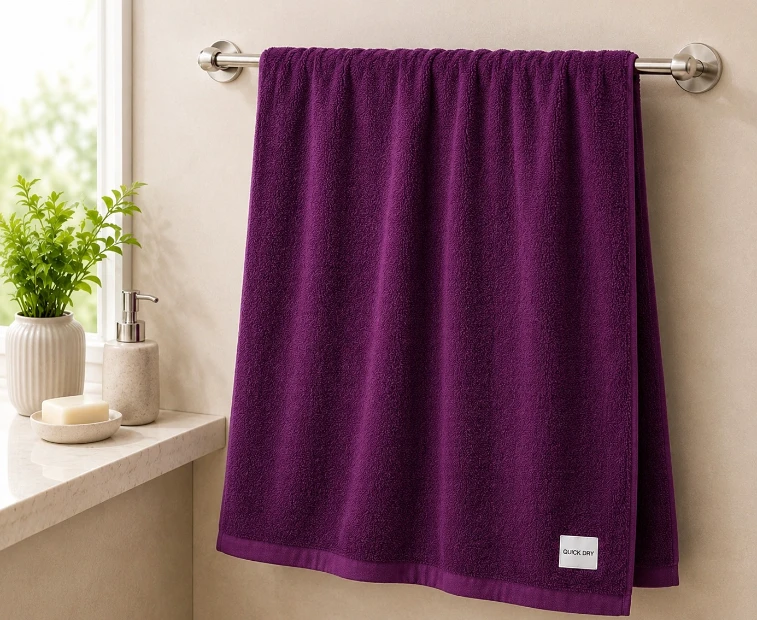
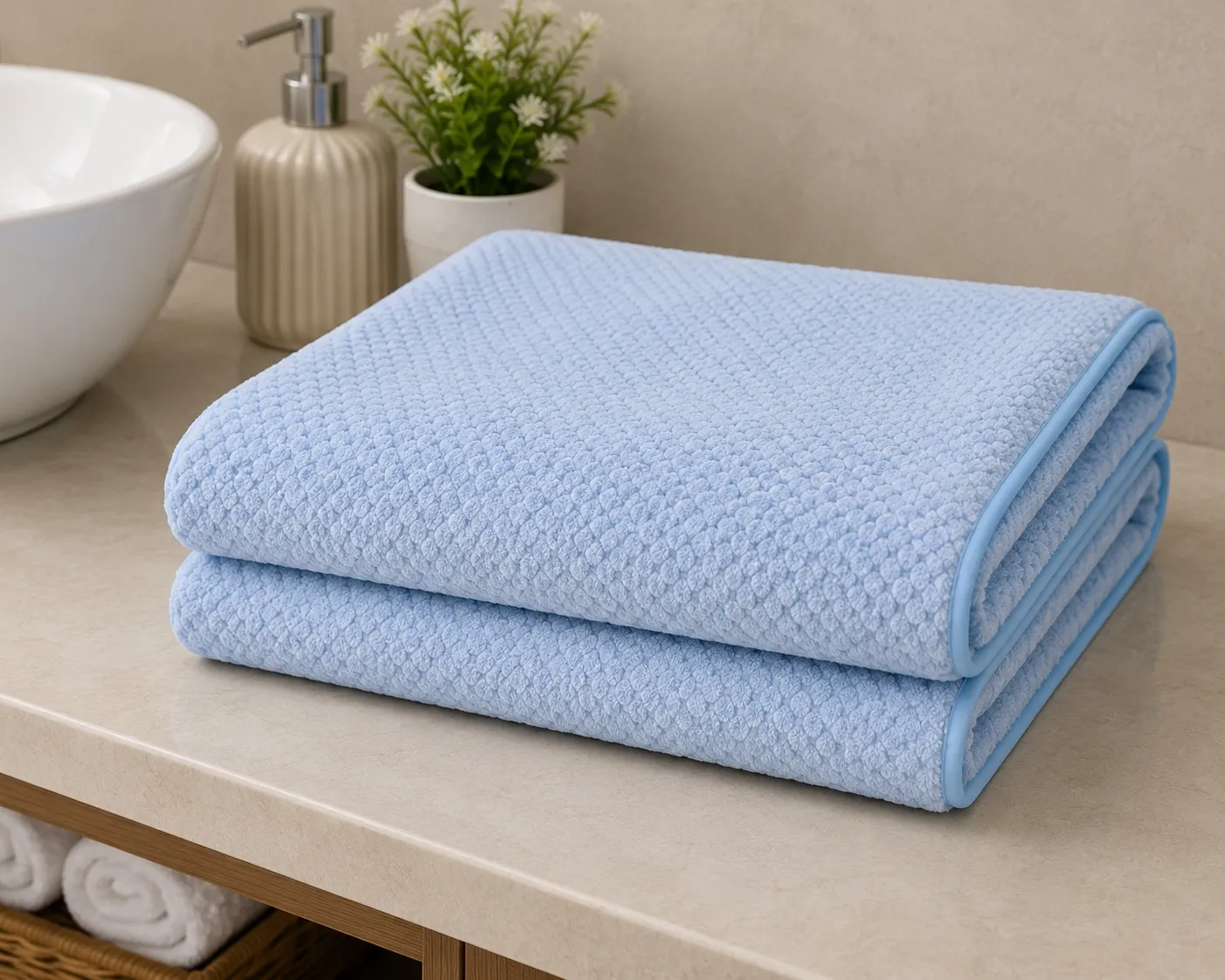
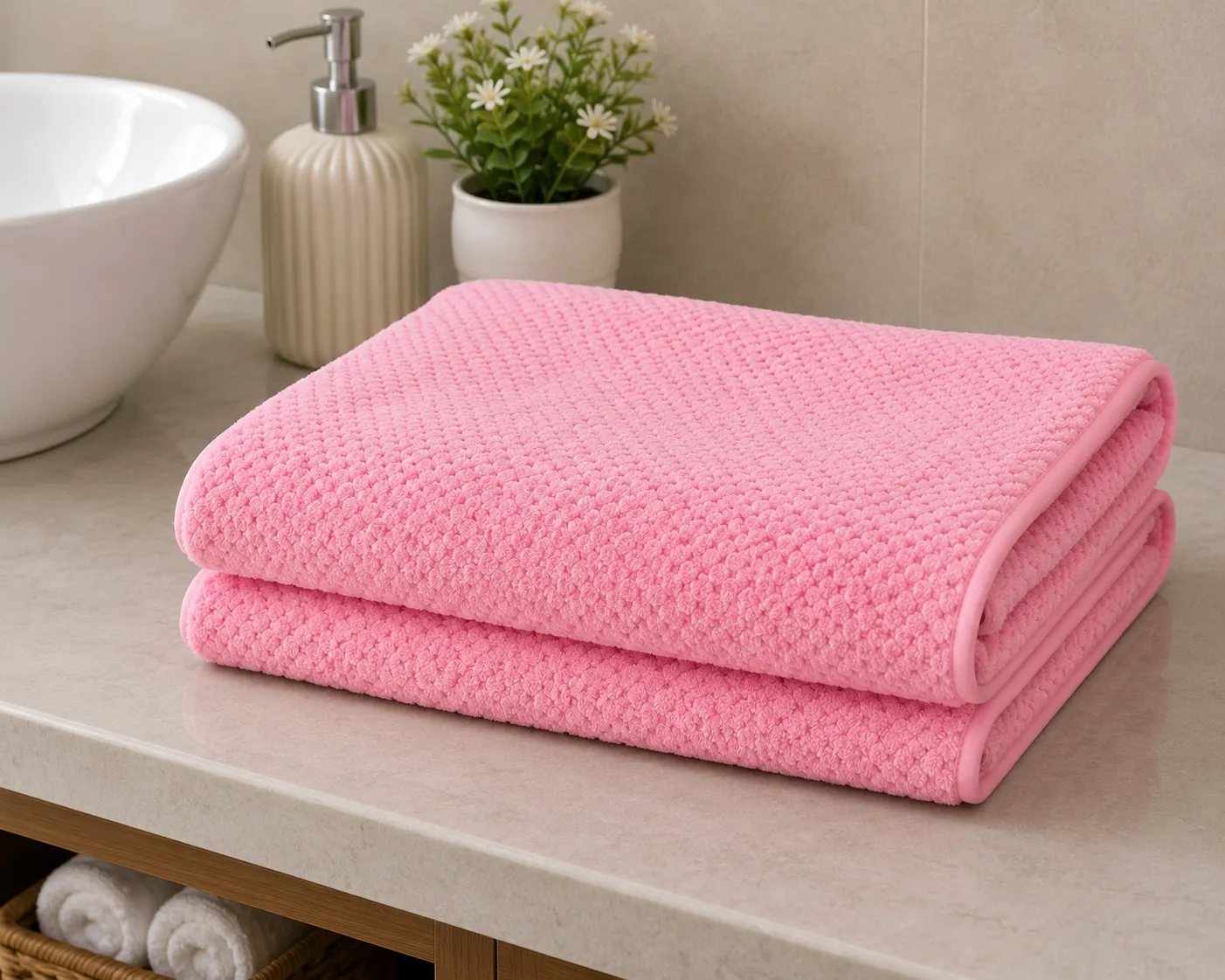
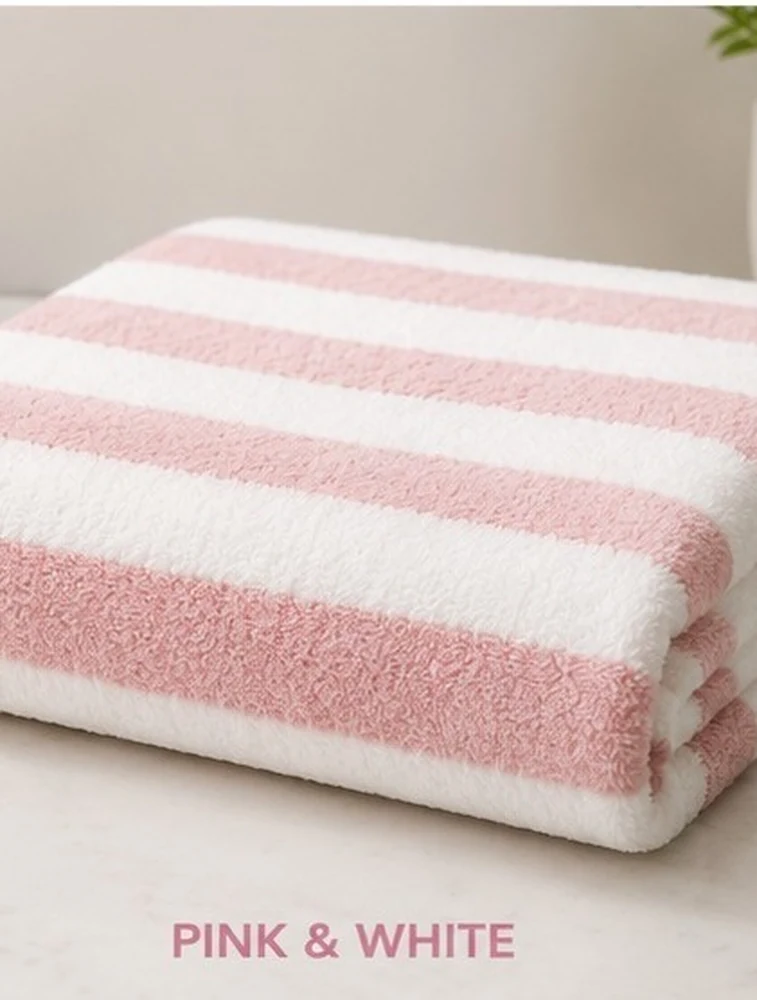
Page 1 of 3
Bulk towels for every use case
Brand-ready towels for corporate, retail, uniforms and large custom programmes — sourced across partner factories with published prices.
Corporate & events
Brand-ready towels for offsites, launches and conferences.
Get quote →
Uniforms & programmes
Consistent supply for schools, factories and frontline teams.
Corporate uniforms →
Own brand / resale
Unbranded or private-label stock for retail brands.
Launch your store →
Large custom runs
Contract manufacturing for high-volume programmes.
Contract manufacturing →Bulk towels — frequently asked questions
Is a bamboo bath towel a natural fibre towel?
Usually not, in the sense a buyer means. Almost all bamboo textile is regenerated cellulose. Note 1 to Chapter 54 of the Customs Tariff calls a fibre made by dissolution or chemical treatment of a natural organic polymer such as cellulose an artificial fibre, and names viscose rayon as the example.
What the tariff note actually says
Note 1 to Chapter 54 splits man made fibres in two. Synthetic fibres are produced by polymerisation of organic monomers to produce polymers such as polyamides, polyesters, polyolefins or polyurethanes. Artificial fibres are produced by dissolution or chemical treatment of natural organic polymers, for example cellulose, to produce polymers such as cuprammonium rayon or viscose rayon, or by chemical modification of natural organic polymers, which gives cellulose acetate. Bamboo is a cellulose source. Once the cane has been dissolved and extruded, what comes out is a regenerated cellulosic filament, and the tariff treats it as artificial.
Chapter 55 carries the staple form. It is titled man made staple fibres, heading 5504 covers artificial staple fibres not carded, combed or otherwise processed for spinning, and subheading 5504 10 00 is expressly of viscose rayon. There is no heading anywhere in Section XI for a fibre called bamboo.
Why this is not a pedantic point
Three consequences follow from it and all three are commercial. The duty line differs. The care regime differs, because regenerated cellulose loses a large part of its strength when it is wet and is far less tolerant of hot washing and hard mechanical action than cotton is. And the performance profile differs: regenerated cellulose is soft and takes up water readily, but it is not automatically more durable than cotton, and a laundry contract written on the assumption that it is will produce disputes in the first season.
What this category publishes
Every article on this page states its material as Premium Bamboo Blend. Blend of what, in what proportion, is not published anywhere. A blend could be a regenerated cellulosic with cotton, with polyester, or with both, in any ratio. Nothing on the page distinguishes a mechanically processed bamboo bast fibre, which is rare and genuinely natural, from a chemically regenerated one, which is the normal case.
What to ask for
Ask for the fibre composition as percentages by weight, with the generic fibre name for each component written the way the tariff and the international generic naming conventions write it rather than as a plant name. Then ask for a fibre content test report from an accredited laboratory against that declaration, and make the declaration a term of the purchase order rather than a description on a web page.
The disclaimer that belongs here
This is a description of published tariff text and not customs advice, labelling advice or tax advice. How a specific article is classified and how it must be described turns on the facts of that article and on rulings current on the day. Take professional advice on your own consignment before you commit to a code or to a label.
CLASSIFICATION, Packaging Law & ClaimsQueries Targetedbamboo towel viscose rayon, is bamboo fabric natural or man made, bamboo blend towel composition, regenerated cellulose fibre towel bulk
Which tariff subheading does a bath towel like this sit under?
It depends on the fibre, and this page does not publish enough to tell you. Heading 6302 splits toilet linen by material. Subheading 6302 60 is reserved for terry towelling of cotton. A towel of man made fibres goes to 6302 93 00 instead, and a bamboo derived towel is a candidate for that line.
How heading 6302 is built
Note 1 to Chapter 63 says sub chapter I applies only to made up articles of any textile fabric. A bath towel is a made up article, so it lands in that sub chapter rather than in the piece goods chapters. Within heading 6302, which covers bed linen, table linen, toilet linen and kitchen linen, the subheadings separate on two axes at once: what kind of linen it is, and what it is made of.
Subheading 6302 60 is written as toilet linen and kitchen linen, of terry towelling or similar terry fabrics, of cotton. Every element of that description has to be satisfied. It has to be toilet or kitchen linen, it has to be terry construction, and it has to be of cotton. Fail the last element and the article falls out of that subheading and into the residual group, where 6302 91 is of cotton, 6302 93 00 is of man made fibres and 6302 99 00 is of other textile materials.
Why this category cannot be classified from its own pages
Every article here says Premium Bamboo Blend and gives no percentages. Nothing says whether the construction is terry at all. A towel can be terry pile, waffle, ribbed or flat woven, and the difference is visible in the hand and decisive for the subheading. With no composition split and no construction statement, neither a buyer nor a broker can pick a line from the page. If the dominant fibre is a regenerated cellulosic, the cotton subheadings are not available.
Why the wrong line is expensive
Classification drives the duty rate, the import controls that attach, the paperwork, and on the domestic side it drives the code that goes on your invoice. If your organisation imports these, or exports the finished goods, or reclaims input credit against a specific code, the code has to be right and it has to be yours to defend. Getting it from a product tile is not an option, because the product tile does not carry one.
What to do instead
Ask the supplier for the code they will invoice under, in writing, before the order is placed, and ask for the basis: the fibre split by weight, the construction, and whether the article is terry. Put the code in the purchase order. If the goods cross a border, have your own broker confirm the line rather than accepting the seller's, because the importer of record carries the exposure, not the seller.
Disclaimer
This is a summary of published tariff text, not classification advice. Applying it to a specific towel is a technical and legal question and should be settled with professional advice and, where the stakes justify it, a formal ruling.
CLASSIFICATION, Packaging Law & ClaimsQueries Targetedtowel HSN code India, 6302 60 terry towelling cotton, 6302 93 man made fibres toilet linen, bath towel customs classification bulk
What has to be declared on a towel pack and on each individual towel?
More than this category publishes. Rule 14 of the Legal Metrology Packaged Commodities Rules, 2011 names towels expressly. Where a package contains towels, the number and the dimensions of finished size must be declared on the package, and a further proviso requires the dimensions and the sale price to be marked on each individual piece.
The text of the rule
Rule 14 is headed declarations with regard to dimensions of certain commodities. It says that where a package contains commodities like bed sheets, hemmed fabric materials, dhoties, sarees, napkins, pillow covers, towels, table cloths or similar other commodities, the number and the dimensions of finished size of such commodities shall also be declared on the package or on the label affixed thereto. The first proviso adds that where the package contains more than one piece of different dimensions, the package shall also carry a declaration of the dimensions and the retail sale price of each such piece. The second proviso requires that the dimensions of the commodities and the sale price thereof shall also be marked on each individual piece.
The word that does the work is also
Rule 14 says shall also be declared. It sits on top of the general declarations, it does not replace them. So the pack still needs everything the general rules require, and then it needs the count and the finished size on top of that.
What this category publishes and what it does not
The finished size is published on the web page, and it is published properly, in inches with the metric equivalent alongside. That is more than most categories on this site manage and it is worth saying so. What is not published anywhere is how many pieces are in a pack, and the packing text on the sampled articles is inconsistent between them. Nor is there a country of origin, a manufacturer or packer name and address, a net quantity declaration, a month and year of packing, a consumer care contact or a warranty term.
The practical consequence for a resale buyer
A retail pack has to be labelled at the point it is packed, not at the point it is unpacked in your warehouse, because relabelling a landed consignment is slow, expensive and visibly a repair. Specify the count per pack, the pack format and every declaration in the purchase order, get artwork approved with the sample, and inspect the printed pack and the individual piece marking in the first carton rather than the last.
Disclaimer
This is a plain reading of published rules and is not legal advice. Whether a given transaction falls inside any exemption depends on your status, your supply chain and the use the goods are put to. Take your own legal advice before relying on the position.
CLASSIFICATION, Packaging Law & ClaimsQueries Targetedlegal metrology towel labelling India, Rule 14 dimensions declaration packaged commodities, towel pack declarations bulk supply, finished size declaration textiles
Can "Highly Absorbent" and "Quick Drying: Yes" go into a contract?
Not as written. Neither is a measurement. Absorbency is graded by how much water a towel takes up relative to its own dry weight and by how long a droplet takes to disappear into the pile, both to a named method. The listings publish an adjective and a yes, with no method behind either.
What the pages say
Every article on this page carries an attribute row reading Highly Absorbent and another reading Quick Drying with the value Yes. Neither is accompanied by a figure, a test method, a standard number, a laboratory name or a report date. An adjective and a yes are the two weakest possible forms of a claim, because there is nothing in either of them that a supplier could fail.
How the property is actually expressed
Absorbency is usually reported two ways at once. Capacity is the mass of water the towel holds after immersion and controlled draining, expressed as a multiple of its dry mass. Rate is the time a measured droplet placed on the surface takes to be fully taken up. A towel can be good at one and poor at the other, which is exactly why both are reported. Drying time is separate again and is measured as mass loss over time under stated air conditions. All three depend on the conditioning of the sample, so the conditions have to be in the specification with the figure.
Why the missing weight makes this worse
Absorbency capacity tracks how much fibre there is to hold water, so it moves with the fabric weight. This category publishes no fabric weight anywhere. Without it, two towels that both say Highly Absorbent can differ by a wide margin in the hand, in the wash and in cost, and nothing on the page would tell you which you were buying.
The one that quietly destroys absorbency
Fabric softener and silicone finishes coat the fibre and repel water. A towel can be soft and slow at the same time, and a plush hand is sometimes bought at the cost of the very property the towel exists for. If softness and absorbency are both being promised, ask for both figures on the same sample, and ask again after the wash cycles.
What to ask for
Ask for absorbency capacity and absorbency rate, each to a named method, on a conditioned specimen, with the report date and the laboratory. Ask for the same figures after a stated number of domestic or industrial wash cycles, because that is the number that matters over a season. Write the values and the tolerance into the purchase order and make them an acceptance condition.
CLASSIFICATION, Packaging Law & ClaimsQueries Targetedtowel absorbency test method, water absorption capacity towel specification, quick drying towel claim B2B, how to specify towel performance
Why are both ends of the published price band on this page the same number?
Because there is only one price on the page. All six live tiles are the same article in six colours and every one of them is Rs 752. The range sentence, the title, the heading and the statistics band all say from Rs 752, and there is nothing above it and nothing below it for the word from to point at.
What the page actually says
The range sentence reads that bulk towels are available from Rs 752 to Rs 752 per piece. The live on page FAQ repeats the same sentence in its answer to the price question, so the same non range appears twice on one URL. The heading and the title tag both say wholesale prices from Rs 752 per piece.
Why a range with one value reads badly to a buyer
A procurement officer reading from Rs 752 to Rs 752 concludes one of two things, and both are bad. Either the category has a single article, in which case calling it a category and putting a range sentence on it is a presentation problem. Or the range is generated from whatever happens to be in stock, in which case it is a system artefact rather than a statement, and the buyer stops trusting the other numbers on the page too.
The number is also not the number you would pay
Rs 752 is the bottom rung of the published quantity ladder. Each sampled product page prints a minimum order quantity of one hundred units and a ladder that runs 100 to 999 at Rs 792, 1,000 to 9,999 at Rs 776 and above 10,000 at Rs 752. So the smallest order the page permits is priced at the top of the ladder while the tile, the heading, the title tag and the band all quote the bottom. The gap is forty rupees a piece, a little over five per cent.
What a buyer should take from it
Read the tile as the ten thousand piece price and nothing else. Work from the ladder on the product page, not from the grid. And when you ask for a quotation, ask for it against your actual quantity, your actual colour split and your actual delivery schedule, because a colour split across six shades is a production decision and it does not necessarily price the same as a single colour run of the same total.
What we would change on the page
Either publish articles that give the range something to span, or drop the range sentence on a single price category and say plainly that there is one article at one price in six colours. A buyer respects the second far more than the first.
What The Page PublishesQueries Targetedfactori towels price, bulk towel price India per piece, wholesale bath towel rate, towel price range B2B
How many different towels are actually on this page?
One. The /towels category currently displays six tiles, and all six are the same article in six colours. Every tile carries the same price of Rs 752.00, the same rating count of 190, the same size string and the same material string, and the SKU codes run in one unbroken block from SKUFACTORI8694 to SKUFACTORI8699.
What the six tiles are
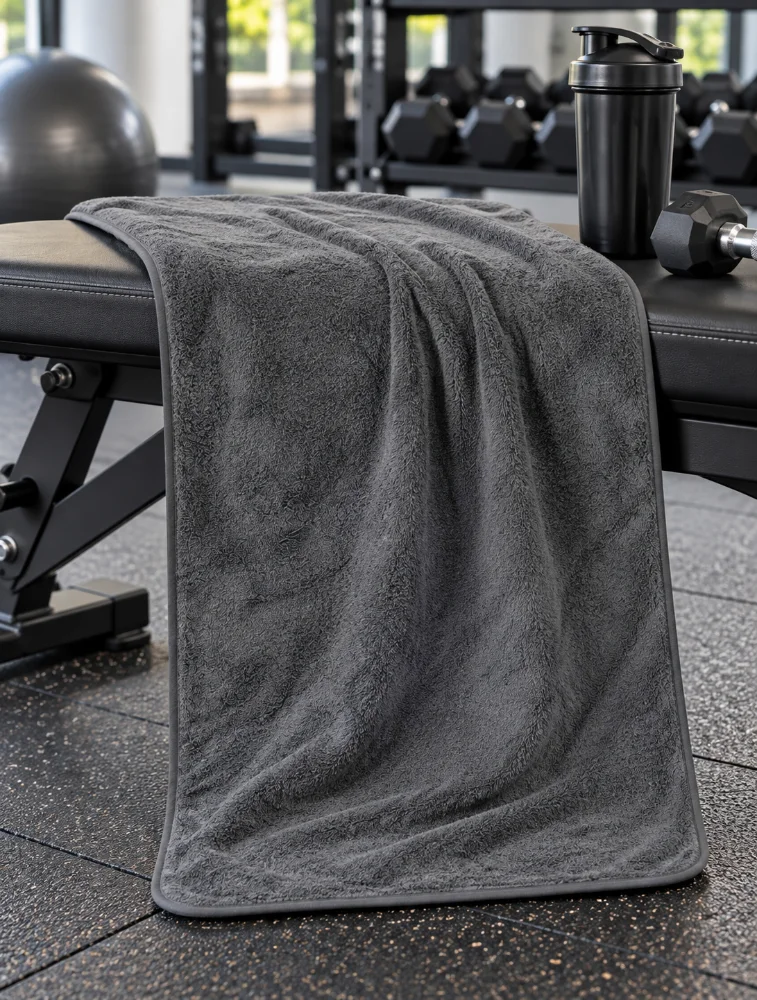
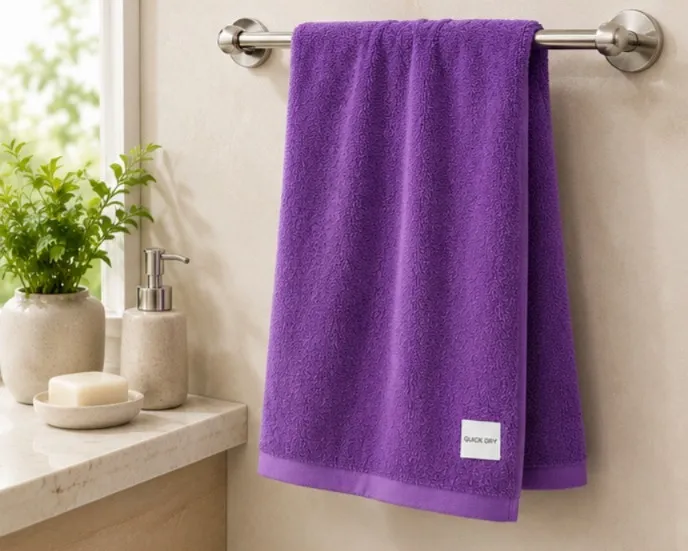
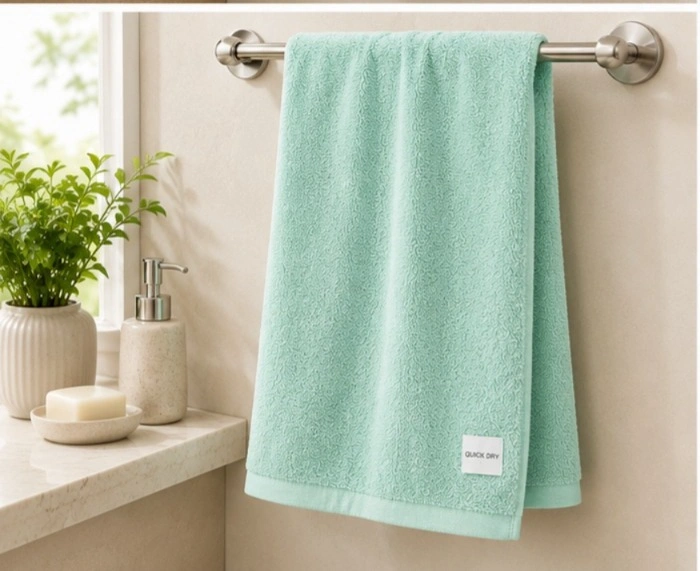
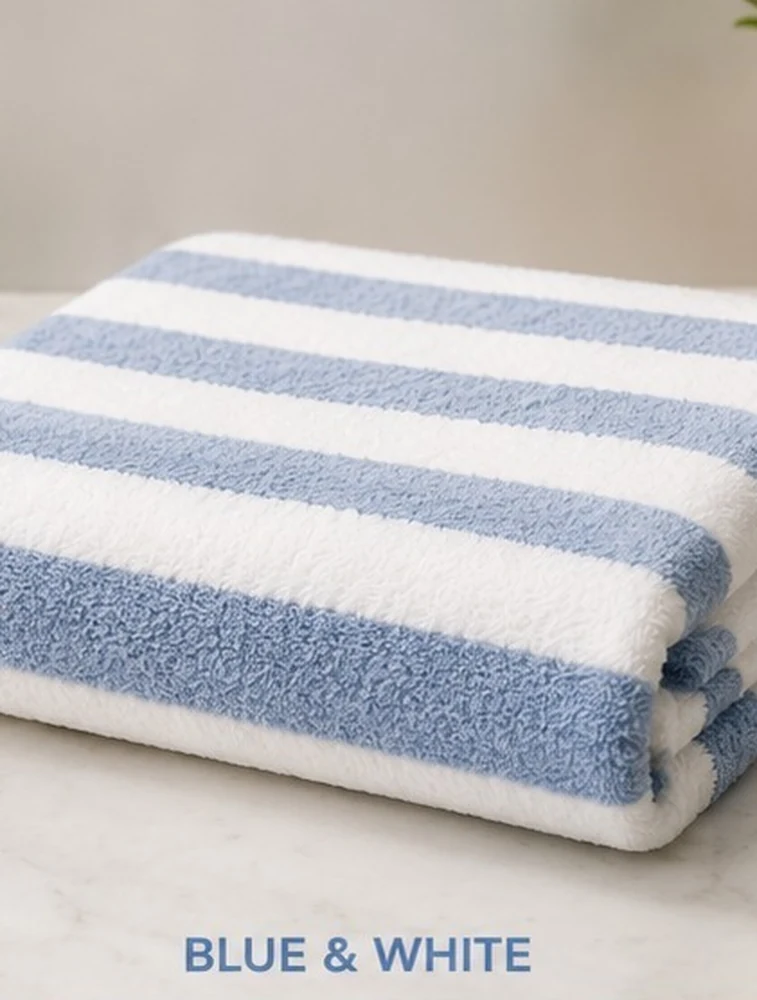
Sunset Orange, Sandstone Beige, Sky Breeze Blue, Lavender Mist, Blush Pink and Grey. Each is titled a Premium Bamboo Bath Towel, each is described as ultra soft and highly absorbent, and each publishes Size 30 x 60 Inches (76 x 152 cm), Material Premium Bamboo Blend, Type Bath Towel, Texture Ultra Soft & Plush and Wash Care Machine Washable. Change the colour word and the pages are interchangeable.
Why the rating count is the tell
One hundred and ninety ratings appear against all six colours. Six independently sold articles do not accumulate an identical review count. What that number almost certainly represents is a single figure attached to the product family and repeated across the variants, which is normal in a catalogue system and misleading on a listing grid, because a buyer reads six tiles with 190 ratings each as evidence of scale.
What is missing that would tell you the real size of the range
There is no product count printed anywhere on the page, no pagination control, and no result total. A buyer cannot tell whether six tiles is the whole category or the first screen of a longer list. Meanwhile the statistics band above the grid says towels are supplied across six hundred and nine partner factories in India, which is a manufacturing capability statement sitting directly above six colours of one towel.
What this means for a bulk buyer
It means the grid is not the range. Bath towels at 30 x 60 inches are one product in a towel programme. A hotel needs bath sheets, hand towels, face towels, bath mats and pool towels. A gym needs a smaller, faster drying towel. A conference giveaway needs something light and printable. None of those are on this page, and their absence is not a statement that they cannot be made. It is a statement that the catalogue has not been built out yet.
What to do about it
Treat the six tiles as a price and quality reference point, not as the catalogue. Send the sizes and weights you actually need as a specification list and ask for them to be quoted against, rather than choosing from what is displayed. A contract manufacturer that publishes one towel can usually make ten, but you have to ask for the other nine by name.
What The Page PublishesQueries Targetedhow many towels on factori towels category page
Why does the grey towel's specification row carry another product's name?
Because the product name attribute on SKUFACTORI8699 was not updated when the page was cloned from another colour. Its title and its Color row both say Grey. Its Product Name specification row reads Lavender Mist Premium Bamboo Bath Towel, which is the name of a different tile in the same grid, SKUFACTORI8697.
How the error was confirmed
The two pages were fetched separately. SKUFACTORI8697 publishes a title of Lavender Mist Premium Bamboo Bath Towel and a Product Name row that matches it. SKUFACTORI8699 publishes a title of Grey Premium Bamboo Bath Towel, a Color row reading Grey, a description that names the Grey towel correctly, and a Product Name row reading Lavender Mist. So the defect is isolated to one field on one page, and the other colour is not affected.
Why a single wrong field matters more here than it looks
The specification table is the part of a product page that gets read by machines. It is what a feed exporter maps to a title column, what a search engine treats as the most structured statement of what the item is, and what a procurement team copies into a comparison sheet. A colour name that disagrees with itself inside one page gives every one of those readers two answers to the same question.
The wider signal for a buyer
A cloned field that was not edited means the pages in this category were produced by duplication rather than authored individually. That is a reasonable way to build a catalogue quickly. It also means any other field could carry the same fault, and there is a visible second instance already: the packing sentence on SKUFACTORI8694 describes a polybag and retail ready packaging, while SKUFACTORI8699 describes a towel carefully folded and hygienically packed, on what is otherwise an identical article. Two descriptions of one packing method is either two packing methods or one uncorrected clone.
What we would change
Rebuild the Product Name row from the same field that drives the page title so the two cannot diverge, and run a comparison across the six colours on every attribute that should differ and every attribute that should not. On a family of six clones that check takes minutes and it catches this class of fault permanently.
What a buyer should do in the meantime
Order against SKU codes rather than product names, and repeat the colour in words in the purchase order line. The SKU block is clean and consecutive, and it is the only identifier on these pages that has not contradicted itself.
What The Page PublishesQueries Targetedfactori grey bamboo bath towel product name lavender mist error
Where is the GSM, and why does it matter more than anything else here?
It is not published anywhere in this category. No tile and no product page states a fabric weight in grams per square metre, and GSM is the single specification that decides how a towel feels, how much water it holds, how long it takes to dry, what it weighs in a laundry, what it costs to make and how long it survives.
What GSM actually governs
Grams per square metre is the mass of one square metre of the finished terry fabric. It is the closest thing a towel has to a headline specification because almost everything a buyer cares about follows from it. More weight generally means more pile, more absorbency and more perceived luxury. It also means more drying time, more laundry energy, more shipping weight and more cotton or viscose in the cloth, which is why it is also the main driver of price.
Why the absence changes what a quote means
Two towels of the same size, the same colour and the same fibre description can differ in weight by a factor approaching two, and they will not cost the same, will not feel the same and will not last the same. When weight is not stated, the price on the tile is not attached to a product. It is attached to a size and a colour. That is not enough to compare a quote against another supplier, and it is not enough to write a purchase order that can be enforced on delivery.
What makes it worse in this particular category
The pages carry the words Ultra Soft & Plush and Highly Absorbent. Both are claims about the pile, and the pile is exactly what the missing number would quantify. The material string is Premium Bamboo Blend with no percentage, so the fibre is unquantified too. The result is a towel described entirely in adjectives, at a stated price, in a stated size, with nothing measurable behind any of the descriptive language.
What to ask for before you order
Ask for finished GSM with a tolerance band, measured on the washed and finished towel rather than the greige fabric, because towels lose weight in finishing. Ask whether the figure includes the border. Ask for the weight of a single piece in grams as a cross check, which is easy to verify on arrival with a kitchen scale and needs no laboratory. Then write both numbers into the order.
What we would change on the page
Publish GSM on the tile, next to the size, on every article. It is the field a towel buyer looks for first, and a category that publishes size correctly and weight not at all has done the harder half of the job and skipped the easier one.
What The Page PublishesQueries Targetedtowel gsm bulk buying what gsm should a bath towel be
Is 'Machine Washable' enough of a care instruction for a bulk towel order?
No. Machine Washable is the only care datum anywhere in this category, and it tells a laundry nothing it did not already assume. There is no wash temperature, no bleach rule, no tumble dry setting, no ironing guidance and no warning about fabric softener, which is the single most common cause of a towel losing absorbency.
What the pages actually contain
The Wash Care attribute reads Machine Washable on every sampled article. Both sampled pages also carry a Care Guidelines section, and on both of them that section contains no care instruction at all. On SKUFACTORI8694 it says the towel is suitable for men and women and can be used at home, in spas, gyms, hotels or while travelling. On SKUFACTORI8699 it says the towel is crafted from a premium bamboo blend fabric offering exceptional softness, comfort and absorbency. Both are product marketing placed under a care heading.
The softener problem
Fabric softener works by depositing a thin hydrophobic film on the fibre. On a shirt that is pleasant. On a towel it is destructive, because the whole function of the article is to absorb water and the film resists it. A towel that has been softened repeatedly can feel plusher and dry a body less well than it did new. Any towel sold for spa, gym and hotel use needs that warning printed on it, and it is not there.
What else a bulk care panel has to carry
A wash temperature, because the difference between a warm domestic wash and a hot institutional wash decides colour life. A bleach position, because housekeeping departments in hotels and hospitals bleach as a matter of policy and a coloured towel that cannot take it will not last a season. A tumble dry temperature, because over drying shortens pile fibres and makes a towel shed. A first wash instruction, because towels shed loose fibre on the first few cycles and a buyer who is not warned will report it as a defect.
Why this is a commercial issue rather than a pedantic one
If the care regime is not published, the supplier and the buyer have no agreed baseline when a towel fails. A hotel washes at ninety degrees with chlorine, the pile flattens in eight weeks, and there is no document that says whether the towel was fit for that treatment. The care panel is what settles that argument in advance.
What to ask for
Ask for a written care regime naming maximum wash temperature, bleach position, tumble dry setting and an explicit softener instruction, and ask for it to be printed on the care label rather than only supplied in an email. Then match it against how your laundry actually operates before you sign.
What The Page PublishesQueries Targetedtowel care instructions bulk order washing temperature softener
What happens to these colours after fifty industrial washes?
Nothing on this page tells you. Six coloured towels are sold explicitly for bath, shower, spa, gym and travel use, which are the settings where industrial laundering is normal, and the category publishes no colourfastness rating of any kind. There is no wash rating, no rubbing rating, no light rating, no water rating and no test report.
What colourfastness is measured against
Colourfastness is not one property. It is a family of separately assessed behaviours: how the colour survives washing, how much of it transfers when the fabric is rubbed dry or wet, how it stands up under light, and how it behaves against perspiration and water. Each is graded on its own scale, and a dye can be excellent on one and poor on another. A single word like colourfast, if anyone offered it, would be meaningless without saying which behaviour was tested.
Why towels are the hard case
A towel gets more laundering than almost any other textile a business buys. Hotel and gym stock is washed after every use, hot, with detergent chemistry chosen for hygiene rather than gentleness. Deep and saturated shades have the most to lose, and this range sells on colour: Sunset Orange, Sandstone Beige, Sky Breeze Blue, Lavender Mist, Blush Pink and Grey. Crocking, the transfer of dye onto a wet skin or a white bathrobe, is the complaint that reaches a general manager fastest.
The replacement question a colour rating really answers
Colour life sets the replacement cycle, and the replacement cycle sets the true cost of the towel. A towel that is retired at eighteen months because it looks tired costs materially more per year of service than one retired at thirty six months, whatever the two invoices say. Buying on the tile price alone, with no colour data, means buying without knowing the denominator.
What to require in the order
Require a wash fastness grade, a dry and wet rubbing grade and, for anything used outdoors or by a pool, a light grade. Require them to be stated against a named test method, on a report that names the laboratory and carries a date, and to relate to your colours rather than to a generic shade. Require a retained reference sample of every approved colour, held by both parties.
The practical check before a large order
Put pieces through your own laundry, in your own chemistry, at your own temperature, for the number of cycles that represents a season, and compare them against the retained sample under consistent light. That test costs a handful of towels and it settles a question no specification sheet can settle for you.
What The Page PublishesQueries Targetedtowel colourfastness industrial laundry wash fading bulk
The tile says Rs 752. What will five hundred towels invoice at?
At the published ladder, five hundred pieces invoice at Rs 792 each, not Rs 752. The tile price is the ten thousand piece rate. The hundred to nine hundred and ninety nine tier is the dearest rung on the ladder, so the smallest order the page allows pays the highest published rate.
The ladder as published
Every sampled product page prints the same three tiers and prints them cheapest last. One hundred to nine hundred and ninety nine pieces is Rs 792.00 per piece. One thousand to nine thousand nine hundred and ninety nine pieces is Rs 776.00 per piece. Above ten thousand pieces is Rs 752.00 per piece. Above the ladder sits the line Rs 752.00 Onwards, and below it the line Minimum Order Quantity 100 Units.
What that does to the arithmetic
Five hundred towels at the tier that actually applies come to three lakh ninety six thousand rupees before tax and freight. Priced at the tile figure they would have come to three lakh seventy six thousand. The gap is twenty thousand rupees on a single order, and it exists purely because the headline quotes the bottom rung of a ladder that the minimum order quantity cannot reach.
Why the presentation is the problem, not the pricing
Volume pricing is normal and the tiers themselves are unremarkable. The difficulty is that the tile, the page heading, the title tag and the statistics band all quote Rs 752, which is a rate that only opens at ten thousand pieces, while the same product page prints a minimum of one hundred. A buyer who budgets from the headline is short by about five per cent on every order below a thousand pieces.
What else is not in that number
Goods and services tax, freight to your location, any branding or embroidery charge, any packing variation from the standard polybag, and sampling. The category quotes a piece rate and nothing else, so a landed cost per towel has to be built by hand from a quote rather than read from a page.
How to use the ladder properly
If your annual requirement crosses a tier boundary, contract the annual volume and call it off in batches rather than ordering each batch on its own. The tiers reward committed volume, and a hotel group or a facilities contractor that buys towels every quarter is usually a tier or two above where its individual purchase orders place it. Ask for the annual rate against a scheduled call off, in writing, before the first shipment.
ProcurementQueries Targetedbulk towel price 500 pieces quantity tier factori
Which eight fields belong in a towel technical sheet?
Weight, size, fibre composition, construction, colour reference with fastness grades, edge and hem detail, care regime, and packing with labelling. Those eight turn a towel from an adjective into an article. This category publishes one of the eight in full, which is the finished size, and publishes it well.
The four that decide the product
Finished weight in grams per square metre with a tolerance band, measured after washing and finishing. Finished size in centimetres after wash, with a shrinkage allowance stated separately. Fibre composition as percentages, because Premium Bamboo Blend is a blend of unstated things in unstated proportions. Construction, meaning pile height or loop length, whether the pile is single or double sided, whether the ground is combed or carded, and whether the towel is ring spun or open end.
The four that decide whether it survives
Colour, given as a physical reference sample rather than a name, with wash and rubbing fastness grades against a named test method. Edge detail, meaning hem width, stitch type, stitches per inch, and whether the towel carries a dobby border and how wide it is. The care regime as it will actually be printed on the label. And packing, which for towels means pieces per polybag, pieces per carton, carton dimensions and gross weight.
Why the packing field is the one buyers skip and regret
Packing is where the labelling law lands. The Legal Metrology Packaged Commodities Rules include a rule dealing specifically with dimensions of certain commodities, and towels are named in it by name. It requires the number of pieces and the finished size dimensions to be declared on the package, and requires the dimensions and the sale price to be marked on each individual piece where the package holds pieces of different sizes. Nothing in this category declares a pieces per pack figure at all.
What to add beyond the eight
An inspection standard with a sampling plan and agreed acceptance limits, a named pre production sample that both parties sign and retain, and a statement of who owns the artwork and the reference sample at the end of the contract. Those three cost nothing to write and settle most of the disputes that towel orders actually produce.
The disclaimer that belongs here
This is a description of good commercial practice and a plain reading of published rules. It is not legal advice. Labelling obligations and the way they apply to your particular packing configuration depend on facts we do not have, so have your own compliance adviser confirm the declarations before you print a label.
ProcurementQueries Targetedtowel technical specification sheet fields bulk order
How do we check a towel consignment when it arrives?
Weigh, measure, count, wash and rub. Those five checks need a scale, a tape, a domestic washing machine and a white cloth, and between them they catch nearly everything that goes wrong with a towel order. Do them on a random sample drawn across cartons before the consignment is accepted, not after it has been issued to housekeeping.
Weigh first
Weight is the specification most often quietly reduced, because it is the one that costs the supplier money and the one a buyer is least likely to check. Weigh individual pieces on a kitchen scale and compare against the agreed piece weight. If a towel is light against the approved sample, everything downstream follows from that: it will feel thinner, absorb less and wear out sooner. A ten piece sample is enough to see a systematic shortfall.
Then measure
Lay the towel flat, unstretched, and measure length and width against the stated finished size. This category publishes 30 x 60 Inches (76 x 152 cm) on every article, which gives you something concrete to check against. Measure after a wash as well as before, because shrinkage that shows up in your laundry rather than in the carton is the version that matters.
Count and read the carton
Count pieces per polybag and per carton against the packing list. Check that the label on the outer carries a pieces figure and the finished dimensions, because that is what the packaging rules on towels require and it is the declaration this category does not currently publish. Note whether the packing matches what was agreed, since two sampled pages in this range describe the packing method differently.
Wash and rub
Run pieces through your own laundry, in your chemistry, at your temperature, for enough cycles to represent a season. Look for shrinkage, pile flattening, loose edges, shedding and colour loss. Then rub a damp white cloth firmly across a coloured towel and look at the cloth: visible transfer means the dye will crock onto skin and onto white linen, and it is better discovered on a sample than on a guest bathrobe.
What to keep on file
Keep a retained reference piece from the approved pre production sample and one from each delivery, tagged with the batch. Two towels in a cupboard are the cheapest quality system available, and they turn every future conversation about a drop in standard into a comparison instead of an argument.
ProcurementQueries Targetedtowel bulk order incoming quality inspection checklist
How do we brand a towel without ruining the way it absorbs?
Keep the branding off the working surface. A towel absorbs through its pile, and anything that flattens, coats or pierces the pile stops it working there. The usual answers are a woven or dobby border, embroidery on a flat panel, or a jacquard woven into the cloth, each with a different cost and lead time.
Woven into the cloth
A jacquard or dobby border carries the mark in the weave itself, so there is nothing sitting on top of the fabric and nothing to wash off. It is the most durable option and the one that looks least like an afterthought. It is also the least flexible, because the design has to be set up on the loom, which means a longer lead time and a higher minimum quantity than any of the alternatives.
Embroidery on a flat panel
Embroidery is the standard hotel and club solution. The thread sits on a flat woven border rather than on the pile, which keeps the stitching clean and keeps the absorbent area intact. Watch the density: a heavily filled logo on a towel is stiff, slow to dry and prone to puckering, and it is the part of the towel that a laundry will eventually pull at. Keep the design simple, keep the stitch count down, and specify a thread that will take your wash temperature.
Printing, and where it belongs
Printing on terry is difficult because the pile moves under the squeegee and the loops break up fine detail. It works best on a sheared or velour panel prepared for the purpose. For a conference giveaway or a promotional beach towel, a printed velour face is a legitimate choice. For a towel that has to dry a body every day, it is not, because the printed area is the area that has stopped absorbing.
The decisions to settle before artwork
Placement and orientation, so the mark faces the right way when the towel is folded and stacked. Size, expressed in centimetres rather than as a proportion. Colour, as a physical thread or yarn reference rather than a screen colour. And wash behaviour, because a branding method that survives a domestic wash may not survive a hotel laundry.
What to ask for
Ask for a branded pre production sample on the actual towel, not on a swatch, and put it through your own wash cycle before you approve it. Ask for the mock up in advance of production, which this platform offers for approval. Then write the approved sample into the order as the standard the delivery is judged against.
Catalogue Quality & BrandingQueries Targetedtowel branding embroidery logo hotel gym custom
Should a hotel, a gym and a conference giveaway buy the same towel?
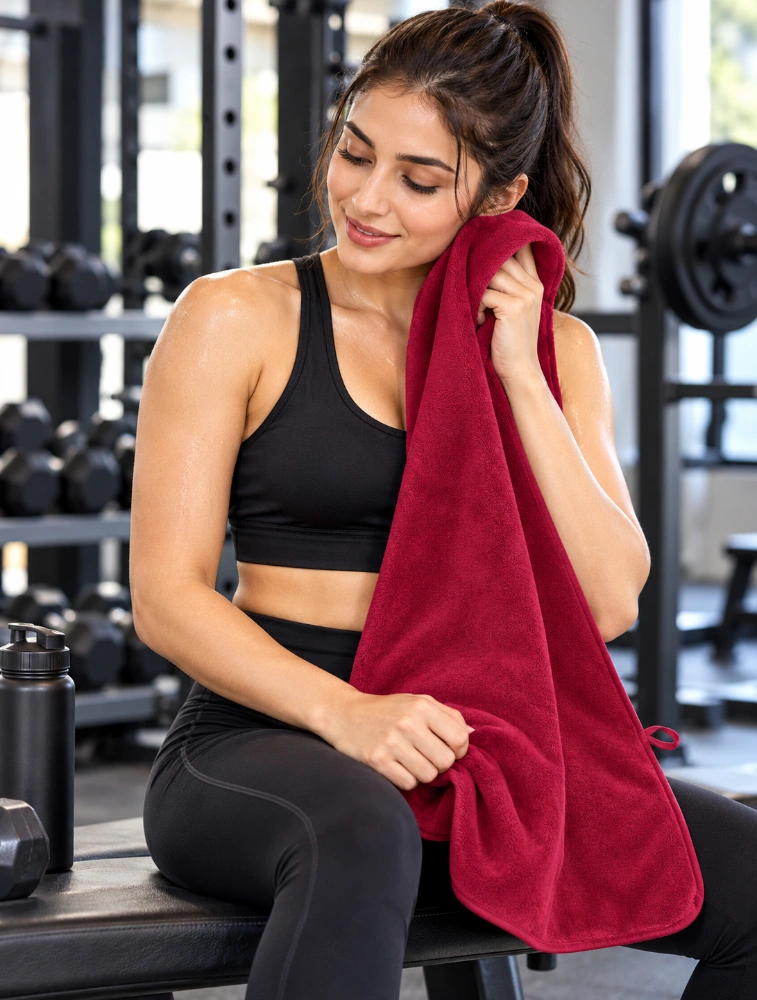
No. The three buy on different properties. A hotel buys weight and colour life because the towel is part of the room. A gym buys drying speed and wash resilience because the towel turns around several times a day. A giveaway buys printability and unit cost because it is a marketing item that will be washed rarely.
The hotel case
A hotel towel is judged by a guest in the first two seconds and by a laundry manager over three years. That argues for a heavier towel, a conservative colour, a dobby border that can carry the property mark, and a specification written tightly enough that the third delivery matches the first. It also argues for buying a family rather than an article: bath sheet, bath towel, hand towel, face towel and mat, matched in shade and weight. This page publishes one size, so a hotel programme has to be specified rather than selected.
The gym and spa case
Turnaround is everything. A heavier towel absorbs more but takes longer to dry and costs more to launder, and in a facility washing the same stock two or three times a day that cost compounds fast. A moderate weight, a smaller size, a colour that hides staining and a construction that tolerates hot washing usually beat a plusher towel that spends its life in a dryer. Colour transfer matters more here than anywhere, because members bring their own clothing.
The giveaway and event case
A conference or promotional towel is bought on landed cost per piece and on how well it carries a logo. It will be used a handful of times. A lighter towel with a printable panel, packed individually, is the right answer, and paying hotel money for it is waste. The quantity ladder matters here more than the specification, because event quantities are usually large enough to reach the middle tier and sometimes the top one.
What all three share
All three need a stated weight, a stated fibre composition, a fastness grade and a care regime, because those four are what make any towel comparable to any other towel. None of the four is published in this category today, which means the specification has to travel in the purchase order in every one of the three cases.
The practical route
Write the specification for the use rather than choosing from the grid, send it as a technical sheet, ask for a pre production sample against it, and hold the sample. The published article at 30 x 60 inches is a reasonable general purpose bath towel and a reasonable price reference, and it is a starting point for a conversation rather than the answer to all three questions.
Catalogue Quality & BrandingQueries Targetedhotel gym promotional towel specification difference bulk
From ₹50excl. GST
View cart & checkout ›