Choose your delivery location
Enter a 6-digit Indian PIN code to see delivery options for that area.
Currently delivering to Bengaluru 560105
Ready stock & made to order
Bulk women ethnic wear
factori.com supplies bulk women ethnic wear from ₹236/piece across 662 partner factories — ready stock and custom programmes with GST invoices.
Prices verified October 2026 · shown excluding GST
₹236Entry price
Same dayDispatch on working days
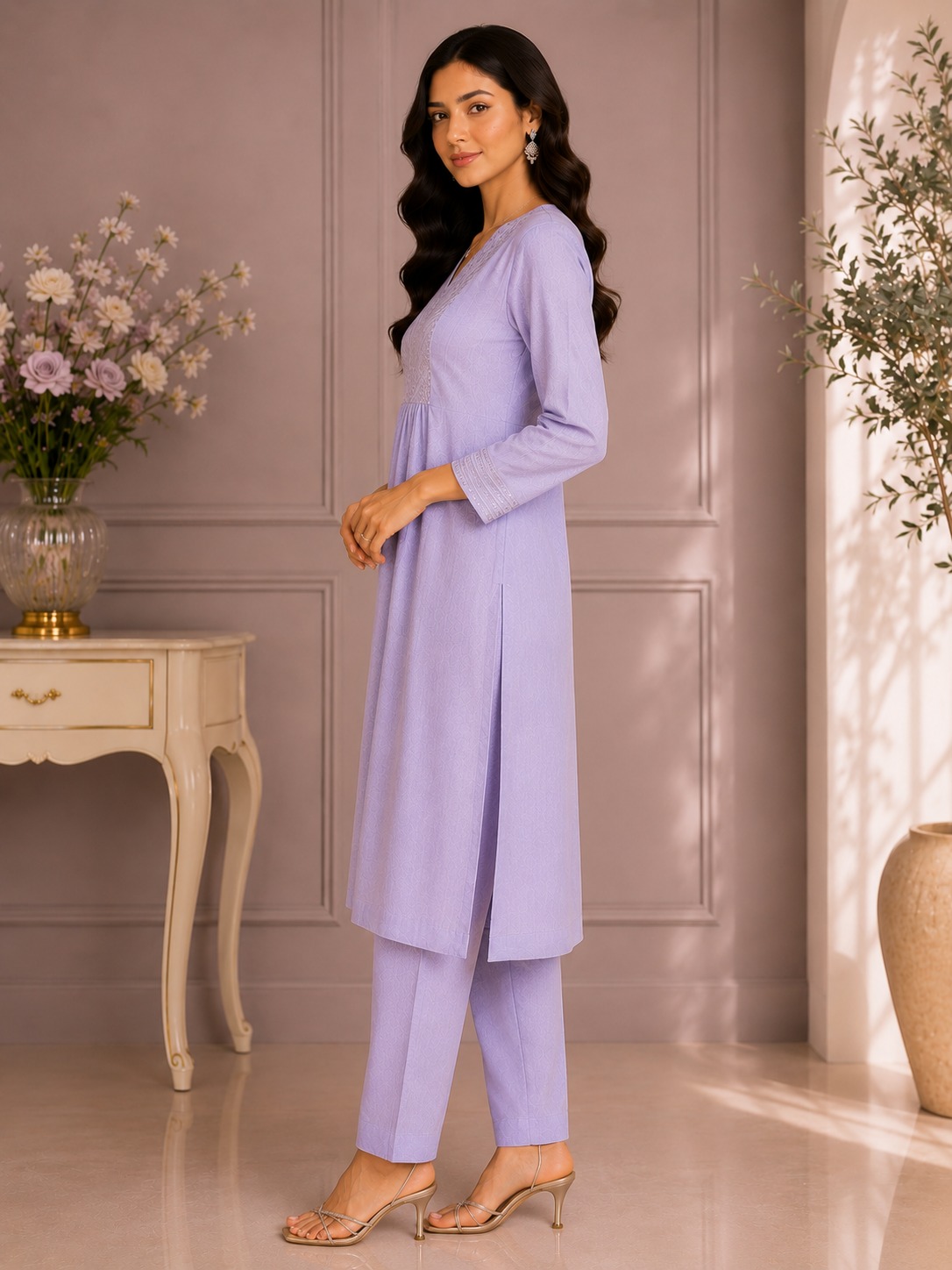

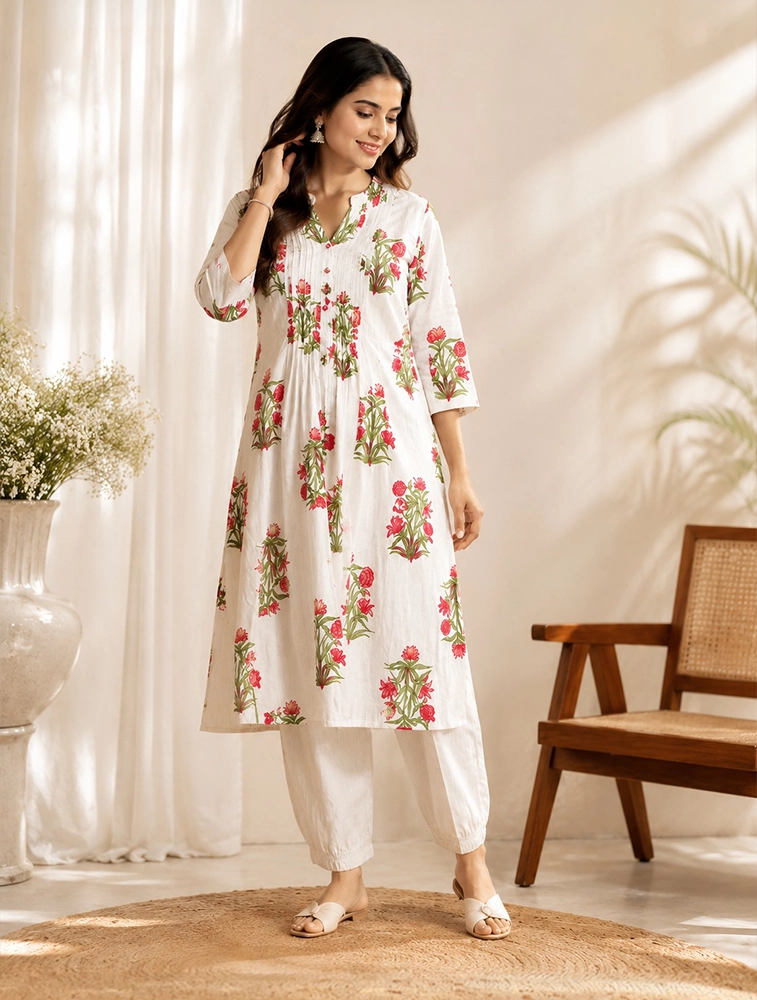
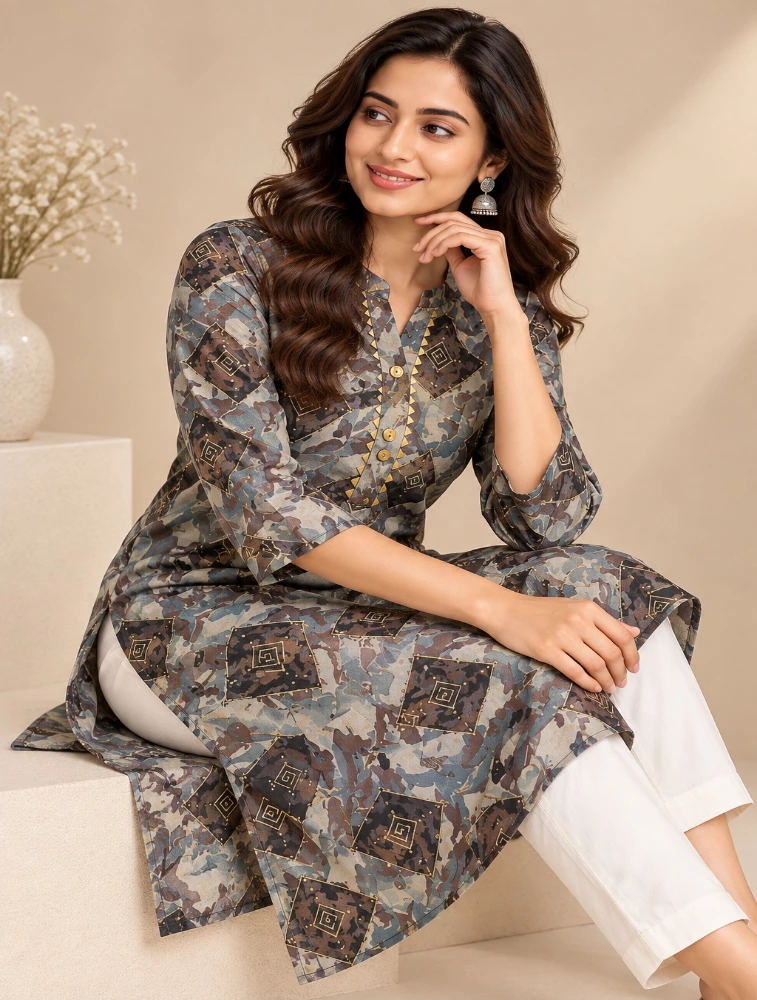
Sage Green Women Ethnic Motifs Embroidered Regular Kurta with Sharara and With Dupatta
4.4167 ratings
₹2,273.00/ piece

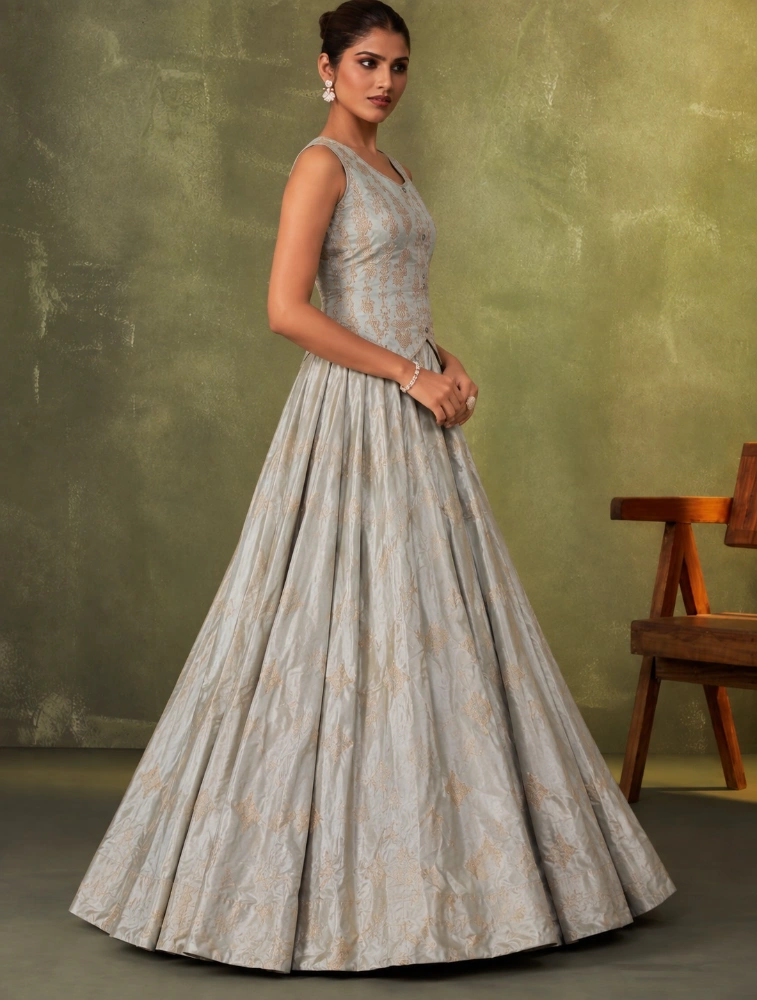
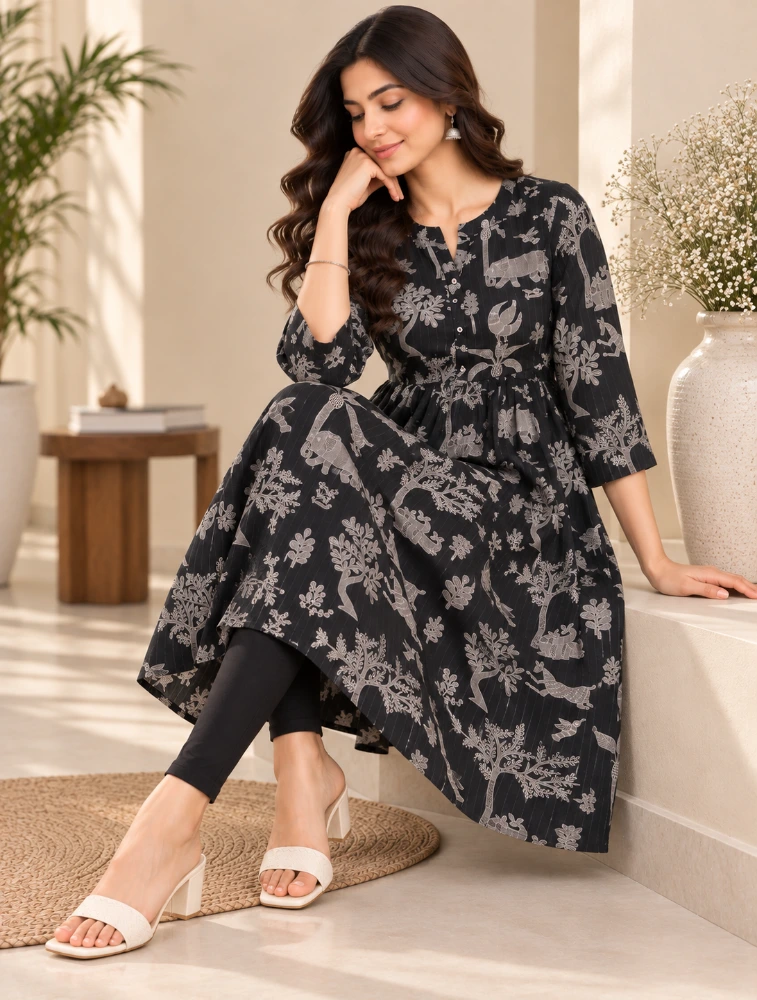
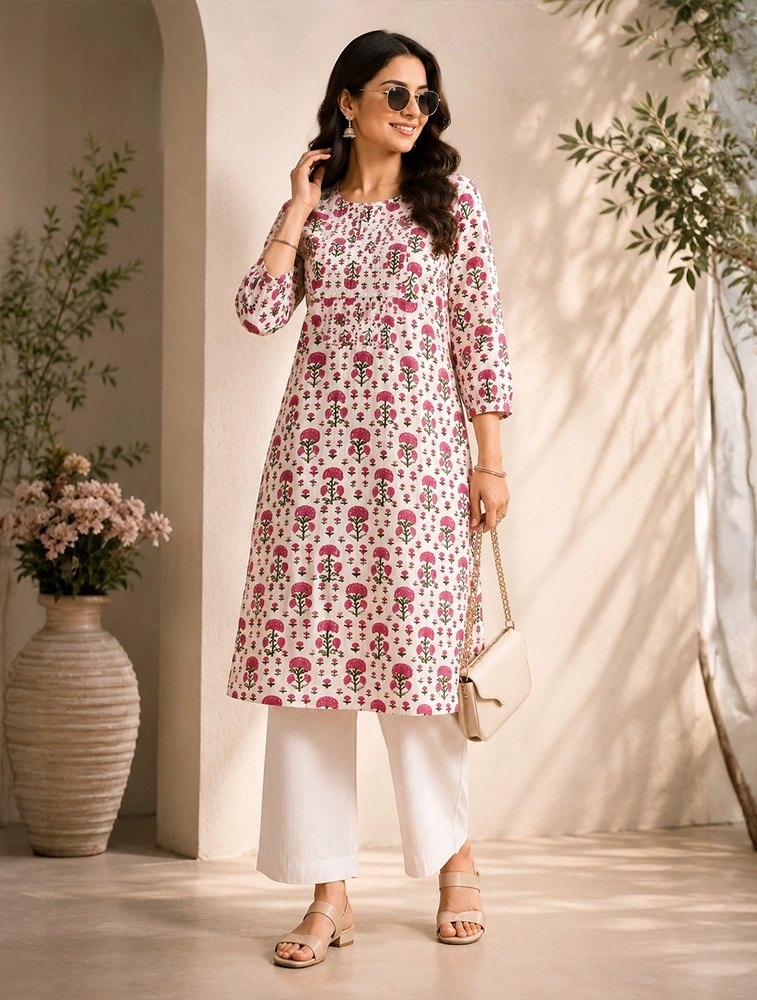
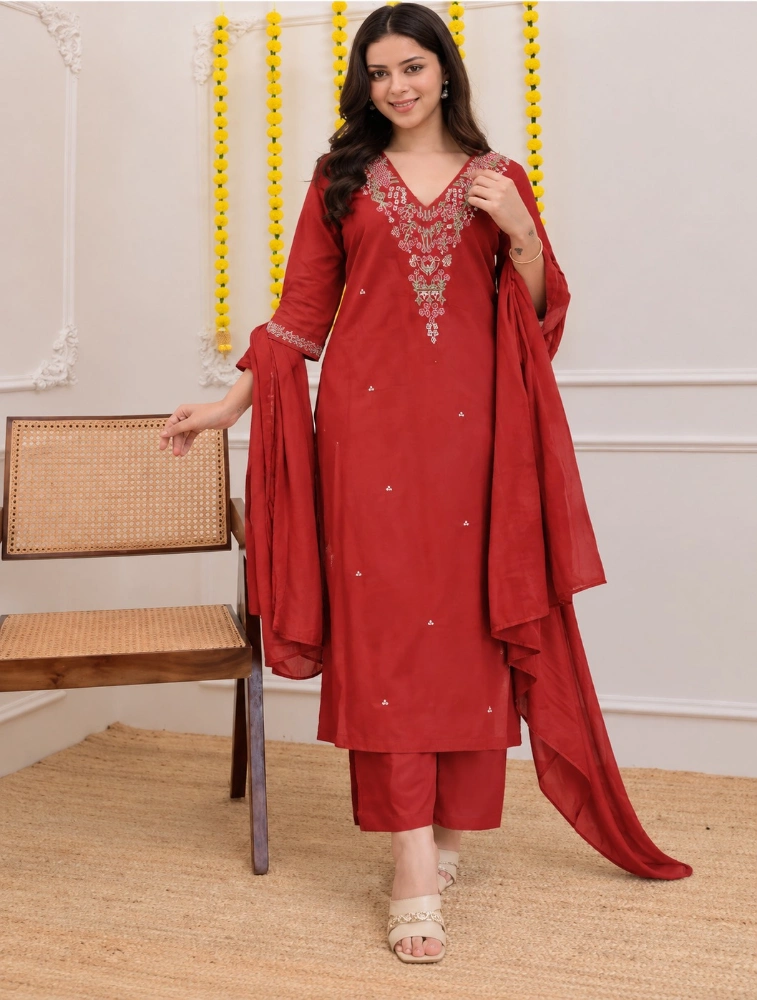
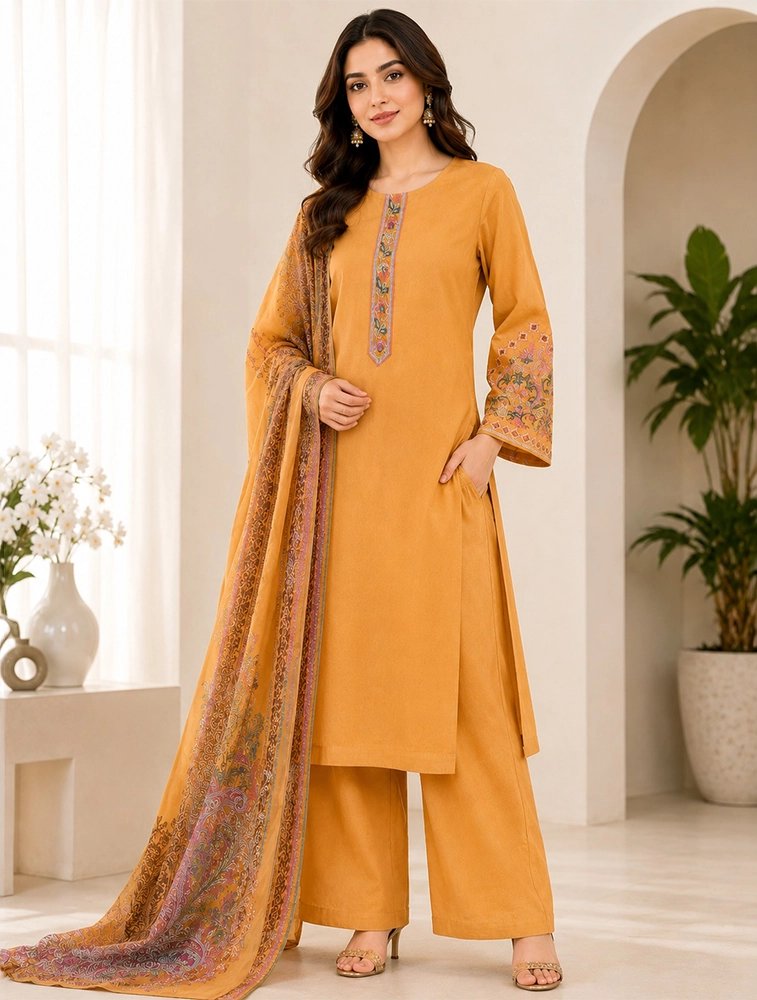
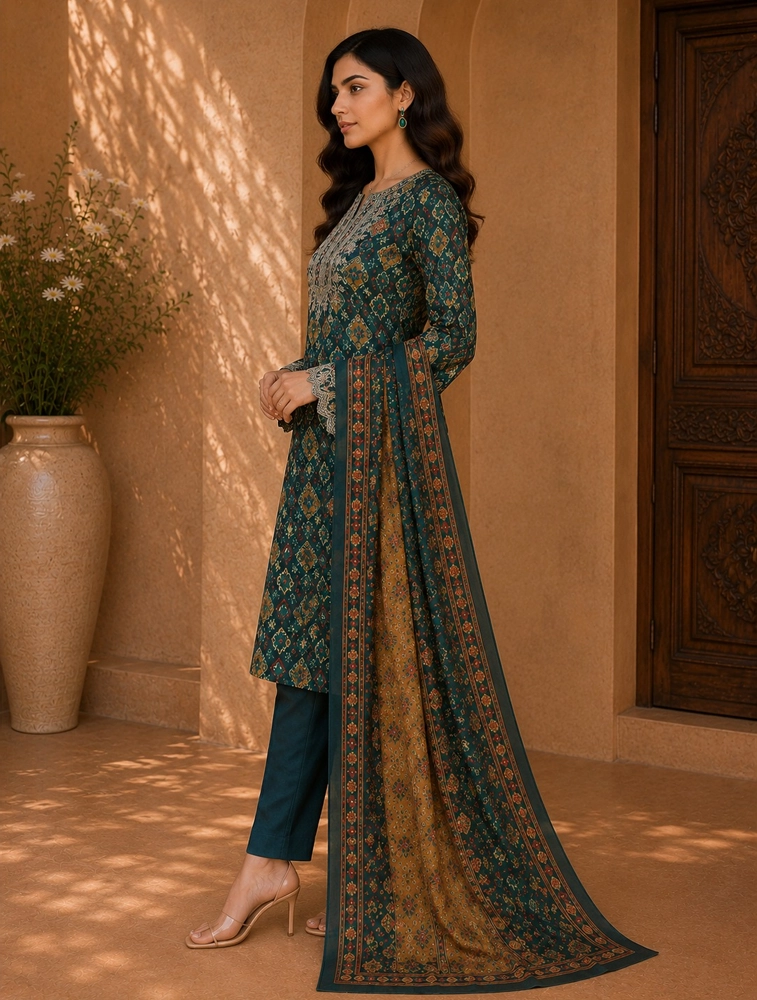
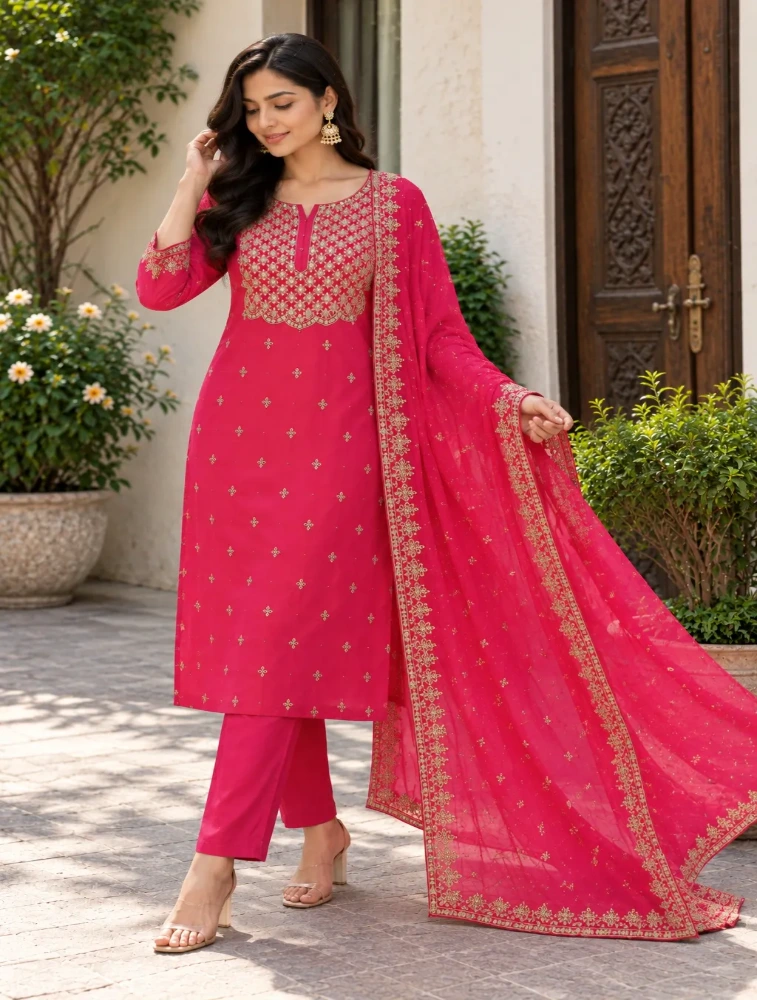
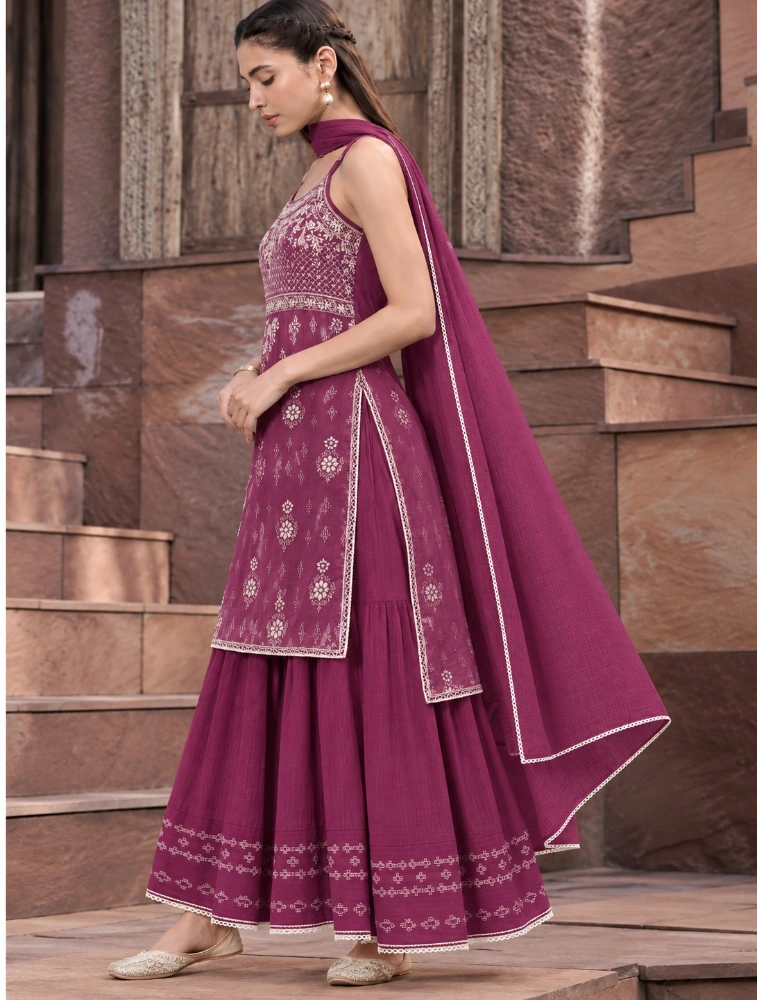
Red Women Ethnic Motifs Embroidered Regular Sequinned Kurta Sets With Dupatta
4.4167 ratings
₹2,273.00/ piece

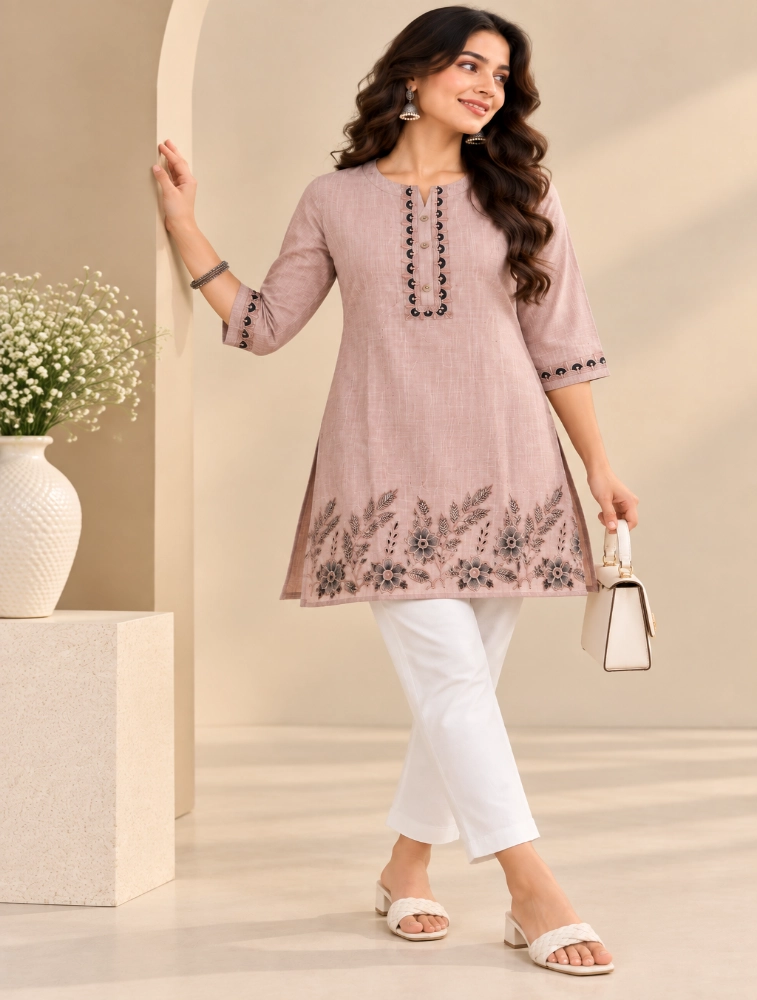
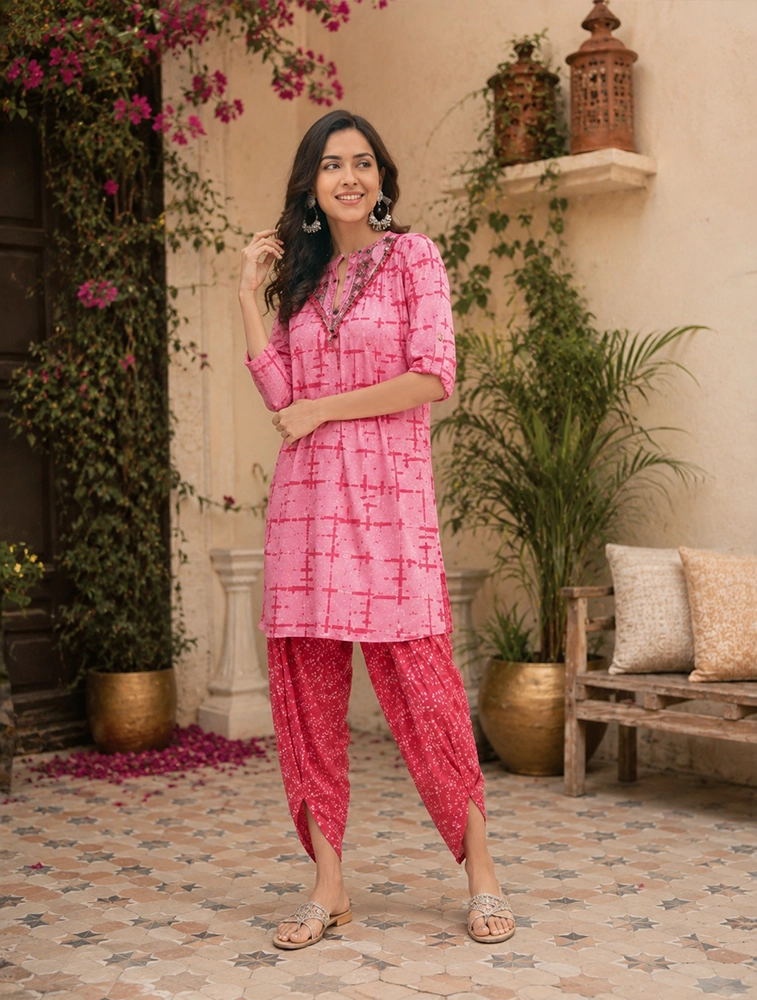
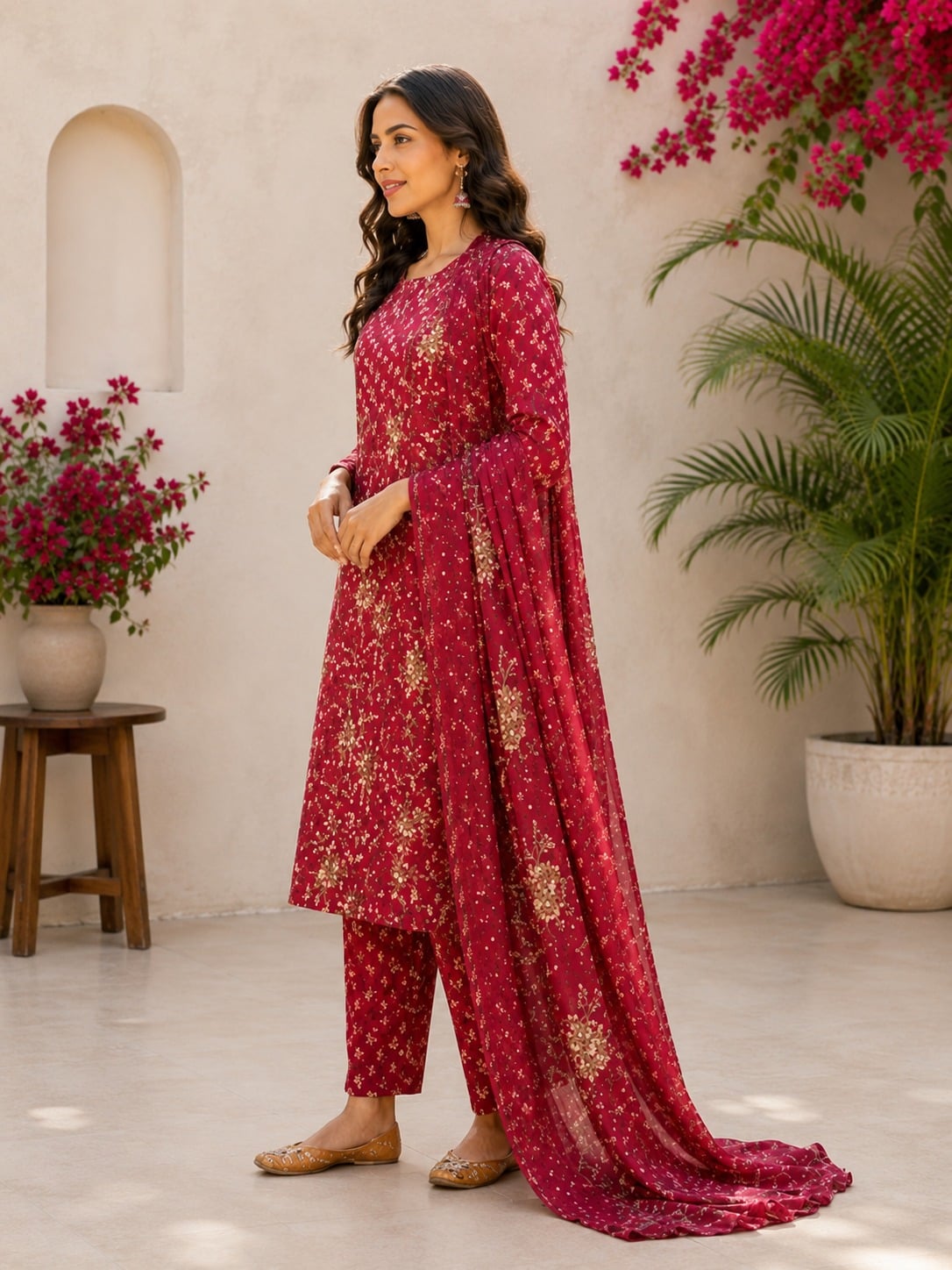
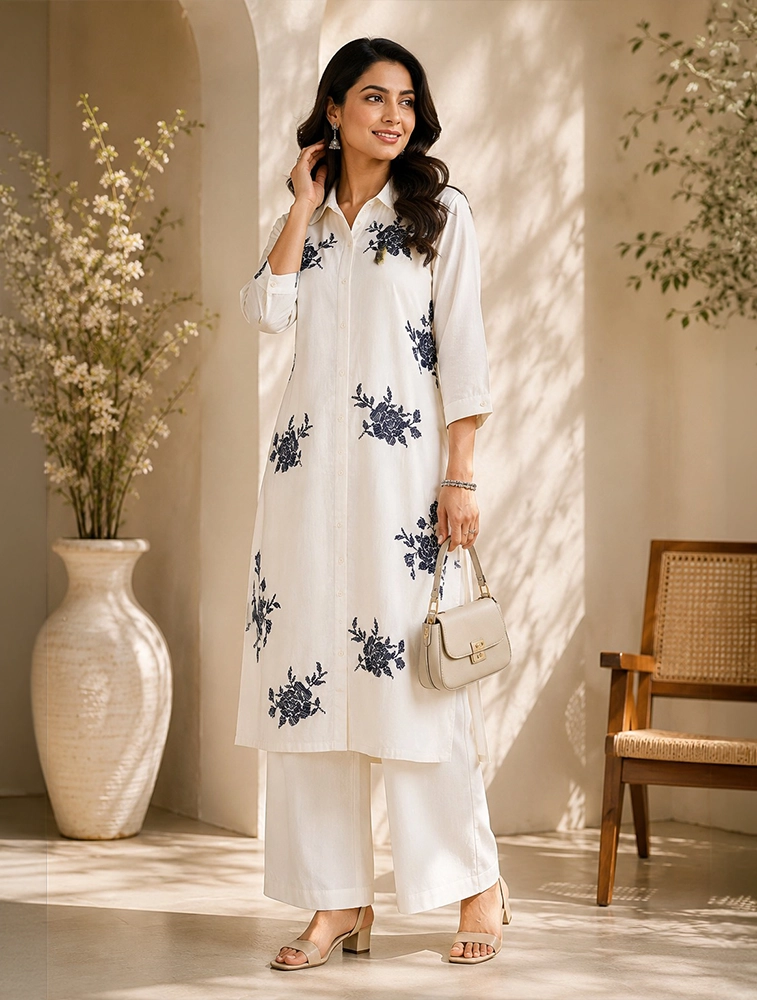


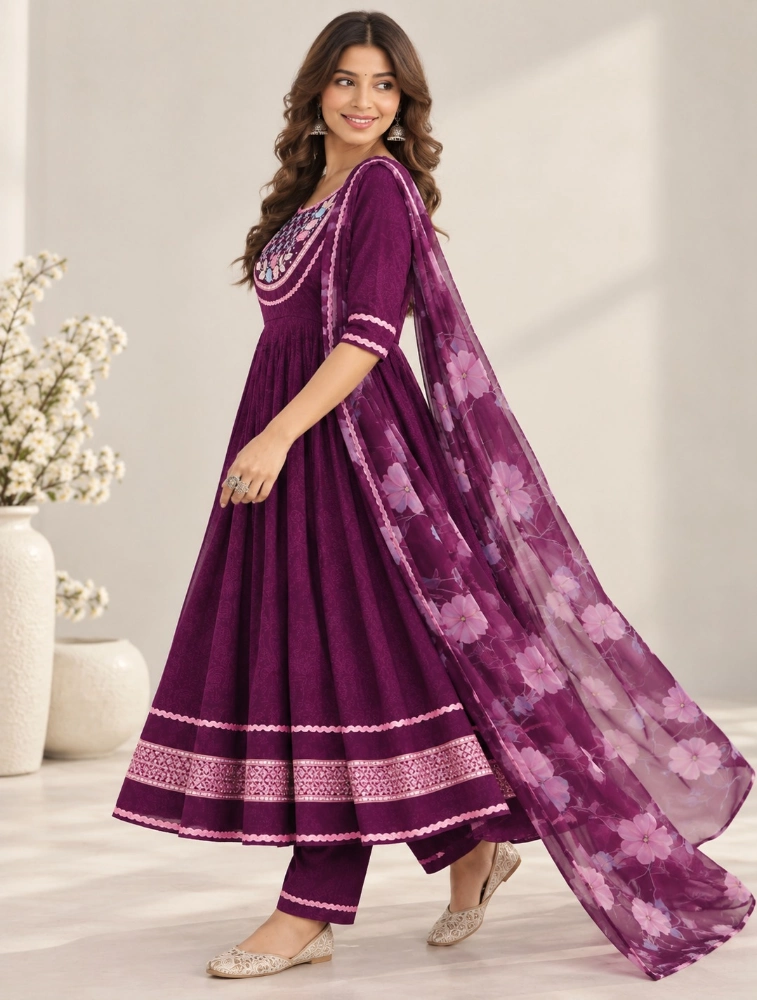
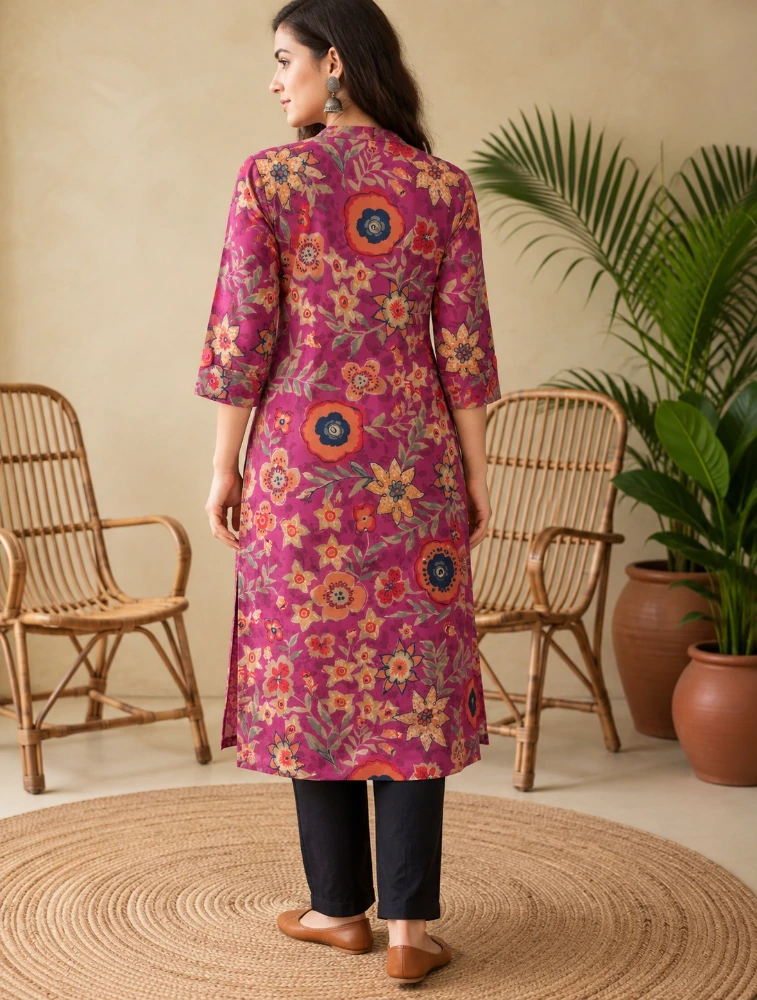
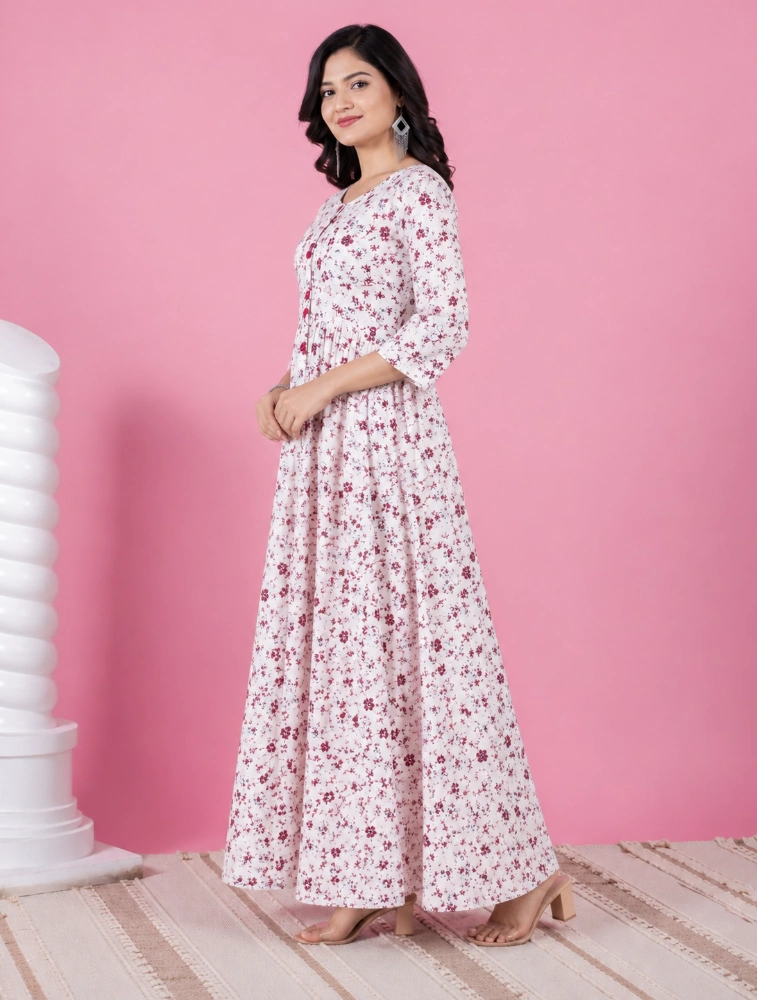
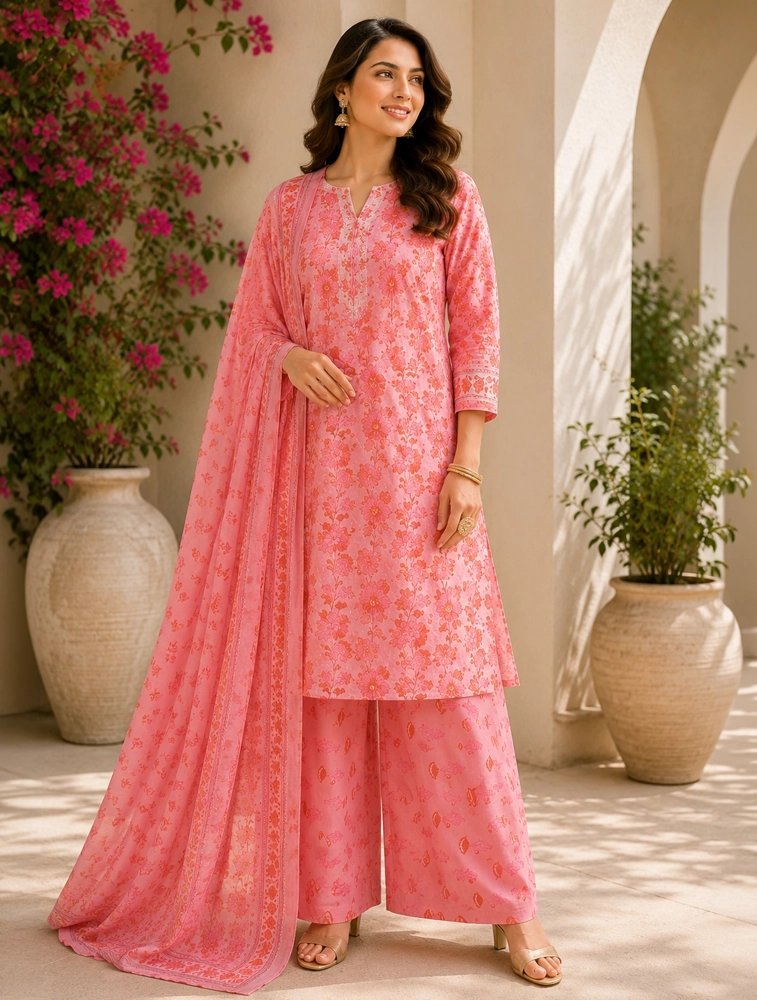

Page 1 of 7
Bulk women ethnic wear for every use case
Brand-ready women ethnic wear for corporate, retail, uniforms and large custom programmes — sourced across partner factories with published prices.
Corporate & events
Brand-ready women ethnic wear for offsites, launches and conferences.
Get quote →
Uniforms & programmes
Consistent supply for schools, factories and frontline teams.
Corporate uniforms →
Own brand / resale
Unbranded or private-label stock for retail brands.
Launch your store →
Large custom runs
Contract manufacturing for high-volume programmes.
Contract manufacturing →Bulk women ethnic wear — frequently asked questions
One set on this page is titled a rayon kurtha set and its fabric row says cotton. Which line governs my order?
Neither, until the listing is corrected. SKUFACTORI9655 is titled a Rayon Fabric Kurtha Set, its Fabric row reads Premium 100% Cotton, and its own description calls the garment Indigo twice on an article whose Color row says Maroon. Buy against a written composition in the purchase order, and take your own advice on the label.
What the four fields actually say
The tile on this page publishes “Maroon Womens Floral Printed Rayon Fabric Kurtha Set With Dupatta” at Rs 815, and the address under it says rayon too. Open the product page and the specification rows say Product Type “Women's Printed Cotton Kurtha Set with Dupatta”, Fabric “Premium 100% Cotton” and Pattern “Traditional Indigo Printed Design”. The description below the rows opens by calling the garment an Indigo set, and the Care Guidelines paragraph then describes an indigo-printed kurtha. Four fields, two different fibres and two different colours, on one article at one price.
Why rayon and cotton cannot be swapped in a contract
They behave differently in every respect a bulk buyer cares about. Cotton is a natural cellulosic fibre spun from the boll; rayon and viscose are regenerated cellulose, dissolved and extruded. The regenerated fibres drape softer and take a printed ground beautifully, which is exactly why so much printed ethnic wear uses them, but they lose a large part of their strength when wet, they crease differently, they shrink differently, they want a lower iron and they respond differently to an industrial wash. A garment specified as cotton and delivered in viscose is not a near miss. It is a different product with a different care code, a different life and a different landed cost, and if you are buying for a staff programme it is the difference between a set that survives a laundry cycle and one that does not.
What the tariff does when a fabric is a mixture
Section XI of the Customs Tariff covers textiles and textile articles, and its Note 2(A) sets the rule for blends. Goods classifiable in Chapters 50 to 55 that are of a mixture of two or more textile materials are to be classified as if consisting wholly of the one textile material which predominates by weight over any other single textile material; where no one material predominates, the goods are classified as if consisting wholly of the material covered by the heading occurring last in numerical order among those equally meriting consideration. Weight, not the word on the tile, decides the classification of a mixed fabric.
Where eighty-five per cent becomes a threshold
Chapter 52 of the same schedule splits woven cotton fabric at that figure. Headings 5208 and 5209 cover woven fabrics of cotton containing eighty-five per cent or more by weight of cotton, separated by whether the cloth weighs more or less than two hundred grams per square metre. Headings 5210 and 5211 cover woven cotton fabric containing less than eighty-five per cent by weight of cotton, mixed mainly or solely with man-made fibres, split the same way, and 5212 catches other woven fabrics of cotton. A set described as cotton in one row and rayon in another can sit in two different chapters depending on a number nobody has published.
What to do about it before you order
Ask for a composition test report on the actual production fabric, name the fibre split with a tolerance in the purchase order, and make the first-article sample the reference the delivery is checked against. If the answer that comes back is cotton, the title and the address on this listing need correcting; if it is viscose, the specification row does. This is a description of published instruments, not legal advice, and classification depends on the goods you actually ship, so take your own advice before you rely on any of it.
Classification, Packaging Law & ClaimsQueries Targetedrayon or cotton kurta set bulk composition
Is there a customs tariff line that names a kurta with a dupatta by name?
Yes. Subheading 6211 42 10 of the Customs Tariff reads Kurta and Salwar with or without Duppatta, spelled that way in the schedule, and it sits inside heading 6211 among other garments of cotton. That is the line an Indian shipper of a three piece cotton set usually starts from. Take your own advice before you rely on it.
Why a named line is unusual and useful
Most garment subheadings in Chapter 62 are written in the language of European tailoring: suits, ensembles, jackets, blazers, dresses, skirts, divided skirts, trousers, bib and brace overalls, breeches and shorts. The Indian schedule carries a handful of lines that name Indian garments directly, and 6211 42 10 is one of them. It matters because it removes an argument. A buyer, a shipper and an assessing officer looking at the same three piece cotton set have a line in front of them that names the article rather than a line they have to reason their way into, and 6211 42 90 catches the residual.
The other lines worth knowing on this category
Chapter 62 is the chapter for articles of apparel and clothing accessories, not knitted or crocheted, which is where woven kurtas and printed cotton sets belong. Within it, heading 6204 covers women's or girls' suits, ensembles, jackets, dresses, skirts, trousers and the rest. Subheading 6204 22 10 reads blouses combined with skirts, trousers or shorts, with 6204 22 90 as other. Under dresses of cotton, 6204 42 10 reads house coats and the like dresses, 6204 42 20 reads dresses and 6204 42 90 is other, and 6204 62 00 covers trousers and shorts of cotton. Which of these a given article lands under turns on the construction and on whether the pieces form an ensemble, which the next question deals with.
What it changes for a procurement file
A tariff line is not just an export formality. It is the most stable, most public description of what you are buying, and it is a useful discipline to quote in the specification because it forces the description to be precise about three things this catalogue is vague about: the fibre, whether the fabric is woven or knitted, and how many pieces make up the article. A purchase order that says a printed cotton kurta with matching bottom and dupatta, woven, describes a real thing. A purchase order that copies a tile title reading Kurtha Set with Dupatta describes very little, particularly on a page where one article is titled a kurta and packs three pieces.
What this page does not tell you
Nothing in this category publishes a tariff line, a country of origin, a manufacturer or packer name and address, or a fibre percentage, so nothing here can be mapped to a subheading from the page alone. Ask for the composition and the construction, and get the classification confirmed by the person who will actually file it. Duty treatment, valuation and preferential origin all turn on facts specific to a shipment, so this is background rather than advice, and you should take your own advice before relying on a heading.
Classification, Packaging Law & ClaimsQueries Targetedkurta salwar dupatta tariff subheading India
When do a kurta, a pant and a dupatta count as one ensemble rather than three separate garments?
Note 3(b) to Chapter 62 sets the test. An ensemble is a set of garments made up in identical fabric, put up for retail sale, with one upper garment and one or two lower garments. All components must be of the same fabric construction, style, colour and composition, and of corresponding or compatible size. A dupatta is not a lower garment.
The note, in its own words
The schedule says the term ensemble means a set of garments, other than suits and articles of heading 6207 or 6208, composed of several pieces made up in identical fabric, put up for retail sale, and comprising one garment designed to cover the upper part of the body, with the exception of waistcoats which may also form a second upper garment, and one or two different garments designed to cover the lower part of the body and consisting of trousers, bib and brace overalls, breeches, shorts other than swimwear, a skirt or a divided skirt. It then adds the sentence that does the real work: all of the components of an ensemble must be of the same fabric construction, style, colour and composition, and they must also be of corresponding or compatible size.
What that means for a kurta set
Read it against the sets on this page and two things follow. First, the kurta and the matching pant are exactly what the note contemplates, one upper garment and one lower garment. Second, the dupatta is neither. It is not a garment designed to cover the lower part of the body, and it is not on the list. That is one of the reasons the Indian schedule carries the separate line described in the previous answer, which names the kurta, the salwar and the dupatta together instead of forcing the three-piece set through a definition written for a jacket and a skirt.
Same fabric, same colour, same composition, compatible size
The four-part test is the practical trap. A set whose kurta is printed on one cloth and whose pant is plain in another weave is not made up in identical fabric. A set sold as a size large kurta with a free-size pant is not of corresponding or compatible size. Neither of those is a defect in the garment, and both are perfectly ordinary things to sell; they simply may not be an ensemble as the note uses the word. This page does not publish the pant fabric separately, does not publish the dupatta fabric separately, and on one sampled article does not publish a size at all, so nothing on the page lets you apply the test.
How to close it in the specification
Ask the supplier to state, for each style, the fabric construction and composition of the kurta, the bottom and the dupatta separately, and the size relationship between them. Ask whether every piece is dyed or printed in the same lot, because same colour in the note means the same colour in fact, not the same colour name. Then have the first-article sample checked against those four points before production is released. Classification is fact-specific and depends on the goods actually presented, so treat this as background rather than advice and take your own advice before you rely on it.
Classification, Packaging Law & ClaimsQueries Targetedensemble definition kurta pant dupatta set
Three garments go into one polybag. Where does the packaging declaration have to appear?
Rule 6(5) of the Legal Metrology (Packaged Commodities) Rules, 2011 covers exactly this. Where a commodity consists of a number of components packed in two or more units for sale as a single commodity, the declaration goes on the main package, which also carries information about the accompanying packages. Take your own advice on how it applies to you.
The sub-rule, in its own words
The text reads that where a commodity consists of a number of components and these components are packed in two or more units, for sale as a single commodity, the declaration required to be made under sub-rule (1) shall appear on the main package and such package shall also carry information about the other accompanying packages, or such declaration may be given on individual packages and intimation to that effect may be given on the main package, and if the components are sold as spare parts, all declarations shall be given on each package. Two routes are open, then: everything on the outer with a note about what is inside, or a declaration on each inner with a pointer on the outer.
Why a kurta set is the textbook case
The sampled pages here describe a kurta, a matching pant and a coordinated dupatta going into one polybag and being sold as a single article at a single price. That is a commodity of several components sold as one commodity, which is the fact pattern the sub-rule is written for. The declarations under sub- rule (1) are the familiar ones, and one of them is worth spelling out on a three piece set: Rule 6(1)(c) requires the net quantity in terms of the standard unit of weight or measure, or, where the commodity is packed or sold by number, the number of the commodity contained in the package. On a set, the number is the piece count, and stating it is not a nicety.
What the pages actually declare
None of it. Across the three articles sampled in full there is no country of origin, no manufacturer or packer name and address, no net quantity declaration, no month or year of packing and no warranty. The packing line is descriptive prose about a premium protective polybag. Separately, the Rules as published do not define a multi-piece package or a combination package in Rule 2, so a buyer who assumes one of those framings applies is assuming something the text does not say.
What to put in the order
Specify which of the two routes in the sub-rule the supplier will use, and require a proof of the printed label before bulk packing, not after. Require the piece count, the net quantity, the origin, the manufacturer or packer identity and the month of packing on the outer, and require the same label on every carton. If the goods are going to a reseller rather than into your own institutional use, the labelling exposure sits with whoever offers them for sale, so this matters commercially and not only administratively. This is a description of a published instrument and not legal advice; take your own advice from counsel before you rely on it.
Classification, Packaging Law & ClaimsQueries Targetedmulti component package declaration polybag rules
Both ends of the band published on this page are ten thousand piece prices. What can a hundred piece order actually be bought at?
The published band runs from Rs 227 to Rs 1975, and both of those are the above ten thousand piece rates. Every sampled product page prints a hundred unit minimum, and at that quantity the same two articles are Rs 239 and Rs 2079. So the real entry band is about five point three per cent higher at both ends.
The good news first, because it is rare
The range sentence on this page is honest about its endpoints. It says bulk women ethnic wear are available from Rs 227 to Rs 1975 per piece, and both of those numbers are live tiles: Rs 227 is the first article on grid page one and Rs 1975 is the last article on grid page three. That is only the second category in this programme whose published range checks out at both ends. The grammar of the sentence needs a pass, but the arithmetic behind it does not.
What the ladder underneath does
Each sampled product page prints the same shape. A headline reading the tile price followed by the word Onwards, then a line reading Minimum Order Quantity - 100 Units, then three quantity tiers printed cheapest last. On the Rs 227 kurta the tiers run one hundred to nine hundred and ninety nine at Rs 239, one thousand to nine thousand nine hundred and ninety nine at Rs 234, and above ten thousand at Rs 227. On the Rs 815 set they run Rs 858, then Rs 841, then Rs 815. On the Rs 1975 set they run Rs 2079, then Rs 2038, then Rs 1975.
Why that combination is awkward
The smallest order the page permits is a hundred units, and a hundred units sits in the dearest tier. So every price displayed on every tile, in the title tag, in the H1 and in the statistics band is a price no buyer placing a minimum order can transact at. Nothing here is hidden; the ladder is published in full on every product page and the tiers are easy to read. The problem is presentational. A buyer scanning the grid takes the tile price as the price, builds a budget on it, and then meets a number about five per cent higher at the first quotation.
How to read the page correctly
Treat the tile as the floor of a ladder rather than as a price, and treat the hundred to nine hundred and ninety nine figure as your planning number unless you are genuinely ordering in the thousands. Across the three sampled articles the entry premium is consistent, a little over five per cent, so a quick way to sanity check a budget built from tile prices is to add that much and see whether the programme still works. Then ask for the quotation in writing against your actual quantity, your actual size curve and your actual branding, because none of those three things are in the ladder.
What is still missing from the pricing
The page publishes a date, which is good practice, and says prices were last updated in August 2026. What it does not publish anywhere is a product count, a size surcharge policy, a branding charge, a packing specification or a freight basis, and those are the four things that most often move a bulk quotation away from the ladder. Ask for all four at the same time you ask for the price.
What The Page PublishesQueries Targetedwomen ethnic wear bulk price band entry tier
Why do so many product links on this page open an address naming a different garment?
Because seventeen listings were made by duplicating the one before and editing the title but not the address. Each of those addresses carries the previous article's name plus a literal (Copy) in unencoded brackets, and one carries it twice. Unencoded they return a 400; percent encode the brackets and the site answers with the home page.
The chain is exact
Walk the SKU block from 9639 to 9659 in order and the pattern does not break once. The address of 9640 names the product sold as 9639. The address of 9641 names 9640's product. The address of 9642 names 9641's. The address of 9644 names 9642's, 9645's names 9644's, 9646's names 9645's, 9647's names 9646's, 9649's names 9647's, 9650's names 9649's, 9651's names 9650's, 9652's names 9651's, 9653's names 9652's, 9654's names 9653's, 9657's names 9656's and 9659's names 9658's. Two more sit outside that block: the address of 9524 names the product sold as 9523, and the address of 9639 names an indigo cotton set. Seventeen in all, on a category of sixty-six.
What actually happens when you request one
This was tested rather than assumed. Requested exactly as the grid publishes them, with the brackets unencoded, those addresses return a 400. Percent encode the brackets properly and the request succeeds with a 200, but what comes back is the factori.com home page, headed The factory for the world, not the garment. There is never a 404 and never a redirect. So a well behaved client, which is to say every search crawler and every AI retrieval agent, either gets an error or gets a page about something else entirely.
Why it costs more than it looks
A 404 is honest. It tells a crawler the address is gone and the index entry can be dropped. A 400 tells it the request was malformed. A 200 carrying the wrong content is the worst of the three, because it tells the crawler the address is valid and the content is the home page, which means a quarter of this category's inventory is either uncrawlable or indexed as a duplicate of the home page. For a buyer the effect is simpler still: the link in the grid does not open the garment in the picture, and a share of visitors will conclude the catalogue is broken rather than that one address is.
The four tiles with no address at all
Separately, four tiles in the grid publish no product identifier and their link reads as the category root: the white printed kurta with pant set at Rs 1223, the mauve pink cotton kurta palazzo set at Rs 1364, the lavender traditional cotton dobby kurta set at Rs 1411 and the beige co ord set at Rs 1768, whose title also carries a spelling error. Those four are visible and priced but not individually reachable.
What to do if you are buying rather than fixing
Do not rely on the address to identify what you are buying. Quote the product identifier, the tile title and the price together in your enquiry, and ask for a specification sheet against that identifier. If you are the person fixing it, rebuild the address from the same field that drives the page title so the two cannot diverge, redirect every old address to the right garment rather than letting it resolve to the home page, and remove the duplication suffix from the pattern that generates new records so the next seventeen do not arrive the same way.
What The Page PublishesQueries Targetedbroken product URLs duplicate copy slug category
A set whose colour row says maroon is called indigo twice in its own description. How does that happen, and what does it cost me?
It happens when a listing is cloned and only some fields are edited. On SKUFACTORI9655 the Color row says Maroon while the Pattern row and two paragraphs of prose describe an indigo print, and the same clone chain put seventeen wrong names into product addresses. Buy colour against a physical reference, never against page copy.
What the page publishes on that one article
The title, the H1 and the Color row all say Maroon. The Pattern row says Traditional Indigo Printed Design. The description opens by calling it an Indigo set. The Care Guidelines paragraph refers to the indigo- printed kurtha. So the colour appears five times on one page and three of those five are wrong, and they are wrong in a specific direction, towards the article the record was copied from.
Why colour is the field this matters most on
Ethnic wear is bought on colour before anything else. A retail assortment is planned as a colour story, a staff programme is locked to a brand colour, and a festival gift run is chosen against a season. Everything else on a kurta set can be adjusted after the first sample; colour cannot, because it is decided at the dyeing or printing stage and a reprint is a new production run. When a page names the colour differently in three places, the buyer has no way to know which field the factory works from.
The rest of the catalogue hygiene on the same page
The colour error is not isolated, and the pattern is consistent with records being duplicated. Two articles are published under the identical title Greyish Blue Womens Floral Printed Kurta at different prices and with different identifiers, and two more share the title Indigo Womens printed cotten Kurtha set with Dupatta. The catalogue carries the misspellings Cotten, Kurtha, Royan, Muti Colour and Prined in live product titles. Two articles are described as being made of Berlin Fabric and two more of Vertican Fabric, and neither of those is a fibre or a recognised cloth. One is described as Satin Muslin Fabric, which pairs a weave with a different cloth.
What a buyer should do
Ask for a physical swatch or a lab dip against a named colour reference, approve it in writing, and make the approved swatch the standard the delivery is measured against. Ask for the colour of every piece in the set, because a kurta, a bottom and a dupatta can be dyed in different lots. Do not accept a colour name as a specification, and do not accept a photograph either, because screen rendering of deep shades such as indigo, maroon, rani pink and oil red is unreliable.
What the site should do
Generate the colour row, the title and the address from one field, so a clone cannot carry a stale value forward. Then diff every record in the block against the record above it, which is how this chain was found, and correct the descriptions that carry the previous garment's colour. Spelling is the cheapest of these fixes and the most visible to a buyer.
What The Page PublishesQueries Targetedwrong colour description cloned product listing
Where is the fabric weight on these garments, and what am I supposed to compare without it?
Nowhere. Not one of the sixty six articles across the three grid pages publishes a fabric weight, and most publish no fibre percentage either. The most expensive article on the page states its fabric as Cotton with no number at all. Without grams per square metre you cannot compare two cotton kurtas or predict how either will wear.
What the fabric fields do say
They say very little, and they say it inconsistently. On the Rs 227 kurta the Fabric row reads 100% Cotton. On the Rs 815 set it reads Premium 100% Cotton, on an article the title calls rayon. On the Rs 1975 set it reads simply Cotton, with no percentage, on the dearest garment in the category. Elsewhere in the grid the cloth is named in the product title as Rayon Fabric, Berlin Fabric, Vertican Fabric, Satin Muslin Fabric or Royan Fabric, and two of those strings are not textile terms at all. Nothing anywhere publishes a weight.
Why the weight is the number that decides everything else
Two kurtas can both be honestly described as one hundred per cent cotton and be entirely different products. A light printed voile and a firm cotton cambric differ in opacity, in how the print sits, in how the garment falls, in how it behaves after three washes, in ironing time and in what it weighs in a carton. Grams per square metre is the single figure that separates them, and it is the figure a factory works to. A specification that names the fibre and omits the weight has specified the cheaper half of the problem.
The second missing number
Fibre percentage is the other one. A blend row that says cotton with no number leaves open whether the cloth is a pure cotton, a cotton rich blend or a blend that is mostly something else, and as the classification answer on this page explains, the point at which that stops being a description and starts being a different tariff heading is eighty-five per cent by weight. It also decides the care code, the shrinkage allowance and the ironing temperature.
What to ask for instead
Ask for the weight in grams per square metre on the finished, washed cloth with a stated tolerance, the fibre composition as percentages, the weave or knit construction, and the width the cloth is woven at. Ask for the finished garment weight too, because that is the one field a buyer can verify on arrival with a scale and no laboratory. Then put all four into the purchase order and into the first-article approval, and make the approved sample the reference.
Why this pack does not supply a figure
Because the honest answer is that this category does not publish one, and inventing a plausible weight for a printed cotton kurta would put a number into a buyer's file that no factory has agreed to. Every specification this catalogue omits is listed in these answers as something to demand, never as something to assume.
What The Page PublishesQueries Targetedkurta fabric weight GSM not published
The cheapest tile is called a kurta at Rs 227. Why does its own page describe and pack three pieces?
That is the question to settle before you order. SKUFACTORI9523 is titled a kurta, but its own specification rows name a matching cotton pant and a coordinated printed dupatta, and its packing line lists all three. Comparable three piece sets on the same grid run from Rs 1129 to Rs 1435, so the gap is large.
What the listing actually says
The tile reads Greyish Blue Womens Floral Printed Kurta at Rs 227, which is the headline price in the title tag, the H1 and the statistics band. Open it and the rows read Product Type Women's Floral Printed kurta, Bottom Wear Matching Cotton Pant and Dupatta Coordinated Printed Cotton Dupatta. The description calls it a kurta set paired with matching cotton pants and a coordinated printed dupatta. The packing line lists one floral printed cotton kurta, one matching cotton pant and one printed cotton dupatta, packed in a protective polybag. Every part of the page below the title describes three garments.
Why the price makes that hard to believe
On the same grid, articles that describe the same three pieces are priced very differently. The printed cotton kurtha sets with dupatta sit between Rs 1129 and Rs 1435, and the embroidered sets with dupatta run higher still. A three piece set at Rs 227 would be roughly a fifth of the price of its nearest comparable. Either the title is right and the rows below it were copied from a set, or the rows are right and the price belongs to a single garment. The page does not resolve it, and the same clone pattern that produced seventeen wrong addresses makes the first explanation the likelier one.
What it does to the rest of the page
The Rs 227 figure is the number the whole category leads with. It is in the title tag, in the H1, in the statistics band and at the low end of the published range, and the same article is repeated in the grid under an identical title at a second identifier. If that article is in fact a single kurta, then the headline price of a category of kurta sets is set by a garment that is not a set, and every comparison a buyer makes from the grid starts from a false floor.
How to buy around it
Ask, in writing, how many pieces are in the article at that identifier and at that price, and get the answer against the piece count rather than against a title. Then price the two possibilities separately: a single kurta programme and a three piece set programme are different budgets with different freight, different packing and different sizing work. Do not build a business case on the lowest tile in a grid until you know what is in the bag, and remember that at the hundred unit minimum the page prints, the Rs 227 article invoices at Rs 239 in any case.
What The Page PublishesQueries Targetedcheapest kurta set three piece price discrepancy
What does this page tell me about how these prints will survive washing?
Almost nothing. There is no colourfastness grade anywhere on a category that is entirely printed goods in deep shades. The Care Guidelines section on all three sampled pages holds product feature prose rather than a care instruction, and the only real care data are one line wash rows whose wording differs between articles.
What the care fields contain
On the Rs 227 kurta the Wash Care row reads Machine Wash / Gentle Hand Wash. On the Rs 815 set it reads Gentle Machine Wash or Hand Wash with Similar Colors. On the Rs 1975 set the same information is absent from the rows altogether. Underneath, each page has a section headed Care Guidelines, and on all three that section describes the fabric as breathable, lightweight and skin friendly and says nothing about care at all. A section named for care that contains no care instruction is worse than no section, because it looks like the question has been answered.
What a printed ethnic range actually needs
The shades in this grid are the ones that bleed: indigo, maroon, rani pink, oil red, plum purple, dark teal. A buyer needs a wash grade, a dry rubbing grade and a wet rubbing grade, each stated against a named test method, and each measured on these prints rather than on a generic cloth. On a three piece set the grades matter twice over, because a dupatta that crocks onto a light kurta in the first wash ruins the set rather than one piece of it. None of those grades is published here.
The rest of a usable care code
A one line wash row is not a care code. What belongs on the label is a maximum wash temperature, the bleach position, the tumble dry setting, the iron temperature, whether dry cleaning is permitted, and a first wash note. On a printed cotton or viscose set the first wash note is not optional, because a separate first wash is the standard instruction for exactly the deep printed shades this category sells. The difference in wording between two articles suggests the rows are written per listing rather than generated from a care code, which is how two identical garments end up with two different instructions.
What to specify
Put the fastness grades and the test methods into the purchase order and ask for the report on the production lot, not on a previous one. Require a written care code and require it printed on a sewn-in label rather than only on the page. Ask specifically what happens to the dupatta and the bottom, because they are frequently a different cloth and a different lot. If the goods are going into an institutional laundry, say so in the enquiry, because the wash regime there is nothing like a domestic one and the fastness requirement changes with it.
Why no figure appears here
No grade, no temperature and no method is stated anywhere in this category, so none is repeated here. Nothing in this pack supplies a performance number of its own, and any claim about how these prints behave should come from a test report against a named method rather than from a catalogue adjective.
What The Page PublishesQueries Targetedkurta colourfastness wash care printed ethnic wear
If I have a per garment budget for an ethnic set programme, which published number should I compare it against?
The hundred to nine hundred and ninety nine tier price, not the tile price. Every sampled page prints a hundred unit minimum and then a ladder that runs cheapest last, so the tile quotes the ten thousand piece rate. On the three sampled articles that entry tier is Rs 239, Rs 858 and Rs 2079.
Read the ladder from the top, not the bottom
Each product page publishes the same four things in the same order: the tile price followed by Onwards, a line reading Minimum Order Quantity - 100 Units, and then three tiers. Because the tiers are printed cheapest last, the eye lands on the smallest number, and the smallest number is the one that needs the largest order. Reverse the reading. Start at the tier that matches the quantity you are actually going to place, and only then look at what the volume would save you if you consolidated.
What the page says twice and differently
There is a contradiction on this URL that a procurement file has to record rather than resolve. The live question and answer block on the category says ready stock items can typically be ordered from a single piece and that custom or branded runs usually start from a hundred pieces per style per colour. Every product page sampled prints a hundred unit minimum with no ready stock exception. Both statements are published by the same site on the same page, and this pack does not pick between them. Ask which applies to the specific article and the specific quantity you want, and get the answer on the quotation.
The four things the ladder does not include
A quantity tier is not a quotation. It does not include branding, whether that is a woven label, a printed tag or an embroidered motif. It does not include a size surcharge, and a size curve loaded towards the larger sizes consumes more cloth. It does not include packing beyond the polybag the pages describe, so retail- ready presentation, hangers, sets of sets or gift boxes are extra. And it does not include freight, duty or any destination-specific labelling. Ask for all four to be quoted as separate lines, because a single all-in number is impossible to negotiate later.
A worked way to sanity check a budget
Take the tile price for the article you want, add roughly five per cent to reach the entry tier, multiply by your quantity, then add the branding, size, packing and freight lines separately. If the programme only works at the tile price, it does not work at the minimum order the page permits, and the honest conclusion is either to raise the quantity into the next tier or to move to a different article. On a page whose entry premium is consistent across every ladder sampled, that check takes a minute and prevents a business case from resting on a number nobody can sell at.
One more figure to reconcile
The statistics band above the grid says six hundred and nine partner factories in India, while the live answer block below it says production runs across hundreds of audited partner factories. Those are the same claim at two different resolutions, and a buyer comparing suppliers on scale should ask which figure is current before quoting either in an internal paper.
ProcurementQueries Targetedper unit budget ethnic set quantity tier
What sizes do these sets come in, and where is that published?
Inconsistently, and in three different places. One sampled article publishes no size field and no chart at all, a second publishes M to XXL, and a third publishes S to XXL. No page publishes body measurements in inches or centimetres, so nothing tells you what a large actually is.
Three articles, three answers
On SKUFACTORI9523, the Rs 227 article, there is no size row anywhere in the specification table and no size chart on the page. On SKUFACTORI9655 there is a chart offering medium, large, extra large and double extra large. On SKUFACTORI8772, the Rs 1975 article, there is a chart offering small as well. So on one page the size range is unknown, and on the other two it differs. A buyer planning a size curve across a mixed order has no consistent basis to plan on.
Why a letter is not a size
A letter code is a label, not a measurement. Two factories will cut a large to different chest, waist, hip, shoulder, kurta length, sleeve length and bottom length figures, and Indian ethnic sizing varies more widely than western shirt sizing because the garment is looser and the ease allowance is a design decision rather than a standard. Without the underlying measurements, a large from one style on this page and a large from another are not comparable, and a reorder six months later is not guaranteed to match the first delivery.
What a set makes harder
A three piece set multiplies the problem, because the kurta, the bottom and the dupatta are separate pattern pieces. The kurta length and the bottom length have to relate to each other; the classification answer elsewhere on this page notes that the tariff definition of an ensemble expects the components to be of corresponding or compatible size. If the bottom is cut free size while the kurta is graded, the set is not consistently sized even though every label says the same letter.
What to ask for
Ask for a measurement chart in centimetres for every size in the range, covering chest, waist, hip, shoulder, kurta length, sleeve length, bottom waist and bottom length, with a stated tolerance per measurement. Ask whether the measurements are body measurements or finished garment measurements, because the two differ by the ease and confusing them is the commonest sizing error in a first order. Ask for the size ratio the supplier can hold, and state the ratio you need rather than accepting a default. Then measure the first-article samples against the chart before production is released.
What to write into the order
Put the chart itself into the purchase order as an annexure, not a reference to a chart on a page, because the page can change. Put the tolerance in. Put the size ratio in. And agree in advance what happens to a delivery that falls outside tolerance, because on a garment sold into a staff programme or a retail assortment, a size that runs small is a return, and returns are the expensive part of an ethnic wear programme.
ProcurementQueries Targetedkurta set size chart bulk sizes published
What has to be written into the purchase order and the first article approval for a bulk ethnic set run?
Everything this page leaves out. Fibre composition as percentages, fabric weight in grams per square metre, a colour reference, colourfastness grades against named methods, a size chart with body measurements, a full care code, the piece count in each pack, and the origin and packer details on the outer.
The specification block
Name the cloth properly for each of the three pieces, not for the set as a whole. For each, state the fibre composition as percentages with a tolerance, the construction, the finished weight in grams per square metre with a tolerance, and the finish applied. Do not accept a trade description in place of a composition; on this page two articles are described by cloth names that are not textile terms at all, and a third pairs a weave name with a different cloth. If a supplier cannot state the composition as numbers, the specification is not closed.
The colour and fastness block
State a colour reference and require a lab dip or a physical swatch approved in writing before bulk. Require a wash fastness grade, a dry rubbing grade and a wet rubbing grade, each against a named test method, on the production lot. Require the dupatta and the bottom to be tested as well as the kurta. On a printed range in deep shades sold for office and festive use, this is the block that prevents the most common and most expensive complaint.
The size and fit block
Attach the measurement chart as an annexure with a tolerance per measurement, state whether the figures are body or finished garment measurements, state the size ratio, and state that the first-article samples will be measured against it. Say what happens if a size runs outside tolerance.
The labelling and packing block
Require a sewn-in care label carrying the full care code and the composition. Require the piece count, the net quantity, the country of origin, the manufacturer or packer name and address and the month of packing on the outer, and require a proof of that label before bulk packing rather than after. On a set sold as one commodity in one bag, the packaging rules addressed elsewhere on this page put the declaration on the main package with information about the accompanying pieces, so decide which route you are using and write it down. This is a description of published requirements rather than legal advice, and you should take your own advice on what applies to your goods and your destination.
The commercial block
Quote the quantity tier you are actually buying at rather than the tile price, and get branding, size surcharge, packing and freight as separate lines. Agree the lead time in writing, agree what a delay costs, and agree an inspection point. Nothing on this page publishes a warranty term, so if you need one it has to be negotiated rather than assumed.
The approval itself
Make one physical sample the reference for everything above, signed and sealed by both sides, held by both sides, and referenced by number in the purchase order. Every argument that follows a bulk delivery is an argument about what the standard was, and a sealed sample settles it faster than any document.
ProcurementQueries Targetedpurchase order specification ethnic wear first article
How do you brand an ethnic set for a company or a label without ruining how it hangs?
Keep the decoration off the body of the garment. An ethnic set is bought on drape, and a heavy print or a dense embroidery block stiffens the panel it sits on. Woven labels, printed care and brand tags, a small embroidered motif on the dupatta corner and custom packaging carry a brand without changing how the kurta falls.
Why ethnic wear punishes heavy branding
A kurta works because the cloth moves. The whole silhouette depends on a light, soft panel falling cleanly from the shoulder, which is why so much of this category is printed on light cotton and on regenerated cellulosic cloth. Put a large screen print on the chest and you have added a stiff, non-breathing patch to the one part of the garment that has to fall. Put a dense embroidery block there and you have added weight and a backing as well. Both read immediately as a promotional garment rather than as clothing, which is usually the opposite of what an ethnic wear programme is trying to achieve.
The branding that works on this garment
A woven label at the neck or the side seam, in the brand's own colours, is the most durable and least intrusive option and it survives laundering better than any print. A printed hang tag and a care tag carry a brand at the point of handover. A small embroidered motif placed at the dupatta corner, the kurta hem or the cuff sits on an edge rather than on a falling panel. Contrast piping, a coordinated button, a custom print repeat developed for the programme and a chosen colour reference are all stronger brand carriers on ethnic wear than any applied logo. And the packaging does more work here than on almost any other garment, because ethnic sets are frequently handed over rather than shipped.
What to settle before the branding is priced
Fix the placement, the size in centimetres, the method, the thread or ink colour reference and the position tolerance, and get all of it onto the first-article sample. Ask specifically how the branding behaves after washing, because a print on a light printed ground and an embroidery on a fine cloth both change the local drape once they have been through a wash. Ask whether the branding is applied before or after the panel is cut, because it changes the reject rate and therefore the price.
The three piece question
Decide which of the three pieces carries the branding and say so. Branding all three is rarely right; it reads as uniform rather than as clothing, and it triples the setup. The commonest workable answer on a set is a woven label in the kurta, a care label with the composition, and the brand carried through the packaging and the colour choice.
And ask for the mock-up first
A visual mock-up before production costs nothing and settles the placement argument while it is still cheap to settle. On a garment where the branding decision affects how the cloth hangs, seeing it on the actual style rather than on a template matters more than usual.
Catalogue Quality & BrandingQueries Targetedbranding custom kurta set corporate label
Should a staff uniform programme, a retail assortment and a festival gift run buy the same ethnic set?
No, and the three briefs pull in opposite directions. A staff programme needs one colour repeatable across reorders and a wash regime that survives daily laundering. A retail assortment needs breadth of colour and a size curve. A festival gift run needs presentation and a single size policy that avoids returns.
The staff programme
Front of house teams in hotels, retail, hospitals, banks and government offices frequently wear ethnic sets, and the buying problem is repeatability rather than variety. One colour, held exactly across a first order and every reorder for two or three years, matters more than the colour itself, which means a locked colour reference and a lab dip approved against it. The cloth has to take frequent laundering, so the fastness grades and the care code do the heavy lifting, and a slightly firmer cloth usually outlasts a softer one. A full graded size range with real measurements is essential, because a staff programme fits a fixed population rather than a market. Branding is a woven label and a name badge position, nothing more.
The retail assortment
A brand or a retailer buying for resale wants the opposite. Colour breadth is the product, the size curve has to match the customer base rather than a headcount, and the packaging has to be presentable on a rail or in a photograph. Here the catalogue quality issues on this page matter directly and commercially, because a listing whose colour is named three different ways and whose address opens a different garment cannot be resold through any channel without being rebuilt first. A retail buyer should insist on the composition, the weight and the fastness grades because those are the fields their own returns policy will be measured against.
The festival gift run
A corporate gifting programme has a third shape again. Sizes are usually unknown, so the workable answers are a free size where the style allows it, a narrow range with a generous fit, or a voucher against a size. Presentation is most of the value, so the box, the tissue, the tag and the enclosure card are the specification rather than an afterthought. Lead time is unforgiving because the date does not move, and the branding is usually on the packaging rather than on the garment. The unit price ceiling is normally tighter than a retail buy and looser than a staff programme.
What all three share
All three need the same missing facts from this page: the composition as numbers, the weight, the fastness grades, a real measurement chart, a full care code and a clear piece count per pack. All three should be quoted at the quantity tier they are actually buying at rather than at the tile price. And all three should be approved against one sealed physical sample. The differences are in the emphasis, not in the discipline.
How to open the conversation
Say which of the three you are, say the quantity, the destination, the size basis and the date, and ask for the specification sheet rather than the price first. On a category this large, sixty-six articles across three grid pages, the useful question is not what is cheapest but which style can be held to a written specification at your quantity.
Catalogue Quality & BrandingQueries Targetedethnic wear staff uniform retail assortment gifting
From ₹236excl. GST
View cart & checkout ›