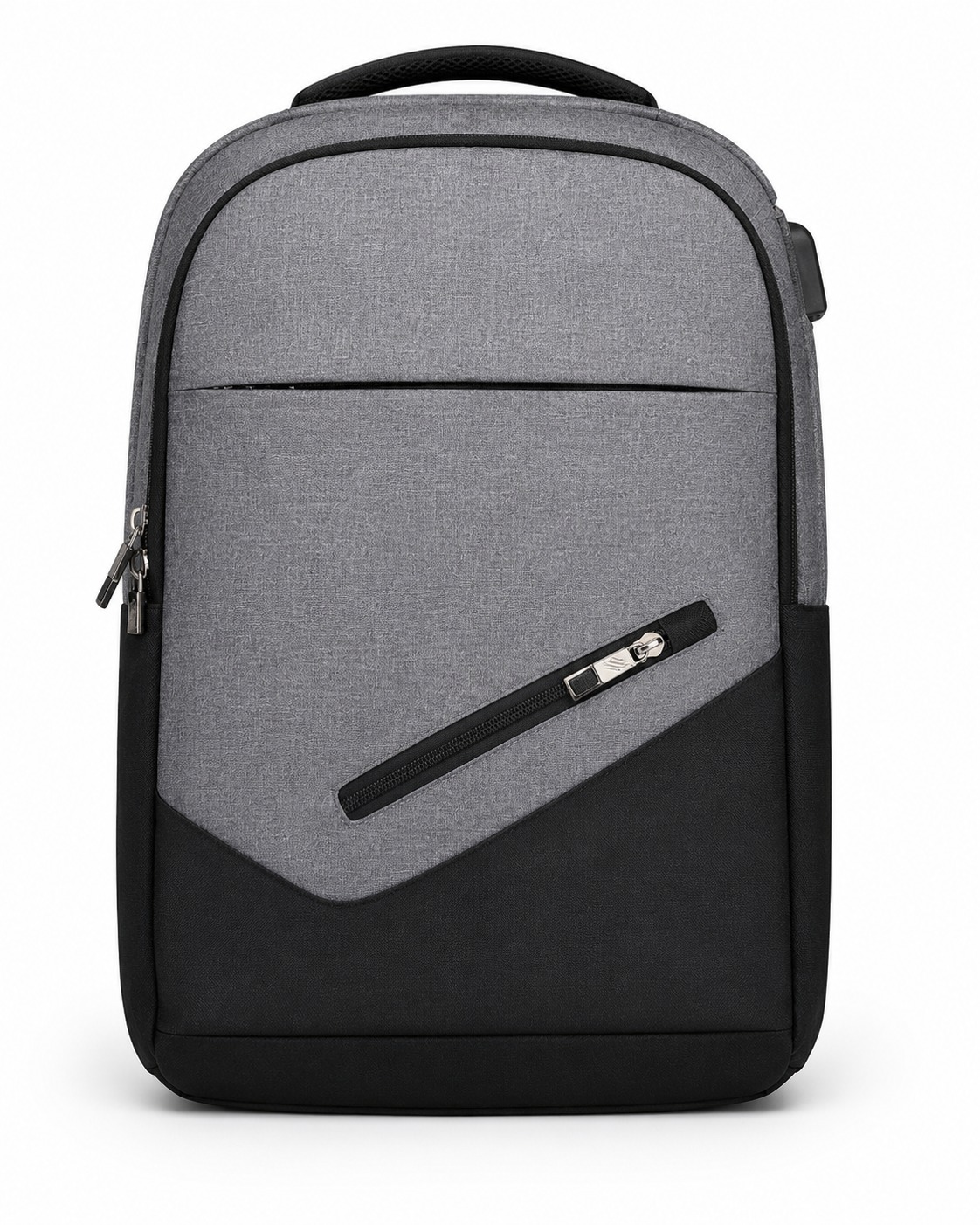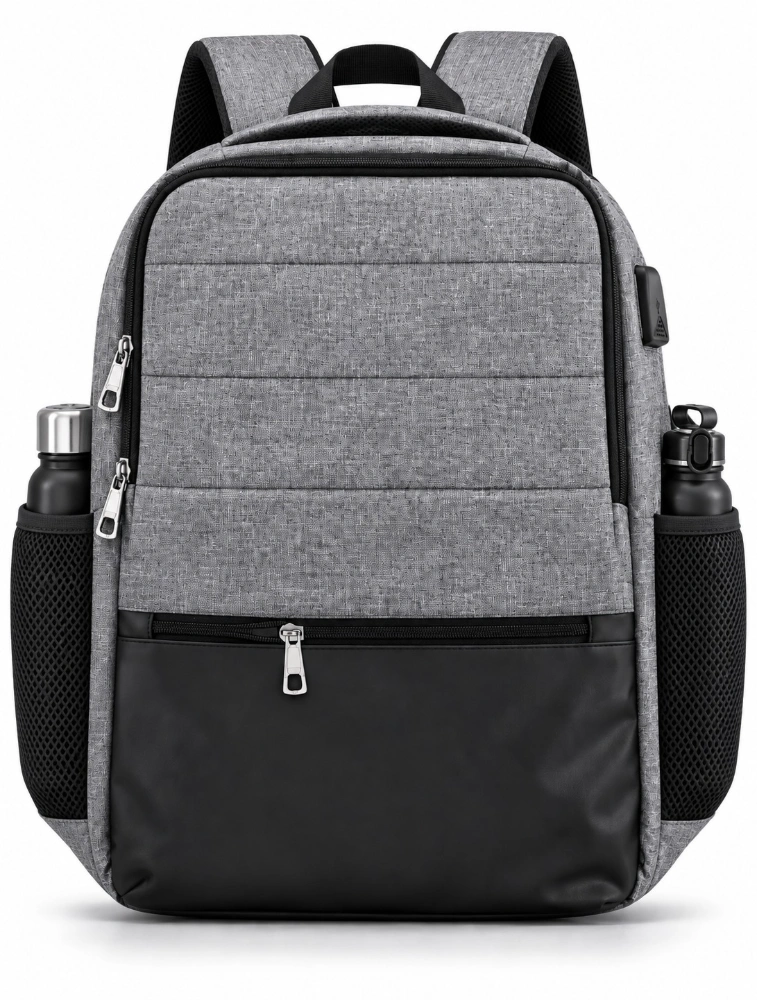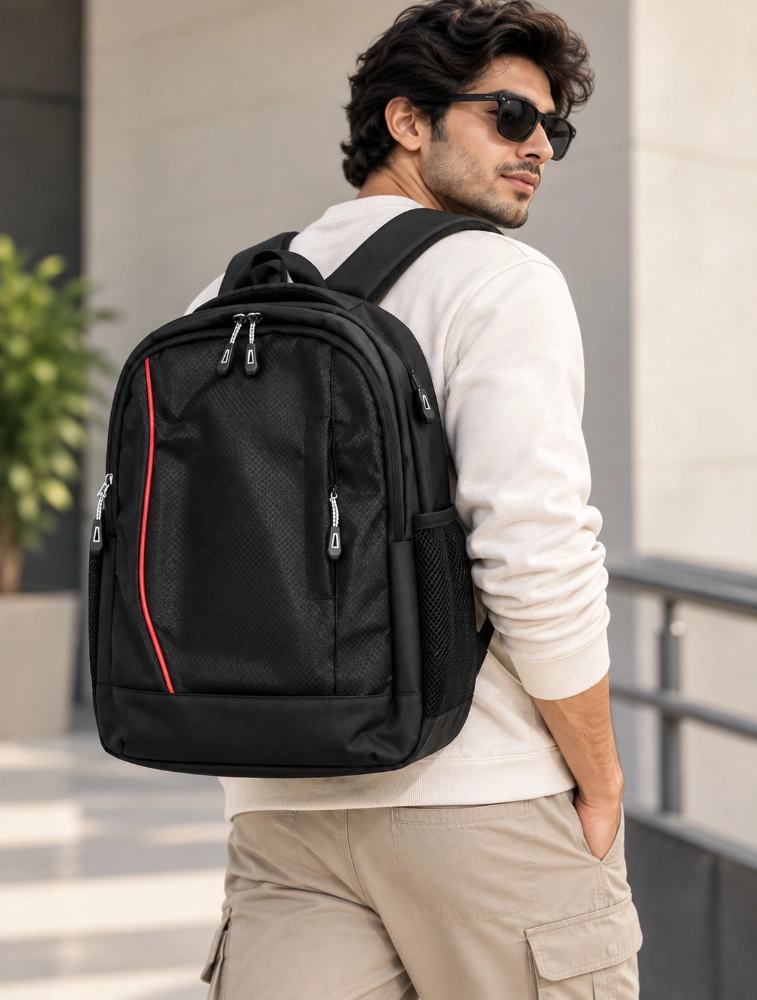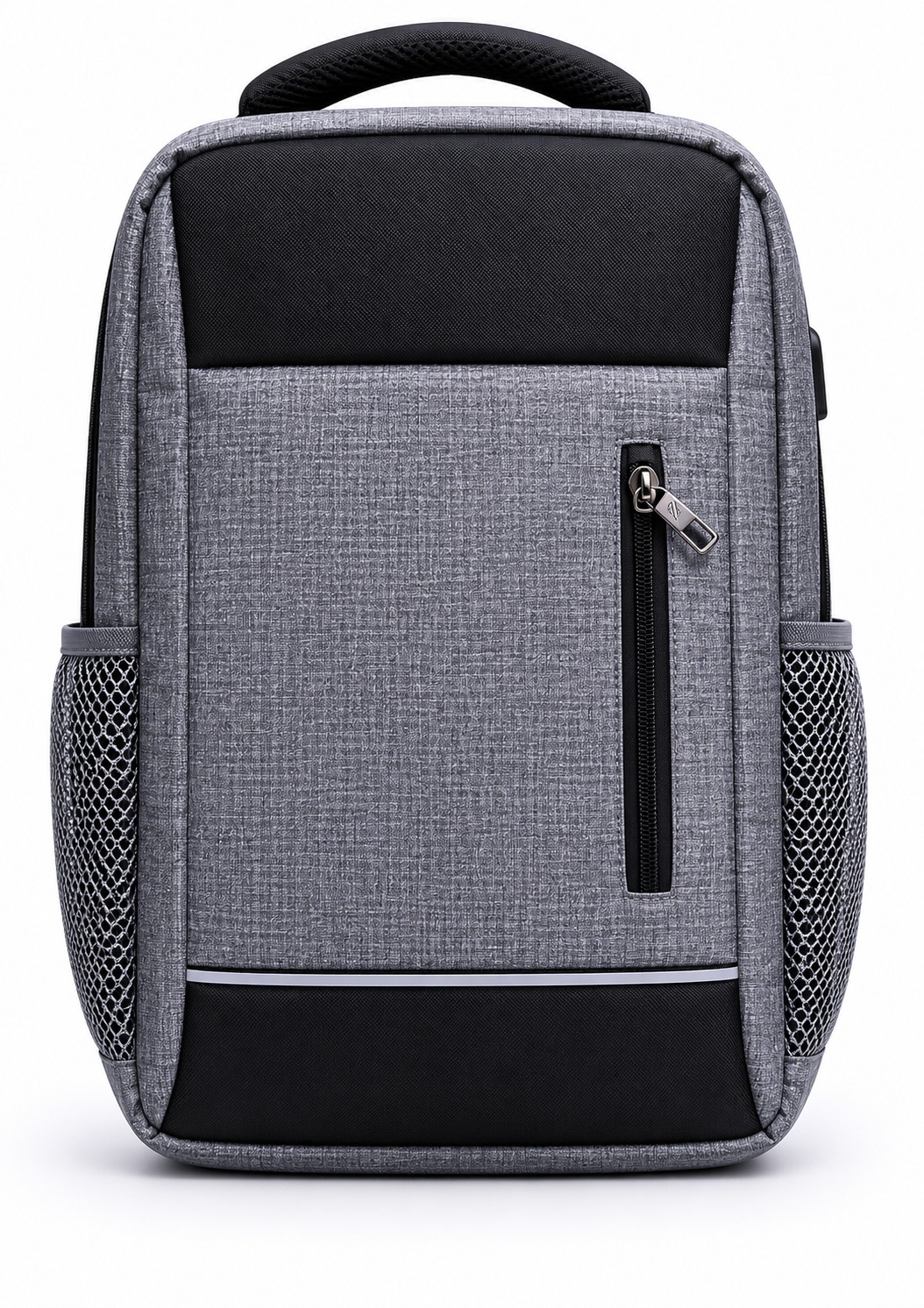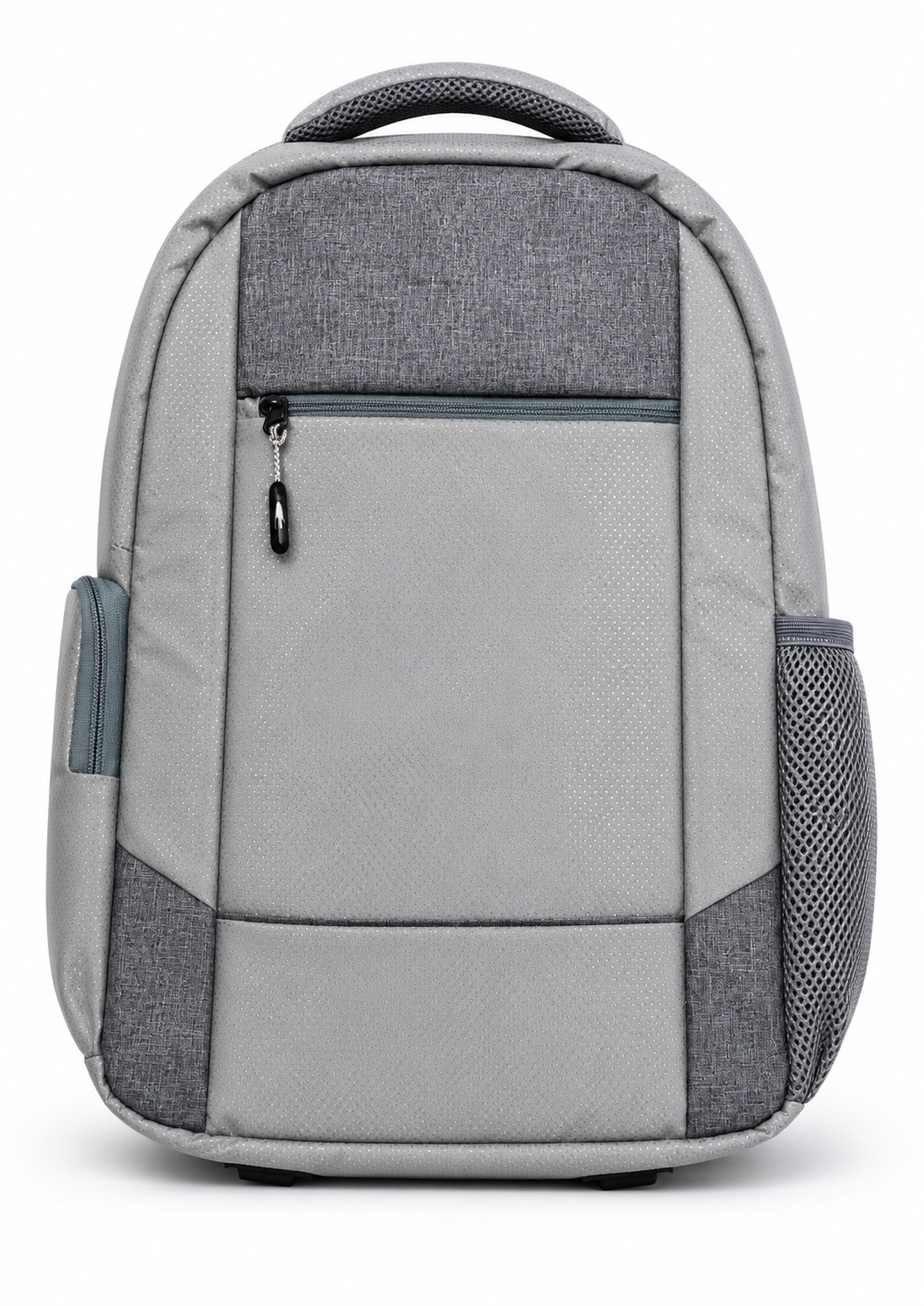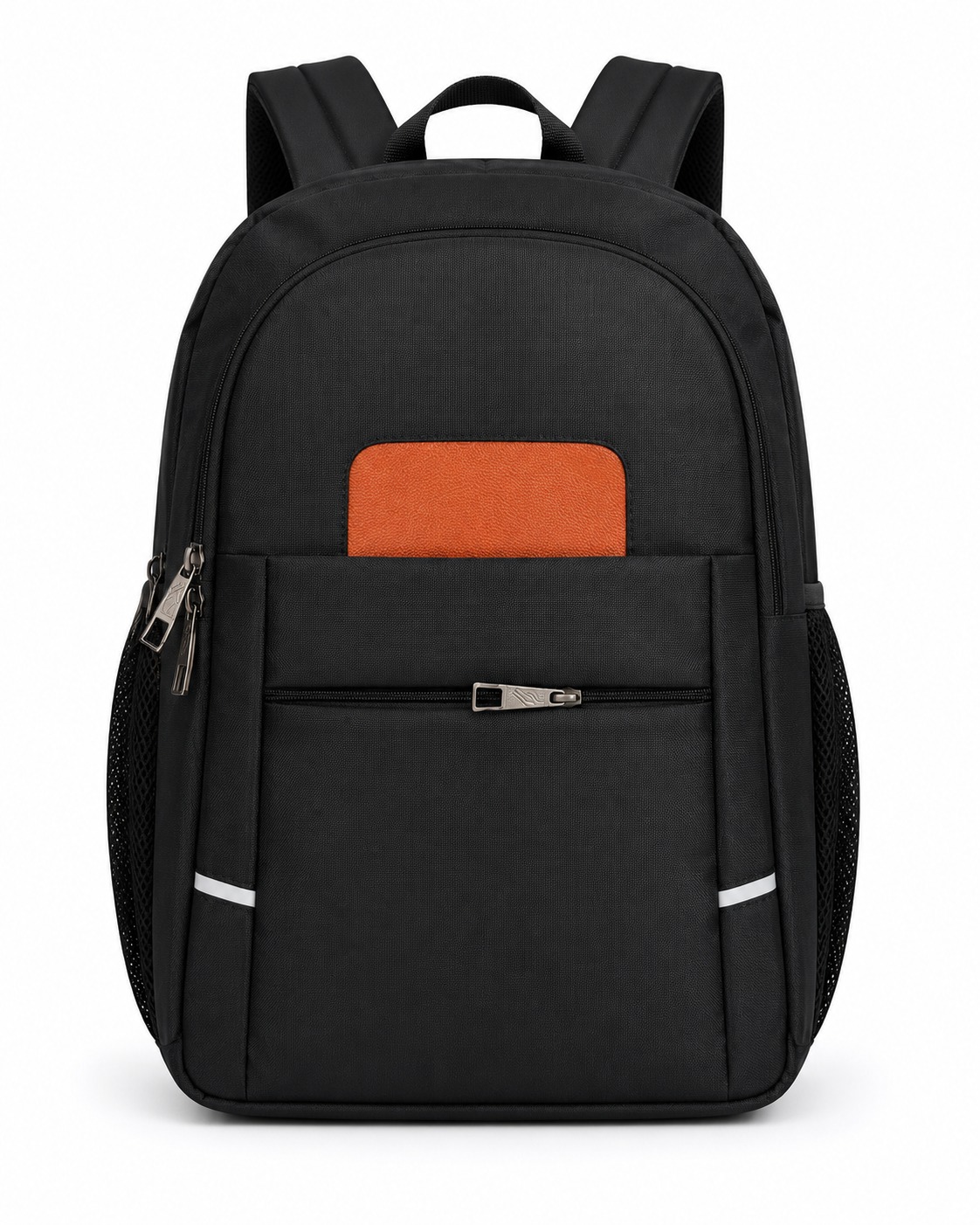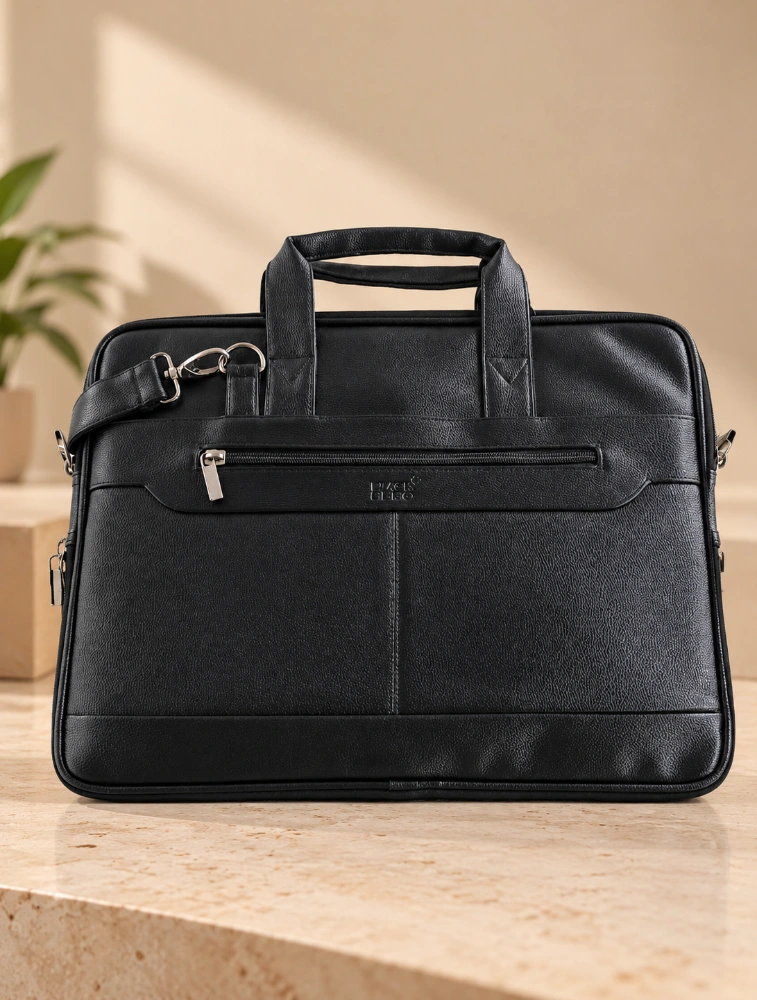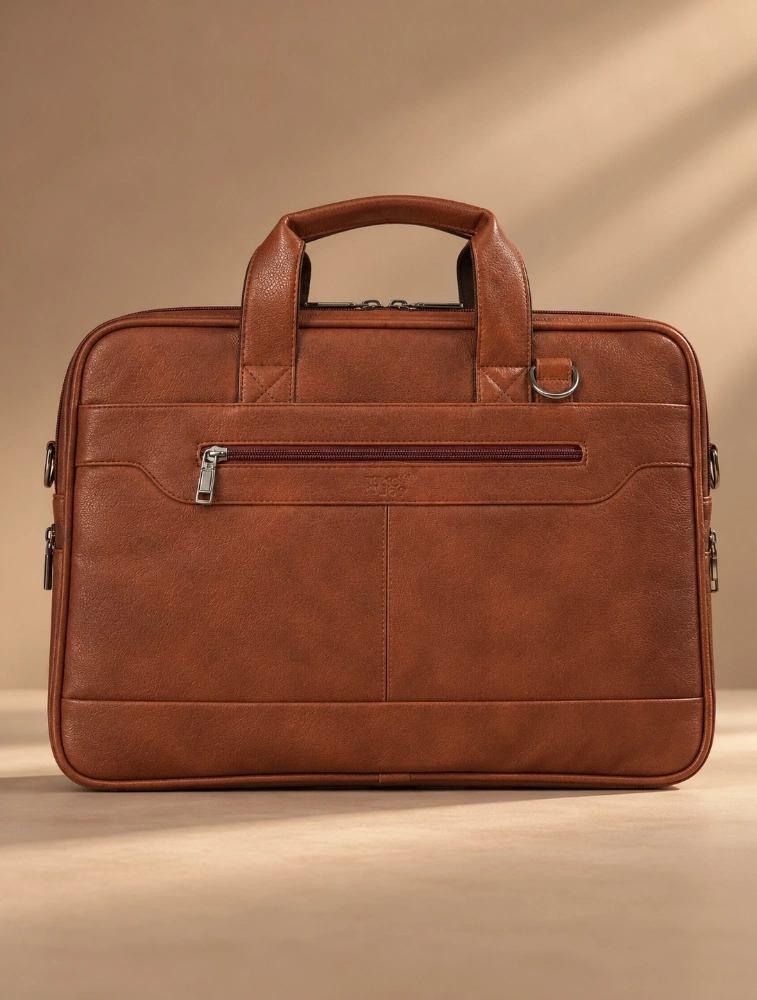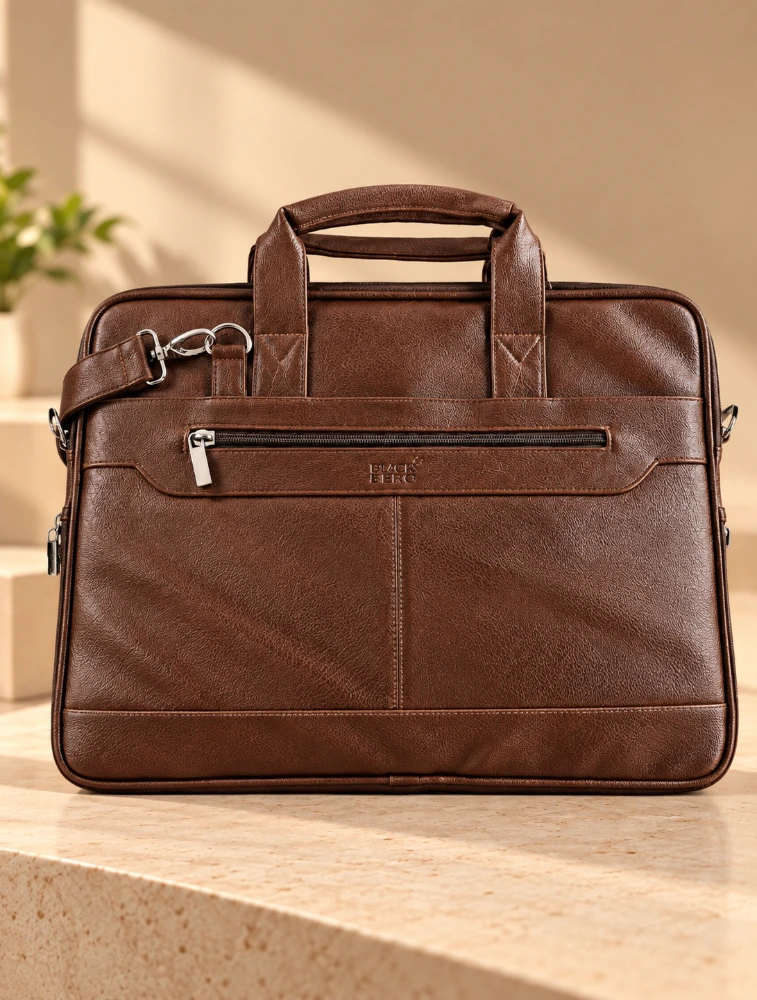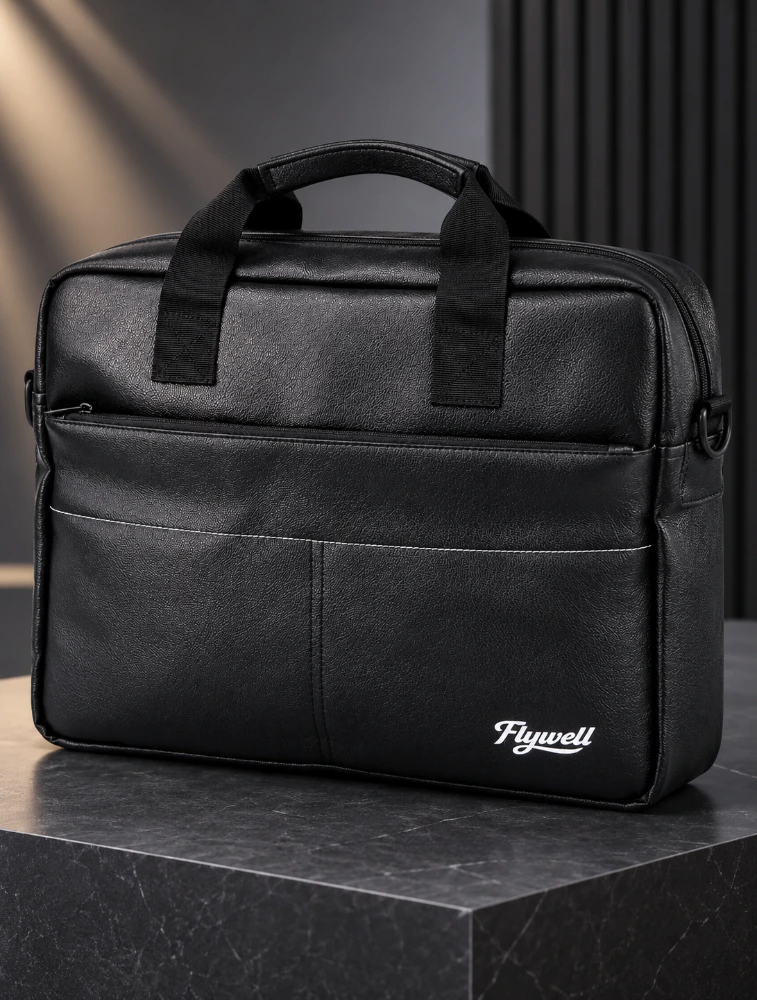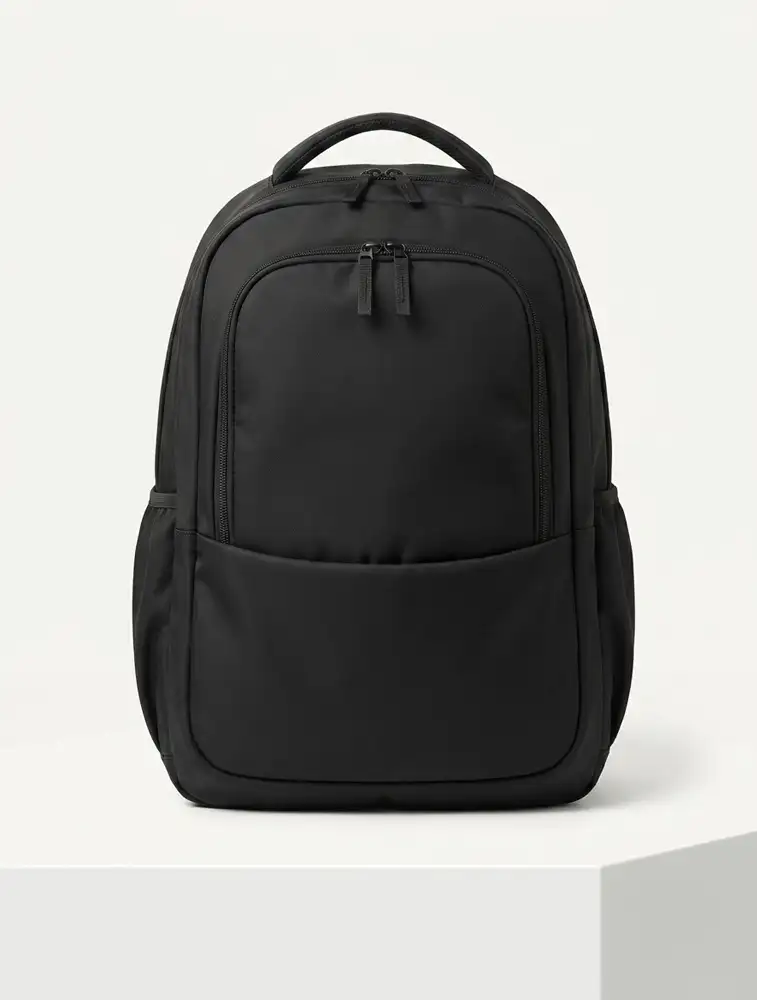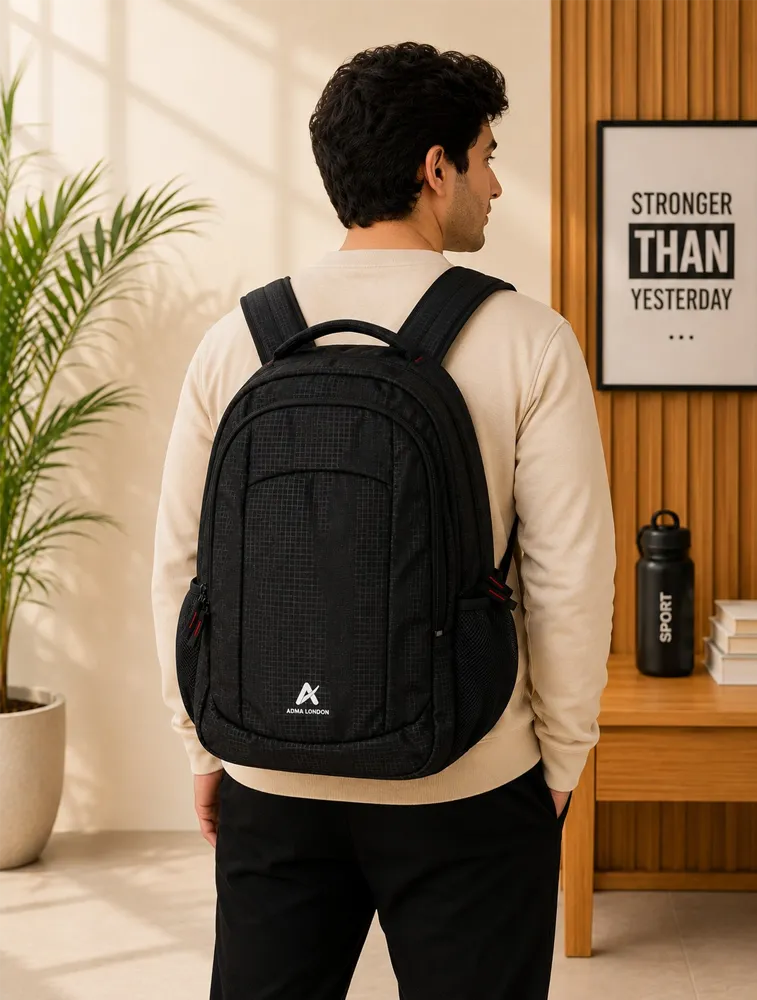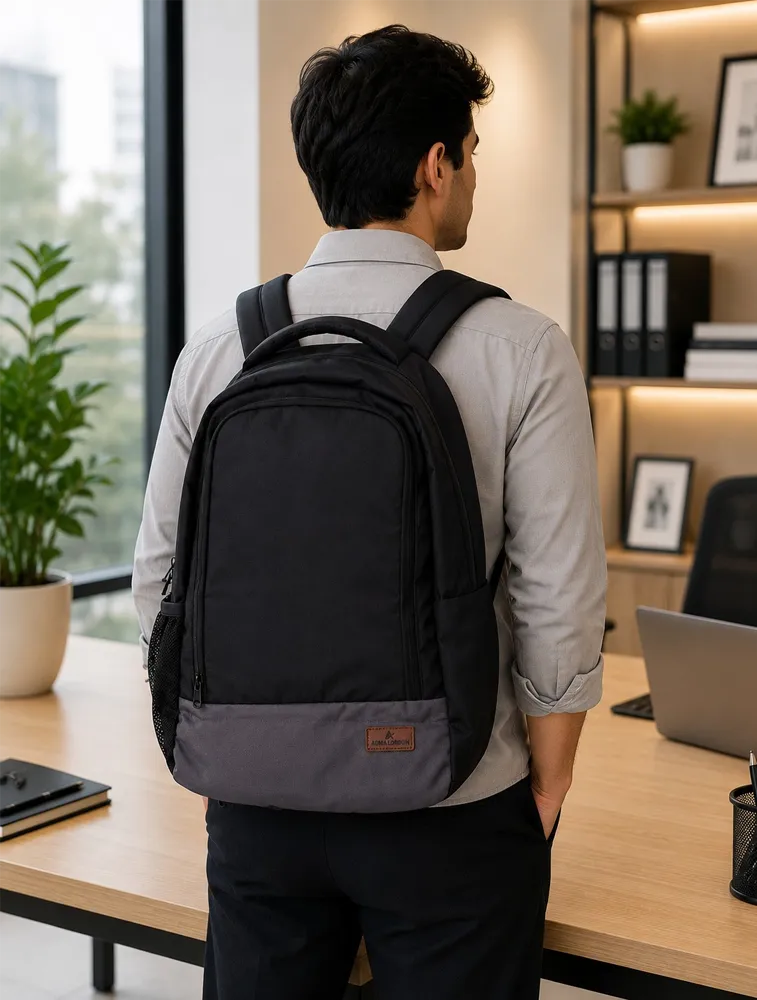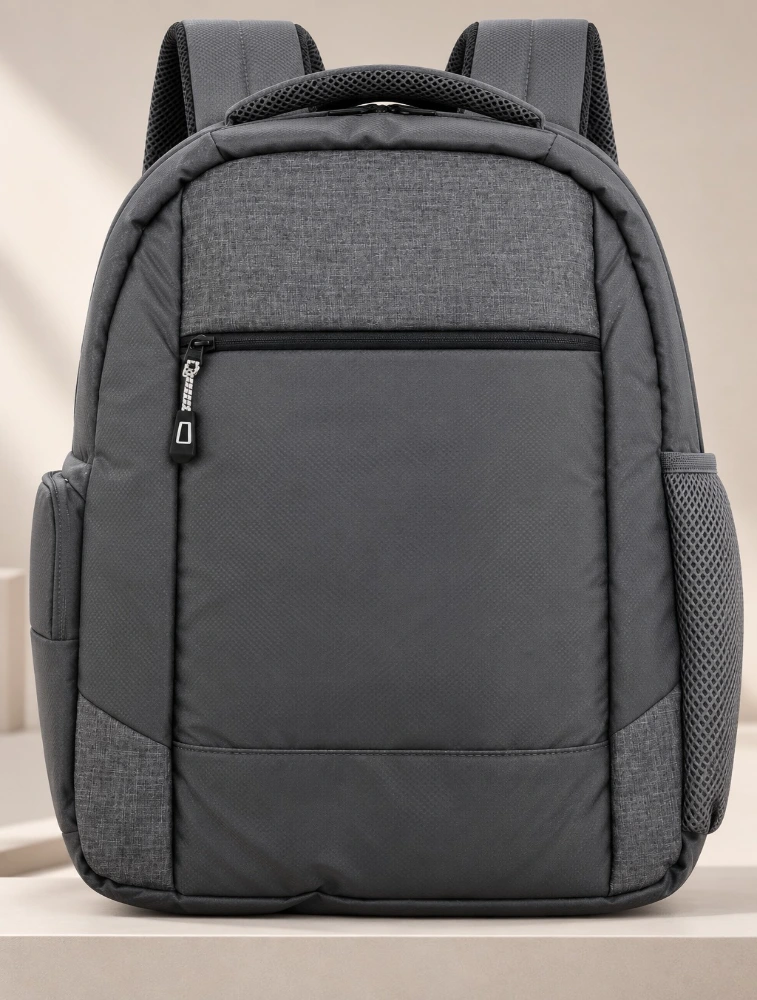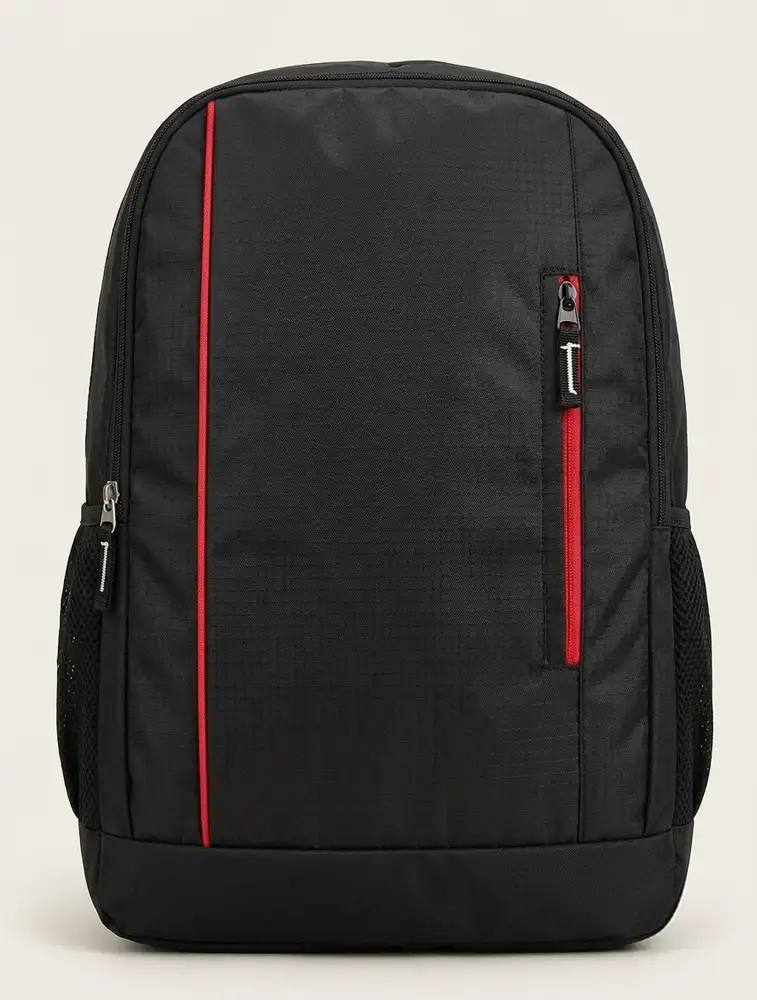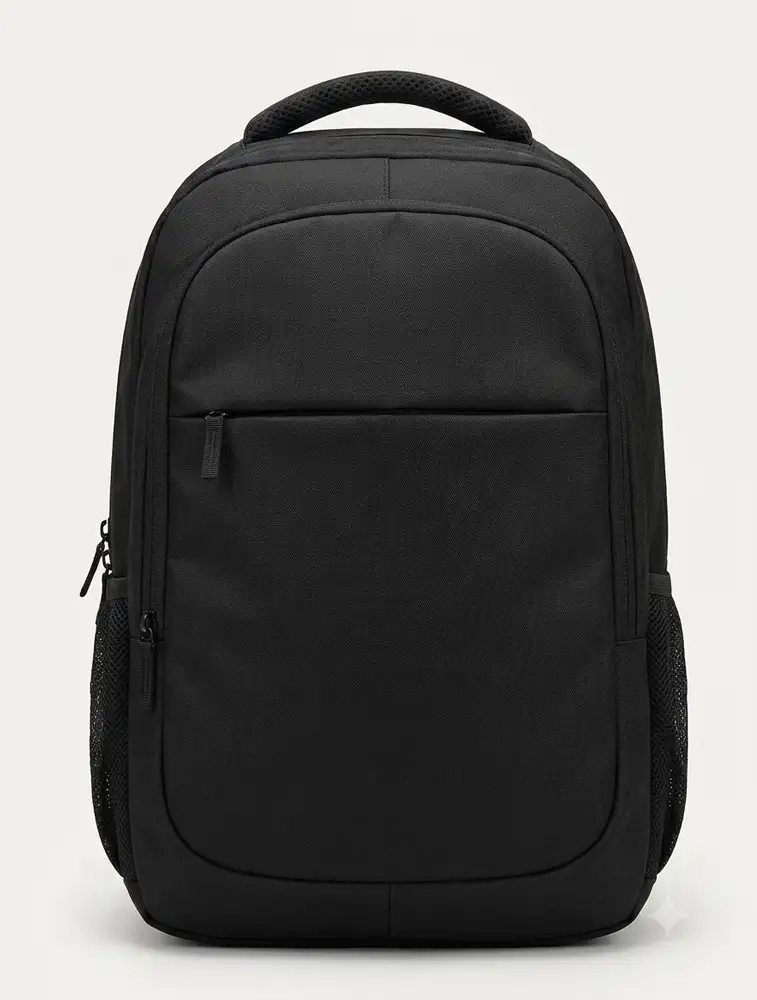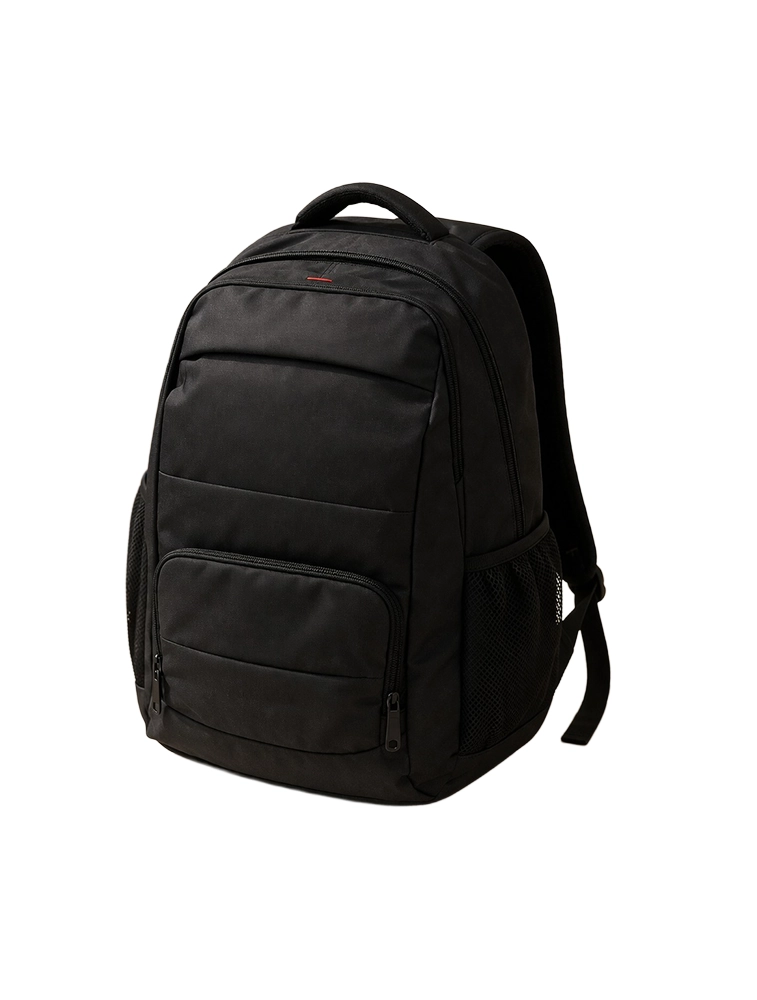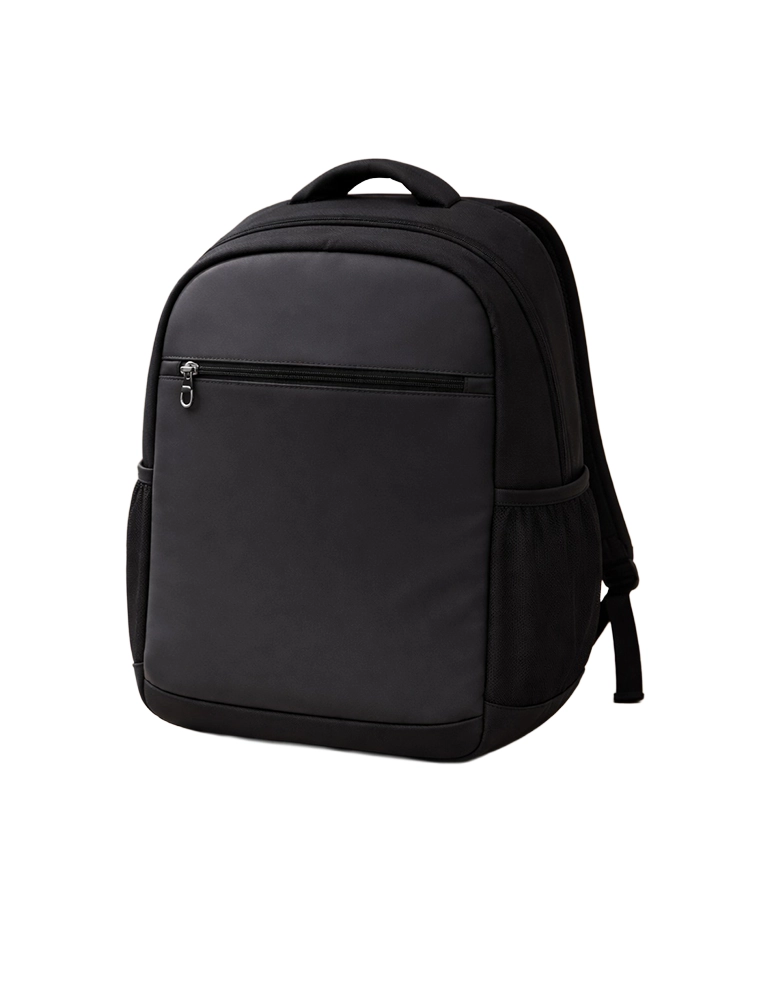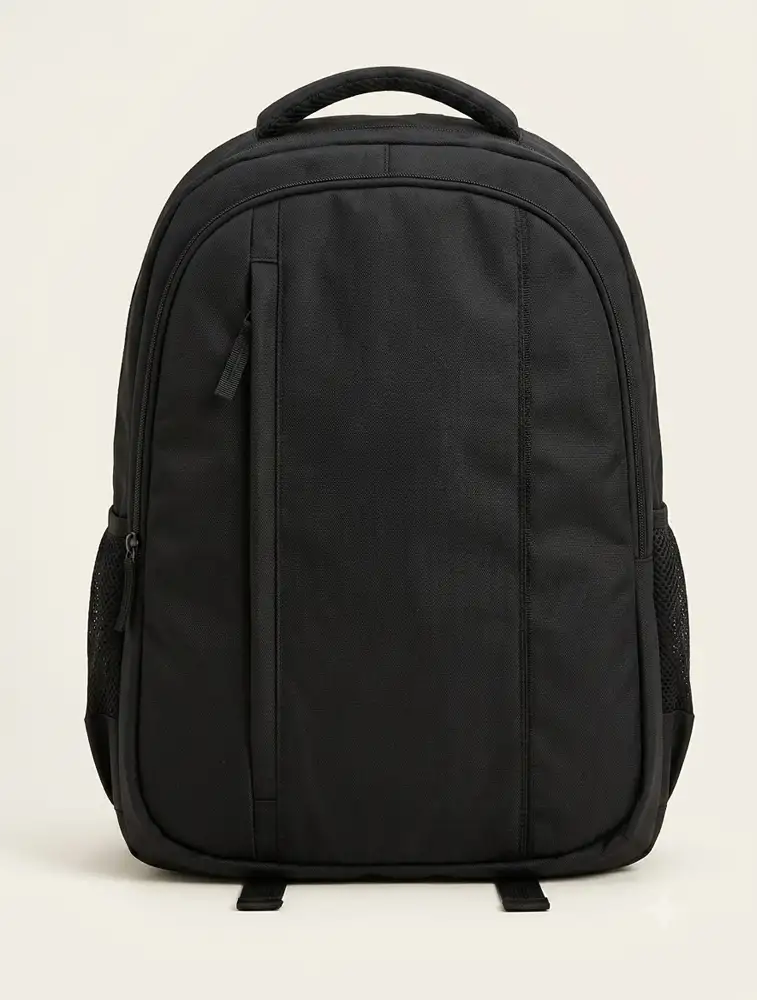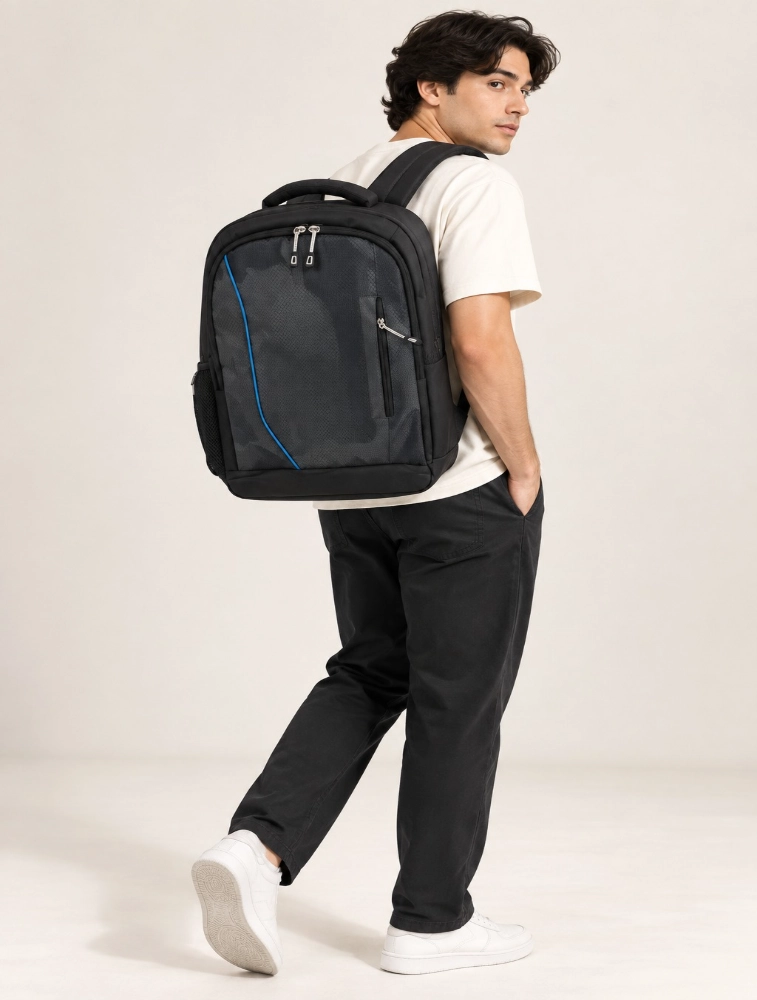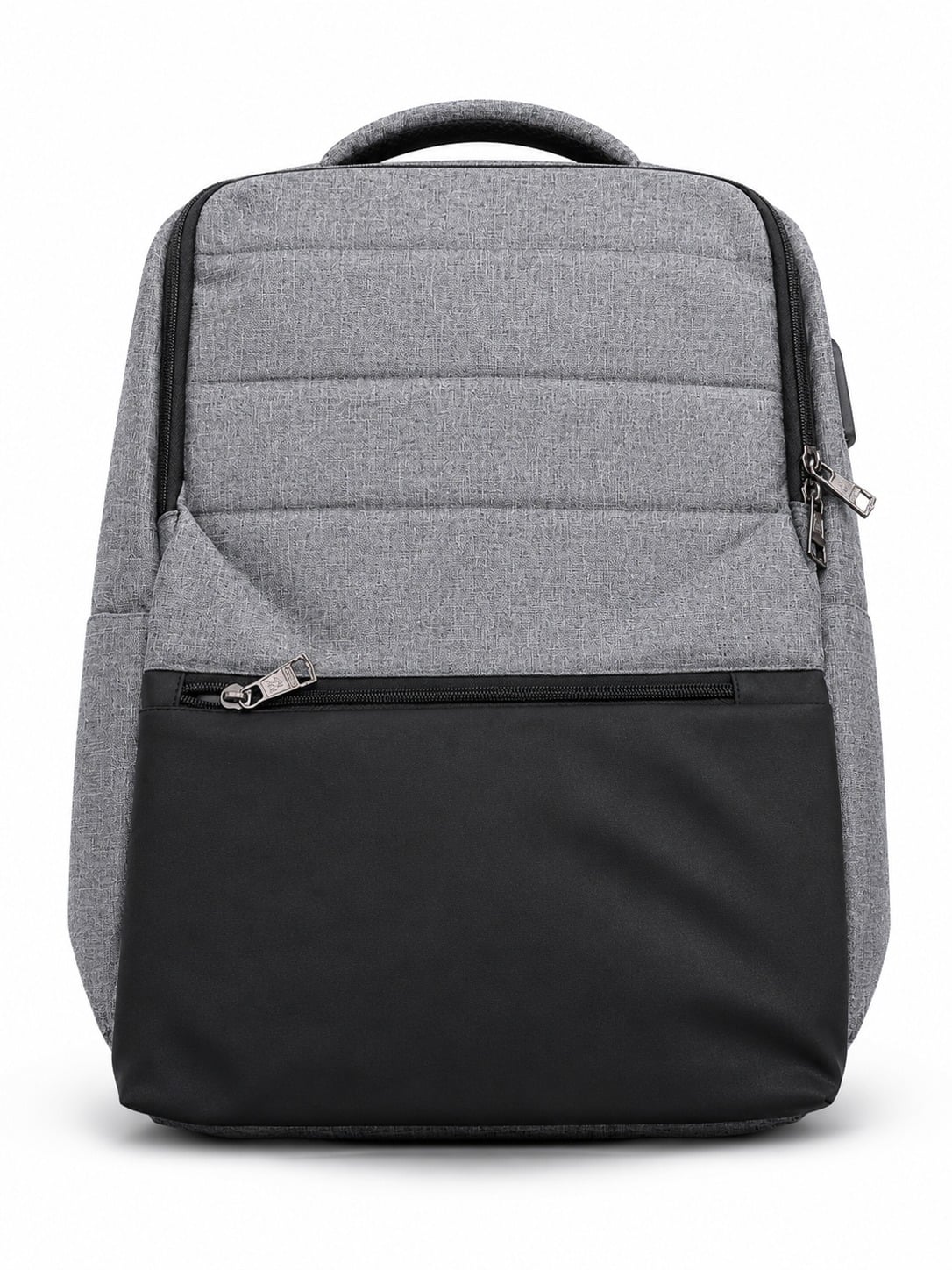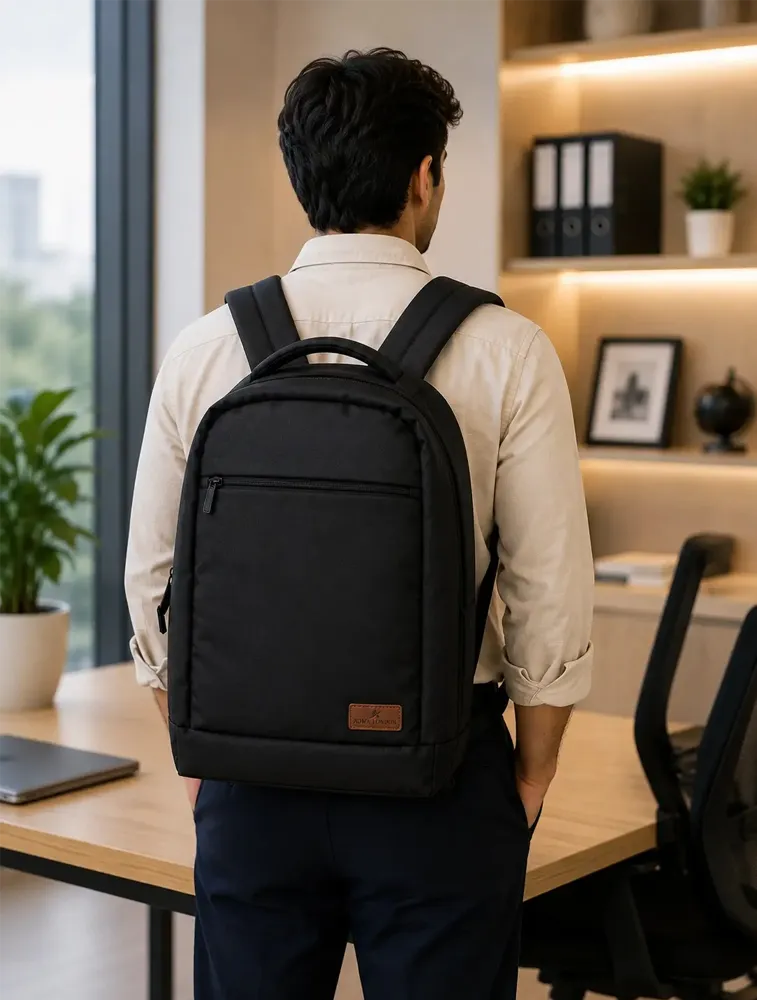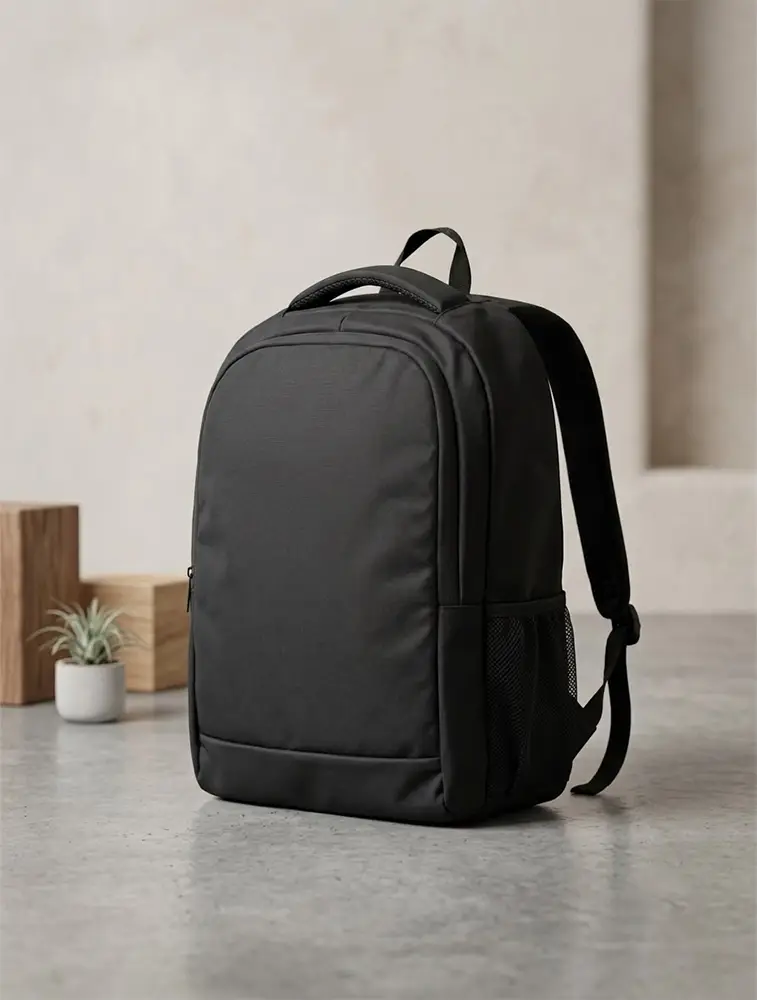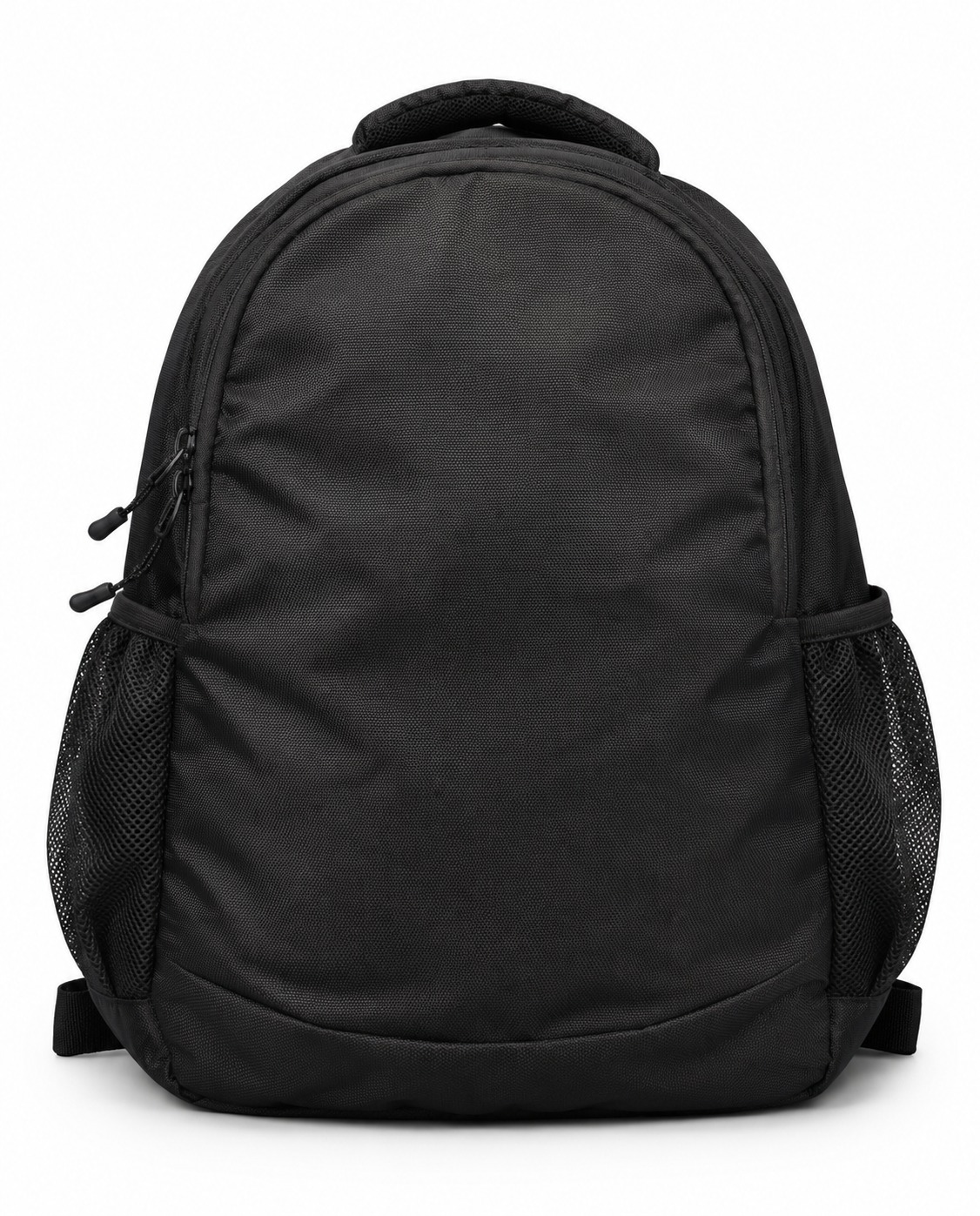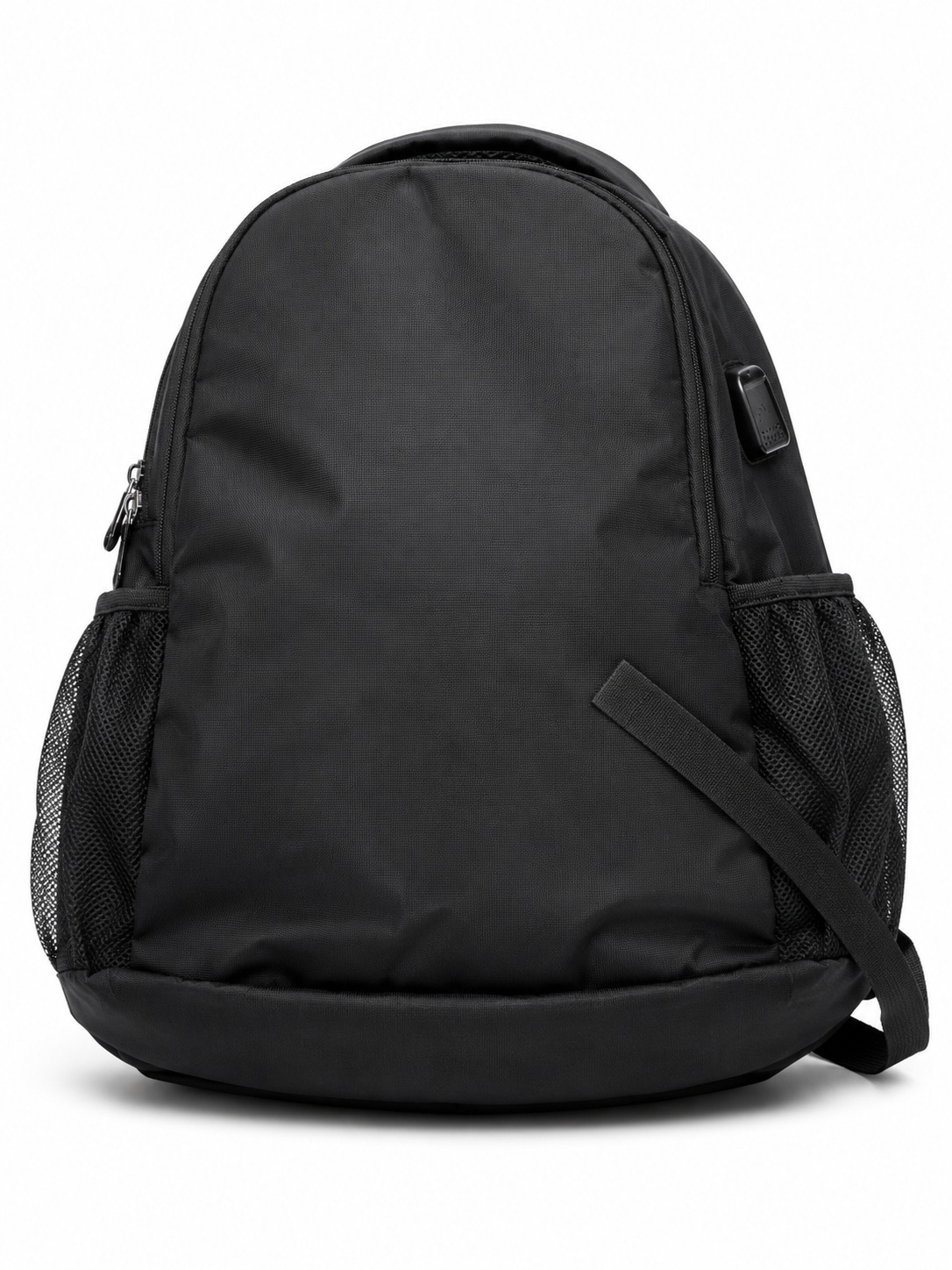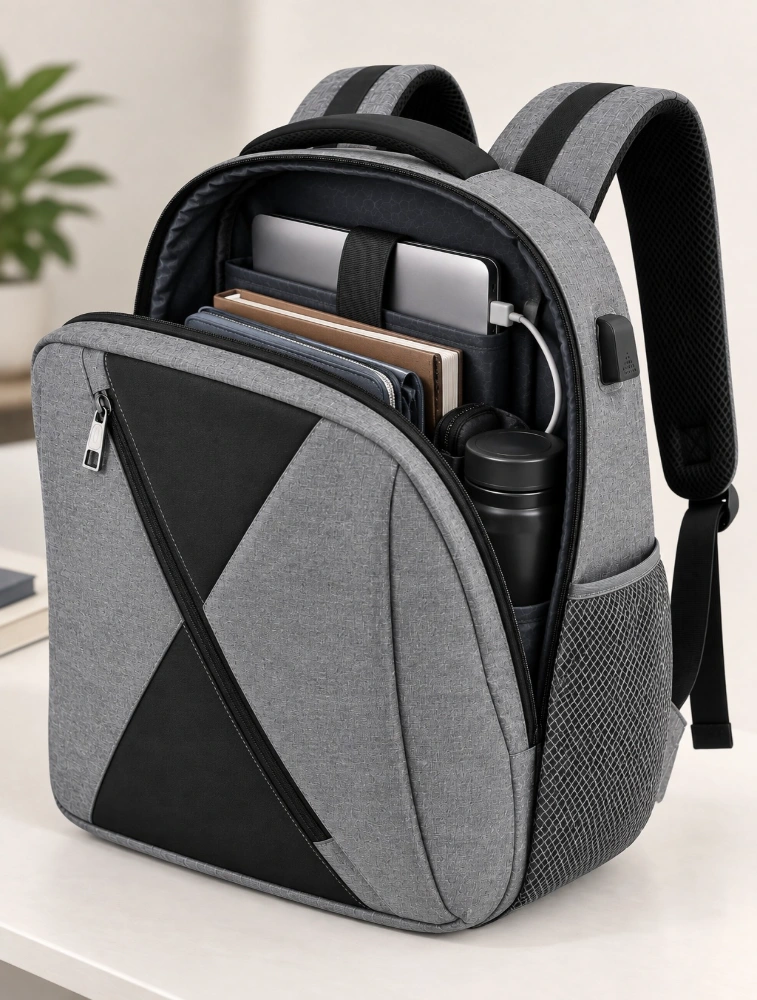
Grey And Black Premium Khadi Fabric Laptop Bag 1000 Denier PVC Reinforced
4.4154 ratings
₹784.00/ piece
Enter a 6-digit Indian PIN code to see delivery options for that area.
Currently delivering to Bengaluru 560105
factori.com supplies bulk laptop bags from ₹196/piece across 659 partner factories — ready stock and custom programmes with GST invoices.
Brand-ready laptop bags for corporate, retail, uniforms and large custom programmes — sourced across partner factories with published prices.
Brand-ready laptop bags for offsites, launches and conferences.
Get quote →Consistent supply for schools, factories and frontline teams.
Corporate uniforms →Unbranded or private-label stock for retail brands.
Launch your store →Contract manufacturing for high-volume programmes.
Contract manufacturing →| Denier | What it is | Best suited to | What the buyer notices |
|---|---|---|---|
| 300D | Light polyester | Sleeves, event giveaways, single-conference bags, low-cost promotional distribution | Thin and light. Fine for a sleeve that lives inside another bag; visibly cheap as a standalone backpack. |
| 600D | Standard polyester | The default for corporate, campus and uniform programmes. Most of the grid on this page. | Reads as a proper bag. Holds structure, takes print and embroidery cleanly, survives daily use for a year or more. |
| 1200D / 1680D | Heavy polyester or ballistic nylon | Field staff, industrial and frontline teams, premium corporate gifting, retail products sold on durability | Noticeably stiffer and heavier in the hand. This is what a buyer means when they say a bag “feels expensive”. |
Material choice sits above denier. Polyester is the workhorse: cheapest at a given strength, holds dyed colour well, prints cleanly. Nylon costs more and is tougher for the same weight, which is why it appears on field and industrial bags. Canvas and jute are chosen for how they look rather than how they perform, and are the right call for retail and premium promotional work where the bag is part of the message. Non-woven is for high-volume event giveaways and nothing else — it is not a bag that survives a season.
The specification that actually gets missed. Buyers specify fabric and denier and then say nothing about the lining, the base or the coating. Ask for the lining fabric, whether the base panel is reinforced, and whether there is a PU or PVC backing for water resistance. Those three unstated items are where two bags at the same denier and the same price end up performing completely differently.
Six things move the per-piece price, in roughly this order of impact:
What a formal quotation contains: the per-piece manufactured price at your quantity, the full material and hardware specification, branding itemised by method and placement, labels and packaging, applicable taxes, freight where relevant, lead time and payment terms. Nothing appears later that was not on the quote. If you are still sizing the order, ask for pricing at two or three volume tiers — the difference usually changes how much you buy.
Why inches fail. Two laptops sold as 15.6-inch can differ by more than a centimetre in width and by several millimetres in thickness once a rubber-footed base and a thick lid are accounted for. Add a charger in the same compartment and the tolerance disappears. Every bulk bag order that arrives and does not fit failed at exactly this point: the buyer specified a screen size and the factory built to a generic pattern.
What to send us instead. The laptop's width, depth and height in millimetres — from the manufacturer's specification sheet, not measured by hand — and whether the charger, a mouse and a notebook travel in the same bag. If your organisation issues more than one model, send the largest. A compartment built for the largest device carries the smaller ones comfortably; the reverse is a returned consignment.
Capacity, and what it means in practice. Backpack volume is quoted in litres and it is the number that decides whether the bag is fit for its use:
Check it on the sample with the actual device. Put your laptop in, close the zip, and carry it. Ten minutes of that is worth more than any specification sheet, and it is the step buyers skip most often.
Zips. The most-used moving part on a bag and the most common point of failure. Specify the type — nylon coil or moulded plastic — the gauge, whether it is a branded zip, and whether the main compartment has a double slider. A branded zip on the main compartment and a generic one on the small pockets is a sensible way to spend the budget where it matters. Open and close the sample zip twenty times before approving it, under load, not empty.
Webbing, buckles and adjusters. Ask for the webbing width and whether the buckles are moulded or cast. Cheap adjusters slip under weight, which is the complaint that reads as “the strap keeps loosening” and is almost impossible to fix after delivery.
Shoulder straps. Two separate specifications: the padding, and how the strap is anchored to the body. Padding decides comfort; the anchoring decides whether the bag survives. Ask for the padding density and thickness, whether the strap is bar-tacked or box-stitched at the top and bottom anchor, and whether there is a reinforcement patch behind the seam. A strap tearing out of the body is the single worst failure mode on a bulk bag, because it happens in public and it happens to the bag that carries someone's laptop.
Stitching at load points. Specify bar-tacking at the strap anchors, the top handle, the D-rings and the zip ends. Double-needle stitching on the main body seams. These are named operations a factory either performs or does not, and they are inexpensive per piece.
The base. The panel that gets set down on wet floors and dragged across concrete. Ask whether the base is reinforced, whether it is a separate heavier panel, and whether there are protective feet. On a bag being bought for a two-year life, an unreinforced base is a false economy that shows within one monsoon.
Matching the style to the use case:
Colour and finish. Most of the published range is black, dark grey or navy — the colours a corporate or institutional buyer actually orders, and the colours that hide wear. Custom body colours, contrast panels, contrast zips and coloured webbing are all available on made-to-order runs; they are specified as part of the pattern rather than chosen from stock. If you are matching a brand colour, that is a dyeing decision and it needs a Pantone reference and a lead time, not a shade name.
How to decide in one question: is this bag being issued or received? A bag issued to staff should be specified for durability and comfort, because you will replace it if it fails. A bag received as a gift or bought at retail is judged in the first ten seconds by hand-feel, hardware and finish. The two lead to different specifications at the same price.
A bag is not a garment, and the panel decides the method. On a t-shirt the whole surface is available and flat. On a bag you are branding a specific panel that may be curved, padded, seamed close to the edge, or backed by foam. Embroidery on a padded front panel behaves differently from embroidery on a flat pocket. Send us the artwork and we will tell you which panel it belongs on — that conversation saves a rejected sample.
Embroidery is the standard for corporate and campus bags and survives the life of the bag. It is stitched into the fabric rather than sitting on top of it, so it cannot peel or crack. Cost follows stitch count rather than colour count. It needs a stable backing, which is why it goes on the front pocket or the top panel rather than across a padded compartment. Fine detail below roughly 5 mm will not resolve cleanly; a logo with small text needs simplifying, and it is better to agree that at artwork stage than at sample stage.
Screen printing is the most economical route at volume for large flat-colour designs, and the right method for tote, canvas and non-woven bags. On a textured or coated fabric it needs a heavier ink deposit. It is a production adjustment rather than a buyer decision, but it affects the lead time.
Rubber and metal badges are what separate a branded bag from a printed one. A moulded rubber patch or a metal plate reads as a product feature rather than a logo application, survives everything, and is what retail and premium corporate programmes specify. Tooling is a one-time cost, so they suit repeat programmes better than a single run.
Heat transfer and digital print handle gradients, photographs and unlimited colours at no per-colour setup, and are the sensible choice for small runs, personalised names or department variants. On a bag that will be scuffed and rubbed daily, they are less durable than embroidery or a badge — specify them where appearance matters more than a two-year life.
Placement is priced separately per position: front pocket, front panel, side, top handle, back panel, and inside the main compartment for a woven label. Decide every placement before quotation. Artwork: vector files (AI, EPS or PDF) with fonts outlined, plus Pantone references. A low-resolution image pulled from a website will not reproduce at bag scale.
Load. Bags fail at the strap anchors and the top handle, not in the middle of a panel. Load the sample to the weight it will actually carry — a laptop, charger, a bottle and books is easily six or seven kilograms — hang it by one strap, then by the handle, and look at the seams. If the fabric puckers at the anchor or the stitching visibly strains, that bag will fail in service, and it will fail on the bags that are used hardest rather than at random. State the intended load in the enquiry so it is specified rather than assumed.
Water resistance. There are three different things a supplier might mean, and they are not interchangeable. A PU or PVC coating on the inside of the fabric stops water passing through the panel. A water-repellent finish makes droplets bead off the surface and wears away with washing and abrasion. Taped or sealed seams stop water entering at the stitch line, and almost no bulk bag has them. A coated 600D polyester bag with untaped seams will keep a laptop dry in a ten-minute shower and will not survive a monsoon commute. If genuine weather protection matters, specify the coating and ask about a rain cover, which is far cheaper than sealing seams.
Abrasion and colour. The base panel and the strap edges are where wear shows first. Dark and saturated colours are the ones that fade visibly, and the ones bulk programmes order most. Colour fastness to rubbing and to light can be tested and reported where the order calls for it, and is worth requesting on any programme that will be re-ordered, because year two has to match year one.
Zip cycling. The most useful five minutes of testing available. Open and close the main zip twenty times with the bag loaded. A zip that catches or separates under load on the sample will do it on every piece, and it is the failure a user notices every single day.
What to do when your sample arrives. Load it, hang it, cycle the zip, wet the base, and carry it for a day. Approving a bag you have only looked at is how a bulk bag order becomes a bulk bag problem.
Volumetric weight, and why your freight quote looks wrong. A carton of backpacks might weigh twelve kilograms and be charged as forty, because carriers price on whichever is greater: actual weight or volume. A garment order of the same value ships in a fraction of the space. This is the single biggest difference between buying bags in bulk and buying apparel in bulk, and it is why the freight line on a bag quotation deserves attention rather than a glance.
What can be done about it. Backpacks can be packed with the harness flattened and the compartments empty rather than stuffed to shape, which reduces cartons significantly at the cost of the bags needing a day to recover their shape. Sleeves and totes flat-pack almost completely. If the bags are going into a warehouse and out again, compressed packing is the right call. If they are going straight onto a retail shelf or into an employee's hands at an event, shaped packing protects the presentation and is worth the freight. Tell us which, and we pack for it.
Retail and programme presentation. Bags can be supplied individually polybagged, hang-tagged, with MRP and barcode stickers, and carton-labelled to your packing format. For a corporate rollout, cartons can be pre-sorted and labelled by office, department or size so that local teams distribute from sort rather than unpacking and re-counting. For institutional and tender deliveries, consignments are size-graded and labelled to their destination, which matters on programmes covering a wide geography.
Ready stock and consolidation. Ready-stock bags dispatch from our Bengaluru fulfilment centre. Where an order is produced across more than one partner factory, goods are consolidated and inspected at that centre before dispatch, so the entire quantity is checked against one approved standard and arrives as a single co-ordinated delivery rather than in unpredictable instalments. For ordering, payment terms and export questions, see the FAQ on our home page.
Bag tenders are won and lost on the specification, not the price. School bag and backpack tenders are among the most tightly specified apparel-adjacent categories in Indian public procurement, because the specification is where quality is enforced: fabric and denier, capacity, compartment layout, stitching type at load points, hardware, load-bearing requirement and colour fastness are all commonly written into the tender document. That is an advantage rather than a burden — a specification that precise can be quoted against exactly, and it removes the guesswork that makes tender bidding risky.
What government and PSU buyers typically need, and how it is handled:
Scale is generally not the constraint. Large tender quantities are allocated across multiple audited partner factories running in parallel rather than queued through a single unit, which is what allows both the quantity and the date to be committed. Goods are consolidated and inspected at our 1.5-acre fulfilment centre in Bengaluru before dispatch, so the entire quantity is checked against one approved standard regardless of how many factories produced it.
If you are at pre-tender stage, send the draft specification for technical review before publication. Bag specifications frequently name a fabric, a capacity and a load requirement that cannot coexist, or a compartment layout that no pattern can deliver at the stated price. Both are far cheaper to identify before the tender is floated. For tender enquiries call +91 874 707 1444 with the reference and closing date.
Issued bags — school bags, uniform backpacks, staff bags. Bought against a budget, distributed rather than sold, and used hard for a full academic year by users who will not treat them gently. Load is the specification that matters most: a school bag carries a weight of books that would be considered abusive for a corporate bag, every day, and it is usually carried by someone smaller than the adult the pattern was designed for. Specify the load requirement explicitly, insist on bar-tacked strap anchors and a reinforced base, and size the bag to the age group rather than ordering one size. Colour fastness matters here too, because a faded bag halfway through the year reflects on the institution.
Student merchandise — campus backpacks, department bags, fest and alumni bags. Chosen, paid for and carried by the student, so they are judged as products. Hardware, finish and a rubber or metal badge are what this buyer actually wants, and the price difference is acceptable because the purchase is voluntary. Names, roll numbers or department variants on individual bags are handled through heat transfer or digital print, which carry per-item variation at no per-colour setup.
Run the size and count collection as a form, not an estimate. Where students are paying, collect the order with payment — it removes the problem entirely. Where the institution is issuing, a two-day internal form beats the top-up order it prevents. Bag top-ups are more expensive than garment top-ups, because a short run carries the full setup cost of the original and the freight is disproportionate to the quantity.
Repeat consistency. Where a bag becomes the standard for an institution, it will be re-issued each year, so approve the specification once and we hold the approved standard on record: fabric, denier, hardware, dimensions, colour and branding position. Year three then matches year one. Institutions that re-order colour and fabric each year flag them at enquiry. Documentation: GST-compliant invoicing, specification sheets, test reports and formal quotations on letterhead for governing-body or grant approval, plus vendor registration formats for institutional procurement systems.
A laptop bag is the highest-retention corporate gift there is, and that changes the calculation. It is carried daily, in public, for years, by choice. No other branded item comes close on exposure per rupee — and none is punished as quickly for being cheap. A bag that fails at the strap in month four is remembered as clearly as a good one is appreciated. If the budget is tight, the right move is to reduce the quantity or narrow the recipient list, not the specification.
Specify against the device, not the person. Send the make and model of the laptop your organisation issues and we specify the compartment to its actual dimensions. If IT is planning a device refresh, specify against the incoming model. A bag ordered against the outgoing laptop is obsolete on arrival, and this happens more often than it should.
Brand compliance. Send your brand guidelines with the enquiry, not the artwork alone. On a bag, logo lock-ups, clear space, permitted colourways on dark fabric and Pantone references all affect production, and marketing teams routinely reject a first sample over a detail that was in the guidelines but not in the brief. Remember that the body fabric, the webbing, the zip tape and a rubber badge are four different materials and will each take colour differently — if the corporate shade must carry across all four, say so upfront.
Onboarding kits. Where bags go into a new-joiner kit, they can be supplied individually polybagged and labelled, ready to drop straight into a pack, and cartons can be pre-sorted by office so local HR and admin teams distribute rather than assemble. On a rolling onboarding programme, agree a quantity and a call-off schedule at a single price rather than re-ordering in small batches, which is both slower and more expensive per piece.
Delivery. One location or split across offices, each carton labelled to its destination. For an event or an offsite, build in a buffer week: bags are bulky, and a bag consignment that misses its delivery slot is far harder to expedite than a garment one.
For a bag brand, the pattern is the product. Two backpacks in the same 600D polyester at the same capacity are completely different products depending on the panel shape, the harness geometry, the pocket layout and the hardware. That pattern is where a bag brand's identity actually lives, and it is developed rather than chosen from a catalogue. If you have a tech pack, we work to it. If you do not, a reference bag — including a competitor's — is enough to start, and we build the working specification and produce a sample against it for your approval.
What bag brands typically specify:
Tooling and where the money goes. Custom moulded hardware — a branded slider, a logo buckle, a rubber badge — carries a one-time tooling cost and then costs very little per piece. That makes it poor value on a single run and excellent value on a programme you intend to re-order. If you are launching, spend on the pattern and the badge and take standard hardware elsewhere; add custom hardware at the second run when the volume justifies the tooling.
Launch quantities are workable. The 100-piece-per-style-per-colour minimum lets a new label launch a bag across a few colourways without committing to thousands of units of unsold inventory — which matters more on bags than on almost any other category, because a bag occupies warehouse space out of all proportion to its value.
Repeat consistency is what makes a supplier worth keeping. Once your first order is approved, the pattern, materials, hardware and fit are held on record, so run two matches run one. A customer reordering the same bag expects the same product, and variation between runs generates returns and reviews that cost far more than the pattern work behind them. Your designs remain yours — patterns, artwork and specifications you supply are used only for your orders.
For retailers, the practical advantage is buying to your sell-through rather than a supplier's carton. Bags are a slow-turning, high-space category: a bag occupies several times the shelf and storeroom volume of a garment at a similar price, so overbuying costs you more here than anywhere else in the store. If your customers buy backpacks and sleeves and ignore slings, weight the lot that way rather than accepting an even spread. Garments can be supplied retail-ready — individually polybagged, hang-tagged, with MRP and barcode labels applied — so stock goes to the floor without repacking.
For wholesalers and distributors, the economics sit in the tiers and in the freight. Per-piece price steps down meaningfully between 100, 1,000 and 10,000 pieces, because setup cost is fixed per style and colour and spreads across the run. Consolidating a season's requirement into fewer, larger orders across the same styles materially improves landed cost — and on bags it improves freight cost as well, because full cartons and full loads are where volumetric charging stops hurting. Ask for compressed packing if the goods are going into a warehouse rather than straight to a shelf; it is one of the few levers that reduces landed cost without touching the specification.
Margin comes from specification control. Buying finished bags from a trader means paying a markup on somebody else's specification, with no ability to change the denier, the hardware or the pattern, and no recourse to a standard that was never agreed. Buying manufacturing means the specification is yours, the price is built from material and conversion cost rather than a reseller's margin, and the quality standard is a physical sample you approved. On bags that matters more than on apparel, because the failure modes are mechanical and they generate returns.
Mixed-style orders are counted per style and per colour, so one consignment can carry sleeves, slings and backpacks across several colours. Where a season has a fixed selling window, an order can be delivered in phases against a single agreed price, so you get the volume rate without financing the whole season's inventory in one go.
Why this question matters more on bags than on garments. A t-shirt that varies slightly between runs is a t-shirt that varies slightly. A bag that varies between runs is visibly a different bag: a changed panel shape, a different zip puller, webbing a shade off, a base built differently. Bags are carried side by side by people in the same organisation, and the differences are obvious in a way fabric variation never is. Any programme where bags are issued in cohorts — onboarding, each academic year, a rolling uniform issue — is a programme where run-to-run consistency is the whole requirement.
What gets recorded, and what to insist on:
Where a change is unavoidable, it comes to you first. A fabric or hardware component occasionally goes out of production, and the honest answer is that it happens. When it does, the substitution is proposed with a sample before production rather than presented after delivery. A supplier who silently substitutes is a supplier you find out about from your own users.
On a multi-year programme, re-approve annually anyway. Ask for a current production sample against your held standard at the start of each cycle and check it yourself. It costs a week and it is the cheapest insurance available on a programme that runs for years.
The sample is the contract. A pre-production sample is made to your exact specification — fabric, denier, pattern, capacity, hardware, lining, labels and branding in the correct positions — and you approve it before bulk begins. That physical bag, not a written specification, is what the order is judged against. Written specifications are interpretable and bags are not: “padded laptop compartment” is arguable, an approved sample is not. Sample charges are credited back against the bulk order.
What is checked on a bag specifically:
If something is wrong, raise it with your point of contact with photographs and the specific bags and cartons affected. Goods that do not conform to the approved sample are our responsibility to put right; the remedy depends on the deviation and how it affects use, and is agreed with you rather than imposed. Commercial terms, specification and delivery commitment all sit in the purchase order, so this rests on a written agreement rather than on goodwill.
What reduces the risk to near zero, in order of impact: approve a physical sample rather than a drawing; load it, hang it and cycle the zip before you approve it; name the hardware rather than describing it; and state the intended load and the exact device in writing. Almost every bulk bag dispute originates in an assumption nobody wrote down, on either side.
For ordering, payment terms, export and company-level questions, see the FAQ on our home page. For apparel programmes, see our bulk t-shirts page and bulk hoodies page.