Choose your delivery location
Enter a 6-digit Indian PIN code to see delivery options for that area.
Currently delivering to Bengaluru 560105
Ready stock & made to order
Bulk corporate gifting
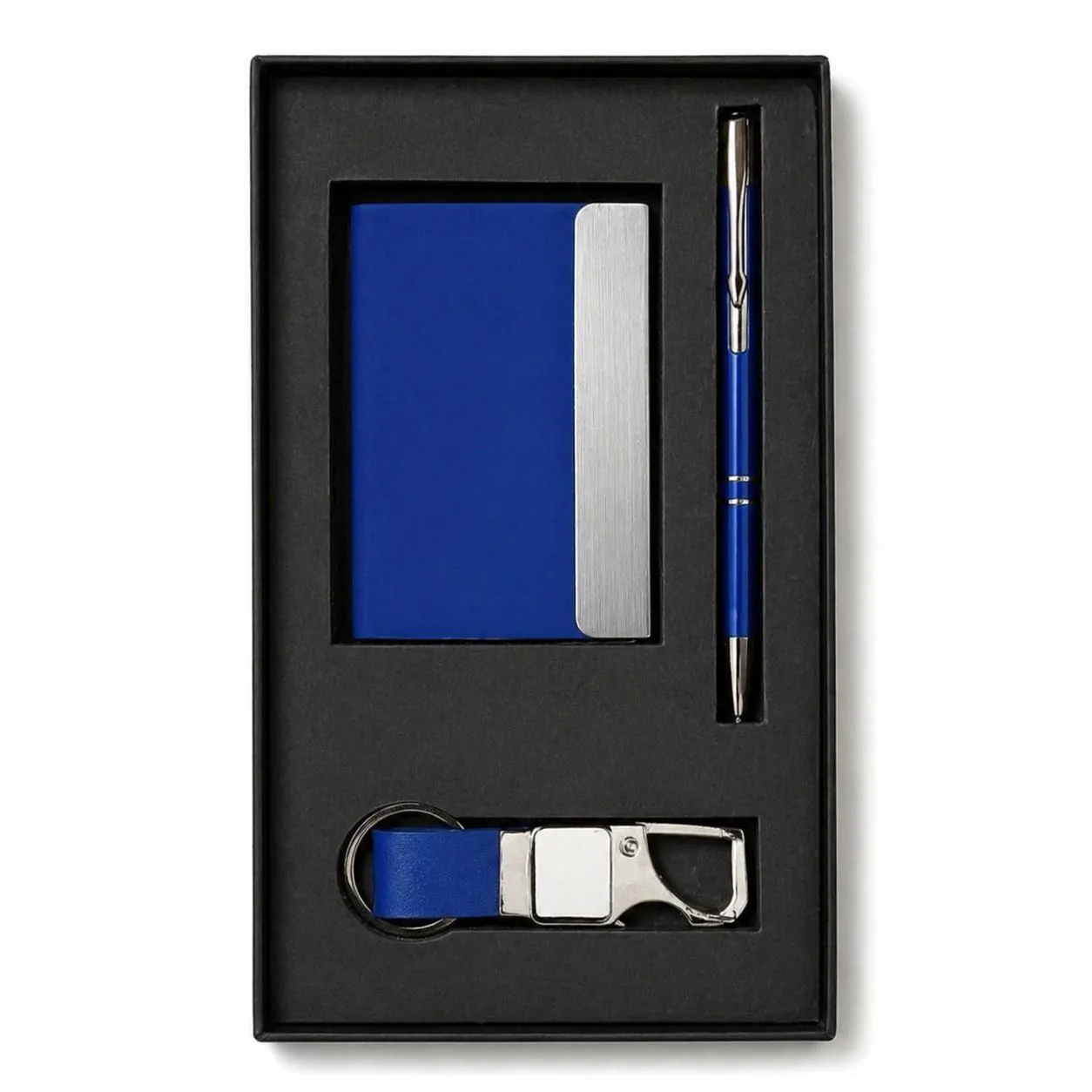
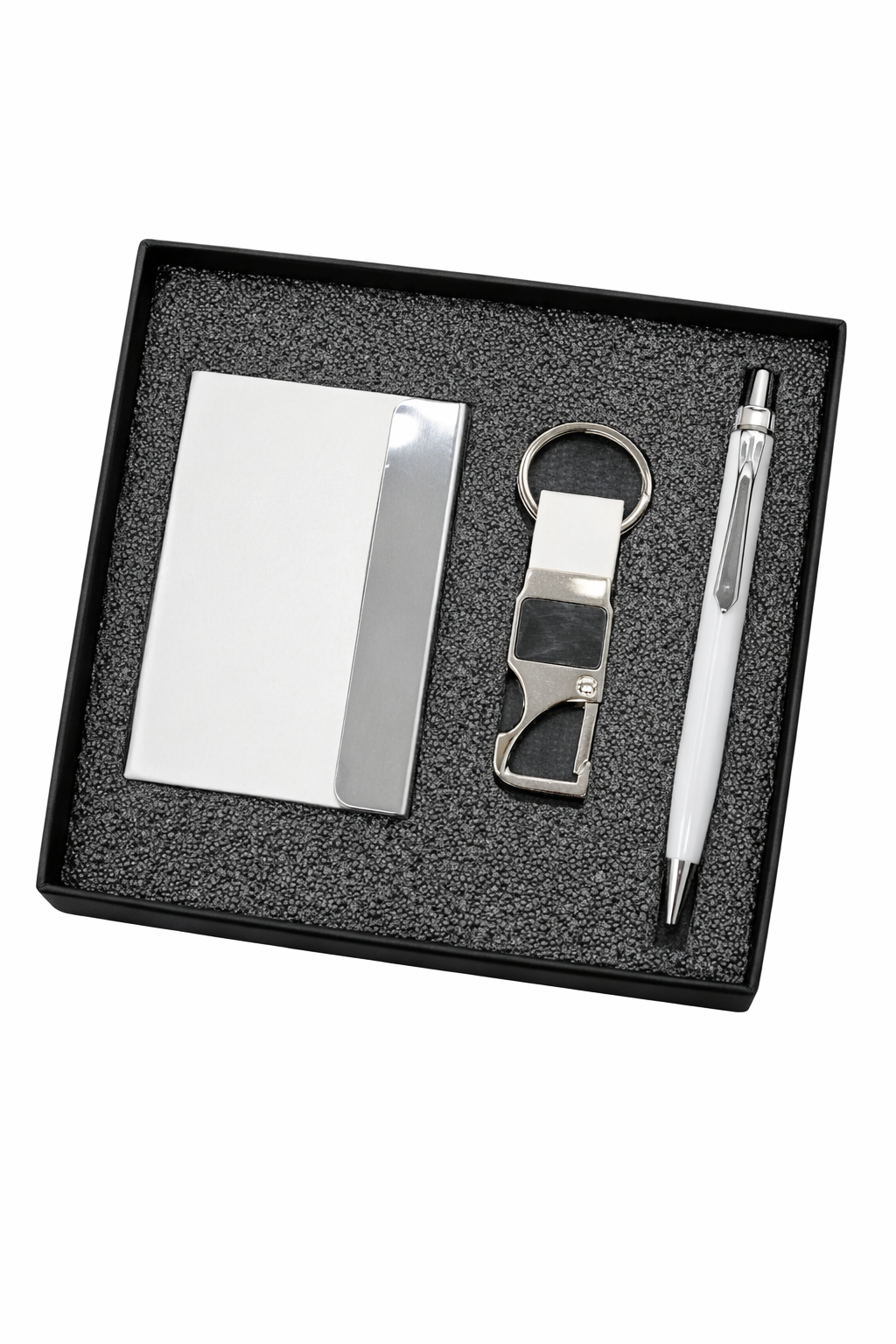
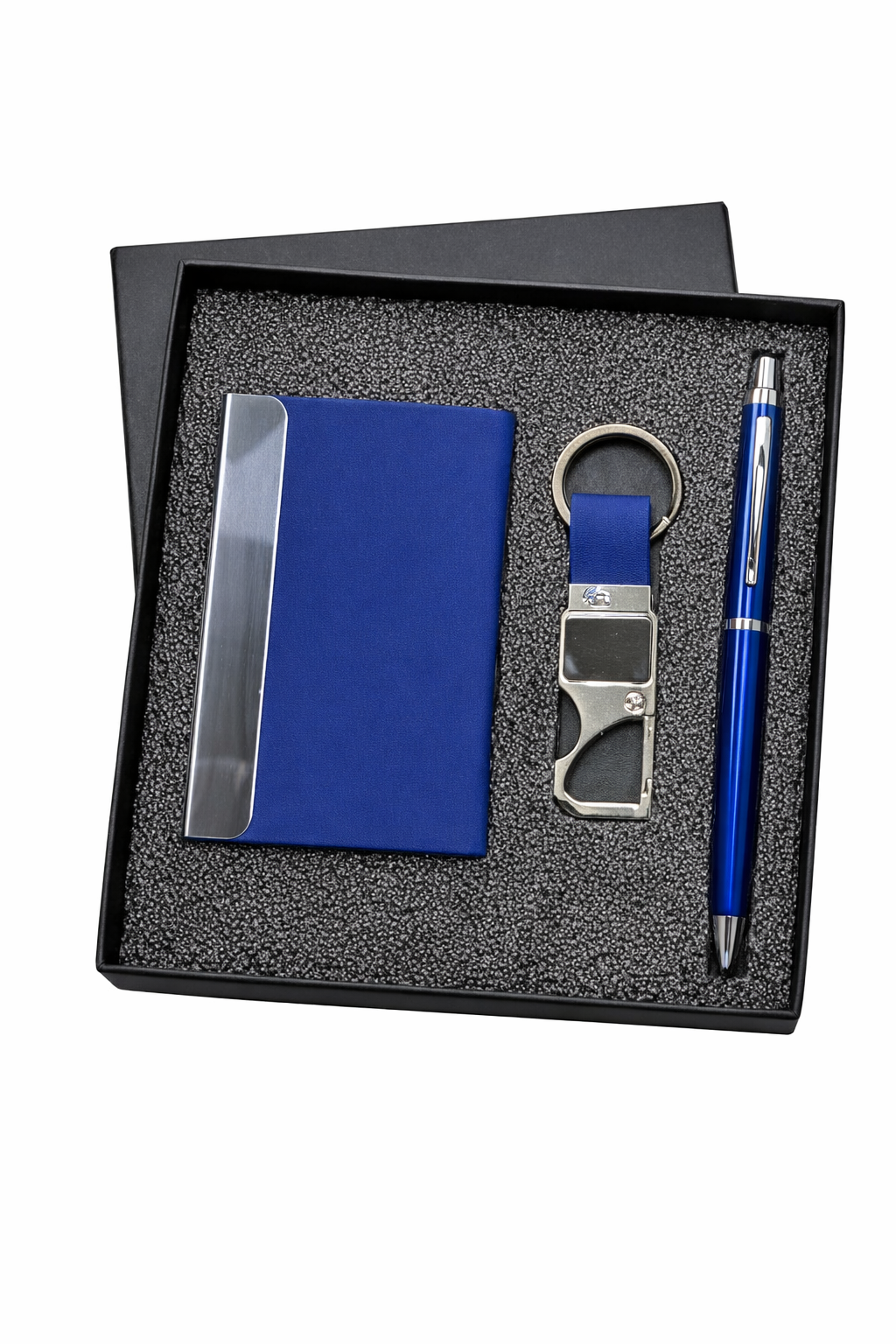
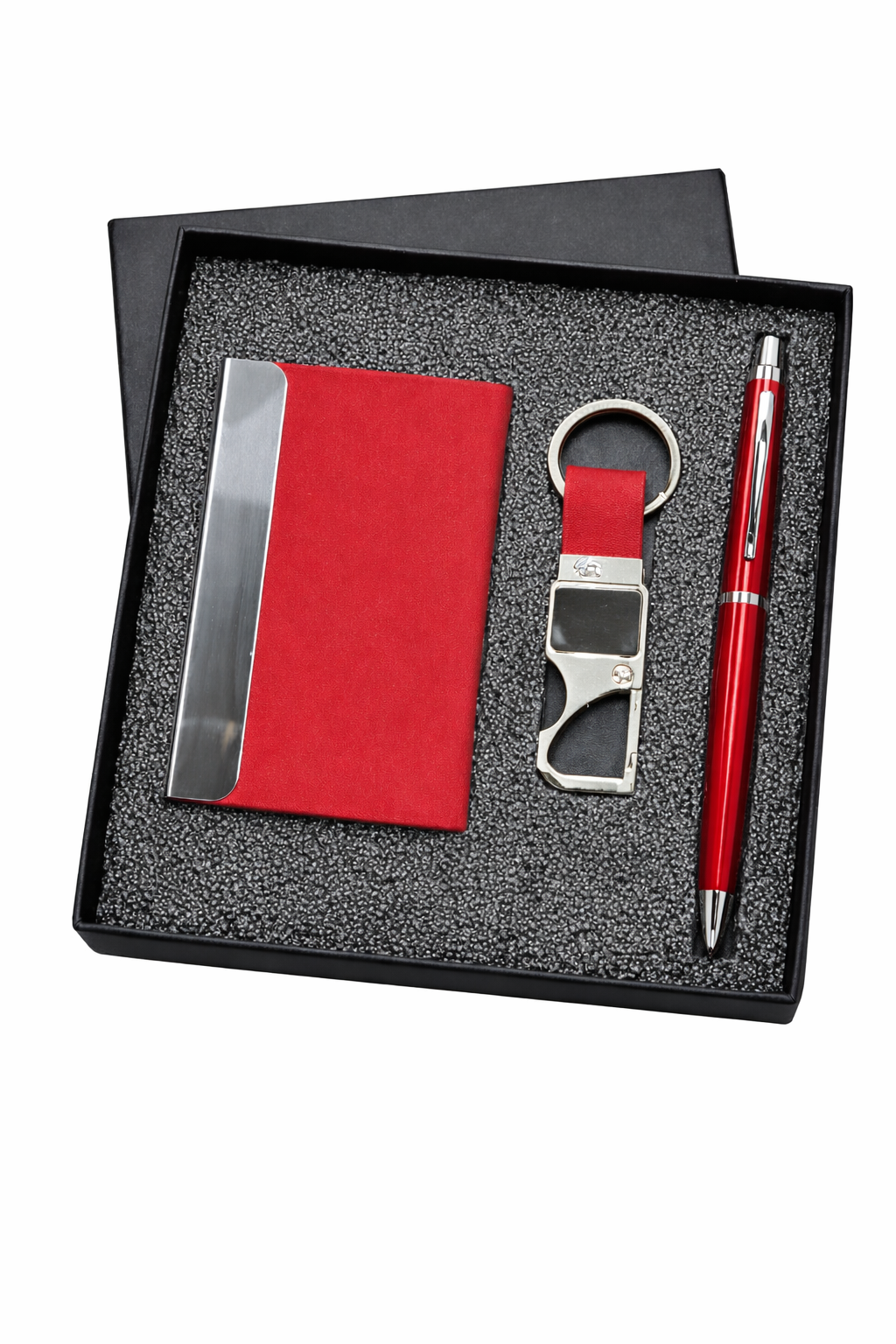
factori.com supplies bulk corporate gifting from ₹50/piece across 659 partner factories — ready stock and custom programmes with GST invoices.
Prices verified October 2026 · shown excluding GST
₹50Entry price
10 pcsMinimum order
Same dayOn working days
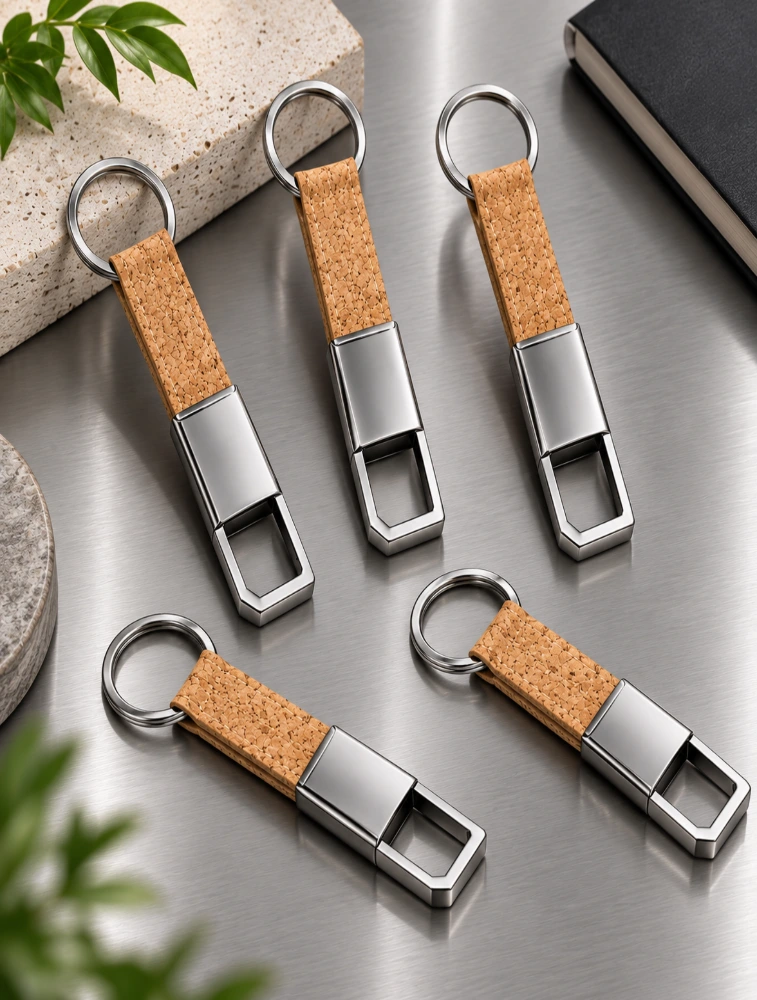
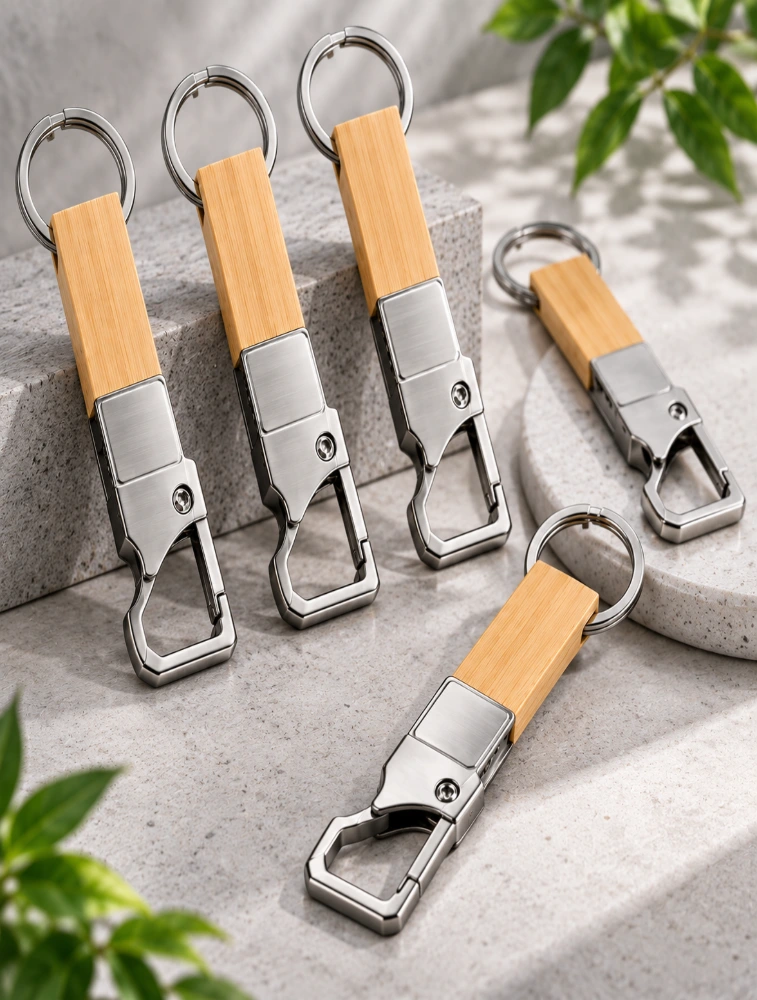
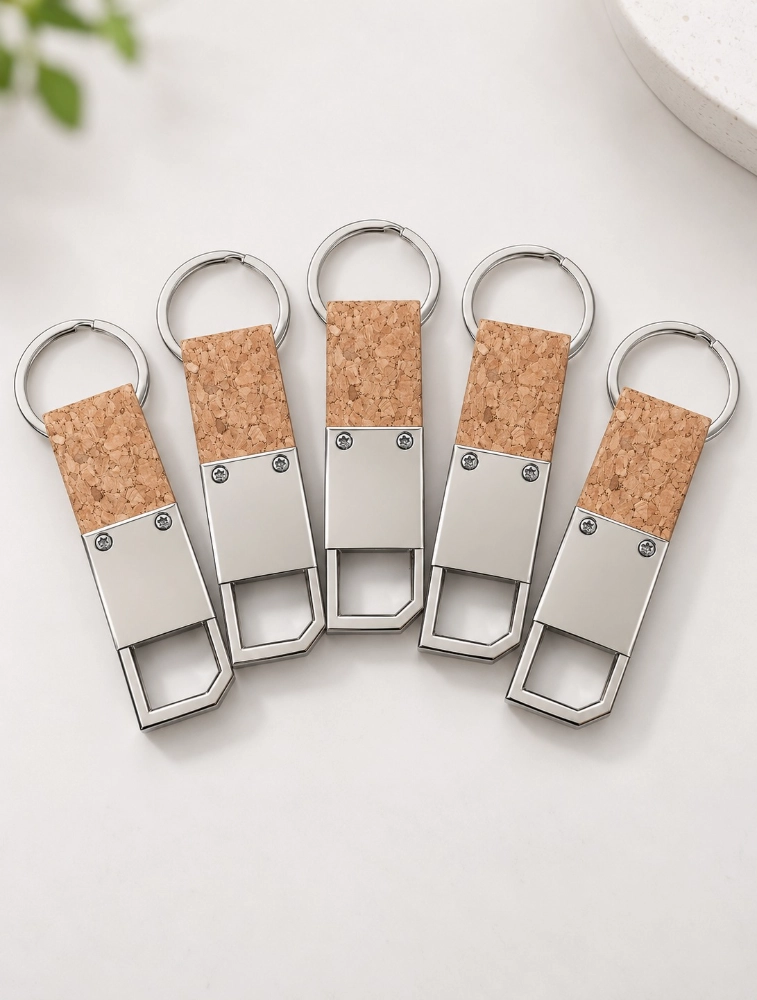
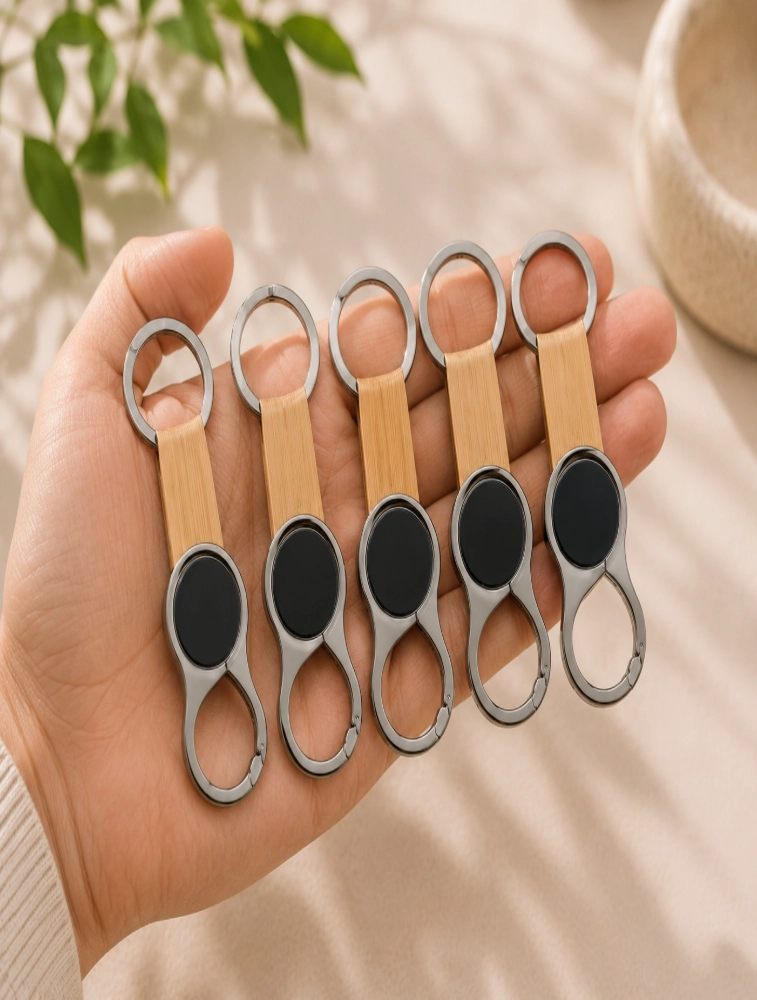





Page 1 of 2
Bulk corporate gifting for every use case
Brand-ready corporate gifting for corporate, retail, uniforms and large custom programmes — sourced across partner factories with published prices.
Corporate & events
Brand-ready corporate gifting for offsites, launches and conferences.
Get quote →
Uniforms & programmes
Consistent supply for schools, factories and frontline teams.
Corporate uniforms →
Own brand / resale
Unbranded or private-label stock for retail brands.
Launch your store →
Large custom runs
Contract manufacturing for high-volume programmes.
Contract manufacturing →Bulk corporate gifting — frequently asked questions
A corporate gift combo is several articles in one box. How does Indian packaging law treat a multi-component gift pack?
The Legal Metrology (Packaged Commodities) Rules, 2011 contain a sub-rule written for exactly this situation. Rule 6(4) governs a commodity made of several components packed in two or more units and sold as one commodity, and it tells you where the declarations must appear. Read it before you sign off artwork for any gift box.
Here is the sub-rule, word for word, as published by the Department of Consumer Affairs: “(4) Where a commodity consists of a number of components and these components are packed in two or more units, for sale as a single commodity, the declaration required to be made under sub-rule (1) shall appear on the main package and such package shall also carry information about the other accompanying packages or such declaration may be given on individual packages and intimation to that effect may be given on the main package and if the components are sold as spare parts, all declarations shall be given on each package.”
Why this matters more on a gifting page than anywhere else
Every other category we publish sells one article at a time. A t-shirt is a t-shirt. Thirty-three of the thirty- five listings on this page are not one article: they are a diary and a pen and a bottle, or a bottle and two tumblers, or in one case nine separate items in a single presentation box. The moment several articles travel inside one outer pack for sale as one thing, the question of which pack carries which declaration stops being cosmetic and becomes the difference between artwork that a Legal Metrology inspector accepts and artwork that has to be reprinted.
Rule 6(4) offers two routes and lets the packer choose. Route one puts the sub-rule (1) declarations on the main package and adds information there about the other packages inside it. Route two puts the declarations on the individual packages and puts an intimation on the main package saying so. There is a third limb for components sold as spare parts, which is not what a gift combo is, but it is in the text and we have quoted it in full rather than trimming it.
What sub-rule (1) actually asks for
The declarations Rule 6(4) refers back to are the ones listed in Rule 6(1) — broadly, the name and address of the manufacturer, packer or importer; the common or generic name of the commodity; the net quantity; the month and year of manufacture or packing; the retail sale price as a maximum retail price inclusive of all taxes; and consumer-care contact details. The exact wording and the current form of each item should be read from the Rules as they stand on the day your artwork is approved, because they have been amended more than once.
The exemption that many institutional buyers rely on, quoted rather than applied
Rule 3(b) provides that the provisions of that Chapter do not apply to “packaged commodities meant for industrial consumers or institutional consumers”, and the Explanation to the rule defines an institutional consumer as “the institutional consumer like transportation, Airways, Railways, Hotels, Hospitals or any other service institutions who buy packaged commodities directly from the manufacturer for use by that institution”.
We quote that because buyers ask about it constantly, and we stop there deliberately.
factori.com does not rule on whether your particular consignment falls inside or outside Rule 3(b). That turns on who the buyer is, what the goods are for, and whether they are bought directly from the manufacturer — facts we do not control and in most cases do not see. Nothing on this page is legal advice; take the wording above to your own counsel or your Legal Metrology consultant and get a written view before the artwork goes to plate.
What to do with this on a purchase order
Decide the route in writing before production. State which package carries the sub-rule (1) declarations, state what the main package says about the packs inside it, and attach the approved artwork to the purchase order as an annexure. That one paragraph removes the most common cause of gift-pack rework we see.
PACKAGING LAW, TAX, Conduct & ClassificationQueries Targetedlegal metrology rules for gift packs, combination pack labelling India, Rule 6(4) packaged commodities, multi-component pack declaration
Can we claim input tax credit on corporate gifts, and when does a free gift become a taxable supply?
Two provisions decide this and both are short. Section 17(5)(h) of the CGST Act, 2017 blocks input tax credit on goods disposed of by way of gift or free samples. The proviso to paragraph 2 of Schedule I leaves employer-to-employee gifts outside the definition of supply where the annual value stays under a stated figure. Read both before you budget.
The credit-blocking clause, verbatim
CBIC Circular No. 92/11/2019-GST dated 7 March 2019, titled “Clarification on various doubts related to treatment of sales promotion schemes under GST”, reproduces the clause as follows: “ITC shall not be available in respect of goods lost, stolen, destroyed, written off or disposed of by way of gift or free samples.”
The same circular then states the consequence in its own words: “input tax credit shall not be available to the supplier on the inputs, input services and capital goods to the extent they are used in relation to the gifts or free samples distributed without any consideration.”
The employee-gift proviso, verbatim
Paragraph 2 of Schedule I of the CGST Act, 2017 treats certain transactions between related persons as supply even without consideration, and an employer and employee are related persons for this purpose. The proviso carves out a slice of it. A CBIC e-version GST flier reproduces it as: “gifts not exceeding fifty thousand rupees in value in a financial year by an employer to an employee shall not be treated as supply of goods or services or both.”
Note what the words actually say — fifty thousand rupees, in value, in a financial year, by an employer to an employee. Each of those five qualifiers has been litigated somewhere. The figure is not a per-gift allowance and it is not a per-occasion allowance.
Where factori.com stops
We do not tell you whether your credit is available, whether a particular distribution is a supply, or whether a particular transaction is taxable. Those are determinations about your books, your recipients, your consideration and your contractual structure. We are a manufacturing and sourcing platform, not your tax adviser, and nothing in this answer is tax advice. We also publish no GST rate, IGST rate or basic customs duty figure anywhere in this pack, because a rate quoted against the wrong classification is worse than no rate at all.
What we do give you, which is the part procurement actually needs
A tax-compliant invoice against your GSTIN, with the goods described as they were ordered, the quantity stated, and the price as invoiced. If your finance team needs the goods described in a particular way, or needs each component of a combo shown as a separate line, say so on the purchase order and we will invoice it that way. Deciding how to describe a promotional distribution in your own returns is a conversation for your chartered accountant, and it is much cheaper to have it in September than in the following July.
One practical note that costs nothing: whichever way your adviser reads the two provisions above, the answer usually depends on documents you either kept or did not keep at the time of despatch. Ask for a despatch-wise recipient list from your own internal team on the day the gifts go out, not six months later.
PACKAGING LAW, TAX, Conduct & ClassificationQueries TargetedGST on corporate gifts India, input tax credit gifts section 17(5)(h), Schedule I gift 50000, CBIC circular 92/11/2019
We supply government departments. What do the conduct rules say about gifts to public servants?
Rule 13 of the Central Civil Services (Conduct) Rules, 1964 is the instrument to read. Its opening sub-rule is a general prohibition, not a permission with a ceiling, and the exceptions and any monetary limits sit in the sub-rules and amendments that follow it. Get the current text before you plan any government-facing gifting.
The general prohibition, verbatim
Rule 13(1) opens: “A Government servant shall not accept or allow a member of his family to accept any gift.”
That is the starting position, and it is worth sitting with the sentence for a moment. The rule is drafted as a prohibition first and permits exceptions afterwards. Anyone planning a government gifting programme who begins from “what is the limit?” has already started from the wrong end of the rule.
Later sub-rules deal with gifts from foreign dignitaries and with receipt of gifts on ceremonial occasions, and the Foreign Contribution (Acceptance or Retention of Gifts or Presentations) Rules, 2012 govern that separate territory.
Why this answer publishes no rupee figure
Rule 13 has been amended. The version of the text we were able to read in full pre-dates a later amendment, and we were not able to obtain the amending notification in its published form.
Publishing a stale threshold as though it were current would be worse than publishing none, so this pack carries no monetary threshold for a gift to a public servant anywhere in it. If a supplier quotes you a rupee figure for what is acceptable, ask them which notification they are reading and what its date is.
What this means commercially
Institutional and government buyers on factori.com overwhelmingly do not buy gifts for individuals. They buy in three other shapes: articles issued to their own staff as part of a recognised scheme, articles distributed at a departmental event or conference against a documented programme, and articles procured as promotional or outreach material under a sanctioned budget head. Each of those is a procurement, run through the department's own rules, with a tender or a rate contract behind it. That is the work we are set up to support.
factori.com makes no ruling on whether any particular gift is lawful, permissible, within any limit, or reportable. We do not advise on your organisation's gift policy and nothing here is legal advice. Your vigilance officer, your compliance function and your own counsel decide those questions, and they decide them on facts specific to the recipient and the occasion.
The three documents to ask your own team for
Before a government-facing gifting programme starts, ask internally for: the department's own current gift and hospitality policy; the budget-head sanction and the programme document the distribution runs under; and a named officer's written confirmation of who the recipients are. Suppliers cannot produce any of those, and no supplier should pretend the question is theirs to answer. What we can do is invoice cleanly, describe the goods accurately, and deliver against a purchase order that says exactly what was bought.
PACKAGING LAW, TAX, Conduct & ClassificationQueries Targetedgifts to government officials India rules, CCS Conduct Rules 1964 Rule 13 gifts, corporate gifting public sector compliance
We ship gifts to overseas offices. What does the UK Bribery Act section 7 mean for a company running an international gifting programme?
Section 7 of the Bribery Act 2010 creates an offence for a commercial organisation whose associated person bribes someone to win business for it. The only defence in the section is that the organisation had adequate procedures in place. A gifting programme is one of the places those procedures are tested.
The section, in its own words
Section 7 is headed “Failure of commercial organisations to prevent bribery”. Sub-section (1) provides that a relevant commercial organisation is guilty of an offence if a person associated with it bribes another person intending to obtain or retain business, or an advantage in the conduct of business, for that organisation.
Sub-section (2) is the whole of the defence: “it is a defence for C to prove that C had in place adequate procedures designed to prevent persons associated with C from undertaking such conduct.”
Sub-section (5) defines a relevant commercial organisation, and its reach is wider than many Indian exporters expect — it extends to a body incorporated outside the United Kingdom which carries on a business, or part of a business, in any part of the United Kingdom.
Why an FAQ about gift combos is quoting a British statute
Because factori.com delivers to 132 countries, and because the buyers on this page include Indian subsidiaries of foreign groups, Indian companies with UK operations, and exporters whose customers impose their own group policy by contract. The Bribery Act is the most frequently cited of those regimes in the contracts we see. Other jurisdictions have their own instruments, and a group operating in the United States will have a separate framework applied to it; we have not reproduced those texts here because we were not able to obtain their primary text, and we do not paraphrase statutes we have not read.
What “adequate procedures” tends to mean for the gifting line item
Not a promise from your supplier. It means your own written policy, a value or approval threshold set by you, a record of who received what and why, an approval trail before despatch rather than after it, and consistency between the policy and what actually happened. Those are all yours to build. What we can contribute is the documentary side: an itemised invoice, a despatch record, and a description of the goods that matches what was actually shipped.
factori.com makes no ruling on whether any gift is lawful, permissible, within a limit or reportable in any jurisdiction, and nothing in this answer is legal advice. We quote the section because buyers should read it, not because we are interpreting it for them. Take it to your own counsel.
The practical ask on an export gifting purchase order
Tell us the destination country at quotation stage, not at despatch. Tell us whether the goods must be individually packed for onward distribution or bulk packed for a single receiving office. And tell us what description your own compliance team needs on the commercial invoice. Those three answers change the packing, the paperwork and sometimes the freight route, and they are far cheaper to answer before production than after it.
PACKAGING LAW, TAX, Conduct & ClassificationQueries TargetedUK Bribery Act corporate gifts, section 7 failure to prevent bribery, adequate procedures gifting policy, international corporate gifting compliance
How is a mixed gift set classified for customs when the items inside it are made of different materials?
The General Rules for the Interpretation of the Harmonized System decide it, and Rule 3(b) is the one written for sets. Goods put up in sets for retail sale are classified as if they consisted of the material or component which gives them their essential character. Identifying that component is the whole exercise.
Rule 1, which governs everything else
The World Customs Organization publishes the rules that own this question. Rule 1 provides that the titles of Sections, Chapters and sub-Chapters are for ease of reference only, and that classification shall be determined according to the terms of the headings and any relative Section or Chapter Notes.
Rule 3(b), verbatim
“Mixtures, composite goods consisting of different materials or made up of different components, and goods put up in sets for retail sale, which cannot be classified by reference to 3 (a), shall be classified as if they consisted of the material or component which gives them their essential character, insofar as this criterion is applicable.”
Rule 3(a) comes first and prefers the most specific description over a more general one. Rule 3(c) is the tie-breaker of last resort, classifying under the heading which occurs last in numerical order among those equally meriting consideration.
Why a gifting buyer runs into this and a t-shirt buyer does not
A box on this page can contain a paper diary, a metal pen, a steel or glass bottle, a ceramic mug and a cork coaster. Those are four or five different chapters of the tariff. Rule 3(b) asks which component gives the set its essential character — and the honest answer is that reasonable people disagree, which is why the question ends up with a customs broker rather than a copywriter.
The copper and brass lines, reproduced as published
Because five listings on this page are metal drinkware, the relevant part of Chapter 74 of the Indian customs tariff, “Copper and articles thereof”, is worth having in front of you. Under heading 7418 the eight-digit lines published by the Directorate General of Commercial Intelligence and Statistics include:7418 10 21 Utensils of brass;7418 10 22 Utensils of copper;7418 10 23Utensils of other copper alloys; and 7418 10 24 E.P.N.S. ware. E.P.N.S. is electro-plated nickel silver, which is the family of material the trade calls “German silver”.
factori.com does not tell you which line your consignment belongs in. That determination depends on the exact composition, the construction, the presentation and the intended use of the specific goods being declared, and it belongs to your customs broker or your own counsel on a written brief. We publish the lines and the rules so that you can brief them properly. We publish no duty rate, no GST rate and no IGST rate, and nothing here is legal, tax or customs advice.
What to send your broker
Send the product name exactly as it appears on the listing, the components as the listing lists them, the packing configuration, and photographs of the actual presentation box. A broker asked “what is the HS code for a gift set” can only shrug. A broker given the components and the packing can form a view and put it in writing, which is what you want on file if the declaration is ever queried.
PACKAGING LAW, TAX, Conduct & ClassificationQueries TargetedHS classification of gift sets, General Interpretative Rule 3(b) essential character, customs classification mixed goods, tariff heading 7418 utensils
The range includes copper, brass and German-silver drinkware. What does Indian food- packaging regulation say about metal containers?
The Food Safety and Standards (Packaging) Regulations, 2018 address metal containers directly, and one clause names copper and brass specifically. It deems certain containers unfit for packaging food, and the condition it attaches to copper and brass is tinning. Read the clause before you specify metal drinkware for any programme involving beverages.
The clause, as published
Regulation 4(3)(a) of the 2018 Regulations lists containers deemed unfit for packaging food. The list includes “copper or brass containers which are not properly tinned”, along with “containers which are rusty” and “enamelled containers which have become chipped and rusty”.
Two more provisions of the same instrument are worth reading in the same sitting. Regulation 4.3(b) provides that “Appropriate grades of metal and metal alloys where applicable shall be used for packing”. Regulation 3.2 requires packaging material to be “of food grade quality”. Regulation 3.7 provides that “Tin containers once used, shall not be re-used for packaging of food.” Schedule II of the Regulations lists the Indian Standards referenced for various materials.
What factori.com states about its own metal drinkware, and what it does not
Five listings in this range are metal drinkware. Their specification rows, in the listings' own words, read “Material: Pure Copper” on the two copper bottle sets, “Material: Premium Brass” on the brass tumbler set and “Material: Glass with German Silver Finish” on the glass bottle set. Those are the descriptions the listings publish.What no listing publishes — and therefore what this answer will not state in either direction — is the alloy composition, the metal grade, the wall gauge, the plating specification, or whether any interior surface carries tinning, lining or any other treatment.
We are not going to assert that these articles are suitable for holding a beverage and we are not going to assert that they are unsuitable. Neither statement is supported by anything we have in writing from the factory, and a claim invented to close a sale is exactly the claim that fails an audit. This answer is not a food-safety opinion and nothing here is legal or regulatory advice.
The correct procurement route, which is genuinely straightforward
If your programme involves any article that will hold food or drink, put the requirement in the purchase order as a specification your supplier must meet in writing, with the surface treatment named, and require a test report from an accredited laboratory against the standard your own adviser nominates. We will take that requirement to the factory and either meet it against a signed specification or tell you we cannot. That is a slower conversation than a sales assurance, and it is the only one that survives contact with a food-safety officer.
The comfortable alternative
A very large share of gifting programmes have no food-contact exposure at all — diaries, pens, keychains, card holders, coasters and bags among them. If the recognition value of the gift matters more than the beverage function, specifying away from food contact removes the whole question. Several of the highest- perceived-value combos in this range do exactly that.
PACKAGING LAW, TAX, Conduct & ClassificationQueries Targetedcopper brass food contact India FSSAI, tinning copper vessels regulation, food grade metal containers rules, FSS Packaging Regulations 2018
Is there a BIS requirement covering utensils, and does it apply to the drinkware in a gift set?
A Quality Control Order covering stainless steel and aluminium utensils was announced by the Government of India in 2024. The Press Information Bureau release naming it is public. Whether it reaches any particular article is a scope question that a buyer must resolve on the gazette text, not on a supplier's summary.
What the government release says
A Press Information Bureau release dated 5 July 2024, issued by the Ministry of Consumer Affairs, Food & Public Distribution, is headlined “Conformity to Bureau of Indian Standards (BIS) Mandatory for Stainless Steel and Aluminium Utensils”. It describes a Quality Control Order issued by the Department for Promotion of Industry and Internal Trade on 14 March 2024, covering IS 14756:2022, for stainless steel utensils for cooking, serving, dining and storage, and IS 1660:2024, for aluminium utensils up to thirty litres including hard anodized and non-stick unreinforced plastic coated ware.
On the consequence of non-conformity, the release states that it prohibits any person from “manufacture, import, sell, distribute, store, hire, lease, or exhibit for sale” utensils that do not conform.
Why this answer stops exactly there
We obtained the press release.We did not obtain the gazette text of the Order itself. Without the operative instrument in front of us we cannot see its effective date, its schedule of covered articles, or any exclusion it may carry — and those three things are the entire scope question. So this pack makes no scope ruling of any kind.factori.com does not state that BIS or ISI certification is required for any article on this page, does not state that it is not required, does not state that any Quality Control Order does or does not reach a particular article, and makes no claim about holding or not holding any BIS licence. Nor do we reproduce any internal requirement value from IS 14756:2022 or IS 1660:2024, because we have not read either standard and will not paraphrase a document we have not seen. Nothing in this answer is legal or regulatory advice.
How to actually resolve it for your own purchase
Three steps, in order. Read the Quality Control Order as gazetted, or have your counsel read it. Identify the specific article you are buying — its material, its capacity and its stated use — against the Order's own schedule. Then, if the Order reaches it, put the conformity requirement into your purchase order as a written condition, name the standard, and require the supplier to evidence it. That is the sequence that produces a defensible file.
What a supplier can honestly promise
That we will manufacture to a specification you put in writing, that we will tell you plainly if a factory cannot meet it, and that we will not certify a conformity we have not evidenced. A supplier who answers a scope question instantly and confidently, without reference to the gazette, is guessing — and you will be the one holding the consignment if the guess is wrong.
PACKAGING LAW, TAX, Conduct & ClassificationQueries TargetedBIS QCO utensils 2024, IS 14756 stainless steel utensils, IS 1660 aluminium utensils, quality control order utensils India
What is actually available on the corporate gifting page, and how is the range structured?
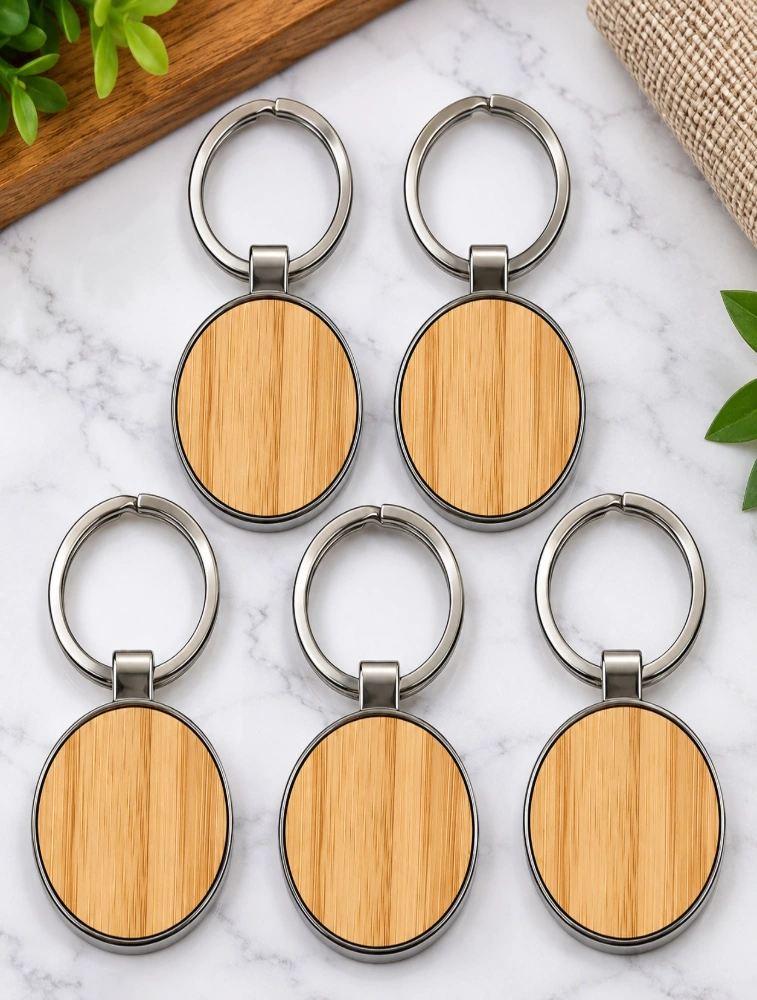
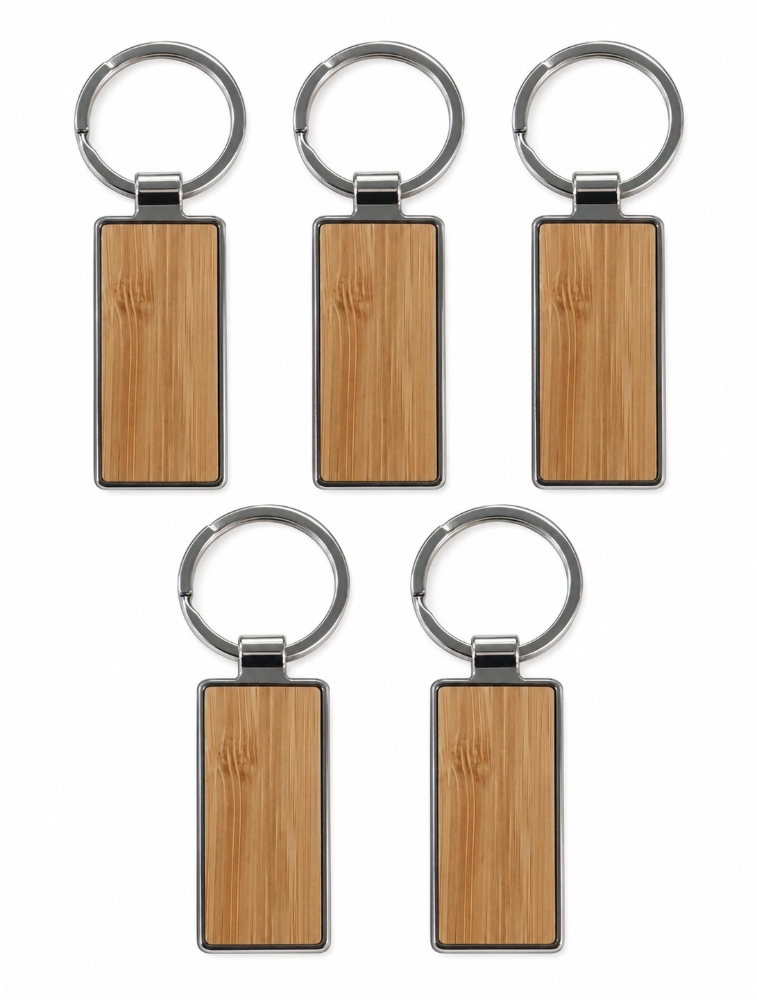
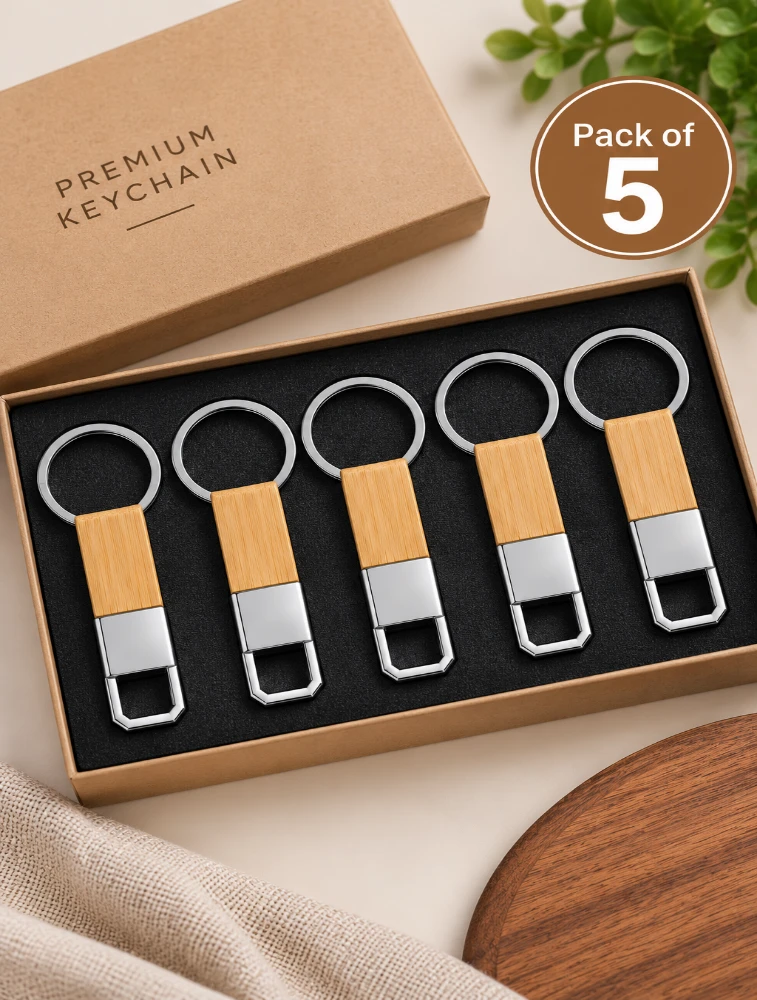
Thirty-five listings are published, priced from Rs 142 to Rs 1599 per piece. Thirty of them are combination gift boxes built from diaries, pens, bottles, mugs, keychains, card holders and coasters. The remaining five are metal drinkware sets in copper, brass and a nickel- silver finish. That is the whole range as it stands.
The combination boxes, by what they contain
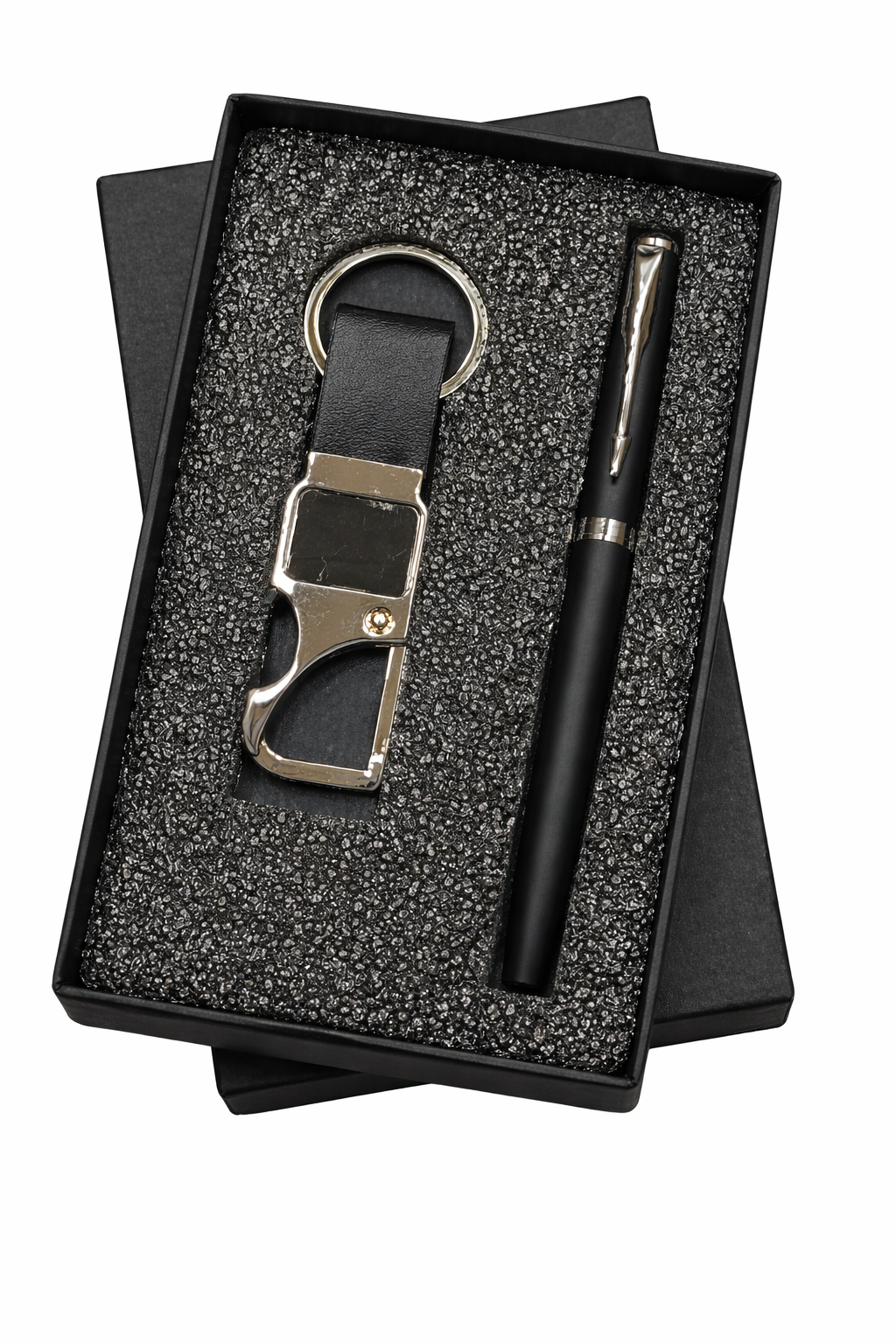
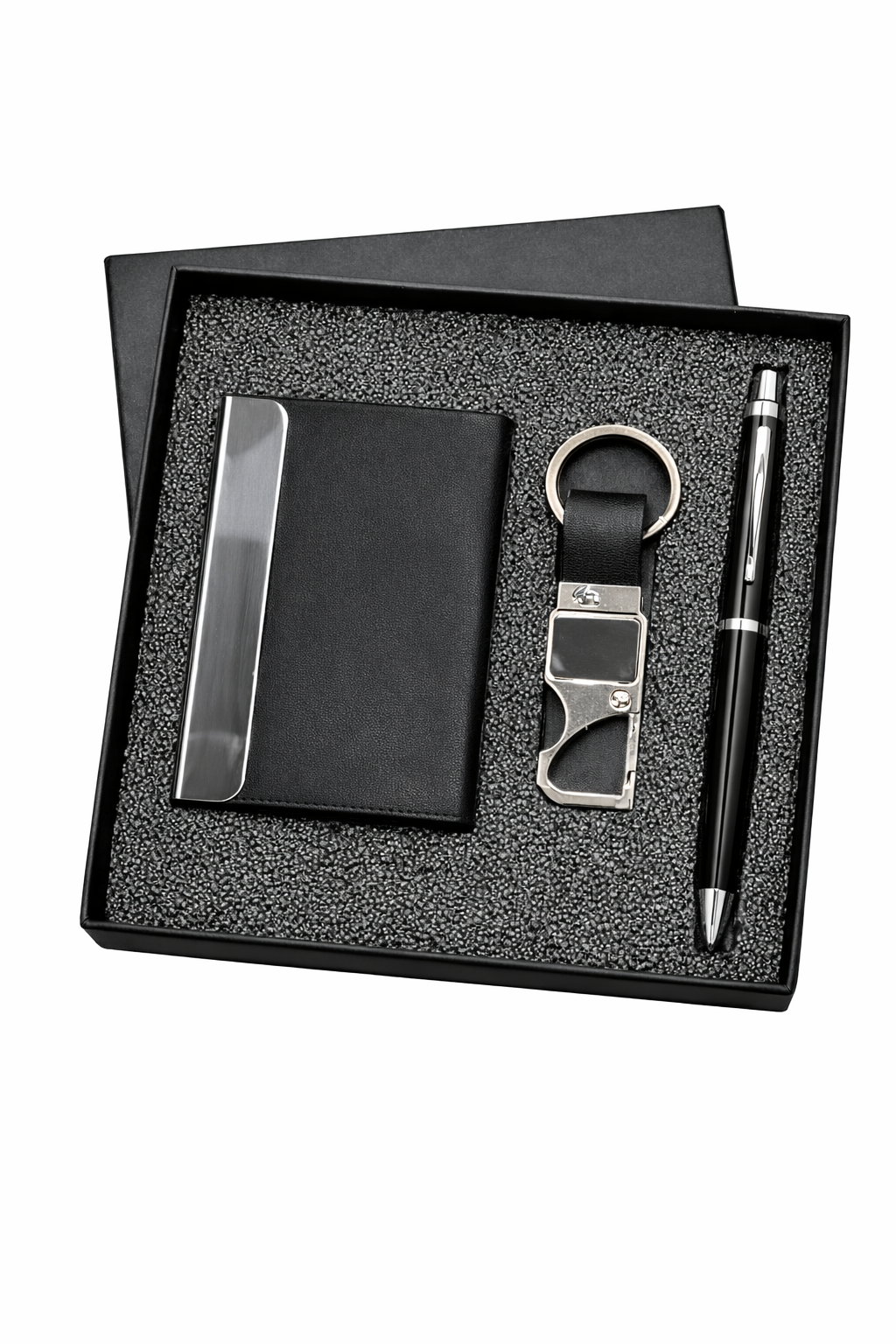
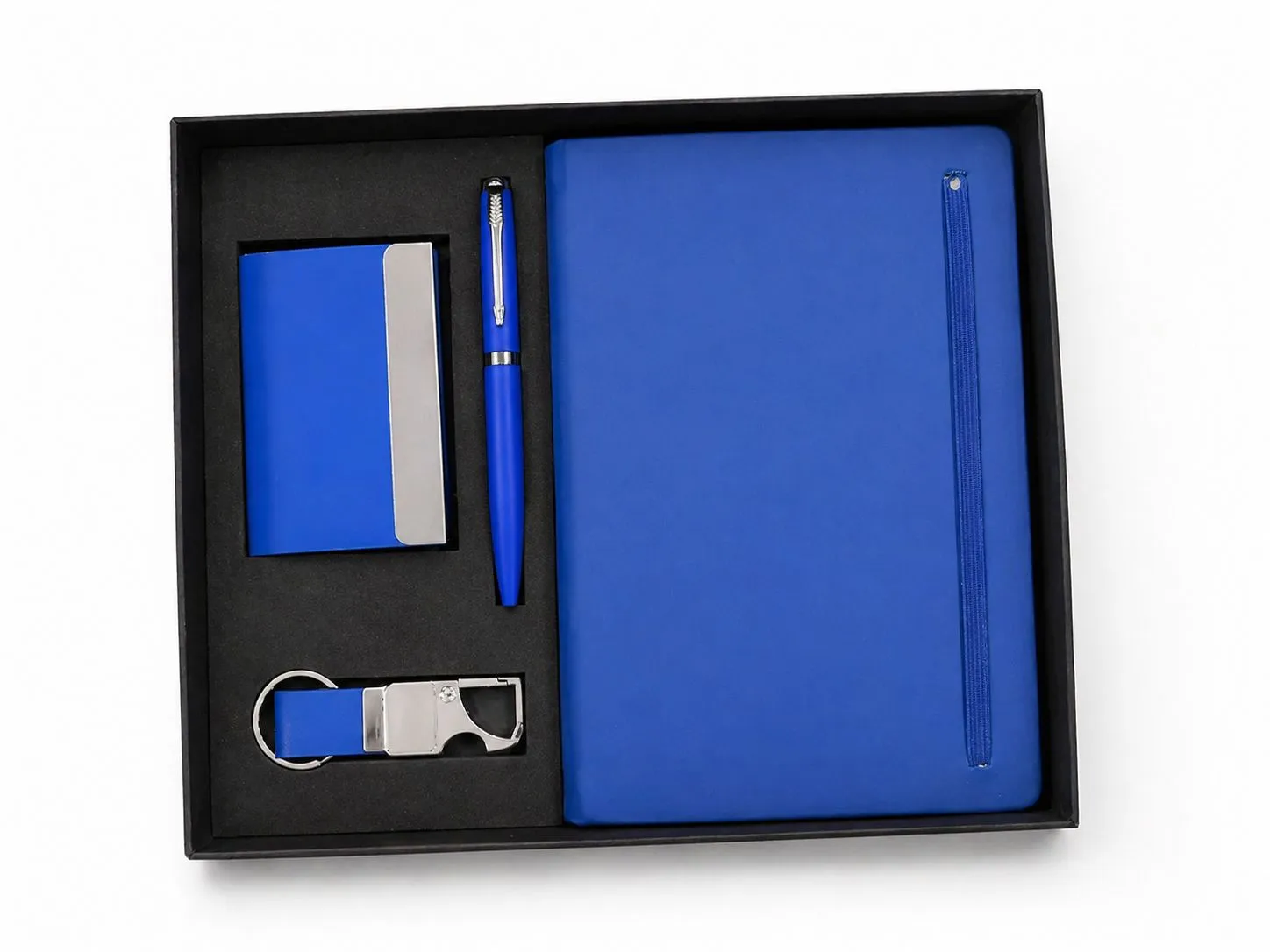
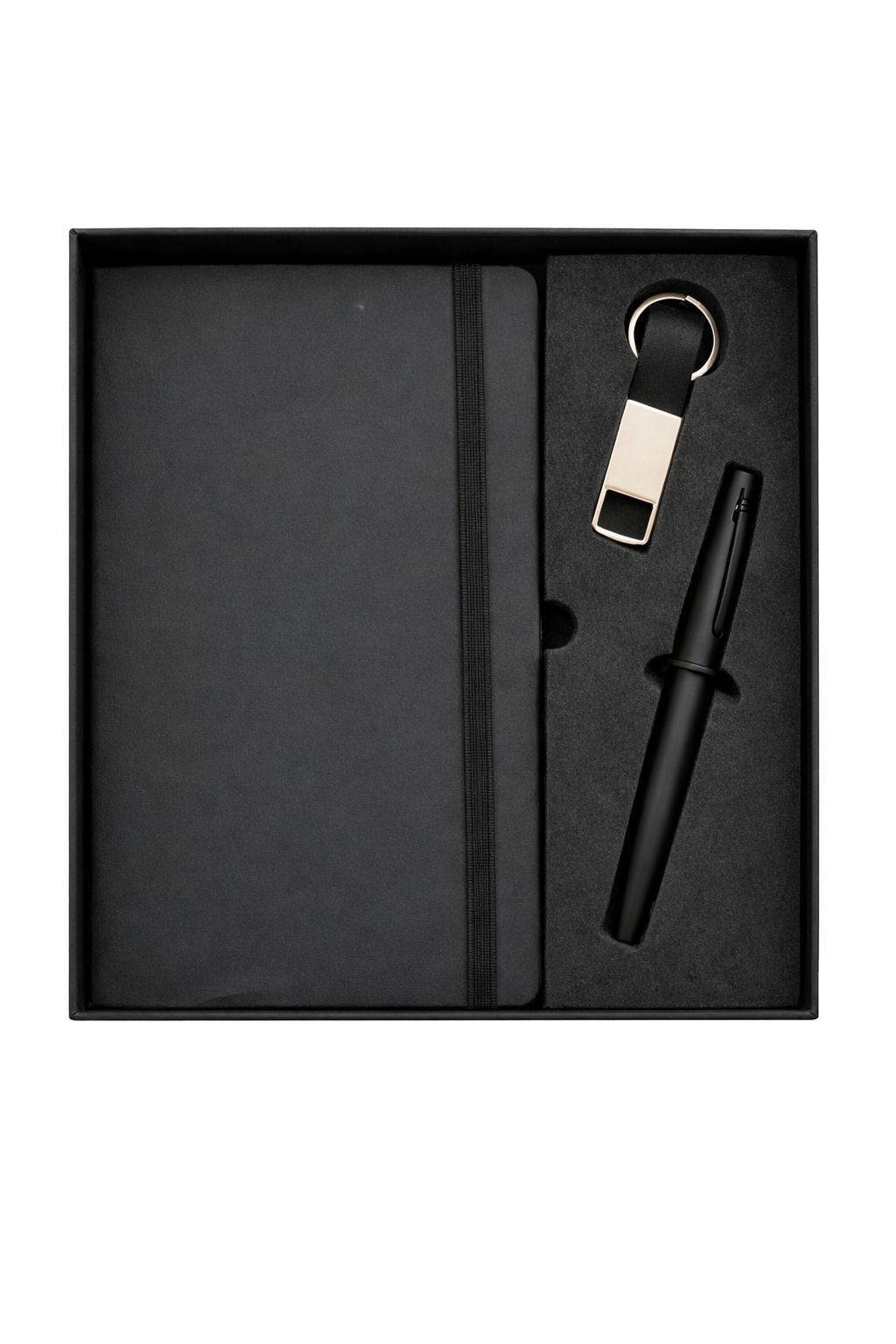
The combos climb in a recognisable ladder. At the entry point sits a keychain-and-pen box at Rs 142. Above it, a family of pen, card holder and keychain boxes at Rs 228 in four colourways. Then diary-and- pen-and-keychain at Rs 314. Then a large group at Rs 424 to Rs 470 adding a bottle — temperature- display bottles in four colours, and a separate family pairing a diary and pen with various bottle types. From Rs 510 to Rs 589 the boxes bring in cork and specialist bottle constructions. Above Rs 784 the boxes get wider rather than more expensive per item: diary, pen, bottle, keychain and card holder at Rs 784; add a mug at Rs 903; add a card holder at Rs 1019; and at Rs 1333 a nine-component box adding cork coasters.
The drinkware sets
Five listings sit apart from the combo ladder. Reported in the listings' own words, they are an “Enamel coated Brass Coffee Tumbler set” at Rs 596, a “Premium Brass Coffee Tumbler set” at Rs 815, a “German Silver Glass Bottle set” at Rs 988, a “Plain Copper Bottle With 2 Tumblers” at Rs 1552 and a “Hammered Copper Bottle With 2 Tumblers” at Rs 1599. These carry the fullest specification rows on the page.
Three things a buyer should know before browsing
First, the range paginates and the pagination works — the second page returns five listings you will not see on the first, including the four most expensive articles in the category. If you stop at the first screen you will miss the top of the range entirely.
Second, the same box often appears several times in different colourways at an identical price. Four separate listings sell a temperature-bottle combo at Rs 424 in black, blue, white and red, and one of those four also publishes all four colours as options within itself. Treat the colour variants as one commercial item when you build a comparison sheet.
Third, one listing on this page carries the word “(Copy)” at the end of its product name, visibly, in the heading and the browser tab. It is a live listing with a live price. It is a content defect, we have logged it as one, and it does not affect what you receive — but you deserve to know why the name reads oddly rather than to wonder.
What is not published
The filter rail on the category page does not enumerate its options. And for the majority of the components inside these boxes, no standalone specification exists anywhere on the site. The next answer deals with that directly, because it is the single most important thing to understand before raising a purchase order for a gift combo.
What The Page PublishesQueries Targetedcorporate gifting range India, bulk gift combo catalogue, wholesale corporate gift sets, factori corporate gifting products
How much specification detail is published for the individual items inside a gift combo?
Considerably less than a professional buyer needs, and we would rather say so than let you discover it after despatch. Most combos publish a component list and a price. A minority publish a contents row. For several named components, no standalone listing exists anywhere on factori.com, so there is no specification page to look them up on.
The shadow catalogue, named plainly
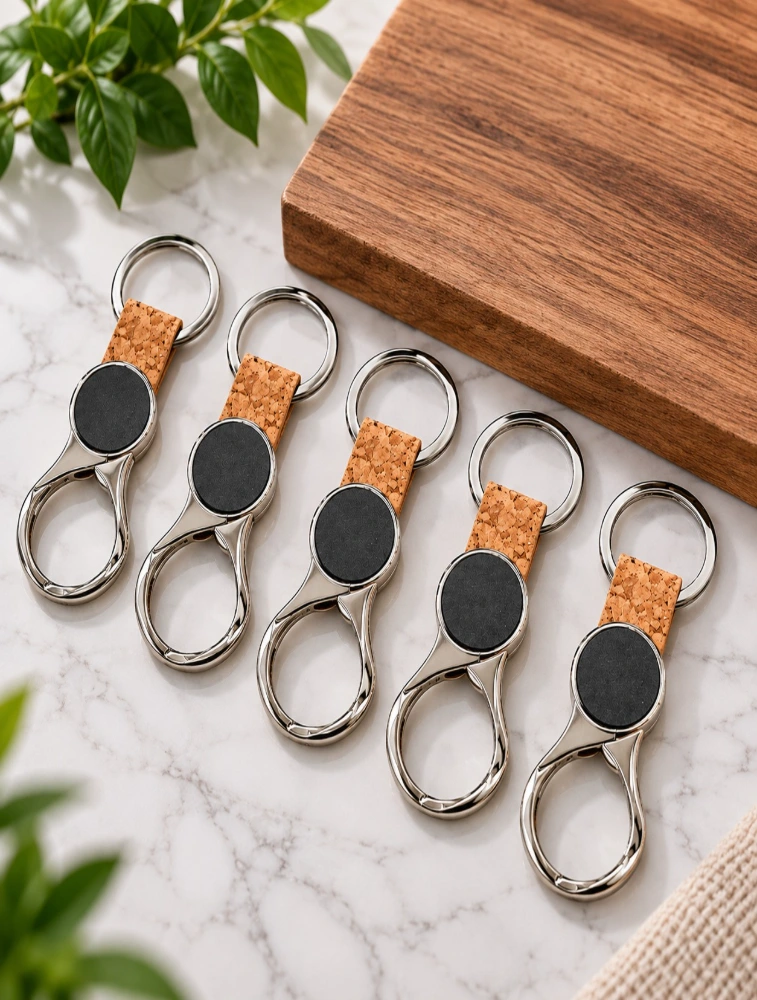
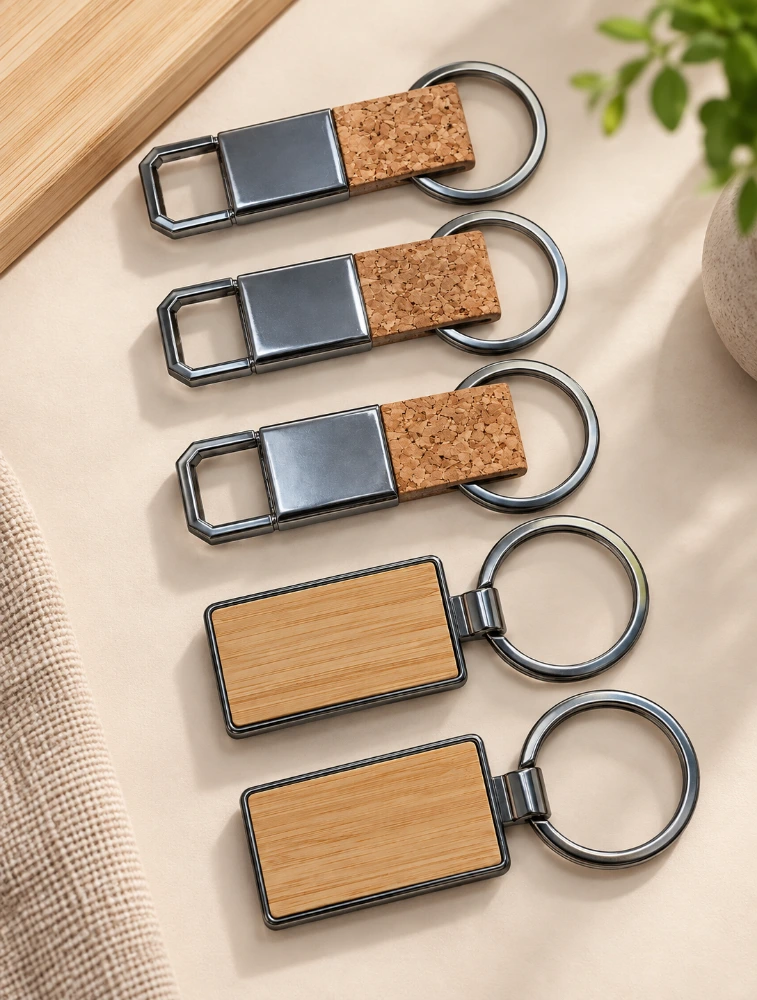
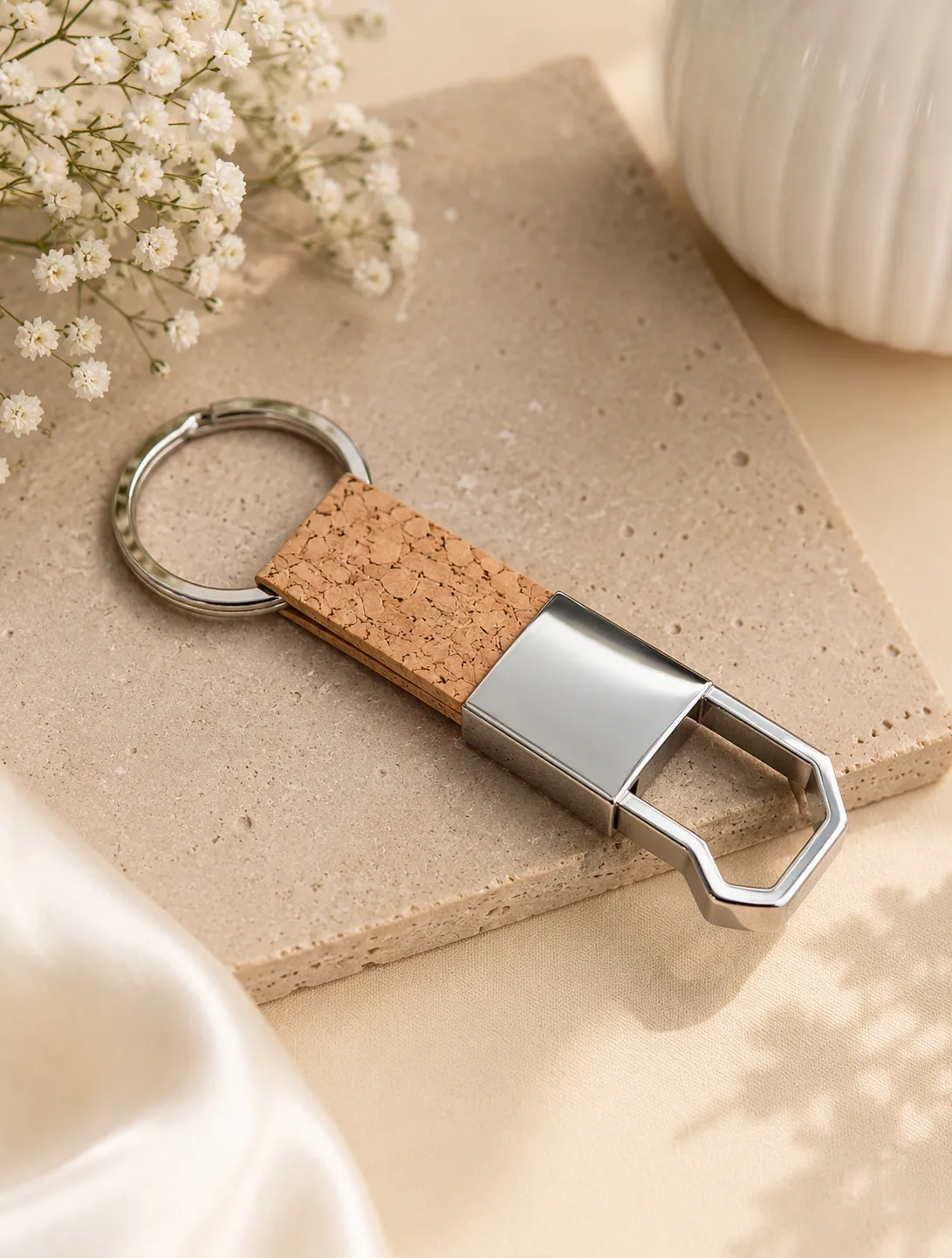
Read the combo names on this page and you will meet a cork diary, a diary described in its own name as having 160 pages, an “H2O Bottle 750 ml”, a steel cola bottle, a rope bottle, a glass bottle with a bamboo lid, a set of cork tea coasters, a card holder and a metal keychain.
Now go to the categories that ought to carry them. Our diary category publishes thirteen listings and not one of them is a cork diary or a 160-page diary. Our water bottle category publishes eight listings and not one of them is an H2O bottle, a steel cola bottle, a rope bottle or a glass bottle with a bamboo lid.Those components exist only inside combos. There is no page on this site where a buyer can read their specification.
What that means in practice
It means a purchase order that says “as per listing” is under-specified for most of this range. It does not mean the goods are poor — the combos carry between 202 and 295 buyer ratings each, which is a substantial volume of completed transactions. It means the written record of what you are buying is thinner than it should be, and the fix is to thicken it before you order rather than to argue about it afterwards.
What the listings do publish, quoted rather than summarised
A few combos carry a contents row. One listing states, in its own specification table, “Gift Set Contents: 160 pages diary, pen, 750 ml H2O bottle” and “Bottle: 750 ml capacity”. The metal drinkware sets publish more, one stating “Set Includes: 1 Copper Bottle + 2 Tumblers”. Those are the listings' words, and where a figure appears in a product name or a specification row we report it as published.
Beyond what a listing itself publishes, this pack asserts nothing about what any combo contains. No page count, no capacity, no grammage, no dimension and no material presented as our own factory data, in either direction. We are not going to fill the gaps with plausible numbers.
The one-paragraph remedy
Ask for a written bill of materials before you place the order. Component by component, with the material, the size or capacity, the finish and the branding method for each. We will produce it against the actual articles the factory will pack. It takes a day, it costs nothing, and it converts an under-specified listing into a contract you can hold someone to. Every serious gifting buyer we work with does this, and the ones who skip it are the ones who write to us in week three.
What The Page PublishesQueries Targetedcorporate gift combo specification, what is inside a gift set, gift combo contents detail, bulk gifting product specification
What should a corporate gifting purchase order specify so nothing is left to interpretation?
Nine things, and eight of them cost nothing to write down. A gifting order fails more often on what nobody wrote than on what a factory got wrong, because a combination pack has more unstated variables than any single-article order in our catalogue.
One. The bill of materials
Component by component, with material, size or capacity, finish and colour for each. This is covered at length in the previous answer and it is the single highest-value line on the document.
Two. The unit of sale, in words
State what one unit of your order is and what it contains. Do this even where you think it is obvious, because on this page it sometimes is not: several drinkware listings price themselves per piece while describing themselves as a set containing more than one article. Write “one unit = one presentation box containing X, Y and Z” and the ambiguity is gone.
Three. The branding, per component
Which components carry your logo, in what position, at what size, in how many colours, and by which process. A five-component box may carry branding on one item or on all five, and the price difference is real.
Four. The artwork approval loop
Who approves, in what format, and within how many days. A named person and a deadline. Artwork sitting unapproved is the commonest cause of a missed gifting deadline, and gifting deadlines are usually immovable dates on someone's calendar.
Five. The packaging declarations
Which route under Rule 6(4) you are using, and what appears on the main package. See the first answer in this pack. Attach approved artwork as an annexure.
Six. Any specification your own compliance function requires
If an article will hold food or drink, or if a Quality Control Order is in scope for your buy, state the standard, state the evidence you require, and state who bears the test cost. Name it; do not imply it.
Seven. Delivery, split by wave
Gifting rarely ships to one address. Give the address list, the quantity per address and the date per address at the time of order, not after production. Late address lists cost more than late artwork.
Eight. Master carton and outer packing
How many boxes per carton, whether cartons are mixed or single-variant, and how they should be labelled for your receiving stores. Warehouses reject deliveries over carton labelling far more often than over product quality.
Nine. Sampling
Whether you require a pre-production sample, whether it is branded, who pays for it and how many days it adds. The next answers cover pricing and sampling in detail. Put the answer on the purchase order anyway, so that nobody has to reconstruct the conversation from an email thread in March.
Points five and six touch statute, and nothing in this answer is legal, tax or regulatory advice. Which declarations and which standards apply to your own buy should be settled with your own compliance function or your own adviser before the purchase order is issued.
What The Page PublishesQueries Targetedcorporate gifting purchase order checklist, bulk gift procurement specification, what to specify gift order, gifting PO template India
Is a gift combo cheaper than buying the same items separately?
Not automatically, and on this page the honest answer is that it depends heavily on which combo. We ran the test that a composite category makes possible: take a combo price, subtract the published prices of the same articles sold on their own, and see what is left. The results are not consistent, and we would rather publish that than hide it.
The three published prices the test uses
Our pen category publishes a cheapest ball pen at Rs 30. Our diary category publishes a cheapest diary at Rs 102. Our water bottle category publishes a temperature-display steel bottle at Rs 204, and our cups and mugs category publishes a mug at Rs 60. All four are live listings on factori.com, priced on the same day as the combos below.
Test one: a diary, a pen and a bottle
The combo containing a black diary, a pen and a temperature-display bottle is Rs 470. The three cheapest standalone equivalents come to Rs 336. The combo therefore sits Rs 134 above the sum of the parts, a little under forty per cent more. Some of that gap is real — a presentation box, the kitting labour, and components that are not the cheapest standalone equivalents. Some of it is margin. The listing does not break it down.
Test two, which is the one worth reading twice
One combo sells a metal ball pen, a card holder and a keychain for Rs 228. Subtract the Rs 30 pen and Rs 198 is left for the card holder and the keychain together.
Now take two other listings. One sells a diary, a pen, a temperature bottle, a keychain and a card holder for Rs 784. The other sells the diary, the pen and the bottle without the keychain and the card holder, for Rs 470. The difference between them — which is what the keychain and the card holder are being charged at inside that box — is Rs 314.
Rs 314 against Rs 198, for the identical pair of accessories: the same two accessories are priced Rs 116 apart on the same page, a spread of about fifty-nine per cent, derived entirely from prices factori itself publishes.
The keychain, three times
Run the same subtraction on the metal keychain alone and it implies Rs 112 in one combo, Rs 190 in another, and Rs 507 in a third. One article, three implied prices, one afternoon's published data.
What we conclude, and what we are not concluding
We are not concluding that any of these prices is wrong. Components differ between boxes, and a keychain in a Rs 903 box may well not be the keychain in a Rs 142 box — but nothing published tells a buyer which is which, and that is the actual problem.We make no assertion about what any combo contains beyond what its own listing publishes, and none about whether a published price covers one article or several.What a buyer should do with this
Ask for the combo to be quoted component by component. We will do it. Once each component has a price against it, you can compare boxes properly, swap a component out, and see immediately whether the box or the parts is the better buy for your programme. Buyers who ask for this get a better number roughly as often as they get the same number — and either way they get a quotation they can defend in a procurement review.
Value & BrandingQueries Targetedgift combo value for money, corporate gift set pricing, bundle versus individual items price, bulk gifting cost comparison
How is a logo applied across a gift set when the items are paper, metal, glass, ceramic and cork?
Each material takes a different process, and a five-component box can need four of them. That is the real reason a mixed gift set costs more to brand than five of the same article, and it is the part of a gifting quotation that buyers most often under-budget.
The processes, matched to the substrates in this range
Laser engraving removes or discolours a thin surface layer and is the usual route for metal — pen barrels, keychains, bottle bodies and metal tumblers. It reproduces a mark permanently and in a single tone. It cannot reproduce colour, so a two-colour logo becomes one tone or gets redrawn.
Pad printing transfers ink from an etched plate via a silicone pad and handles curved and irregular surfaces, which makes it the common choice for pen clips, small metal parts and moulded components. It carries colour, and each colour is a separate pass.
Screen printing pushes ink through a mesh and suits flatter or gently curved surfaces — bottles, mugs, and larger panels. Again, one screen per colour.
Debossing and foil are the paper and cover routes for diaries and card holders. Debossing presses the mark into the cover; foil adds a metallic layer in the same operation. Both need a die, and the die is a one- off cost per artwork.
Sublimation is a ceramic and coated-substrate route in which a printed transfer is bonded under heat. It carries full colour and photographic artwork.
Cork and bamboo components are usually engraved, because the surface takes a burn mark well and takes ink unevenly.
Where the money actually goes
Setup, not running. Each process on each component needs its own origination — a laser file, a pad plate, a screen, a die. A one-colour engrave on one component in a five-piece box is a modest addition. A four- colour print on the mug, a two-colour pad print on the pen, a deboss on the diary and an engrave on the keychain is four originations, and on a five-hundred-piece order that setup is spread across five hundred units rather than five thousand. This is why gifting quotations move so sharply with quantity, and why the same box can be quoted at very different unit prices depending on how much of it you want branded.
The four questions that make a branding quotation accurate
Which components carry the mark. How many colours on each. Whether the artwork is vector or needs redrawing. And whether you will accept a single-tone treatment on metal, which is the cheapest honest answer for most logos. Send vector artwork with fonts converted to outlines and the origination conversation gets substantially shorter.
One realistic expectation
A logo will not look identical on a laser-engraved keychain, a debossed diary cover and a sublimated mug. Different processes on different materials render a mark differently. Brand teams who approve a single digital mock-up and expect five perfect matches are usually the ones asking for a reprint. Approve a physical sample per substrate instead, and the whole programme runs calmly.
Value & BrandingQueries Targetedlogo printing on corporate gifts, laser engraving vs pad printing, branding gift set multiple materials, custom logo bulk gifting
The page advertises corporate gifting from Rs 142. What will a hundred-piece buyer actually be invoiced?
Rs 142 is the ten-thousand-piece price of the cheapest listing, not the price a first order pays. The same listing publishes Rs 149 for the first tier. Every listing on this page works the same way: the headline figure is the bottom of a published three-step ladder, and the ladder is printed on the product page.
The ladder, as the cheapest listing publishes it
The entry combo publishes three quantity tiers:Rs 149 for 100 to 999, Rs 146 for 1,000 to 9,999, and Rs 142 above 10,000. So a buyer taking a hundred pieces is invoiced Rs 149 and a buyer taking twelve thousand is invoiced Rs 142 — a gap of about five per cent between the two ends.
The same shape across the range
Every listing we opened shows the identical three-step structure with a similar spread. The Rs 470 diary- pen-bottle combo publishes Rs 495, Rs 485 and Rs 470. The Rs 424 temperature-bottle combo publishes Rs 446, Rs 437 and Rs 424. The Rs 1333 nine-component box publishes Rs 1403, Rs 1375 and Rs 1333. Among the metal drinkware, the Rs 815 brass set publishes Rs 858, Rs 841 and Rs 815; the Rs 988 glass set publishes Rs 1040, Rs 1020 and Rs 988; the Rs 1552 copper set publishes Rs 1634, Rs 1602 and Rs 1552; and the Rs 1599 copper set publishes Rs 1683, Rs 1650 and Rs 1599.
Read across those, and the premium a first-tier buyer pays over the headline sits at roughly five per cent on almost every listing. That consistency is useful: it means you can budget from the advertised figure by adding about five per cent and you will be close, whichever combo you choose.
Why the ladder exists at all, in plain terms
Not because volume buyers are favoured. Because the costs that do not scale — branding origination, machine setup, the first article inspection, the packing line changeover — are spread over more units. The same die, the same screen and the same laser file serve a hundred boxes or ten thousand, and the second scenario divides that fixed work into far smaller slices. Everything that scales linearly — materials, kitting labour, freight — barely moves per unit at all, which is exactly why the ladder spans five per cent and not fifty.
What the published ladder does not include
The tier prices are for the article as listed. Branding, custom packaging, split deliveries to multiple addresses and any specification change sit outside them and are quoted separately. A gifting programme with four-colour branding on three components and twenty delivery addresses will not be invoiced at the tier price, and any supplier who implies otherwise is setting up an uncomfortable conversation later.
How to get a number you can put in a budget
Send the combo, the quantity, the branding scope per component and the number of delivery addresses. Those four inputs produce a firm quotation. Sending only the combo and the quantity produces the tier price, which is accurate and incomplete — and incomplete is the version that gets you into trouble at the approval stage.
ProcurementQueries Targetedcorporate gifting price India, bulk gift set wholesale price, quantity tier pricing gifts, corporate gifting from 142
What is the real minimum order quantity for corporate gifting, and can we get a sample first?
The page currently gives two different answers and you should know that before you plan. The category page says ready stock can be ordered from a single piece. Every product page we opened states a minimum order quantity of 100 units. Both are published, they do not agree, and we have flagged it internally rather than choosing whichever is convenient.
The contradiction, stated exactly
The statistics band at the top of the category page reads “ready stock from 1 piece”, and an existing FAQ on the same page says “Ready-stock items can typically be ordered from a single piece. Custom- manufactured or branded runs usually start from 100 pieces per style per colour.” Meanwhile each product page carries a row reading “Minimum Order Quantity - 100 Units”, and the first published quantity tier on every listing begins at 100.
How to read it, honestly
The most likely reconciliation is the one the existing FAQ itself offers: unbranded ready stock can move in small quantities, while anything branded or manufactured to order starts at a hundred per style per colour, which is what the product-page row and the tier table both reflect. That reading is consistent with how the ladder is printed. But we are not going to present a reconciliation as a commitment. Confirm your minimum in writing on the quotation before you plan around it, and insist the confirmation names your specific combo, your colour and your branding scope. One line in an email settles it permanently.
Why a hundred is a real number for branded gifting, not an arbitrary one
Because of everything in the branding answer above. A die, a screen, a pad plate or a laser file has to be made once regardless of run length, and below about a hundred pieces the origination cost per unit starts to dominate the price of the goods. A fifty-piece branded gifting run is possible; it is simply expensive per unit, and buyers are usually happier being told that in advance than receiving a quotation that looks inexplicable.
Sampling, which we recommend on this category more than most
A combination pack has more that can be misunderstood than a single article — the components, the box, the insert, the branding on each item and the way the whole thing presents when opened. Ask for a pre- production sample of the assembled box, branded with your actual artwork, and approve it in physical form. On a mixed-substrate set, approve a sample per branded substrate rather than one mock-up for the whole box, because a mark renders differently on engraved metal, debossed board and a sublimated surface.
What to settle at the same time
Who pays for the sample, whether the cost is credited against the production order, how many working days it adds, and who signs the approval. Four short answers on the quotation. Gifting deadlines are almost always fixed dates — a conference, a festival, an annual day — and the sampling loop is the part of the schedule that most often eats the buffer.
ProcurementQueries Targetedminimum order quantity corporate gifts, MOQ gift combo India, corporate gifting sample before order, small quantity bulk gifting
Governments, institutions, corporates, brands, retailers and wholesalers all buy gifting. Where do their requirements diverge?
All six buy the same boxes and need completely different paperwork around them. The article is rarely what separates a smooth order from a difficult one; the divergence is in specification discipline, documentation, delivery shape and who signs. Here is what each type should put on the purchase order.
Governments and public sector undertakings
Buy under a tender or a rate contract, against a written technical specification, with the goods described in the department's own language rather than ours. The bill of materials matters more here than anywhere else, because a store officer receives against the specification and not against a photograph. Add the conduct-rules position, which is your department's to settle and not ours, and the budget-head sanction the distribution runs under.
Institutions — universities, hospitals, trusts, associations
Usually buy for a dated event: a convocation, a conference, an annual day, a founder's anniversary. The date is fixed and immovable, which makes the artwork approval loop and the sampling loop the two risks worth managing hardest. Institutional buyers should also read Rule 3(b) of the packaging rules with their own adviser, since it names service institutions specifically.
Corporates
The largest group on this page. They buy for employee recognition, onboarding kits, festival distribution and client relationships, and they buy repeatedly. The two things corporate buyers most often under- specify are the delivery shape — multiple offices, multiple dates, sometimes individual home addresses — and the tax treatment of the distribution, which is a question for their own finance team and is discussed earlier in this pack.
Brands
Care about the mark above everything. Colour reference, placement tolerance, minimum clear space and how the logo renders on each substrate. Brands should approve a physical sample per substrate and should expect an engraved mark on metal to read differently from a printed one. They also tend to want the presentation box itself branded, which is a separate origination and a separate lead time.
Retailers
Buy gifting to sell it on, which changes the packaging question completely. Retail-ready presentation, barcoding, individual polybagging and carton labelling for a distribution centre all need to be on the order, and the packaging declarations discussed in the first answer become commercially live rather than academic. Retailers should settle the declaration route before artwork, not after.
Wholesalers and distributors
Buy the widest assortment at the highest volumes and care most about the price ladder, carton configuration and repeat availability of the same article. Their key question is not what a box costs once but whether the identical box can be re-ordered in three months, which is worth confirming in writing per SKU before a first order.
What all six should do identically
Get the bill of materials in writing, define one unit in words, approve a physical sample, and put the delivery address list on the order at the start. Those four steps cost a day each and remove most of what goes wrong in gifting.
Several of these divergences turn on statute, and nothing in this answer is legal, tax or customs advice. Each of the six buyer types should confirm its own position with its own adviser before it issues an order.
ProcurementQueries Targetedcorporate gifting for government tenders, institutional gifting procurement, B2B gifting buyer requirements, wholesale gifting supplier India
From ₹50excl. GST
View cart & checkout ›