Choose your delivery location
Enter a 6-digit Indian PIN code to see delivery options for that area.
Currently delivering to Bengaluru 560105
Ready stock & made to order
Bulk cups & mugs
factori.com supplies bulk cups & mugs from ₹70/piece across 662 partner factories — ready stock and custom programmes with GST invoices.
Prices verified October 2026 · shown excluding GST
₹70Entry price
Same dayDispatch on working days
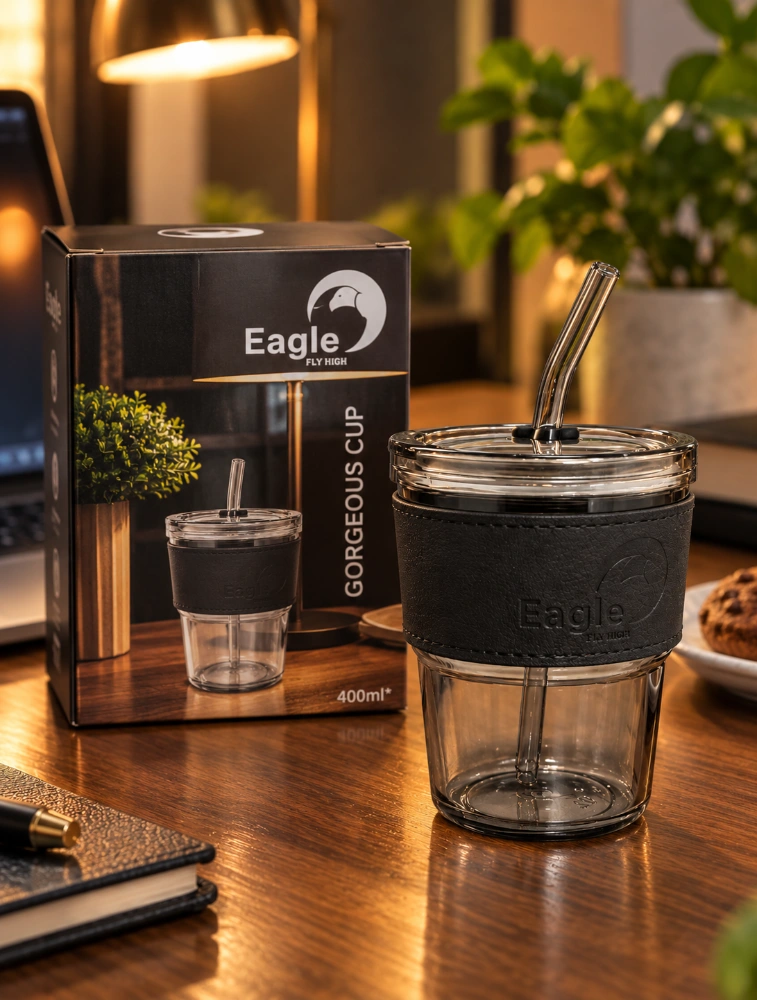
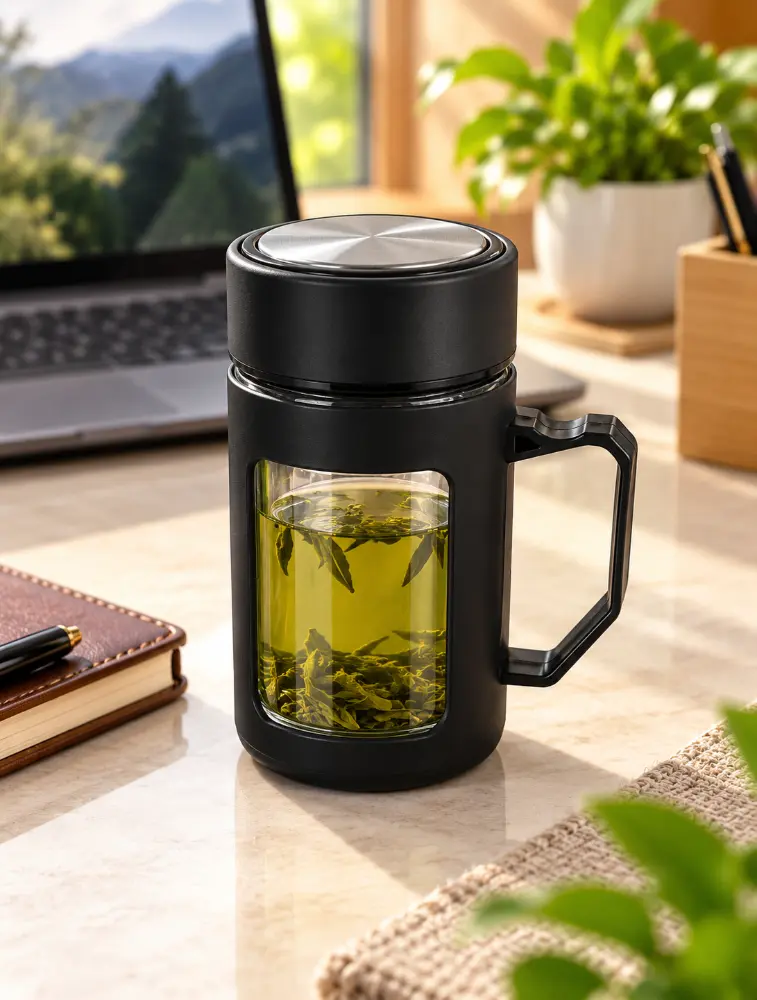
Black Reusable Glass Coffee Cup with Lid and Heat Resistant Black Leather Sleeve
4.4170 ratings
₹70.00/ piece


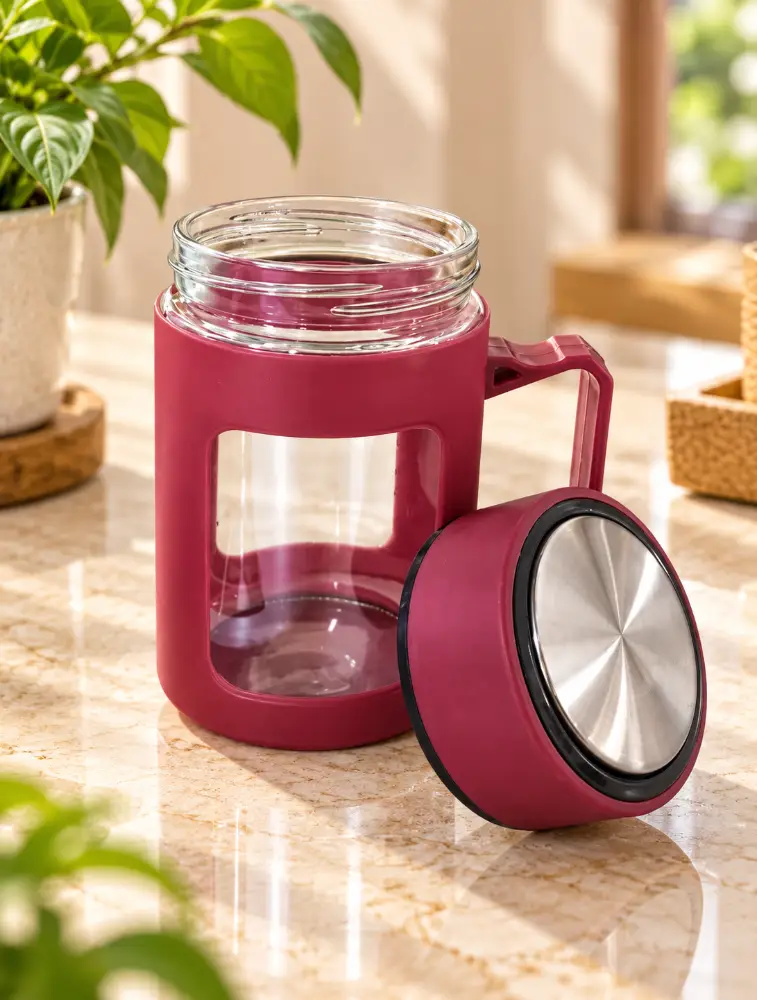
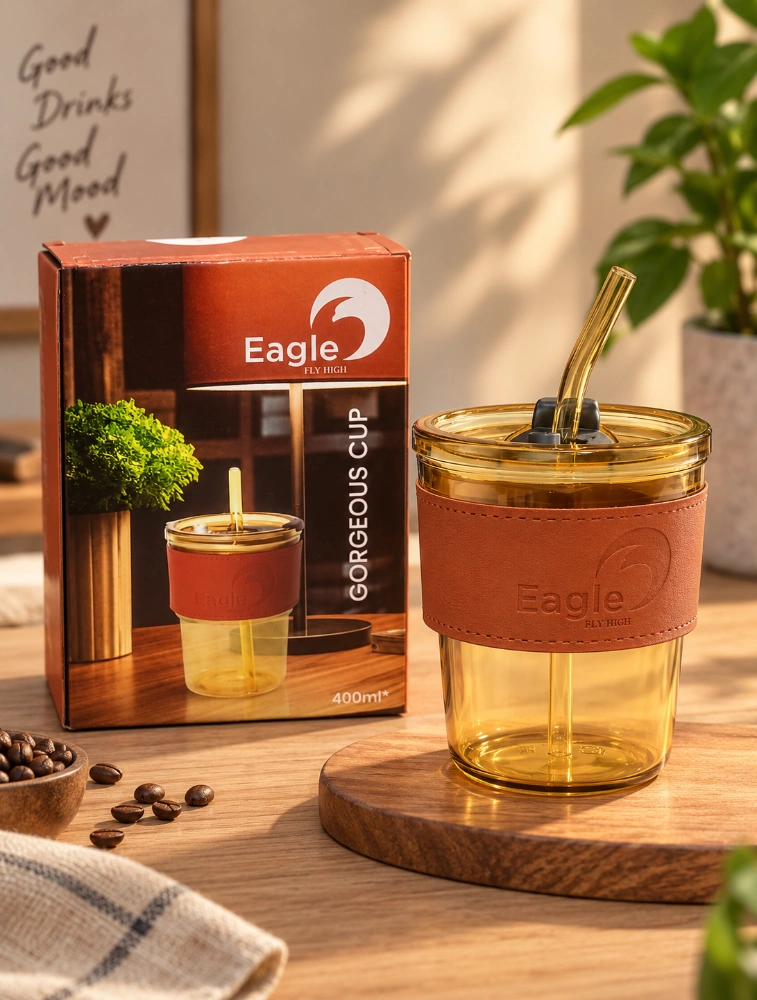
Orange Reusable Glass Coffee Cup with Lid And Heat Resistant Orange Leather Sleeve
4.4170 ratings
₹70.00/ piece
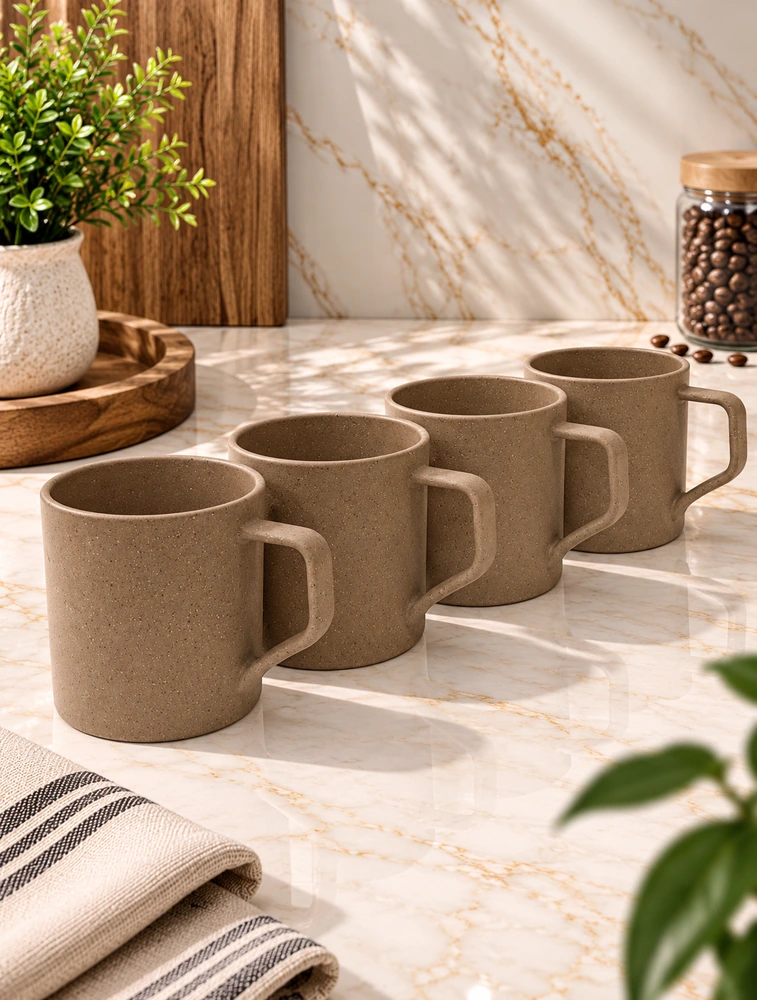
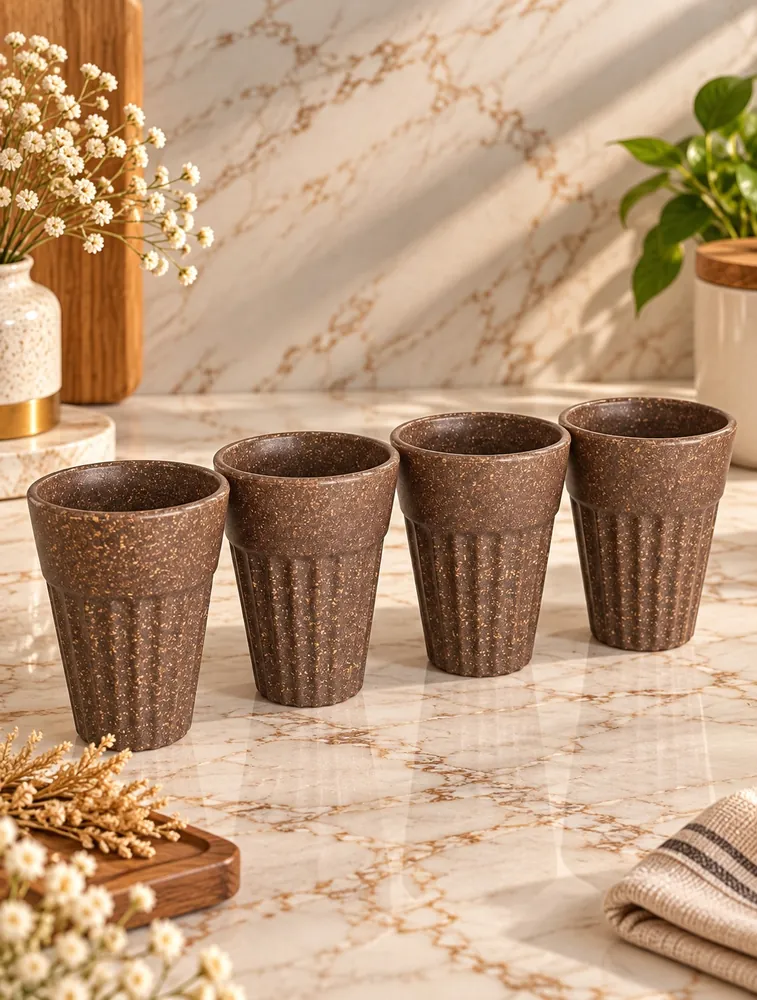
Personalised Natural Husk Rice Husk Turtle Brew Microwave Safe 4 Piece Mugs 200ml
4.4170 ratings
₹326.00/ piece

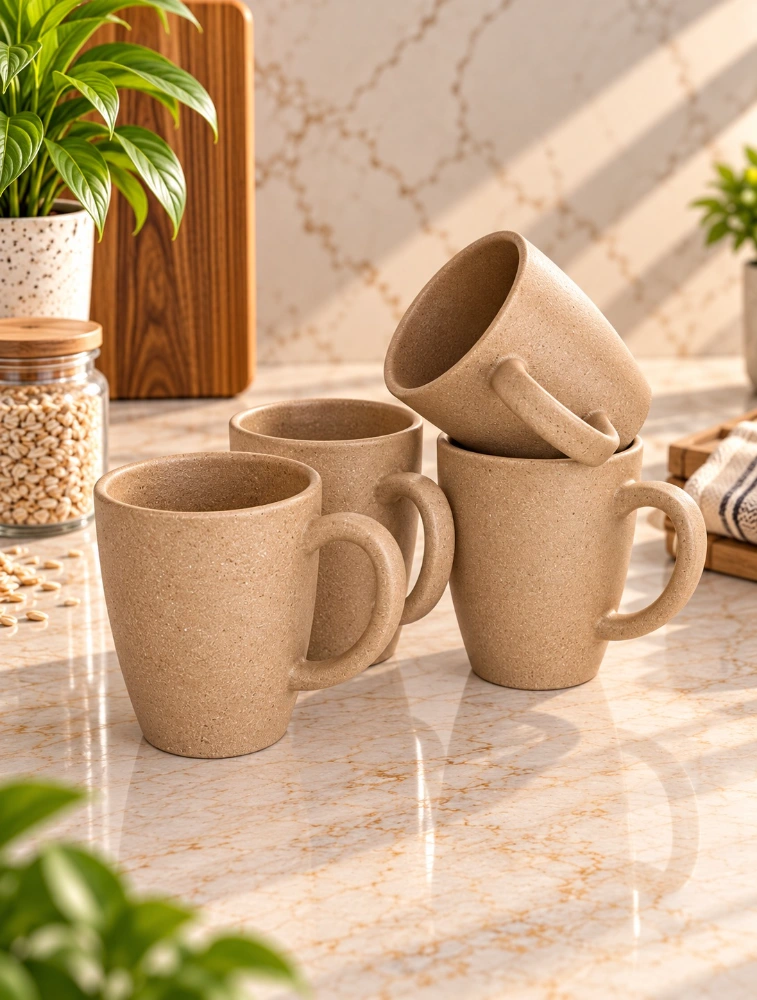
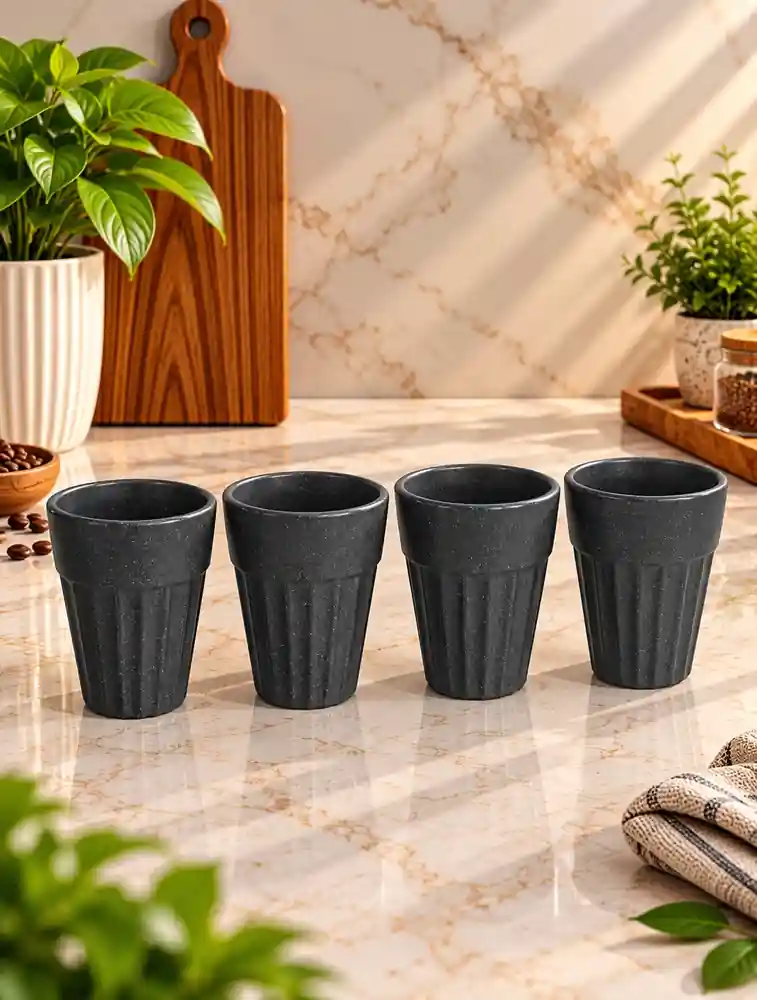
Personalised Natural Husk Rice Husk Vintage Brew Microwave Safe 4 Piece Mugs 300ml
4.4170 ratings
₹420.00/ piece
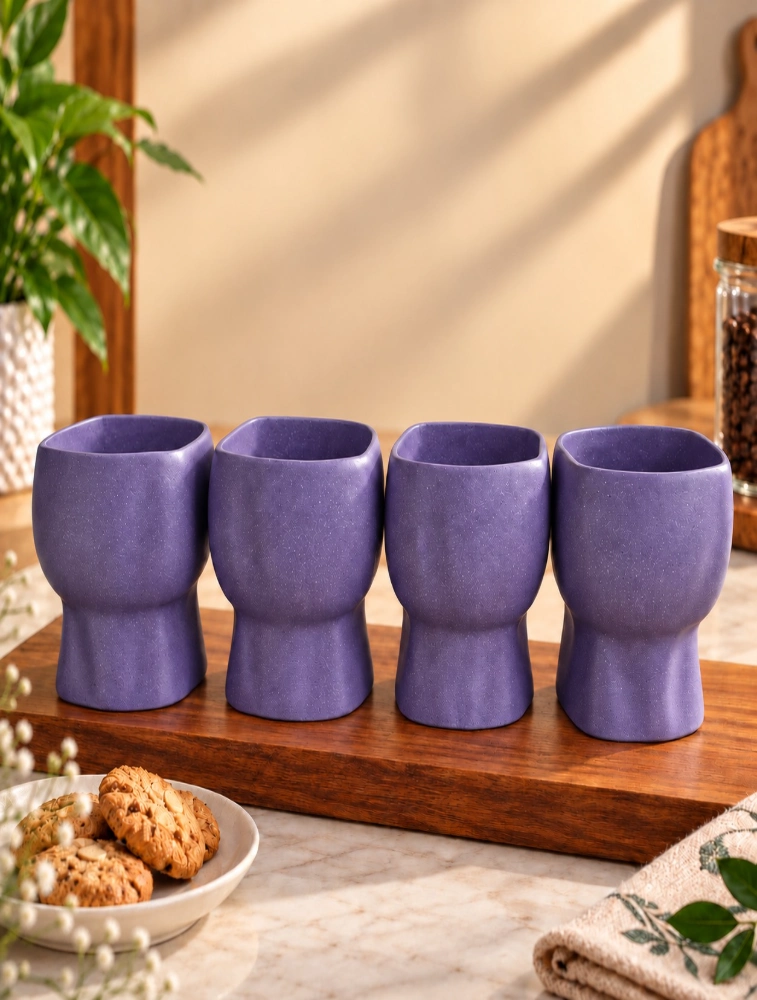
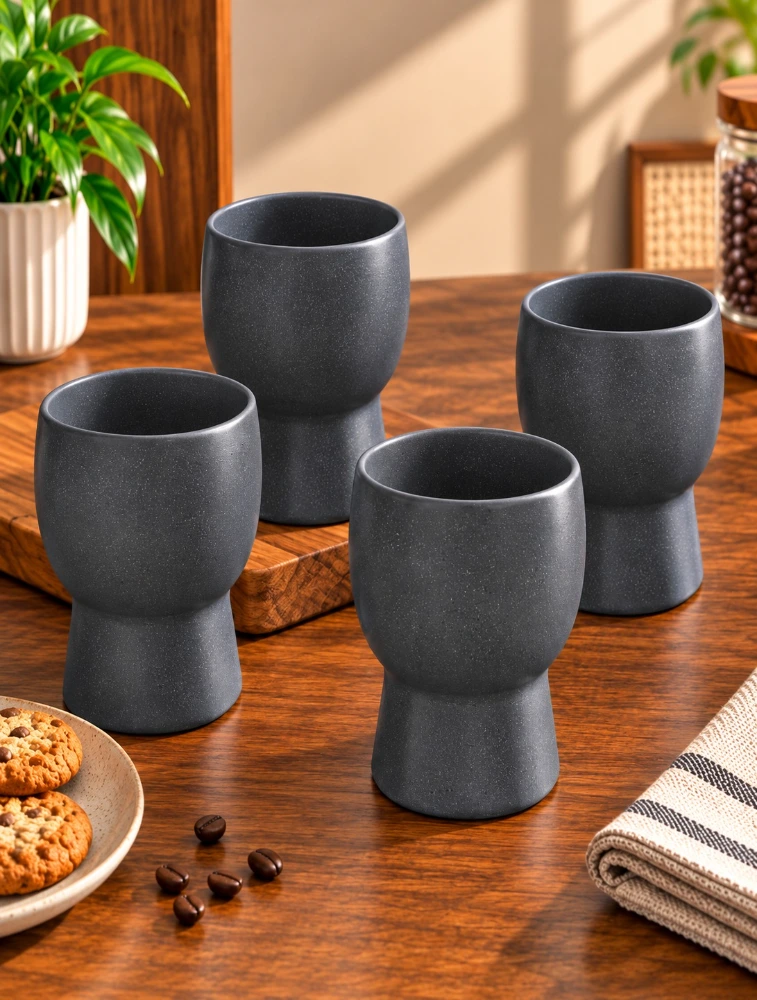
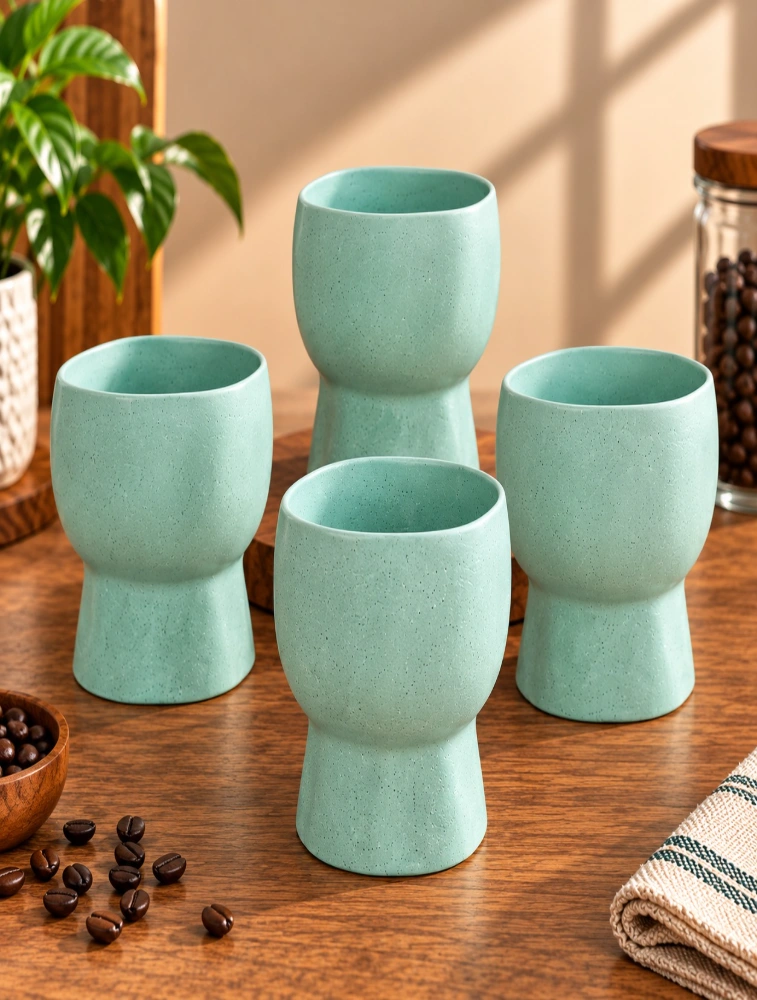
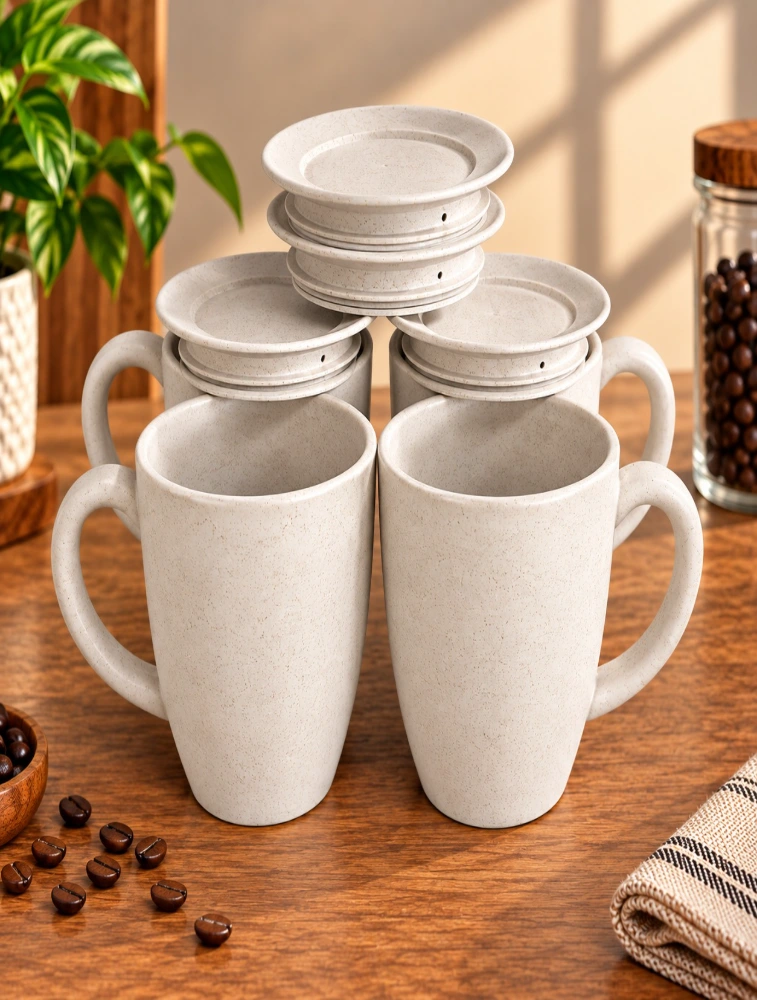
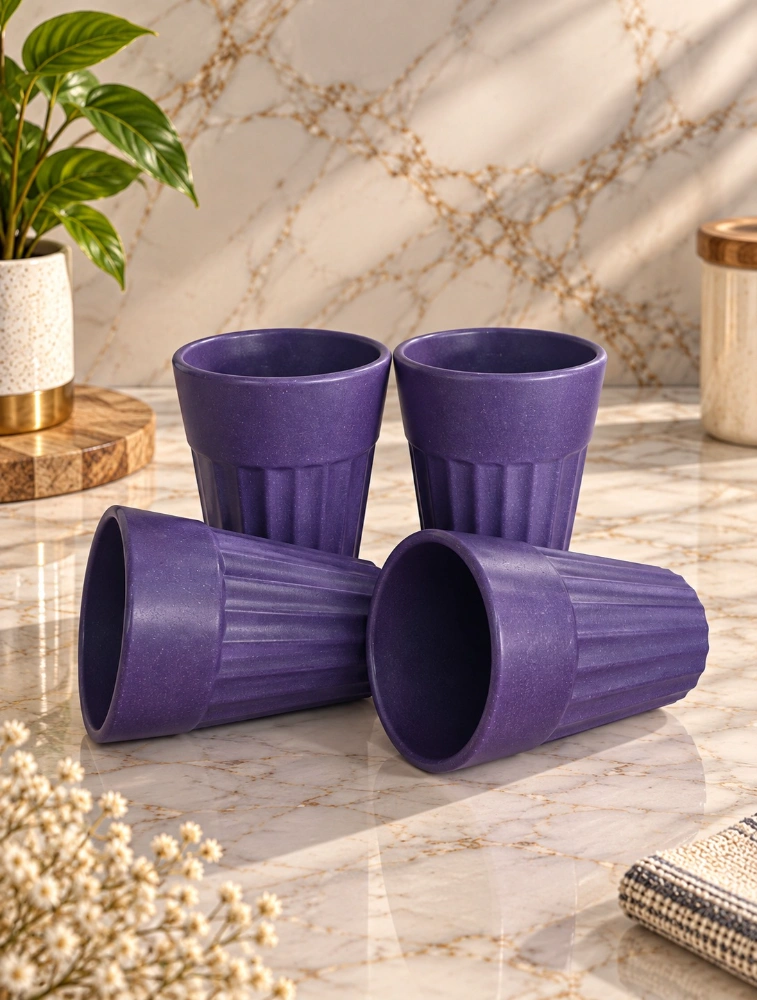
Personalised Off White Rice Husk Lid and Vintage Brew Microwave Safe 4 Piece Mugs 300ml
4.4170 ratings
₹596.00/ piece
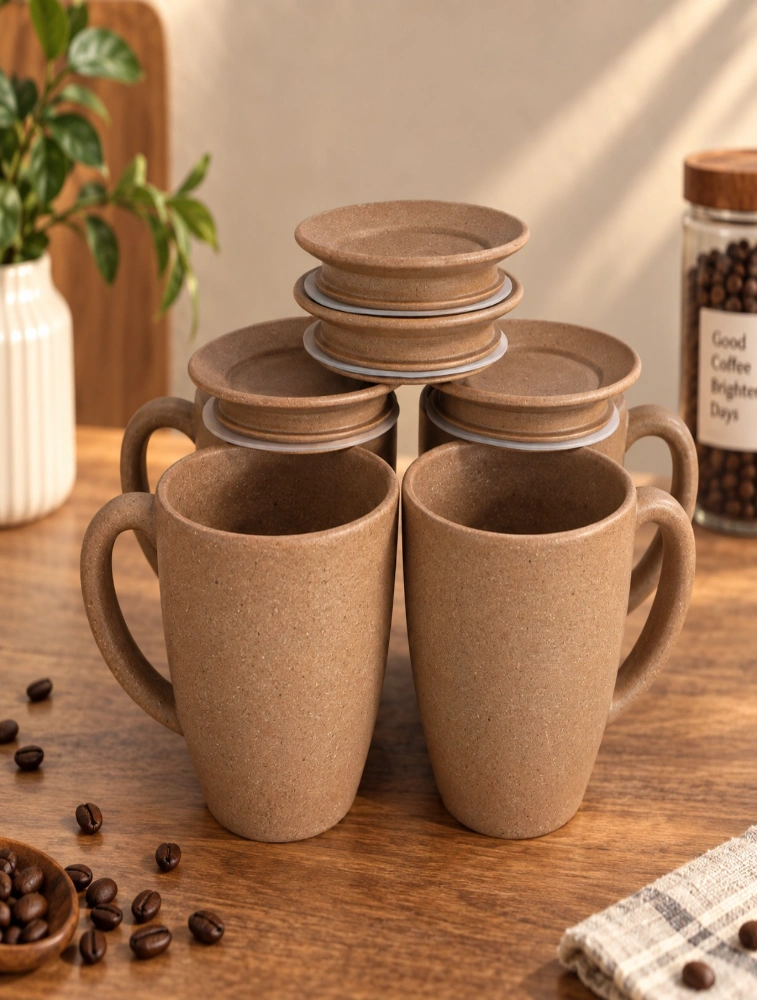
Personalised Natural Husk Rice Husk Lid and Vintage Brew Microwave Safe 4 Mugs 300ml
4.4170 ratings
₹596.00/ piece
Page 1 of 4
Bulk cups & mugs for every use case
Brand-ready cups & mugs for corporate, retail, uniforms and large custom programmes — sourced across partner factories with published prices.
Corporate & events
Brand-ready cups & mugs for offsites, launches and conferences.
Get quote →
Uniforms & programmes
Consistent supply for schools, factories and frontline teams.
Corporate uniforms →
Own brand / resale
Unbranded or private-label stock for retail brands.
Launch your store →
Large custom runs
Contract manufacturing for high-volume programmes.
Contract manufacturing →Bulk cups & mugs — frequently asked questions
What lead and cadmium release limits apply to a ceramic mug, and do they differ by market?
Three different numbers, depending on where the mug lands. IS 9806:2001 sets the Indian permissible lead release for a cup or mug at 0.5 mg/l; FDA Compliance Policy Guide 545.450 sets the United States action level at 0.5 micrograms per millilitre; Council Directive 84/500/EEC sets 4.0 mg/l for its fillable-article category.
This is the single most important thing a bulk buyer of ceramic drinkware needs to know, and it is the thing this page currently says nothing about. A mug is a food-contact article. Every major destination market regulates the same two metals leaching out of the glaze, and the three regimes do not agree with each other.
India — IS 9806:2001
The Indian document is IS 9806:2001, Methods of Test for and Permissible Limits of Toxic Materials Released from Ceramicware, Vitreous Enamelware, Glassware and Glass-Ceramicware in Contact with Food (First Revision). Its scope covers ware used in preparation, storage, cooking or serving of food and beverages. Clause 11 introduces Table 1 with the words: The permissible limits for lead and cadmium release from ceramicware, glass-ceramicware, glass flatware and glass hollow ware in contact with food are given in Table 1. Table 1 gives Cups and mugs its own row, separate from flatware and from small and large hollow ware: four specimens, all specimens to be at or under the limit, lead 0.5 mg/l and cadmium 0.25 mg/l.
The United States — two Compliance Policy Guides
Lead sits in FDA Compliance Policy Guide Sec. 545.450, Pottery (Ceramics); Import and Domestic — Lead Contamination, whose background line reads: Some ceramic foodwares have been found to leach significant quantities of lead from potential food contact surfaces. Its action levels, in micrograms per millilitre, are set out by article type: flatware, average of 6 units, 3.0; small hollowware, any one of 6 units, 2.0; large hollowware, any one of 6 units, 1.0; pitchers, any one of 6 units, 0.5; and cups and mugs, any one of 6 units, 0.5. Cadmium sits in a separate document, Compliance Policy Guide Sec. 545.400, which gives flatware, average of 6 units, 0.5; small hollowware, any one of 6 units, 0.5; and large hollowware, any one of 6 units, 0.25 — and, unlike the lead guide, does not carry a separate row for cups and mugs at all.
Europe — Council Directive 84/500/EEC
Article 2(1) states: The quantities of lead and cadmium transferred from ceramic articles shall not exceed the limits laid down below. Article 2(4) then splits ceramic articles into three categories. Category 1, articles which cannot be filled and articles which can be filled but whose internal depth measured from the lowest point to the horizontal plane passing through the upper rim does not exceed 25 mm: lead 0.8 mg/dm² and cadmium 0.07 mg/dm². Category 2, all other articles which can be filled: lead 4.0 mg/l and cadmium 0.3 mg/l. Category 3, which the Directive words as cooking ware and packaging and storage vessels having a capacity of more than three litres: lead 1.5 mg/l and cadmium 0.1 mg/l. Which category a particular article is read into is a determination for your own compliance counsel, not for a supplier, and nothing in this answer is advice on it.
The gap runs the opposite way to what most exporters assume
People expect Europe to be the strictest regime and India the loosest. On this specific article the published numbers say otherwise: for a drinking vessel, the Indian permissible lead figure and the American action level are the same, and the European figure for the filled-article category is eight times that. A mug built and tested to satisfy an Indian or American buyer is therefore being held to the tighter of the three published lead numbers, and a mug built only to satisfy the European figure is not automatically shippable to the other two. That is a sourcing decision, taken before the glaze is chosen, not a paperwork decision taken at the port.
What to ask a supplier for, in writing
Ask for a release test report from an accredited laboratory, issued against the instrument that governs your destination market, on the exact glaze and the exact decoration you are buying — not on a similar item, and not on the blank before it was decorated. Ask which test method the laboratory used; the American guides name ASTM method C738, AOAC methods 973.32 and 973.82, and FDA Laboratory Information Bulletin numbers 4123 and 4126 as acceptable, and the international test method for this family of ware is ISO 6486-1:2019, third edition, published in August 2019, titled Ceramic ware, glass ceramic ware and glass dinnerware in contact with food — Release of lead and cadmium — Part 1: Test method. Ask for the report to be dated and tied to a production lot. Then ask your own compliance counsel to read it against the market you are selling into.
Nothing on this page today states a position for or against any of these figures for the mug it lists, and this answer deliberately does not state one either. What it does is tell you which document to name in your purchase order, which is the part buyers most often leave out.
HEAVY METALS, Labelling & TariffQueries Targetedceramic mug lead cadmium limit India, IS 9806 cups and mugs limit, ceramic tableware food contact regulation export
What compliance paperwork should travel with a bulk consignment of ceramic mugs?
On the European side, a written declaration of compliance must travel with the goods. Article 2a of Council Directive 84/500/EEC, inserted by Commission Directive 2005/31/EC, requires ceramic articles not yet in contact with food to be accompanied by that declaration at every marketing stage up to and including retail.
Buyers who have only ever bought printed textiles are used to a commercial document pack: invoice, packing list, inspection report. Ceramic drinkware carries a fourth document in one of the two big destination regimes, and it is the one most commonly missing when a consignment is stopped.
What the declaration has to contain
Annex III to the Directive lists four items. First, the identity and address of the company which manufactures the finished ceramic article and of the importer who imports it into the Community. Second, the identity of the ceramic article. Third, the date of the declaration. Fourth, the confirmation that the ceramic article meets relevant requirements in this Directive and Regulation (EC) No 1935/2004. The Annex also requires the declaration to permit easy identification of the goods it covers, and to be renewed when there are substantial changes in production that bring about changes in the migration of lead and cadmium.
Who issues it, and what sits behind it
Article 2a(1) puts the declaration in the hands of the manufacturer or a seller established within the Community. Article 2a(2) then requires manufacturers or importers to make available to the national competent authorities, on request, documentation to demonstrate that the ceramic articles comply with the migration limits for lead and cadmium set out in Article 2 — and that documentation is required to contain the results of the analysis carried out, the conditions of the testing, and the name and address of the laboratory that performed it. A declaration with no test file behind it is a piece of letterhead.
The framework Regulation sits above it
Regulation (EC) No 1935/2004 is the parent instrument. Article 3(1) sets the general requirement, that materials and articles shall be manufactured in compliance with good manufacturing practice so that, under normal or foreseeable conditions of use, they do not transfer their constituents to food in quantities which could endanger human health, bring about an unacceptable change in the composition of the food, or bring about a deterioration in the organoleptic characteristics thereof. Article 16 generalises the declaration obligation: Appropriate documentation must be available to demonstrate such compliance. That documentation must be made available to the competent authorities on demand.
Labelling, which is a separate obligation again
Article 15 of the same Regulation requires materials and articles not yet in contact with food to be accompanied by the words ‘for food contact’, or a specific indication as to their use, such as coffee machine, wine bottle, soup spoon, or the symbol reproduced in Annex II; by special instructions for safe and appropriate use where necessary; by the name or trade name and, in either case, the address or registered office of the manufacturer, processor, or seller responsible for placing on the market; and by adequate labelling or identification to ensure traceability.
The other two markets work differently
The United States has no equivalent single travelling declaration for ceramic ware. Enforcement runs through the two Compliance Policy Guides at import and through 21 CFR 109.16, which deals with ornamental and decorative ceramicware and requires items that appear suitable for food use, but are not intended for it, to carry a conspicuous statement such as Not for Food Use. May Poison Food in letters at least 3.2 mm high, or to have a hole bored through a potential food-contact surface. India regulates through the permissible limits in IS 9806:2001 rather than through a travelling declaration.
None of this is legal advice, and none of it is a statement about the mug listed on this page. It is the document list to put in your purchase order so that the question is settled before the container is booked rather than after. Route the final determination through your own compliance counsel.
HEAVY METALS, Labelling & TariffQueries Targeteddeclaration of compliance ceramic articles EU, food contact declaration mugs export, 1935/2004 declaration ceramic
How many cup and mug options are actually listed here, and is that the whole range?
One. On 31 July 2026 this category page carried exactly one product listing — a white ceramic sublimation mug of 350 ml capacity, published from Rs 60 per piece — and page two of the category returned the same single listing rather than a second screen of products.
That is worth saying plainly, because a category page normally implies a catalogue and this one does not have one yet. Read as a shop window, the whole category is one mug. Read as a manufacturing capability, it is something quite different, and the gap between those two readings is the most commercially important thing on the page.
What the single listing publishes
The item is named White AAA Ceramic 350ml Sublimation Mug, code SKUFACTORI4178. It publishes one colour, white, and one capacity, 350 ml. It publishes three quantity tiers and a minimum order quantity of 100 units. It publishes a packing line — 36 ceramic mugs packed securely in one box for safe transportation, bulk handling and warehouse efficiency — which is the first time in nineteen category audits that a factori page has published a carton quantity at all. It publishes a care instruction and a seven-line feature list. Dispatch is from Bengaluru.
What it does not publish
There is no specification table on the page. There is no body classification, so nothing on the page places the item in any one of the four body families — porcelain, china, stoneware, earthenware — and that single missing field is what decides both the customs heading and which Indian specification is the right one to buy against. There is no weight, no wall thickness, no height, no rim diameter, no handle dimension and no printable area. There is no statement of any kind about lead or cadmium release. There is no statement about behaviour in a dishwasher or a microwave. A buyer cannot write a technical purchase order from this page, and should not try.
What “AAA” means and does not mean
“AAA” in the product name is a trade description used across the sublimation blanks market. It is not a body classification and it is not a grade defined in any published standard that governs this article, so it cannot be used in a purchase order the way a standard number can. If grade matters to you — and on a branded corporate gift it usually does — specify what you actually mean: first-quality selection, permitted glaze defects per unit, permitted rim and handle faults, and the sampling plan the consignment will be inspected under.
Why the catalogue and the capability are different things
The statistics band on this page cites 608 partner factories and delivery to 132 countries. One published listing is not a description of what can be made; it is a description of what has been photographed and uploaded. In practice the things buyers ask for in this category — other capacities, coloured exteriors, magic or colour-changing bodies, inner-and-handle colour combinations, matt finishes, bone-china-style bodies, two-tone sets, gift-box packing — are quotable against a written specification even though none of them appears on the page.
So treat this URL as an enquiry point rather than a catalogue. Send the capacity, the body type, the decoration method, the destination market and the quantity, and the quotation will be written against that specification rather than against the one photograph currently on the page.
Specification & RangeQueries Targetedbulk ceramic mugs India, wholesale coffee mugs manufacturer, sublimation mug bulk supplier Bengaluru
What do ceramic mugs cost per piece in bulk, and why is the first order dearer than the headline price?
Rs 63 per piece for the first hundred to nine hundred and ninety-nine, Rs 62 from a thousand to 9999, and Rs 60 above ten thousand. The headline “from Rs 60” is the deepest tier, not the entry tier, so the first order costs exactly five per cent more.
The ladder is published on the product page in full, which is more than most category pages on this site manage. The problem is the direction it is read in.
The published ladder, verbatim
The tier rows read 100 - 999 Cups & Mugs at Rs 63.00 per piece, 1000 - 9999 Cups & Mugs at Rs 62.00 per piece, and Above 10000 Cups & Mugs at Rs 60.00 per piece. Notice that the unit noun in those rows is the category name rather than a piece, a set or a carton. On a category that packs 36 to a box, that is a template bug worth fixing: a buyer reading “Above 10000 Cups & Mugs” has to work out for themselves that the row is counting pieces and not boxes.
Why the headline is the wrong end of the ladder
Every price on this site is advertised from its deepest tier. That is normal retail practice and it is unhelpful here, because a corporate gifting buyer placing a first order of five hundred pieces will budget at the headline and be quoted five per cent above it. The honest version of the headline is a range: the entry rate and the volume rate, both visible, so the buyer can see what the volume is actually worth before they negotiate for it.
Two published figures that do not reconcile
The home-page tile for this category advertises the range as starting at Rs 54. Nothing on the category page reaches Rs 54; the floor is Rs 60, and that is the ten-thousand-piece rate. Separately, the existing on-page FAQ says bulk cups and mugs are available from Rs 60 to Rs 60 per piece — a range whose two ends are the same number, which is what happens when a range is generated from a catalogue containing one product. Both should be generated from the page’s own product list at build time and asserted against it, so that neither can drift again.
What actually moves the number
Quantity is the smallest of the levers on ceramic drinkware. The bigger ones are the body and glaze specification you buy against, the decoration method and how many colours it carries, whether the print wraps or sits on one face, whether the item ships in bulk cartons or in individual gift boxes with an insert, and the destination and mode of freight. On a mug, packing and freight routinely cost a meaningful fraction of the mug. Ask for the quotation to break those out as separate lines rather than folding them into a single per-piece figure, because that is the only way to see which lever is worth pulling.
What you will not get from us is a cost breakdown of the article itself. Published shelf prices and published quantity tiers are quoted here as published; what sits behind them is not something any manufacturer puts on a web page.
ProcurementQueries Targetedceramic mug price per piece bulk India, wholesale mug price 1000 pieces, coffee mug bulk rate manufacturer
Why does this page show a hundred-unit minimum while the statistics band advertises ready stock from a single piece?
Both numbers are true of different transactions. The statistics band offers ready stock from one piece; the product page states “Minimum Order Quantity - 100 Units”, and the first published quantity tier starts at 100. Anything under a hundred is a stock pull, not a production run.
This contradiction appears on nineteen category pages now and it costs more enquiries than any other single line of copy on the site, because the two statements sit within a screen of each other and a buyer cannot tell which one applies to them.
The three transactions the page is compressing into one number
A sample or a stock pull takes whatever is physically on the shelf in the published colour and capacity, in ones and twos, so that a buyer can hold the article before committing. A stock order takes an existing, undecorated, already-manufactured item in commercial quantity; the hundred-piece minimum and the published tier ladder are written for this. A production order has the article made to a written specification — a different capacity, a different body, a coloured exterior, a printed carton — and its minimum is set by the kiln and the decoration process rather than by a web page.
Why a ceramic minimum behaves differently from a textile one
On apparel the minimum is usually driven by fabric and by the cost of setting up a cut. On ceramics the drivers are different: a decoration setup, a firing schedule, and on any non-standard body a mould. Those are step costs, not linear ones, which is why the useful question is never “what is your MOQ” but “what is the minimum at which this specific specification stops being dominated by setup”. Ask it that way and you will get a straight answer and often a better one.
The per-colour minimum is moot here, for now
The existing on-page FAQ also refers to a hundred pieces per style per colour. On this category that clause currently has nothing to bite on, because one product is listed and it is published in one colour, white. It becomes live the moment a second body or a second colour is quoted, and on a decorated mug the per- decoration minimum matters more than the per-colour one, because each distinct artwork is its own setup.
What to put in the enquiry
State the total quantity, the number of distinct artworks across that quantity, the destination, and whether you need a physical sample before the purchase order or can approve against a digital mock-up. Those four facts are enough to price the job properly. A quantity alone is enough to price only the blank, which is the least interesting part of the number.
And if the honest answer is that you want to test the market with a few dozen pieces before committing to a container, say so. That is a normal request and it is better handled as a stock pull with a clear plan behind it than as a production enquiry that nobody can price.
ProcurementQueries Targetedminimum order quantity ceramic mugs, MOQ bulk mugs India, sample mug order small quantity
What does “sublimation mug” mean, and what are the options for putting a logo on a ceramic mug?
The listing calls it a sublimation mug, which names a decoration process rather than a body. What the page does not publish is anything about the coating that process needs — its composition, whether it reaches a food-contact surface, or how it behaves in a dishwasher. Ask before you print.
Decoration is not a finishing detail on ceramic drinkware. It is the step that changes what the article is, commercially and technically, and it is the step buyers specify most loosely.
The decoration methods used on ceramic drinkware
Broadly there are four families. Sublimation transfers a dye image into a receptive coating applied to the ware, using heat and pressure, and is the method this listing is named for; it is the cheapest route to a full- colour photographic image and the fastest to set up. Decal or transfer decoration applies a printed ceramic transfer and then fires it, either on the glaze or into it. Direct screen printing lays ceramic inks onto the ware and fires them. Laser and mechanical methods cut or abrade a coating or the ware itself. Which family is right is decided by the image, the quantity and the service the mug will see, and the price differences between them are large.
The question the page leaves open
A sublimation mug carries a coating. Nothing published on this page says what that coating is, where on the article it sits, whether any part of it reaches an internal surface, or how it responds to a dishwasher cycle or a microwave. This pack makes no statement in either direction on any of those points, because none of them is established anywhere on the site. If any of them matter to your end use — and in hospitality and institutional catering they always do — put the question in writing before the artwork is approved, and get the answer in writing too.
Why decoration is a compliance question and not only an aesthetic one
Lead and cadmium in ceramic ware come principally from glazes and from decorating materials. That is why a release test report on an undecorated blank tells you almost nothing about the decorated article you are actually buying, and why the European declaration regime requires renewal when there are substantial changes in production that change migration. It is also why 21 CFR 109.16 exists at all: it deals with ornamental and decorative ceramicware that looks usable, and requires items not intended for food use to say so conspicuously or to be physically disabled. Test the article you are shipping, in the decoration you are shipping it in.
What to send with a decoration enquiry
Send vector artwork with fonts outlined, the exact colour references you want matched and what you will accept as a match, the placement measured from the handle rather than described in words, whether the image wraps around the body or sits on one face, and the number of distinct artworks across the order. On personalised runs, say how many unique names or codes are involved, because that changes the process rather than the price per piece.
Then approve a physical printed sample, not a screen mock-up. A mock-up settles the layout. Only a fired or pressed sample settles the colour, and colour is what the recipient of a corporate gift notices first.
Decoration & PackingQueries Targetedsublimation mug bulk printing, custom logo ceramic mug wholesale, branded mug printing methods India
The listing has no specification table. What should a purchase order for ceramic mugs actually specify?
Every field you would normally rely on. This page publishes no specification table at all, so a purchase order has to carry the specification itself: body, capacity tolerance, weight, dimensions, glaze, decoration, permitted defects, sampling plan, release test report and packing. The blank is the easy part.
On nineteen category audits this is the thinnest product record yet. What sits in place of a specification is a description and a seven-line feature list, and those are sales sentences rather than measurable requirements.
What the page says, and why none of it is specifiable
The listing’s own description says the mugs offer excellent heat retention, durability, and a premium look for everyday beverage use, and its feature list adds a glossy glazed surface for premium appearance and easy cleaning and a strong and durable structure for daily commercial usage. Not one of those phrases has a number, a method or a standard behind it, so not one of them can be inspected against on receipt or argued about later. This pack therefore quotes them as the listing’s words and adopts none of them as a claim of its own.
The fields a ceramic drinkware specification needs
- Body classification, stated as a material and not as a marketing grade, because it drives both the customs heading and which Indian specification applies.
- Nominal capacity with a stated fill line and a tolerance, plus whether capacity is measured brim-full or to the fill line.
- Piece weight with a tolerance, and overall height, rim diameter, base diameter and handle clearance with tolerances.
- Glaze type and colour, gloss level, and the treatment of the foot ring.
- Decoration method, artwork placement measured from the handle, printable area, and the colour standard the print will be matched to.
- A defect schedule: what counts as a critical, major and minor defect on a mug, and the sampling plan and acceptance numbers the consignment will be inspected under.
- A lead and cadmium release test report on the decorated article, from an accredited laboratory, against the instrument that governs the destination market.
- Packing: pieces per carton, carton dimensions, gross and net carton weight, pallet configuration, and whether a transit drop test has been carried out.
- Marking on the article and on the carton, including anything the destination market requires.
The Indian specification that already exists
Where a purchase order settles on porcelain as the body material, the Indian specification is IS 3505:2002, Porcelain Crockeryware — Specification (Third Revision), which prescribes requirements and methods of sampling and test for porcelain crockeryware, treats cups and mugs as their own article class, and points to IS 9806 for the toxic-element limits. This pack does not reproduce any internal requirement value from that specification. What matters commercially is that a named specification exists and can be written into a purchase order, which is a far stronger position than buying against a photograph.
Whether any particular specification or marking rule binds your own onward sale is a question for your own compliance counsel and nothing here is advice on it. What is squarely a commercial matter is this: the party that writes the specification controls the inspection, and on a category page with no specification table, that party has to be the buyer.
Specification & RangeQueries Targetedceramic mug specification sheet bulk order, mug technical specification wholesale, IS 3505 porcelain crockeryware
How are the mugs packed, and how do I plan cartons and freight for a bulk order?
Thirty-six to a box. The listing states “36 ceramic mugs packed securely in one box for safe transportation, bulk handling and warehouse efficiency”, which makes this the first factori category in nineteen audits to publish a carton quantity. Carton dimensions and weight are still missing.
That one published number is more useful than it looks, and it is worth saying so, because eighteen previous category audits asked for exactly this field and did not get it.
What thirty-six to a box lets you work out immediately
Order quantities become carton quantities. Ten thousand pieces is 278 boxes with eight pieces spare. A thousand pieces is 27 boxes and 28 pieces over. The practical consequence is that you should order in multiples of 36 wherever the end use allows it, because part boxes are where damage, miscounts and awkward warehouse handling come from. If your distribution is to branches or to individual recipients, work backwards from the branch count instead: a three-hundred-branch rollout at two mugs a desk is far easier to pick if the pack quantity divides into the branch allocation cleanly.
What is still missing before freight can be costed
Carton external dimensions, carton gross weight and pallet configuration are not published, and without those three a freight rate cannot be calculated at all, by anyone. Nor does the page say whether the box described is a master carton or an inner, whether each mug has an individual box or a moulded insert, what the corrugation specification is, or whether any transit drop test has been carried out. On ceramics that last point is not a nicety: the difference between a consignment that arrives intact and one that arrives as a claim is usually the insert, not the mug.
The questions to put in the enquiry
Ask for pieces per inner and per master, external carton dimensions, net and gross weight, cartons per pallet and pallet height, and the packing standard the factory works to. Ask whether individual gift boxes are inside the thirty-six or additional to them, because that single answer can change your volumetric freight materially. Ask who is responsible for breakage in transit and at what point title and risk pass, and get it written into the contract as an Incoterm rather than as an assurance.
Two habits that pay for themselves on ceramics
First, agree a breakage allowance in writing before the order rather than arguing about it after arrival; a stated allowance with a stated remedy is cheaper than a dispute. Second, photograph the pallet at loading and at receipt. Almost every transit claim on drinkware turns on whether the damage happened before or after the goods left the factory, and two sets of dated photographs settle that question faster than any correspondence.
Dispatch on this category is from Bengaluru, and the page advertises seven to ten days across India for stock and fifteen to thirty days where the order is customised. Treat those as planning figures to be confirmed against the actual specification, not as a delivery commitment for every order.
Decoration & PackingQueries Targetedmug packing carton quantity bulk, ceramic mug freight planning export, mugs per box wholesale
Which customs tariff heading covers a ceramic mug, and does the page tell me which one applies?
Two headings, and the page does not tell you which one applies. Chapter 69 of the Indian customs tariff covers ceramic products; heading 6911 reads “TABLEWARE, KITCHENWARE, OTHER HOUSEHOLD ARTICLES AND TOILET ARTICLES, OF PORCELAIN OR CHINA” and heading 6912 covers the same articles “OTHER THAN OF PORCELAIN OR CHINA”. Classification turns on the body.
This matters more on ceramics than on most categories, because the two headings are separated by a single material question and the product page never answers it.
What the two headings actually say
Both are published texts and both are quoted above in full. The distinction the tariff draws is not between a cup and a mug, nor between plain and printed, nor between domestic and hospitality use. It is between articles of porcelain or china and articles that are not. Everything else about your consignment — the print, the packing, the colour, the capacity — sits downstream of that one question.
Why the listing does not settle it
The single listing on this category describes the article as a white AAA ceramic sublimation mug. “Ceramic” is the family, not the body type, and “AAA” is a trade description used across the sublimation blanks market rather than a classification issued by any standards body. The page publishes no body-type declaration, no firing temperature, no water absorption figure and no translucency statement, and each of those is the sort of evidence a classification argument is normally built on. Until the factory states the body type in writing, nobody can read the answer off this page.
What we will not do here
We are not going to tell you which heading your consignment should be declared under, and we are not going to publish a duty, GST, BCD or IGST rate. Classification is a determination made on the facts of your specific consignment by your customs broker or counsel, rates change, and a wrong number published on a category page becomes a liability for the reader rather than a service. Take this as background, not as advice, and put the question to someone who can be professionally responsible for the answer.
What to get in writing before you declare anything
Ask the supplier for a written statement of the ceramic body type, the water absorption test result and method, the firing schedule in general terms, and a declaration of the article’s composition on the commercial invoice. Ask for the same wording to be used consistently on the invoice, the packing list and any test report, because inconsistency between those three documents is what turns a routine clearance into a query. If you are importing into more than one market, ask whether the supplier has classified the same article elsewhere and what was accepted, while remembering that another authority’s treatment is information, not a precedent binding on yours.
HEAVY METALS, Labelling & TariffQueries Targetedceramic mug HS code 6911 6912, ceramic tableware customs heading India, mug import classification
With no specification table on the page, what does an approved sample have to settle?
Take a sample, then write the sample down. factori’s published FAQ says sample cost is credited back against a subsequent bulk order, and because this category publishes no specification table at all, the approved sample plus a written dimensional and migration- test record is the only specification your inspection can later be measured against.
On a category with a full specification table, the sample confirms the specification. Here there is no specification table, so the sample has to become one.
What a sealed sample actually is
A sealed sample is not the mug that sits on a buyer’s desk looking acceptable. It is a physical article, signed and dated by both parties, held in duplicate, with a written record attached to it describing every attribute the parties intend to be binding: capacity, height, outside diameter at the rim, handle profile, weight, glaze finish, colour reference, print position, print size and the exact artwork file used. Two identical samples are sealed, one held by each side. If a dispute arises later, the sealed sample and its written record are what an inspector works from.
The migration test, and who commissions it
For a food-contact ceramic the test that matters is the release test. Under the European regime the test conditions and the method of analysis are set out in the Annexes to Council Directive 84/500/EEC; the United States Compliance Policy Guides for ceramic ware name ASTM C738 together with AOAC methods 973.32 and 973.82 and two FDA laboratory information bulletins as the methods used, and India’s IS 9806:2001 sets out its own methods of test alongside its permissible limits. We are not restating the internal requirement values of the method standards here, because we have not read those documents in full and a half-remembered test parameter is worse than none.
What the page does and does not publish
The page publishes no test report of any kind. That is not the same as a result, in either direction; it simply means a buyer cannot infer anything from the description and should ask for the report rather than assume one exists. Where a test is required for your market, commission it against your own market’s instrument, from a laboratory whose accreditation scope covers the method, on units drawn from the production run rather than from the sample box. Which instrument applies to you is a question for your own compliance counsel; nothing here is advice.
What to write into the purchase order
Reference the sealed sample by its seal number and date. State the inspection standard and the sampling plan you will apply, the point of inspection, and who bears the cost of a failed lot. State the artwork approval route and who signs off the final proof. State the packing and the carton marking. And state explicitly that where the sample and the written record disagree, the written record governs, because samples fade, chip and go missing, while paper does not.
Specification & RangeQueries Targetedceramic mug sample approval bulk order, sealed sample drinkware, pre-production sample mug India
Is a printed mug a sensible corporate gift at scale, and what do I have to decide before ordering?
Order in multiples of thirty-six and settle the gift box before you settle the price. At a published Rs 63 for the hundred-to-999 band the unit cost is rarely the constraint on a corporate gifting programme; the constraints are personalisation, packing and the delivery model, and this listing publishes only one of the three.
Mugs earn their place on gifting lists for an unglamorous reason: they stay on the desk. A diary is filled and shelved, a pen migrates, a t-shirt goes into a drawer. A mug is used daily and in view of colleagues, which is why it keeps appearing in onboarding kits, milestone gifts and festive hampers long after fashions in corporate gifting have moved on.
Where mugs actually work in a corporate programme
Onboarding kits are the strongest use, because the quantity is predictable and the artwork is stable across a whole year. Milestone and long-service recognition is the second, though it usually needs individual names and therefore a different production route. Festive gifting is the third, and it is the one that fails most often, because the volumes are large, the deadline is immovable and the decision is taken late. Event and conference giveaways work where the recipient is local; they are a poor idea where guests are flying home, and no amount of packing will change that.
Personalisation: the two questions are not the same
One artwork across the whole order and a different name on every mug are completely different jobs. The first is a straightforward print run. The second multiplies your artwork approvals, your packing complexity and your risk of a misspelling reaching a named individual, and it needs a clean data file, a proofing round and a rule for what happens when a name is wrong. Decide which of the two you are buying before you ask for a price, because a quotation for one is not a quotation for the other.
Packing and the delivery model
The listing publishes thirty-six mugs to a box and says nothing about individual boxes, inserts or sleeves. If your programme ships to one office and distributes internally, that is fine. If it ships to three hundred home addresses, the individual outer, the insert and the courier’s handling become the entire project, and the mug is the cheap part. Ask for the individual-pack option, its cost and its effect on the carton quantity before you commit to a distribution model.
What to lock into the purchase order
Lock the artwork proof and who signs it, the pack format, the carton quantity, the delivery addresses and dates, the tolerance on print position, and the remedy for a print defect. Ask for a small quantity of spares above the order quantity, because on a named-recipient programme a single missing mug is a visible failure and the reorder minimum on this category is a hundred pieces.
ProcurementQueries Targetedcorporate gifting mugs bulk India, branded coffee mug employee gift, custom printed mug corporate order
What should a government tender for cups and mugs specify?
Write the standard number into the tender, because the catalogue will not. For crockery and drinkware an Indian tender can reference IS 3505:2002 for porcelain crockeryware and IS 9806:2001 for toxic-material release, and can require a test report against the cups and mugs row of IS 9806 Table 1.
Public procurement is the one buying route where the absence of a specification table is fatal rather than merely inconvenient. A tender that describes what it wants in adjectives receives bids that cannot be compared, and an evaluation committee then has no defensible basis on which to choose between them.
The two Indian standards a drinkware tender can name
IS 3505:2002 is the specification for porcelain crockeryware, third revision, and it treats cups and mugs as an article class. It also refers to IS 9806 for toxic elements, so naming the first pulls the second in behind it. IS 9806:2001 is the methods of test for and permissible limits of toxic materials released from ceramicware, vitreous enamelware, glassware and glass-ceramicware in contact with food, and its Table 1 sets out a separate row for cups and mugs. Naming both in the tender document, rather than naming neither and describing the article in prose, is the single highest-value change most drinkware tenders could make.
What a test report should actually contain
Require the report to identify the laboratory and its accreditation scope, the instrument tested against, the method used, the number of units tested and how they were drawn, the test conditions, and the result stated per unit rather than only as a pass. Require it on production units, not on a sample submitted with the bid. Require it to be dated within a stated period of delivery. A certificate that says only that the goods conform, with no method and no figures behind it, tells an evaluator nothing and cannot survive audit.
The clauses that decide the outcome
On ceramics the commercial clauses matter as much as the technical ones. Specify the packing standard and the carton quantity, the point of inspection, the breakage allowance and the remedy, the replacement lead time, the delivery schedule across locations, and the liquidated damages position. Specify the marking on the carton. Specify who pays for a rejected lot to be returned or destroyed. Each of these is routinely omitted, and each is routinely the thing that is argued about afterwards.
Where a tender for one white mug goes wrong
This category currently offers a single article in a single colour and a single capacity. A tender written around a different capacity, a coloured body, an inner-colour finish or a moulded shape is not a tender this listing answers, and the honest response is to say so and to route the requirement to a made-to-order enquiry rather than to bid against a catalogue line that does not match. Ask for the capability, in writing, before assuming the catalogue is the limit.
What we can and cannot say here
We can point to the published standards and describe what their titles and scopes cover. We are not stating whether any certification is required for this article, we are not stating any position on licences held, and none of this is procurement or legal advice. A tender document should be settled with your own technical and legal advisers, who can be responsible for it.
ProcurementQueries Targetedgovernment tender cups and mugs specification, crockery tender IS standard India, drinkware public procurement
How should a canteen, hostel or campus size a recurring mug order?
Buy for the replacement rate, not the unit price. An institutional canteen or hostel replaces drinkware continuously, so the number that matters is annual replacement volume, and the two published figures that bear on it are the hundred-piece minimum and the thirty-six-piece box, not the Rs 60 floor.
Institutional drinkware is a consumable dressed up as an asset. The first order is a capital-looking purchase; every order after that is a replacement cycle, and the buying decision that actually saves money is about the cycle, not the first invoice.
How to size the order
Start from seats and turns, not from headcount. A dining hall with a given number of covers per sitting and a given number of sittings needs enough articles in circulation to cover peak concurrency plus whatever is in the wash plus whatever is out of service, and that multiple is usually far higher than managers expect. Then measure your own attrition over a defined period rather than estimating it: count what is issued and count what survives a term. Once you have a real figure, the annual order writes itself, and it will almost certainly sit in a higher published tier than a one-off purchase would.
Why the order structure matters more than the tier
The published gap between the entry band and the top band on this category is five per cent. That is real money at volume, but it is smaller than the money lost to emergency top-up purchases, mismatched replacements bought locally, and the administrative cost of raising a fresh purchase order every few weeks. A single annual commitment with scheduled call-offs against it will usually beat a series of opportunistic small orders even before the tier is considered, and it also protects you against the article being changed or discontinued mid-year, which on a one-listing category is a live risk.
What a white 350 ml mug does and does not suit
A plain white body takes an institution’s crest or department mark cleanly and looks consistent across a hall, and a single capacity keeps portioning and stacking predictable. It is less suited to settings that need several capacities for different beverages, a coloured body for department-coding, or a heavier hotel- weight article. Where those are the requirement, treat this listing as a starting point for an enquiry rather than as the answer, and ask what the partner factories can actually make.
The two documents to ask for
Ask for the packing detail, so that your stores can receive and count in carton multiples instead of loose pieces. And ask for the release test report appropriate to your jurisdiction, because an institution serving food and drink to students, patients or staff is exactly the buyer that should have that document on file, and it is not published anywhere on this page.
ProcurementQueries Targetedbulk mugs for canteen hostel campus, institutional crockery replacement order, cafeteria mugs bulk India
What paperwork and labelling must follow the mug through to the retail shelf?
The paperwork has to reach the shelf, not just the port. Article 2a(1) of Council Directive 84/500/EEC requires a written declaration of compliance at every marketing stage up to and including retail, and Article 15 of Regulation (EC) No 1935/2004 governs what an article sold to a final consumer must carry.
Wholesalers and retailers tend to assume the compliance file is the importer’s problem and stops at the border. On ceramic food-contact articles in the European regime it demonstrably does not, and that has direct consequences for what a distributor should be holding.
What the distributor is actually holding
The declaration under Article 2a(1) is issued by the manufacturer or by a seller established inside the relevant market, and it has to be available at the marketing stages through to retail. Annex III to the Directive sets out what it must contain: the identity and address of the manufacturer and of the importer, the identity of the ceramic article, the date of the declaration, and confirmation that the article meets the Directive and the framework Regulation. The Directive also requires that the appropriate documentation, including analysis results, test conditions and the identification of the laboratory, be made available to the authorities on request, and that the declaration be renewed where production changes significantly affect release.
The consumer-facing labelling obligation
Article 15 of Regulation (EC) No 1935/2004 is a separate duty from the declaration. Where articles are not yet in contact with food when placed on the market, they must be accompanied by the words “for food contact”, or by a specific indication as to their use, or by the symbol reproduced in Annex II to that Regulation, along with the other particulars the Article lists, including traceability information and the identity of the responsible business. This is the obligation most often missed on decorated drinkware, because a printed mug looks like a gift item rather than a regulated article. It is both.
The United States position is different again
21 CFR 109.16 deals with ornamental and decorative ceramicware and sets out labelling statements for ware not intended for food use, including “Not for Food Use. May Poison Food”. The regulation prescribes letter heights — 3.2 mm, reduced to 1.6 mm where the available space does not permit — and provides an alternative involving a hole bored through the potential food-contact surface, with its provisions applying to ware introduced into commerce after a stated date in July 1994. A distributor selling into the United States needs to know which side of that line its stock sits on.
What a wholesaler should demand from any supplier, including us
Ask for the declaration in the form the destination market requires, the underlying test report with method and laboratory named, the labelling artwork proof, and a written statement of the ceramic body type. Ask who the responsible business will be on the label. Ask what happens to the declaration when the artwork or the glaze changes. And take none of this as legal advice: the obligations that bind you depend on the market you sell into and on your role in the supply chain, and that is a question for your own counsel, not for a supplier’s FAQ.
One line on private label
Putting your own brand on an article generally moves obligations onto you rather than away from you. If you are private-labelling drinkware, settle the documentation position before the artwork, not after the first container has landed.
HEAVY METALS, Labelling & TariffQueries Targetedceramic tableware retail labelling requirements, declaration of compliance retail stage, wholesale drinkware documentation
Which documents does each type of bulk buyer actually need before signing off a ceramic drinkware order?
Six buyer types, one product, three very different documentation loads. Governments and institutions need the standard number in the tender; corporates and brands need artwork, packing and delivery; retailers and wholesalers need the declaration of compliance and the labelling. The mug is the same in all six cases.
The article on this page does not change from buyer to buyer. What changes is which absent document stops the order, and that is worth setting out explicitly, because the failure mode differs by segment.
Governments
The blocking document is the specification. Name IS 3505:2002 and IS 9806:2001 in the tender, require a test report with method, laboratory and per-unit results, and settle the packing, breakage and delivery clauses in the same document. Without those, bids cannot be compared and an award cannot be defended on audit.
Institutions
The blocking document is the replacement plan. Measure your own attrition over a term, size the annual volume from seats and turns rather than headcount, and place one commitment with scheduled call-offs instead of a series of emergency purchases. Then ask for the release test report appropriate to your jurisdiction, because you are serving food and drink to a captive population.
Corporates
The blocking decision is personalisation and pack. One artwork across the order and a different name on every mug are different projects with different prices. Thirty-six to a box is published; individual gift boxes are not. Settle both before you ask for a quotation, and add spares above the order quantity on any named-recipient programme.
Brands
The blocking document is the approved artwork and the colour reference. A brand buying drinkware is buying a colour match and a print position tolerance as much as it is buying a mug, and neither is published here. Get a proof, seal a sample, write the tolerance into the order, and agree what a print defect entitles you to.
Retailers
The blocking document is the consumer-facing labelling. Where you sell into the European market, the Article 15 particulars and the declaration under Article 2a(1) have to be present at the retail stage. Where you sell into the United States, know whether your stock is food-use ware or ornamental ware under 21 CFR 109.16, because the labelling consequence is entirely different.
Wholesalers
The blocking document is the file you can hand to the next buyer down the chain. Hold the declaration, the test report, the body-type statement and the artwork proof, and hold them in a form you can reissue. A wholesaler who can produce the paperwork on demand is worth more to a retailer than one who is five rupees cheaper.
Across all six, the same two facts govern: this category currently publishes one article, and it publishes no specification table. Everything above is a way of writing the missing specification yourself before you commit money to it. The instruments named above are described for what their published texts say, and none of this is legal, procurement or customs advice; take the determination that binds you from your own compliance counsel. Send the requirement through the enquiry form with the quantity, the market and the artwork, and ask for the capability rather than assuming the catalogue is the boundary.
ProcurementQueries Targetedbulk mug buyer documentation checklist, ceramic drinkware procurement documents, wholesale mugs buyer requirements
From ₹70excl. GST
View cart & checkout ›