Choose your delivery location
Enter a 6-digit Indian PIN code to see delivery options for that area.
Currently delivering to Bengaluru 560105
Ready stock & made to order
Bulk hoodies
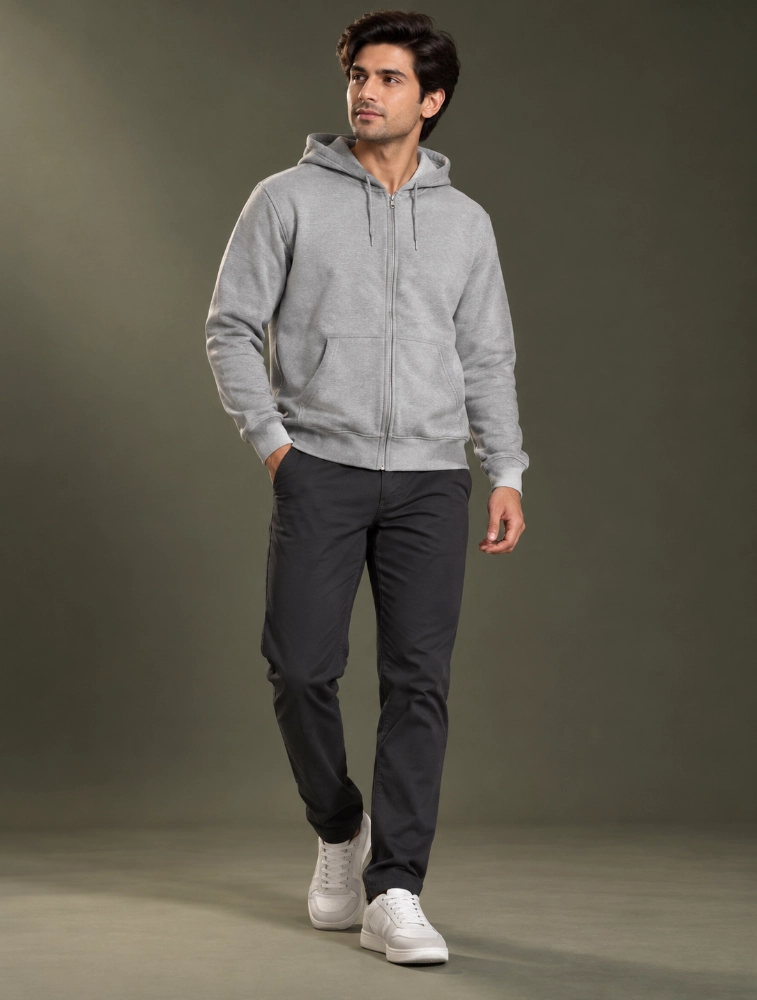
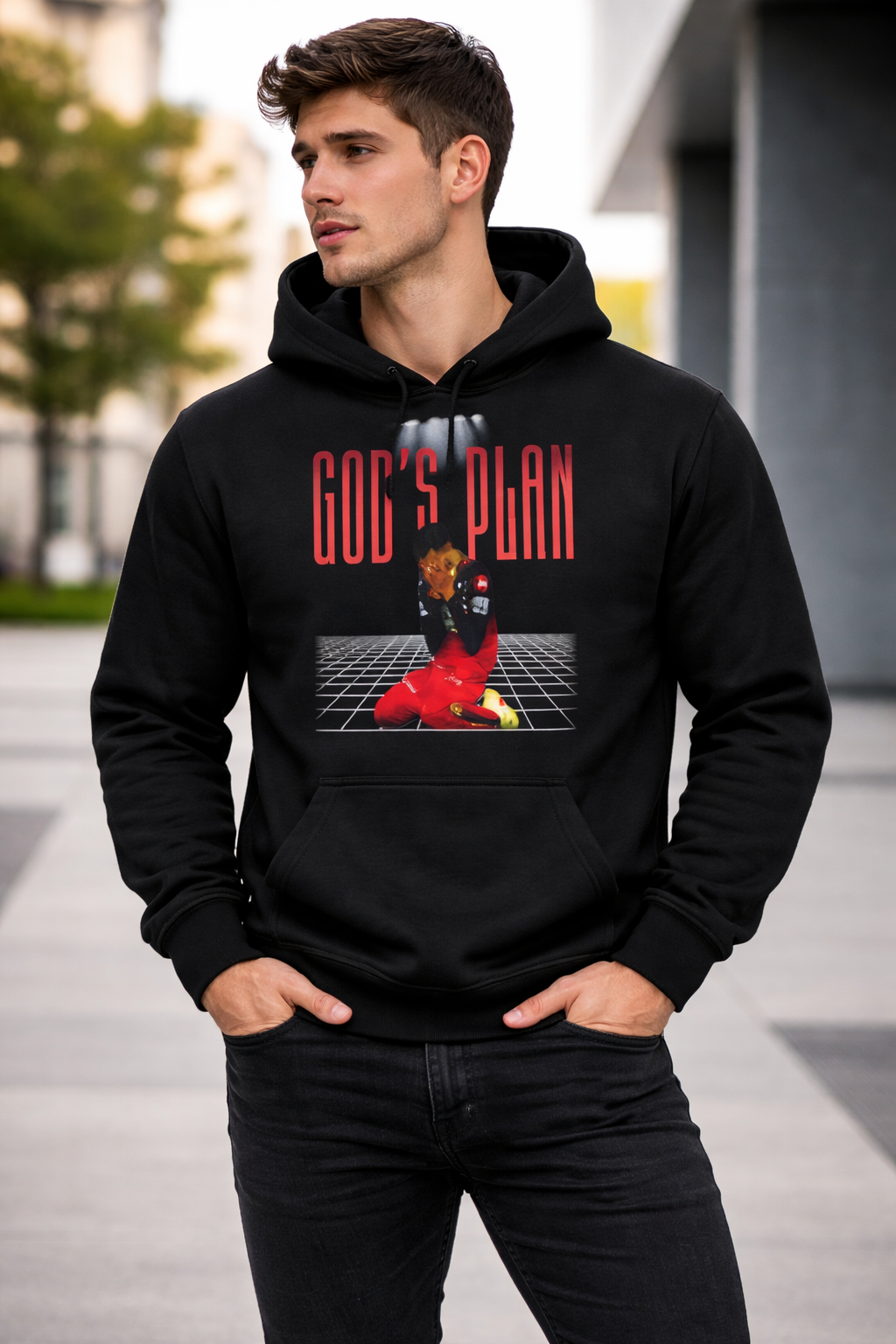
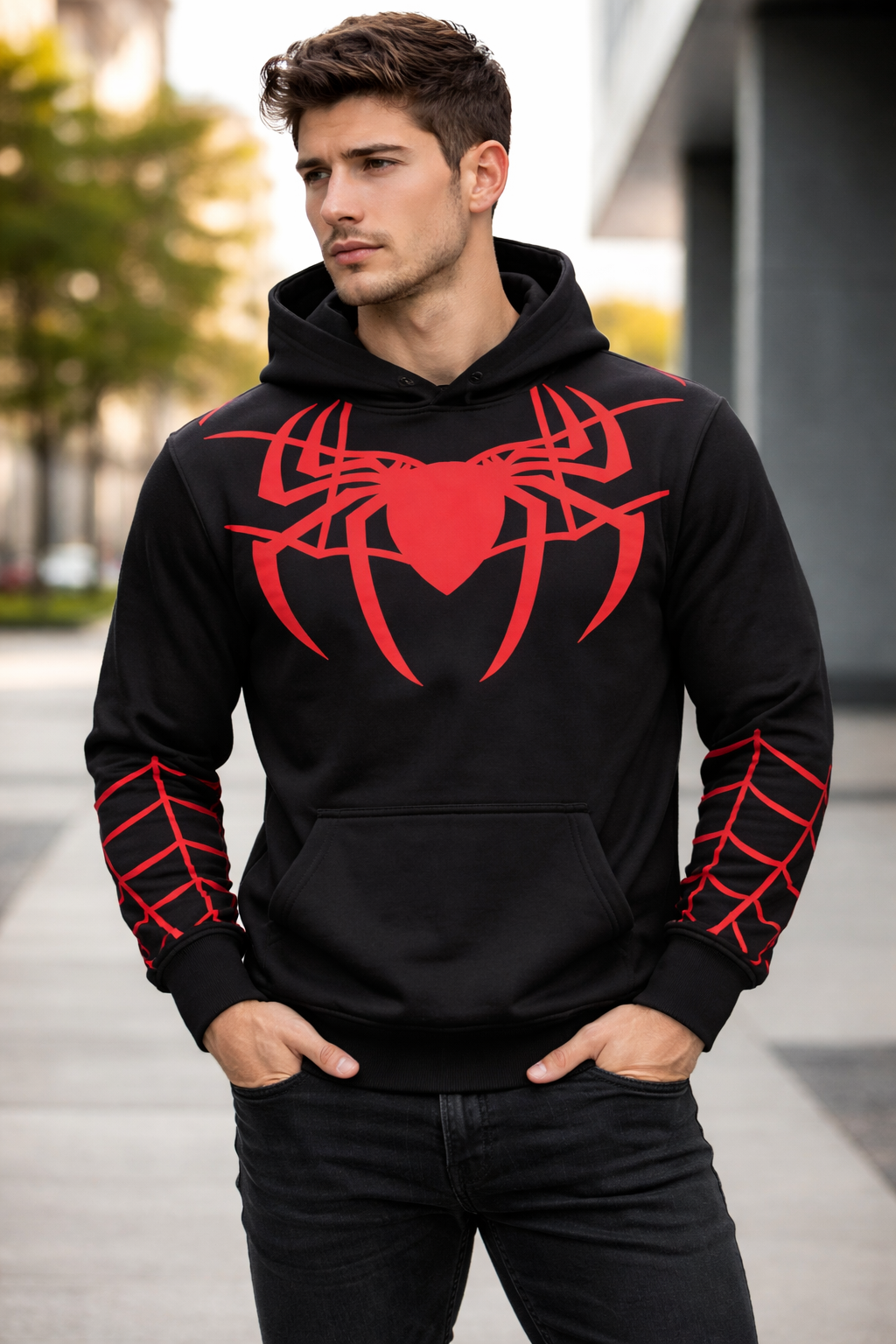
factori.com supplies bulk hoodies from ₹282/piece across 662 partner factories — ready stock and custom programmes with GST invoices.
Prices verified October 2026 · shown excluding GST
₹282Entry price
Same dayDispatch on working days





Page 2 of 3
Bulk hoodies for every use case
Brand-ready hoodies for corporate, retail, uniforms and large custom programmes — sourced across partner factories with published prices.
Corporate & events
Brand-ready hoodies for offsites, launches and conferences.
Get quote →
Uniforms & programmes
Consistent supply for schools, factories and frontline teams.
Corporate uniforms →
Own brand / resale
Unbranded or private-label stock for retail brands.
Launch your store →
Large custom runs
Contract manufacturing for high-volume programmes.
Contract manufacturing →Bulk hoodies — frequently asked questions
What GSM and fleece construction should we specify for bulk hoodies?
factori.com supplies hoodies at 240 GSM and 300 GSM. 300 GSM is the working standard and covers almost every bulk requirement — corporate, campus, uniform and retail. 240 GSM is the lighter option for transitional weather, warmer regions and layering. Below 240 GSM a garment stops performing as a hoodie, and that is where bulk buyers get caught out.
| WEIGHT | CONSTRUCTION | BEST SUITED TO | WHAT THE BUYER NOTICES |
|---|---|---|---|
| 240 GSM | Cotton fleece | Transitional weather, southern and coastal India, indoor campus wear, layering pieces, year-round corporate stock | Lighter drape, less bulk in a courier carton. Comfortable at 18–25°C; thin above that use case. |
| 300 GSM | Polycotton or cotton fleece | The default for corporate, campus, uniform, winter programmes and retail. Both zip and pullover styles. | Reads as a real hoodie. Holds structure through the season, takes embroidery cleanly, survives repeated washing. |
GSM is only half the specification. The other half is what is on the inside. A brushed fleece interior — where the loops are raised and sheared into a soft nap — feels warmer and more premium than an unbrushed loop-knit at the identical weight. Two 300 GSM hoodies can feel like different price categories entirely depending on this. If the hoodie is being bought as merchandise, as a gift, or for anything the recipient chooses to wear, ask for brushed fleece and check it on the sample.
Where bulk hoodie orders go wrong. Buyers who have previously bought t-shirts apply t-shirt logic and specify down on weight to protect the unit price. A hoodie is a cold-weather garment with a price tag several times a t-shirt's, and the recipient's expectation moves with the price. A thin hoodie is judged far more harshly than a thin t-shirt, because it visibly fails at the one job it exists to do. If the budget is tight, reduce quantity or simplify the branding before reducing fabric weight.
Specification
Queries Targeted
hoodie GSM guide, 300 GSM vs 240 GSM hoodie, best GSM for bulk hoodies, fleece fabric hoodie
What does a bulk hoodie cost, and what drives the price per piece?
Bulk hoodies on factori.com start at ₹282 per piece, and the range published on this page runs to about ₹510. Kids polycotton zip hoodies at 300 GSM sit near ₹282–₹351 by age band; adult polycotton at 300 GSM is around ₹376 without a zipper and ₹392 with one; cotton at 240–300 GSM runs from roughly ₹431 to ₹510. Branding, packaging and freight are quoted separately and itemised. Every price is published on this page before you enquire.
Six things move the per-piece price, in roughly this order of impact:
- Fibre. The single largest step on this page. Cotton fleece costs materially more than polycotton at the same weight — compare a ₹376 polycotton hoodie against a ₹502 cotton one at the same 300 GSM. Deciding fibre before anything else is what sets the budget.
- The zipper. A full-length zip adds hardware, a placket, tape and a slider, plus the labour to set it. It is the reason the same 300 GSM polycotton hoodie is roughly ₹376 as a pullover and ₹392 with a zip — and the gap widens on better hardware.
- Size band. Hoodies use meaningfully more fabric than t-shirts, so the price genuinely scales with size. Kids 1–2 years, 2–6 and 7–12 are separately priced for that reason, and plus sizes carry a step of their own.
- Quantity. Setup costs — dyeing, marker making, screens, embroidery digitising — are fixed per style and colour and spread across the run. The drop between 100 and 1,000 pieces is significant.
- Branding. Priced by method and placement. Embroidery on a hoodie costs more than a print and is what most corporate buyers want. Every placement — left chest, full front, sleeve, nape, back — is priced separately.
- Colour and trims. A stocked shade costs less than a custom Pantone lot. Contrast drawcords, custom zipper pullers, printed tape and woven labels each add a small amount that becomes visible at volume.
What a formal quotation contains: the per-piece manufactured price at your quantity, full fabric and trim specification, branding itemised by method and placement, labels and packaging, applicable taxes, freight where relevant, lead time and payment terms. Nothing appears later that was not on the quote. If you are still sizing the order, ask for pricing at two or three volume tiers — the difference usually changes how much you buy.
Specification
Queries Targeted
bulk hoodie price India, wholesale hoodie price per piece, custom hoodie cost bulk, cheap hoodies bulk supplier
Zip-up or pullover — which hoodie style should we order?
Choose a pullover when the hoodie carries a large front design, when it is merchandise or campus wear, or when you want the lowest cost per piece. Choose a zip-up for staff and uniform use, for anything worn over a shirt or another uniform layer, and for corporate gifting, where the ability to take it off without disturbing hair or a lanyard matters more than buyers expect.
The pullover is the cheaper construction — on the same 300 GSM polycotton the difference is roughly ₹376 against ₹392, and it grows with better hardware. It also gives you an unbroken front panel, which is why every large chest print, crest, university logo or streetwear graphic belongs on a pullover. A big design split down the middle by a zip is the most common avoidable branding mistake in hoodie procurement.
The zip-up is the working garment. It is put on and taken off repeatedly through a shift, layers over a uniform shirt or polo without disturbing it, and adapts to a temperature range rather than a temperature. For security staff, facility teams, hospitality, drivers, event crew and anyone moving between indoors and outdoors, the zip is worth its premium. It is also the safer choice for corporate gifting to a group whose preferences you do not know, because a zip-up is worn open as often as closed and suits more body types.
Practical notes that decide the outcome:
- Branding follows the style, not the other way round. On a zip-up your front branding is a left-chest logo or a split design; the full-front real estate is on the back. Decide the style first, then design to it.
- Zip quality is worth specifying. The zipper is the only moving part on a hoodie and the most common failure point in the first season. Ask what is being fitted rather than leaving it to the default, and open and close it twenty times on the sample.
- Split the order where the use case is split. Nothing prevents ordering both styles in the same colour and branding — pullovers for students, zip-ups for staff, for example. Each counts separately toward the 100-piece-per-style-per-colour minimum.
Specification
Queries Targeted
zip hoodie vs pullover bulk, full zip hoodie wholesale, pullover hoodie bulk order, which hoodie style corporate
Cotton or polycotton hoodies — which fabric is right for our order?
Choose polycotton for volume programmes, uniforms, events and anywhere the hoodie is washed often and must keep its shape and colour — it holds size, resists shrinkage and costs roughly ₹376–₹392 at 300 GSM. Choose cotton for retail, brand merchandise, gifting and premium campus lines, where hand-feel is the point and the ₹431–₹510 range is justified by how the garment is received.
Polycotton fleece is the workhorse and the reason most bulk hoodie programmes are specified this way. The polyester content gives dimensional stability, so the garment comes back from the wash the size it went in; it resists shrinkage almost entirely, holds dyed colour through repeated laundering, and dries far faster — which matters for anyone who owns one hoodie and wears it daily. It is also available in the widest colour range on this page, at 19 shades. Its limitation is hand-feel: against cotton fleece it is a slightly less soft garment, and a discerning recipient will notice.
Cotton fleece is the premium option and the correct one when the hoodie is a product rather than an issue. It is softer, breathes better, and has the weight and drape people associate with a good hoodie. The trade-offs are real and should be planned for: it costs meaningfully more, shrinks on first wash unless the fabric is pre-shrunk or compacted, and takes longer to dry. It is also available in the widest shade range on the cotton pullover at 23 colours.
How to decide in one question: is this hoodie being issued or received? A hoodie issued to staff, students or a workforce is laundered hard, worn as equipment and judged on whether it survives — that is polycotton. A hoodie received as a gift, bought at retail, or worn by choice is judged in the first ten seconds by hand-feel — that is cotton. Getting this the wrong way round is the most expensive specification error on this page, in both directions: cotton wasted on a workwear programme, or polycotton handed to a customer who paid for a brand.
Specification
Queries Targeted
cotton vs polycotton hoodie, poly cotton fleece hoodie bulk, best fabric hoodie uniform, hoodie fabric comparison
What should we specify for drawcords, zippers, pockets and ribbing?
Specify five things beyond the fabric: the drawcord and its tipping, the eyelets, the zipper type and hardware, the pocket style, and the ribbing at cuffs and hem. These are roughly a tenth of the cost of a hoodie and account for the overwhelming majority of first-season complaints, because every one of them is a moving or load-bearing part.
Drawcord and eyelets. Flat or round cord, matched or contrast to the body, with metal or self-fabric eyelets and tipped or untipped ends. Untipped cords fray and disappear back into the hood channel within weeks; metal eyelets on a brand garment read better than stitched ones. This is a small cost decision that is highly visible on the garment.
Zipper. On a zip-up hoodie this is the only mechanical component and the most likely thing to fail. Specify the type — standard or chunky, plastic-moulded or metal — and whether the tape colour matches or contrasts. Custom pullers with your logo are available and are a low-cost, high-visibility brand detail. Test the zipper on the sample rather than inspecting it.
Pocket. The kangaroo pouch is standard on pullovers; zip-ups usually take split side pockets. Where the hoodie is workwear, ask about pocket bar-tacking — the reinforcement at the pocket opening — because that seam takes the load every time someone puts their hands in and is where pullovers tear first.
Ribbing. Cuffs and hem should have elastane in the rib. Rib without recovery goes slack after a handful of washes, and a hoodie with baggy cuffs looks worn out while the body is still new. On a garment expected to last a season or more, this is worth confirming in writing.
Matching your brand colour across components. If you are matching a corporate or brand shade, remember that the body fleece, the rib, the drawcord and the zip tape are four different materials taking dye differently. Ask for the shade to be approved across all four on the sample rather than on a fabric swatch alone. Matching across components has to be planned; it does not happen by default, and it is where corporate hoodie orders most often disappoint at delivery.
Specification
Queries Targeted
hoodie drawcord eyelets specification, hoodie zipper quality bulk, kangaroo pocket hoodie, hoodie rib cuff
What hoodie sizes and fits are available, including kids and plus sizes?
Hoodies are available in kids sizing across 1–2, 2–6 and 7–12 year bands, in standard adult sizing, and in plus sizes above that — in both zip and pullover styles. Sizes are pooled within the order minimum, so one order can span the full range in whatever ratio you need, with no per-size minimum. Fits from regular through to oversized and boxy streetwear cuts are made to a supplied or jointly developed measurement chart.
Kids sizing is banded, and priced by band. Unlike adult hoodies, kids hoodies are priced per age band because the fabric consumption differs materially — roughly ₹282 at 1–2 years, ₹313 at 2–6 and ₹351 at 7–12 on 300 GSM polycotton. When budgeting a school or programme order, cost it by band against your actual roll rather than applying one rate across the population.
Plus sizes are a specification, not an afterthought. A plus-size hoodie is graded, not simply scaled, and the difference shows in shoulder drop and body length. If your group includes larger sizes, say so at enquiry rather than adding them after the pattern is set.
On fit. A regular fit suits uniform, corporate and institutional issue. An oversized or boxy cut — dropped shoulder, wider body, shorter relative length — is what retail and streetwear buyers mean by a hoodie now, and it is a different pattern rather than a larger size. If you are producing for resale, supply a reference garment or a tech pack; if you have neither, a competitor's hoodie is enough to work from and we build the specification against it.
Collect actual sizes before ordering. This matters more on hoodies than on any other garment, because unit values are several times higher and a top-up run of forty pieces is proportionally far more expensive. Institutions and companies applying a standard size curve consistently come up short at the top of the range. Where sizes genuinely cannot be collected — open events, retail — we can advise a distribution ratio.
Multi-site orders are delivered pre-sorted: each campus, branch or department receives its own size-graded, labelled cartons.
Specification
Queries Targeted
kids hoodies bulk order, plus size hoodies wholesale, oversized hoodie manufacturer, hoodie size chart bulk
How is branding applied to hoodies, and which method works best on fleece?
Embroidery is the default for corporate and institutional hoodies and the most durable option on fleece. Screen printing suits large flat-colour graphics at volume. DTF handles photographic and multi-colour artwork and per-garment personalisation. Applique and puff print are used where the hoodie is a premium or retail product. Sublimation does not work on cotton or cotton-rich fleece.
Fleece is not jersey, and the method has to account for it. A hoodie surface is thicker, softer and has more give than a t-shirt, which changes how every branding method behaves. Fine detail sinks into the pile, thin lines close up, and a design that printed cleanly on a t-shirt can look muddy on a brushed hoodie. Artwork intended for both garments should be checked on both.
Embroidery is the standard for corporate and campus hoodies. It sits above the pile, reads as premium, and survives the garment. Cost follows stitch count rather than colour count, so a small dense logo can cost more than a large open one. On fleece, backing selection matters — without correct stabilisation, stitches sink or pucker — and text below roughly 5 mm will not resolve cleanly.
Screen printing remains the most economical route for large flat-colour graphics at volume, and is what most campus and event hoodie runs use. On fleece it needs a heavier ink deposit than on jersey, which is a production adjustment rather than a buyer decision.
DTF (direct-to-film) carries gradients, photographs and unlimited colours at no per-colour setup, and handles per-garment variation — names, numbers, departments — which is why it suits smaller runs and personalised programmes.
Applique and puff print are the premium options. Applique — stitched fabric letters or shapes — is the classic collegiate and varsity treatment and is what a campus or alumni hoodie usually wants. Puff print raises the ink for a tactile finish and suits streetwear and retail lines.
Placement is priced separately per position. Left chest, full front, full back, sleeve, hood and nape each carry their own cost, and the hood and nape are hoodie-specific placements worth using. Decide every placement before quotation.
Artwork: vector files (AI, EPS or PDF) with fonts outlined, plus Pantone references. A low-resolution image pulled from a website will not reproduce at garment scale on fleece.
Specification
Queries Targeted
embroidery on hoodies bulk, printing on fleece hoodie, puff print hoodie, custom logo hoodies wholesale
Will bulk hoodies shrink, pill or fade after washing, and how is that controlled?
Shrinkage is controlled at the fabric stage through pre-shrunk or compacted fleece and by building the allowance into the pattern. Pilling is controlled by yarn quality and fabric construction, not by finishing. Fade is controlled by dye selection and colour-fastness testing. All three are decided before cutting begins — none can be corrected after the garments exist.
Hoodies are kept and worn far longer than t-shirts, so they are judged over a season rather than on arrival. Three failures account for almost every complaint, and each has a different cause.
Shrinkage. Cotton fleece shrinks; that is a property of the fibre, not a defect. It is handled by using pre-shrunk or compacted fabric and allowing for residual shrinkage in the pattern, so the garment fits correctly after the first wash rather than before it. Polycotton is far more stable and this barely applies — one of the strongest practical arguments for polycotton on a programme where garments are washed hard. Body length and sleeve length are the dimensions to check, since a shrunk hoodie shows it there first.
Pilling — the small bobbles that appear on the surface after several washes — is the complaint most likely to arrive at week six, and it is decided by yarn and fabric quality rather than by anything done later. It shows up fastest on the areas that rub: under the arms, along the sides, and at the cuffs. If the hoodie will be worn heavily, raise pilling resistance at enquiry stage so it is factored into the fabric selection rather than discovered in service.
Fade. Dark and saturated shades — black, navy, maroon, bottle green — are the ones that fade visibly, and the ones bulk hoodie programmes most often choose. Colour fastness to washing and to rubbing can be tested and reported where the order calls for it, and is worth requesting on any programme that will be re-ordered, because year two has to match year one.
What to do when your sample arrives. Measure it against the size chart, then wash it once at the temperature it will actually see in service and measure again. Ten minutes of checking at sample stage is the cheapest quality control in the entire process. Approving a sample you have not washed is how a shrinkage problem becomes a full-order problem.
Specification
Queries Targeted
hoodie shrinkage after wash, hoodie pilling problem, do hoodies fade bulk order, garment durability testing
When should we place a bulk hoodie order for the winter season?
Place winter hoodie orders by August or September for October to January delivery. Standard production is 15 days where the fabric colour is in stock, 20–30 days where it has to be dyed or sourced, and 25–30 days for complex branding — but fleece capacity across the industry tightens from September, so the gap between an early order and a late one is availability, not just weeks. Ready-stock hoodies dispatch in 7–10 days year-round.
Why hoodies are different from every other garment on this site. T-shirts sell all year and capacity is broadly level. Fleece is seasonal: knitting, brushing and dyeing capacity is committed months ahead, and from September onwards the whole industry is competing for the same machines. An order placed in July is scheduled comfortably. The same order placed in November is scheduled against whatever remains, which narrows your colour options, your fabric choices and sometimes your delivery date.
Work backwards from the date the garments must be in hand, not forwards from the date you want to order. A realistic institutional or corporate timeline looks like this:
- Ten to twelve weeks out — specification agreed, quotation issued, budget approved. This step is the one that slips, and it slips inside your organisation rather than ours.
- Eight to ten weeks out — purchase order placed, sizes collected, artwork supplied in vector format.
- Six to eight weeks out — pre-production sample approved. Wash it before you approve it.
- Two to five weeks out — production, inspection at our fulfilment centre, dispatch.
If you are already late, say so at the first conversation rather than at the purchase order. There are real levers — choosing a stocked colour instead of a custom dye lot removes the longest step, simplifying branding to a single placement removes another, and ready stock is available in 7–10 days where the specification can flex. What cannot be compressed is fabric that has to be knitted and dyed from scratch in December. An honest date at the start is worth more than an optimistic one you plan around.
For annual programmes, consolidate the year's requirement into one order delivered in phases against a single agreed price. You get the volume rate and a secured production slot without holding all the stock at once.
Procurement
Queries Targeted
when to order winter hoodies bulk, hoodie order lead time winter, seasonal apparel procurement planning India
Can factori.com supply hoodies and winter wear against a government tender?
Yes. factori.com supplies government departments, public-sector undertakings and government-funded institutions, and provides the documentation procurement processes require — GST-compliant invoicing, statutory and incorporation documents, technical specification sheets, laboratory test reports and quotations in the format your tender or rate contract demands. Capacity across 600+ partner factories allows large winter-wear quantities and firm delivery schedules to be committed together.
Winter-wear tenders carry a timing risk that summer tenders do not. Fleece capacity tightens from September, and a tender awarded in October for December delivery is competing for machine time against the entire market. Where a tender's schedule is genuinely tight, that will be said during the clarification window rather than discovered after award — a bid that cannot be delivered helps nobody.
What government and PSU buyers typically need, and how it is handled:
- Quotation in the tender's own format, against the tender specification rather than our catalogue, with per-item rates and the technical compliance statement completed as required.
- Technical compliance against a written specification — fibre composition, GSM, fleece construction, colour, measurement chart, trims, branding and packing. Where a specification is ambiguous or internally inconsistent, we will say so during the clarification window.
- Test reports and samples for technical evaluation, produced to the tender specification ahead of submission.
- Vendor empanelment and registration documents for your procurement system.
- Phased delivery across districts, offices or institutions, each consignment size-graded and labelled to its destination — which matters on winter distribution schemes covering a wide geography.
Scale is generally not the constraint. Large tender quantities are allocated across multiple audited partner factories running in parallel rather than queued through a single unit, which is what allows both the quantity and the date to be committed. Goods are consolidated and inspected at our own 1.5-acre fulfilment centre in Bengaluru before dispatch, so the entire quantity is checked against one approved standard regardless of how many factories produced it.
If you are at pre-tender stage, send the draft specification for technical review before publication. Winter-wear specifications frequently name a GSM and a fibre combination that cannot coexist, or a delivery window the season cannot support. Both are cheaper to identify before the tender is floated. For tender enquiries call +91 874 707 1444 with the reference and closing date.
Procurement
Queries Targeted
winter wear tender supplier India, hoodie supplier government tender, bulk sweatshirt tender vendor, rate contract winter garments
How do schools and colleges order hoodies for students and campus programmes?
Campus hoodie orders split into two very different things: institutional issue, where the school buys and distributes, and student merchandise, where the batch, department or students' union sells to its own members. The specification, the size approach and the money flow are different for each, and the most common failure is running one as though it were the other. Kids sizing spans 1–2, 2–6 and 7–12 year bands; adult sizing covers senior students and staff.
Institutional issue — house hoodies, sports kits, uniform winter layers. Bought against a session budget, distributed rather than sold, and washed hard. Polycotton at 300 GSM is almost always the right specification: it holds size and shade through the season and through the next student who inherits it. Collect actual sizes rather than applying a curve, and price by age band, since kids hoodies are separately priced at roughly ₹282, ₹313 and ₹351 across the three bands. Order against the session calendar working backwards from the in-hand date, and place it by August or September — fleece capacity tightens from then.
Student merchandise — batch hoodies, department hoodies, fest and alumni merchandise. These are chosen, paid for and worn by the student, so they are judged as products. Cotton fleece, applique or embroidered lettering, and an oversized or boxy cut are what this buyer actually wants, and the price difference is accepted because the garment is voluntary. Names, roll numbers or batch years on individual garments are handled through DTF, which carries per-garment variation at no per-colour setup.
Run the size collection as a form, not an estimate. Where students are paying, collect size with payment — it removes the entire problem. Where the institution is issuing, a two-day internal form beats the top-up order it prevents. Hoodie unit values are several times a t-shirt's, so being short at the top of the range is proportionally far more expensive to fix.
Repeat consistency. Where a house or campus hoodie is re-issued each session, approve the shade and specification once and we hold the approved standard on record, so year three matches year one. Institutions that rebrief colour and fabric each year are the ones whose garments visibly drift.
Documentation: GST-compliant invoicing, specification sheets, test reports and formal quotations on letterhead for governing-body or grant approval, plus vendor registration formats for institutional procurement systems.
Procurement
Queries Targeted
school hoodies bulk order, college hoodies bulk India, campus merchandise hoodies, batch hoodies supplier
How do corporates order branded hoodies for employees, gifting and events?
Corporate hoodie orders are usually fixed to a date — an offsite, a launch, an onboarding cohort, a winter gifting cycle — so the process runs backwards from the in-hand date. Tell us the date garments must be in hand rather than when you want to order, and we will confirm before you commit whether it is achievable and what specification it allows. Multi-location companies receive pre-sorted, labelled cartons per office.
A hoodie is the highest-retention corporate garment there is, and that changes the calculation. A branded t-shirt is worn at the event; a good hoodie is worn for two winters, in public, by choice. That is a great deal of brand exposure per piece, and it is only earned if the garment is good enough to be chosen off the shelf. This is the item on which specifying down to protect the unit price is most clearly false economy — an employee will simply not wear a thin, scratchy hoodie, and the entire spend produces nothing.
Specification for the occasion. For staff issue, facility teams and anyone wearing it on duty, 300 GSM polycotton in a zip-up holds up to daily wear and hard laundering. For gifting, onboarding kits, leadership offsites and anything an employee is meant to want, cotton fleece with embroidery is the right call — the per-piece step from roughly ₹376 to ₹502 is small against the difference in whether it gets worn.
Brand compliance. Send your brand guidelines with the enquiry, not the artwork alone. Logo lock-ups, clear space, permitted colourways on dark and light garments and Pantone references all affect production, and marketing teams routinely reject a first sample over a detail that was in the guidelines but not in the brief. On a hoodie, remember that the body fleece, rib, drawcord and zip tape take dye differently — if the corporate shade must carry across all four, say so upfront.
Sizes. Collect actual employee sizes. A two-day internal form is faster than the re-order it prevents, and corporate orders using a standard ratio consistently run short on larger sizes. Plus sizes are graded rather than scaled, so flag them at enquiry.
Delivery. One location or split across offices, each carton size-graded and labelled to its destination, so local HR and admin teams distribute rather than sort. For onboarding kits, hoodies can be supplied individually polybagged and labelled by size, ready to drop straight into a kit.
Place winter gifting orders by August or September — fleece capacity tightens from then, and December requests arrive with the fewest options.
Procurement
Queries Targeted
corporate hoodies bulk, branded hoodies for employees, company hoodies custom bulk, corporate winter gifting apparel
Can brands manufacture private-label hoodies with their own fit and labels?
Yes. Hoodies are manufactured under your own brand with your neck labels, care and content labels, size labels, hang tags, barcode and MRP stickers and printed packaging — no factori.com branding anywhere on the garment, the tags or the packing. Your own fit, fabric weight and trims are made to a supplied tech pack or one we develop with you, and goods arrive retail-ready or marketplace-ready.
For a hoodie brand, the fit is the product. Two labels selling 300 GSM cotton fleece are not selling the same hoodie if one is a regular fit and the other has a dropped shoulder, a boxy body and a shorter relative length. That pattern is where a streetwear brand's identity actually lives, and it is developed rather than picked from a catalogue. If you have a tech pack, we work to it. If you do not, a reference garment — including a competitor's — is enough to start, and we build the working specification and produce a sample against it for your approval.
What brands typically specify:
- Construction and fit — body weight and fleece type, brushed or unbrushed interior, regular or oversized block, hood shape and depth, rib composition, pocket style.
- Trims as brand detail — custom zip pullers, tipped drawcords in a signature colour, contrast tape, metal eyelets. These are inexpensive per piece and are what separates a branded hoodie from a blank with a logo on it.
- Labelling — woven or printed neck labels, or a printed tagless neck for a cleaner finish; care and content labels with the statutory wording for the market you sell in.
- Retail presentation — hang tags to your artwork, MRP and barcode stickers, individual polybags with the declarations e-commerce requires, and carton labelling to the packing format of the marketplace or 3PL you ship into.
Launch quantities are workable. The 100-piece-per-style-per-colour minimum lets a new label launch a hoodie line across a few colours and a full size range without committing to thousands of units of unsold inventory — which matters more on hoodies than on any other category, because the per-unit capital tied up in unsold stock is several times higher.
Repeat consistency is what makes a supplier worth keeping. Once your first order is approved, the specification, shade, trims and fit are held on record, so run two matches run one. A customer reordering the same hoodie in the same size expects the same garment, and variation between runs generates returns and reviews that cost far more than the fabric saving behind them.
Your designs remain yours — artwork, patterns and specifications you supply are used only for your orders.
Procurement
Queries Targeted
private label hoodie manufacturer India, custom streetwear hoodie manufacturer, heavyweight hoodie manufacturing, D2C hoodie production
How do retailers and wholesalers buy hoodies in assorted sizes and season lots?
Sizes are pooled within the order minimum, so a lot can be assorted across the full size range in whatever ratio sells for you, at no extra cost and no per-size minimum. Ready-stock hoodies dispatch in 7–10 days for in-season top-ups; contract manufacturing at 15–30 days gives you your own specification, colours, fits and labels — and needs to be committed by August or September.
Hoodies are a season business, and that is the whole game. Unlike t-shirts, the selling window is finite — roughly October to February across most of India, longer in the north, shorter in the south and on the coast. Everything about how you buy should follow from that: commit your core season requirement early when capacity, colours and price are all favourable, and keep the ability to top up in-season from ready stock when you see what is actually moving. Retailers who wait for the season to start before committing get whatever the market has left, at the moment the market is tightest.
For retailers, the practical advantage is buying to your sell-through rather than a supplier's carton. If your store moves L and XL fastest, weight the lot that way rather than accepting an even split and marking down the tail in February — and on hoodies that tail is expensive, because the unit values are several times a t-shirt's and unsold stock sits for eight months before it is seasonal again. Garments can be supplied retail-ready: individually polybagged, hang-tagged, with MRP and barcode labels applied, so stock goes to the floor without repacking.
For wholesalers and distributors, the economics sit in the tiers. Per-piece price steps down meaningfully between 100, 1,000 and 10,000 pieces, because setup cost is fixed per style and colour and spreads across the run. Consolidating a season's requirement into fewer, larger orders across the same styles and colours materially improves landed cost — and it can still be delivered in phases against a single agreed price, so you get the volume rate without financing the whole season's inventory in one go. On a seasonal category with a fixed selling window, that phasing is worth as much as the discount.
Margin comes from specification control. Buying finished hoodies from a trader means paying a markup on somebody else's specification, with no ability to change the fleece, the fit or the trims, and no recourse on a standard that was never agreed. Buying manufacturing means the specification is yours, the price is built from material and conversion cost rather than a reseller's margin, and the quality standard is a physical sample you approved.
Mixed-style orders are counted per style and per colour, so one consignment can combine zip and pullover styles across several colours.
Procurement
Queries Targeted
wholesale hoodies bulk India, assorted hoodie lots, hoodie supplier for retailers, ready stock hoodies wholesale
What is checked on a hoodie before dispatch, and what if the order is wrong?
Bulk is inspected against your approved pre-production sample at our own fulfilment centre before dispatch, so garments that do not match the standard are corrected or replaced before they ship rather than discovered by you on delivery. Partner factories are paid only after that inspection clears — the mechanism that makes the standard enforceable rather than aspirational.
The sample is the contract. A pre-production sample is made to your exact specification — your fleece, GSM, colour, trims, labels and branding in the correct positions — and you approve it before bulk begins. That physical garment, not a written specification, is what the order is judged against. Written specifications are interpretable and garments are not: “heather grey” is arguable, an approved sample is not. Sample charges are credited back against the bulk order.
What is checked on a hoodie specifically:
- Measurements against the agreed size chart — chest, body length, sleeve length, shoulder, plus hood height and width, which are hoodie-only dimensions and are where a wrong pattern shows first.
- Fabric — GSM verification and shade consistency across the lot, including between dye lots where an order spans more than one.
- Trims — zipper operation tested rather than inspected, drawcord length and tipping, eyelet setting, rib recovery at cuffs and hem.
- Construction — seam and stitch quality, hood attachment, pocket bar-tacking, and the shoulder and armhole seams that take the load on a heavy garment.
- Branding — print or embroidery placement, alignment and durability, checked across the run rather than from the top carton.
- Labels and packing — label accuracy and wording, polybagging, carton marking and size grading.
If something is wrong, raise it with your point of contact with photographs and the specific garments and cartons affected. Goods that do not conform to the approved sample are our responsibility to put right; the remedy depends on the deviation and how it affects use, and is agreed with you rather than imposed. Commercial terms, specification and delivery commitment all sit in the purchase order, so this rests on a written agreement rather than goodwill.
What reduces the risk to near zero, in order of impact: approve the sample properly rather than quickly — measure it, work the zip, check the shade in daylight, and wash it once. State every requirement at enquiry, particularly trims, laundering conditions and packing formats. And put the specification in writing. Almost every bulk apparel dispute originates in an assumption nobody wrote down, on either side.
For ordering, payment terms, export and company-level questions, see the FAQ on our home page. For t-shirt-specific guidance, see the bulk t-shirts page.
Procurement
Queries Targeted
hoodie quality check bulk order, garment inspection before dispatch, what if bulk order is wrong, QC bulk hoodies
From ₹282excl. GST
View cart & checkout ›