Choose your delivery location
Enter a 6-digit Indian PIN code to see delivery options for that area.
Currently delivering to Bengaluru 560105
Ready stock & made to order
Bulk sleep & lounge wear
factori.com supplies bulk sleep & lounge wear from ₹102/piece across 662 partner factories — ready stock and custom programmes with GST invoices.
Prices verified October 2026 · shown excluding GST
₹102Entry price
Same dayDispatch on working days
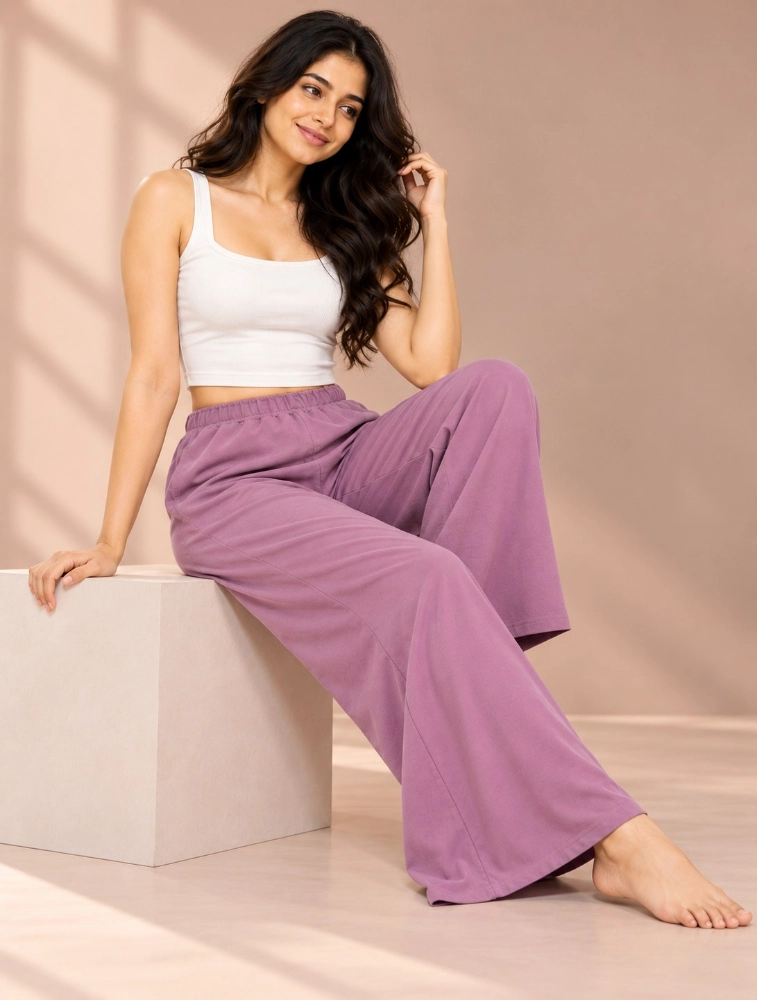




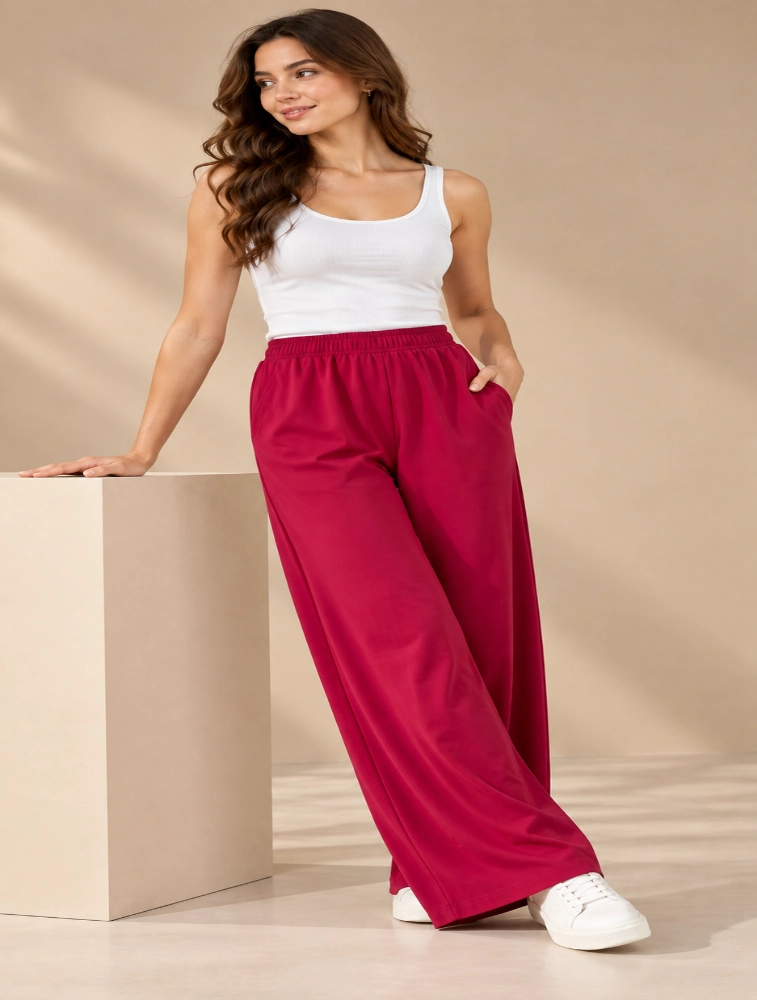
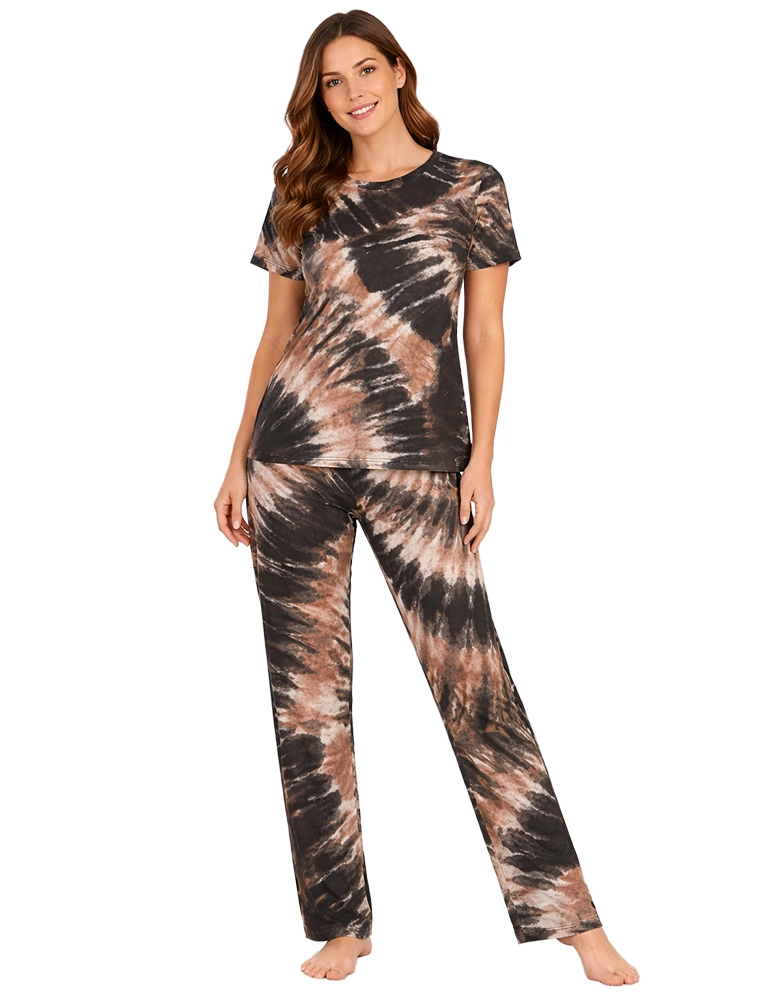
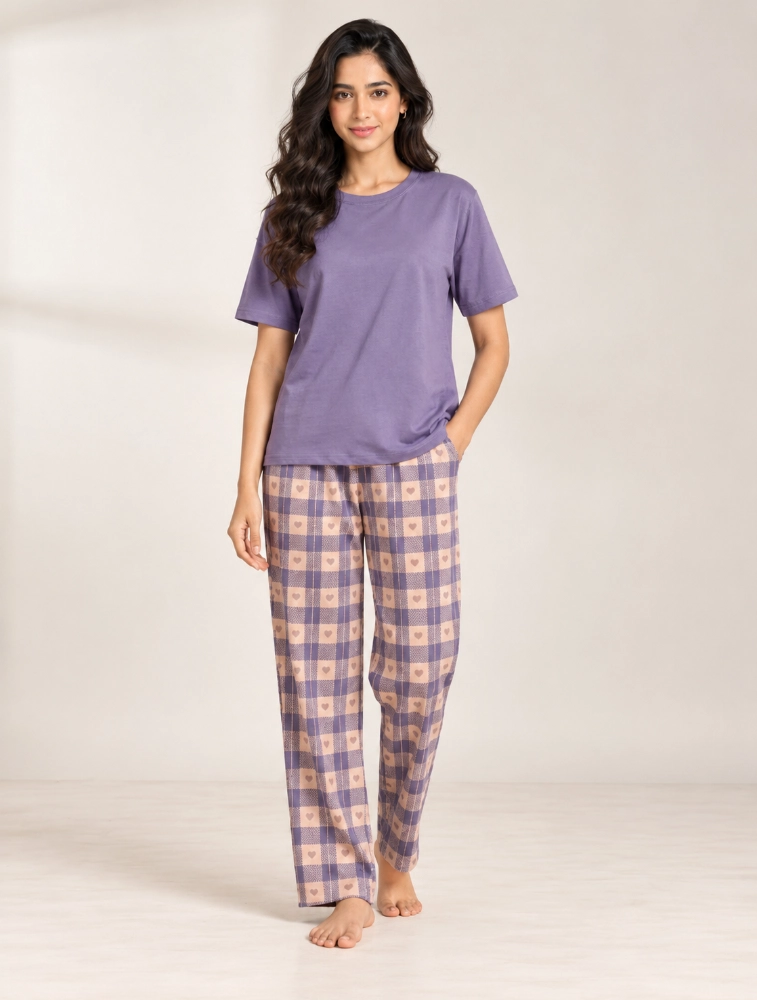


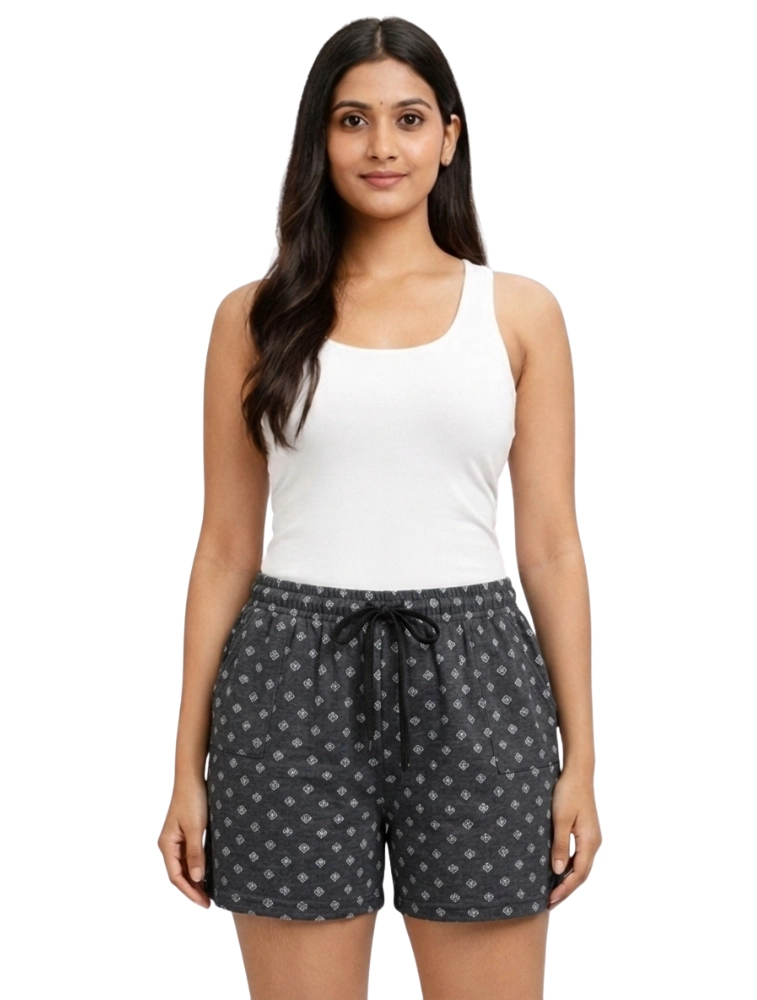
Grey Melange Womens Floral Printed Polycotton 120 GSM Shorts with Pocket
4.4274 ratings
₹110.00/ piece
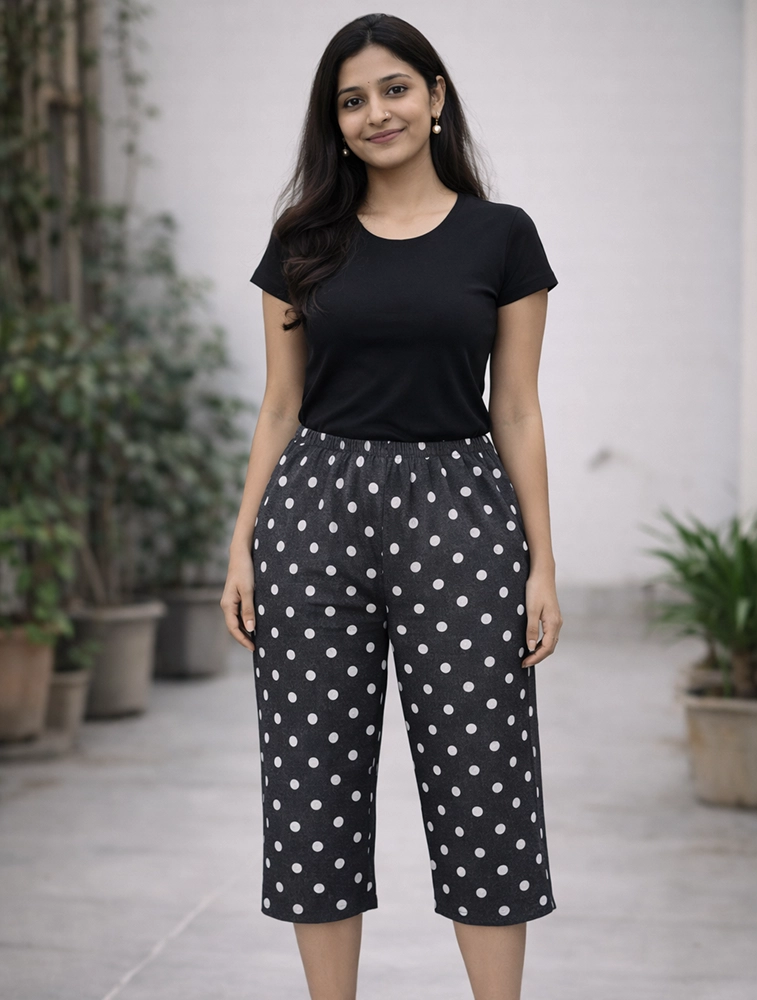
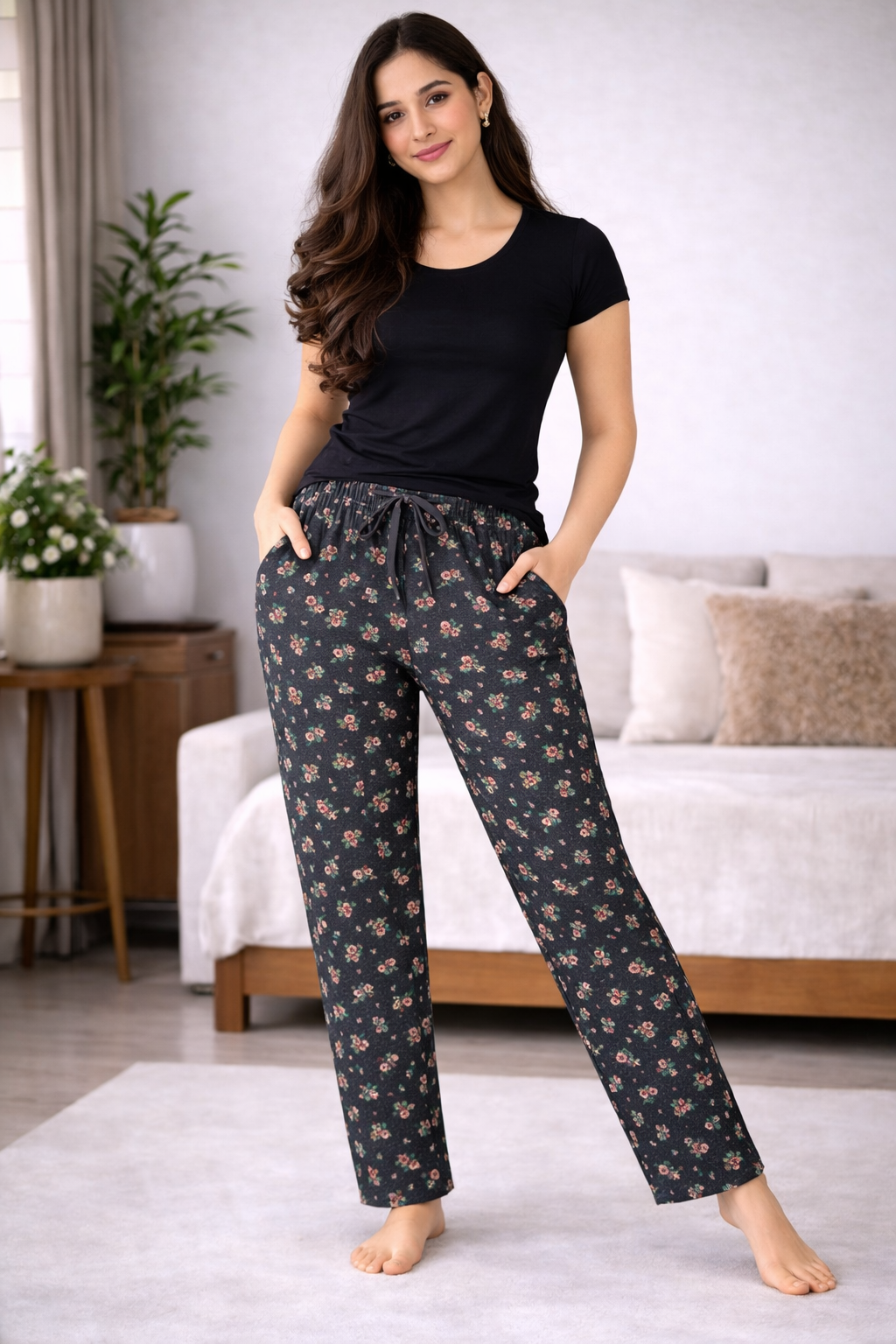
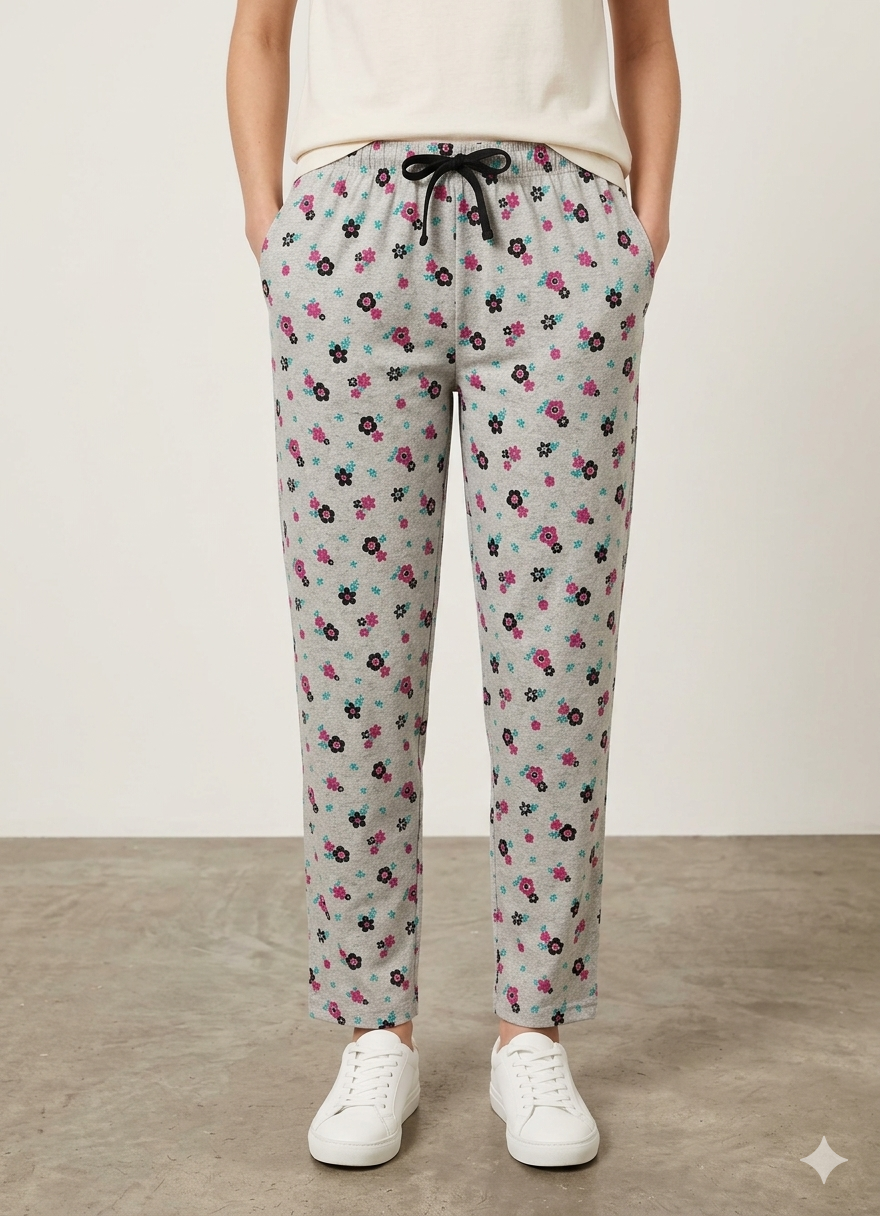
Anthra Melange Womens Floral Printed Polycotton 120 GSM Lounge Pant with Pocket
4.4141 ratings
₹167.00/ piece
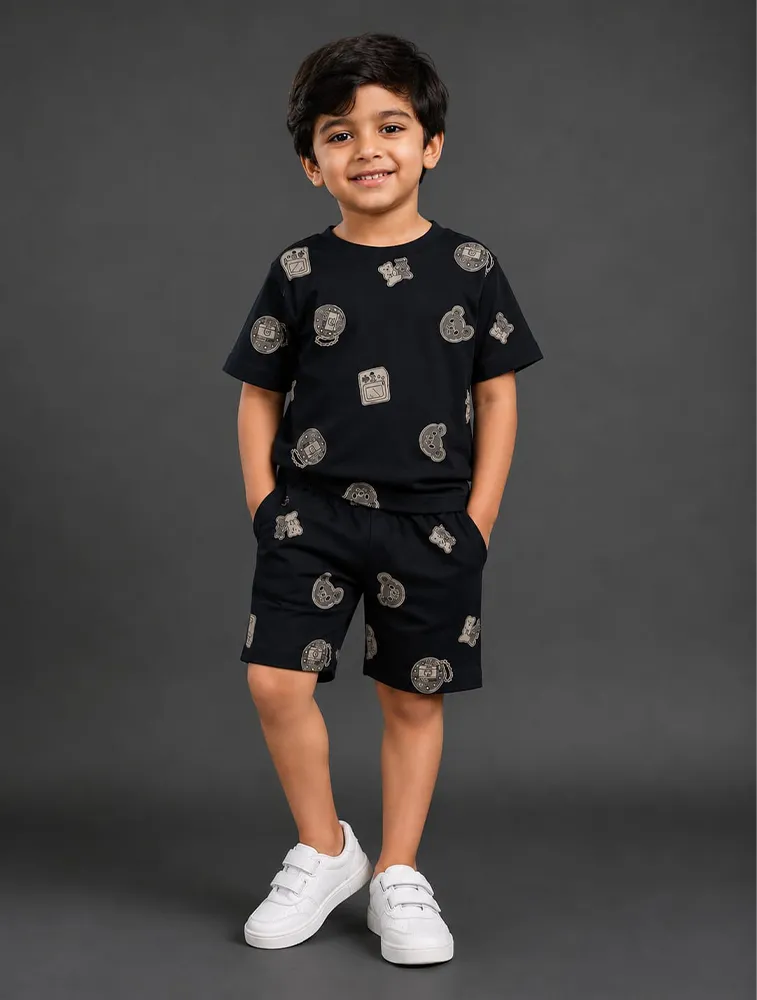
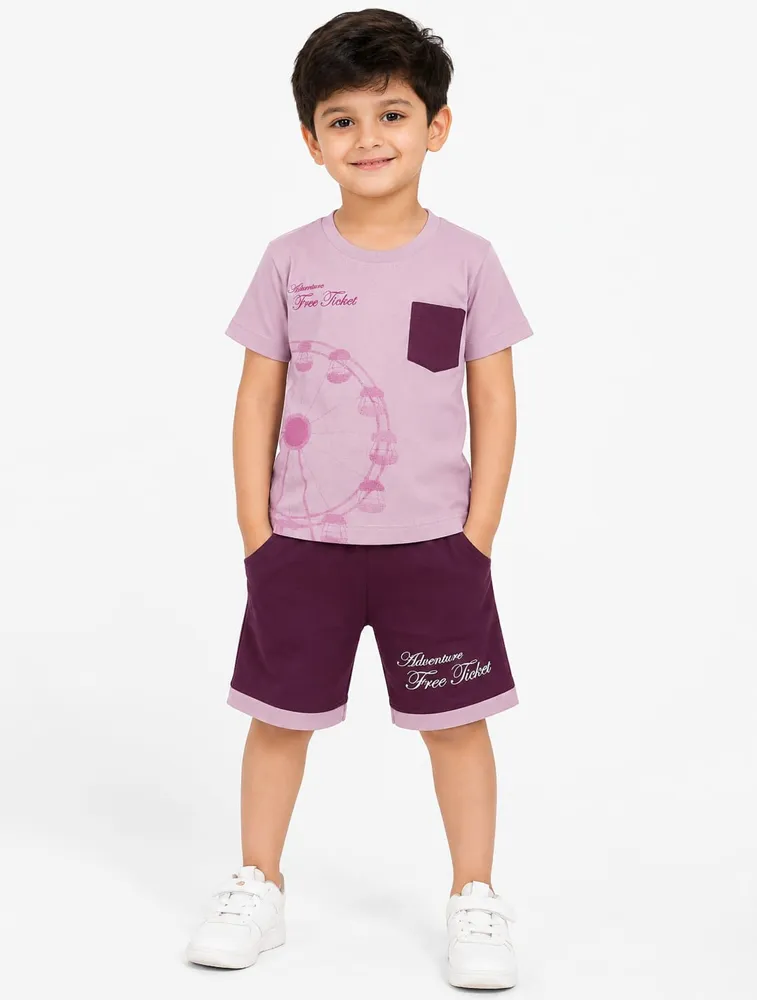
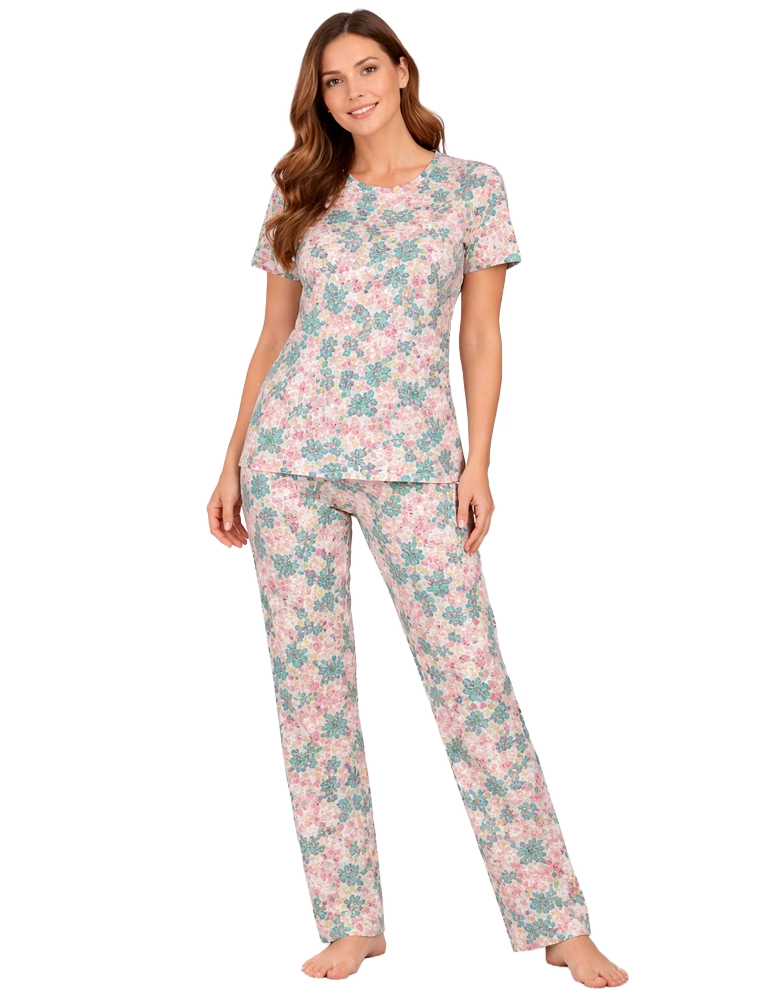
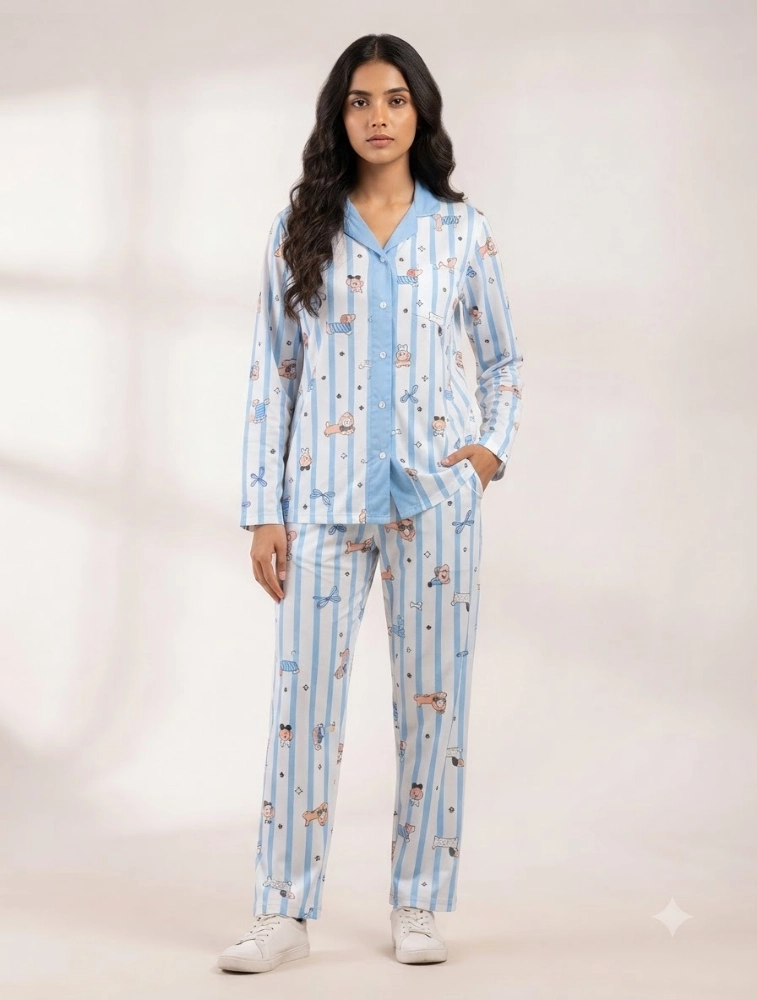

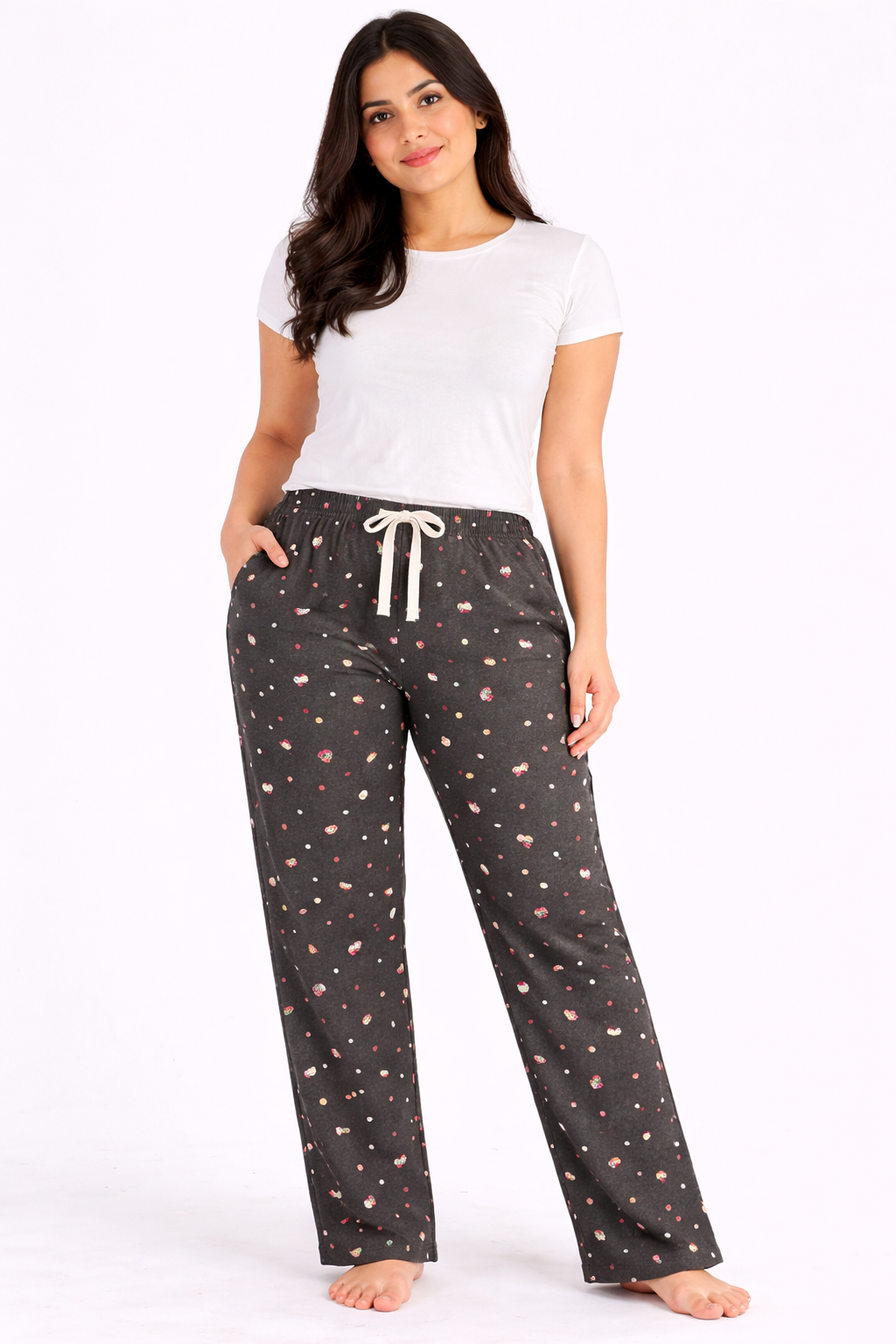
Anthra Melange Womens Floral Printed Polycotton 120 GSM Shorts with Pocket
4.4141 ratings
₹110.00/ piece
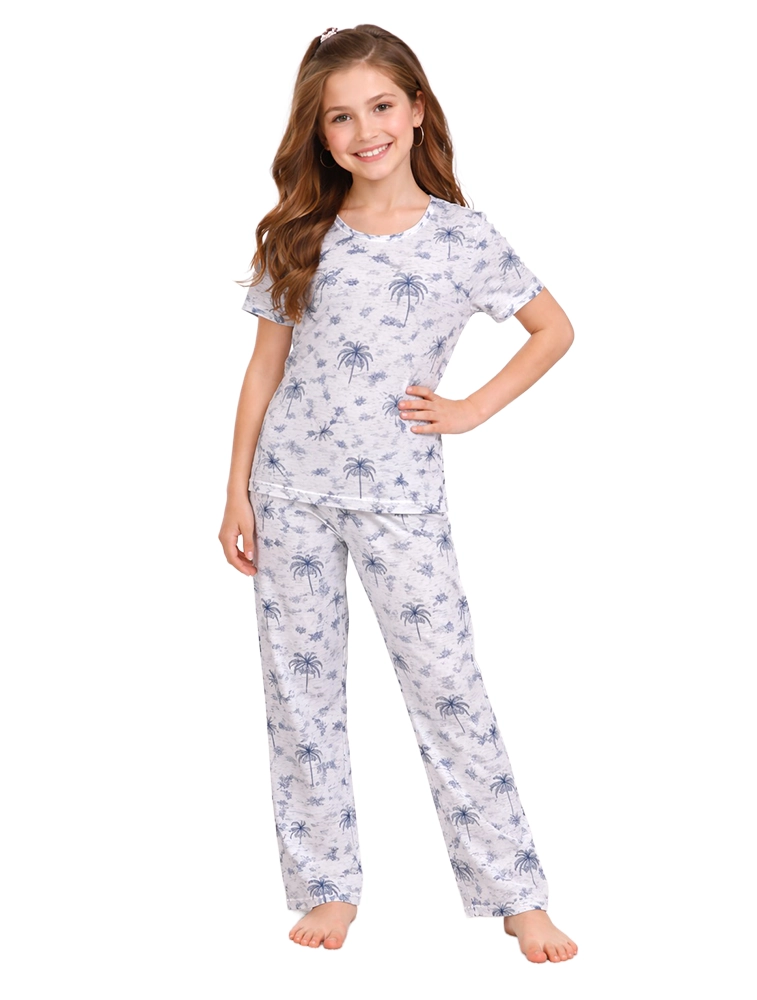
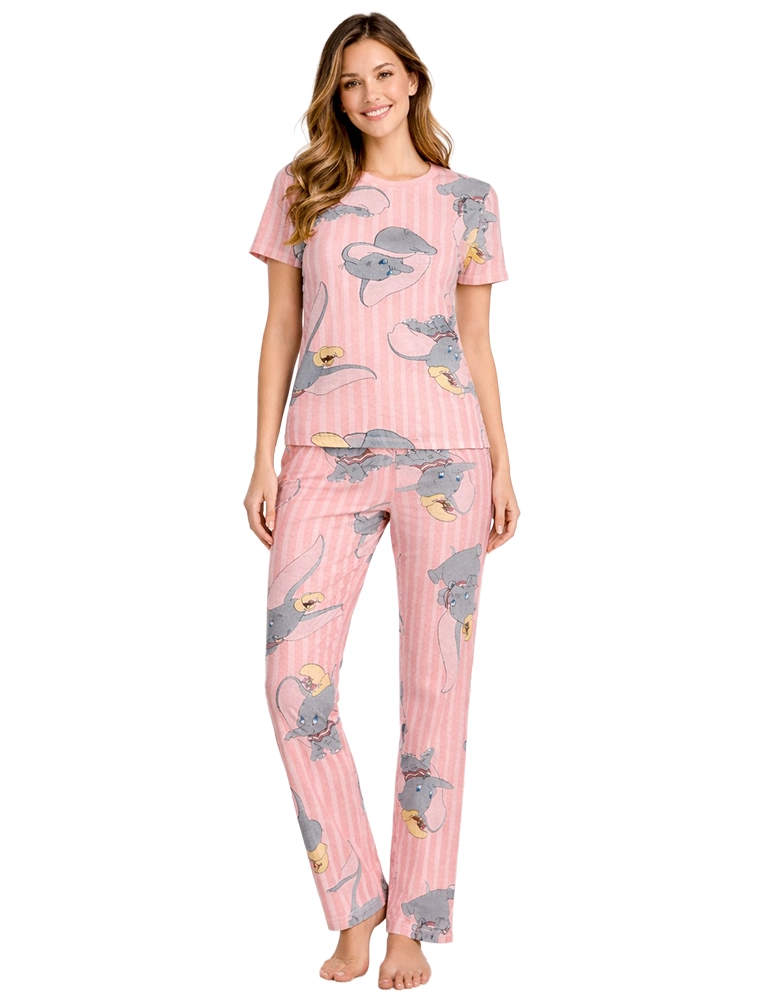

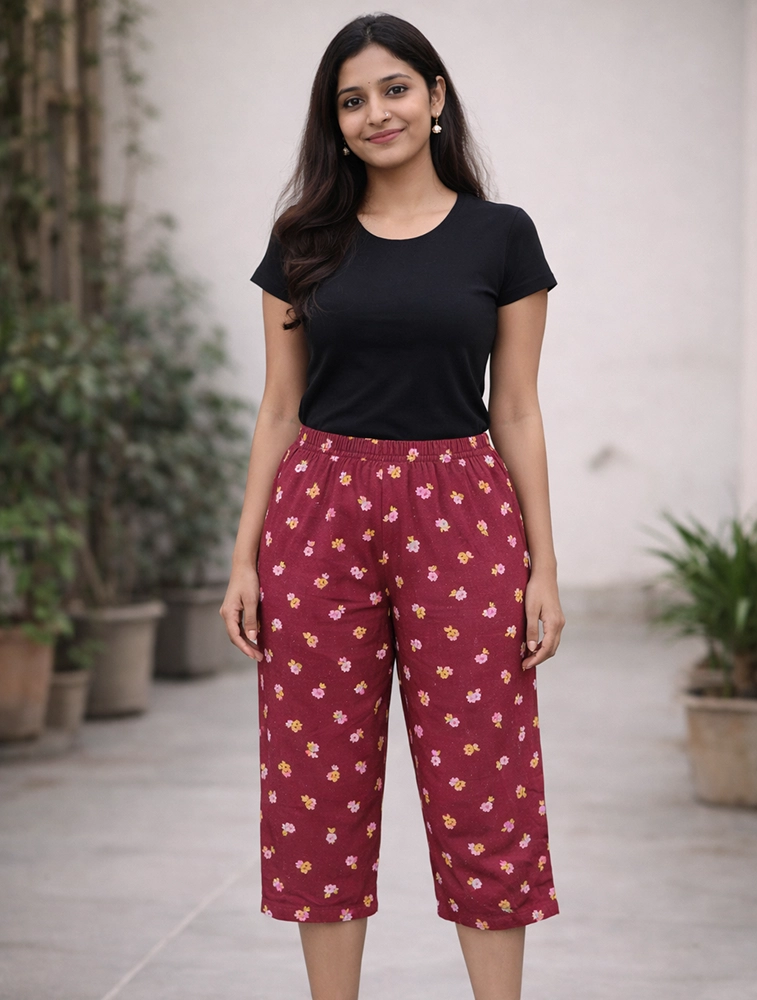
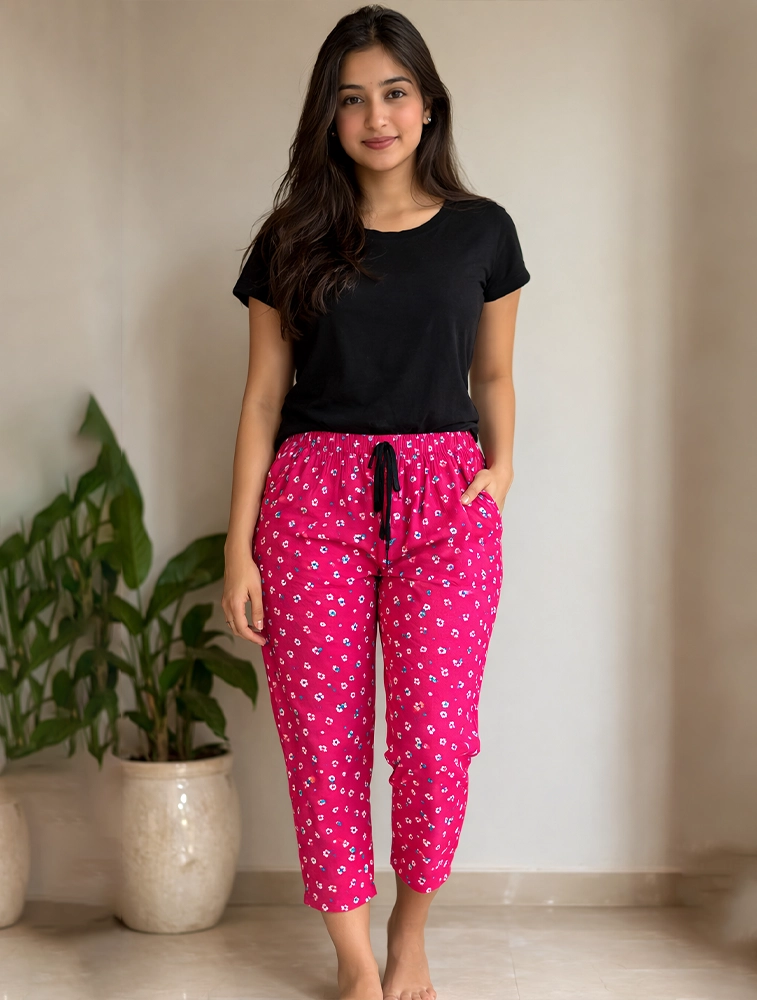
Page 5 of 10
Bulk sleep & lounge wear for every use case
Brand-ready sleep & lounge wear for corporate, retail, uniforms and large custom programmes — sourced across partner factories with published prices.
Corporate & events
Brand-ready sleep & lounge wear for offsites, launches and conferences.
Get quote →
Uniforms & programmes
Consistent supply for schools, factories and frontline teams.
Corporate uniforms →
Own brand / resale
Unbranded or private-label stock for retail brands.
Launch your store →
Large custom runs
Contract manufacturing for high-volume programmes.
Contract manufacturing →Bulk sleep & lounge wear — frequently asked questions
What sizes do these come in, and how do I write a size break for a bulk order?
Read the size field on the exact listing before you write anything, because five sampled product pages on this category publish five different size vocabularies. One offers S to 2XL, one offers only 4-XL and 5-XL, one offers the single entry 3-XL, and a girls’ set offers twenty options at once.
Sizing is the field that decides whether a bulk order can be received, counted and issued. It is also the field this category handles least consistently, and the inconsistency is not visible from the grid.
What the five sampled pages actually publish
The Rs 102 men’s cotton casual short, SKUFACTORI6988, publishes S, M, L, XL, 2XL. The Rs 110 women’s polycotton short with pocket, SKUFACTORI5329, publishes 4-XL and 5-XL and nothing else. The Rs 160 women’s lounge pant, SKUFACTORI5453, publishes the single entry 3-XL. The Rs 149 boys’ lounge set, SKUFACTORI6478, publishes S, M, L, XL, 4-5yrs — four adult letters and one age band on the same children’s garment. The Rs 149 girls’ co-ord set, SKUFACTORI6982, publishes twenty entries in one list: S, M, L, XL, 2XL, XS, 3-XL and thirteen consecutive age bands from 1-2yrs to 13-14yrs.
Why a letter on its own is not a size
IS 14453:1997, which is identical to ISO 3635:1981, defines a control dimension as those body measurements, in centimetres, on which a sizing system is built, and that are used to assign an appropriately sized garment to a wearer. For nightwear covering the whole body, IS 14484:1997 — identical to ISO 4415:1981, and covering men’s and boys’ underwear, nightwear and shirts — names chest girth and height. IS 14454:1997, identical to ISO 4416:1981 and covering women’s and girls’ underwear, nightwear, foundation garments and shirts, names bust girth and height. Both standards state that the size designation shall be indicated clearly, conspicuously and in plainly legible form on a label, or on a swing ticket, or on both. A letter with no body dimension behind it does not carry that information, and this page publishes no dimension behind any letter.
What to ask for before you commit
Ask for a measurement chart in centimetres, per style, per size, stated against the two control dimensions that apply to that garment class, plus the grading tolerance the factory works to. Ask for the same chart in the finished garment measurements you will actually inspect against, because a body chart and a garment chart are different documents and a receiving team measures the second one. Whether any size-marking rule binds your own onward sale is a question for your own counsel, and nothing here is advice on it.
How to write the break itself
Write it as four columns — style, colour, size, quantity — with one row per combination and a total that reconciles to the purchase order quantity exactly. Do not write “assorted”. Assortment is how a consignment arrives as three thousand pieces of the wrong shape, and it is the single most common reason a bulk apparel order is technically delivered and commercially useless.
Then attach that grid to the approved pre-production sample, so the sample and the size chart are one document rather than two that can drift apart.
SIZING, Fabric & SpecQueries Targetedsleepwear size chart bulk India, lounge wear size break wholesale, night suit sizes bulk order
The category is called Sleep & Lounge Wear but most of it looks like shorts. What is actually here?
Ninety products across three pages, and the cheaper two thirds of them are casual shorts and capri pants rather than sleepwear. Prices run from Rs 102 to Rs 167. The first item whose own name says sleep or lounge appears at Rs 149, roughly halfway up the ladder by price.
If you arrived here searching for night suits, this is worth two minutes before you brief a buyer, because the category label and the catalogue behind it are describing different things.
What the ninety listings break down into
By published name they fall into eight groups. Men’s cotton casual shorts at Rs 102 and Rs 103. Women’s floral or plain printed polycotton 120 GSM shorts with pocket at Rs 110. A men’s cotton comfort fit short at Rs 118. Women’s polycotton 120 GSM capri pants at Rs 131 and, with a pocket, Rs 144. Men’s cotton three-quarter shorts with drawstring at Rs 134. Boys’ and girls’ printed co-ord sets and lounge sets at Rs 149 and Rs 150. Women’s polycotton 120 GSM lounge pants at Rs 160, and with a pocket at Rs 166 and Rs 167.
Where the sleep part starts
Only two of those eight groups carry sleep or lounge in the product name at all: the children’s sets and the women’s lounge pants. Everything below Rs 131 is a short. A buyer sorting this category low to high, which is how it is sorted by default, sees six screens of shorts before reaching anything a hostel warden or a hotel housekeeper would recognise as sleepwear. Nothing on the page is a nightdress, a robe, a dressing gown or an adult two-piece night suit.
Why the naming matters commercially
Search demand for bulk night suits, hostel night wear and hospital patient lounge sets is a different demand pool from bulk cotton shorts, and it converts differently, because the buyer is procuring for a sleeping population rather than a moving one. A page that answers the first query with the second catalogue loses the visitor and teaches the search engine that the two are interchangeable. They are not, and the next section of this FAQ shows that the customs schedule does not treat them as interchangeable either.
What to do with that if you are buying today
Treat the page as two catalogues sharing one URL. If you are buying leisure bottoms in volume, everything from Rs 102 upward is on the table and the size question in the previous answer is your first job. If you are buying sleepwear proper, start at the children’s sets and the lounge pants, and ask your account manager directly for the adult two-piece and robe ranges rather than assuming their absence here means they cannot be made.
The catalogue is real and the prices are published. It is the label above it that is doing more work than it can carry.
SIZING, Fabric & SpecQueries Targetedbulk lounge wear India, wholesale night suits bulk, sleepwear manufacturer India bulk shorts
We are buying children’s night sets for export. What flammability rules exist in the destination markets?
Three destination regimes regulate children’s sleepwear specifically: the Nightwear (Safety) Regulations 1985 in the United Kingdom, 16 CFR Parts 1615 and 1616 in the United States, and BS EN 14878:2007 in Europe. This page sells to 132 countries and names none of them, so raise this before you order.
This is the single most consequential answer on this category, and it is the one a buyer of children’s sets is most likely to skip. Read it in full. Nothing here is a statement about any factori garment; it is a statement about what the published instruments say.
What the United Kingdom instrument requires
The Nightwear (Safety) Regulations 1985, SI 1985/2043, split children’s nightwear into two treatments. Regulation 4(1) requires children’s nightwear excluding pyjamas, babies’ garments and cotton terry towelling bath robes to be made from fabric meeting the flammability performance requirements, tested after the washing procedure in regulation 11. Regulation 4(2) instead requires that pyjamas, babies’ garments and cotton terry towelling bath robes which are children’s nightwear carry labelling complying with Schedule 2. Regulation 6 reads in full: Adults’ nightwear shall be labelled in accordance with the requirements of Schedule 2. Schedule 1 is headed Maximum measurements (in centimetres) for children’s nightwear. The standard cited is BS 5722:1984. The practical consequence is that a two-piece pyjama set and a nightdress are treated differently by the same instrument, so which of your styles you are buying changes which obligation attaches.
What the United States instruments require
16 CFR Part 1615 is the Standard for the Flammability of Children’s Sleepwear: Sizes 0 Through 6X (FF 3- 71) and 16 CFR Part 1616 is the equivalent for Sizes 7 Through 14 (FF 5-74). Section 1615.1(a) covers any product of wearing apparel up to and including size 6X intended for sleeping, and excludes diapers, underwear, infant garments and tight-fitting garments. Section 1616.2(a) defines children’s sleepwear as any product of wearing apparel size 7 through 14, such as nightgowns, pyjamas, or similar or related items such as robes, intended to be worn primarily for sleeping or activities related to sleeping. The pass criterion is stated numerically in both parts. Under 16 CFR 1615.3(b) the average char length of five specimens shall not exceed 17.8 cm, and no individual specimen shall have a char length of 25.4 cm. Under 16 CFR 1616.3(b) the same 17.8 cm average and 25.4 cm individual criterion applies to the larger size range. Section 1615.4 specifies the test: the specimen is suspended vertically and a flame is applied to the bottom edge for 3.0 plus or minus 0.2 seconds.
What the European specification requires
BS EN 14878:2007, Textiles. Burning behaviour of children’s nightwear. Specification, was published on 31 July 2007 and remains current. Its published scope specifies requirements for the burning behaviour of children’s nightwear and nightwear fabrics intended for such garments when tested in accordance with EN 1103 but without the washing procedure. Note the difference from the UK regulation, which tests after washing. The two regimes are not the same test on the same specimen.
What this means for your purchase order
Decide the destination market first, because the destination decides the instrument. Then ask, in writing and before sampling, which instrument the production is being made to, whether test reports exist for the specific fabric and colourway you are buying rather than for a similar one, and who holds the technical file. Ask separately about labelling, because the UK regulation imposes a labelling duty on the exact garment types this category sells as children’s sets. Whether any of these instruments applies to your particular consignment, and what your own obligations are as importer or retailer of record, is a question for your compliance counsel and your notified testing house. Nothing on this page is advice on it, and nothing here states the position of any factori garment against any of these instruments.
The reason to raise it now rather than at the border is that flammability is a fabric property, not a finishing step. It is decided when the cloth is selected, which is weeks before anything is cut.
SAFETY, STANDARDS & TARIFFQueries Targetedchildren nightwear flammability standard export, BS 5722 kids sleepwear, 16 CFR 1615 1616 childrens sleepwear
The listings say cotton in one place and polycotton in another. Which is it?
The listings publish four different fibre descriptions across this one category, and none of them is a full composition. Get the exact composition in writing per style before you order, because fibre content is the first input to both a flammability assessment and the cotton- versus-synthetic split in the customs schedule.
We are quoting the listings here, not our own factory records, and we are stating the contradiction rather than resolving it, because resolving it without the mill specification would be guessing.
The four descriptions, exactly as published
The Rs 102 men’s cotton casual short, SKUFACTORI6988, gives its fabric as 100% Cotton. The women’s shorts, capri pants and lounge pants carry 120 GSM polycotton in the product name and specification. The Rs 149 boys’ lounge set, SKUFACTORI6478, gives its fabric as Cotton with no percentage. The Rs 149 girls’ co-ord set, SKUFACTORI6982, gives its material as Cotton / Cotton Blend, which is a slash between two different answers rather than an answer.
Why a slash is not a specification
Polycotton is a blend, and a blend has a ratio. Sixty-forty and eighty-twenty behave differently in the wash, take dye differently, and are classified differently. Cotton / Cotton Blend on a children’s garment does not tell you whether the item is a natural fibre product or a synthetic blend, and that is precisely the distinction the rest of your paperwork turns on. Neither does Cotton with no percentage, which is a fibre name rather than a composition.
The two places this bites
First, burning behaviour. The instruments named in the previous answer are tested on fabric, and the fabric is defined by its composition and construction. A test report against one blend is not a test report against another. Second, customs. The Indian tariff sub-lines under heading 6107 separate nightshirts and pyjamas of cotton from those of synthetic fibres and from those of artificial fibres, at sub-lines 61072100, 61072210 and 61072220 respectively, and heading 6108 carries the equivalent split at 61083100 for night dresses and pyjamas of cotton. A garment described only as Cotton / Cotton Blend cannot be placed on either side of that split from the description alone.
What to ask for, in one line
Ask for the composition as a percentage by weight per style, on the proforma, matching the mill’s own test certificate, together with the fabric weight and construction. If the answer comes back with a slash in it, that is not yet an answer. How your consignment should be described on your own import documentation is a matter for your customs broker and your counsel, and nothing here is advice on it.
This is a fixable data problem rather than a product problem. The garments exist and are being sold; it is the specification field that is under-filled.
SIZING, Fabric & SpecQueries Targetedcotton vs polycotton sleepwear bulk, fabric composition night suit wholesale, 120 GSM polycotton lounge wear
Do sleepwear and shorts sit under the same customs heading?
No. The published Indian tariff schedule puts shorts and trousers in different headings from nightshirts, pyjamas and night dresses, and splits both again by whether the garment is knitted. That is four possible headings for a catalogue that looks like one category on screen.
This matters here more than on most category pages, because this page mixes both classes of garment under a single label. What follows describes what the published heading texts say. It does not tell you where to declare anything.
The knitted side, Chapter 61
Chapter 61 is headed Articles of apparel and clothing accessories, knitted or crocheted. Heading 6103 covers men’s or boys’ suits, ensembles, jackets, blazers, trousers, bib and brace overalls, breeches and shorts, other than swim wear, knitted or crocheted. Heading 6104 is the women’s and girls’ equivalent. Separately, heading 6107 covers men’s or boys’ underpants, briefs, nightshirts, pyjamas, bathrobes, dressing gowns and similar articles, knitted or crocheted, and heading 6108 covers women’s or girls’ slips, petticoats, briefs, panties, night dresses, pyjamas, negligees, bathrobes, dressing gowns and similar articles, knitted or crocheted.
The woven side, Chapter 62
Chapter 62 is headed Articles of apparel and clothing accessories, not knitted or crocheted. It mirrors the same split: headings 6203 and 6204 for suits, trousers and shorts, and headings 6207 and 6208 for singlets, vests, underpants, briefs, nightshirts, pyjamas, bathrobes, dressing gowns and the women’s and girls’ equivalents.
Why the split is a commercial fact, not a clerical one
A capri pant and a pyjama bottom can look similar on a photograph and sit under different headings. So the description on your invoice, the description on the packing list and the description on the product page all need to say the same thing about the same garment, and that thing needs to be specific enough to be placed. Lounge pant is not, on its own, a customs description. Combine that with the fibre-content gap in the previous answer and a consignment can be genuinely difficult to describe accurately from the published data alone.
What to do before shipping
Get, per style, a plain description that states garment type, whether the fabric is knitted or woven, the fibre composition by weight, and the intended end use. Give that pack to your customs broker and let the broker classify it. We are not going to tell you which line applies to your consignment, and we publish no duty, GST or basic customs duty rate here, because classification is a determination for your broker and your counsel on the facts of your own import, and nothing on this page is advice on it.
Doing that once, at style level, is a half-day of work. Doing it at the border, per shipment, is not.
SAFETY, STANDARDS & TARIFFQueries TargetedHSN code pyjamas sleepwear India, customs heading 6107 6108 nightwear, shorts vs sleepwear tariff classification
What are the wash and care instructions for bulk lounge wear?
Three of the sampled listings publish a care sentence and they are three different sentences, while the girls’ co-ord set publishes no care instruction at all. If the goods are going into an institutional laundry rather than a household machine, treat the published sentences as a starting point and get the laundry specification confirmed per style.
What follows quotes the listings word for word. We are not adding a temperature, a cycle count or a shrinkage figure of our own to any of them.
What the listings actually say
The Rs 102 men’s cotton casual short, SKUFACTORI6988, publishes Machine wash, do not bleach, tumble dry low. The Rs 160 women’s lounge pant, SKUFACTORI5453, publishes a longer sentence: Machine wash in cold water with similar colours to preserve fabric and print quality. Do not bleach and tumble dry on low heat or line dry. Iron on low temperature if required. The Rs 149 boys’ lounge set, SKUFACTORI6478, publishes only Do not bleach or use harsh chemicals. The Rs 149 girls’ co-ord set, SKUFACTORI6982, carries no care line in its specification at all.
Why the gap matters for an institution
A hostel, a hospital and a hotel do not wash the way a household does. They wash hot, they wash often, they wash in mixed loads and they use chemistry a domestic machine never sees. A garment sold with the instruction machine wash in cold water is not thereby unfit for an institution, but it does mean that the instruction on the garment and the practice in the laundry are describing different processes, and the gap between them is where colour loss, shrinkage and print failure show up in month three rather than week one.
What to get in writing
Ask for the care instruction per style rather than per category, since the sampled pages prove the category does not share one. Ask what wash process the sample was validated against, and ask for that process to be repeated on the approved sample rather than on a swatch. If the goods are for a laundry contract, put the laundry’s own written process into the sampling brief before approval, and have the laundry sign off the washed sample, not the unwashed one.
Where print and colour sit in this
Most of the children’s sets and a large part of the women’s range on this page are printed rather than plain. Print behaviour under repeated industrial washing is a property of the print method and the substrate together, so it needs to be assessed on the actual combination you are buying. We publish no wash-cycle life figure here for any garment on this page, because none has been established for these styles.
The honest position is that the published care data on this category is thin and inconsistent, and for an institutional buyer that is a question to close before the purchase order, not after.
SIZING, Fabric & SpecQueries Targetedlounge wear care instructions bulk, sleepwear washing instructions wholesale, institutional laundry night suits
For the kids co-ord sets, is the price per piece or for the top and bottom together?
The page does not resolve it, so ask before you raise the purchase order. The girls’ co-ord set describes its packing as one top and one bottom, while its price-tier rows are labelled with the category name rather than a unit noun, so the published data supports both readings.
This is a small ambiguity with a large arithmetic consequence, and it is the kind of thing that is embarrassing to discover after a five-thousand-piece order has been confirmed.
Exactly what is published
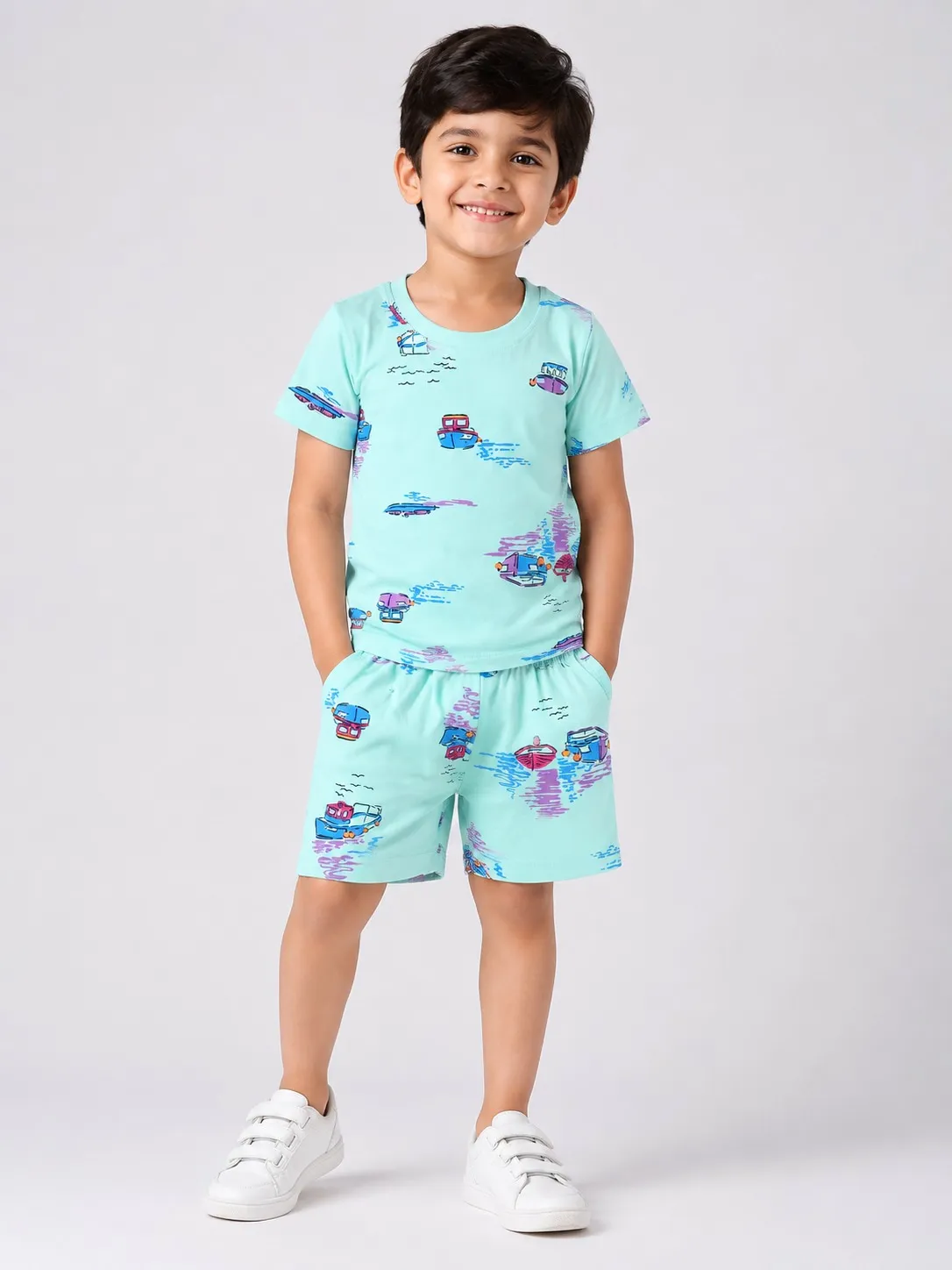
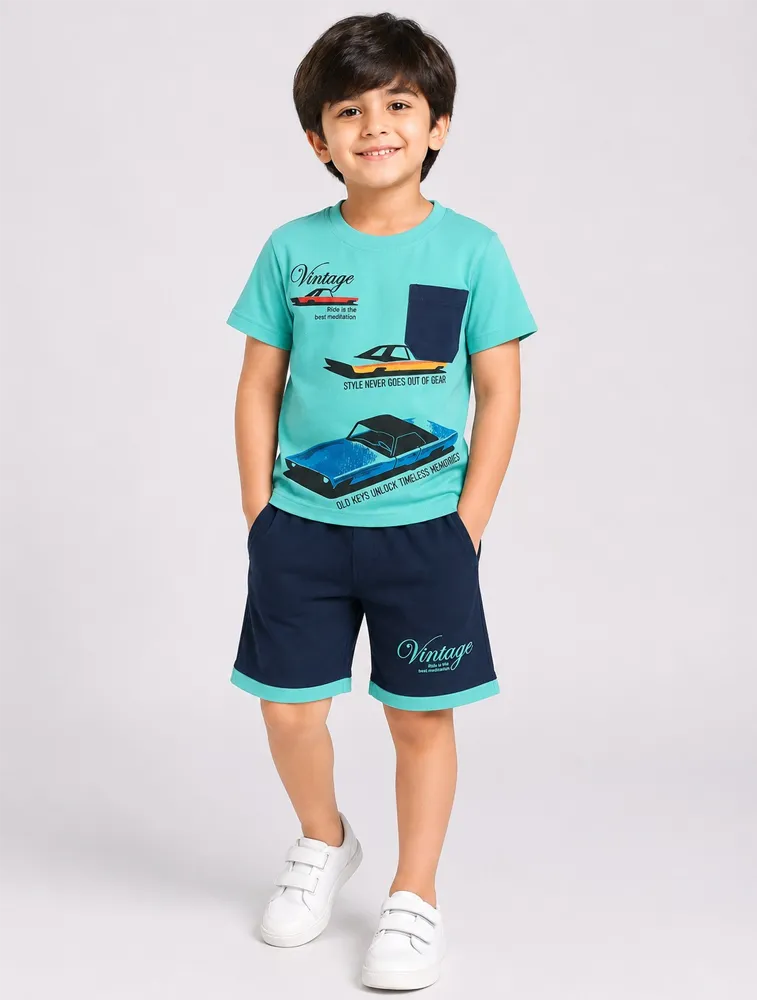
SKUFACTORI6982, the Rs 149 girls’ printed co-ord set, describes its product type as Co-Ord Set (Top & Bottom) and its packing as one top and one bottom. Its quantity tiers, however, read 100 - 999 Sleep & Lounge Wear, 1000 - 9999 Sleep & Lounge Wear and Above 10000 Sleep & Lounge Wear. The unit noun in those rows is the name of the category, not the word piece and not the word set. SKUFACTORI6478, the Rs 149 boys’ set, describes a sleeveless round neck top and a full-length pyjama bottom, again as one product.
The two readings and what each costs you
Read one way, Rs 149 buys a complete two-garment set and a thousand units is a thousand children clothed. Read the other way, Rs 149 buys one garment and the same order clothes five hundred. The difference between those two readings is the entire budget of the line item, and neither the tier label nor the product title settles it. We are not going to settle it for you here either, because doing that would mean publishing an interpretation of a price we did not set the label on.
The same question applies to the quantity break
If a set is two garments, then a tier boundary at a thousand may be counting sets or may be counting garments, and those are different thresholds. Confirm which number the tier is counting at the same time as you confirm which number the price is pricing. One email closes both.
How to write it into the purchase order
State the unit explicitly on your own document rather than inheriting the site’s wording. Write complete set of one top and one bottom as the unit of sale, write the unit price against that definition, and write the total quantity as sets. If the supplier’s acceptance comes back matching that wording, the ambiguity is closed contractually regardless of what the listing said.
This is a labelling bug on the tier rows rather than a pricing problem, and it is on the list of things worth fixing site-wide.
ProcurementQueries Targetedkids co-ord set bulk price per set, night suit set price wholesale, two piece kids set bulk India
The FAQ on this page quotes a range up to Rs 784. Which products cost that?
None of them. Every one of the ninety products published on this category sits between Rs 102 and Rs 167. The Rs 784 figure in the existing on-page FAQ does not correspond to any listing here, and the correct published top of the range is Rs 167.
We would rather write this down plainly than let a buyer build a budget on it, so here is the actual ladder as published.
The real range, group by group
Men’s cotton casual shorts open the category at Rs 102 and Rs 103. Women’s printed polycotton shorts with pocket sit at Rs 110. A men’s cotton comfort fit short is Rs 118. Women’s capri pants are Rs 131, and Rs 144 with a pocket. Men’s cotton three-quarter shorts with drawstring are Rs 134. Children’s co-ord and lounge sets are Rs 149 and Rs 150. Women’s lounge pants are Rs 160, with the pocket versions at Rs 166 and Rs 167. That is the whole catalogue. Nothing sits above Rs 167.
Why the wrong number is worse than no number
A range that tops out at Rs 784 tells a procurement officer that there is a premium tier on this page, and there is not. It sets an expectation of a heavier, more finished, possibly branded product that the catalogue cannot supply, and it invites a comparison against competitors’ premium ranges that this catalogue was never priced to win. A buyer who budgets against Rs 784 and receives a Rs 167 garment has a conversation to have, and it is not a conversation anyone wanted.
Where a higher number would legitimately come from
Custom production is a different exercise from buying published stock. Branded, custom-fabric or custom- construction work is quoted per project against a specification, and there is no reason a bespoke programme could not price above this catalogue. But that is a quotation, not a catalogue price, and the two should not share a range statement.
What to use instead
For budgeting off this page today, use Rs 102 to Rs 167 as the published band, and remember from the pricing answer that follows that the headline figure on each tile is the deepest-volume price rather than the entry price. For anything custom, ask for a written quotation against your own specification. The Rs 784 figure has been flagged for correction, along with the home-page tile for this category, which currently reads Rs 242 against a published floor of Rs 102.
ProcurementQueries Targetedsleep and lounge wear price list India, bulk night suit price range, wholesale lounge wear cost per piece
Why does my quote come back higher than the price shown on the tile?
Because the headline number on each tile is the deepest-volume price, not the entry price. On all four sampled styles the figure shown is the above ten thousand rate, and the first tier a buyer actually reaches sits roughly five per cent higher. Budget against the tier you will actually order.
This is presentational rather than a hidden charge. Every number involved is published on the product page. But the number that gets remembered is the one on the tile, and it is the wrong end of the ladder.
The four sampled ladders in full
On the men’s cotton casual short, the tiers are Rs 107 for 100 to 999, Rs 105 for 1000 to 9999, and Rs 102 above 10000. On the women’s polycotton short with pocket they are Rs 116, Rs 114 and Rs 110. On the children’s co-ord and lounge sets they are Rs 157, Rs 154 and Rs 149. On the women’s lounge pant they are Rs 168, Rs 165 and Rs 160. In each case the headline is the third number.
What the entry premium actually is
Expressed against the headline, the first tier is 4.90 per cent higher on the men’s short, 5.45 per cent higher on the women’s short, 5.37 per cent higher on the children’s sets and 5.00 per cent higher on the lounge pant. So a useful rule of thumb for a first order on this category is to add about five per cent to the advertised figure, and then confirm it against the actual product page before the number goes into a tender document.
Why the spread is narrow here
A five per cent spread from the first tier to the deepest tier is tight for apparel. Narrow spreads usually mean the fabric and the make are the dominant share of the cost and the setup is small, which is what you would expect on simple pull-on bottoms and printed two-piece sets. The practical implication is that chasing the ten-thousand tier on this category buys you a few rupees, not a transformation, so order to the quantity you can actually absorb rather than stretching to hit a break.
How to read a quotation against this
Ask for the quotation to state the tier it is priced at, the quantity band that tier covers, and what changes if you move a band. If branding is involved, ask for the branding cost to be shown as a separate line rather than folded into the garment rate, so that you can see which part of the price moves with quantity and which part does not.
None of the above is a discount schedule we are inventing. It is the four sampled pages read straight, and the presentation order is the thing we have asked to have changed.
ProcurementQueries Targetedbulk lounge wear price tiers, sleepwear quantity discount India, wholesale shorts price break quantity
Is the minimum one piece or one hundred pieces?
The page says both. Both numbers are real and they answer different questions. Every one of the five sampled product pages states a minimum of 100 Units, which is the production minimum per style per colour. The single-piece figure describes buying from ready stock, which is a different transaction with a different price.
The contradiction is presentational rather than commercial, but a buyer reading the two statements side by side has no way to know that, so here is the distinction written out.
What each number is actually measuring
One hundred units is the point at which a factory can economically cut, sew and finish a run of one style in one colour. It is a manufacturing threshold and it exists because marker-making, cutting and line setup do not scale down. A single piece is a warehouse transaction against stock that already exists, in whatever sizes and colours happen to be on the shelf that week. Neither figure is wrong; they are minimums for two different things.
Why per style per colour is the part people miss
The hundred applies to each style in each colour, not to the order as a whole. An order for four hundred pieces spread across four colours of one style is four separate hundreds and works. The same four hundred spread across eleven colours does not, and the eleven-colour case is realistic on this category, because the Rs 110 women’s printed short alone is published in eleven colour entries. Plan the colour count before the quantity, not after.
What that means for the size break
Combine the colour rule with the sizing answer at the top of this page and the arithmetic gets real quickly. A hundred per style per colour, split across five sizes, is twenty pieces per size, and twenty is a thin quantity if the size curve is wrong. This is the argument for confirming the measurement chart before committing the break rather than after.
The practical route for a first order
If you are testing the product, buy from ready stock in small quantity, wash it the way your end user will wash it, and put it in front of the people who will wear it. If it survives that, place the production order at a hundred per style per colour with a size break you have actually confirmed. Trying to run the test and the production order as one transaction is how a first order becomes a stock write-off.
Ask your account manager to confirm the current stock position for the exact colours you want before assuming the single-piece route is open on your styles.
ProcurementQueries Targetedminimum order quantity lounge wear India, MOQ night suits bulk, sleepwear MOQ 100 units wholesale
What should a pre-production sample actually prove for this category?
Four things this category cannot prove on screen: the measurement chart, the fibre composition, the behaviour of the print under your own wash process, and the packing unit for two-piece sets. Approve the sample against those four in writing, and the rest of the order tends to look after itself.
A sample is not a photograph in the flesh. It is the document you will inspect the bulk against, so it is worth being deliberate about what you are asking it to settle.
One: the garment measurements
Measure the sample yourself against the chart the supplier provided, size by size, and record the readings. If the chart and the sample disagree, that disagreement is far cheaper now than at goods-in on five thousand pieces. Ask for the tolerance the factory works to and write it into the approval, because an inspection without a tolerance is an argument waiting to happen.
Two: the fabric, on paper and in hand
Ask for the composition by weight and the fabric weight against the mill certificate for the roll the sample was cut from, and keep the swatch. This is the answer to the earlier fibre-content question and the sample is the natural place to close it. If you are buying for a market with a specific children’s nightwear regime, this is also the point at which testing gets discussed, and what any of those instruments requires of your consignment is a matter for your compliance counsel rather than advice from this page.
Three: the wash
Wash the sample the way your end user will wash it, not the way the label suggests, and wash it more than once. For an institution that means the actual laundry, actual chemistry, actual temperature. Look at print edges, seam puckering, colour against the unwashed twin, and the elastic at the waistband, which on pull-on bottoms is usually the first component to tell you something.
Four: the packing unit
For any two-piece set, have the sample delivered packed exactly as bulk will be packed, and have the packing list describe it in the same words your purchase order uses. That is what closes the set-versus- piece ambiguity in practice.
How to record the approval
Sign and seal two identical samples, keep one, send one back. Attach the measurement chart, the swatch, the wash result and a photograph of the packed unit. That five-part pack is the specification, and it is what an inspector should be handed rather than a purchase order line.
Sampling costs a few hundred rupees and about three weeks. Skipping it costs the order.
SAMPLING & BRANDINGQueries Targetedpre production sample sleepwear bulk, sampling lounge wear manufacturer India, approve sample night suit order
Can we put an institution name or brand mark on lounge wear and night sets?
Yes, and on these garments the placement question matters more than the method question. Pull-on bottoms and two-piece sets have fewer flat, stable panels than a t-shirt does, and the panels they do have sit where a sleeping or lounging wearer will lie on them.
So the useful conversation is not printed versus embroidered in the abstract. It is where the mark goes, how large it is, and what happens to it after fifty industrial washes.
Where a mark can sit on these shapes
On a short or a capri, the practical positions are the left leg above the hem, the back yoke area, and the waistband. On a two-piece set, the top gives you a left chest position and a back position, which behave much like any knit top. Full-length pyjama bottoms give you the leg. Positions across a seam, over elastic, or on a gathered panel are the ones to avoid, because the substrate moves and the mark moves with it.
Why the print sits differently here
A large share of this category is already printed all over. Placing an institutional mark on top of an existing all-over print is a design problem before it is a production problem, and the honest answer is often to move to a plain colourway for the branded run rather than fight the pattern. Ask for both options when you brief it.
What to specify when you brief
Supply vector artwork, the exact colour references, the finished dimensions of the mark in millimetres, and the distance from a named seam or hem to a named point on the artwork. Approve a strike-off on the actual fabric before bulk, not a proof on paper. If different sizes are in the order, confirm whether the mark scales with the garment or stays constant, because on children’s sizes a constant mark can end up covering half a chest.
Durability, tested your way
Whatever method is chosen, the test that counts is your own wash process applied to the branded strike- off. We are not going to publish a wash-cycle number for a branded garment on this page, because none has been established for these styles, and a number quoted without a test behind it is worth nothing at month six.
Branded runs are production orders rather than stock purchases, so plan them against the hundred-per- style-per-colour minimum and the longer custom lead time, not the ready-stock route.
SAMPLING & BRANDINGQueries Targetedcustom printed night suits bulk, branded lounge wear manufacturer India, hostel uniform sleepwear branding
How does a bulk consignment of this arrive, and what should we plan for at goods-in?
Individual polybag inside corrugated cartons is what the sampled pages publish, but not one of them states how many pieces go in a carton. Until that number is confirmed per style, your goods-in plan, your storage estimate and your freight quotation are all resting on an assumption.
Soft garments are light and bulky, which means this category is almost always volume-constrained rather than weight-constrained, and the carton count is the figure that drives everything downstream.
What the listings publish about packing
The Rs 102 men’s short states a polybag. The Rs 160 women’s lounge pant states an individual polybag inside corrugated cartons. The Rs 149 boys’ set states only that it is neatly packed to maintain product quality and hygiene. The Rs 149 girls’ set describes its contents as one top and one bottom. None of the four states a carton quantity, a carton dimension or a carton weight.
Why the missing number matters more than it looks
Without pieces per carton you cannot compute how many cartons a five-thousand piece order becomes, which means you cannot compute pallet count, cubic volume, or the shelf space the consignment will occupy on arrival. You also cannot write a sensible goods-in sampling plan, because inspection quantities are normally expressed against cartons. And for anything moving by air, volumetric weight rather than actual weight usually sets the freight bill on garments this light.
What to ask for before the goods move
Ask for pieces per carton, carton external dimensions, gross and net carton weight, and whether cartons are packed solid by size and colour or assorted. Solid cartons make receiving fast and assorted cartons make it slow, and that is a real cost on a large order. Ask for the carton marking format too, and specify your own if you have one, since a carton that cannot be identified without opening it is a carton that gets opened.
Retail-ready versus bulk-ready
If the goods are going onto a shelf rather than into a store, the packing brief is a different document, and pre-packed retail presentation needs to be agreed at sampling rather than added later. Declarations that a pre-packaged commodity must carry in India are set out in Rule 6 of the Legal Metrology (Packaged Commodities) Rules, 2011, which lists among other things the name and address of the manufacturer or packer, the common or generic name of the commodity, the net quantity, the month and year of pre- packing, the retail sale price and, where sizes are relevant, the dimensions. What any of that requires of your own packages is a question for your counsel, and nothing here is advice on it.
Get the carton figures at quotation stage and the rest of the logistics plan writes itself.
PROCUREMENTQueries Targetedbulk lounge wear packing carton, sleepwear shipment packing India, night suit bulk delivery cartons
If we import this into our own market, who carries the compliance and labelling obligation?
In most destination markets the party placing goods on the market carries the obligation, and that party is usually the importer rather than the overseas maker. Decide who that is contractually before you order, because on children’s nightwear the destination regimes impose duties on the person who supplies, not only on the person who sews.
We are describing the shape of the question rather than answering it for your jurisdiction, because the answer differs by market and by transaction structure.
Why this category raises it sharply
Three things converge here. The category contains children’s sleepwear, which is separately regulated in the UK, the US and Europe as set out earlier on this page. The page advertises delivery to 132 countries. And the published specification data on fibre content and sizing is thin. A buyer who imports under those three conditions without settling responsibility in the contract has taken on an obligation without the documents that discharge it.
The documents responsibility usually attaches to
Test reports for the specific fabric and colourway. The technical file or equivalent, and whoever holds it. Labelling, both the statutory labels the destination requires and the care and fibre labelling the market expects. Traceability from carton back to production batch. Declarations of conformity where the destination uses them. Ask which of these will exist, in whose name, and when they will be handed over, and put the answer in the purchase order rather than in an email thread.
The clause to actually write
Name the destination market or markets in the contract. Name the instruments the production is being made to. State who commissions testing and who pays for it. State what happens if a test fails after shipment. State who holds the records and for how long. Five sentences, agreed once, and they cover the ground that otherwise gets discovered at a port.
What we are not doing here
We are not telling you that any particular instrument applies to your consignment, we are not telling you that any does not, and we are not stating the position of any garment on this page against any of them. Those are determinations for your compliance counsel, your customs broker and your testing house on the facts of your own import, and nothing on this page is advice on them. What we can do is give you the specification, the sample and the documents to hand to those people.
Ask early. Compliance documents are slow to produce and fast to need.
SAFETY, STANDARDS & TARIFFQueries Targetedimporter responsibility apparel compliance, sleepwear import labelling obligation, nightwear import rules destination market
Does any of this change depending on whether we are a welfare department, a hostel, a hotel group, a label or a distributor?
The garments do not change. The document pack does. A welfare department needs tender-grade specification and traceability, an institution needs laundry validation, a hotel group needs presentation consistency, a label needs branding and packing control, and a distributor needs carton data and size-curve depth.
Six kinds of buyer come to a page like this one, and the reason a single answer does not serve them is that each is exposed to a different failure.
Government and welfare procurement
The exposure is audit. What is needed is a written specification that can be put into a tender document without ambiguity, which on this category means the measurement chart, the fibre composition by weight, and the packing unit settled in advance. Where the distribution is to children, the flammability instruments named earlier become part of the specification conversation rather than an afterthought, and what any of them requires of a particular programme is a matter for the department’s own counsel, not advice from this page.
Institutions: hostels, hospitals, residential care
The exposure is the laundry. Garments here will be washed hot, often, in mixed loads, by someone other than the wearer. That makes the wash-validated sample the central document and makes the published care sentence a starting point rather than a specification. Depth in the middle sizes matters more than range at the extremes.
Hotel and hospitality groups
The exposure is consistency across repeat orders. A guest-facing item that arrives a shade different in the second delivery is a complaint, so colour standards and an approved sealed sample retained for reorder are the controls that matter. Packing presentation is part of the product here rather than protection for it.
Brands and private labels
The exposure is your own name on someone else’s make. Branding placement, artwork control, labelling and the packing unit all need to be specified rather than inherited, and the set-versus-piece question needs closing before a price list is published to your own customers.
Retailers and wholesalers
The exposure is sell-through against a size curve you did not choose. Carton data, pieces per carton, solid versus assorted packing and the actual size vocabulary on each style decide whether the stock moves or sits. Given that five sampled pages here publish five different size vocabularies, this is the group for whom the first answer on this page is the most important one.
Whichever of the six you are, the same first step applies: get the specification written down before the price is agreed, because on this category the specification is the part that is missing, not the price.
ProcurementQueries Targetedbulk sleepwear government tender, hostel night wear supply, hotel lounge wear bulk, private label lounge wear India
From ₹102excl. GST
View cart & checkout ›