factori.com supplies bulk t shirts from ₹53/piece across 616 partner factories in India — ready stock from 1 piece, custom printing with your logo, and contract manufacturing at any scale. Delivered pan-India and to 133 countries.
Prices last updated August 2026
GSM (grams per square metre) measures t-shirt fabric weight. 100 GSM suits one-day event wear; 140 GSM is the standard for corporate and uniform use; 150–160 GSM feels premium for retail; 180+ GSM is heavyweight streetwear.
| GSM | Feel | Best for | factori price guide* |
|---|---|---|---|
| 100 GSM | Light, breathable | Events, marathons, promotions, one-day wear | from ₹53/piece |
| 140 GSM | Everyday weight | Corporate t-shirts, daily uniforms, schools | from ₹59/piece |
| 150–160 GSM | Premium, structured | Retail brands, merch you sell, gifting | from ₹79/piece |
| 180+ GSM | Heavyweight | Oversize/streetwear, winter, export markets | from ₹91/piece |
*Prices as of August 2026, templated from live catalog data.
Brand-ready t shirts for corporate, retail, uniforms and large custom programmes — sourced across partner factories with published prices.
Brand-ready t shirts for offsites, launches and conferences — plain or customised, with free mock-ups before production.
Get QuoteConsistent supply for schools, factories and frontline teams. Pair with our corporate and industrial uniform programmes when you need a complete kit.
Corporate UniformsUnbranded or private-label stock for retail brands, or launch a ready storefront with stock from the same factory network.
Launch Your StoreContract manufacturing for high-volume programmes across hundreds of partner factories, with payment-secure POs.
Contract Manufacturing| WEIGHT | TYPICAL FABRIC | BEST SUITED TO | WHAT THE BUYER NOTICES |
|---|---|---|---|
| 100 GSM | Polyester | Marathons, campaigns, one-day events, mass giveaways, promotional distribution | Very light, quick-drying, lowest cost per piece. Slightly translucent in pale colours. |
| 140 GSM | Polyester / cotton | Sports kits, school activity wear, high-volume event apparel | Noticeably more substantial than 100 GSM at a small price step. The most common bulk specification. |
| 150–160 GSM | Cotton, dot-knit, blend | Staff uniforms, institutional wear, entry-level retail | Holds shape through repeated washing. Reads as a proper garment rather than a giveaway. |
| 180 GSM+ | Cotton / combed cotton | Corporate gifting, brand merchandise, retail lines, executive polos | Premium hand-feel and drape. The right choice when the t-shirt represents the brand. |
The most common and most expensive mistake in bulk t-shirt procurement is specifying GSM too low to save on unit price. The gap between a 100 GSM and a 160 GSM t-shirt is small per piece and very large in how the garment is received. If the t-shirt carries your organisation's name and will be worn in public or by staff on duty, the saving on lighter fabric is rarely worth the reputational cost. If it is being handed out at a single event and will be worn once, lighter is the correct commercial decision.
If you are unsure, ask for the same design in two GSM options at sampling stage. Judging fabric weight from a specification sheet is difficult; judging it with two garments in your hands takes seconds.
Five things move the per-piece price, in roughly this order of impact:
What a formal quotation contains: the per-piece manufactured price at your quantity, the full fabric specification, branding itemised by method and placement, labels and packaging, applicable taxes, freight where relevant, the lead time and the payment terms. Nothing is added later that was not on the quote. If you are still sizing the order, ask for pricing at two or three volume tiers — the difference is usually enough to change how much you buy.
Polyester is the economical, hard-wearing choice. It wicks moisture, dries quickly, resists shrinkage almost completely, and holds colour through heavy washing. It is also the only fibre that accepts sublimation printing, which is what makes all-over and photographic designs possible. Its weakness is breathability — in Indian summer conditions, a full-polyester t-shirt worn all day is less comfortable than cotton, which matters for staff who wear it on shift rather than for an hour at an event.
Cotton is more breathable and reads as higher quality to the person wearing it. It is the correct default for staff uniforms, institutional wear and anything sold at retail. The trade-offs are real and should be planned for: cotton costs more, shrinks on first wash unless the fabric is pre-shrunk or compacted, and fades faster in strong colours under repeated industrial laundering.
Cotton-polyester blends (commonly 60:40 or 65:35) are the pragmatic answer for institutional buyers. A blend keeps most of cotton's comfort while adding polyester's dimensional stability and colour retention, which means the garment holds its size and shade over hundreds of wash cycles. For hospitals, hotels, schools and facility-management contracts — where garments are laundered commercially and must still look uniform in month eighteen — a blend usually outperforms both pure fibres on total cost of ownership, even where it is not the cheapest to buy.
Two questions settle the choice faster than any specification sheet: how often will this garment be washed, and does the wearer choose to wear it or have to wear it? Frequent washing points to a blend. Compulsory daily wear points to cotton or a blend, never to lightweight polyester.
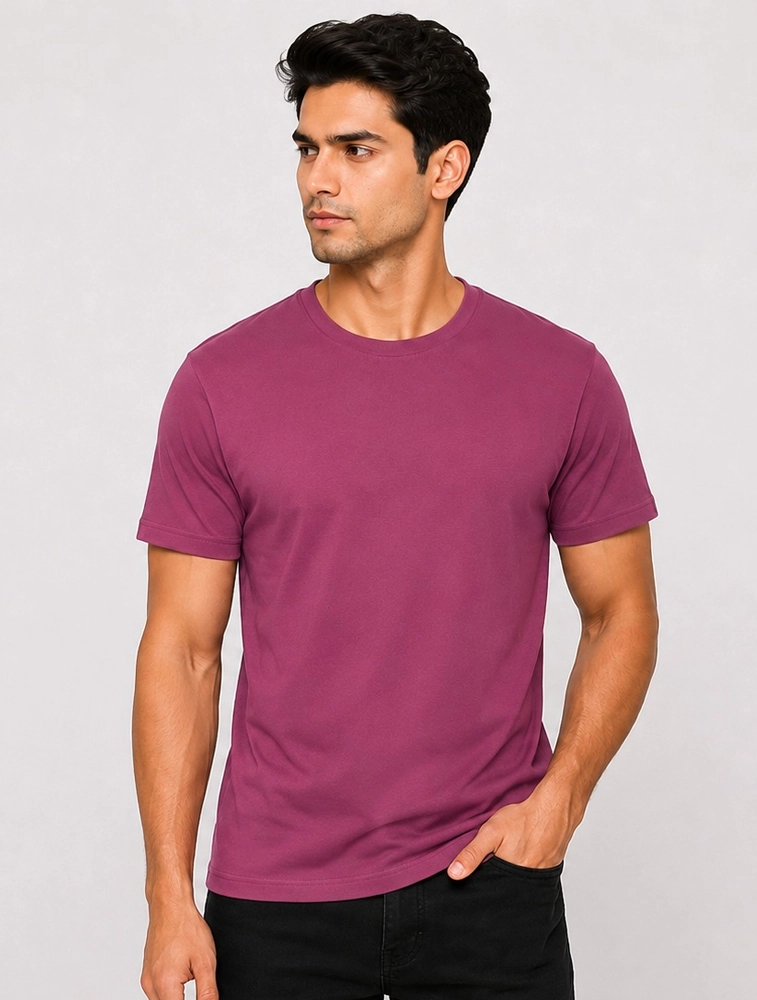
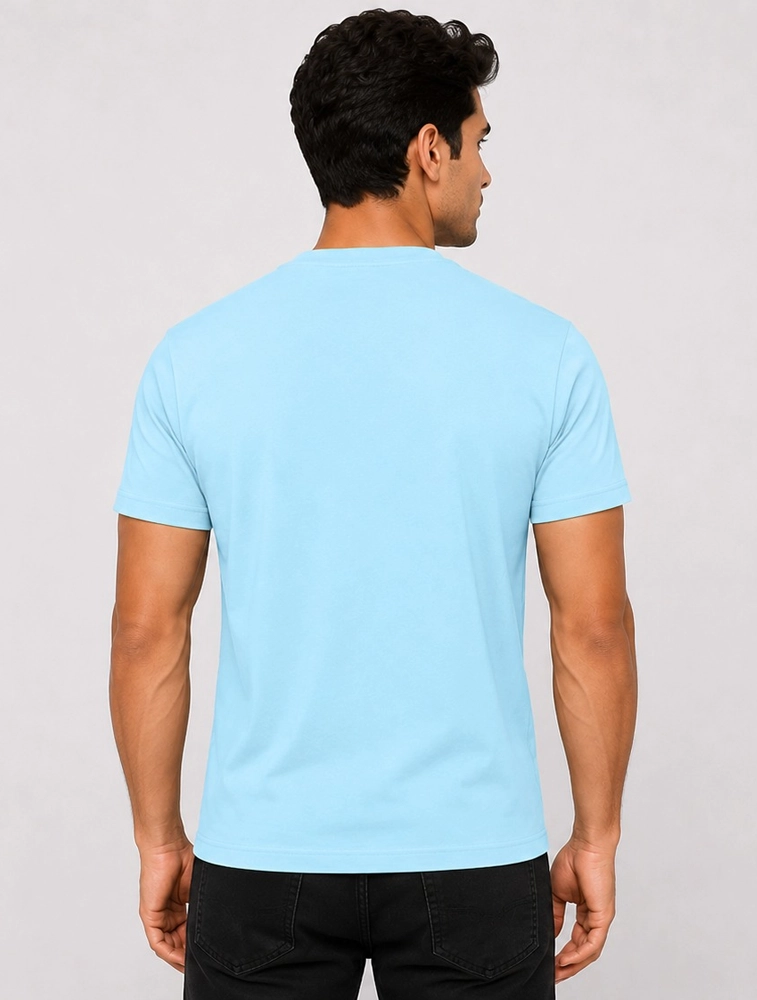
Round neck is the default for events, campaigns, sports, school activity wear and merchandise. It is the lowest-cost construction and the most universally acceptable fit across a large, unmeasured group.
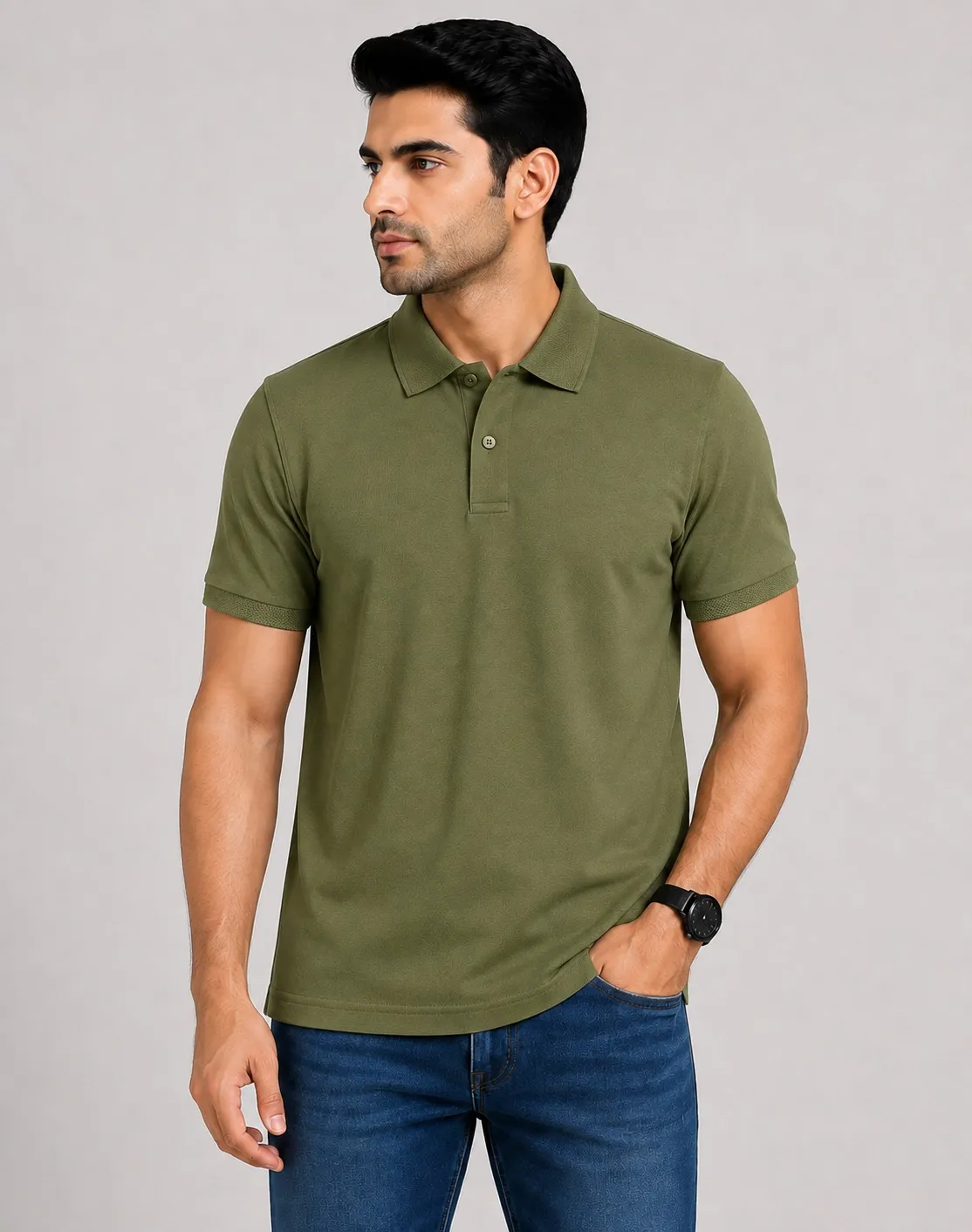
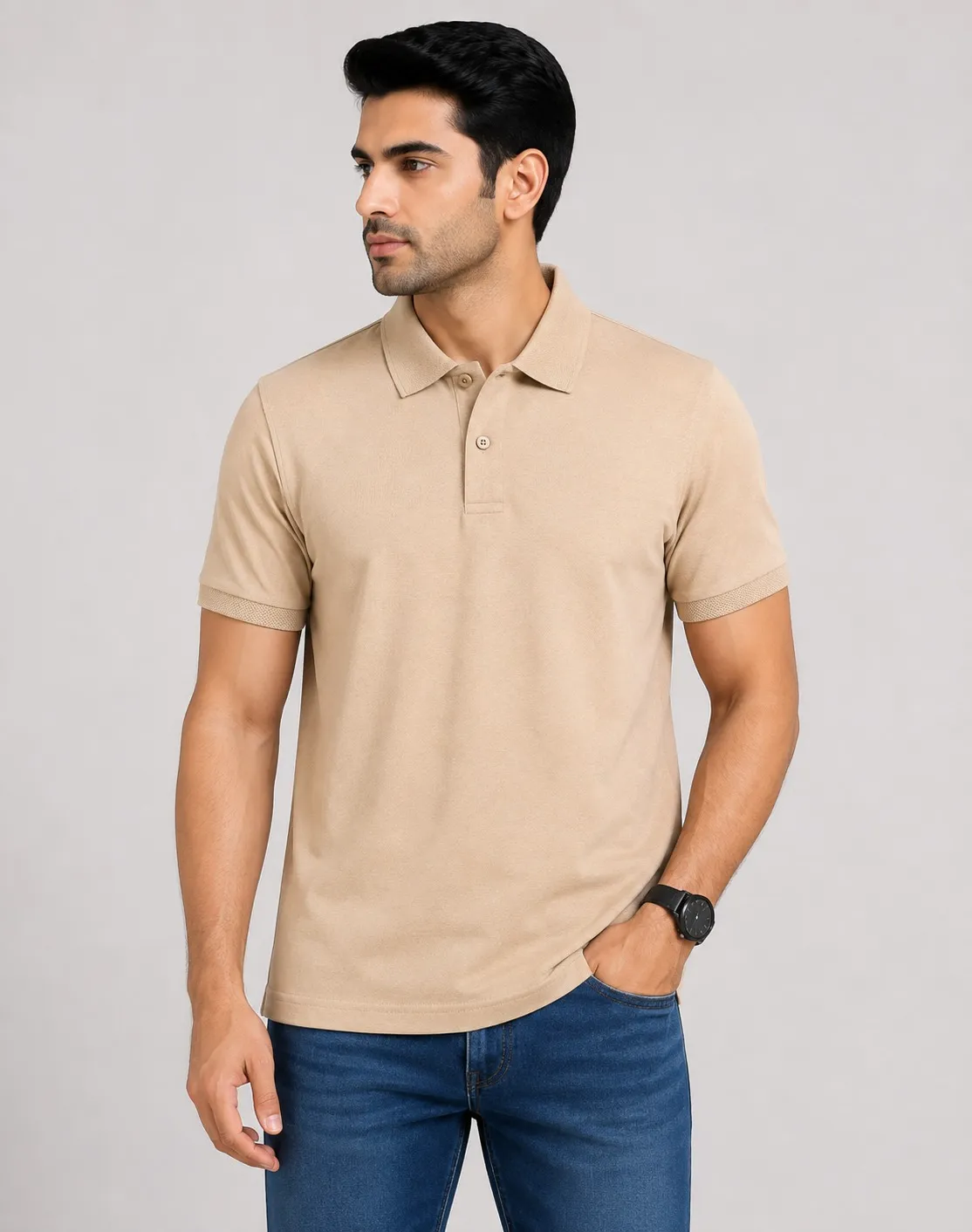
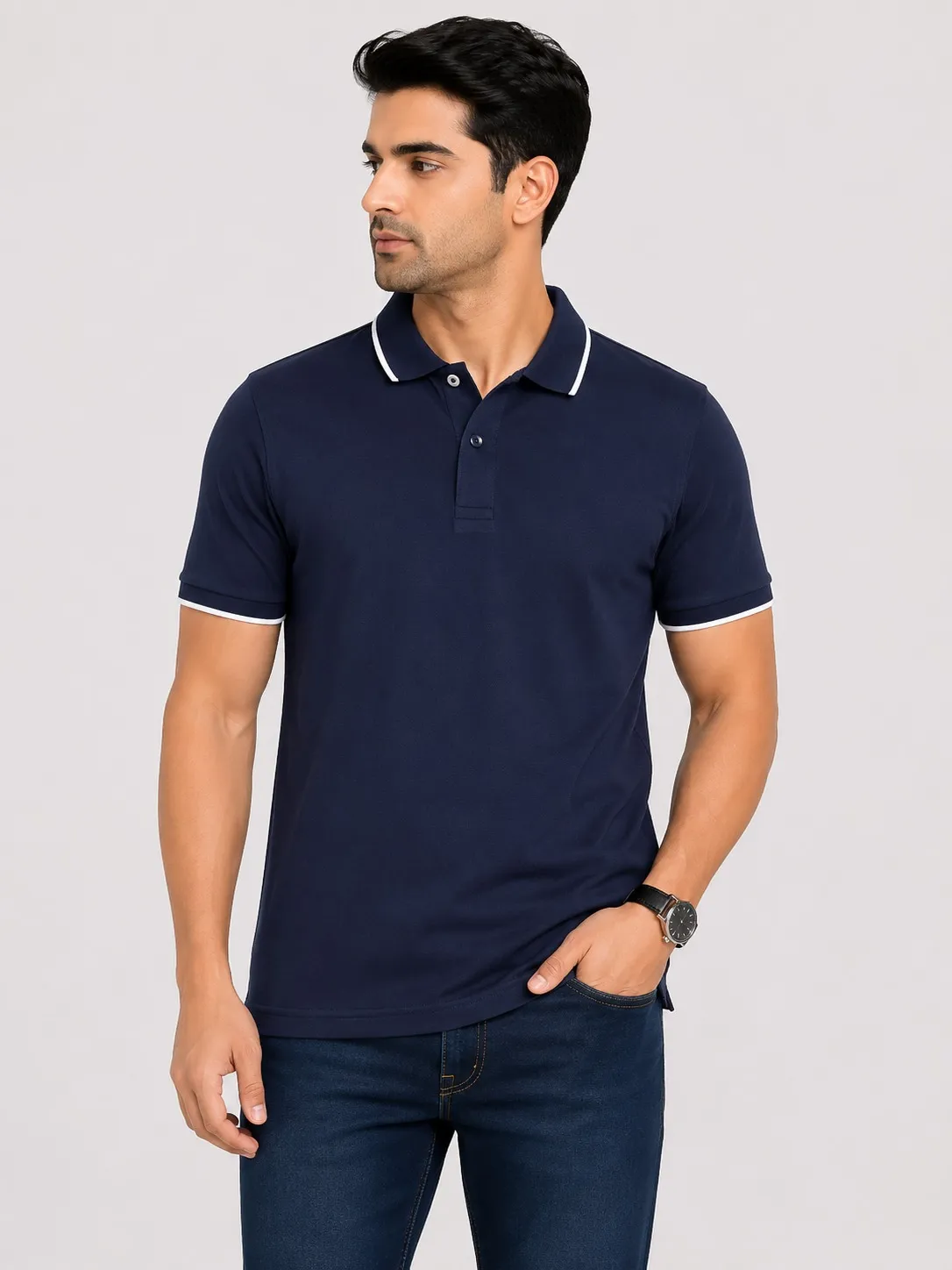
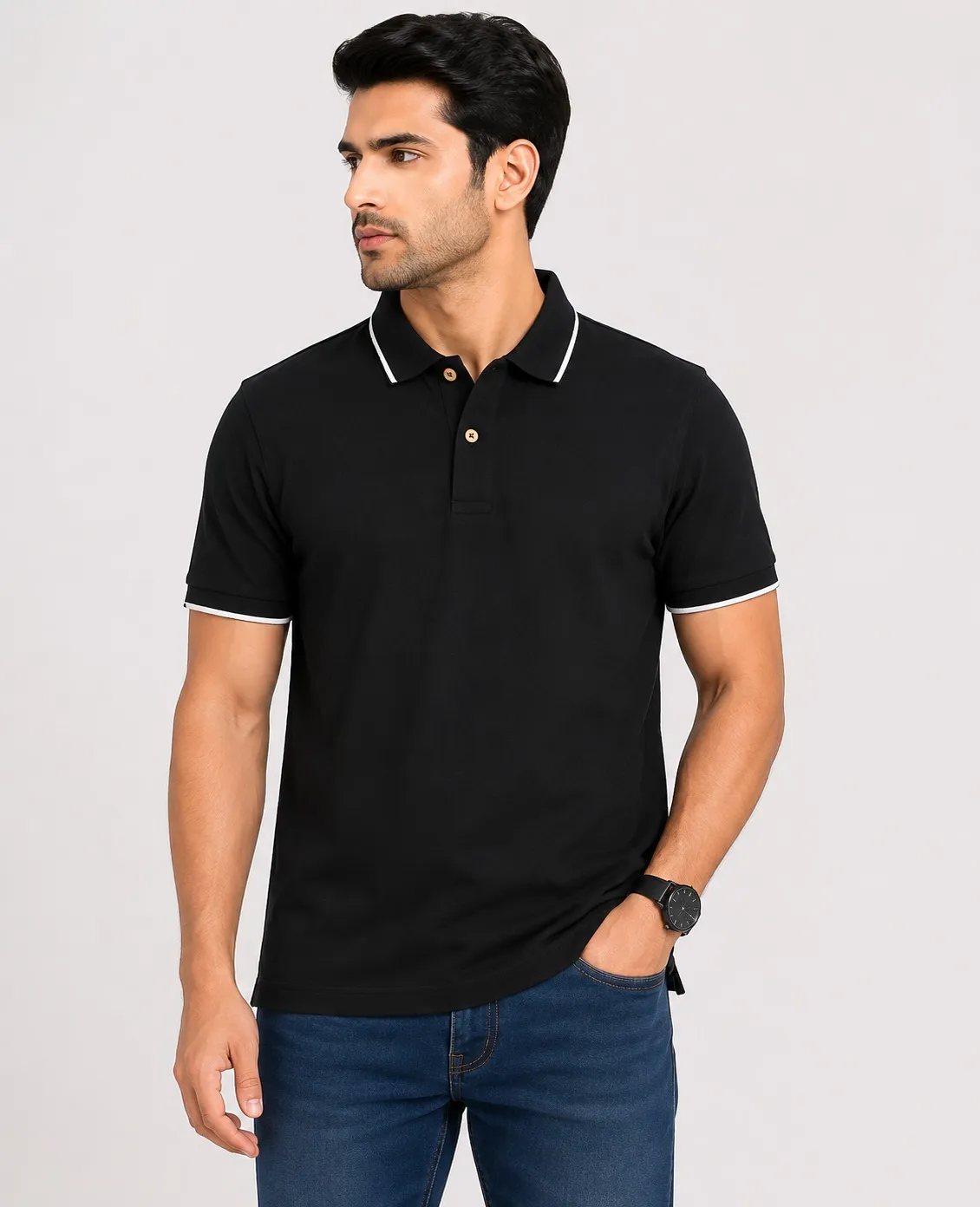
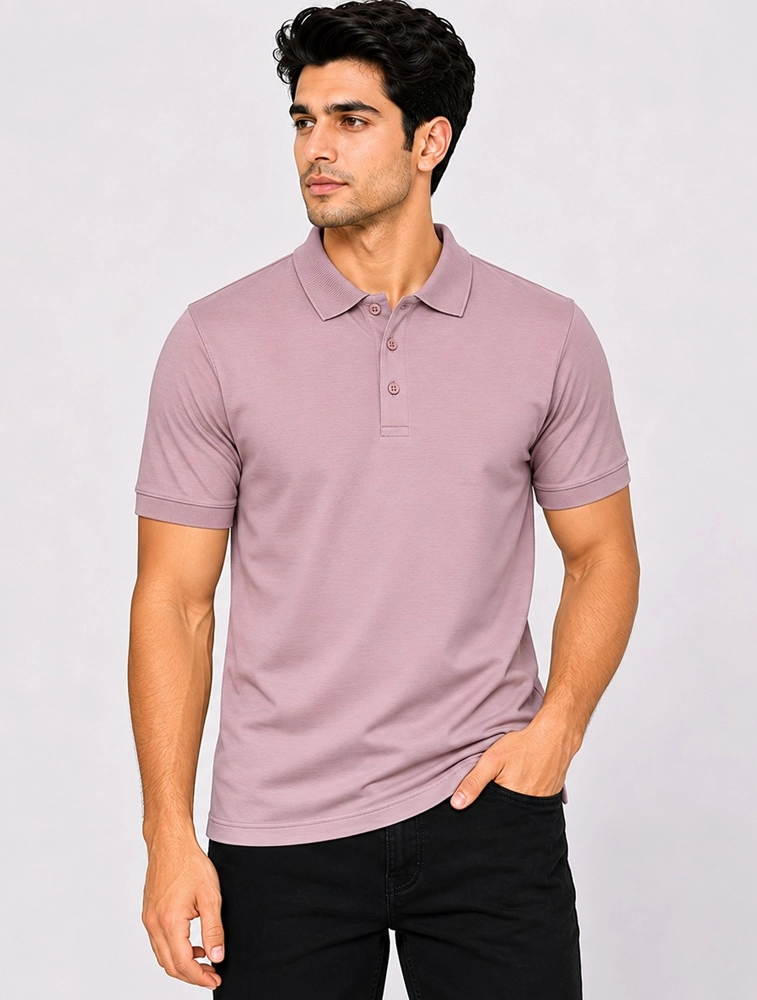
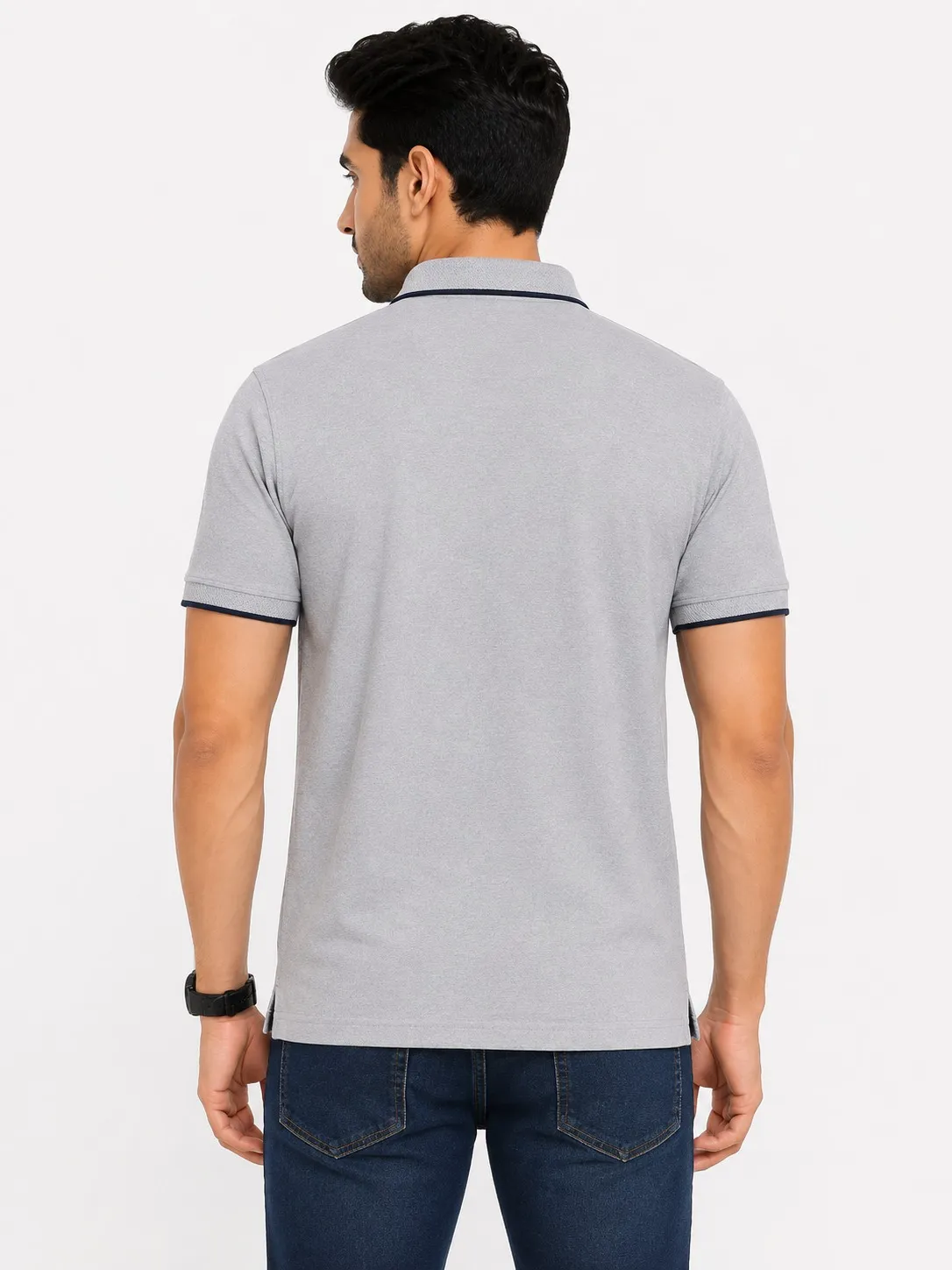
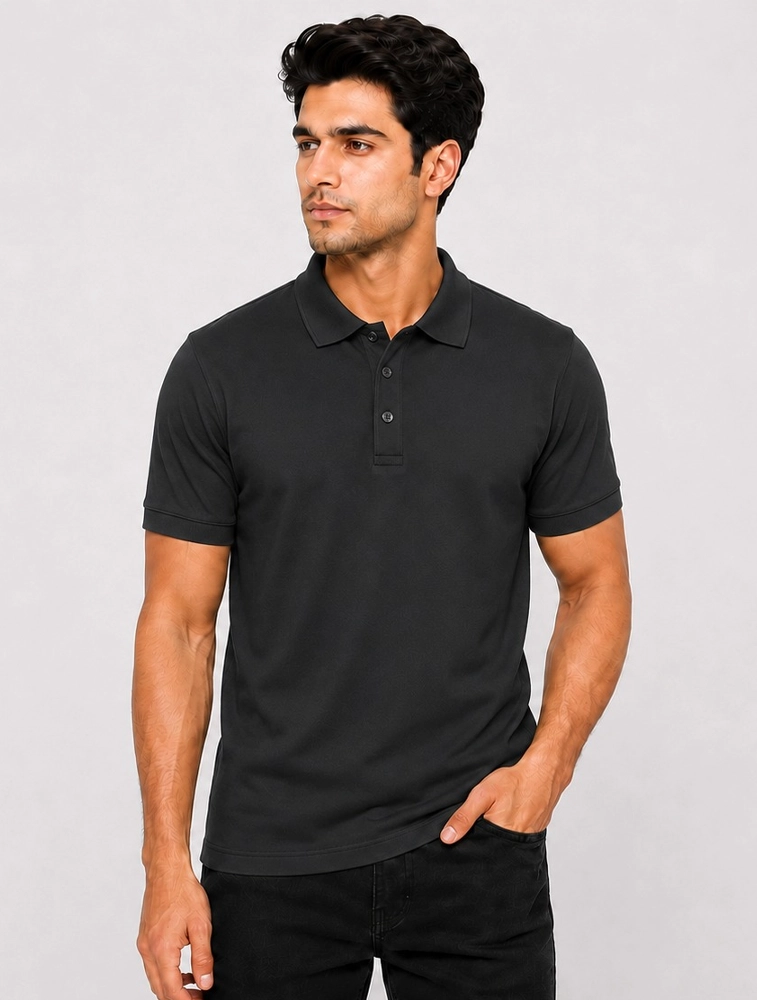
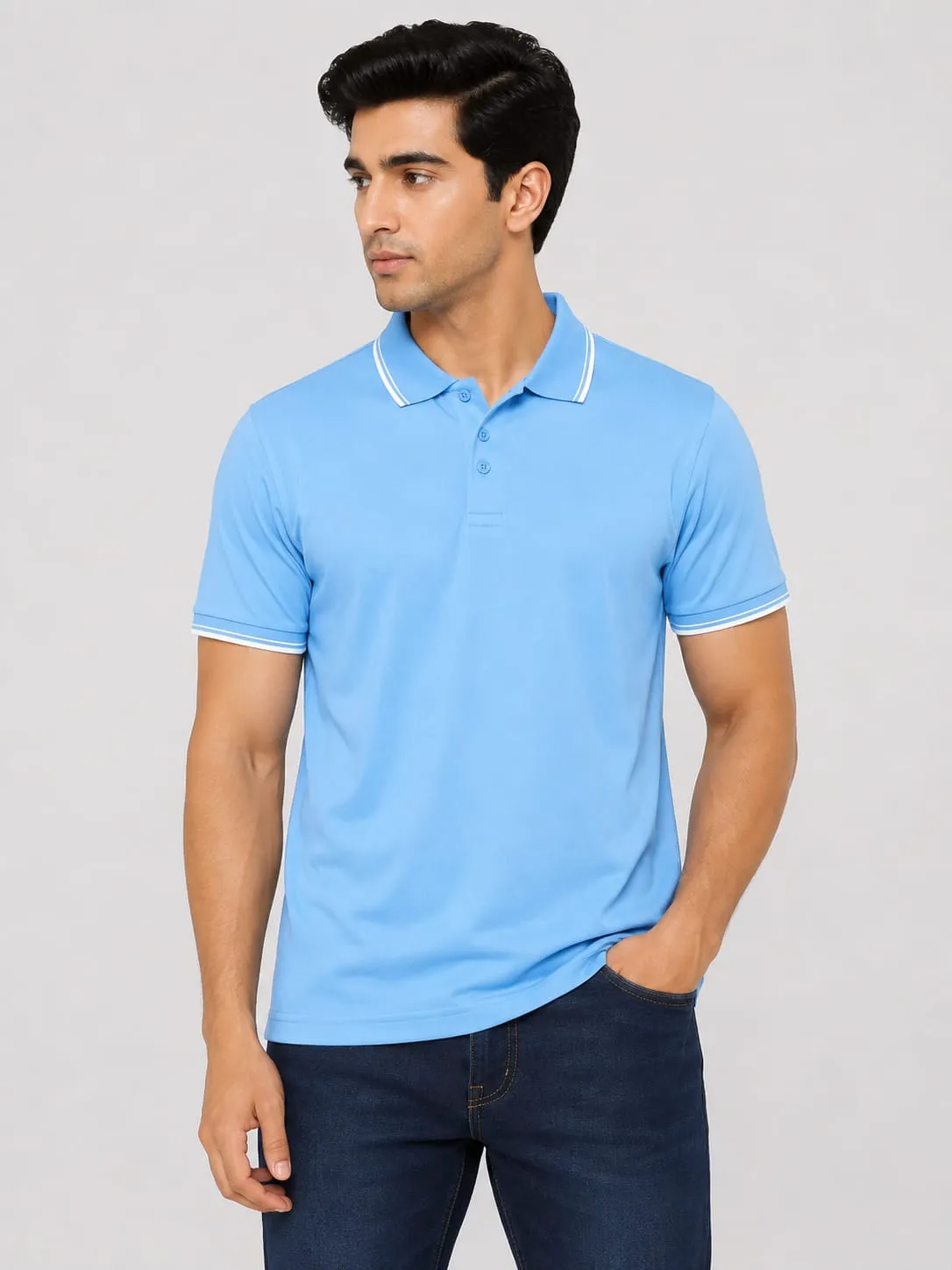
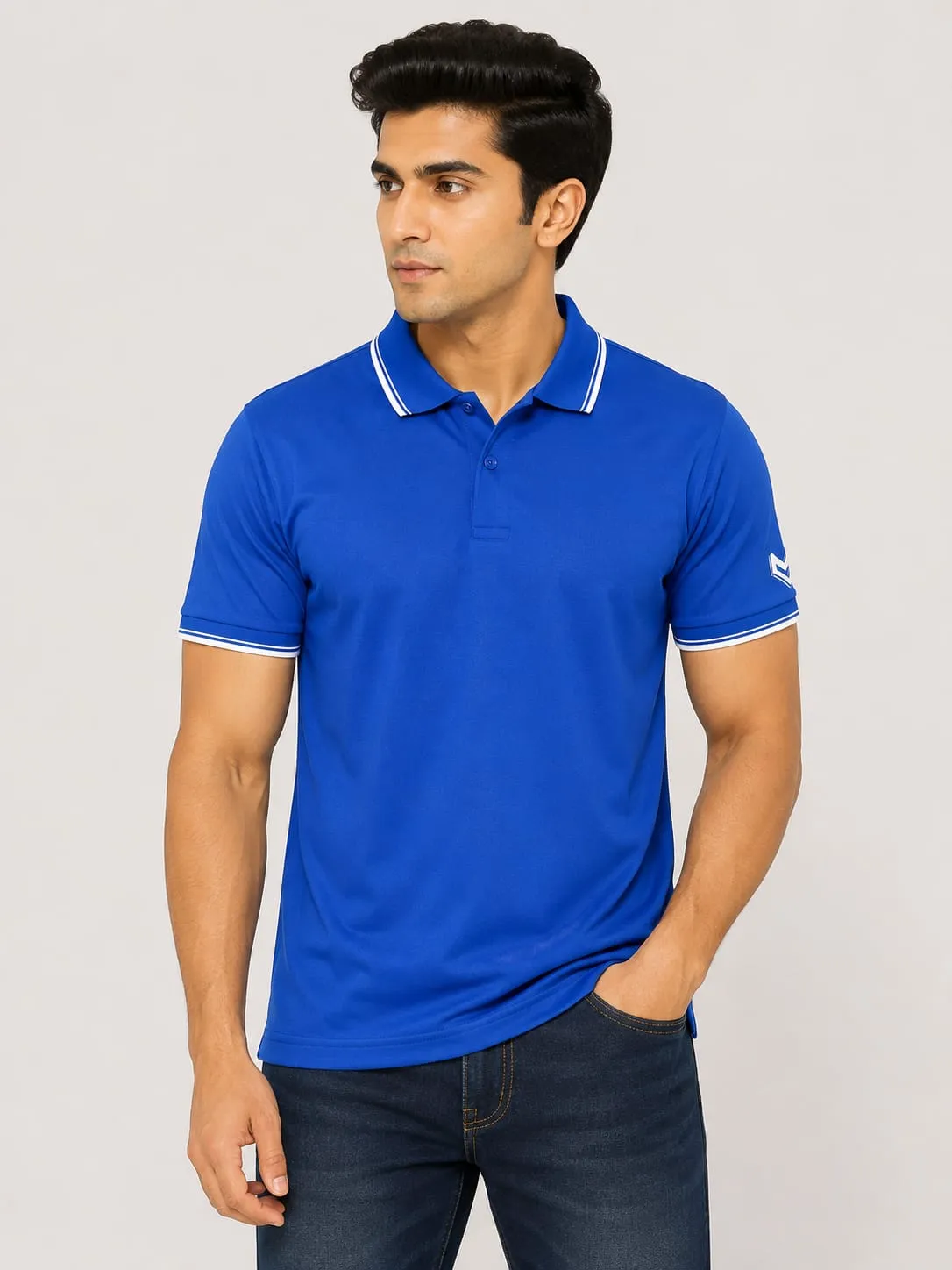
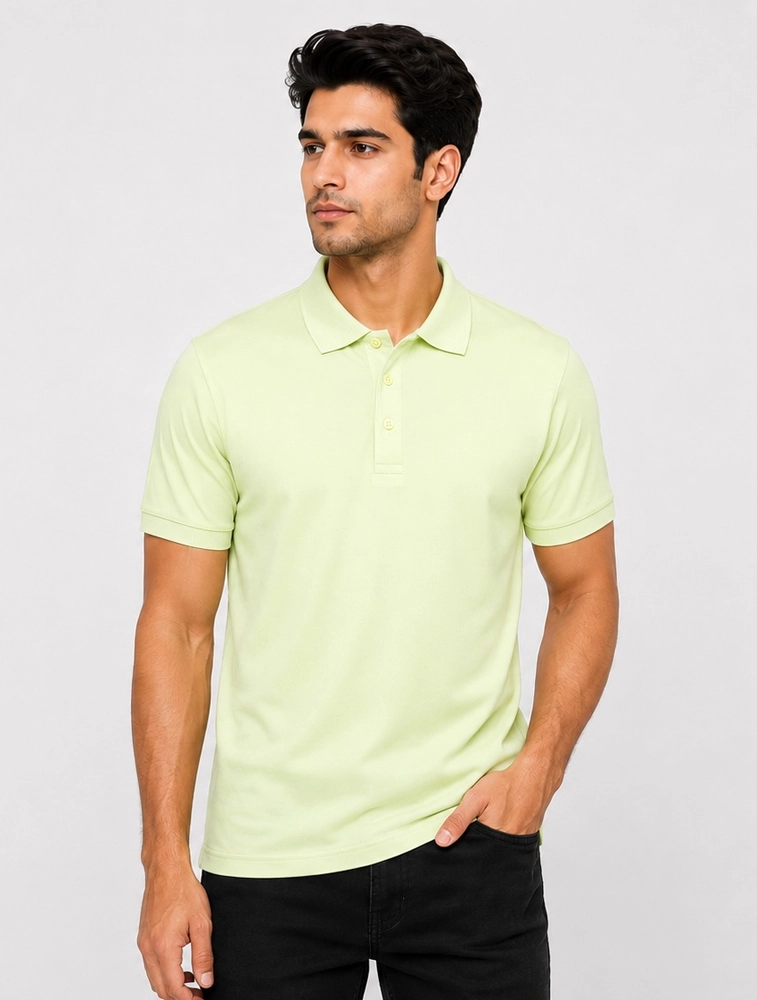
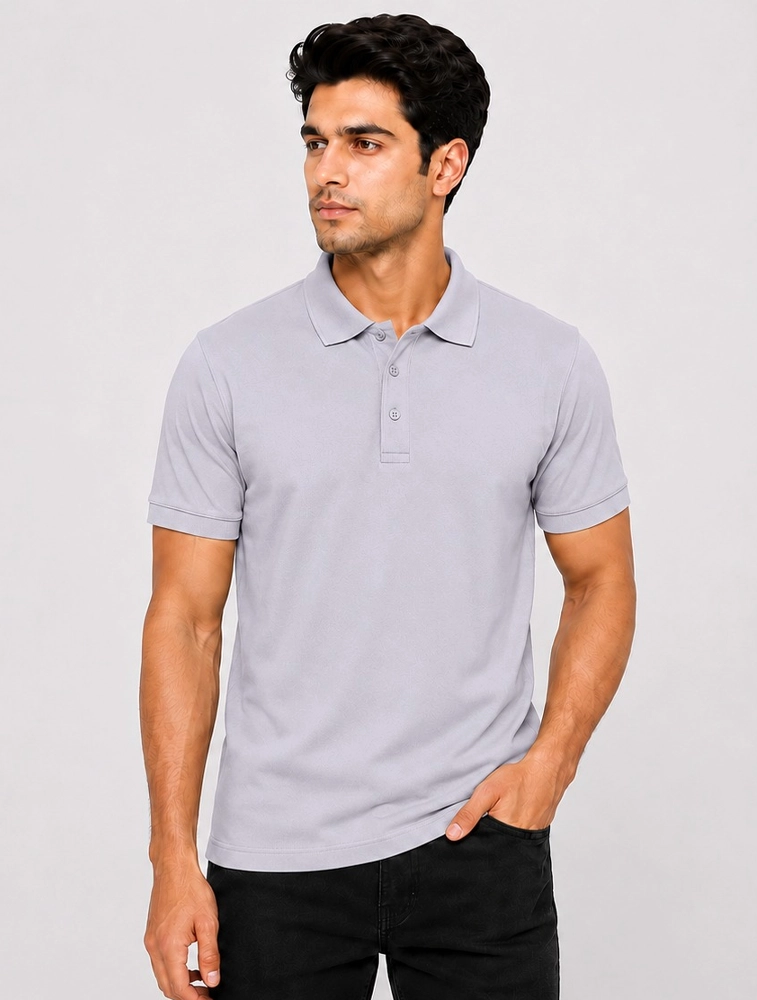
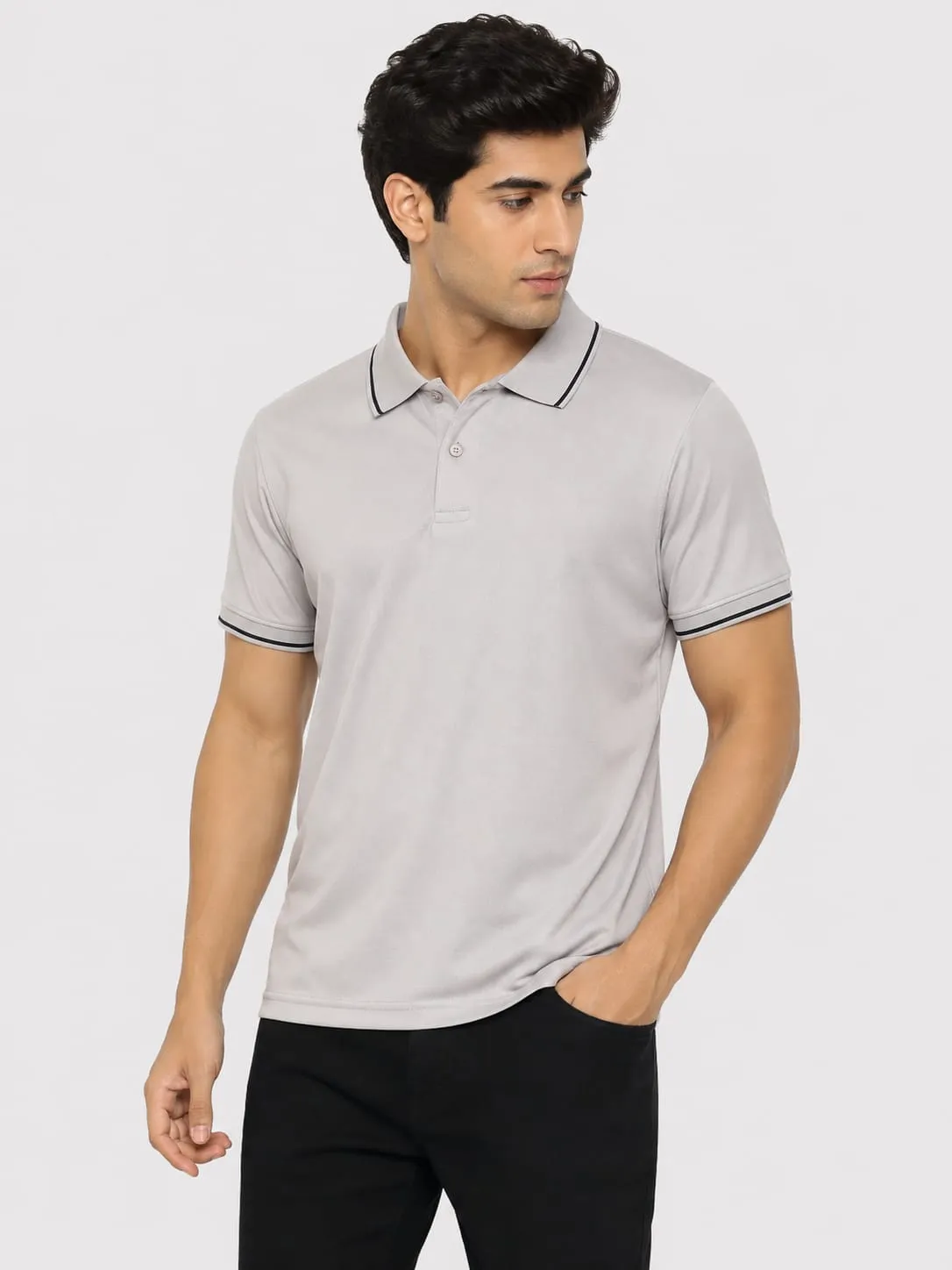
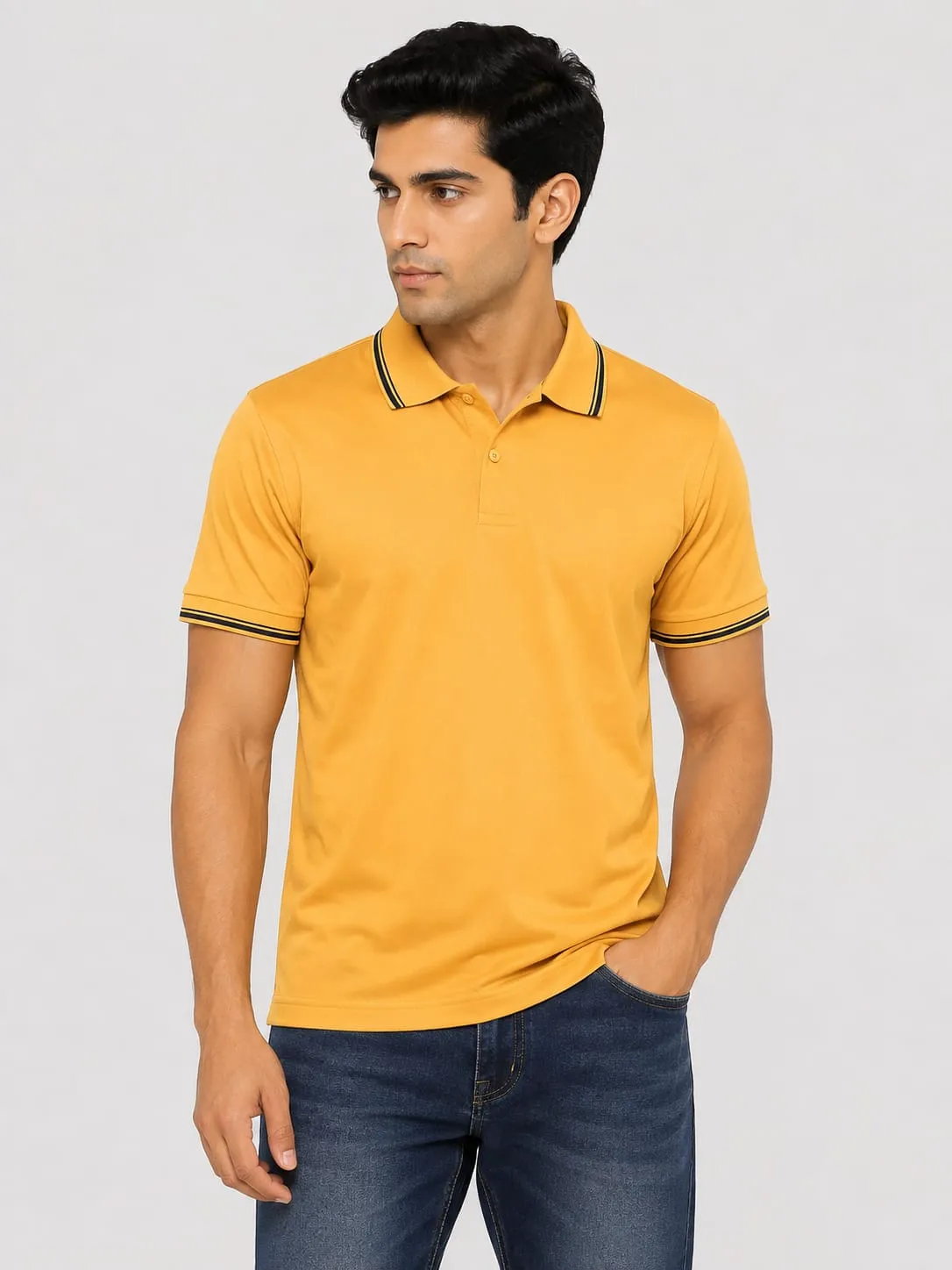
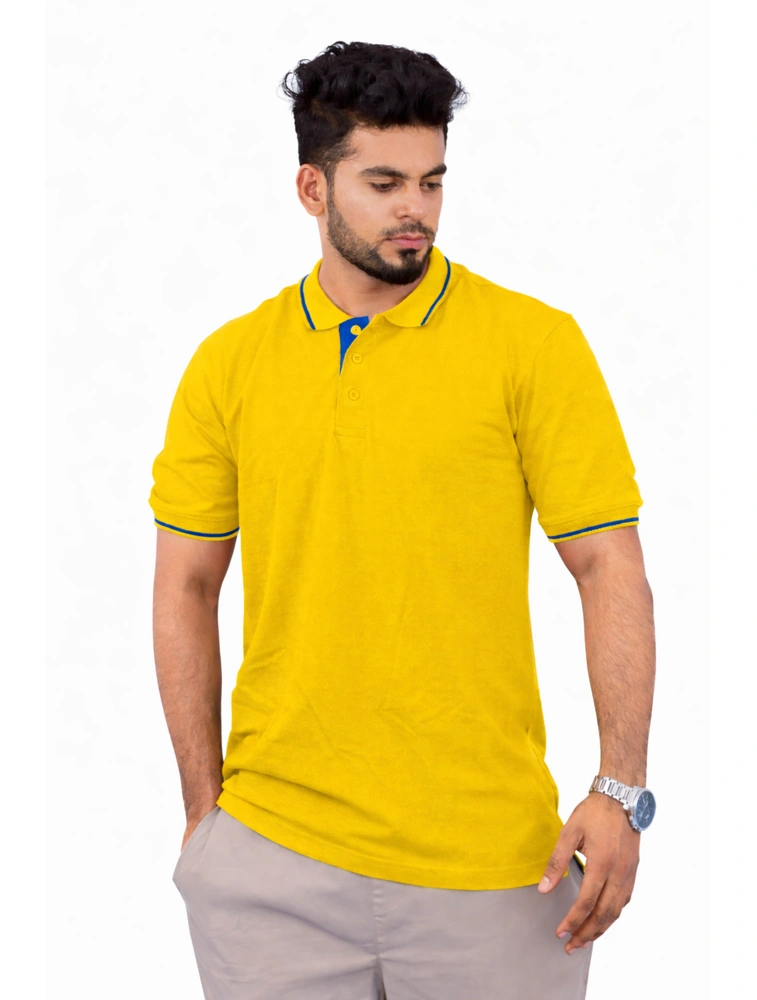
Polo is the standard for corporate staff wear, front-of-house uniforms, institutional identity and executive gifting. The collar is what makes a t-shirt read as workwear rather than casual wear, and it is the reason polos dominate corporate procurement despite the higher unit price. Polos also take embroidery well, which is the branding method most corporate buyers want.
V-neck is used mainly for retail and brand lines, and for women's fits where the round-neck silhouette is not wanted.
On size ratios. For any order that will be distributed to a named group — employees, students, staff on a contract — collect actual sizes before ordering rather than applying a standard curve. A generic ratio typically leaves an institutional buyer short on the largest sizes and holding unwanted smalls, and re-ordering forty pieces later costs far more per piece than including them at the outset. Where sizes genuinely cannot be collected in advance, we can advise a distribution ratio appropriate to your group.
Multi-site orders can be delivered pre-sorted: each location, campus, branch or department receives its own size-graded, labelled cartons rather than one bulk consignment your team has to break down and redistribute.
What we need for a colour match: a Pantone TCX (textile) reference wherever possible, or a physical fabric swatch. A Pantone C or U reference is a print standard rather than a textile standard, and converting it to fabric involves interpretation — workable, but confirm the result at sampling. A colour taken from a screen or a printed logo sheet is not a reliable brief; screens and paper reproduce colour differently from dyed fabric, and this is the most common source of shade disputes in corporate orders.
How close a match will be. Textile dyeing has inherent tolerance, and the same dye recipe reads differently on cotton and on polyester — which matters if you are ordering both fabrics in the same brand colour for different departments. A lab dip or sample is approved before bulk, and bulk is matched against that approved standard. Where absolute consistency matters across a large order, tell us upfront so the full quantity can be dyed in a single lot; splitting one order across dye lots is where visible shade variation between garments originates.
Practical advice for institutional buyers. If the garment will be re-ordered annually — a school session, an annual uniform contract, a recurring staff issue — approve the shade once and keep the approved swatch on record with us. Every subsequent order is then matched to that physical standard, so year three matches year one. Rebriefing the colour each year is how uniform programmes drift.
Screen printing makes a separate screen for each colour, so cost is driven by colour count and setup is fixed per design. That makes it the cheapest option at volume and an expensive one below a hundred pieces. It suits logos, slogans and event branding in flat colours on cotton and blends, and it is what most large institutional and event orders use.
Sublimation bonds dye into polyester fibre, so there is no surface layer at all — the print cannot crack, peel or fade with washing, and it can run edge to edge across seams. It is the only way to achieve genuine all-over designs, and it is the standard for sports jerseys and event apparel. It works only on polyester and high-polyester blends, and will not hold on cotton.
DTF (direct-to-film) transfers a printed film onto the garment with no per-colour setup, so gradients, photographs and unlimited colours cost the same as one colour. That makes it the practical choice for smaller runs, for designs that would need six or more screens, and for orders where each garment carries different artwork — named or numbered garments, for example.
Embroidery stitches into the fabric and is the most durable and most premium-reading option. It is the default for corporate polos and institutional identity. Cost follows stitch count rather than colour count, so a small dense logo can cost more than a large open one. Fine text below roughly 4–5 mm and photographic detail do not reproduce in thread — those belong in print.
Placement matters commercially. Left chest, full front, full back, sleeve and nape are each priced separately. Decide every placement before quotation: adding a back print after the quote is approved changes the price and can change the lead time, since complex or multi-position branding moves production to 25–30 days.
Artwork requirements: vector files (AI, EPS or PDF) with fonts outlined, and Pantone references for each colour. A low-resolution JPG or PNG lifted from a website will not print cleanly at garment scale, and redrawing it is the most common cause of delay between order and sampling.
This is the question experienced institutional buyers ask and first-time buyers discover the hard way. Two problems account for most bulk t-shirt complaints, and both are preventable at specification stage rather than at delivery.
Problem one: garments vary within the order. A t-shirt labelled L should measure the same whether it came off the first bundle or the last. This is managed by cutting to one graded pattern, working to a stated measurement tolerance on each critical dimension — chest, body length, sleeve length, shoulder — and inspecting a sample across the run rather than only from the top carton. Your approved sample is the physical reference the whole order is measured against.
Problem two: garments shrink after the first wash. Cotton knit shrinks; that is a property of the fibre, not a defect. It is handled by using pre-shrunk or compacted fabric and by allowing for residual shrinkage in the pattern, so the garment fits correctly after the first wash rather than before it. Polyester is dimensionally stable and this barely applies; cotton and cotton-rich blends need it planned for. If your garments will be commercially laundered at high temperature — hospitals, hotels, facility-management contracts — state that at enquiry stage, because industrial laundering is far more aggressive than domestic washing and changes the correct fabric specification.
What to do when your sample arrives. Measure it against the size chart rather than trying it on, and if the garment will be washed repeatedly in service, wash it once before you approve it. Ten minutes of checking at sample stage is the cheapest quality control available in the entire process — approving a sample that is slightly wrong means approving the full order slightly wrong.
Why this has to be raised before the order, not after. A certification is a property of the material and the factory, not a certificate that can be issued retrospectively against finished goods. Certified organic cotton has to be bought as certified cotton with a transaction certificate behind it; a factory-level social compliance audit either exists at that facility or does not. Tell us the requirement with the enquiry and it is straightforward to plan for and price. Raise it after production has started and, in most cases, the only remedy is to make the order again.
What buyers most commonly need:
If you are writing a tender or an RFQ specification, send us the draft before you publish it. Specifications assembled from another supplier's catalogue frequently contain requirements that are internally contradictory or that only one vendor can meet — and a quick technical review before publication saves a failed tender cycle.
What government and PSU buyers typically need, and how it is handled:
Scale is generally not the constraint. Large tender quantities are allocated across multiple audited partner factories running in parallel rather than queued through a single unit, which is what allows both the quantity and the delivery date to be committed. Goods are consolidated and inspected at our own 1.5-acre fulfilment centre in Bengaluru before dispatch, so the entire tender quantity is checked against one approved standard regardless of how many factories produced it.
If you are at pre-tender stage, send the draft specification for a technical review before publication. It is common for a specification to combine requirements that no single fabric can satisfy, or to name a construction that materially raises cost for no functional gain — both are cheaper to identify before the tender is floated than after bids are opened.
For tender enquiries, call +91 874 707 1444 with the tender reference and closing date. Earlier contact means a better-prepared technical bid.
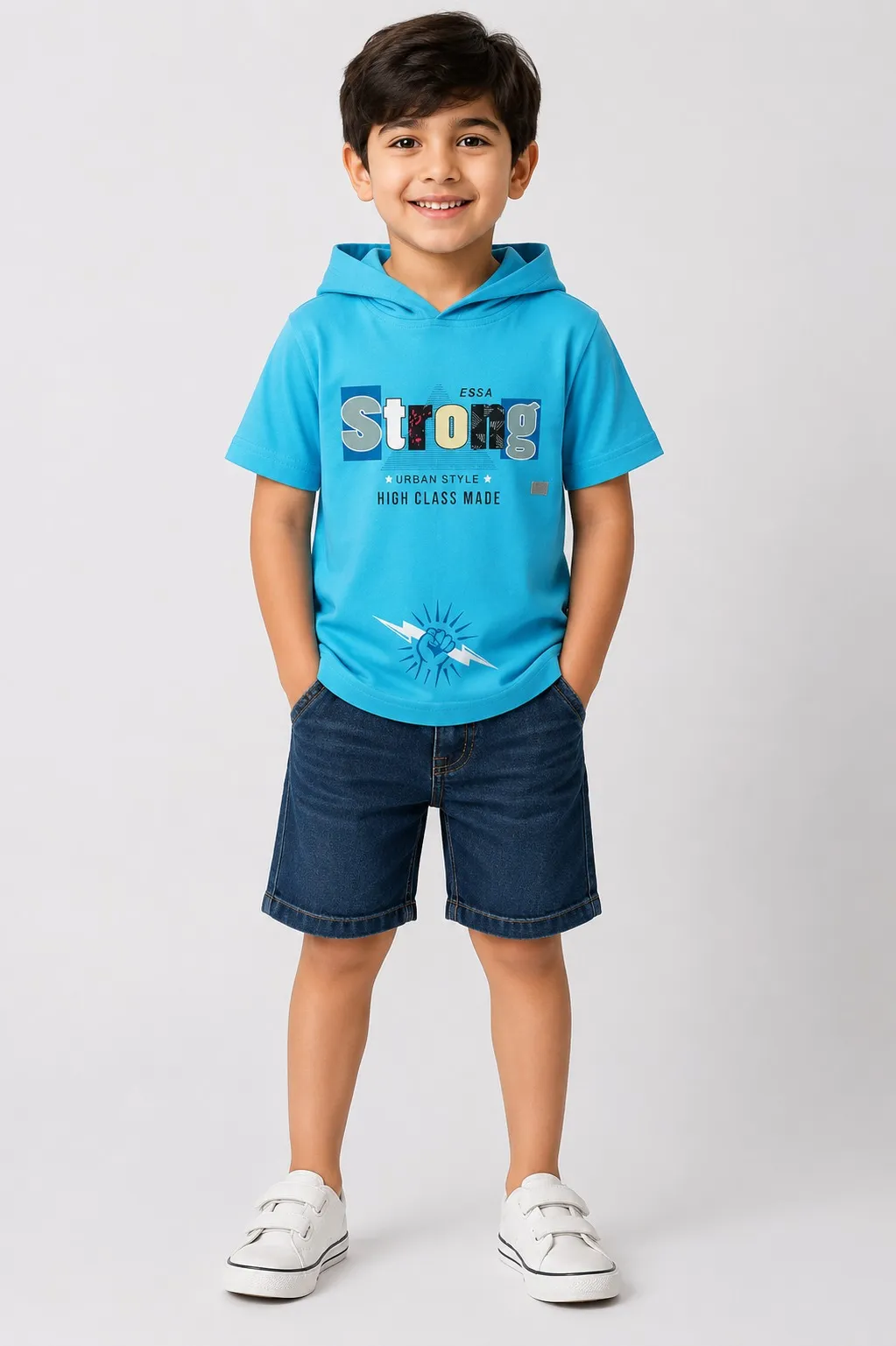
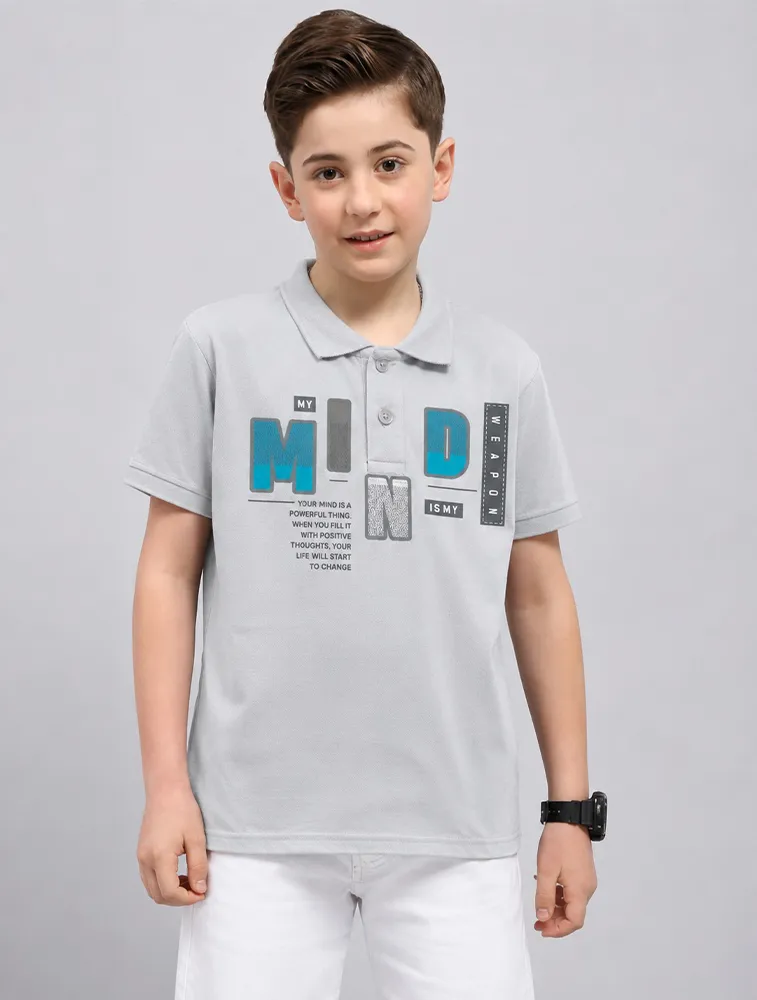
Schools and colleges. House t-shirts, sports kits, activity wear and event apparel are typically ordered once per session across a wide size range — kids sizing from 1–14 years through to adult sizes for senior students and staff. Two things determine whether the order goes well. First, collect actual sizes rather than applying a standard ratio; institutions almost always under-order the largest sizes, and a top-up of sixty pieces later costs far more per piece than including them at the outset. Second, place the order against the session calendar working backwards from the in-hand date, not forwards from the order date — a 15–30 day production window plus internal approval time needs planning around a fixed session start.
Hospitals and healthcare. Staff t-shirts, support-staff wear and departmental apparel are commercially laundered at high temperature and frequently, which changes the correct specification: a cotton-polyester blend at 150 GSM or above will hold its size and shade far longer than lightweight cotton, and total cost of ownership over the garment's service life usually favours the blend even where it is not the cheapest to buy. Colour-coding by department or grade is straightforward to specify and is handled as separate colour lots within a single order.
Repeat consistency is the point. Where a garment is re-issued year after year, approve the shade and specification once and we hold the approved standard on record. Every subsequent order is matched to that physical reference, so year three matches year one. Institutions that re-brief the colour and fabric with each order are the ones whose uniforms visibly drift over time.
Documentation. GST-compliant invoicing, specification sheets and test reports are provided as standard, and vendor registration formats are completed for institutional procurement systems. Educational and healthcare institutions buying under a grant or a governing-body approval usually need a formal quotation on letterhead ahead of the purchase decision — ask for it at enquiry stage and it is issued with the quote.
Brand compliance. Send your brand guidelines with the enquiry, not the artwork alone. Logo lock-ups, minimum clear space, permitted colourways on dark and light garments, and Pantone references all affect how the garment is produced, and marketing teams routinely reject a first sample over a detail that was in the guidelines but not in the brief. Where the corporate shade must match across polos, t-shirts and other items, tell us upfront — the same dye recipe reads differently on cotton and polyester, and matching across fabrics has to be planned rather than assumed.
Sizes. Collect actual employee sizes before ordering. Running a two-day internal form is faster than the re-order it prevents, and corporate orders that use a standard ratio consistently come up short on larger sizes. For events with unknown attendees, we can advise a distribution ratio, and ordering a modest buffer on the larger end is almost always cheaper than a top-up run.
Specification for the occasion. A single-day event t-shirt and a garment employees will wear repeatedly are different products, and buying the wrong one is the most common corporate procurement error. For a one-day campaign or giveaway, 100–140 GSM polyester is the right commercial call. For staff wear, onboarding kits or anything carrying the company name in front of customers, specify 160 GSM and above in cotton or blend, and consider an embroidered polo — the price difference per piece is small and the difference in how it is received is not.
Delivery and dispatch. Orders can be delivered to one location or split across offices, each carton size-graded and labelled to its destination, so local HR or admin teams distribute rather than sort. For onboarding kits, garments can be supplied individually polybagged and labelled by size, ready to go straight into a kit.
What retail and D2C brands typically specify:
Launch quantities are workable. The 100-piece-per-style-per-colour minimum lets a new brand launch a line across several colours and a full size range without committing to thousands of units of unsold inventory. Test the line, then re-order what actually sells.
Repeat consistency is what makes a brand supplier worth keeping. Once your first order is approved, the specification, the approved shade and the fit are held on record, so the second production run matches the first. For a brand, this matters more than the first order's price — a customer who reorders the same t-shirt in the same size expects the same garment, and variation between production runs generates returns and reviews that cost far more than the fabric saving that caused them.
Your designs remain yours. Artwork, patterns and specifications you supply are used only for your orders. If you do not have a tech pack, a reference garment or a competitor's product is enough to start — we build the working specification and produce a sample against it for your approval before bulk.
For retailers, the practical advantage is buying to your actual sell-through rather than to a supplier's carton. If your store moves L and XL fastest, weight the lot that way rather than accepting an even split and marking down the tail. Garments can be supplied retail-ready — individually polybagged, hang-tagged, with MRP and barcode labels applied — so stock goes to the floor without your staff repacking it. Where you need a fast top-up on a line that is selling, ready stock in available colours is usually the right call; where you are building a house line, contract manufacturing gives you a product competitors cannot price-match because they cannot buy it.
For wholesalers and distributors, the economics sit in the volume tiers. Per-piece price steps down meaningfully between 100, 1,000 and 10,000 pieces, because setup cost is fixed per style and colour and is spread across the run. Consolidating your season's requirement into fewer, larger orders across the same styles and colours materially improves the landed cost compared with placing frequent small orders — and orders can still be delivered in phases against a single agreed price, so you get the volume rate without holding all the inventory at once.
Margin comes from specification control. Buying finished goods from a trader means paying a markup on somebody else's specification, with no ability to change the fabric, the fit or the branding, and no recourse on a quality standard that was never agreed. Buying manufacturing means the specification is yours, the price is built from material and conversion cost rather than a reseller's margin, and the quality standard is a physical sample you approved. For anyone reselling, that difference is the margin.
Mixed-style orders are counted per style and per colour, so a single consignment can combine several styles and colours — useful for building a range without placing separate orders for each line.
What actually changes with volume. Every style and colour carries fixed costs regardless of quantity: a dye lot, pattern and marker making, screen preparation or embroidery digitising, and machine setup. At 100 pieces those costs are divided by 100. At 1,000 they are divided by 1,000. Above a few thousand pieces the setup component is largely absorbed and the price approaches the underlying material and conversion cost, which is why further increases yield smaller reductions.
Understanding this changes how you should structure an order.
Three ways to get a better price without buying more than you need:
Always request pricing at more than one tier. The difference between your intended quantity and the next break is frequently smaller than the cost of the top-up order you will place three months later. Quotes are issued at multiple volume tiers on request, so you can see the curve before deciding.
The sample is the contract. A pre-production sample is made to your exact specification — your fabric, GSM, colour, labels and branding in the correct positions — and you approve it before bulk begins. That physical garment, not a written specification, is what the order is judged against. This matters because written specifications are interpretable and garments are not: "navy blue" is arguable, an approved swatch is not. Sample charges are credited back against the bulk order.
What is inspected before dispatch: measurements against the agreed size chart, fabric GSM and shade consistency across the lot, stitching and seam quality, print or embroidery placement and durability, label accuracy and wording, and packing and carton marking. Inspection is done across the run rather than from the top carton only.
If something is wrong. Raise it with your point of contact with photographs and the specific garments and cartons affected. Goods that do not conform to the approved sample are our responsibility to put right — the remedy depends on what the deviation is and how it affects use, and is agreed with you rather than imposed. The commercial terms, the specification and the delivery commitment are all in the purchase order, so this sits on a written agreement rather than on goodwill.
What reduces this risk to close to zero, in order of impact: approve the sample properly rather than quickly — measure it against the size chart, check the shade in daylight, and wash it once if the garment will be laundered in service. State every requirement at enquiry stage, particularly certifications, laundering conditions and packing formats, since these determine which factory the order is allocated to. And put the specification in writing rather than agreeing it over a call. Almost every bulk apparel dispute originates in an assumption that was never written down, on either side.
For a full walkthrough of ordering, payment terms and delivery, see the FAQ on our home page.